Global tourism has largely recovered from the pandemic, with UN Tourism reporting strong growth in international travel. However, that recovery has not reached every corner of the world. Some travel destinations losing visitors are still struggling with fewer flights, political instability, natural disasters, rising prices, safety concerns or competition from easier and more affordable alternatives. Many remain culturally significant and visually striking, but they attract far fewer travelers than they did around a decade ago.
Hong Kong
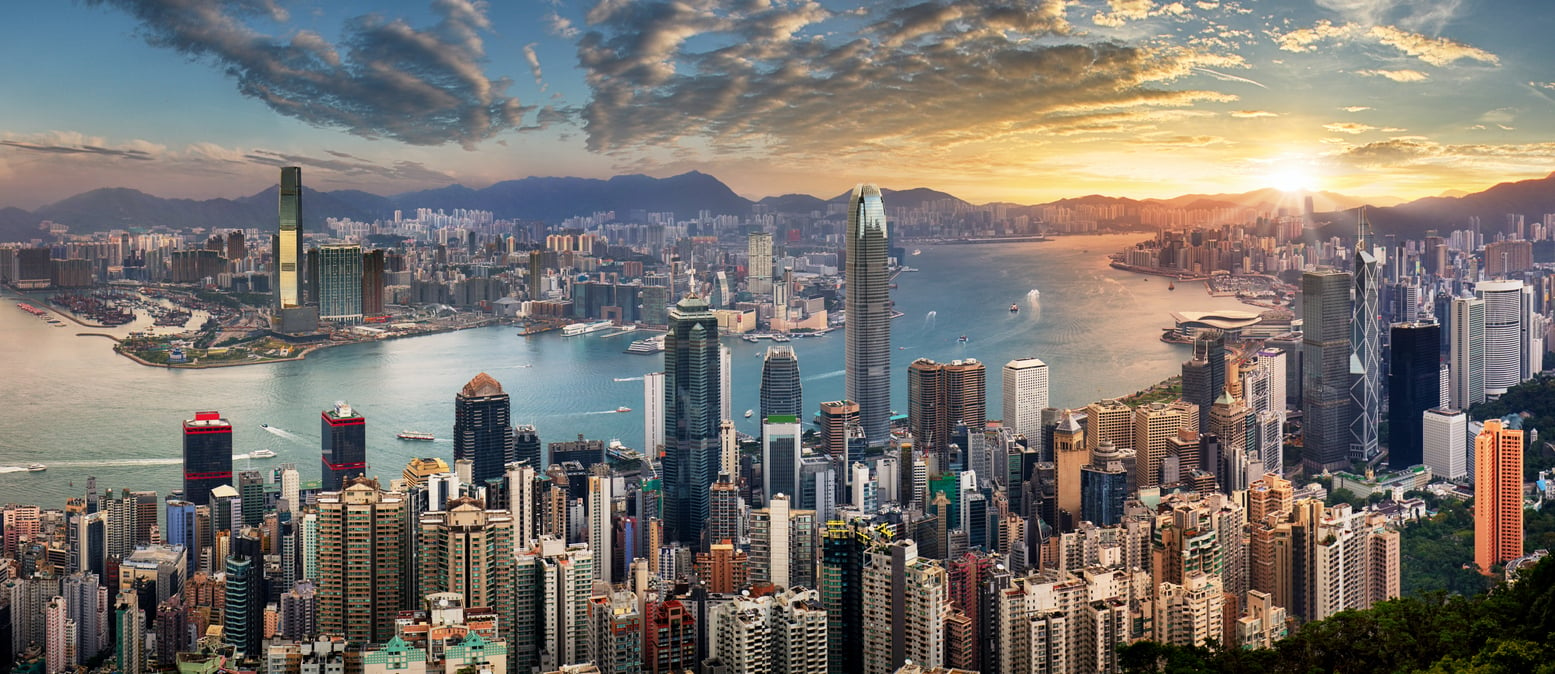
Hong Kong recorded almost 59.3 million visitor arrivals in 2015, but only about 44.5 million in 2024. Mainland China remains its dominant market, while the slow restoration of flights, changing shopping habits and the city’s transformed political image have complicated recovery. Promotions, major events and new attractions are bringing people back, but travelers may still find hotel prices high. Hong Kong is recovering; it simply has not regained the extraordinary visitor volume it handled a decade ago.
Taiwan
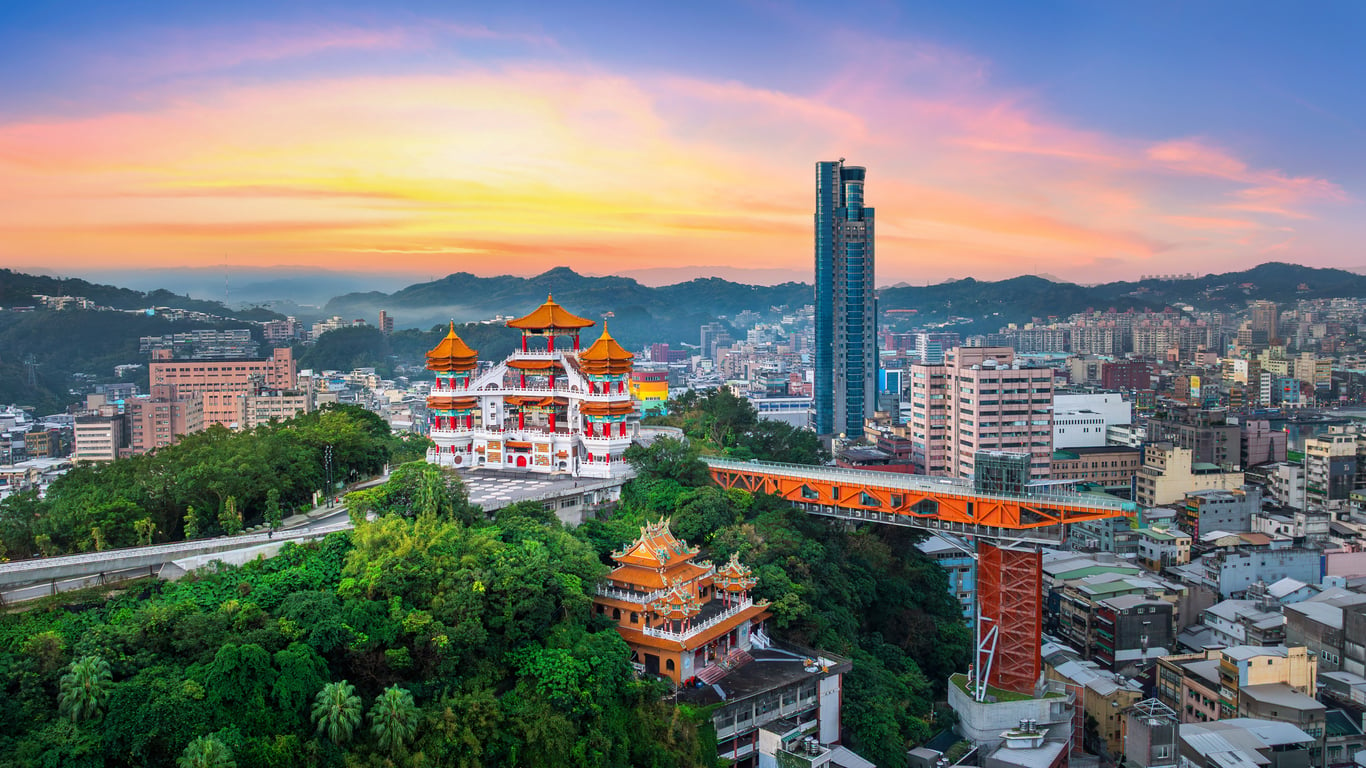
Taiwan welcomed more than 10 million visitors in 2015 and nearly 11.9 million in 2019. Its 2024 total was approximately 7.85 million, leaving the island noticeably below both benchmarks. The slow return of mainland Chinese tour groups has been especially important because that market once supplied millions of annual visitors. Taipei’s night markets, museums and excellent public transport remain strong values, but long-haul airfare can be expensive and the tourism recovery has moved more slowly than in Japan or South Korea.
Guam
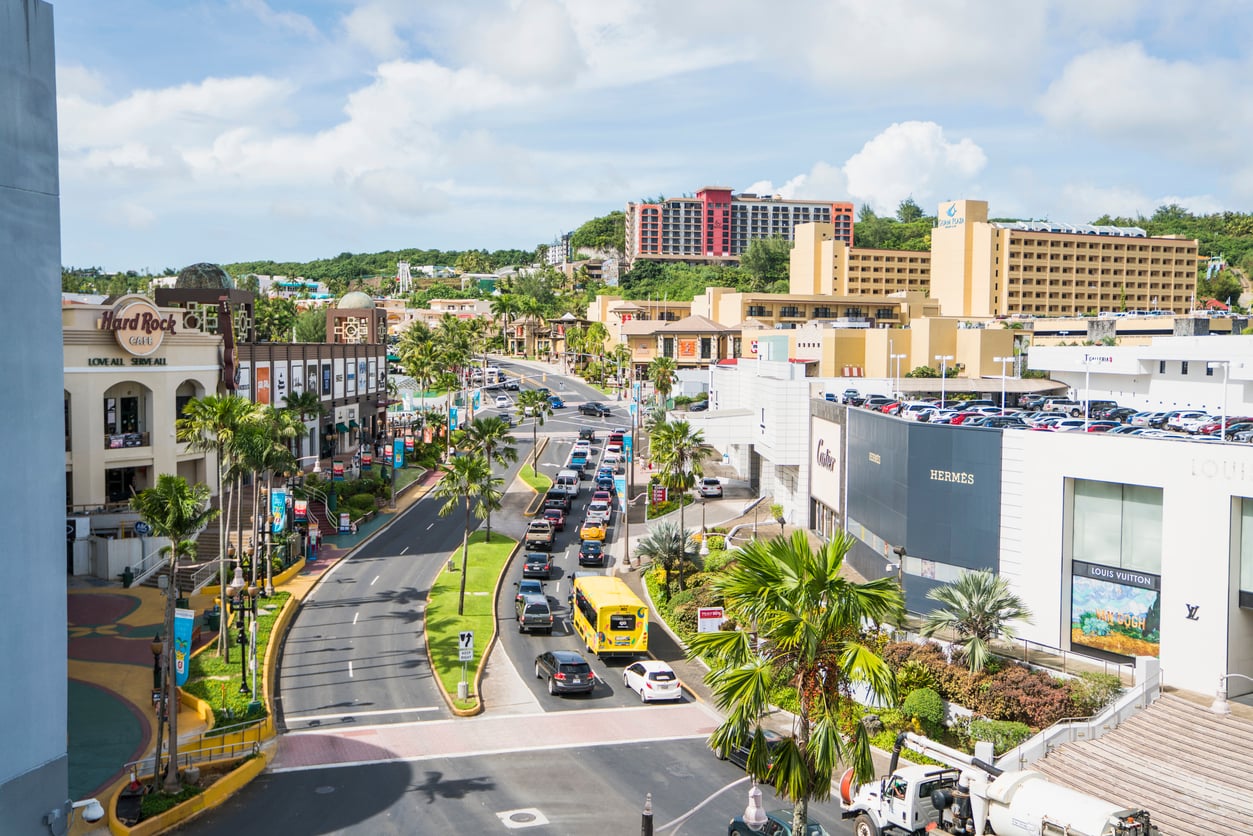
Guam welcomed roughly 1.5 million visitors in its strongest mid-2010s years. The Guam Visitors Bureau reported only about 783,000 arrivals for 2025, despite recent improvement. Reduced Japanese travel, airline capacity changes and a slower rebound from South Korea have affected the island’s hotels, restaurants and shops. Visitors still get beaches, American conveniences and important World War II sites, but flights can be costly and limited. That makes Guam harder to justify for value-conscious travelers comparing it with closer Asian beach destinations.
Saipan, Northern Mariana Islands
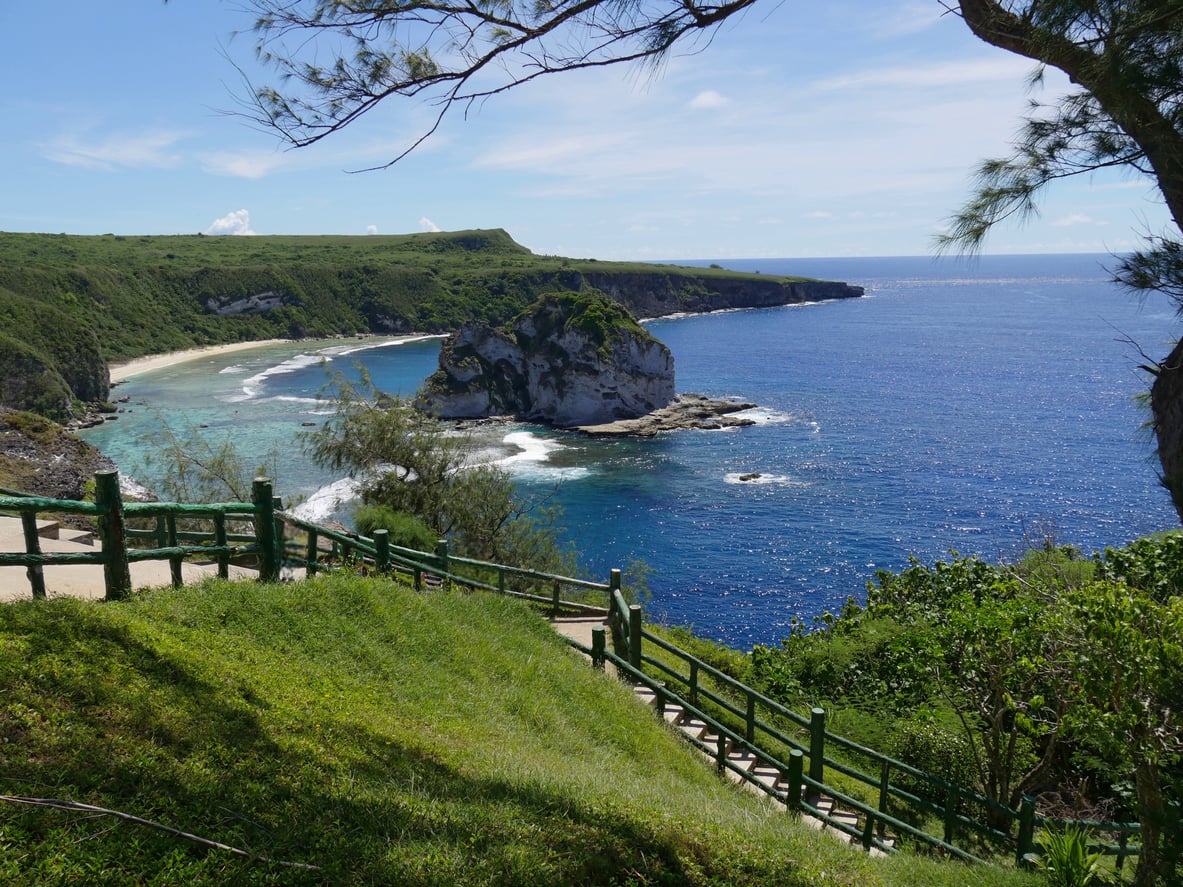
The Northern Mariana Islands received about 478,000 visitors in 2015, but only 160,640 during fiscal year 2025. Saipan has struggled with lost air routes, the collapse of its casino project, natural disasters and reduced demand from Japan, China and South Korea. The island’s beaches and World War II history remain compelling, yet fewer flights can produce higher fares and inconvenient connections. Many hotels and tourism businesses must now operate with a much smaller customer base than they had a decade ago.
Palau
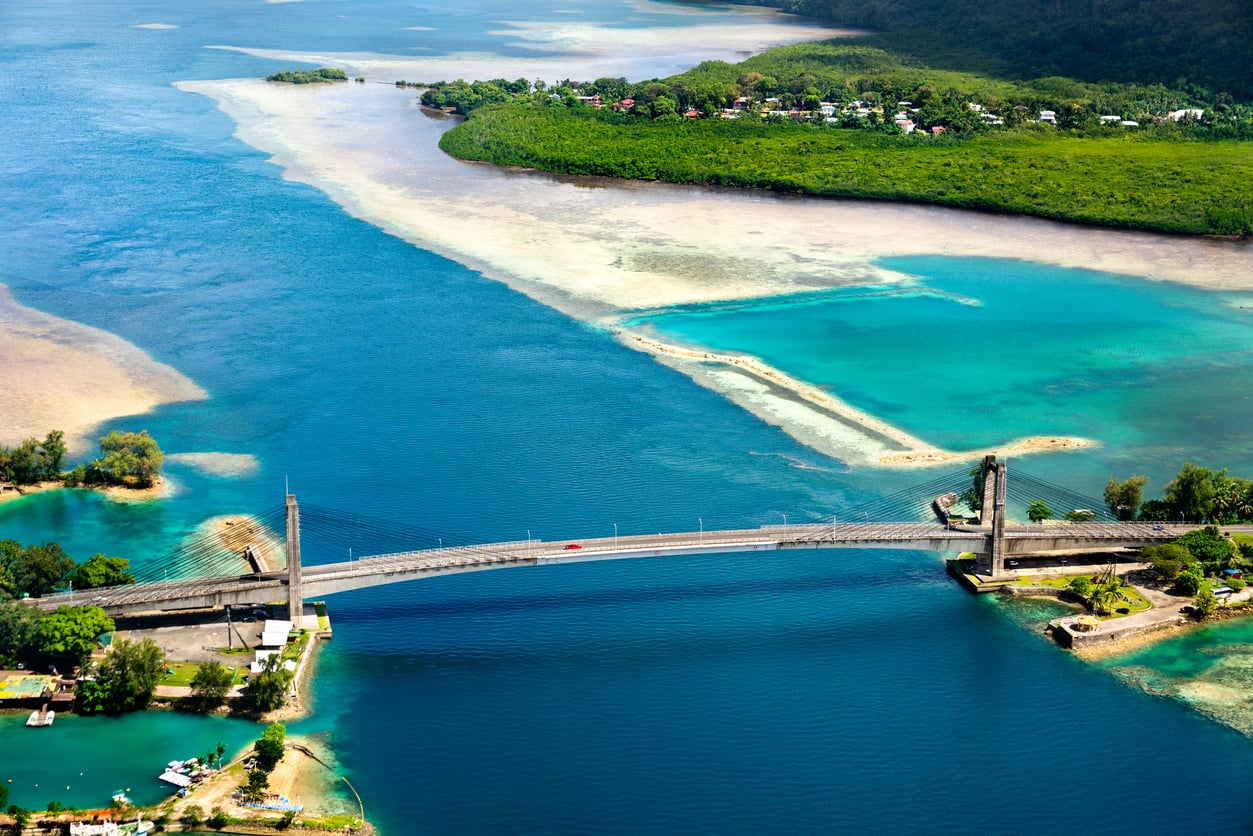
Palau reached a high of roughly 162,000 international arrivals in 2015, driven partly by a surge from China. Visitor numbers later fell sharply, and the country welcomed only a little over 50,000 people in 2024. Tourism is now recovering, helped by new flight connections and interest from Australia, but it remains far below the mid-2010s peak. Palau’s diving is internationally famous, although limited accommodation, expensive flights and conservation-related fees make it a specialised trip rather than an easy budget getaway.
Trending on Cheapism

Bhutan
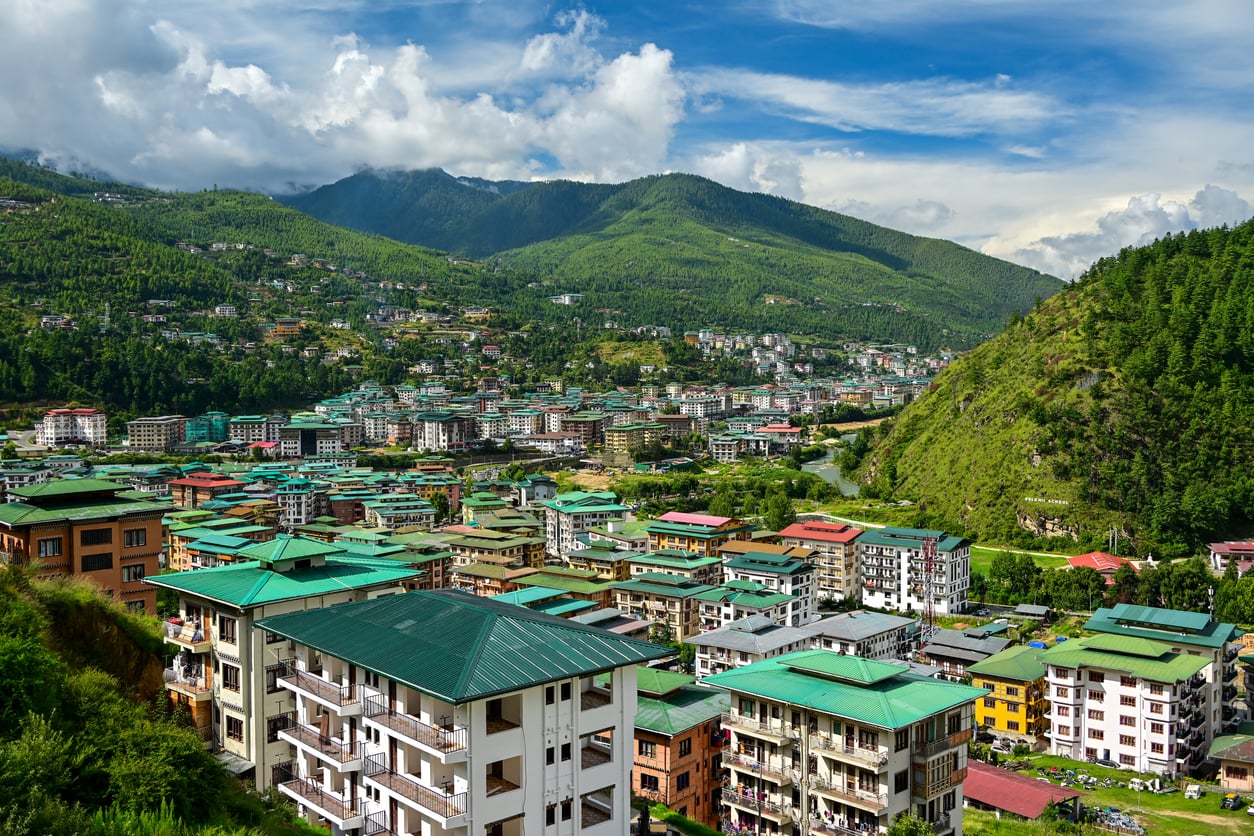
Bhutan received 155,121 tourists in 2015, compared with 145,065 in 2024. That difference is not enormous, but it is unusual in a region where several competing destinations have expanded rapidly. Bhutan deliberately limits mass tourism through its “high value, low impact” policy and daily Sustainable Development Fee. The approach protects culture and landscapes but raises the cost of even a short trip. Tiger’s Nest and the Himalayan valleys still attract travelers, though the required fees make Bhutan difficult for budget-conscious visitors.
Havana, Cuba
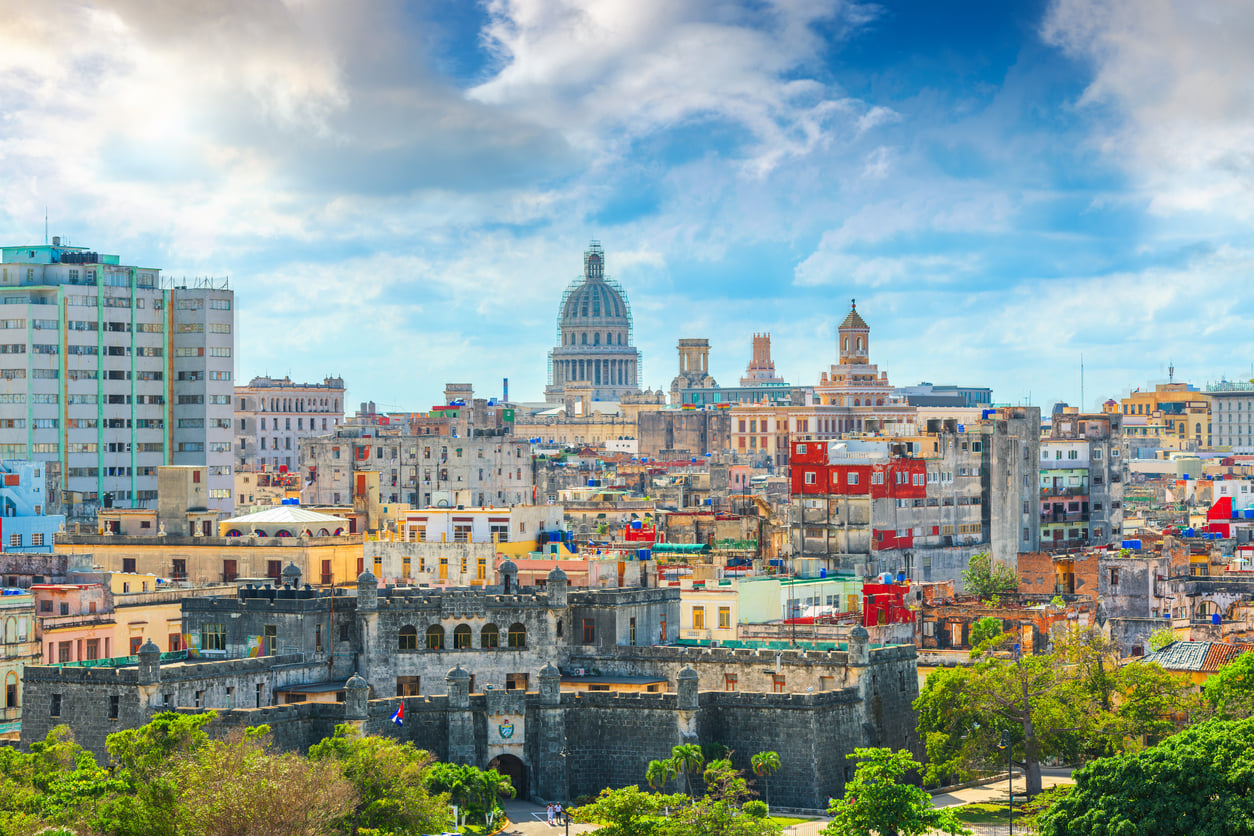
Cuba received more than 4.7 million international arrivals at its 2018 peak, but tourism has since fallen dramatically. Havana has been hit by reduced flights, U.S. restrictions, widespread shortages and unreliable electricity, water and payment services. The city’s architecture, music and privately operated restaurants still earn enthusiastic praise, but daily travel can require patience and careful preparation. By 2026, foreign visitors had become increasingly scarce at once-busy sites, while several major hotel companies and airlines were reducing or ending operations.
Varadero, Cuba
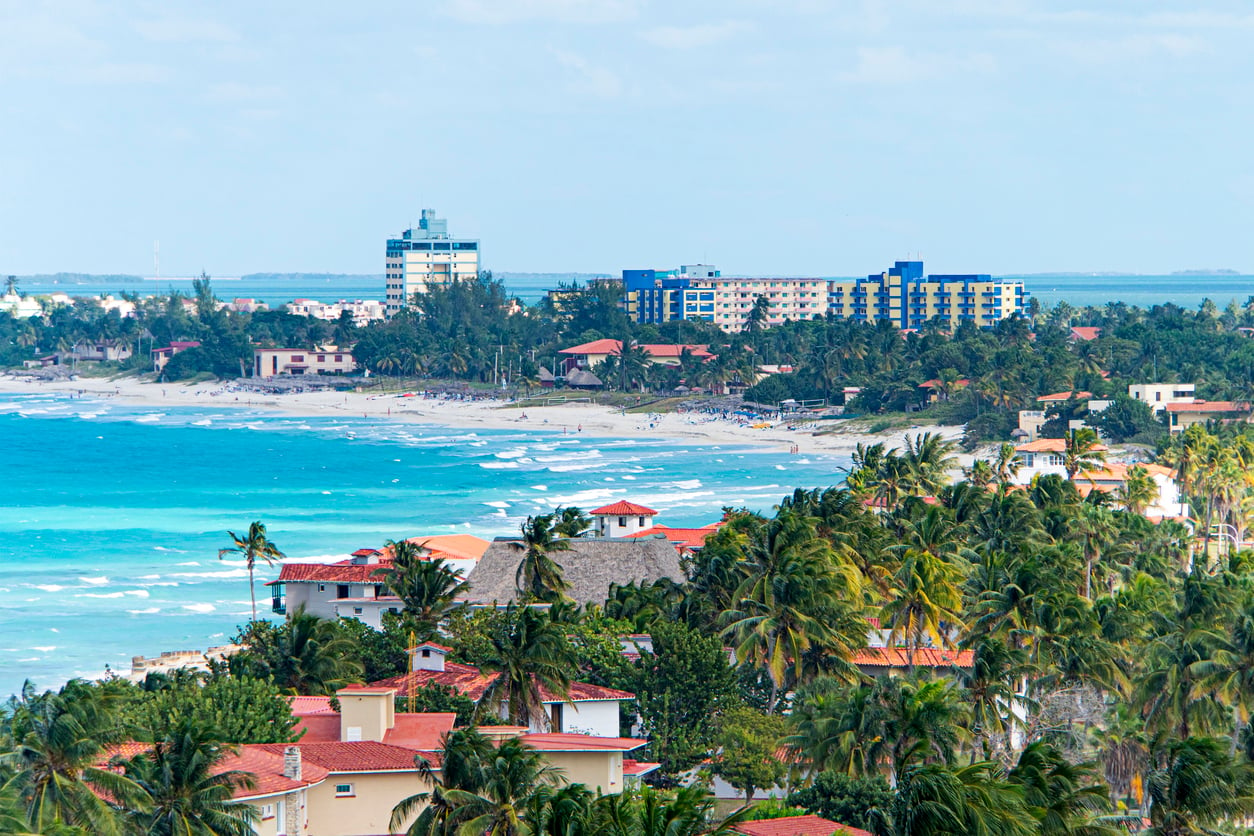
Varadero’s broad beach and all-inclusive resorts once made it one of the Caribbean’s most dependable package destinations, particularly for Canadians. Its difficulties now reflect Cuba’s larger tourism crisis. Airlines have reduced service, hotels face food and supply shortages, and power problems can affect the guest experience even when a resort remains open. Package prices may look appealing, but travelers should examine recent reviews carefully rather than relying on a property’s star rating or older reputation. Cuba’s international arrivals remain far below their 2018 high.
Sign up for our newsletter
Beirut, Lebanon
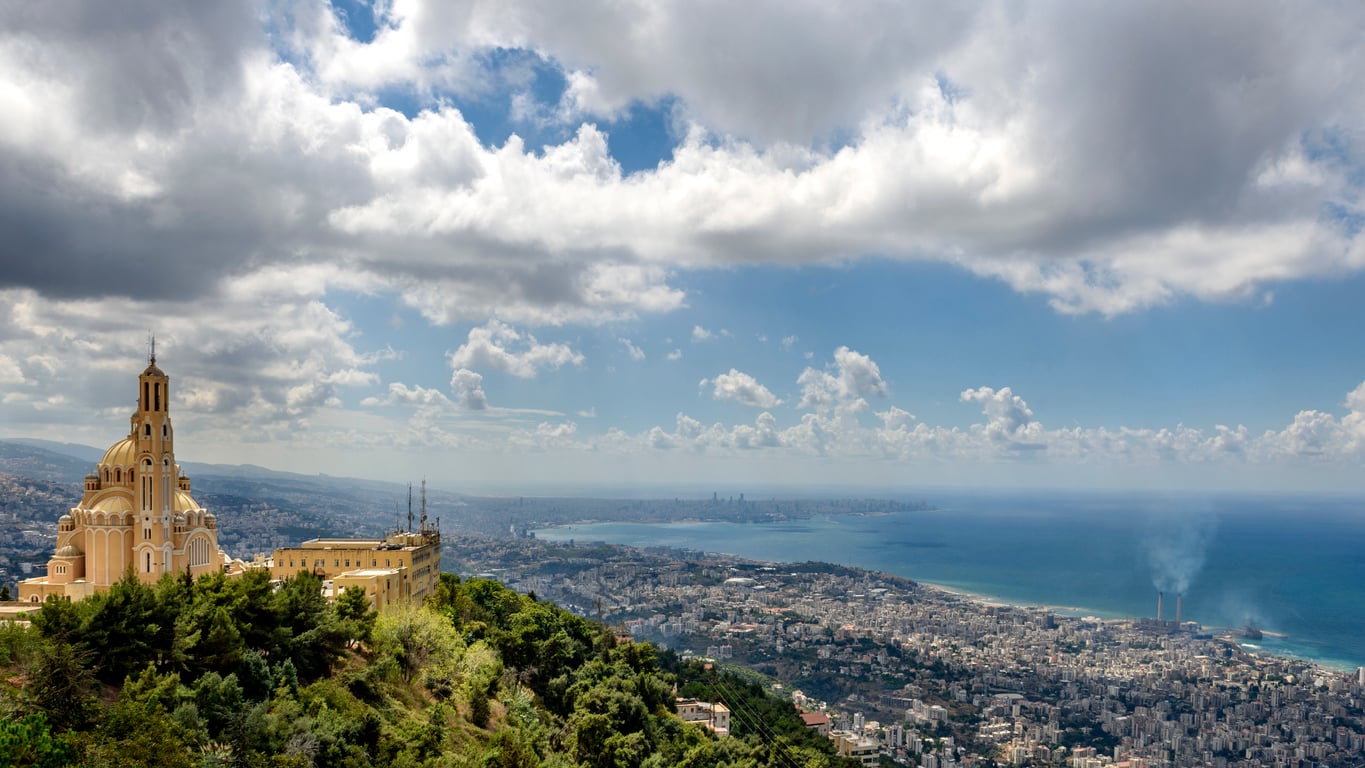
Beirut’s restaurants, nightlife and Mediterranean setting supported a major tourism revival before Lebanon’s economic and political crises intensified. Visitor arrivals dropped by approximately 32% in 2024, although 2025 brought a partial recovery. Inflation, banking difficulties, electricity shortages and regional conflict have repeatedly discouraged international travel. The city may still feel lively during holidays and visits by the Lebanese diaspora, but that should not be confused with stable leisure tourism. Official advisories and changing regional conditions require close attention before any trip is considered.
Bethlehem, West Bank
Bethlehem once filled with pilgrims, tour buses and Christmas visitors, but tourism virtually disappeared after the conflict that began in October 2023. Hotels, souvenir shops and restaurants around Manger Square have reported severe losses, while checkpoints and movement restrictions make travel unpredictable. The Church of the Nativity remains one of Christianity’s most important sites, yet the city has experienced multiple holiday seasons without its normal international crowds. This is not a quiet bargain destination; current security guidance must take priority over lower hotel prices.
Jerusalem
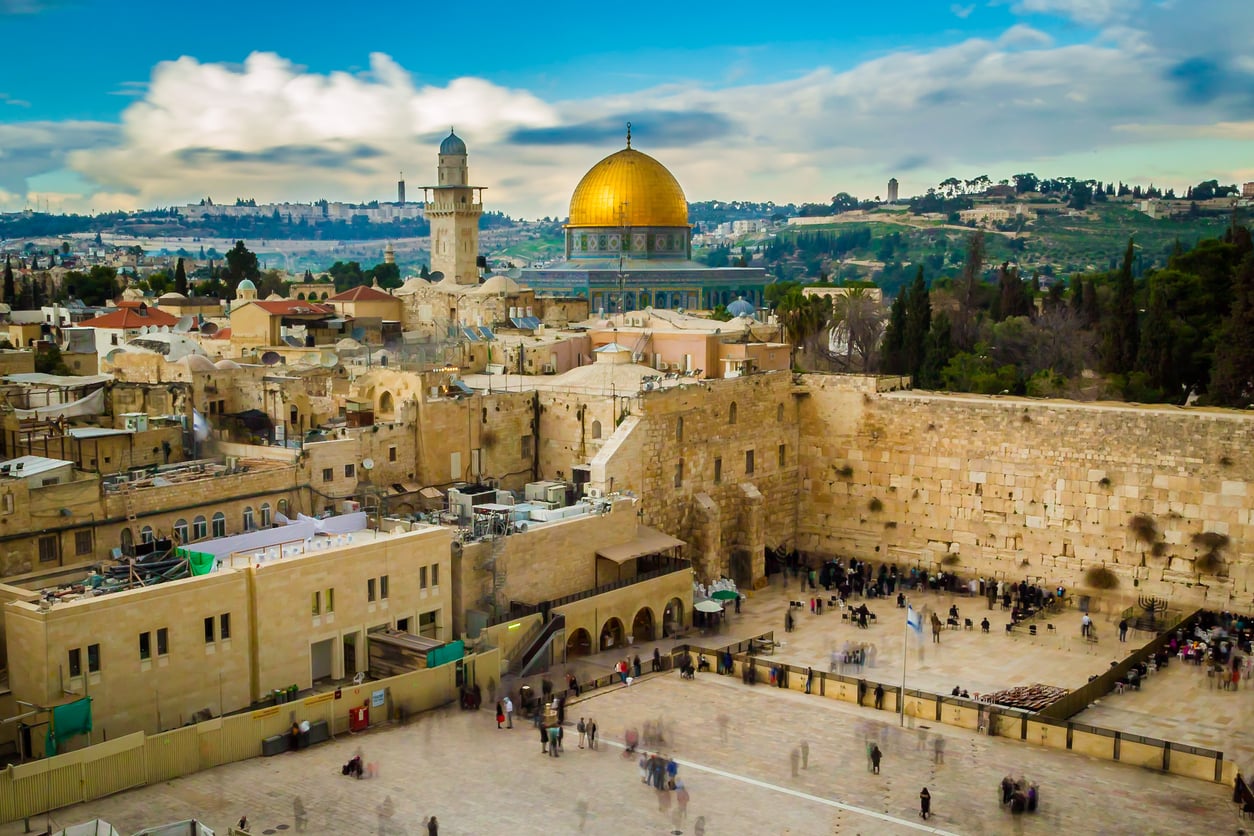
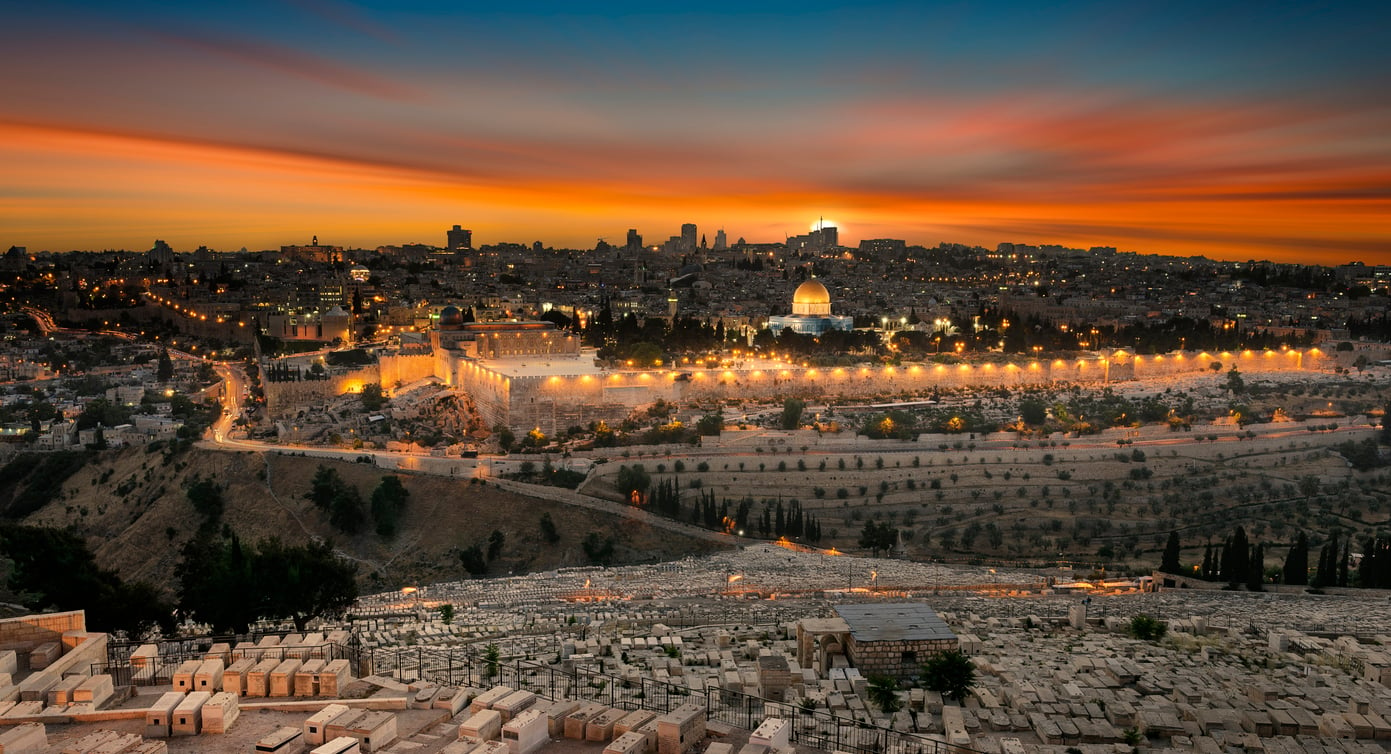
Jerusalem received millions of tourists during the middle and later 2010s, with Israel reaching almost 4.9 million visitor arrivals in 2019. International tourism then collapsed after October 2023, leaving religious sites, guides and hotels with substantially less business. Jerusalem’s significance has not changed, but regional conflict, interrupted flights and official warnings have prevented a normal recovery. Travelers should also recognise that statistics for Jerusalem can be politically and geographically complicated because tours frequently include both Israeli and Palestinian destinations.
Yangon, Myanmar
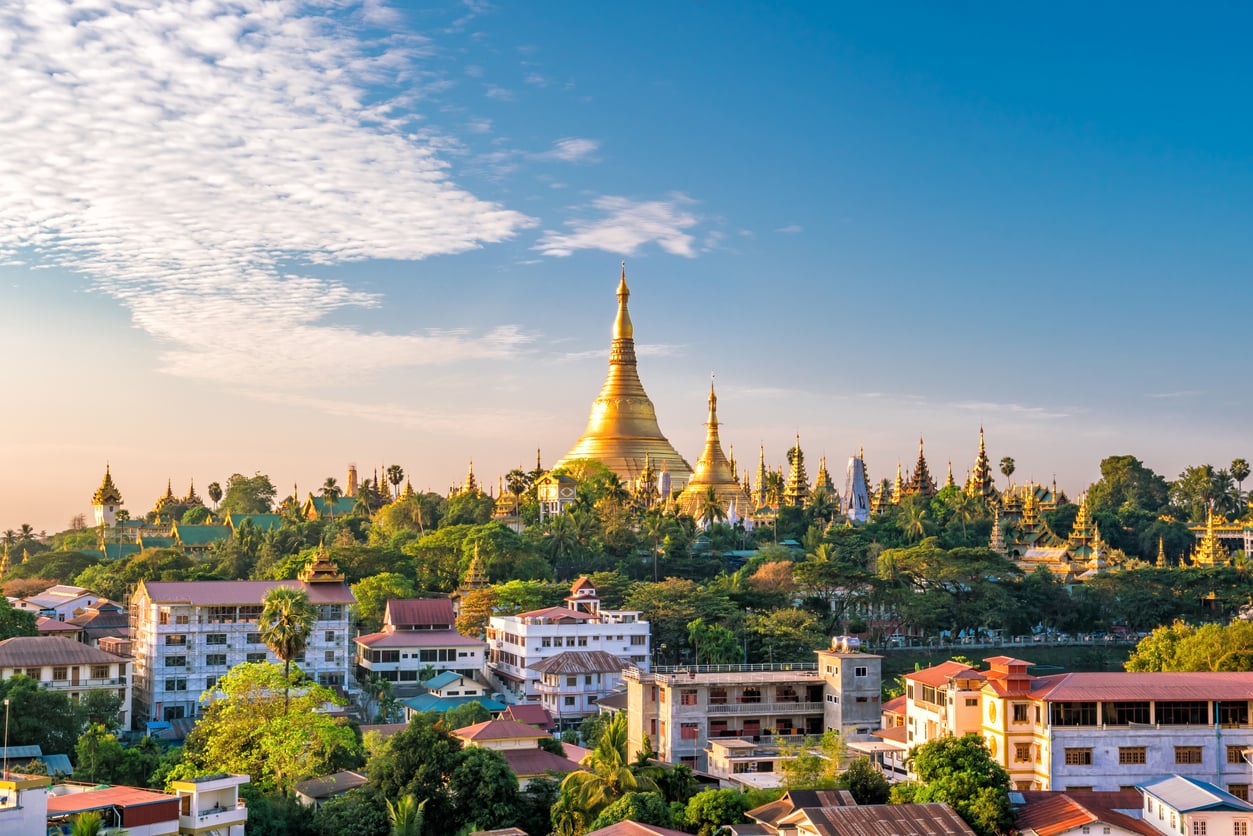
Myanmar welcomed approximately 4.68 million international visitors in 2015 but only about 1.06 million in 2024. Yangon has consequently lost much of the tourism momentum it gained during the country’s period of political opening. Shwedagon Pagoda, colonial-era buildings and local markets remain culturally important, but the 2021 military takeover, continuing conflict and economic instability have changed the risks surrounding a visit. The steep national decline makes Yangon one of the clearest examples of a once-rising Asian destination losing international travelers.
Bagan, Myanmar
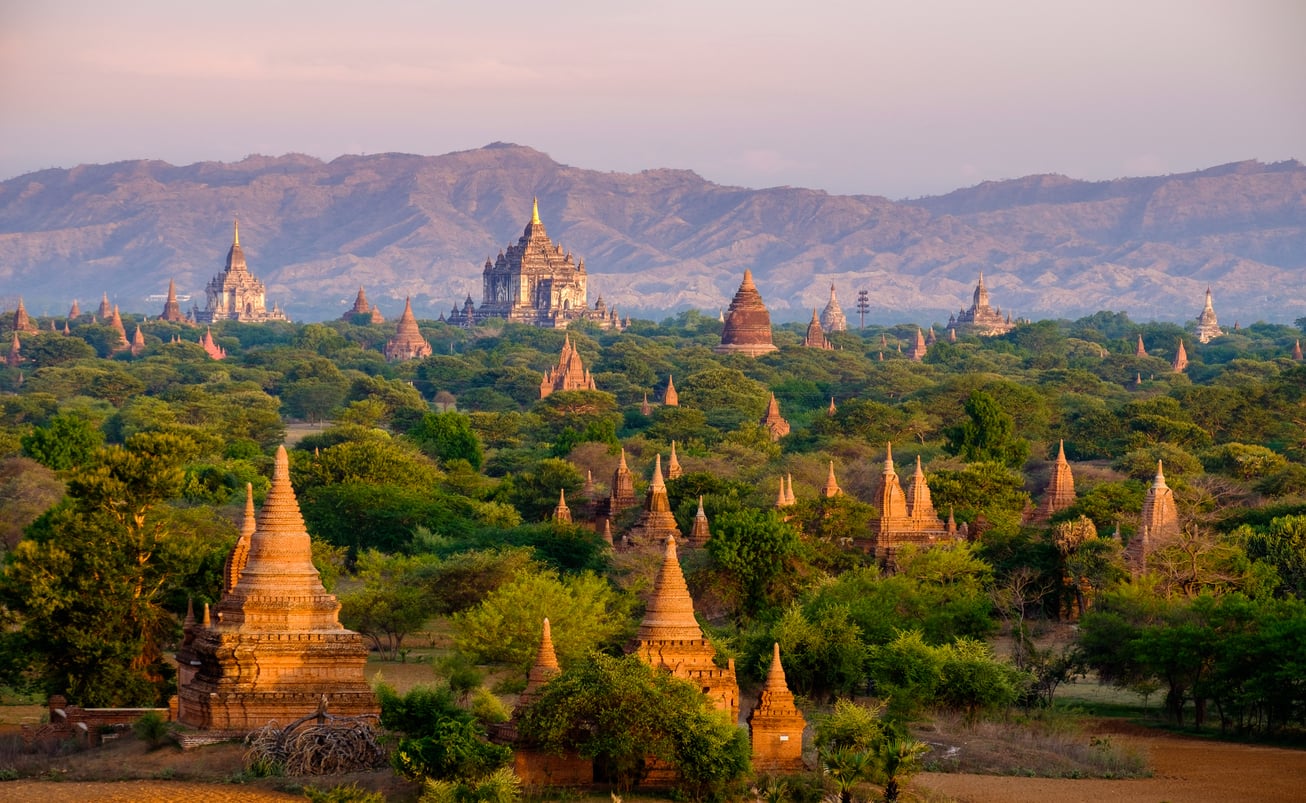
Bagan’s thousands of temples helped make Myanmar one of the decade’s most talked-about emerging destinations. That momentum disappeared as national arrivals fell from 4.68 million in 2015 to barely more than 1 million in 2024. Local tourism businesses have also faced pandemic closures, political upheaval and transportation disruption. The archaeological landscape remains extraordinary, but lower room prices should not be mistaken for a routine bargain. Travel advisories, insurance exclusions and limited emergency assistance can outweigh any savings offered by nearly empty hotels.
Inle Lake, Myanmar
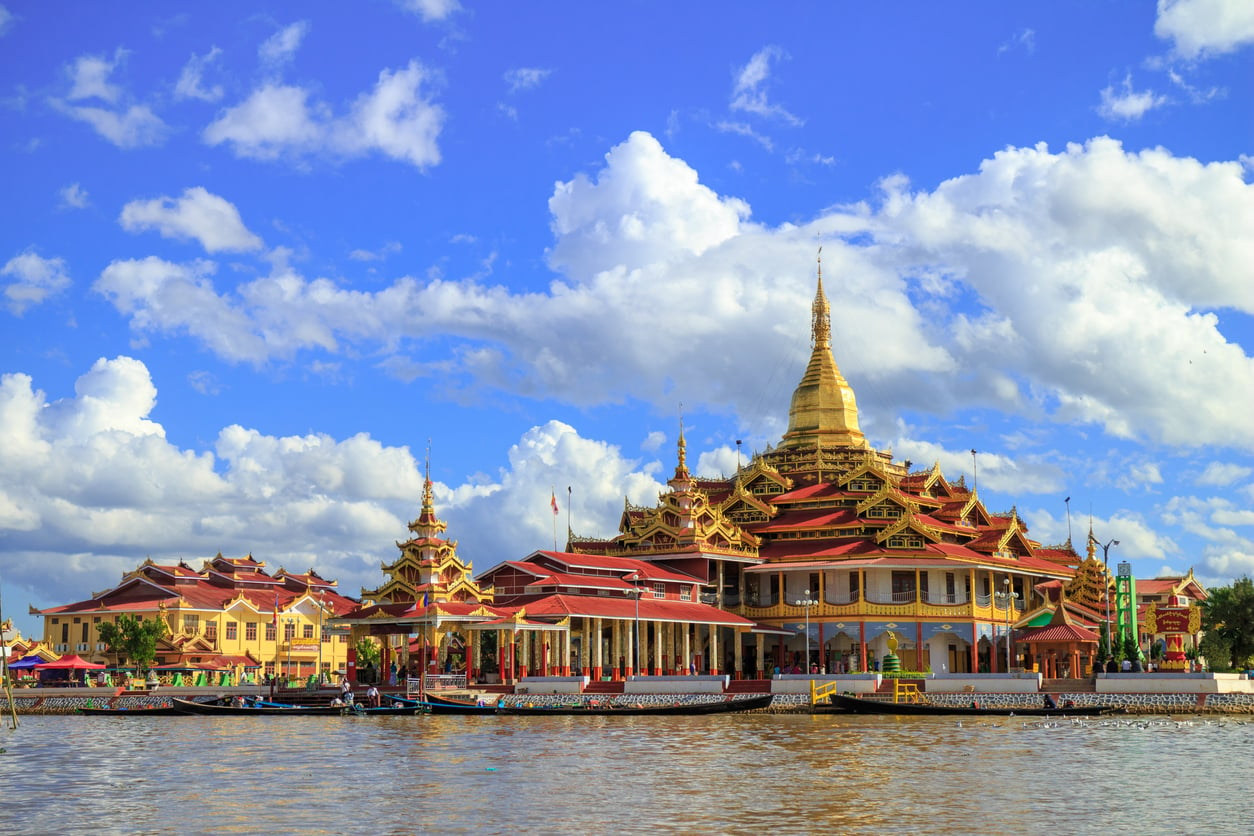
Inle Lake once drew a steady circuit of international visitors interested in floating gardens, stilt villages and leg-rowing fishermen. Myanmar’s broader tourism collapse has left the area with far fewer foreign guests than during the mid-2010s. Flooding in 2024 and the major 2025 earthquake added damage to homes and tourism infrastructure already weakened by conflict and economic hardship. The famous pagoda festival returned in 2025, but its revival should not be confused with a full recovery in international tourism.
Caracas, Venezuela
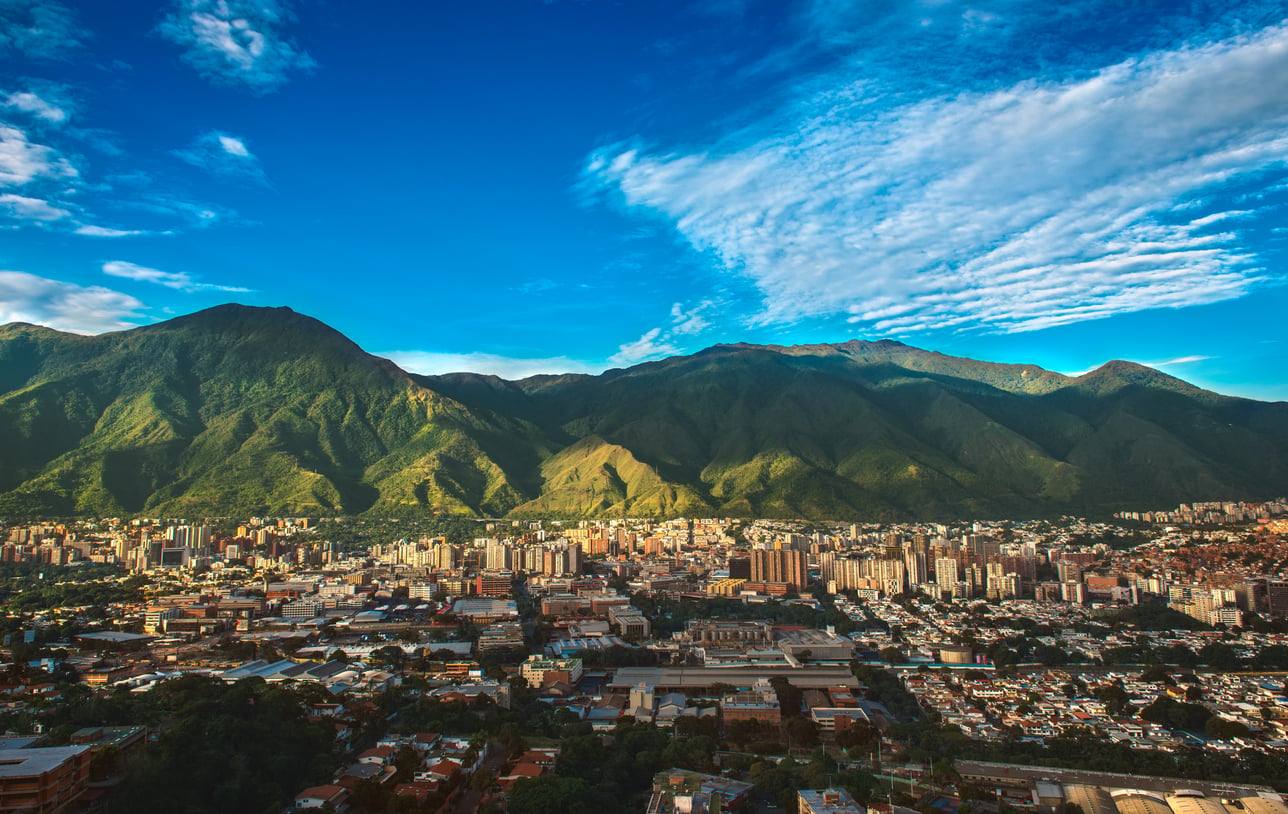
Venezuela recorded about 789,000 international tourist arrivals in 2015 and only 427,000 in 2017 as its economic and political crisis deepened. The government has recently reported stronger numbers. Caracas retains striking mountain scenery, museums and modernist architecture, yet safety concerns and unreliable services keep it outside the normal South American tourist circuit. Government tourism growth claims should therefore be treated cautiously rather than accepted as evidence of a complete comeback.
Acapulco, Mexico
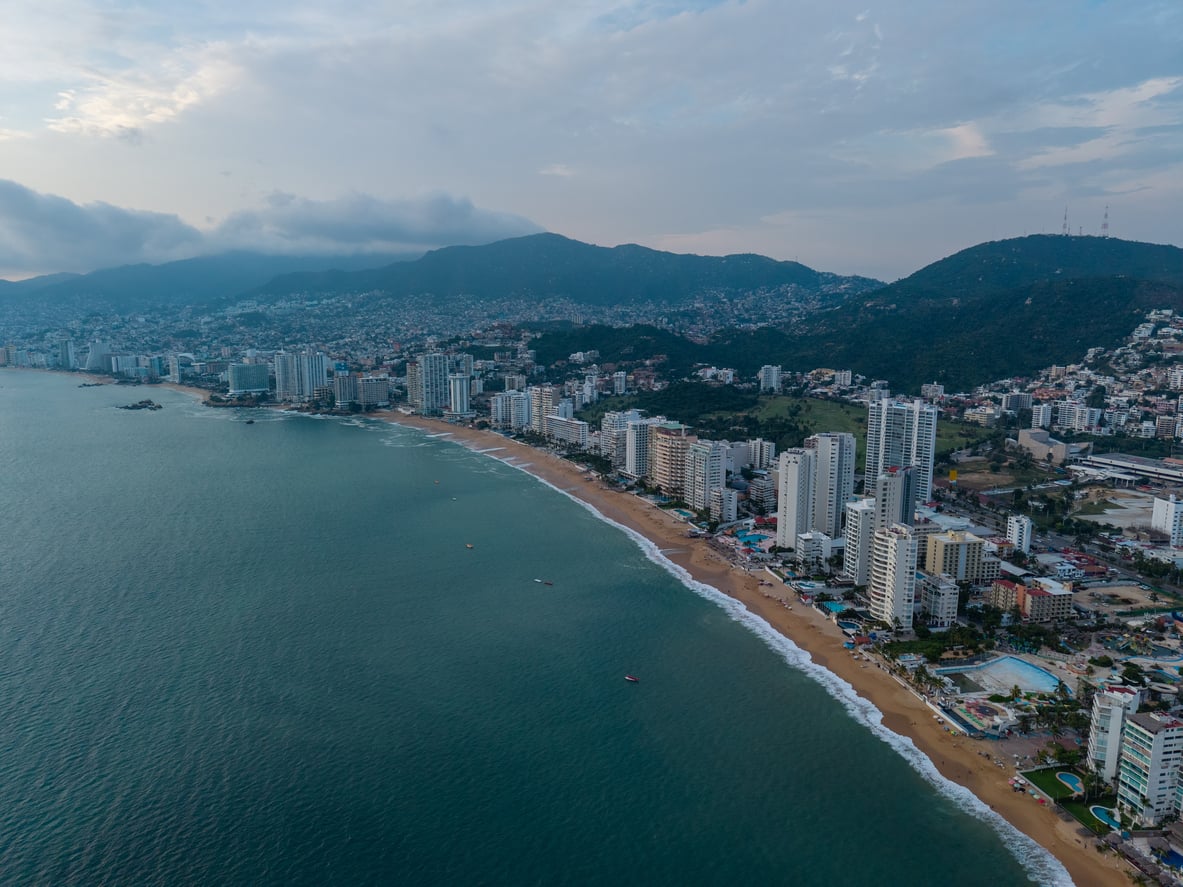
Acapulco remains popular with Mexican vacationers, particularly during holiday weekends, but it no longer holds the international status it enjoyed before Cancun and Los Cabos took over the resort market. Violence had already caused cancellations before Hurricane Otis devastated hotels and infrastructure in 2023. Rebuilding has restored thousands of rooms and produced high occupancy on peak dates, yet basic services and security remain uneven. The available evidence supports describing Acapulco as internationally diminished.
New Caledonia
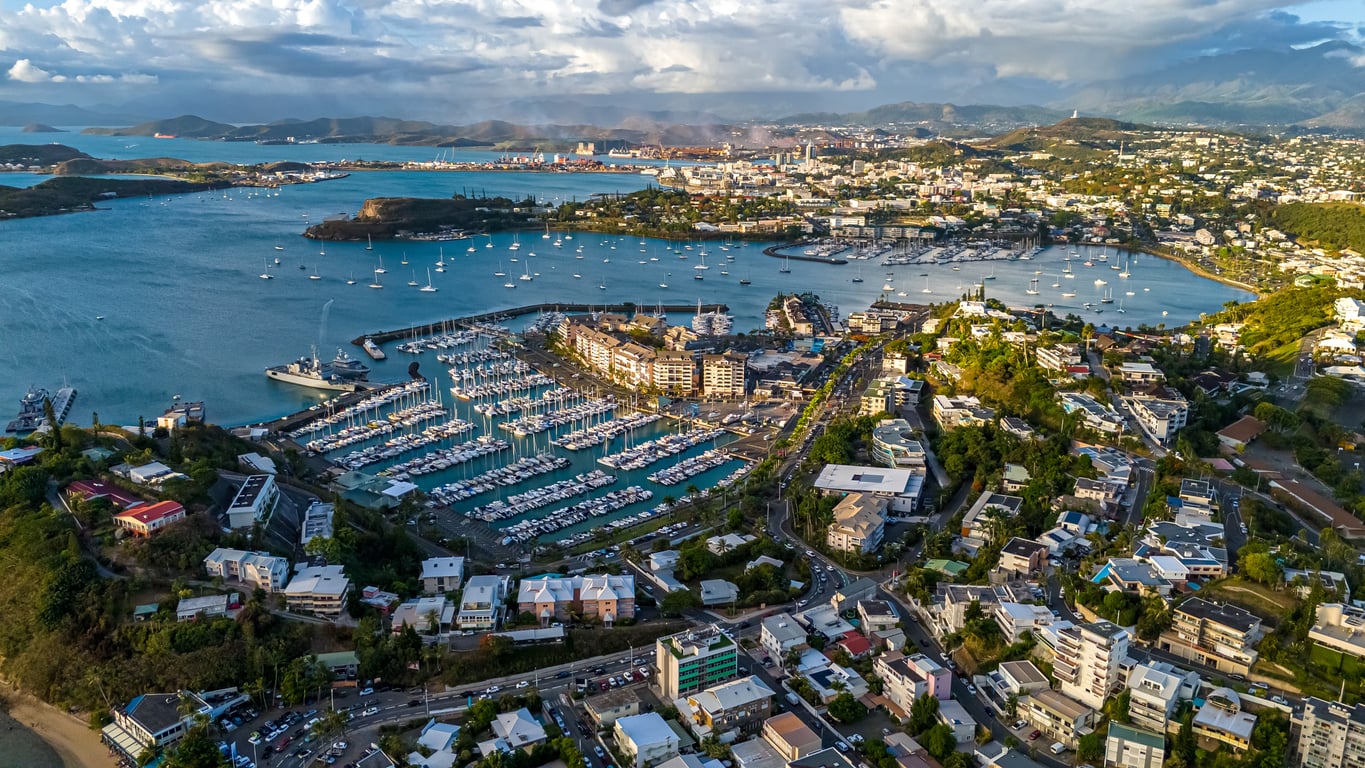
New Caledonia received roughly 114,000 international tourists in 2015 and reached a later monthly high in 2019. Political unrest beginning in 2024 badly damaged its recovery, causing cancellations, flight disruptions and long closures for tourism businesses. Visitor numbers have remained volatile into 2026. The French Pacific territory offers lagoons, beaches and a distinctive blend of Kanak and French culture, but limited competition already made flights and hotels expensive. Uncertainty around transportation and local conditions further weakens its appeal.
Labadee, Haiti
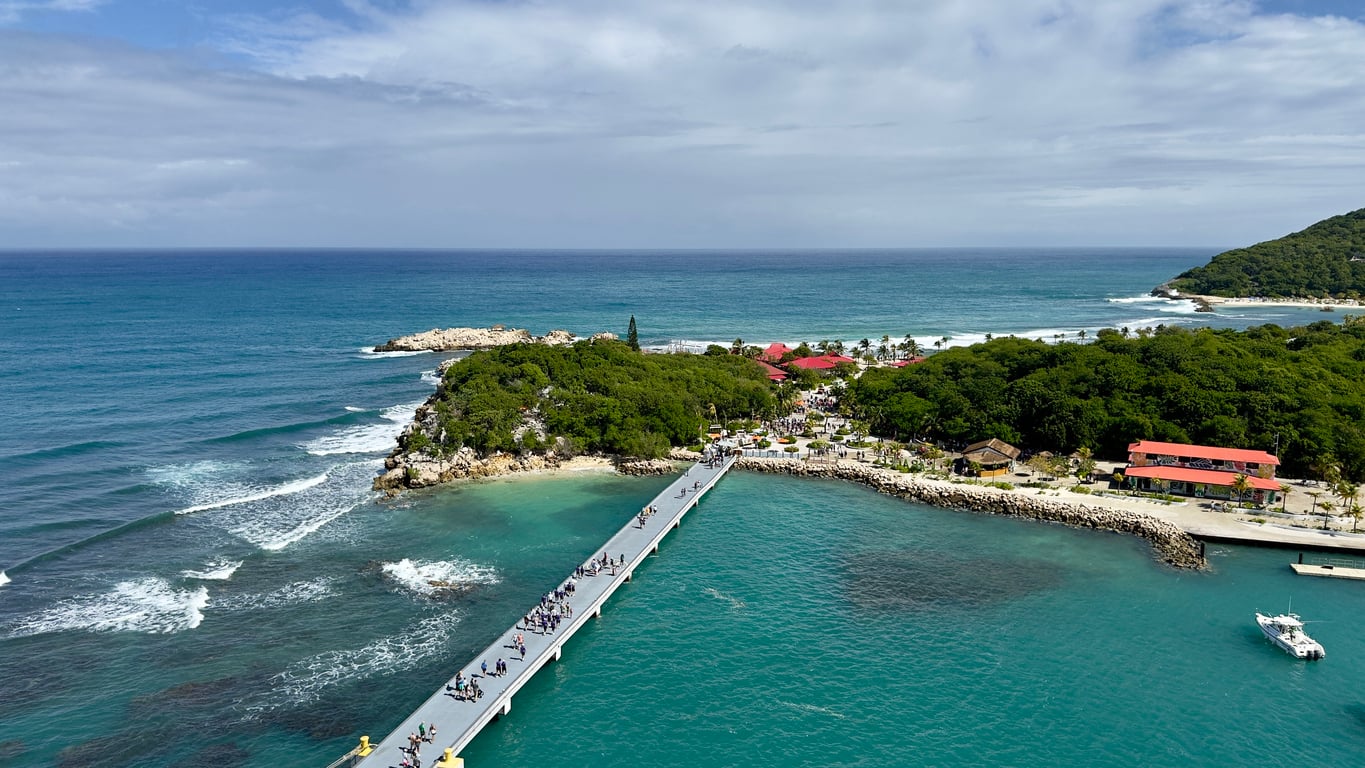
Haiti’s visitor totals reached their high point during the late 2010s, when cruise passengers made up an important share of arrivals. Labadee, a private cruise destination on the northern coast, once allowed large numbers of passengers to visit without traveling through the rest of the country. Cruise calls have since been suspended repeatedly because of worsening instability and safety concerns. Royal Caribbean extended its suspension through June 2027, removing one of Haiti’s most consistent tourism flows and leaving workers dependent on an uncertain return.
St. Petersburg, Russia
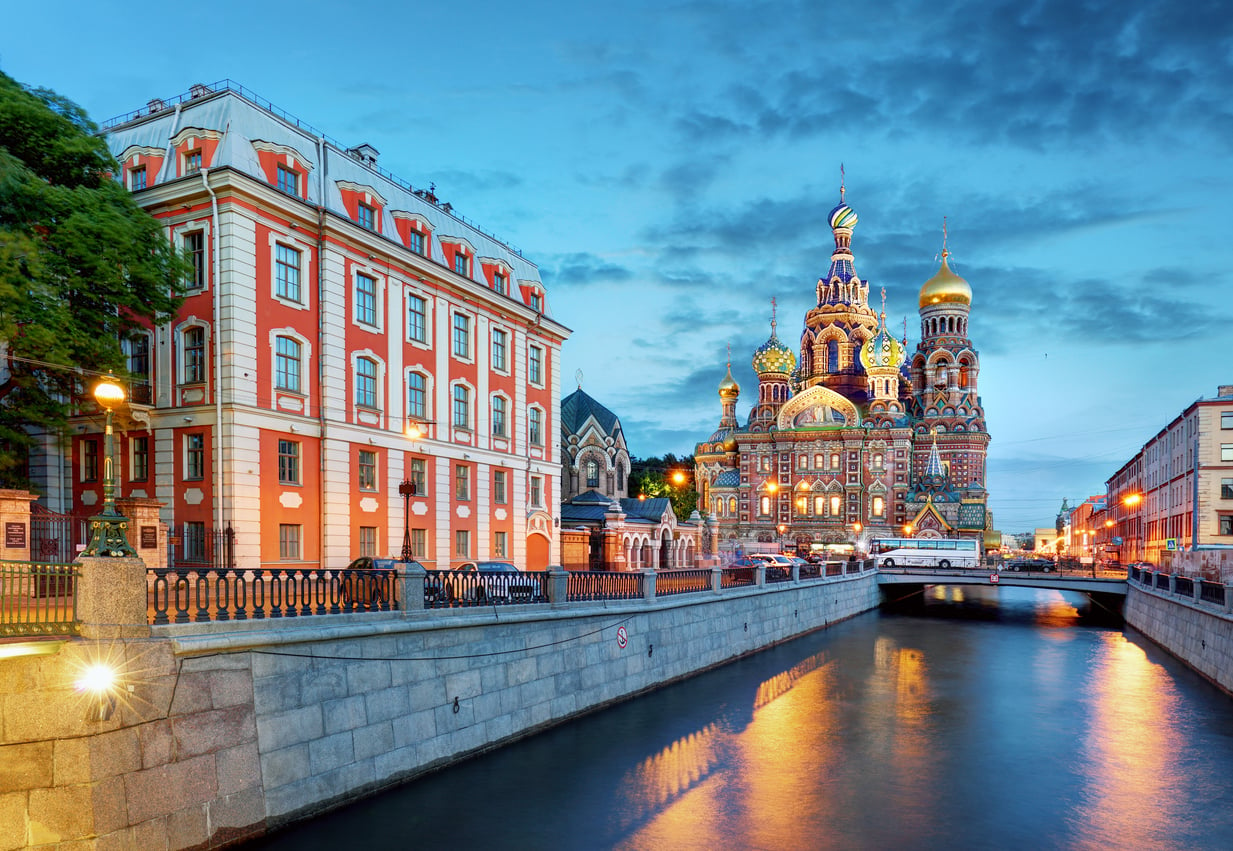
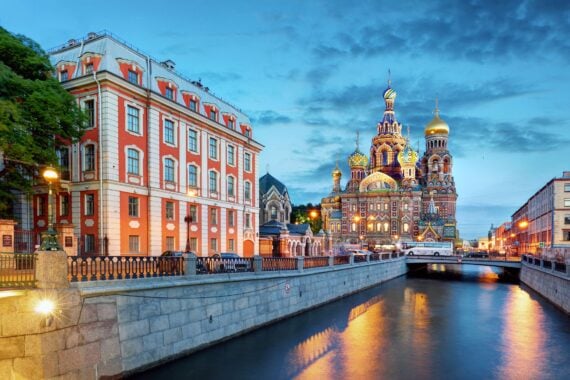
St. Petersburg was one of Europe’s major city-break and cruise destinations during the 2010s. International leisure tourism changed sharply after Russia’s invasion of Ukraine, as European flight connections disappeared, cruise lines removed Russian ports and numerous governments advised against travel. Visitors still arrive from countries maintaining direct routes. Bargain hotel rates are not enough to offset difficult transportation, payment restrictions, insurance problems and serious consular concerns for many nationalities.
Odesa, Ukraine
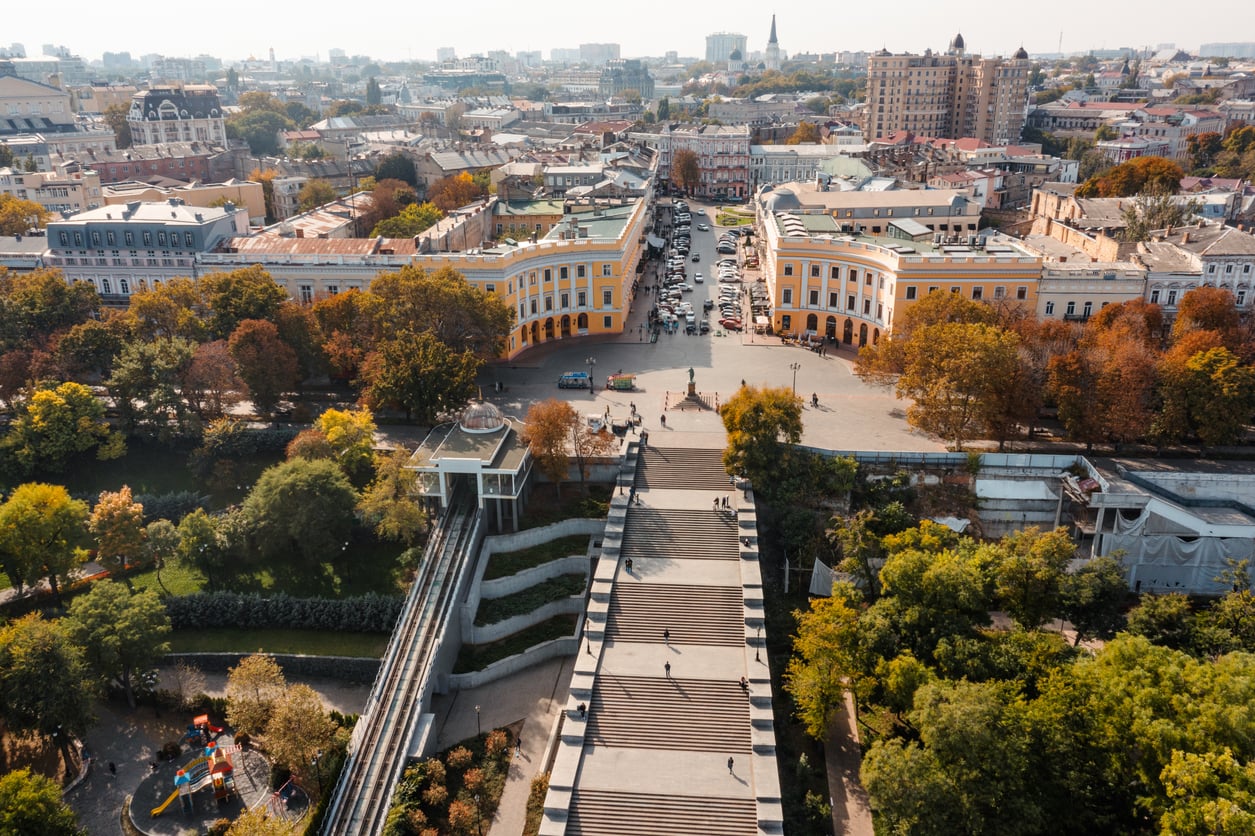
Before Russia’s full-scale invasion, Odesa attracted visitors with Black Sea beaches, ornate architecture, markets and a famous opera house. Tourism has since been overwhelmed by war, damaged infrastructure and continuing attacks. Domestic visitors may still appear during quieter periods, but ordinary international leisure travel remains far below its mid-2010s level. Odesa should not be promoted as an uncrowded or inexpensive alternative while the conflict continues. Its inclusion reflects the scale of tourism lost over the decade, not a recommendation to ignore official warnings.