
Travel remains a priority for older Americans, but rising costs, crowded hotspots, extreme heat, and complicated logistics are changing where many choose to go. According to AARP’s 2026 travel research, adults 50 and older still expect to take several trips this year, but value matters more than ever. These travel destinations boomers are skipping show why some famous vacation spots are becoming easier to reconsider.
Las Vegas Is Not the Bargain It Used to Be

Las Vegas still draws millions, but its old reputation for bargain rooms and inexpensive entertainment has weakened. The city welcomed 38.5 million visitors in 2025, while hotel occupancy, room rates, and revenue per available room all fell from the previous year. Resort charges, parking, dining, and entertainment can also make a cheap advertised room considerably less cheap by checkout. Travelers with casino loyalty discounts may still find deals, but retail visitors have more reason to compare costs carefully.
Disney World Can Turn Into a Very Expensive Family Trip
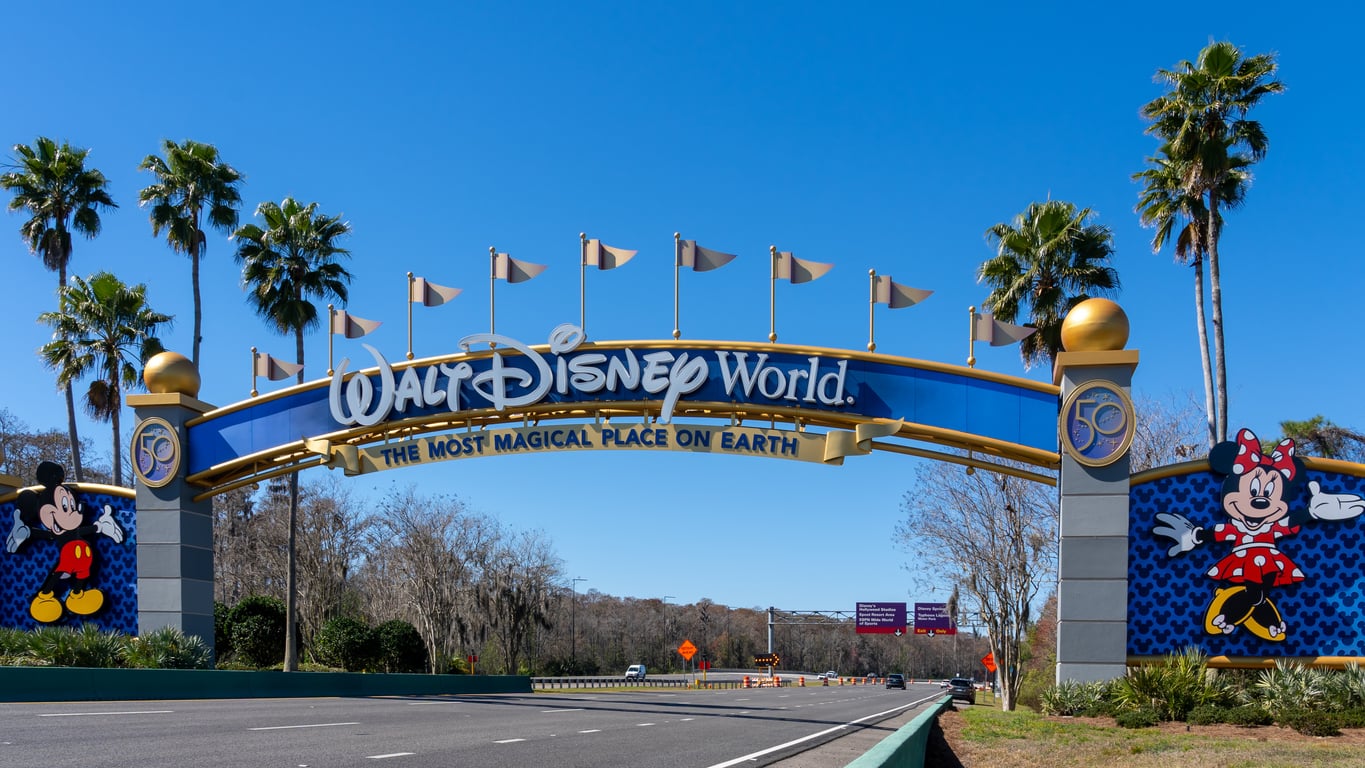
Disney remains enormously popular, so this is more about price and effort than declining demand. A special 2026 four-day, four-park ticket starts at $436 plus tax per person before hotels, meals, transportation, or extras. That can add up quickly when grandparents are traveling with extended family. Long walking days and detailed digital planning can also make the experience feel less relaxing. Orlando itself welcomed a record 76.7 million visitors in 2025.
Maui Remains Beautiful but Hard on the Vacation Budget
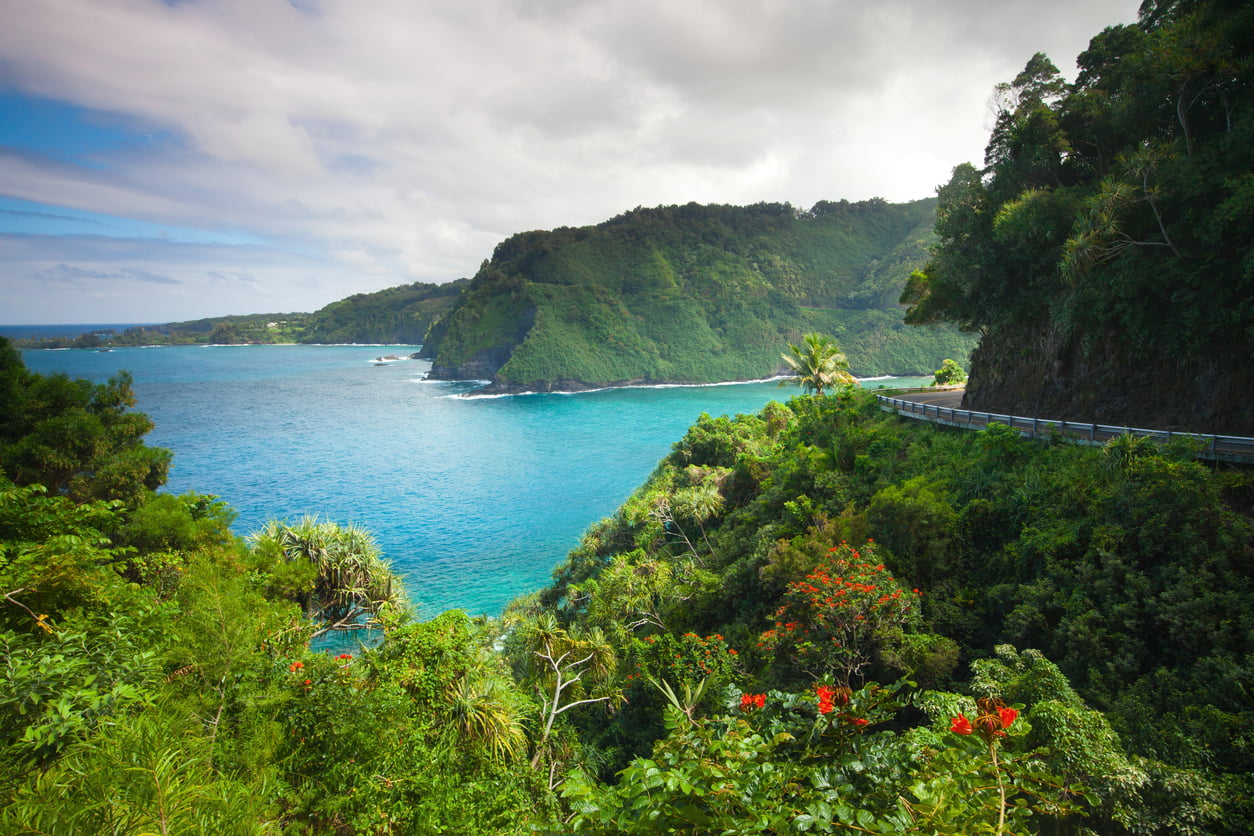
Maui tourism is recovering rather than collapsing. January 2026 arrivals increased 16.7% from a year earlier, while February hotel occupancy improved from 71.5% to 78%. Still, the island remains a costly vacation once airfare, lodging, meals, and transportation are combined. For budget-conscious travelers, that can make another Hawaiian island or a shorter stay tempting. Visitors should also remain sensitive to communities continuing to recover from the 2023 Lahaina wildfire and later severe weather.
New York City Can Make a Short Weekend Surprisingly Pricey

New York remains one of America’s strongest tourism markets, but Manhattan hotel prices can make a few nights feel like a major vacation expense. City hotels averaged 84.1% occupancy in 2025, the highest rate among U.S. markets for the third straight year. Add Broadway tickets, restaurant meals, attractions, and transportation, and the budget climbs quickly. Older travelers who still want New York may get better value by visiting in winter or looking beyond the most expensive parts of Manhattan.
Miami Beach Is Increasingly a Premium Beach Vacation

Miami is not suffering from weak demand. In fact, hotel pricing has remained remarkably strong. CoStar reported that Miami posted the largest year-over-year increase in average daily hotel rates among major U.S. markets in April 2026, reaching about $283. That pricing power can work against retirees primarily looking for sunshine, sand, and a comfortable hotel rather than nightlife or luxury. Fort Lauderdale and other Florida beach communities may offer a different balance of atmosphere, convenience, and cost.
Trending on Cheapism


London Is Feeling Less Like a Value Destination

London remains easy for many American travelers thanks to plentiful flights, English-language attractions, museums, theater, and extensive public transportation. YouGov found that Americans increasingly viewed the United Kingdom, along with France, Italy, and Germany, as offering worse value for money heading into 2026. Hotels, restaurants, rail tickets, and entertainment can make a week expensive. Travelers willing to stay outside the center can stretch the same vacation budget further.
Paris Is Easier to Love Outside Summer

Paris has not stopped attracting Americans, but summer can combine nearly every complaint travelers want to avoid: crowds, high lodging costs, long sightseeing days, and increasingly uncomfortable heat. YouGov found worsening U.S. perceptions of France’s value for money, while severe European heat returned in summer 2026. For older visitors sensitive to heat or packed attractions, spring and fall can make much more sense. The museums and neighborhoods are the same, but the pace can be far easier.
Rome Can Be Exhausting During Peak Summer

Rome rewards travelers who are willing to walk, but cobblestones, archaeological sites, outdoor queues, and summer heat can turn sightseeing into hard work. The problem was especially obvious in August 2026, when Italy placed all 27 cities in its heat-monitoring system under its highest alert during a major heatwave. Rome was included. Combined with weaker U.S. perceptions of Italy’s vacation value, that gives older travelers good reason to favor April, May, October, or a slower itinerary rather than peak summer.
Sign up for our newsletter
Venice Is Actively Trying to Control Peak Crowds
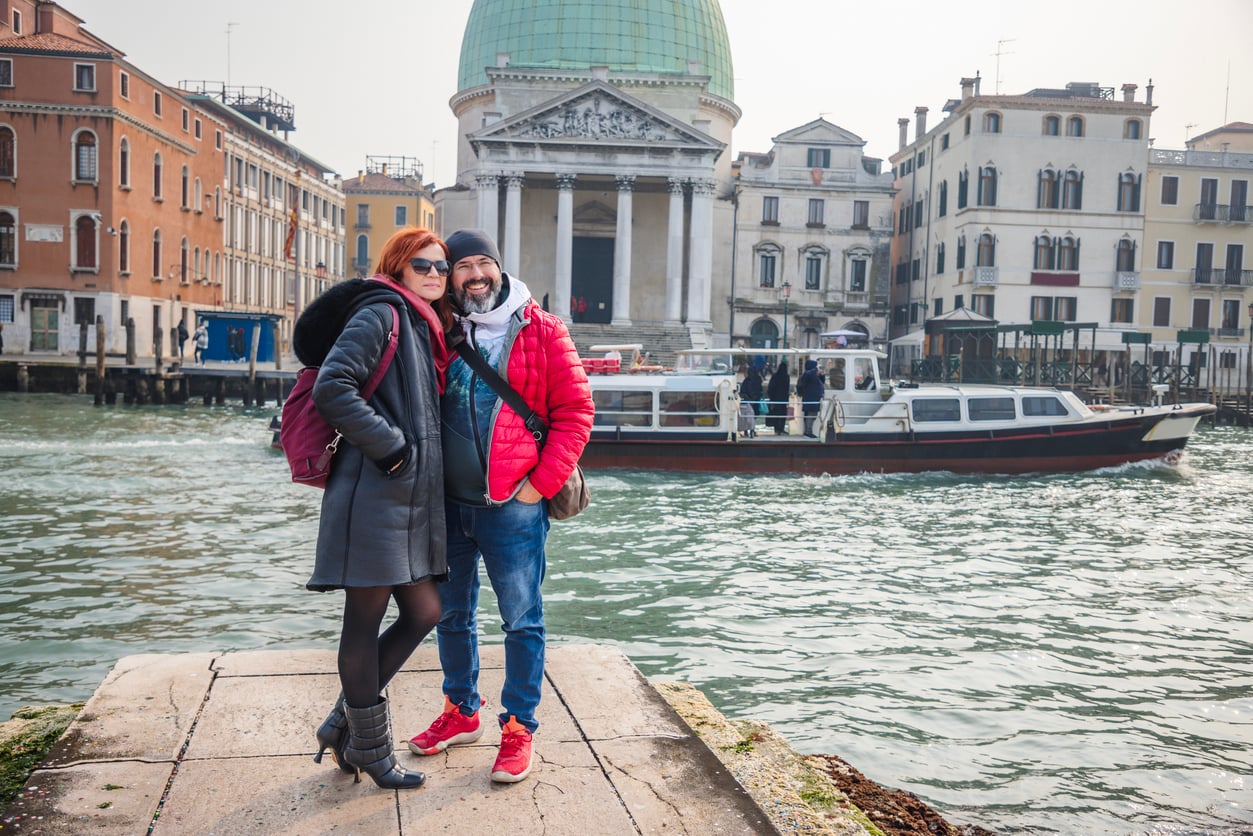
Venice’s problem is not a shortage of visitors. It is managing too many at once. The city applied its access-fee experiment on 60 high-demand days between April and July 2026. That year’s program ended July 26, so visitors arriving after July 27 no longer have to pay the fee. For travelers who dislike crowded bridges, narrow lanes, and packed water buses, an overnight stay or off-season visit can provide a far calmer version of Venice than a midday summer day trip.
Barcelona’s Overtourism Debate Is Hard to Ignore
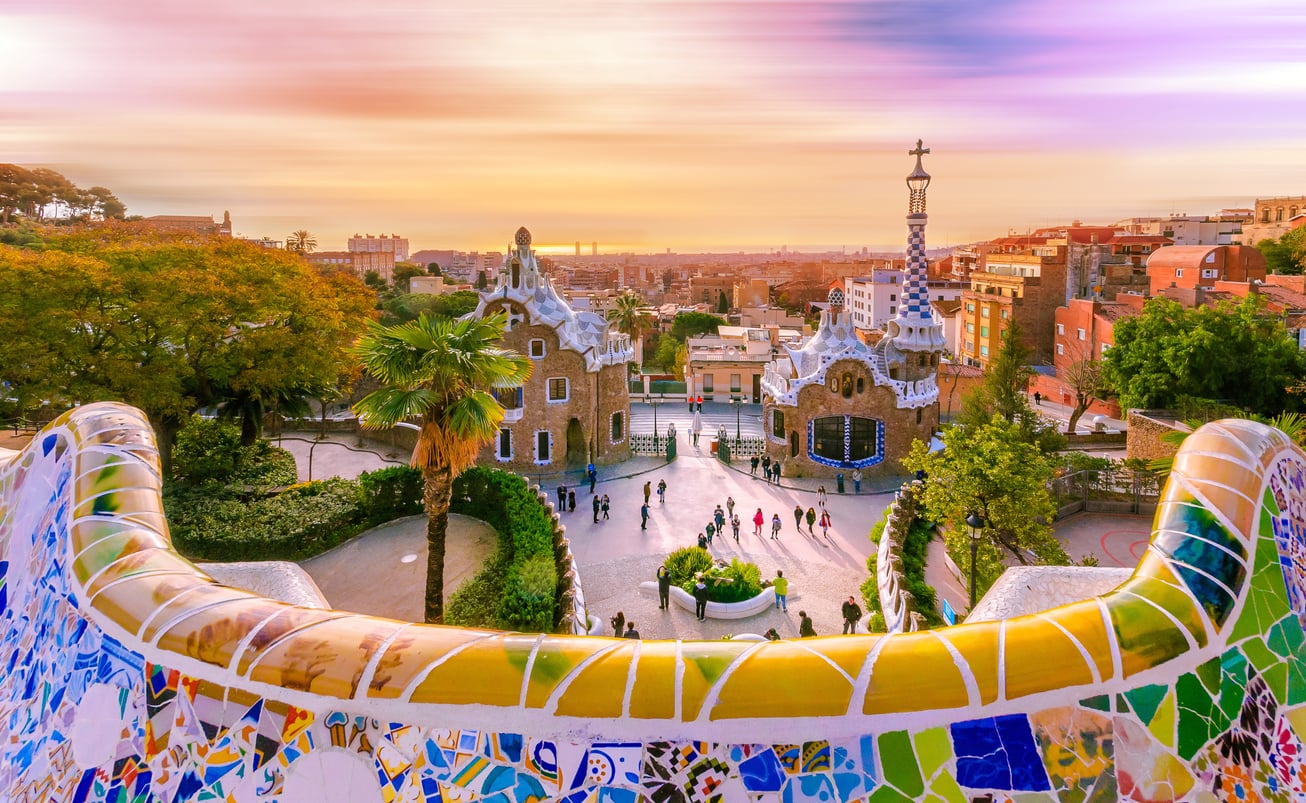
Barcelona remains enormously popular, but residents and officials have become increasingly vocal about tourism pressure on housing and neighborhoods. The city plans to end licenses for roughly 10,000 legal tourist apartments in 2028, part of a broader effort to reduce the impact of mass tourism. That does not mean visitors are unwelcome everywhere. It does mean travelers may encounter dense crowds, higher costs, and visible frustration in heavily visited areas.
Mallorca’s Summer Crowds Are Creating Real Friction

Mallorca’s beaches and villages continue drawing huge numbers, but the island has become one of Europe’s most visible overtourism flashpoints. The Balearic Islands received roughly 19 million visitors in 2025. That makes a packed midsummer resort stay less appealing to travelers seeking quiet. Mallorca itself is not the problem: inland villages, rural accommodations, and visits outside July and August can feel dramatically different.
Amsterdam Is Making Mass Tourism More Expensive
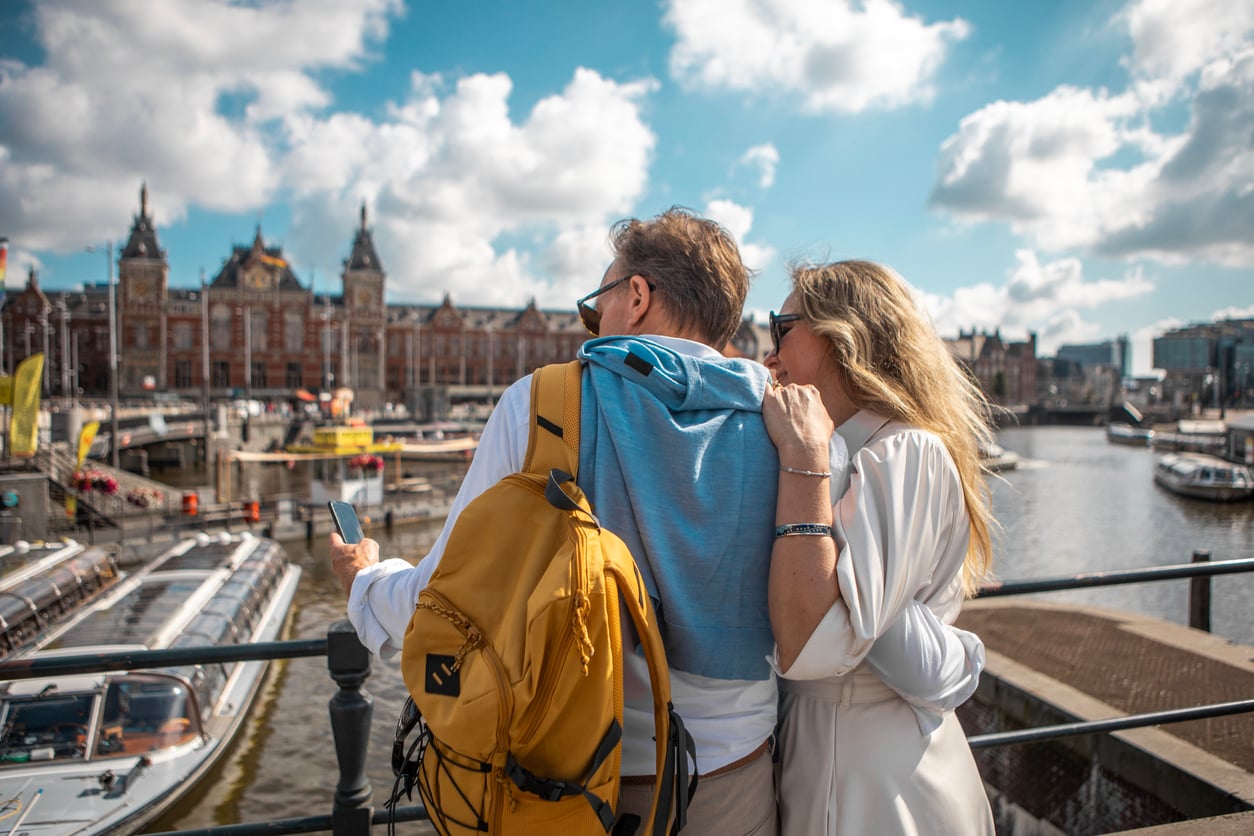
Amsterdam has openly shifted toward controlling visitor pressure rather than simply chasing higher arrivals. The city’s current overnight tourist tax is 12.5% of the accommodation price before VAT. The city’s governing coalition has also proposed raising the overnight tax further and eventually closing the central cruise terminal. Amsterdam remains outstanding for museums, canals, and architecture, but travelers mainly seeking a quiet Dutch city break may increasingly consider Haarlem, Leiden, Delft, or Utrecht instead.
The Amalfi Coast Can Be More Work Than the Photos Suggest
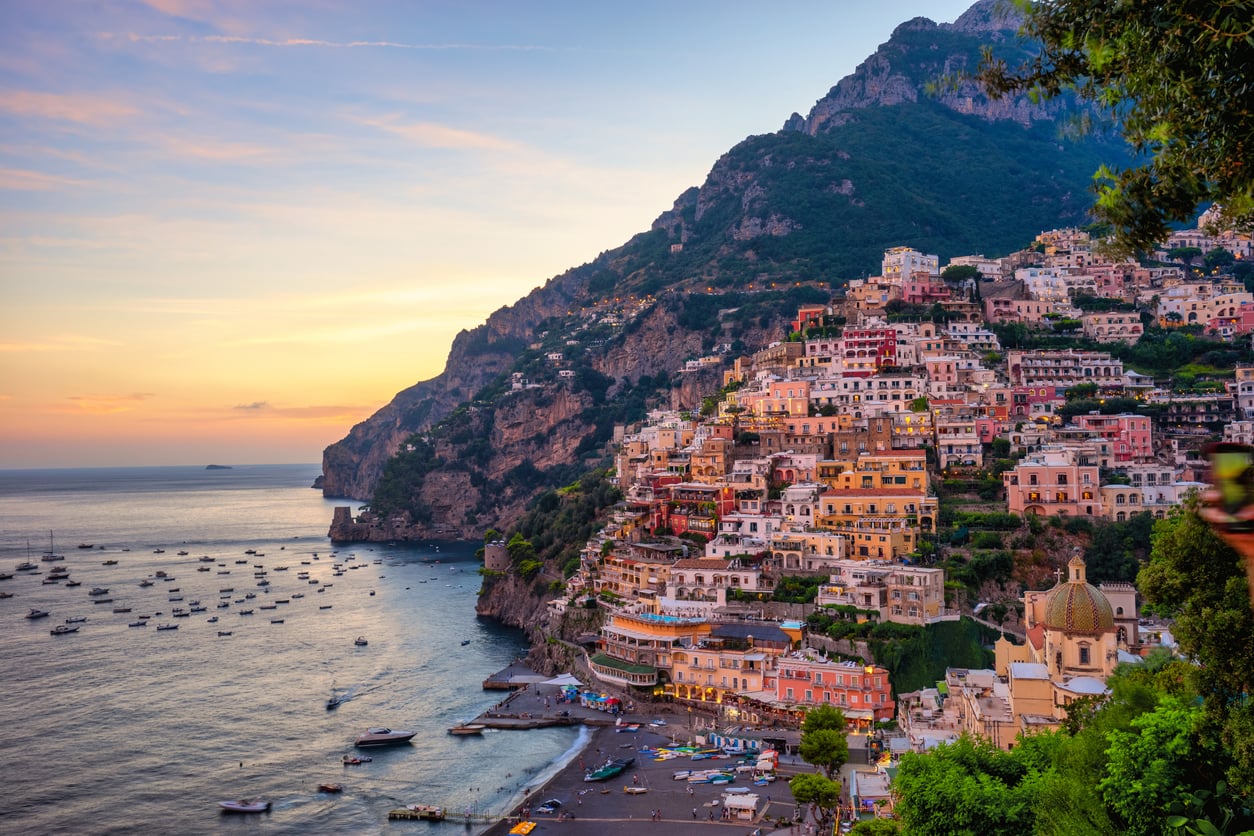
Positano’s cliffs and pastel houses look effortless in photographs. Getting around them is another matter. The Amalfi Coast involves steep streets, stairs, expensive lodging, crowded buses, and famously congested roads. Traffic restrictions using license-plate numbers apply during busy 2026 periods, including daily restrictions in August and September. For older travelers carrying luggage or trying to avoid strenuous days, staying in one town rather than moving constantly can help.
Lake Como’s Famous Villages Are Struggling With Crowds
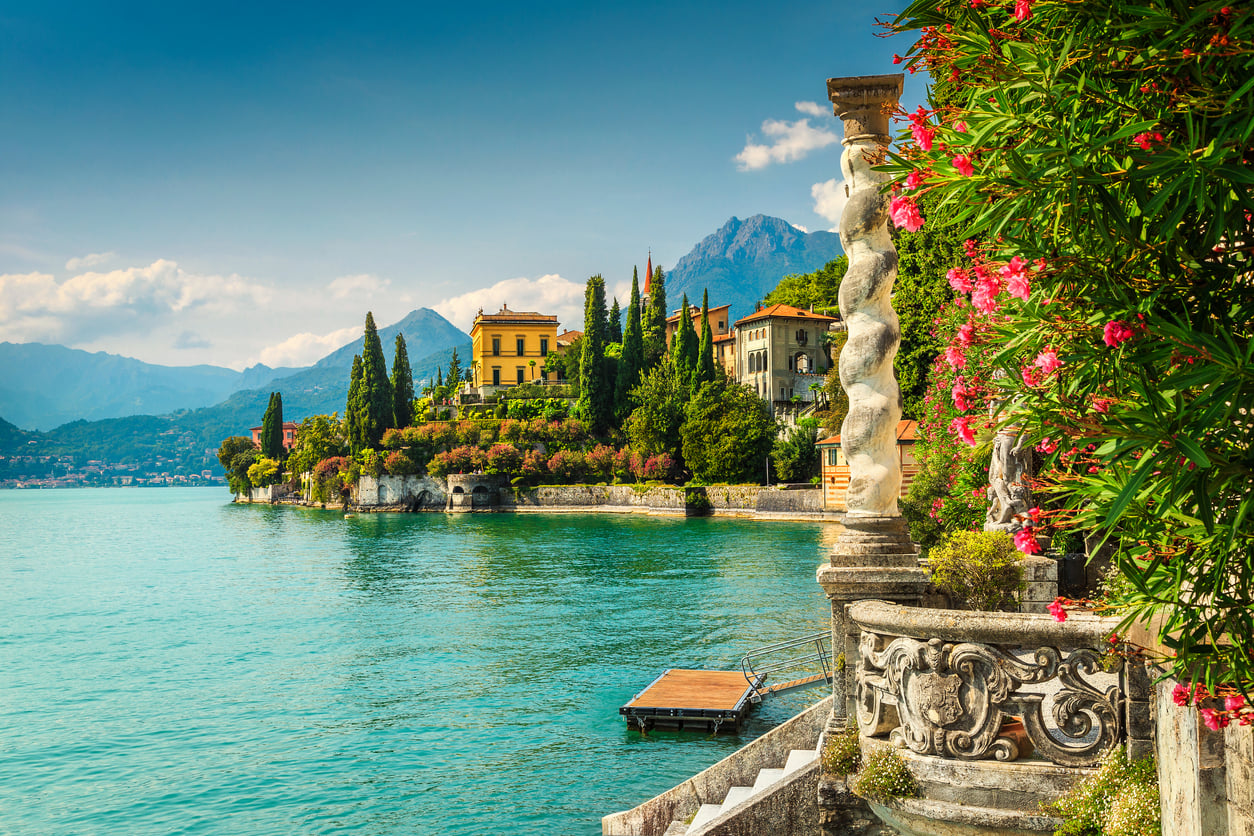
Lake Como is enormous, but tourists tend to concentrate in a handful of postcard villages. Varenna has reportedly received as many as 17,500 visitors on busy days, even though only about 70 people live in its historic center. The town has responded with group-size limits and other visitor rules, including fines for inappropriate beachwear in village streets. Travelers who remember Lake Como as a peaceful retreat may prefer smaller communities around the lake rather than building an itinerary entirely around Bellagio and Varenna.
Santorini Is Putting Limits on Cruise Crowds
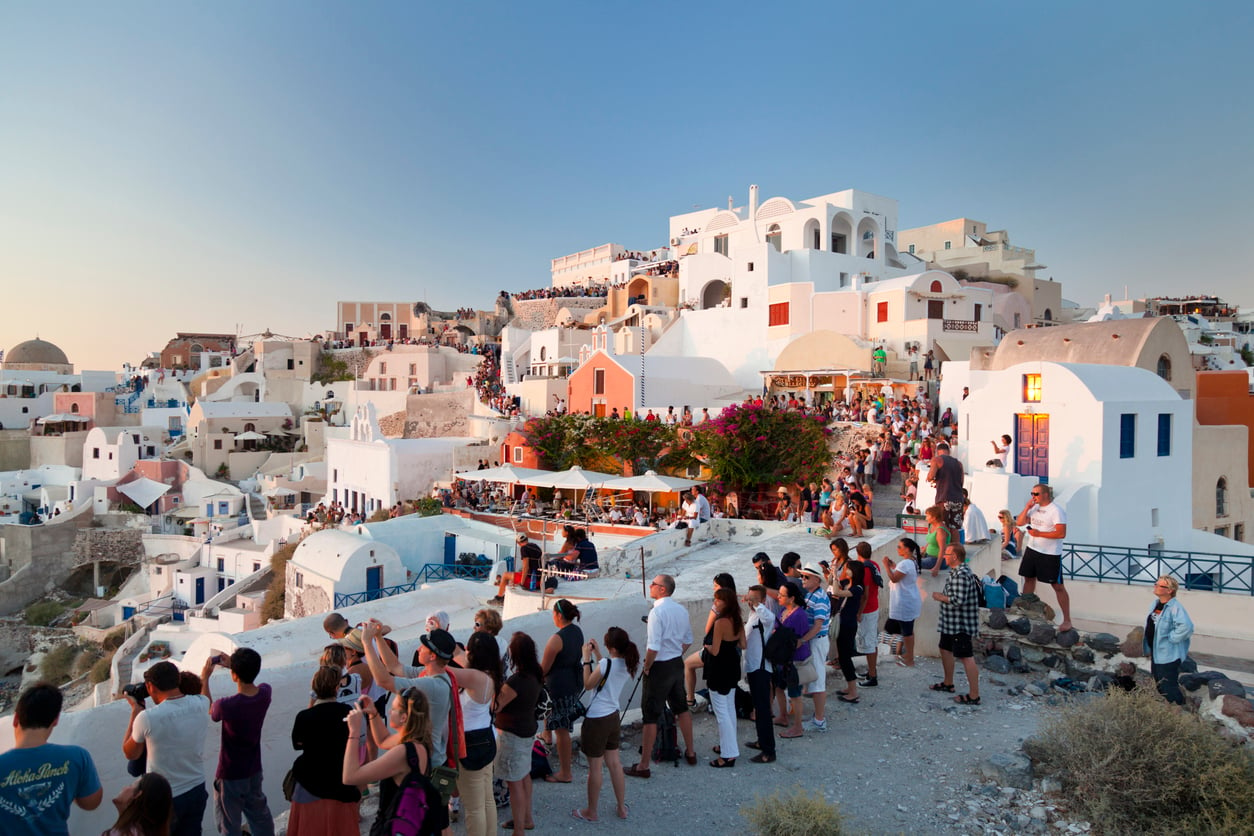
Few destinations illustrate overtourism as clearly as Santorini. Cruise arrivals are now limited to about 8,000 passengers per day, and peak-season cruise visitors pay a 20-euro landing fee. Those measures are intended to reduce pressure rather than tell travelers to stay away. For older travelers, however, arriving with thousands of other passengers can still mean steep walks, intense sun, transportation lines, and limited sightseeing time. Staying overnight allows visitors to experience Oia and Fira after many cruise passengers have departed.
Mykonos Has Moved Further Toward Luxury Tourism
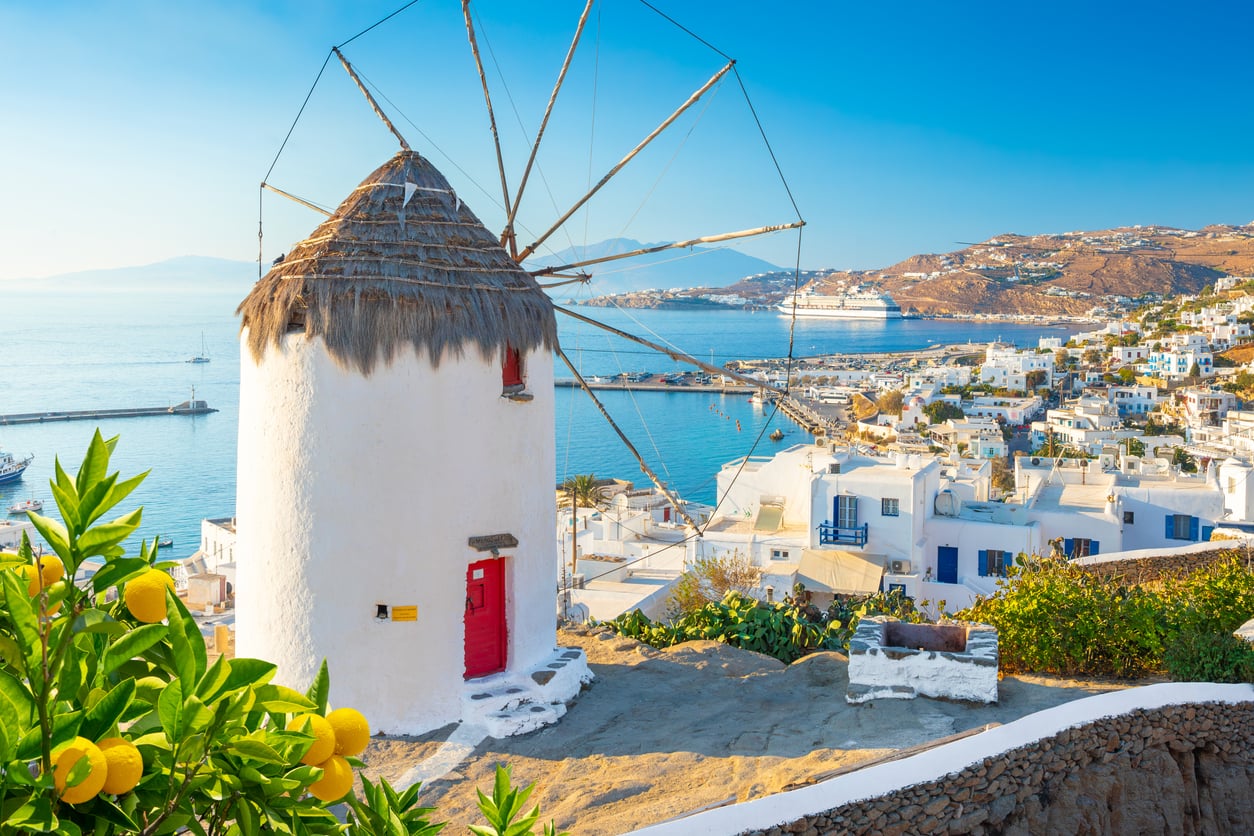
Mykonos still has whitewashed villages, windmills, beaches, and archaeological connections, but much of its modern tourism image revolves around luxury hotels, nightlife, and expensive beach clubs. Cruise passengers also pay Greece’s peak-season 20-euro landing fee between June and September. Travelers seeking quiet evenings and traditional island life may find the atmosphere less appealing than it once was. Islands such as Naxos, Syros, or Sifnos can deliver Cycladic scenery while generally placing less emphasis on the high-end party scene.
St. Tropez Can Feel More Like a Luxury Showcase
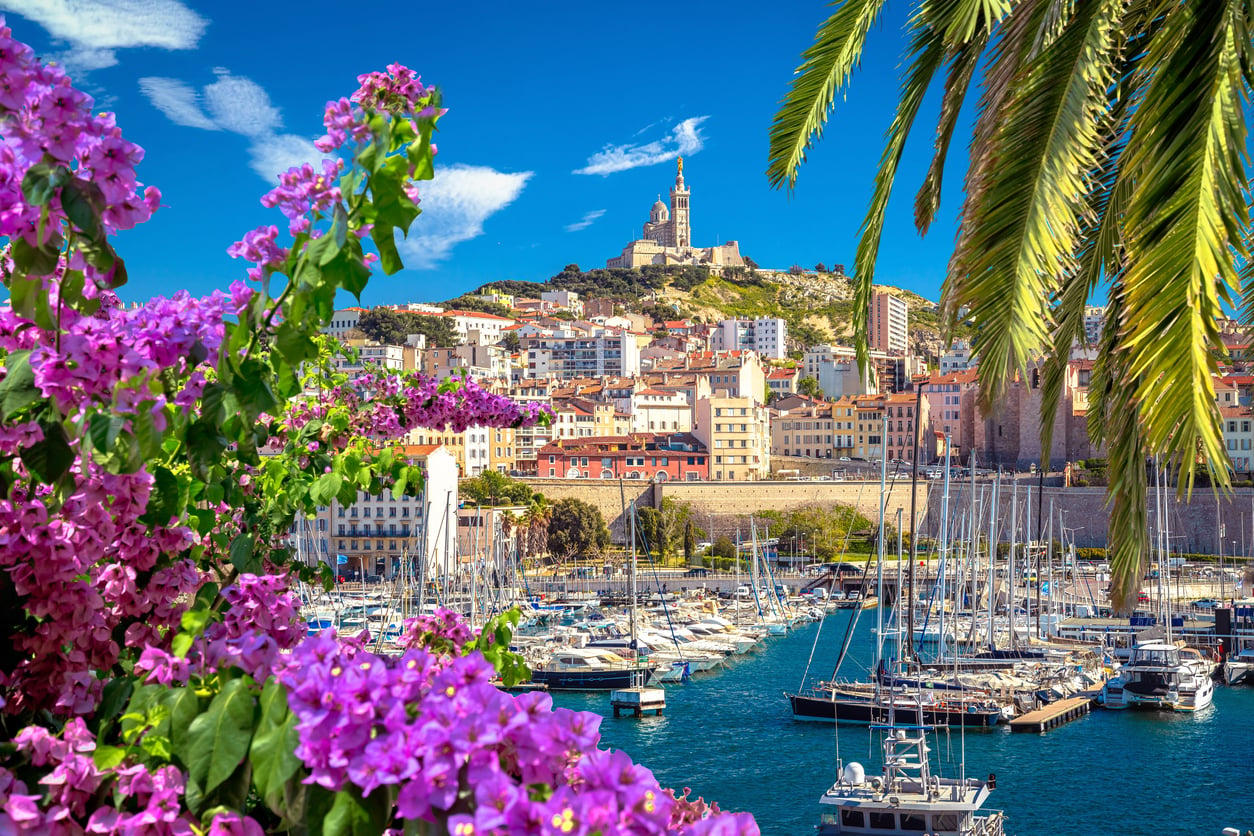
St. Tropez has always carried an upscale reputation, but today’s summer experience can involve extremely high hotel prices, packed streets, designer branding, beach clubs, and a strong social-media scene. Recent coverage has highlighted complaints from longtime visitors about overcrowding and the town’s increasingly conspicuous luxury atmosphere. That does not mean St. Tropez has lost its beauty. It does mean travelers nostalgic for a quieter Riviera experience may find nearby towns or a May or September visit more satisfying than August.
Tulum Is Actually Seeing a Tourism Slowdown
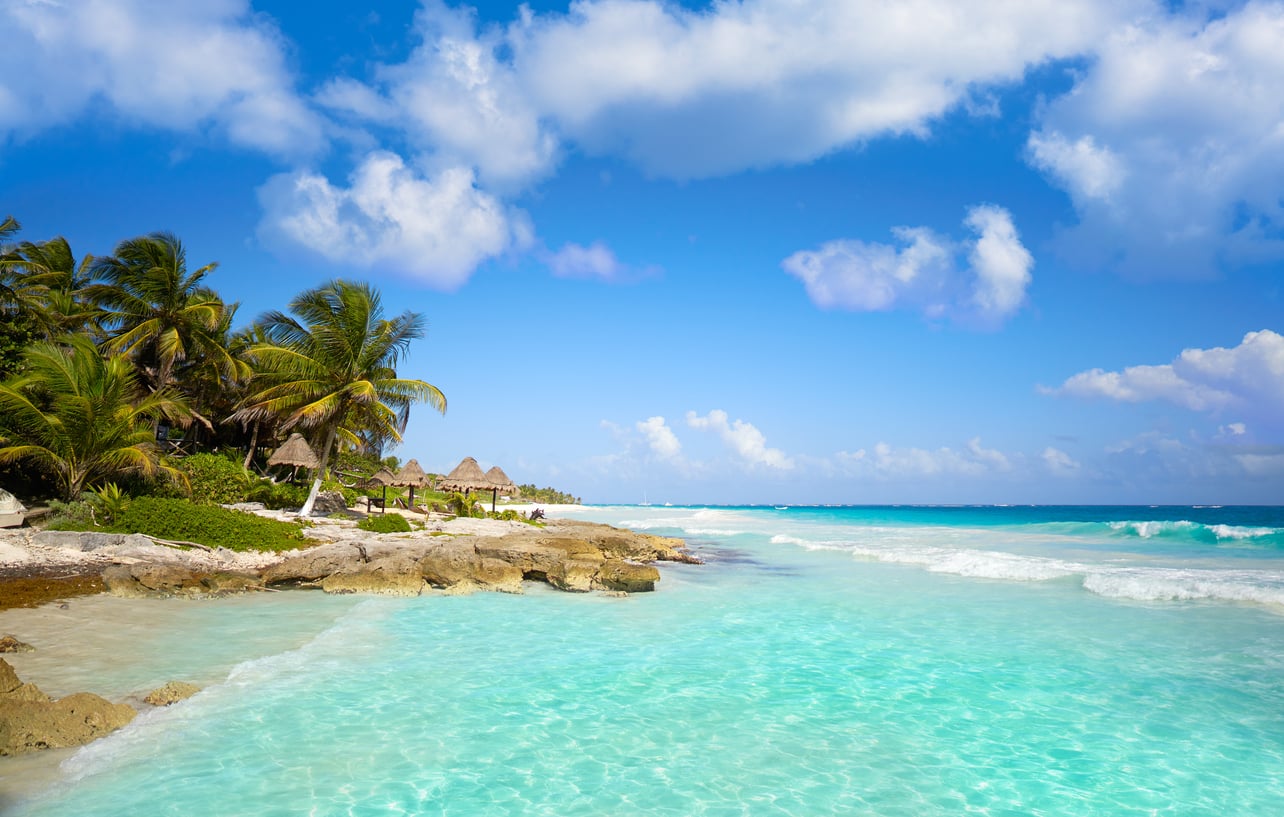
Tulum is one of the strongest entries on this list because the slowdown is measurable. The destination was already dealing with weaker hotel occupancy before 2026, and the situation worsened as record sargassum reached Mexico’s Caribbean coast. Reuters reported local officials describing the tourism drop as extremely serious during the summer. Tulum’s shift from a relatively low-key destination toward expensive resorts has also complicated its value proposition. Conditions vary, though, and cenotes, ruins, restaurants, and inland attractions remain major draws.
Cancun and Riviera Maya Are Battling Record Sargassum

Cancun remains one of the easiest international beach trips from the United States, but 2026 has been an unusually difficult year for Caribbean seaweed. Reuters reported record quantities of sargassum affecting the Mexican coast, while other data showed international arrivals at Cancun airport slipping slightly in March compared with 2025. Conditions can differ dramatically from one resort or week to another, so this is not a reason to write off the region. It does make beachfront conditions more important when evaluating value.
Phoenix and Scottsdale Are Becoming More Seasonal Choices

Arizona remains a classic winter escape, particularly for travelers seeking dry weather, golf, spas, and sunshine. The issue is how quickly temperatures can turn extreme outside the traditional winter season. Phoenix approached unprecedented March heat in 2026, with forecasts around 106 degrees during the record-breaking western heatwave. That does not make Scottsdale a destination to avoid year-round. It makes timing much more important. January through early March can provide an entirely different experience from late spring or summer.