Not every tourism decline means a destination has lost its appeal. These East Coast travel destinations recorded fewer visitors, hotel stays, international arrivals, or recreation visits in 2025, often because of rising costs, weather, construction, or harder access. According to the National Park Service, several major parks also saw year-over-year declines, even while remaining popular.
New York City’s International Tourism Market
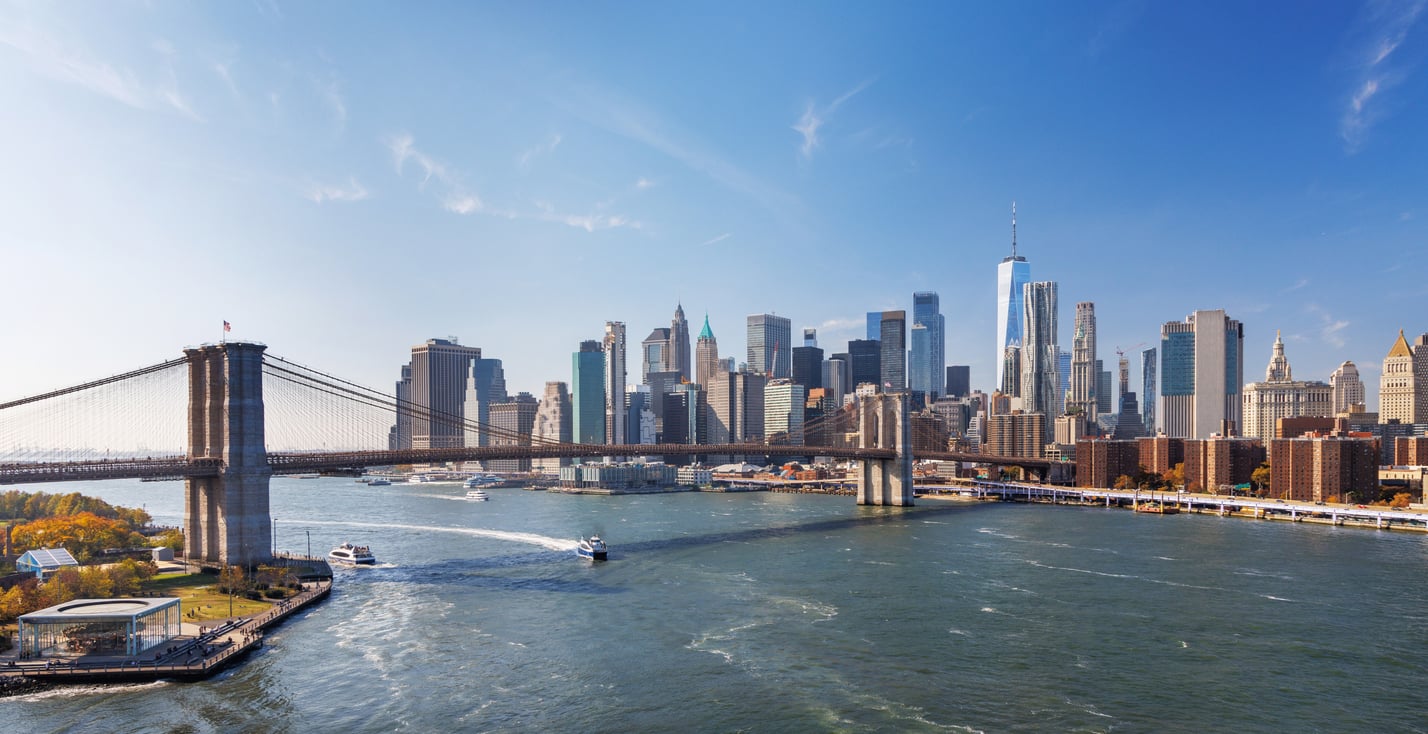
New York City remained extremely busy in 2025, welcoming about 65 million visitors overall. International visitation moved in the opposite direction, falling 3.2% to roughly 12.5 million. Midscale hotel occupancy also declined, while the average nightly hotel rate climbed to about $334. Domestic and luxury travel helped offset the losses, but higher costs and concerns about entering the United States appeared to discourage some overseas and budget-conscious travelers.
Washington, D.C.’s International Tourism Market
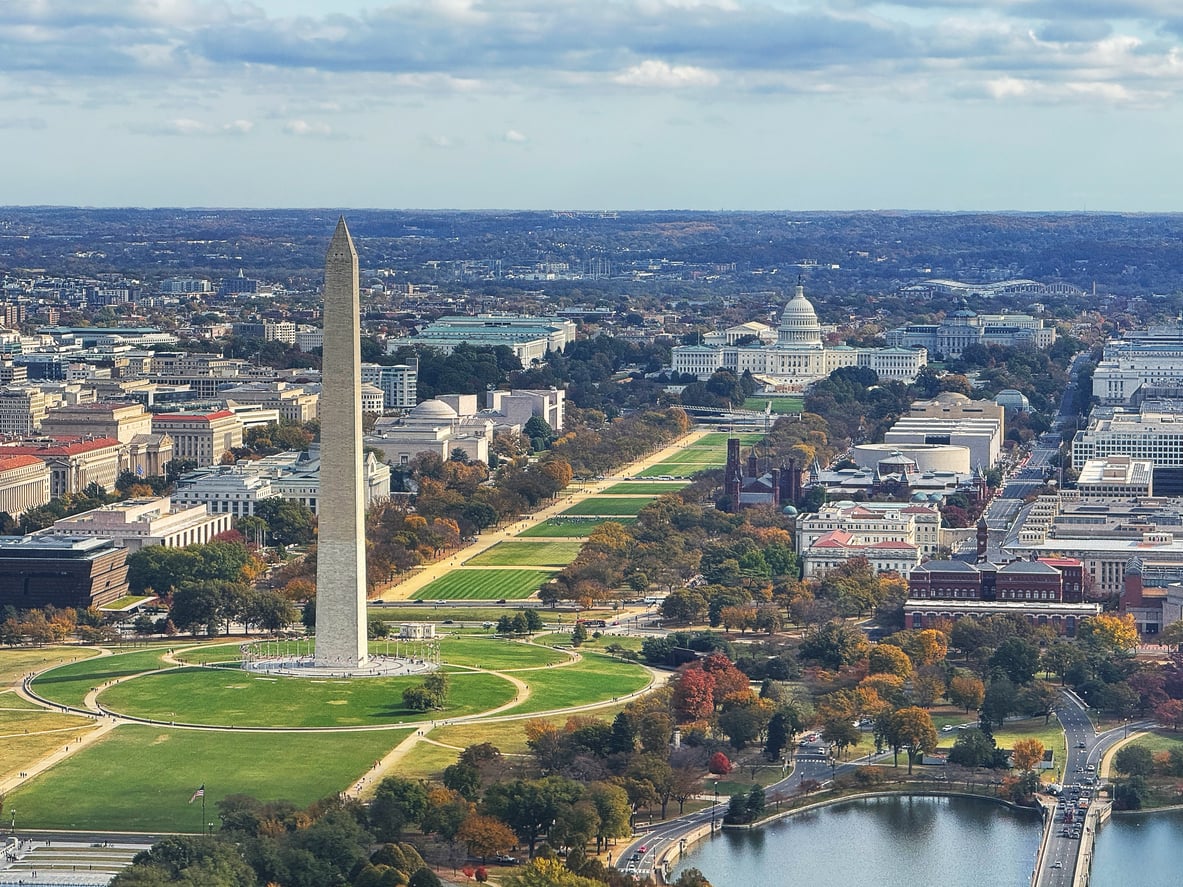
Washington received slightly more visitors overall in 2025, but international attendance declined from about 2.2 million to 2.1 million. Reports about federal layoffs, political demonstrations, crime, security deployments, and immigration enforcement complicated the city’s image abroad. Tour companies reported periods of weaker demand, while government-related business travel also softened. The monuments remained open and popular, but foreign travelers and conference planners appeared more cautious.
Myrtle Beach, South Carolina
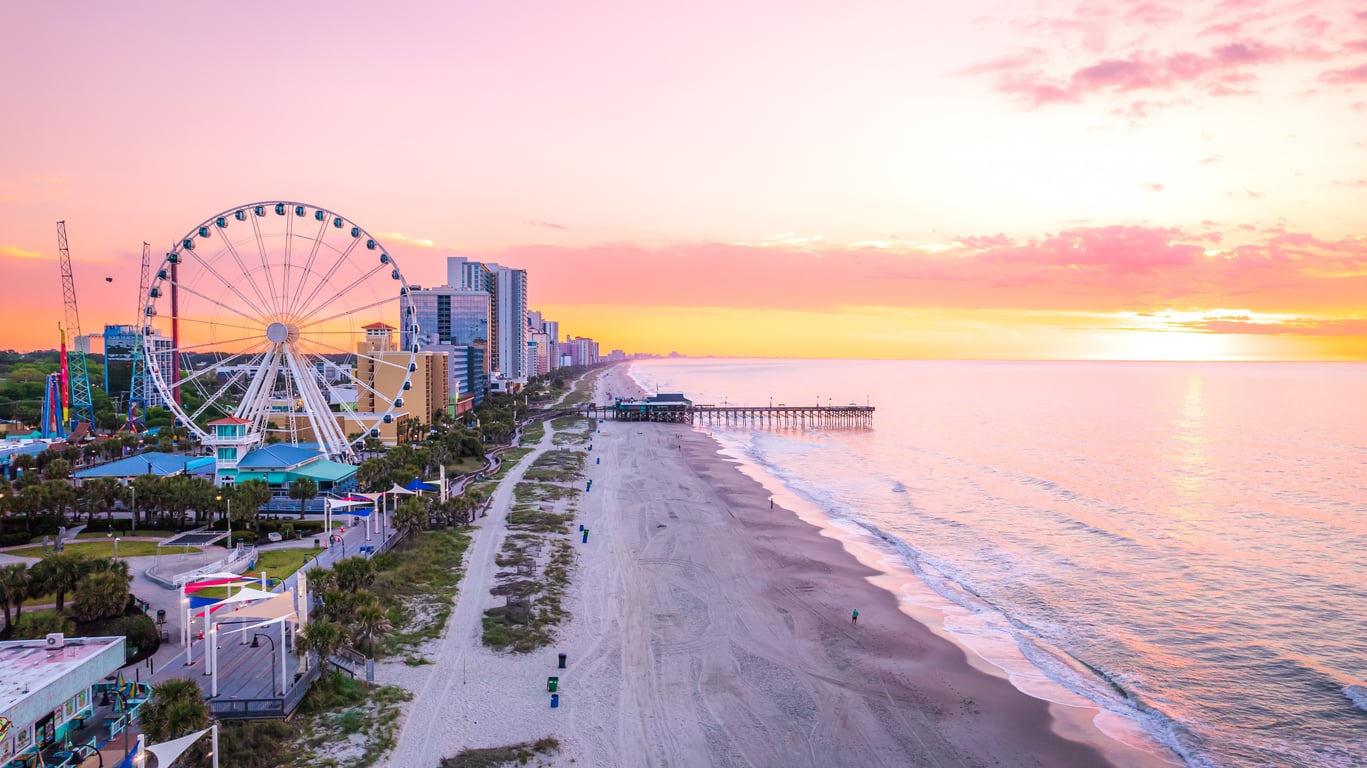
Myrtle Beach hotel occupancy declined 3.3% during the third quarter of 2025 compared with the same period in 2024. Tourism officials blamed a slow July, weaker September demand, additional rainfall, inflation, and pressure on household budgets. The beach remains popular, but the complete vacation bill can rise quickly once families add meals, parking, entertainment, and attraction tickets. Poor weather is especially damaging in a destination built around beaches and outdoor activities.
North Conway and the White Mountains, New Hampshire
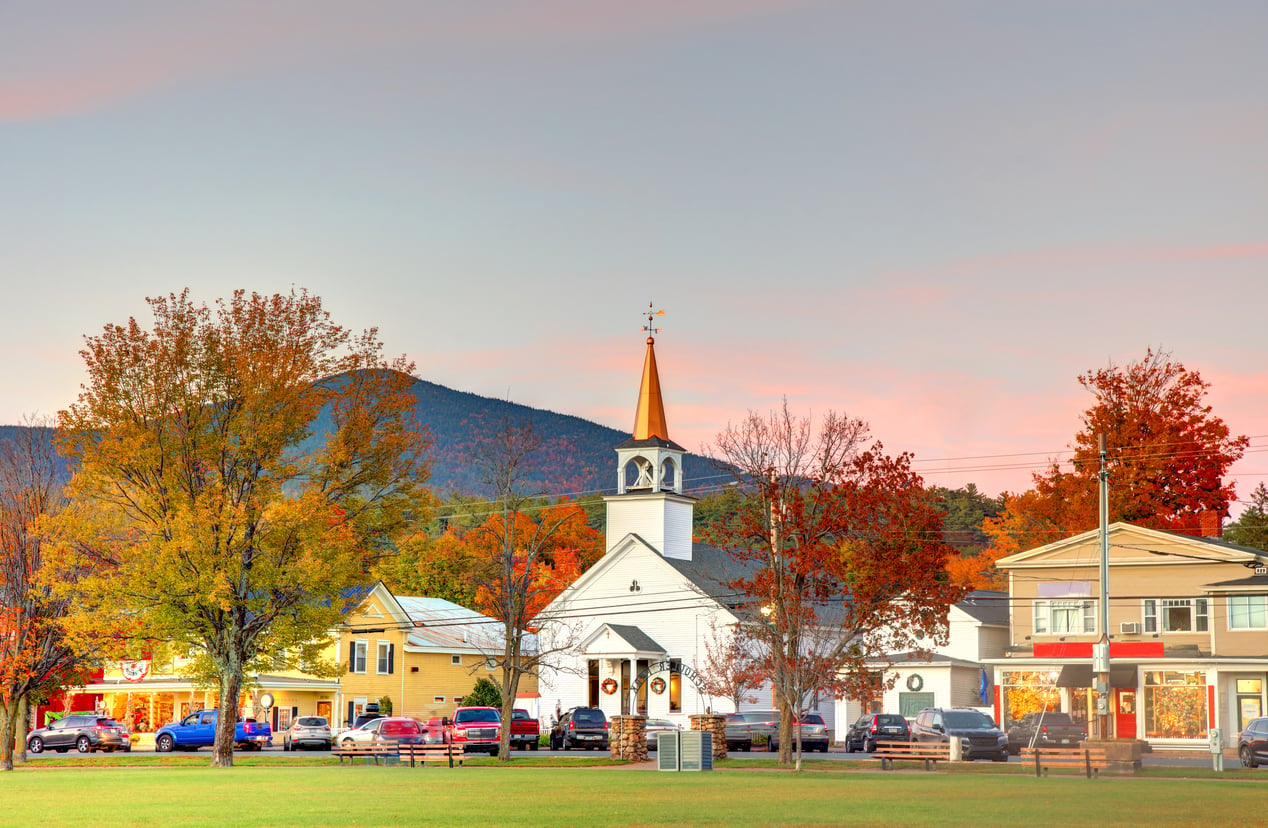
Tourism businesses around North Conway and the White Mountains reported fewer Canadian guests during 2025, with some hotels seeing unusually high vacancy rates on summer weekends. Visitors were also taking more day trips and fewer weeklong vacations. Expensive lodging, meals, fuel, and attraction tickets encouraged families to shorten their stays. A decline in cross-border travel was particularly noticeable because Canadian visitors have long provided reliable business for northern New England hotels and shops.
Philadelphia’s Historic District
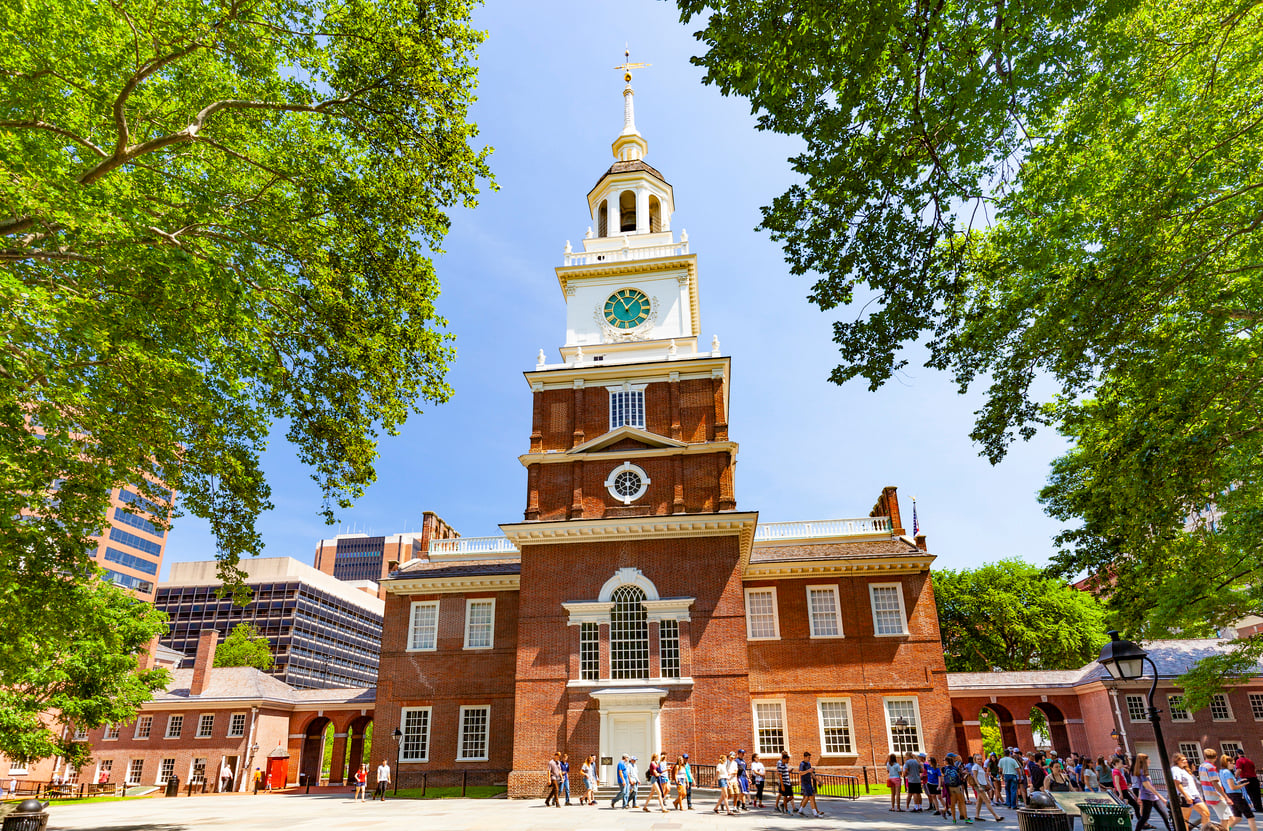
Independence National Historical Park recorded about 1.93 million recreation visits in 2025, down from nearly 2.8 million in 2024. That represents a decline of approximately 31%. The total covers federally managed attractions such as Independence Hall and the Liberty Bell area, not all tourism in Philadelphia. Reduced hours, staffing shortages, school schedules, and the federal shutdown may have affected attendance. Visitors can also explore Old City without entering every location counted by the park.
Trending on Cheapism

Jamestown and Yorktown, Virginia
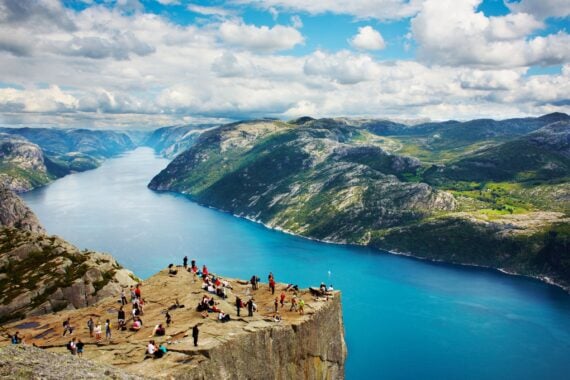
Colonial National Historical Park recorded about 1.58 million recreation visits in 2025, down roughly 38% from 2024. A major rehabilitation project along Colonial Parkway caused closures, construction zones, and lengthy detours between Jamestown, Williamsburg, and Yorktown. That made it harder for visitors to explore the Historic Triangle as one convenient driving loop. Some visitor-center exhibits and facilities also experienced temporary closures, reducing the appeal of the federally managed sites.
Gateway National Recreation Area, New York and New Jersey
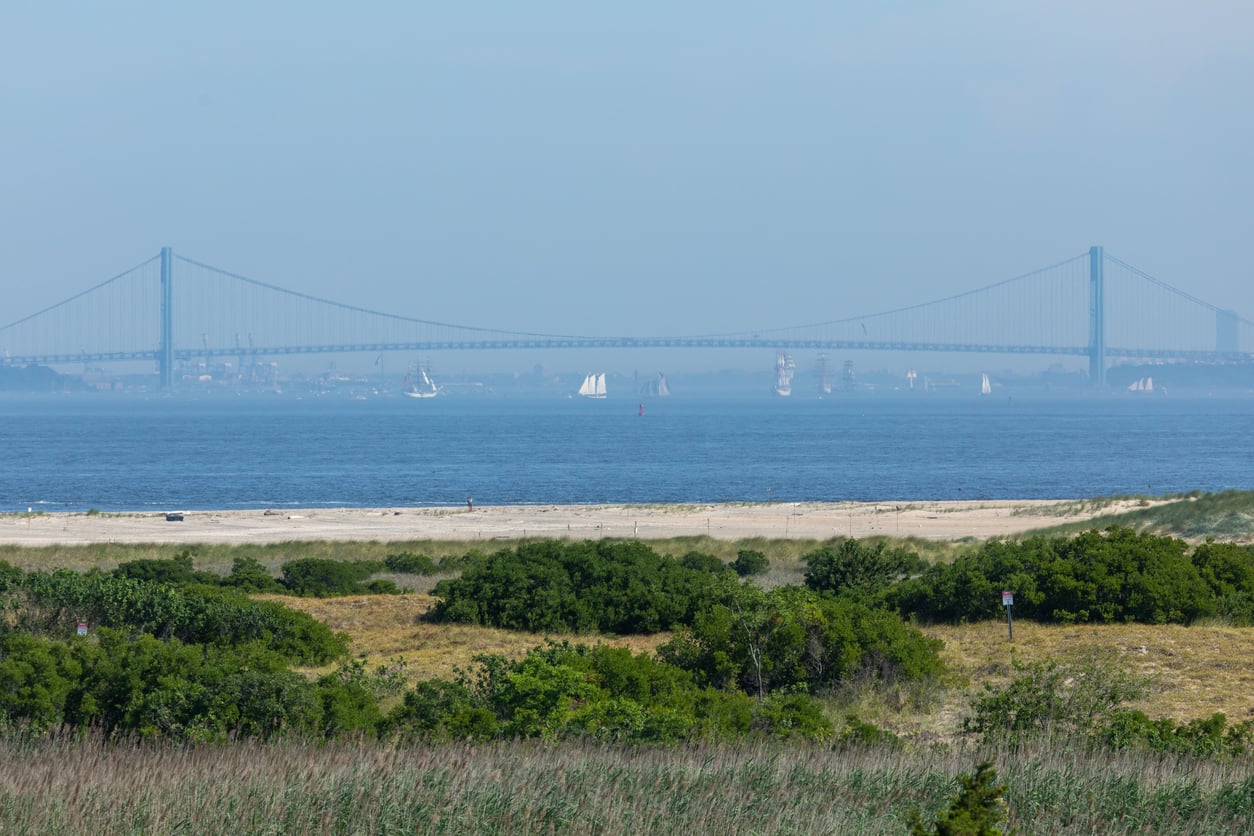
Gateway National Recreation Area recorded about 7.7 million recreation visits in 2025, down nearly 14% from 2024. The park includes beaches, wetlands, historic forts, trails, and recreation areas spread across New York and New Jersey. Attendance can change sharply because of beach weather, storms, parking availability, and temporary closures. Many visits also come from local residents rather than vacationers, so the decline does not necessarily mean tourists stopped visiting the wider New York region.
Statue of Liberty and Ellis Island

Statue of Liberty National Monument recorded about 3.54 million recreation visits in 2025, nearly 5% fewer than in 2024. The decline occurred during the same year that international visitation to New York City also fell. A full trip requires a timed ferry, security screening, walking, and several hours. Travelers with limited time may choose to view the statue from Battery Park, the Staten Island Ferry, or a sightseeing cruise instead of purchasing tickets and entering the monument.
Sign up for our newsletter
Cape Cod National Seashore, Massachusetts
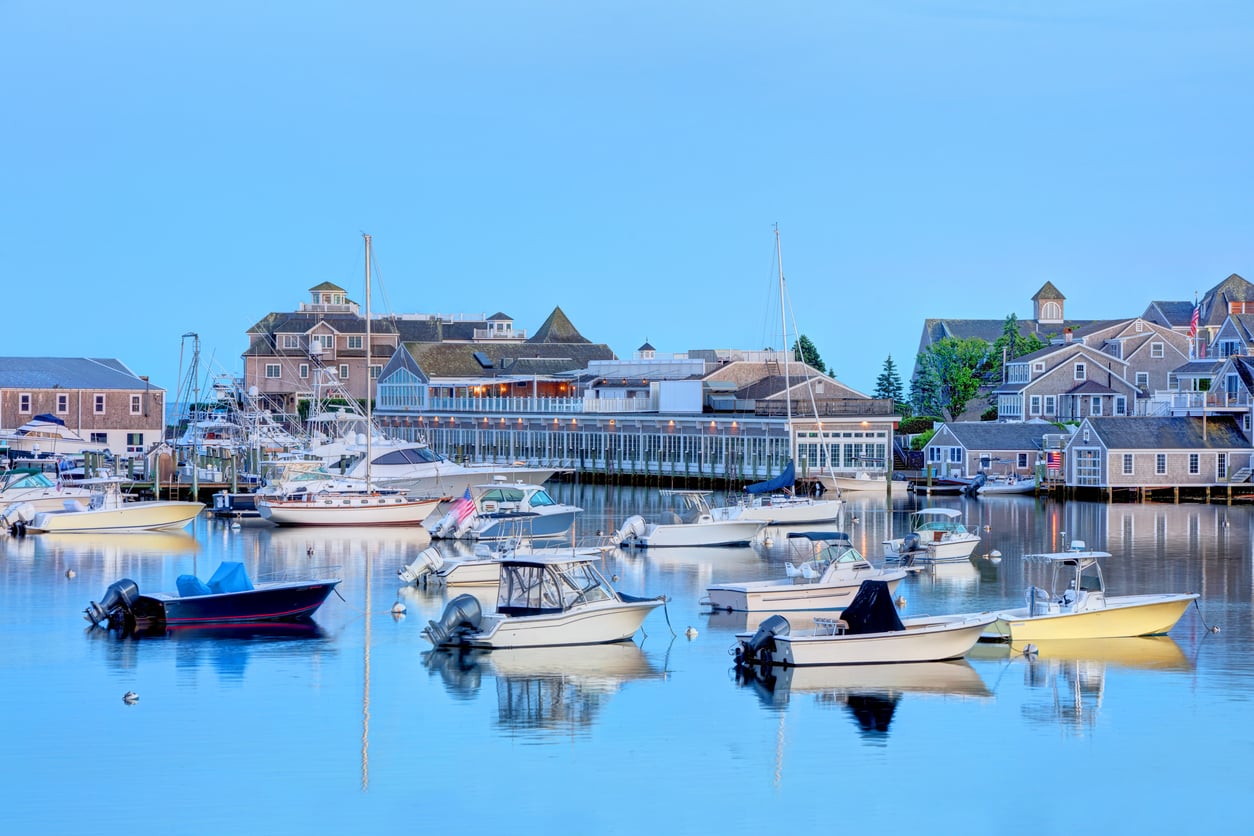
Cape Cod National Seashore recorded about 3.68 million recreation visits in 2025, approximately 3.7% fewer than in 2024. Cape Cod remains a major summer destination, but lodging, seafood meals, bridge traffic, parking, and beach fees can make a short vacation surprisingly expensive. The national seashore charges seasonal entrance fees at six popular beaches. Poor weather, fewer Canadian visitors, and shorter New England vacations may also have reduced the number of longer-distance travelers.
Cape Hatteras National Seashore, North Carolina
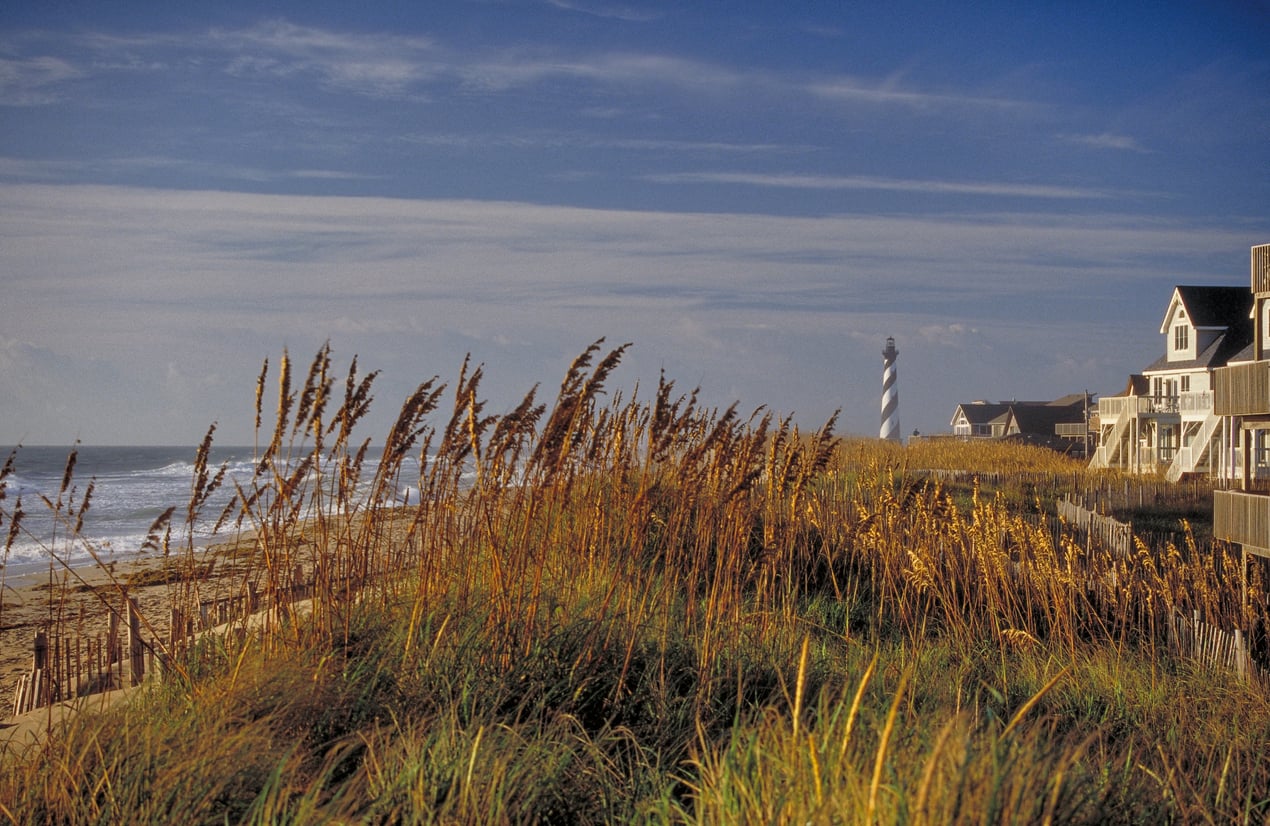
Cape Hatteras National Seashore received about 2.68 million recreation visits in 2025, nearly 79,000 fewer than in 2024. The decline was modest at around 2.9%, but small decreases can still affect restaurants, rental companies, tackle shops, and attractions in Outer Banks communities. Storms, beach erosion, rip currents, ferry delays, and road closures can complicate trips. Expensive vacation rentals may also encourage families to book shorter stays or choose another coastal destination.
Cape Lookout National Seashore, North Carolina
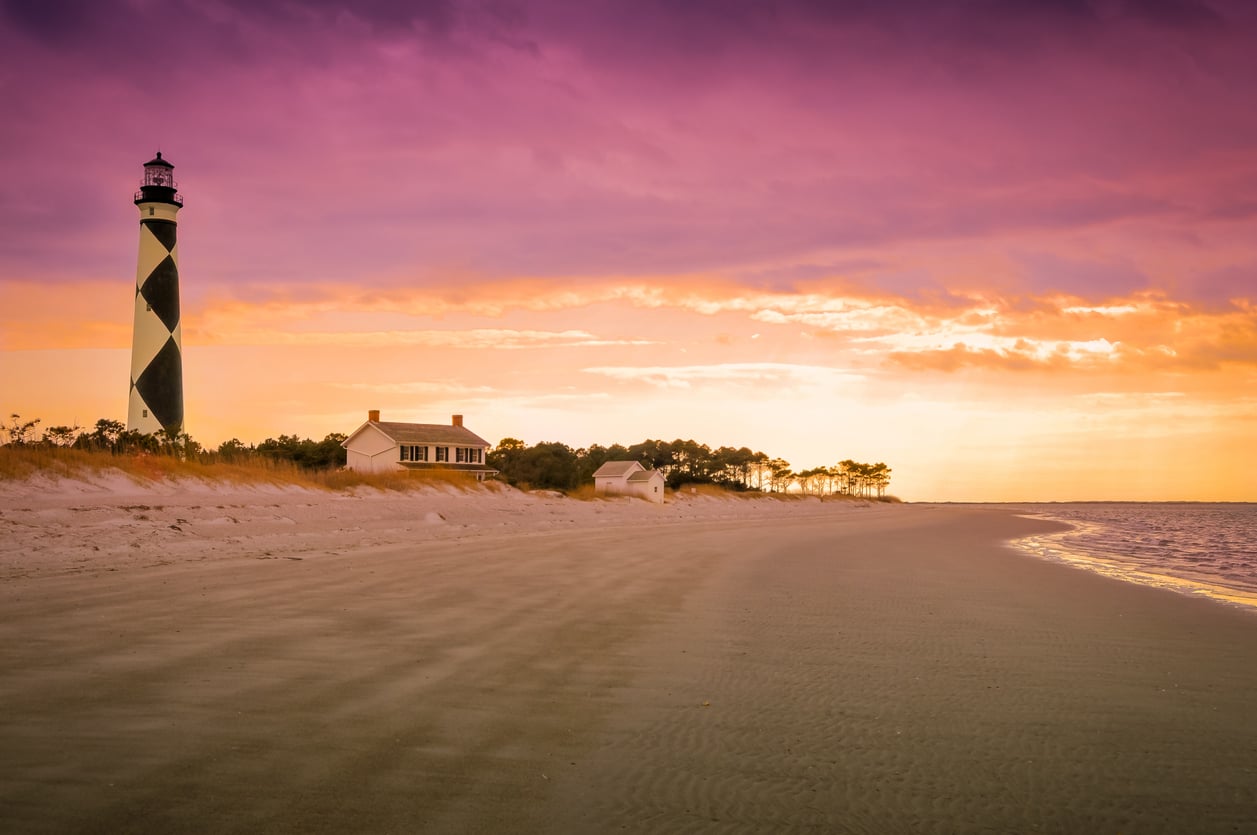
Cape Lookout recorded about 512,700 recreation visits in 2025, down approximately 7.2% from the previous year. No bridges connect the mainland to the seashore’s barrier islands, so most travelers need a passenger or vehicle ferry. The islands have few conventional services, meaning visitors must carry food, water, sun protection, and other supplies. Ferry prices, limited schedules, rough water, and weather cancellations make Cape Lookout less convenient and spontaneous than nearby drive-up beaches.
Great Smoky Mountains National Park

Great Smoky Mountains remained the most visited national park in the country during 2025, with about 11.53 million recreation visits. That was still 5.4% below its 2024 total. The decline may reflect a return to more normal travel levels after several unusually busy years. Heavy traffic, crowded trailheads, parking-tag requirements, and expensive lodging near Gatlinburg can make the busiest areas difficult to navigate. Weather and temporary road closures also affect annual attendance.
Shenandoah National Park, Virginia
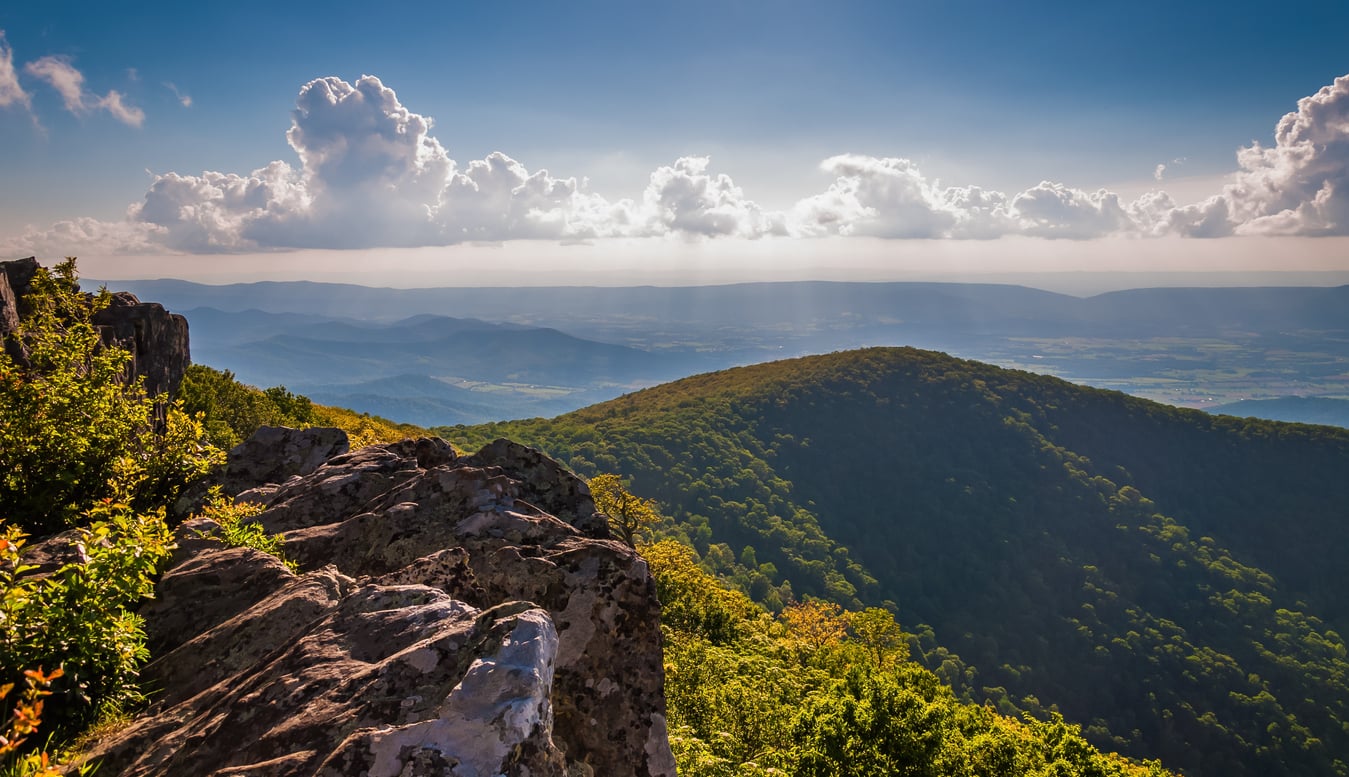
Shenandoah recorded about 1.68 million recreation visits in 2025, approximately 2.2% fewer than in 2024. The park competes with the Blue Ridge Parkway, West Virginia, Great Smoky Mountains, and numerous state and local parks. Much of Shenandoah’s appeal depends on driving Skyline Drive, making visitation sensitive to fog, rain, road closures, and poor fall colors. Washington-area residents facing tighter budgets may also choose free local trails rather than paying for lodging and a full weekend trip.
Delaware Water Gap National Recreation Area
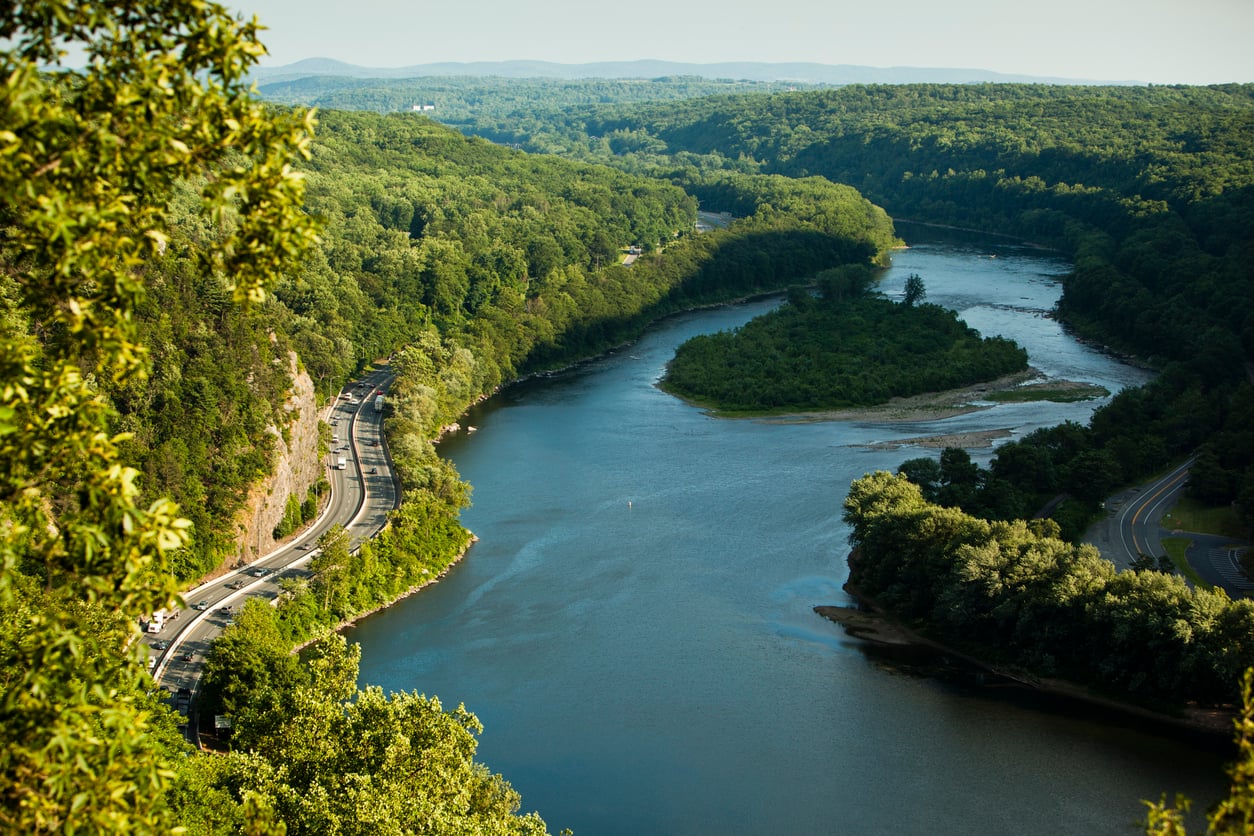
Delaware Water Gap recorded about 3.99 million recreation visits in 2025, down approximately 93,000 from the previous year. The recreation area relies heavily on day trips involving hiking, swimming, boating, river access, and scenic driving. Rain, flooding, high water, seasonal closures, and parking restrictions can quickly reduce attendance. Its location near New York, New Jersey, and Pennsylvania keeps it popular, but it also means visits are especially sensitive to weekend weather and household transportation costs.
Antietam National Battlefield, Maryland

Antietam National Battlefield recorded about 161,000 recreation visits in 2025, approximately 18.4% fewer than in 2024. Battlefield tourism depends heavily on school groups, organized tours, history enthusiasts, museum access, and ranger programs. Antietam also competes with Gettysburg, Harpers Ferry, Baltimore, and Washington for space on history-focused itineraries. Reduced visitor-center hours or fewer guided programs can make the experience feel less complete, especially for people visiting the battlefield for the first time.
Fredericksburg and Spotsylvania Battlefields, Virginia

Fredericksburg and Spotsylvania National Military Park recorded about 766,000 recreation visits in 2025, down approximately 6.4% from 2024. The park includes several battlefields and historic locations spread across a wide area, requiring more driving and planning than a single museum. Heavy traffic around Fredericksburg can also discourage travelers from making an unplanned stop. Visitors with limited time may instead prioritize more widely recognized Civil War destinations such as Gettysburg or Antietam.
Appomattox Court House, Virginia

Appomattox Court House National Historical Park recorded about 77,500 visits in 2025, approximately 7.5% fewer than in 2024. The preserved village is historically important, but it sits away from Virginia’s busiest tourism corridors and is often treated as a brief stop rather than a weekend destination. The experience also depends on open buildings, exhibits, demonstrations, and ranger talks. When staffing or operating hours are limited, visitors may have fewer reasons to make the drive or stay for more than a few hours.
Morristown National Historical Park, New Jersey

Morristown National Historical Park recorded about 183,000 recreation visits in 2025, approximately 12% fewer than in 2024. Its Revolutionary War attractions are divided among Washington’s Headquarters, Jockey Hollow, Fort Nonsense, and several smaller locations. That scattered layout can be confusing for visitors expecting one central attraction. Historic houses and museums also rely on guided tours, open buildings, and sufficient staffing. Many travelers visiting nearby New York may not realize the sites are so close.
Southern Maine’s Coastal Towns

Maine’s overall summer visitor volume declined about 6% in 2025, with more than half of the decrease connected to fewer Canadian travelers. Coastal destinations such as Old Orchard Beach, Ogunquit, and York remained busy, but businesses reported fewer Quebec visitors and fewer extended stays. Political tensions, a weaker Canadian dollar, and higher accommodation costs all influenced travel decisions. Domestic tourists softened the impact, although many hotels, restaurants, and shops still noticed the loss of regular cross-border customers.
Biscayne National Park, Florida
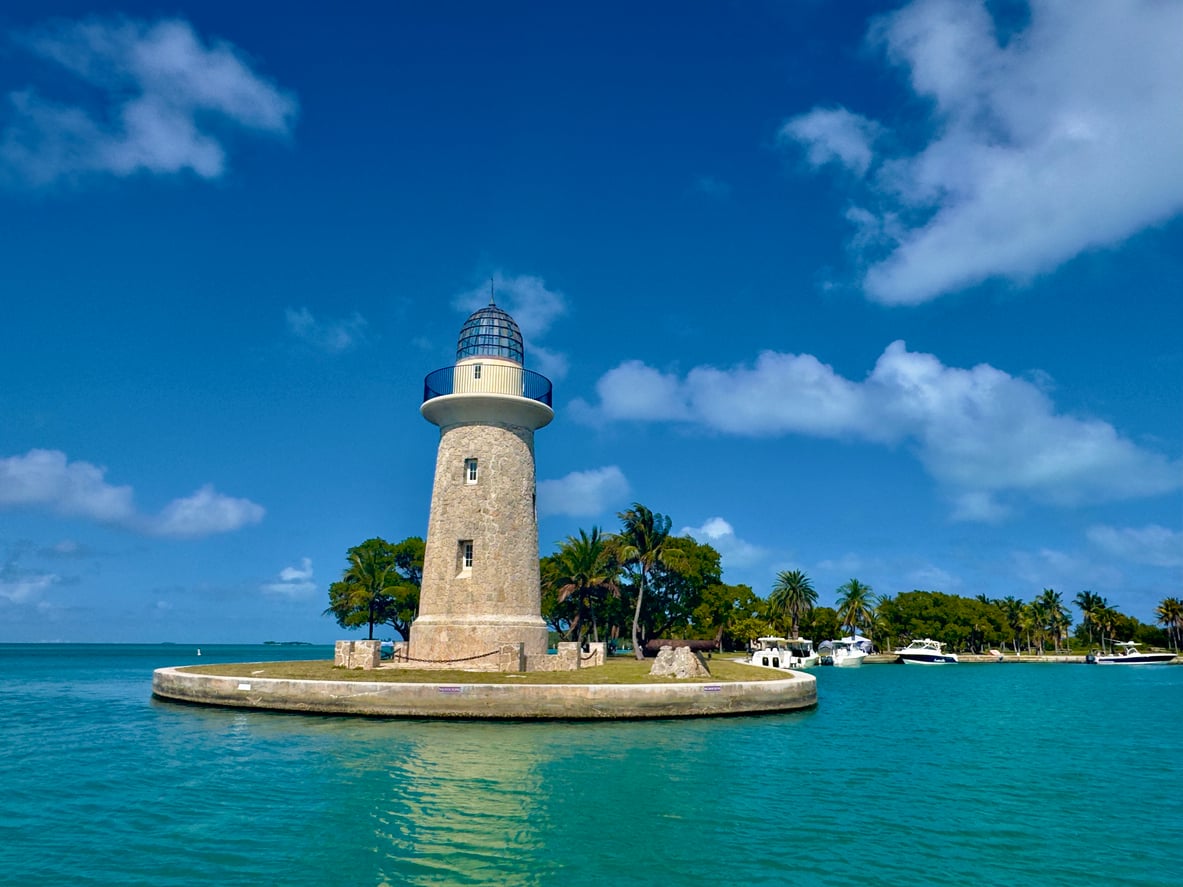
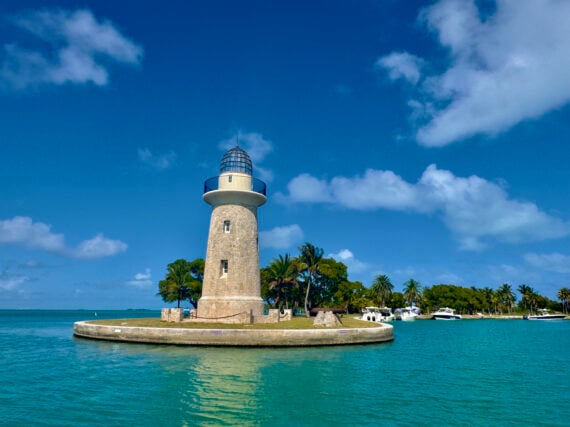
Biscayne National Park recorded about 486,600 recreation visits in 2025, approximately 5% fewer than in 2024. Because roughly 95% of the park is covered by water, visitors cannot experience most of it by simply driving to a viewpoint. Travelers generally need their own boat or a reserved snorkeling, sailing, or island tour. Boat prices, limited capacity, wind, storms, and water conditions can disrupt plans, which helps explain why many Miami visitors remain near the mainland visitor center.