Travel remains strong across California, Oregon, and Washington, but some places are drawing fewer visitors than before. The National Park Service reported more than 323 million recreation visits nationwide in 2025, though individual destinations followed very different trends. These travel destinations on the West Coast people have stopped visiting as much may now offer lighter crowds, but costs and access issues still matter.
Los Angeles, California
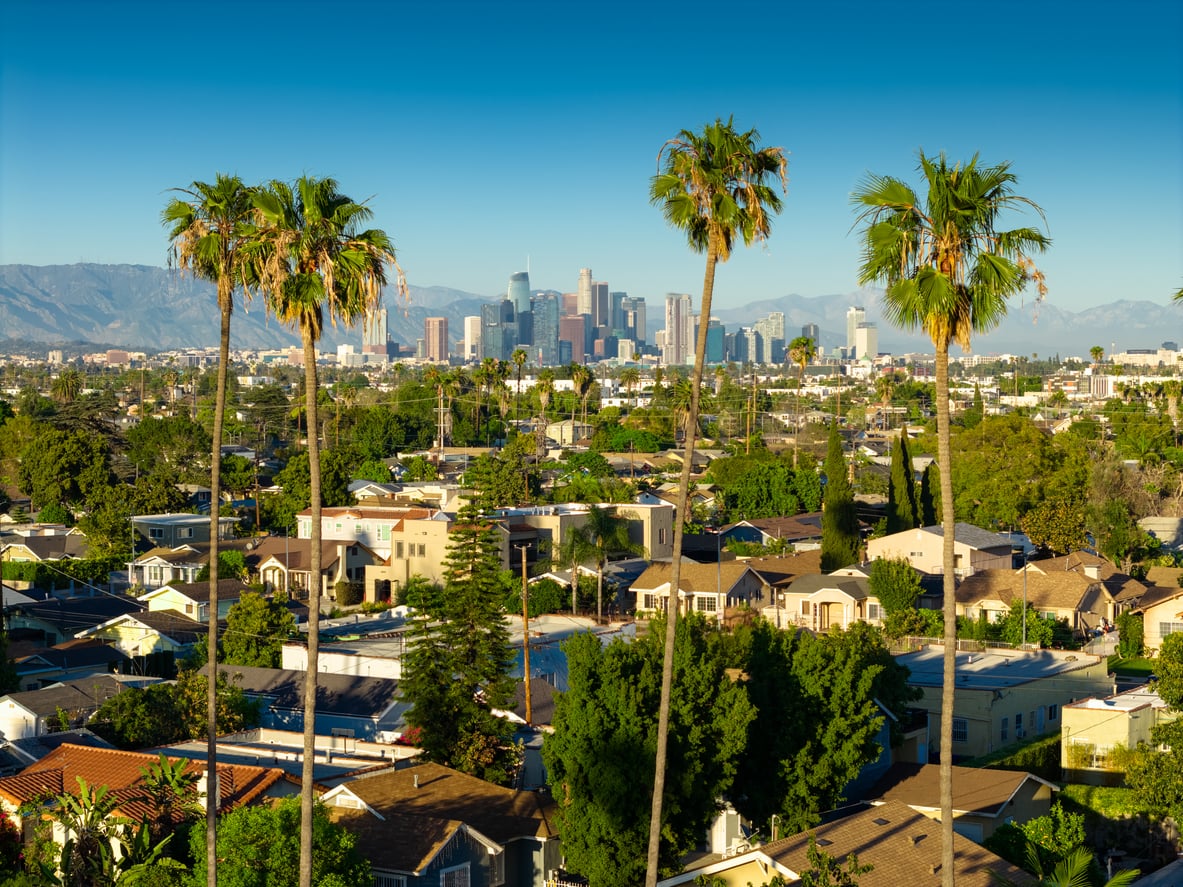
Los Angeles County saw travel spending decline in 2025, the first drop since the pandemic recovery began. The January wildfires caused cancellations and made some travelers think the entire region was unsafe or closed, even though most major visitor areas were not damaged. Slow international recovery, high hotel prices, parking fees, traffic, and attraction costs have also made the city a harder sell for value minded travelers.
San Francisco, California
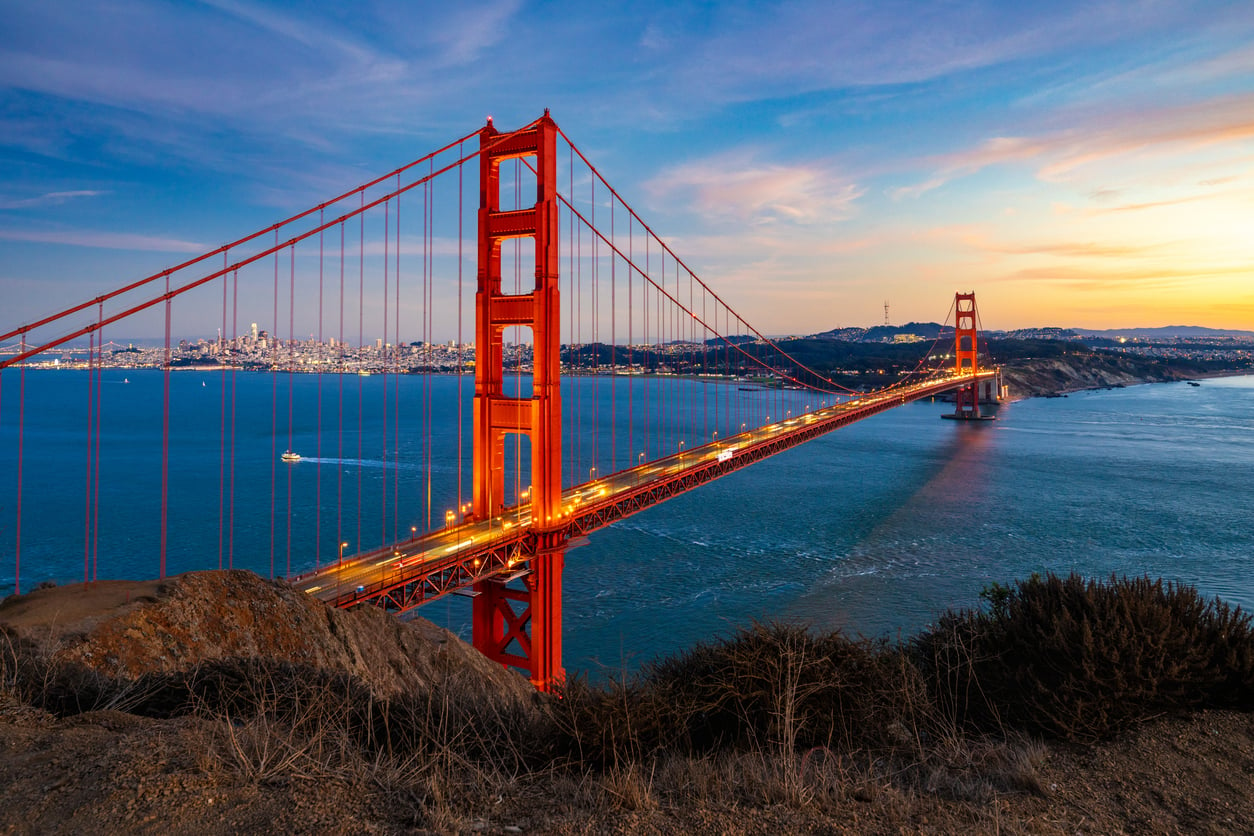
San Francisco welcomed millions of visitors in 2025, but hotel occupancy and international tourism still remained below 2019 levels. Conventions helped the city improve, yet some travelers continue to worry about high prices, visible street problems, store closures, and safety. The softer demand can make hotel rooms easier to find outside major events, although the city is still expensive compared with many other West Coast destinations.
Portland, Oregon
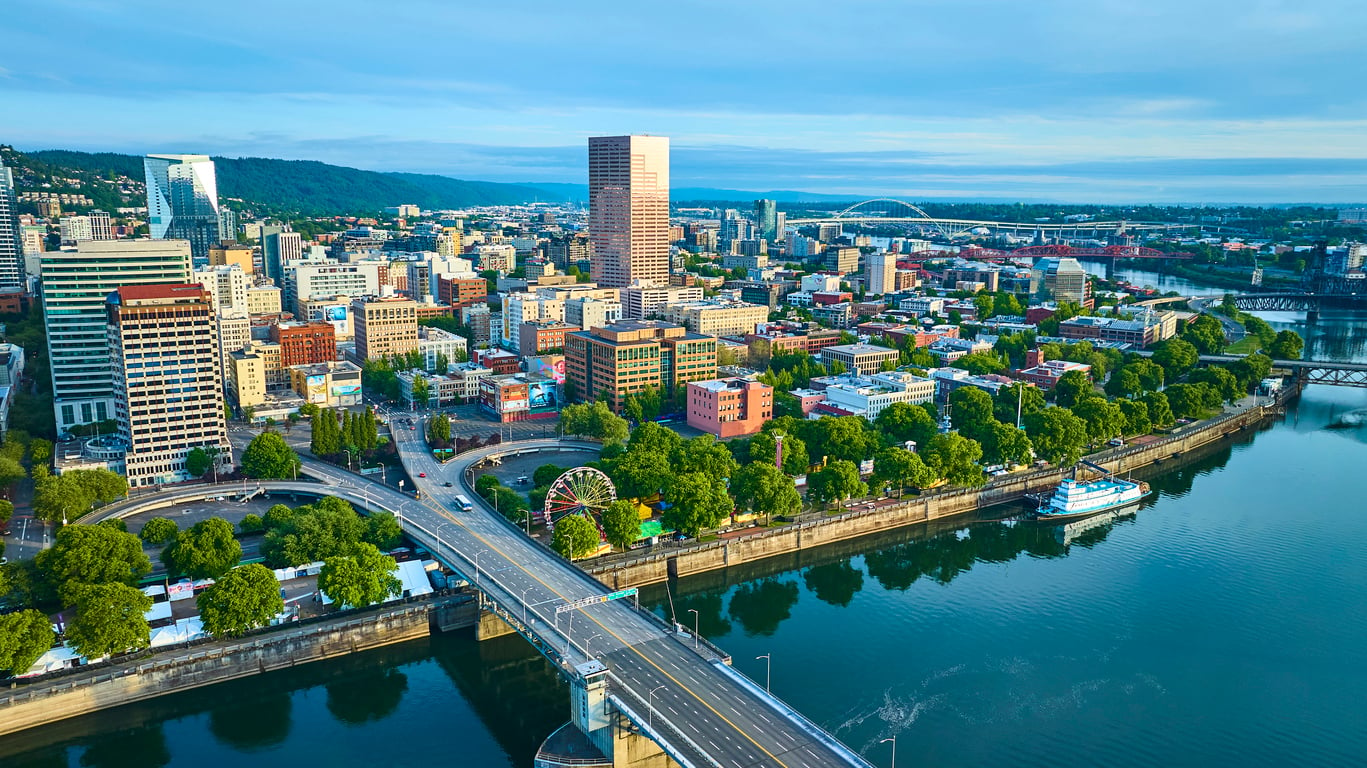
Portland hotel occupancy remained below 2019 levels in 2025, especially in the downtown area. Leisure visitors have returned faster than conventions, corporate groups, and weekday business travelers. Years of negative coverage also hurt the city image. Portland still offers bookstores, gardens, food carts, and easy access to the Columbia River Gorge, but some Oregon visitors now stay outside the city or head directly to the coast.
Seattle, Washington
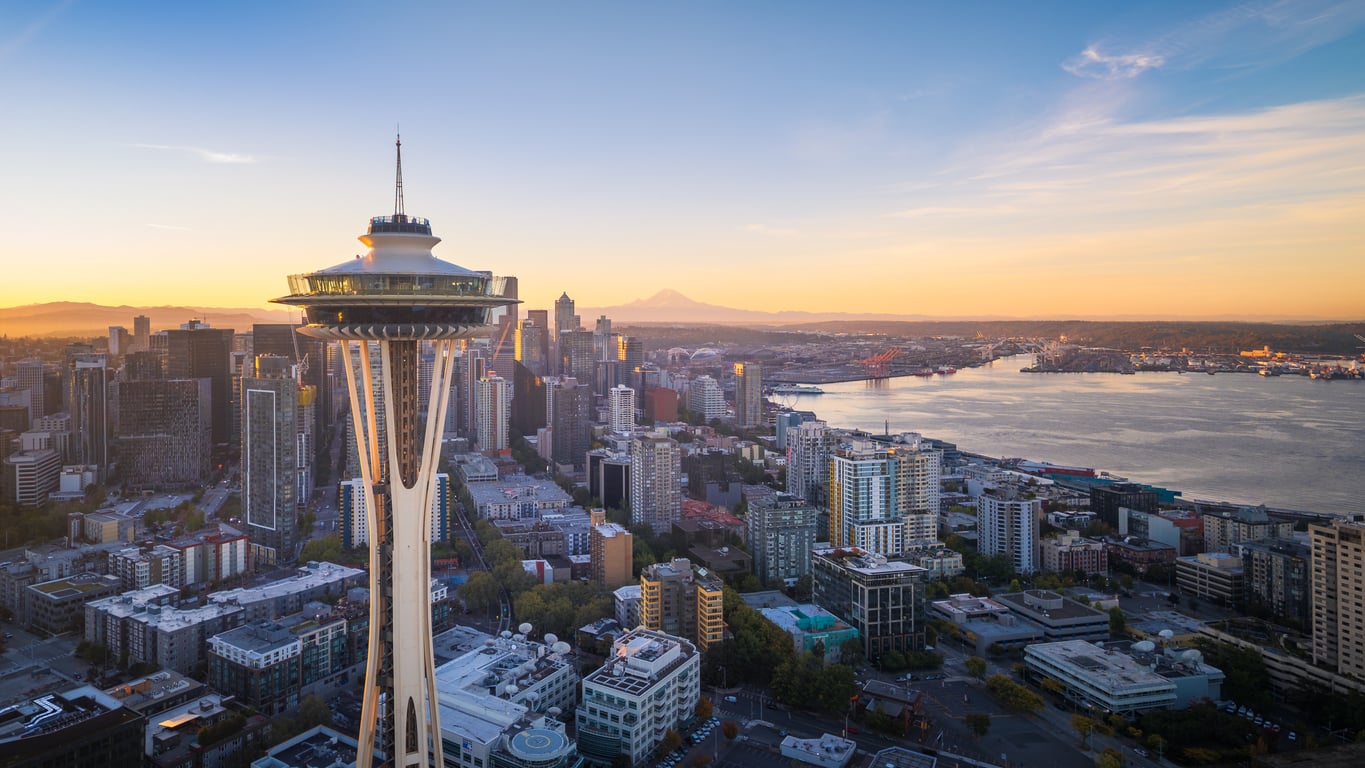
Seattle can feel packed during cruise season and busy summer weekends, but tourism has recovered unevenly. Downtown hotels have seen softer winter demand, while fewer Canadian and overseas visitors have affected shopping, dining, and overnight stays. Remote work has also reduced weekday activity in the business district. Winter visitors may find better room availability, though rain and short daylight hours remain important drawbacks.
Bellingham and Whatcom County, Washington
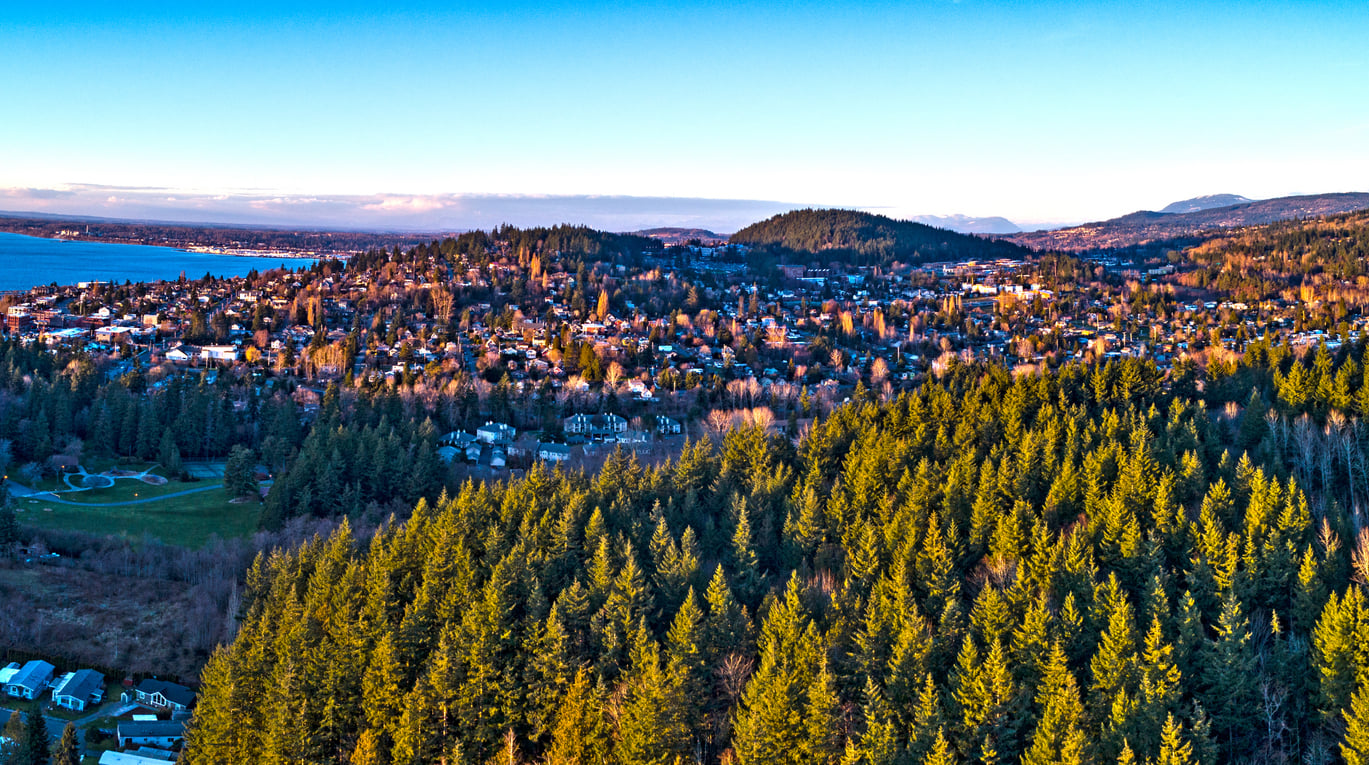
Bellingham, Blaine, Birch Bay, and nearby communities depend heavily on travelers from British Columbia. During 2025, local businesses reported weaker Canadian traffic and fewer overnight stays. Exchange rates, political tensions, border concerns, and changing travel habits all played a role. Hotels and retailers felt the drop most, while American visitors could still find waterfront scenery and Mount Baker access without Seattle prices or congestion.
Trending on Cheapism

South Lake Tahoe, California and Nevada
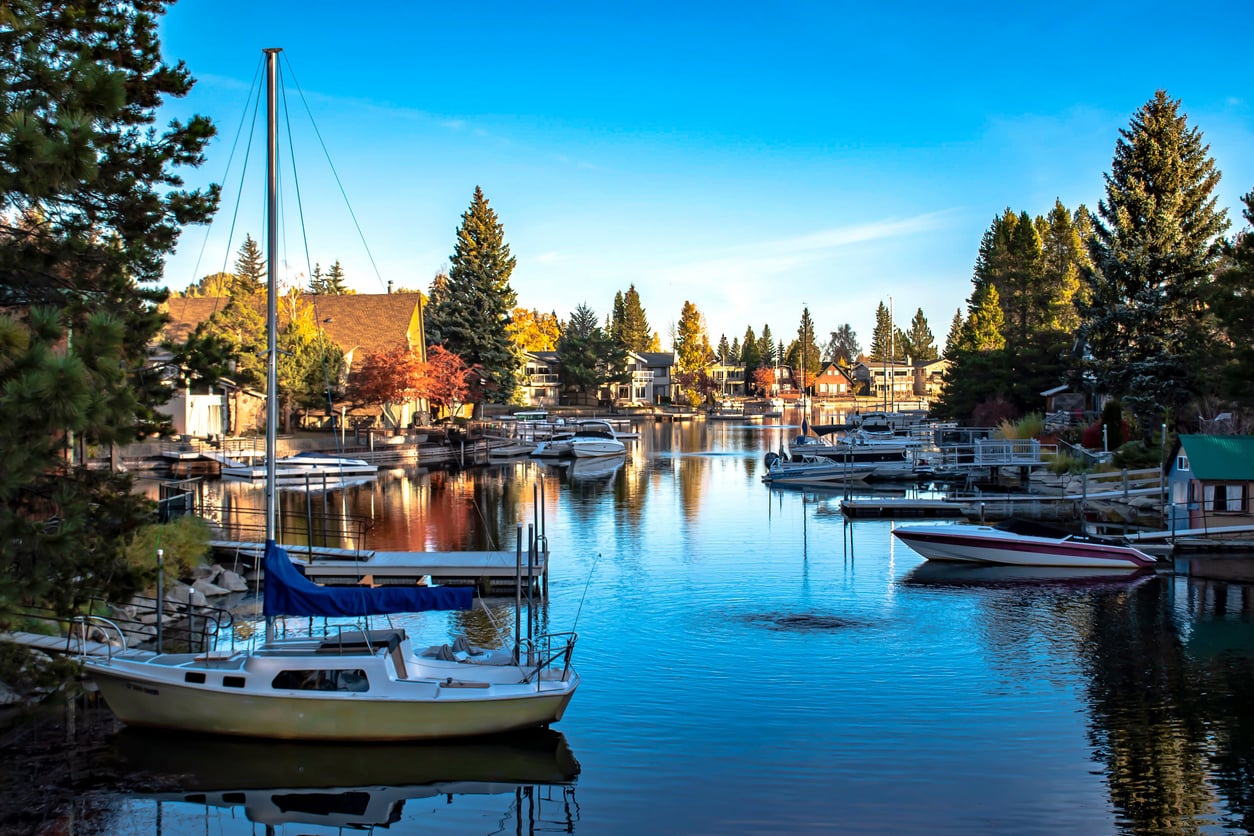
South Lake Tahoe hotels sold fewer rooms during several parts of 2025, including the important December holiday period. The destination has become costly once lodging, resort fees, meals, fuel, parking, and lift tickets are added together. Unpredictable snowfall can also make travelers delay expensive ski bookings. Tahoe still gets crowded on prime weekends, but quieter periods now appear more often between the busiest seasons.
Big Sur, California
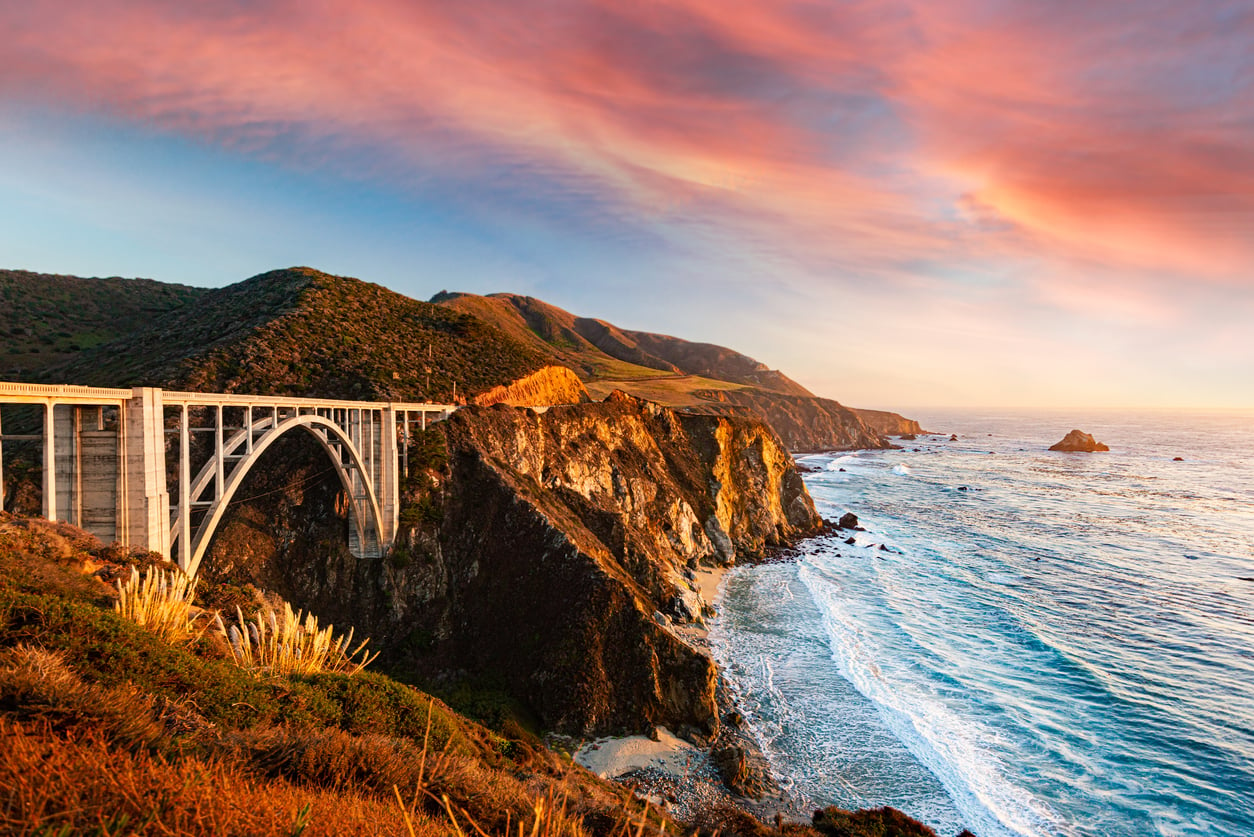
Big Sur lost major tourism business while landslides prevented travelers from driving the full Highway 1 route. Businesses beyond the closure points missed many spontaneous road trip customers. The road fully reopened in January 2026, and visitors returned quickly, so Big Sur is no longer a clear example of an ongoing decline. Crowding, traffic, and limited parking are once again more likely to frustrate travelers than empty roads.
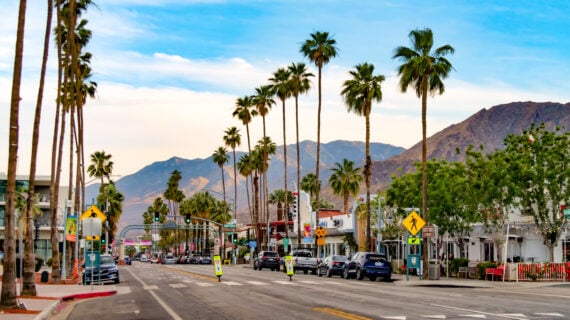
Palm Springs, California
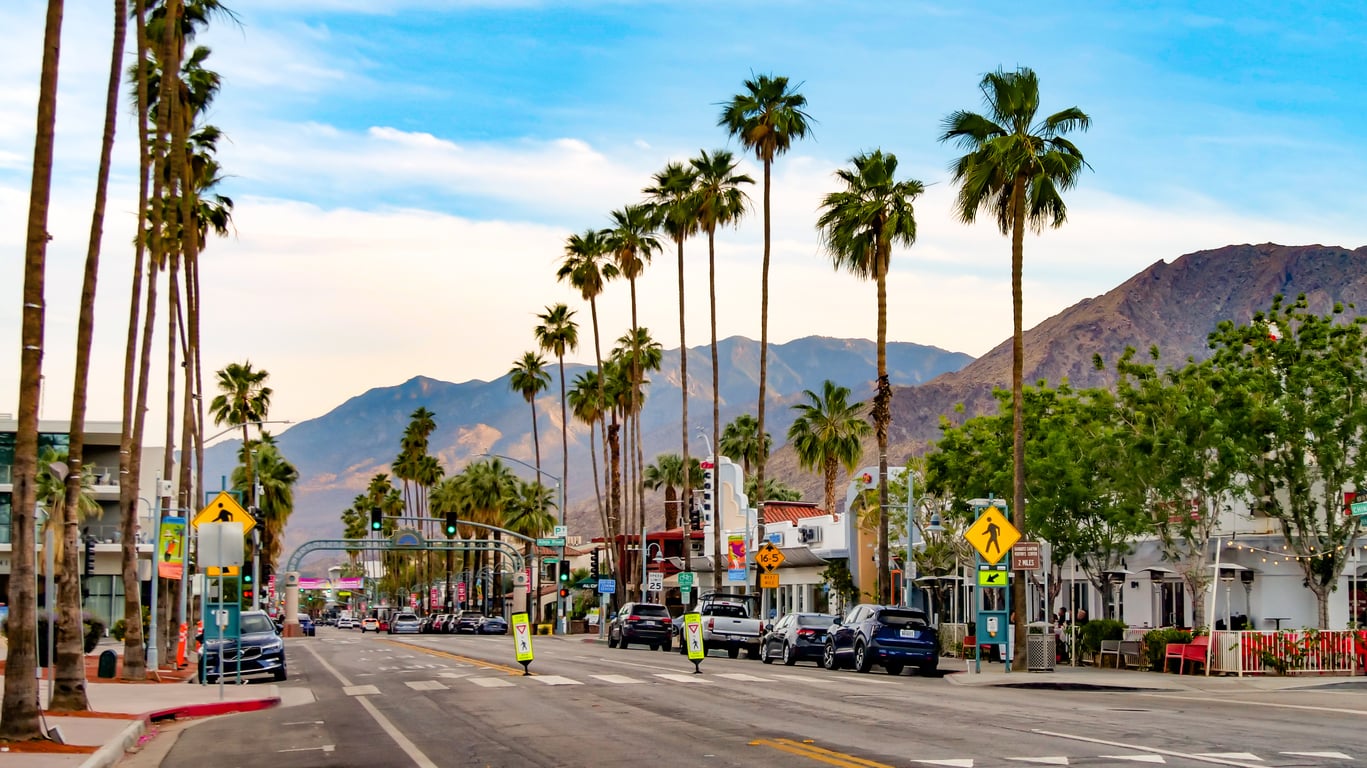
Visitor spending in Palm Springs slipped slightly in 2024, with lodging, transportation, and retail spending all declining. Extreme summer heat limits the comfortable travel season, while winter visitors can choose among Arizona, Nevada, Mexico, and other warm weather destinations. Palm Springs remains busiest during festivals, holidays, and pleasant winter weekends, but ordinary weeks can feel noticeably quieter than the city major event periods.
Sign up for our newsletter
Golden Gate National Recreation Area, California
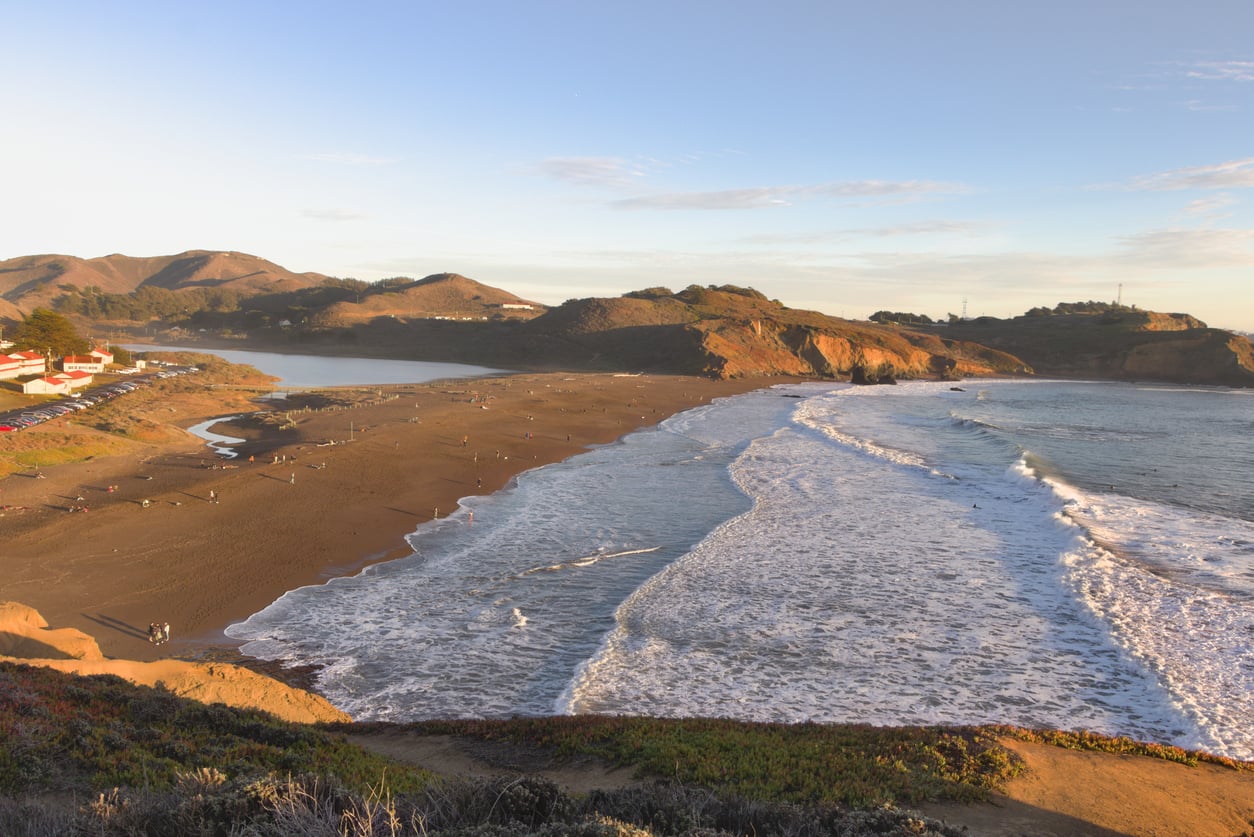
Golden Gate National Recreation Area recorded fewer visits in 2025 than in 2024. The park unit includes beaches, trails, historic military sites, and urban open spaces around San Francisco and Marin County. Its totals combine local use with tourism, so the decline cannot be blamed only on fewer vacationers. Still, weaker international travel and slower city tourism likely reduced visits to places such as Crissy Field and the Marin Headlands.
Fort Point National Historic Site, California
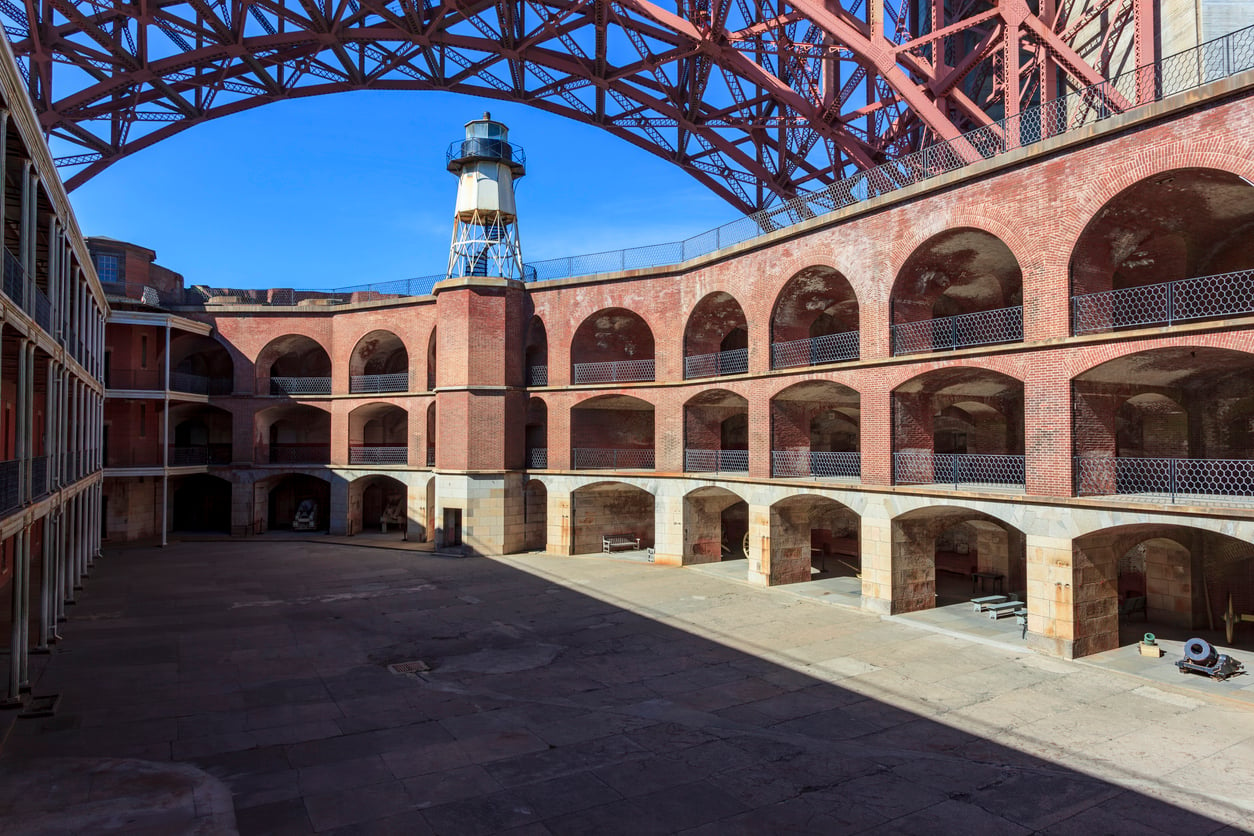
Fort Point, the brick fortress beneath the Golden Gate Bridge, recorded fewer visits in 2025 than in 2024. It often attracts travelers who are already sightseeing around the bridge, Presidio, or waterfront, so weaker city tourism can quickly affect attendance. Limited opening hours can also make the interior hard to fit into a busy itinerary. The site remains a good value because admission is free and the bridge views are excellent.
Muir Woods National Monument, California
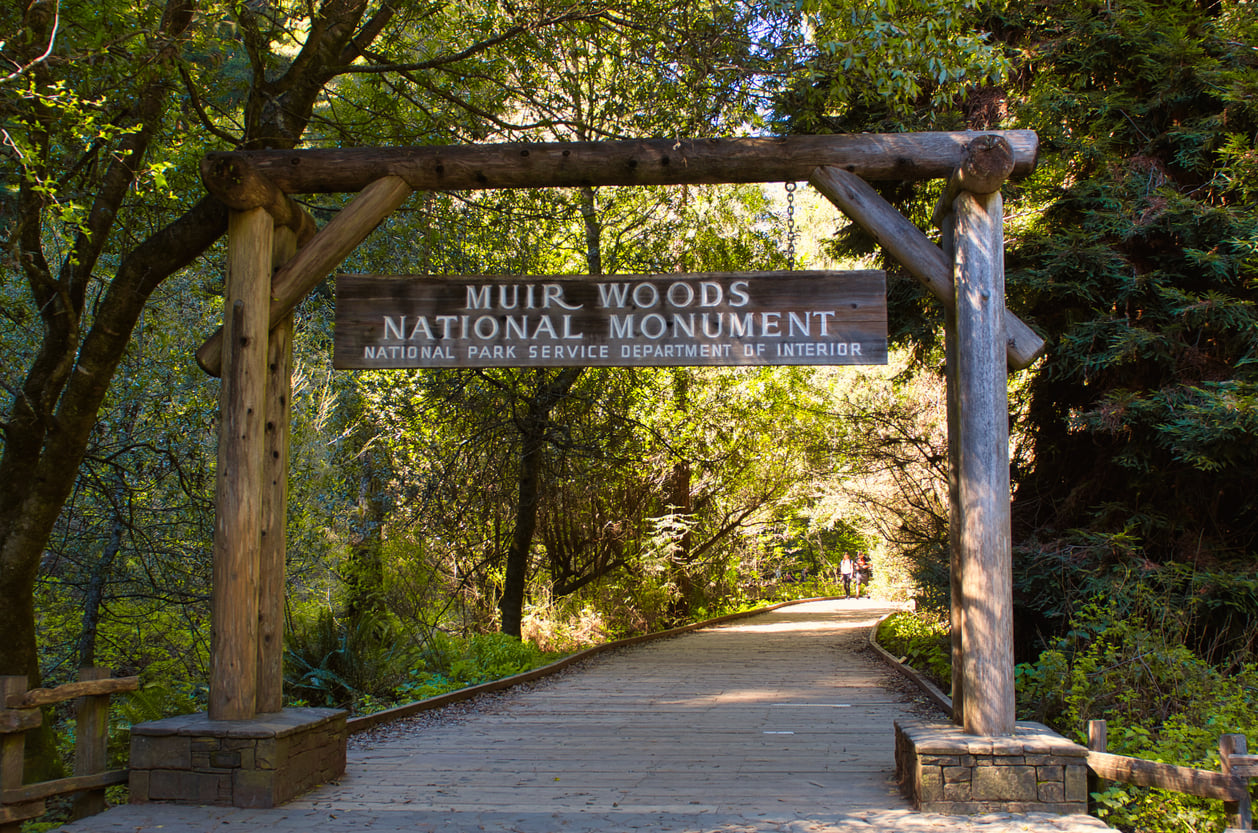
Muir Woods recorded a modest decline in visits during 2025. Visitors must reserve parking or shuttle transportation before arriving, which protects the grove but removes much of the spontaneity from the trip. Travelers who miss the available time slots may choose other redwood parks instead. The system can be inconvenient, but it also reduces crowding. Weekday and off season reservations are usually easier to arrange.
Channel Islands National Park, California
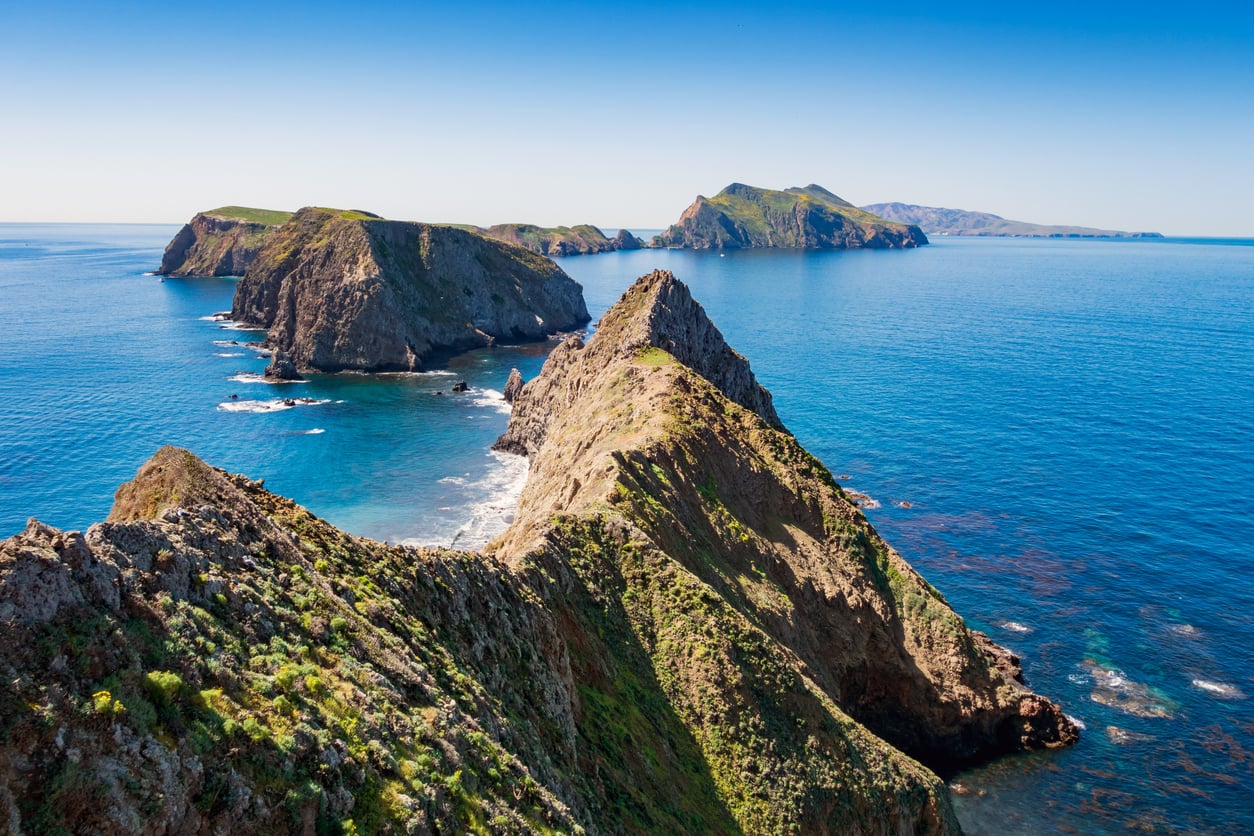
Channel Islands National Park welcomed fewer visitors in 2025 than in 2024. Reaching the islands requires a boat, plane, or private vessel, making the trip more complicated than an ordinary beach stop. Boat fares, limited departures, rough seas, and weather cancellations can discourage families and travelers with tight schedules. The isolation is also the main attraction, since the islands feel far removed from crowded Southern California.
Death Valley National Park, California and Nevada
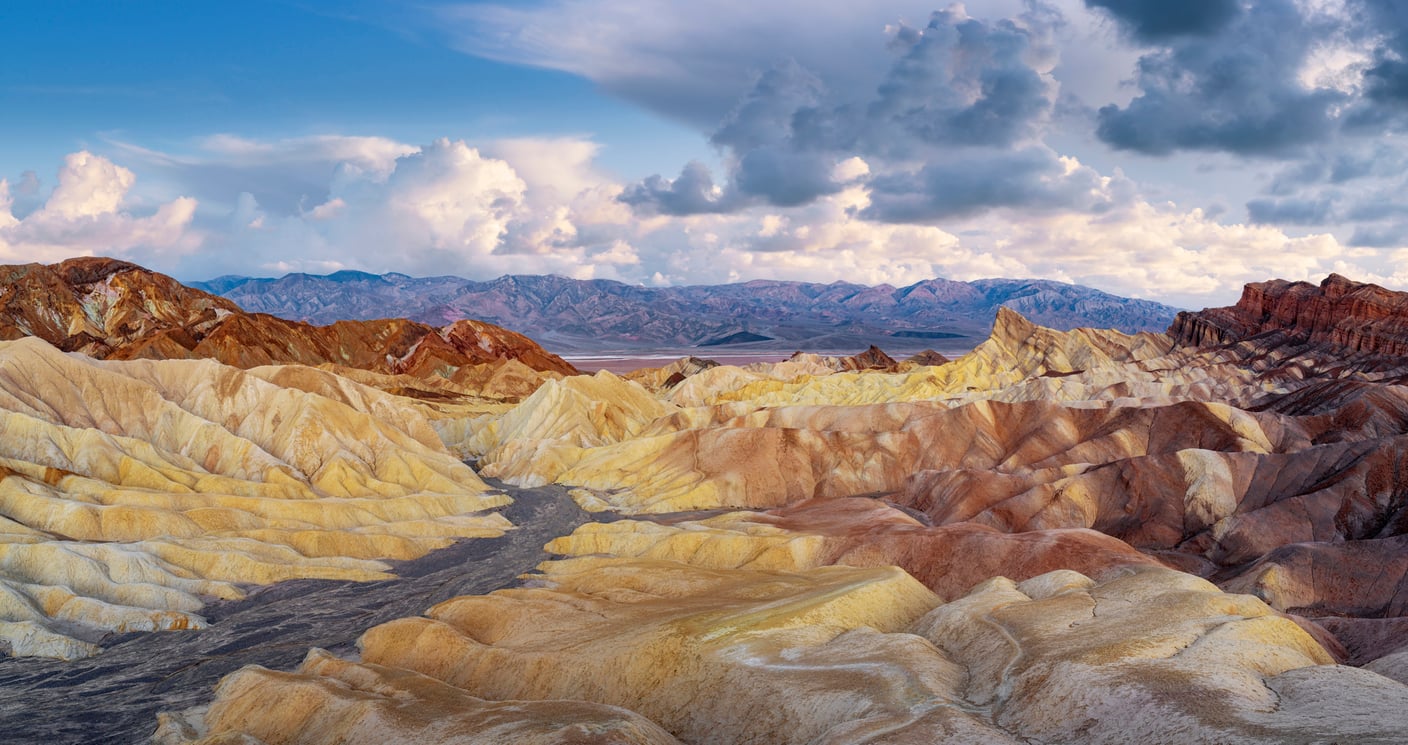
Death Valley recorded fewer visits in 2025 than in 2024, partly after road closures caused by flood damage. The park still remained busy by historical standards, so the decline does not mean travelers abandoned it. Extreme summer heat, long distances, limited cell service, and storm damage make planning essential. Cooler winter months are the safest and most comfortable time to visit, but nearby lodging can be limited and expensive.
Joshua Tree National Park, California
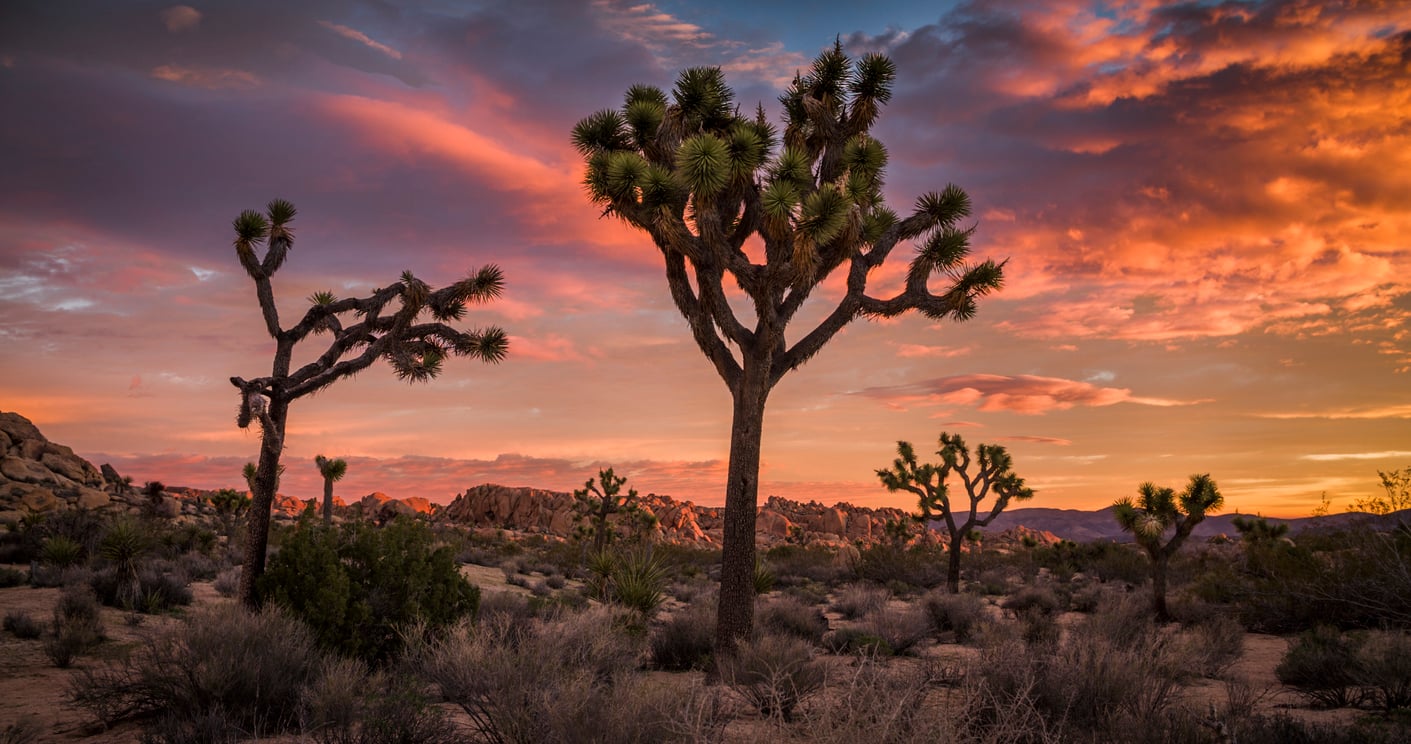
Joshua Tree saw a small decline in visits during 2025 after several years of intense popularity. Crowded entrances, full campgrounds, limited trailhead parking, and higher lodging prices have weakened its reputation as an easy budget getaway. The park is still very busy on spring weekends and holidays. Travelers seeking quieter conditions may have better luck entering through Twentynine Palms or Cottonwood instead of the heavily used west entrance.
Cabrillo National Monument, California
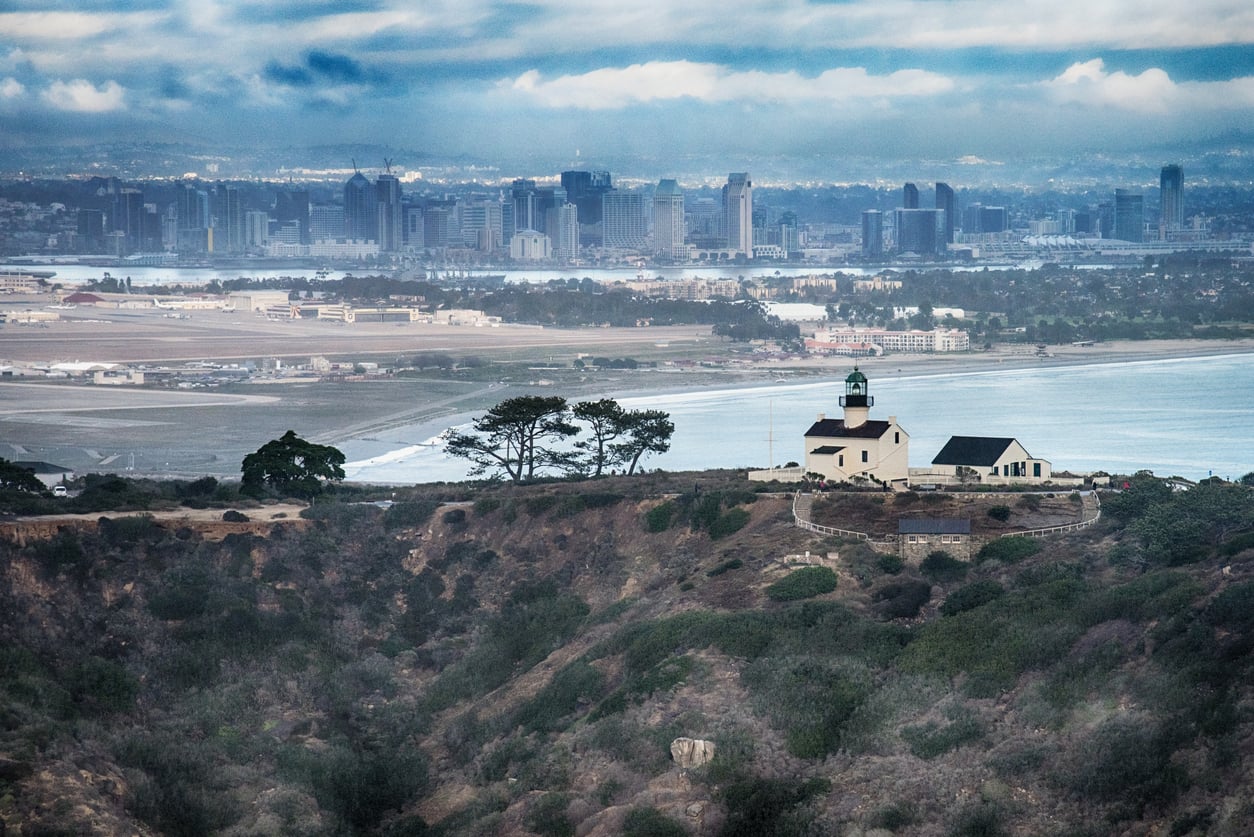
Cabrillo National Monument recorded fewer visits in 2025 than in 2024. The Point Loma site offers coastal views, a historic lighthouse, military history, trails, and tide pools, but many travelers see it as an optional half day stop rather than a reason to book a San Diego trip. The location is less convenient without a car, and tide pool viewing requires careful timing around suitable low tides.
Olympic National Park, Washington
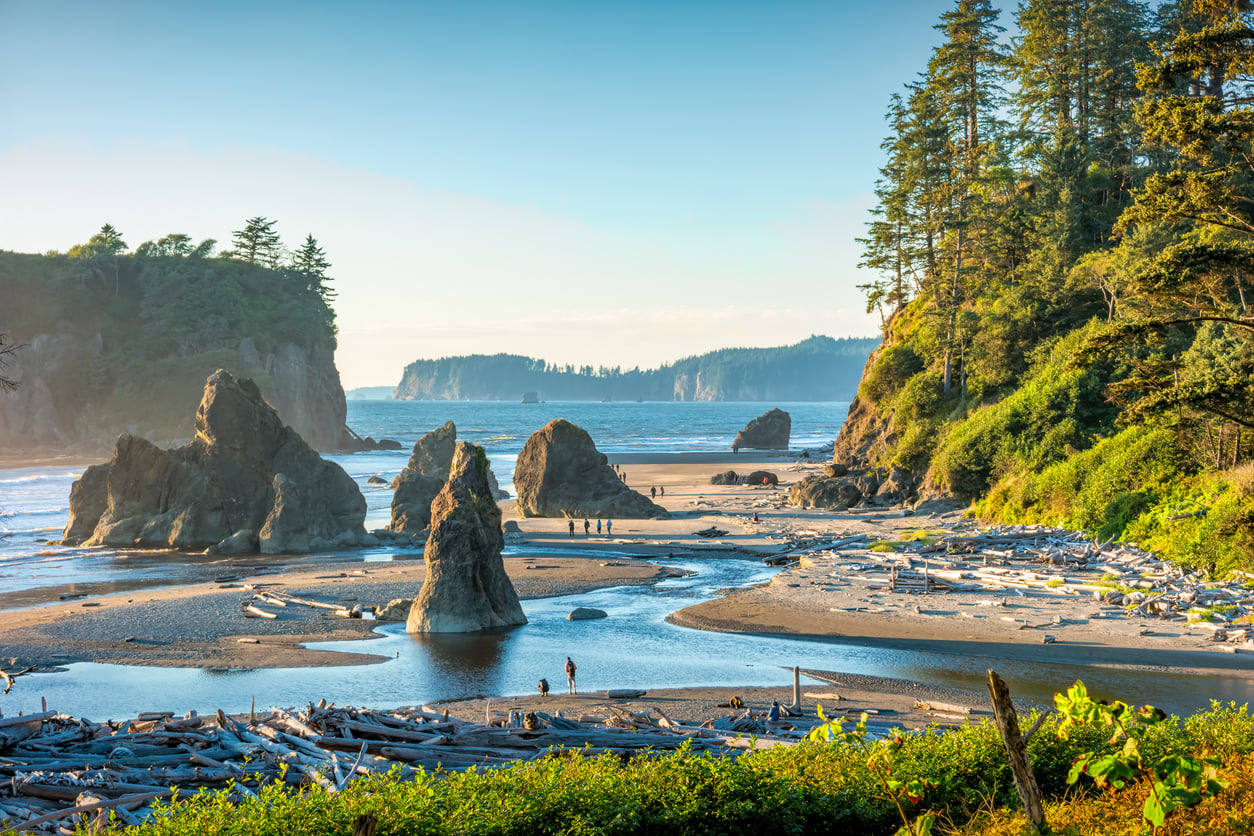
Olympic National Park welcomed fewer visitors in 2025 after an unusually strong 2024. The park remains popular, but its size can surprise first time visitors. Hurricane Ridge, the Hoh Rain Forest, Lake Crescent, and the Pacific beaches are separated by hours of driving. Seasonal closures, ferry delays, rain, and road conditions add more uncertainty. A satisfying visit usually requires several days instead of a rushed day trip from Seattle.
Oregon Caves National Monument and Preserve, Oregon
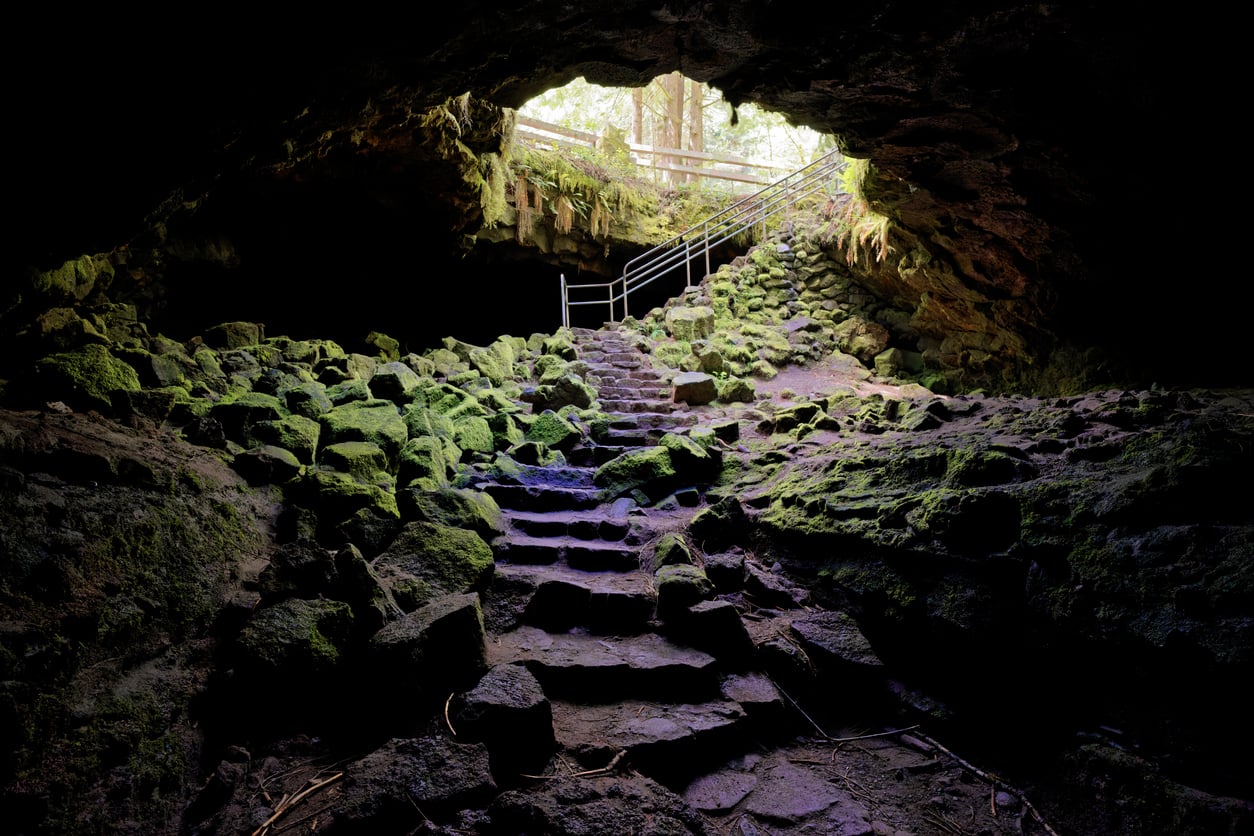
Oregon Caves experienced one of the sharpest visitor declines in the guide. Guided cave tours have limited capacity and can be affected by staffing, maintenance, and schedule changes. The monument is also reached by a narrow, winding mountain road far from Oregon largest cities and interstate routes. That extra effort can deter casual travelers, though the cave system and historic lodge area still make it a distinctive southern Oregon stop.
Lewis and Clark National Historical Park, Oregon and Washington
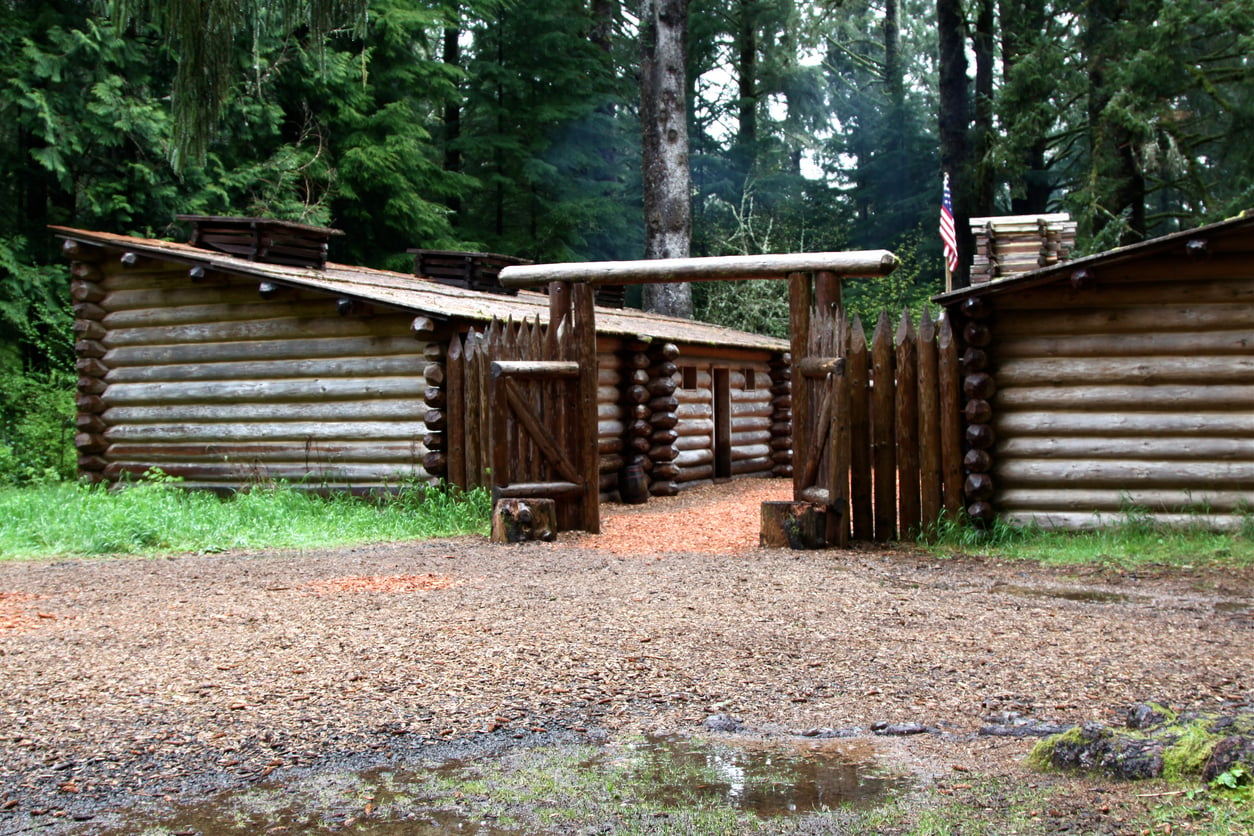
Lewis and Clark National Historical Park recorded fewer visits in 2025 than in 2024. The park includes Fort Clatsop and several smaller sites near the mouth of the Columbia River. Many coastal travelers stop only at the fort and skip the wider collection. The park also competes with beaches, lighthouses, seafood towns, and scenic drives. Visitors can get more from the trip by pairing Fort Clatsop with nearby Astoria.
John Muir National Historic Site, California
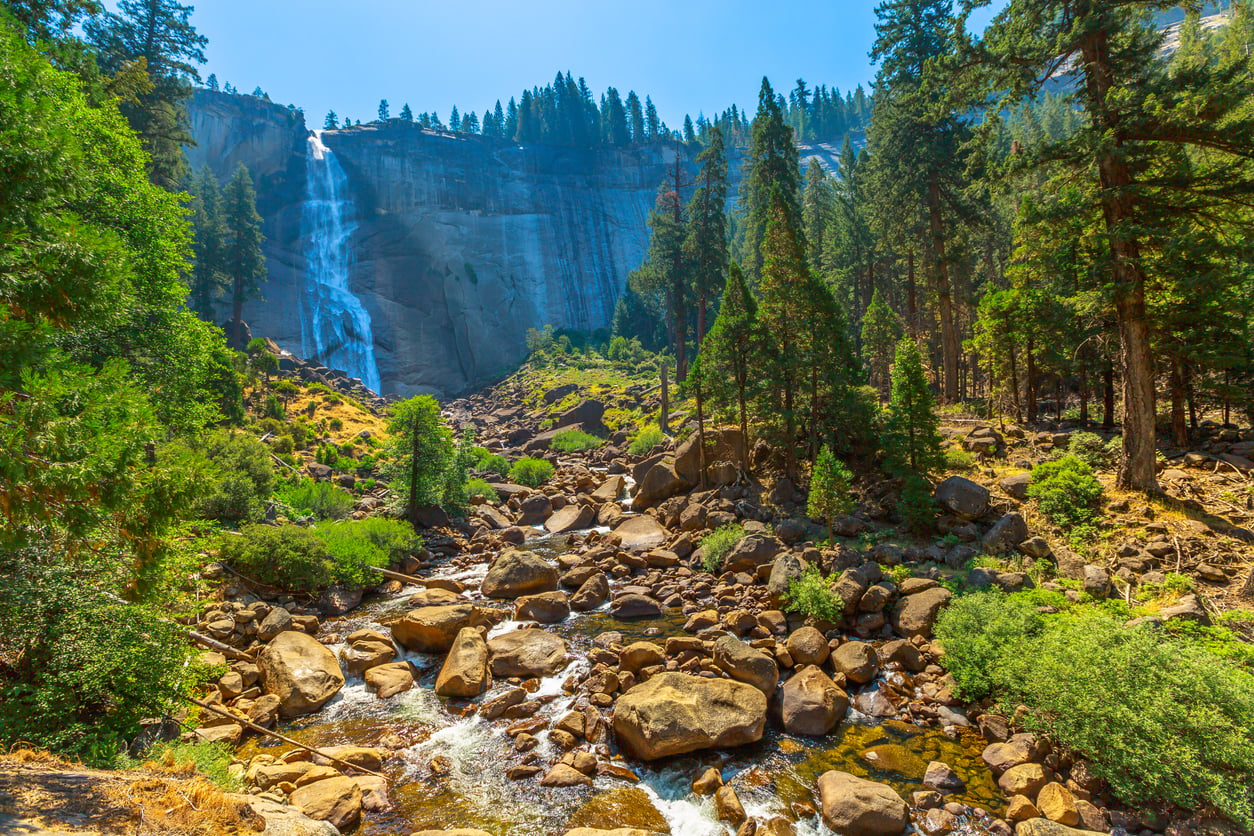
John Muir National Historic Site recorded fewer visitors in 2025 than in 2024. The Martinez property preserves Muir home, orchards, family life, and writing history, but it lacks the dramatic scenery associated with Yosemite or Muir Woods. Most people treat it as a short historical stop rather than a full day outing. Admission is free, but the site still requires a deliberate detour from better known Bay Area attractions.
Whitman Mission National Historic Site, Washington
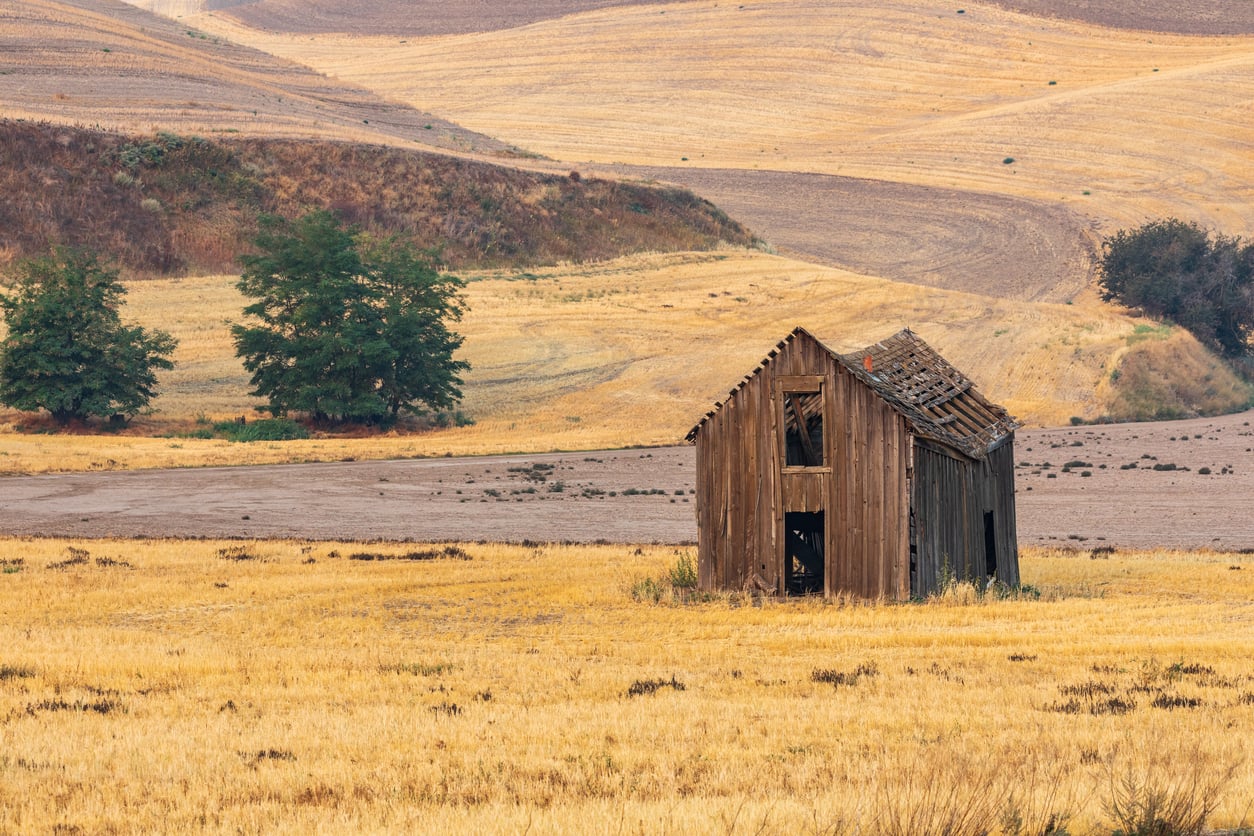
Whitman Mission recorded fewer visitors in 2025 than in 2024. The site explores the Oregon Trail, the Whitman mission, Cayuse history, disease, settlement, and the effects of westward expansion. It sits outside central Walla Walla, where many visitors focus on wineries, restaurants, and downtown attractions. Admission is free, but the serious subject matter and less visible location make it easy for leisure travelers to overlook.