

If you’re going for broke on Christmas gifts this year, hold on tight, because your bank account may be replenished soon. Thanks to a sweeping new tax law, the average 2026 tax return could jump by about $1,000 per filer. You read that right: a bigger refund. No, you’re not dreaming. And no, the IRS didn’t suddenly become generous.
Why Refunds Are About to Jump
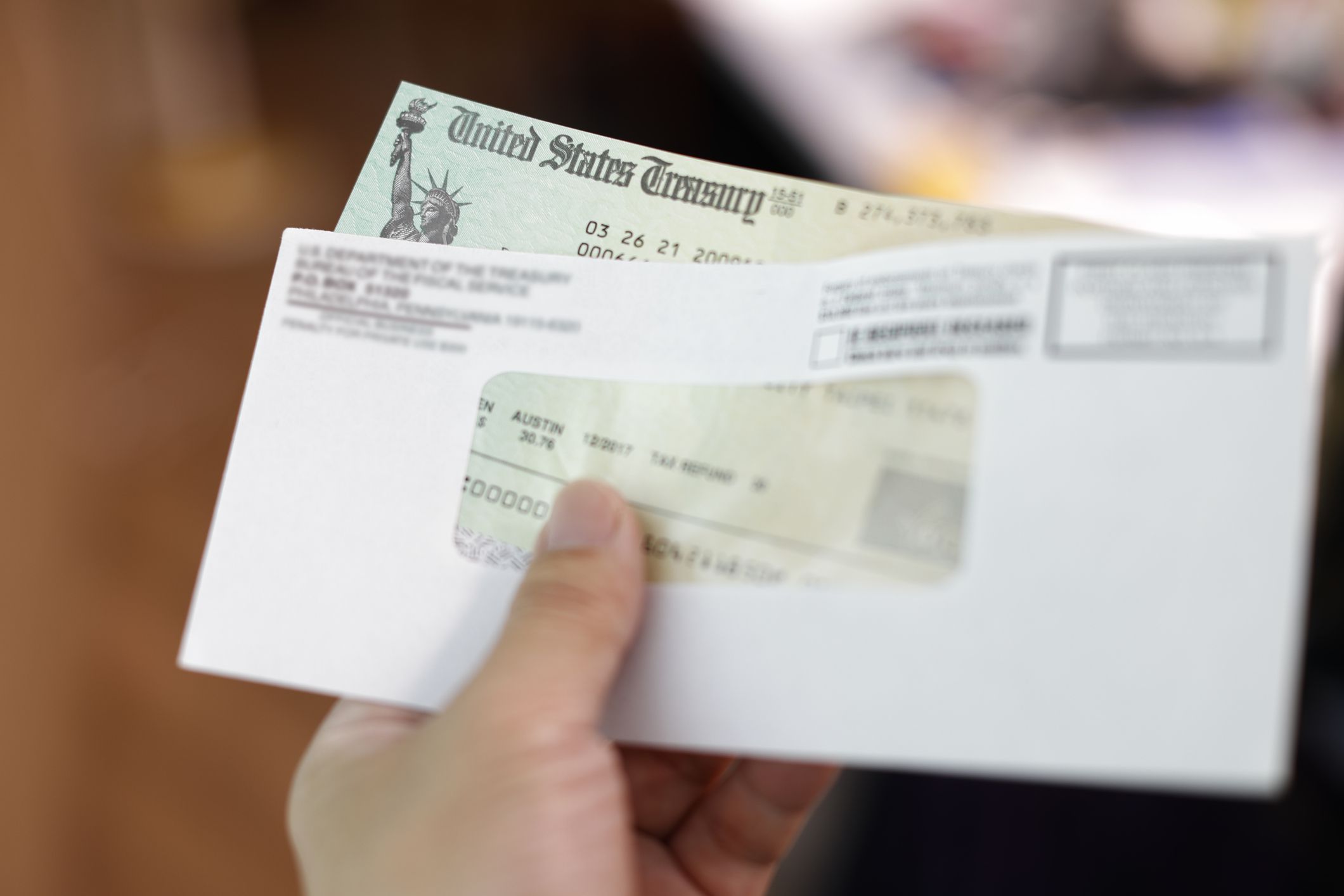
The typical refund last year landed around $3,151. Next year, however, analysts at financial services company Piper Sandler expect the average to land near $4,151. And astonishingly enough, that leap is not because everyone suddenly became amazing at withholding.
The real reason for the increase is the “one big, beautiful” tax-and-spending law that kicked in retroactively for 2025. It wipes out taxes on some overtime and tipped income and raises the SALT deduction cap from $10,000 to a jaw-dropping $40,000. Nobody updated their withholding fast enough to match these cuts, so the refunds balloon.
Who Gets the Biggest Boost

Refunds will rise across the board, but not equally (because there’s always a caveat). The biggest benefits flow to middle- and upper-middle-income households earning between $60,000 and $400,000. Analysts expect these groups to cash in the largest relative gains. Higher earners above $217,000 still get a hefty slice of the pie, but the very top doesn’t cash in on everything. Some deductions, like the $40,000 SALT write-off, phase out once income passes $500,000.
On the other end, lower-income households won’t feel the same impact. The new SALT cap only helps filers who itemize — something many low-income families don’t do because the standard deduction already covers more than their state and local taxes. Basically, this law skips the very bottom, trims back the very top, and dumps the biggest benefits right in between.
Why People Will Feel ‘Surprised’

Most workers didn’t update their withholding because honestly … who has time to decode tax law changes mid-year? You’d need a calculator, a spreadsheet, and possibly incense. So people kept paying taxes as if nothing had changed.
Now they get a refund that’s about one-third larger. Analysts think the country could see an extra $90 billion in refunds on top of the typical $270 billion. It might be one of the biggest refund seasons in history.
What This Means for You

Expect a bigger check. Maybe. Not guaranteed. Don’t come back here with your pitchforks if it doesn’t pan out for you. Your income bracket, your deductions, and whether you itemize all play a role, but most filers should see a sizable bump.
Just remember: a big refund isn’t free money. It’s your money coming back after a year-long loan to the government, interest-free. So spend it wisely. Or don’t. At least this year, you’ll actually have options.
Similar Stories on Cheapism

- Don’t Make These 12 Major Mistakes While Filing Your Taxes — Every year, droves of people face unnecessary audits or fines due to avoidable errors in their tax filings.
- 10 Strange Taxes Around the World That We Don’t Have — Some of these are downright bizarre.
- 10 Places Where the Rich Hide Money From the IRS — Not all the tax-reduction tactics favored by the rich involve offshore accounts in the Cayman Islands or Bermuda.