Whenever tax season rolls around, it’s crucial to approach the tax-filing process with due diligence and attention to detail. Every year, droves of people face unnecessary audits or fines due to avoidable errors in their tax filings. To steer clear of these costly mistakes, you should be aware of common pitfalls that can cause the Internal Revenue Service (IRS) to take a closer look at your return.
From filing too early to choosing the wrong kind of return, here are 13 common mistakes to watch out for while filing taxes.
Filing Too Early
Jumping the gun and filing your taxes before you’ve received all necessary documents — such as W-2s, 1099s, or interest statements — can lead to inaccuracies on your tax return. This may require you to file an amendment should you discover additional income or deductions after submission, which can be a tedious and time-consuming process. (Hooray for the one time that procrastination pays off!)
Choosing the Wrong Filing Status
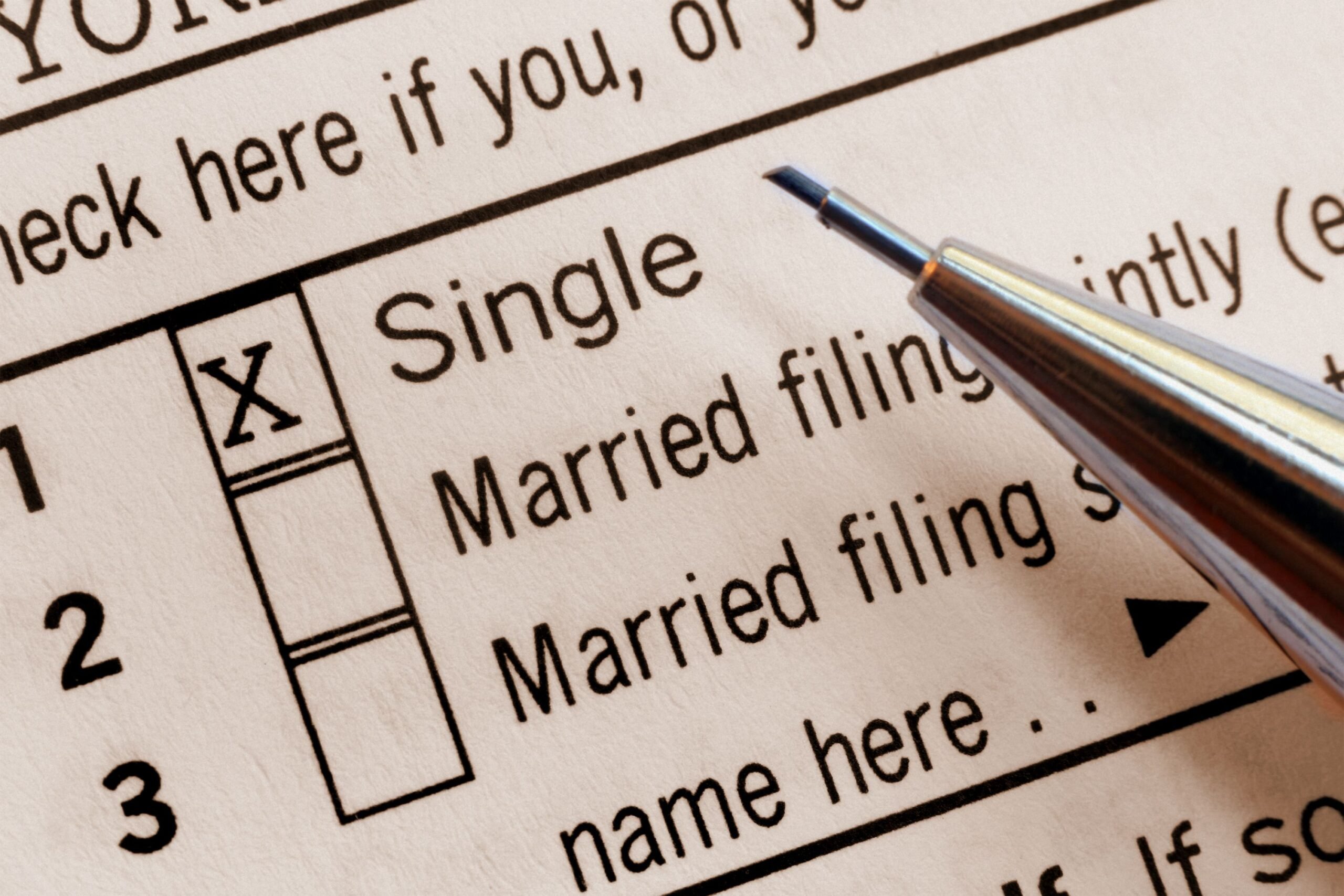
Since your tax filing status will affect your deductions, tax rates, and eligibility for certain credits and tax incentives, choosing the wrong status can be a costly mistake. For example, filing as Single when you qualify for Head of Household can impact your return by reducing the amount of deductions and credits you’re eligible for.
Misspelled Names
Because the IRS matches names on tax returns to Social Security numbers, any discrepancy can cause delays in processing. While a misspelled name might seem like a minor issue, it can flag your return for additional review. This can slow down your refund or lead to unnecessary audits and inquiries from the IRS — which, obviously, nobody wants.
Math Errors

Incorrect calculations or filling out wrong sums between schedules and forms can lead to an inaccurate tax calculation, which can result in what is called an “accuracy-related penalty.” While the IRS may correct simple math errors, this can delay your return and potentially trigger an audit if the mistakes are substantial.
Incorrect Bank Account Numbers

If you’re opting to have your refund sent via direct deposit rather than waiting for a check in the mail, be sure to double-check your routing and account numbers before submitting your return. Filling out the wrong direct deposit information will not only delay your refund, but also poses the risk of your refund being deposited into someone else’s account.
Trending on Cheapism


Forgetting To Sign and Date the Return
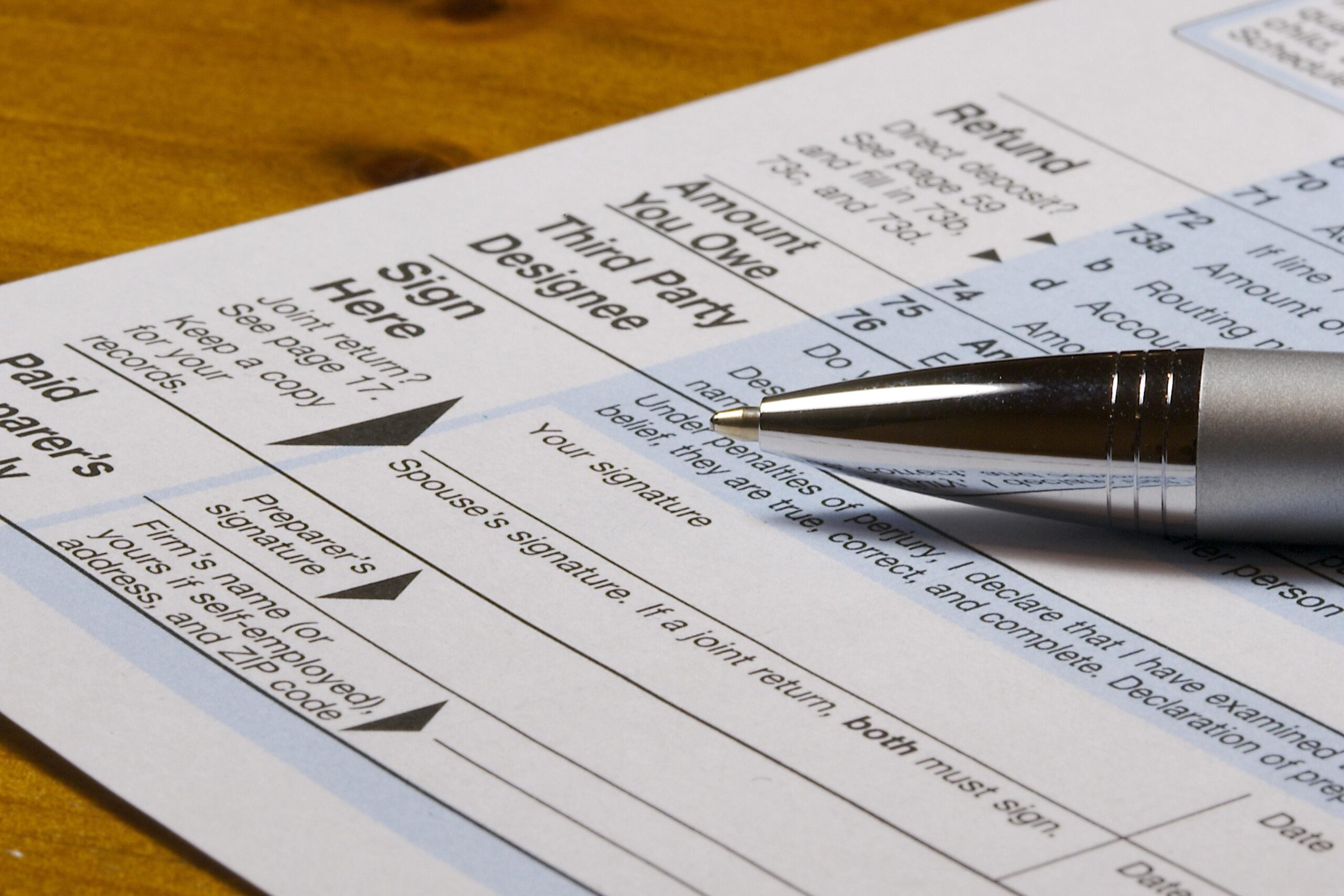
An unsigned tax return is like an unsigned check — it’s not valid. This oversight can lead to delays in processing your return, as the IRS will need to contact you to correct the mistake. In fact, you may even be fined for this. “A return that is not signed by the taxpayer (or an authorized individual) fails to meet the requirement to file that return, and may subject the taxpayer to penalties for failure to file,” the IRS states.
Not Reporting All Your Income
According to the IRS, all sources of income — including freelance earnings, interest, tips, and even small jobs — must be reported. Failure to do so can lead to audits and penalties. This is because the tax agency uses matching programs to compare your reported income to information from employers and financial institutions.
Overlooking Deductions and Credits
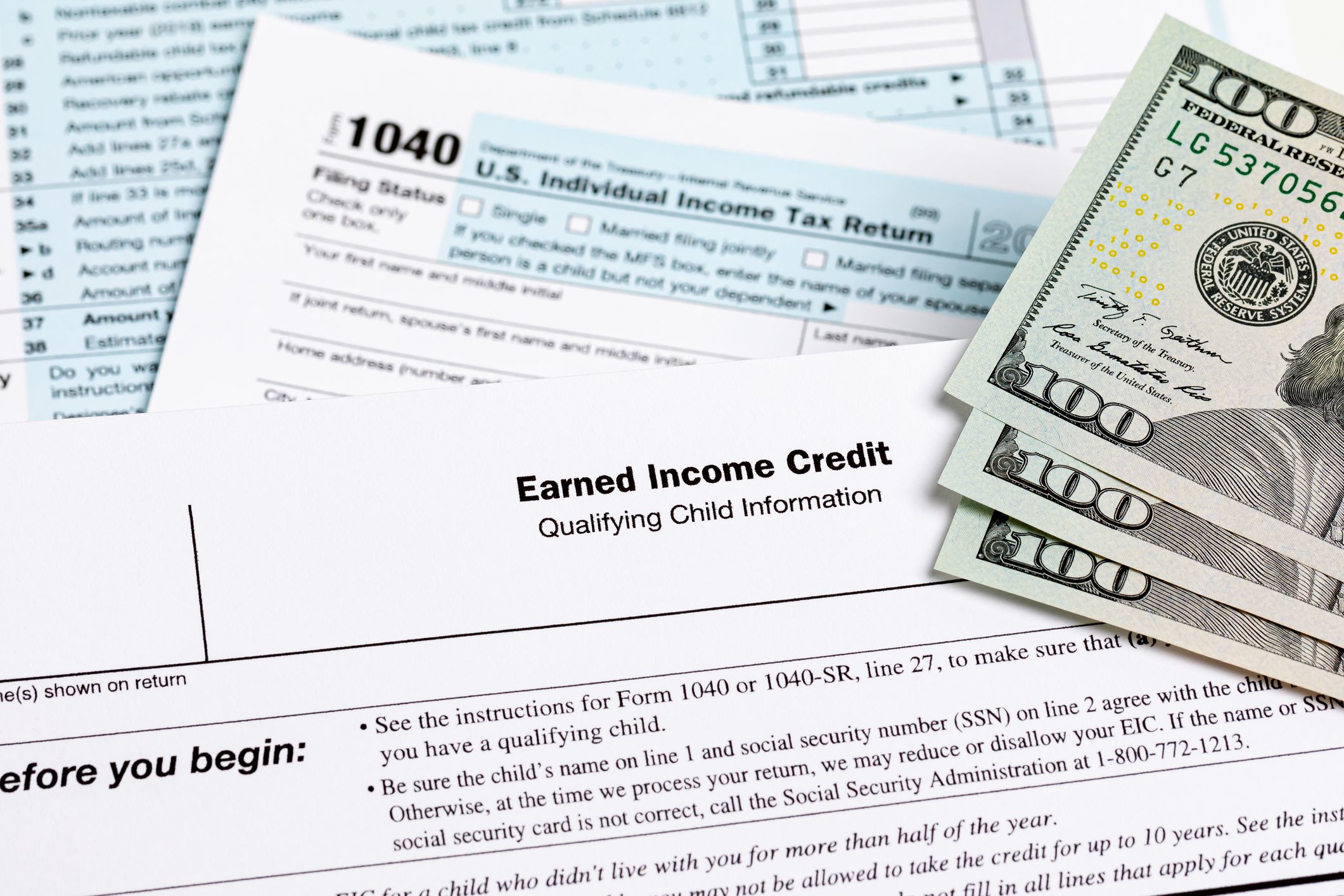
Many taxpayers miss out on valuable deductions and credits, such as educational expenses or charitable donations, simply because they don’t know about them. This can lead you to pay more in taxes than necessary. It’s worth researching or consulting a tax professional to maximize your benefits and ensure you’re getting the largest refund possible.
Sign up for our newsletter
Failing To File on Time
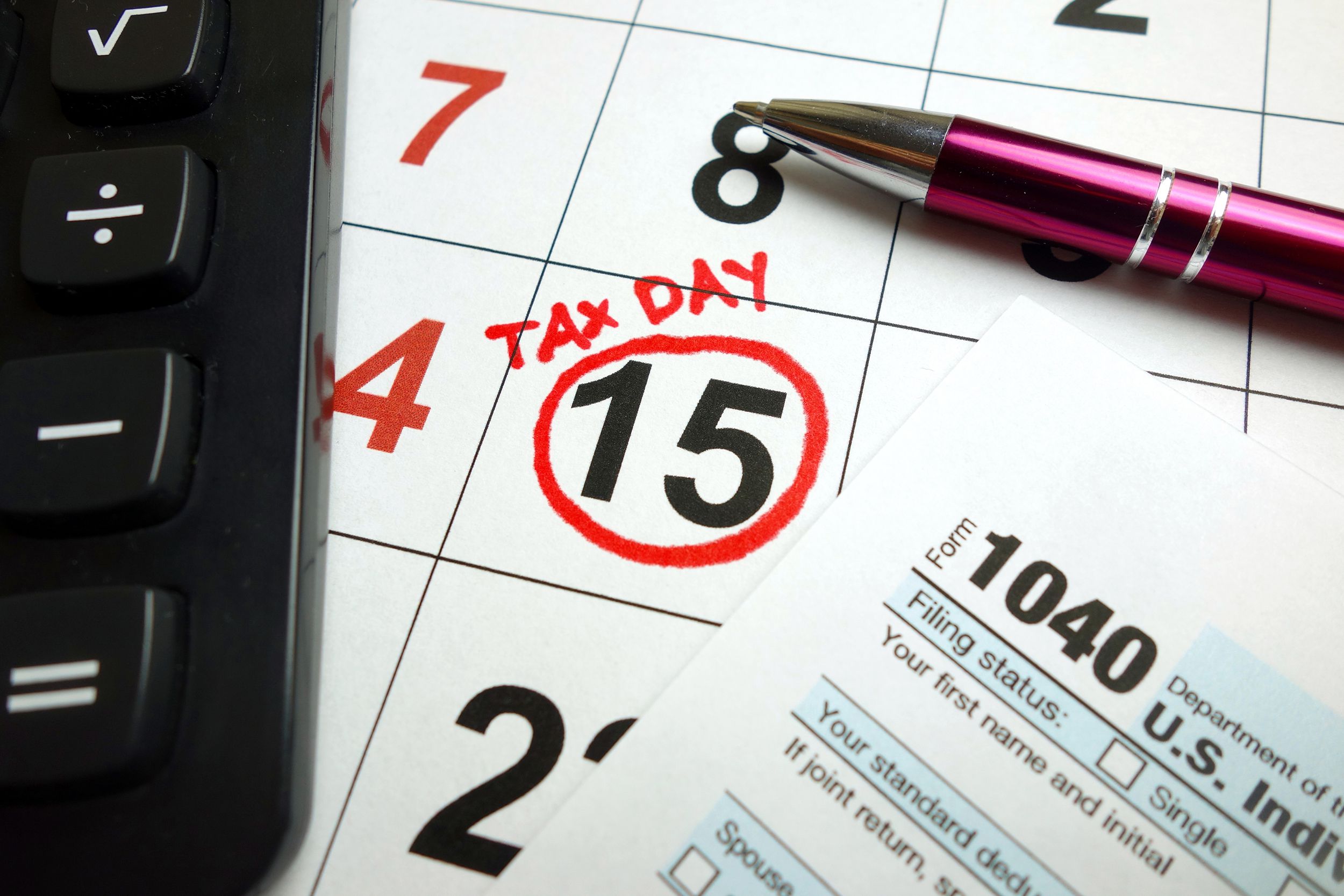
Missing the tax filing deadline, which is April 15, can result in late-filing penalties and interest charges on any unpaid taxes. If you anticipate a delay, consider filing for an extension before the due date to avoid incurring these penalties. Note: An extension to file does not equate to an extension to pay.
Ignoring IRS Notices
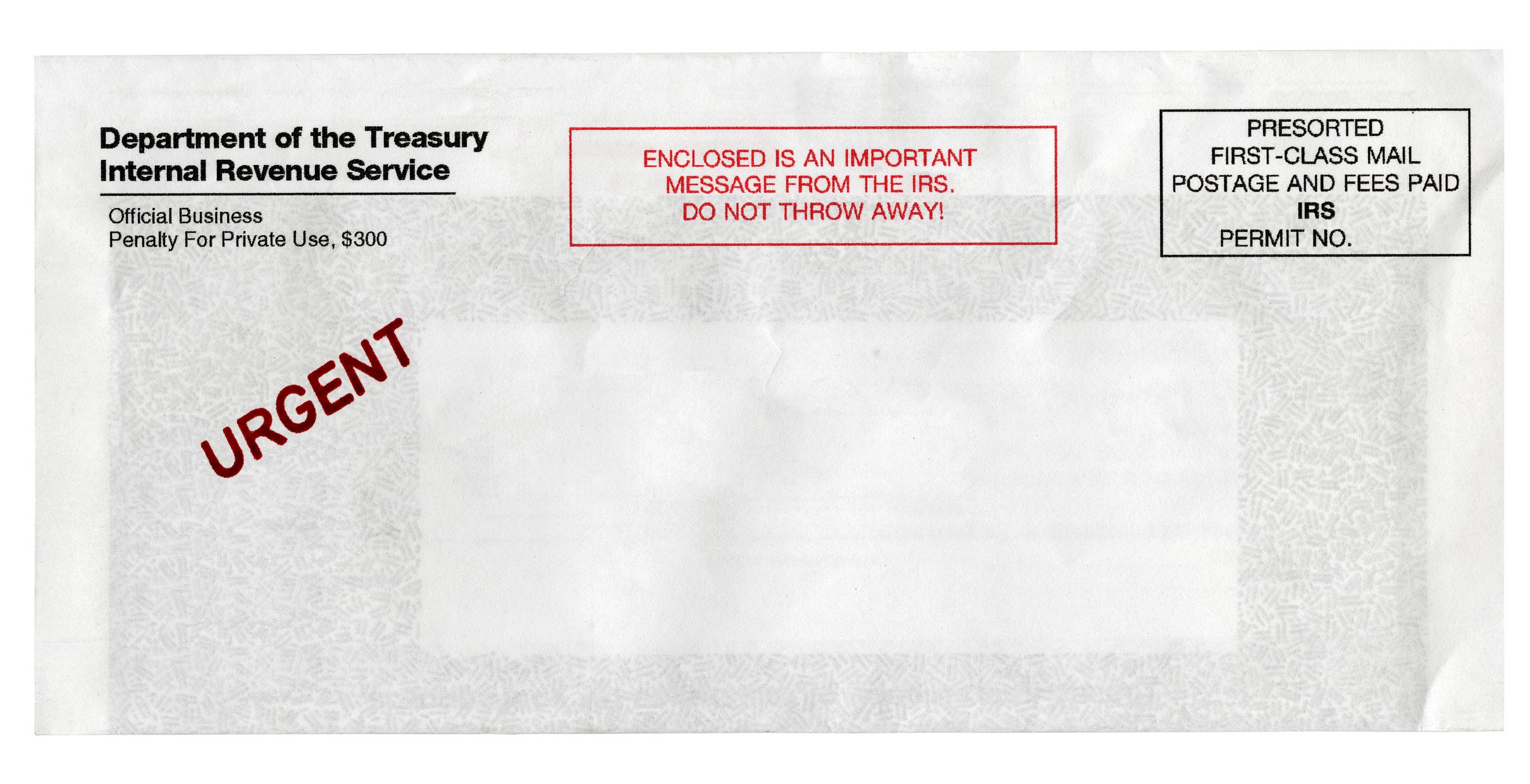
If the IRS sends you a notice or requests additional information, responding promptly is crucial. Ignoring these notices can lead to further penalties, interest, or even potential arrest for tax evasion. Remember that the IRS will never try to reach you via email or text messages for initial contact; they will send physical letters through the mail for any official communication. Beware of scammers during tax season.
Using the Wrong Tax Forms
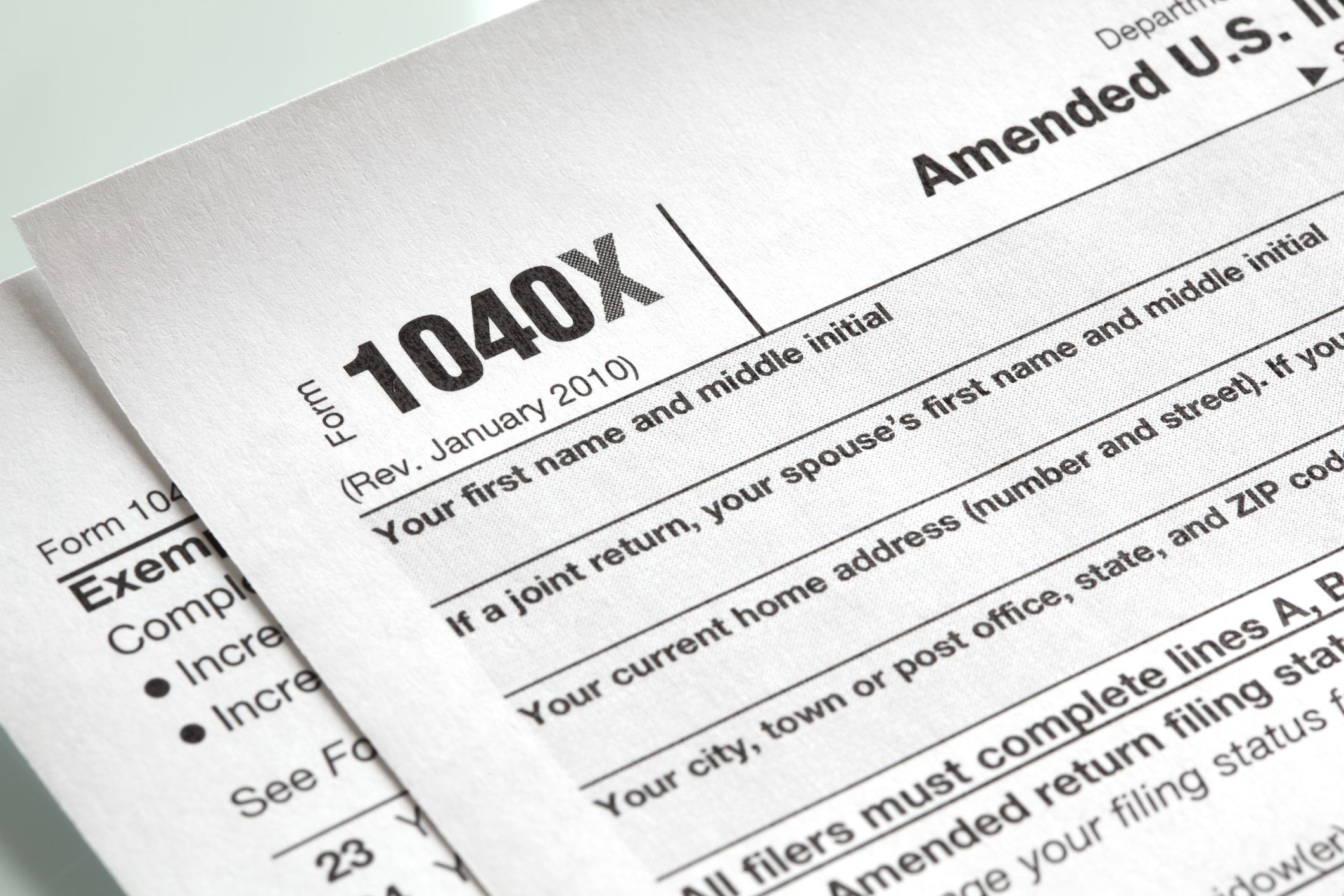
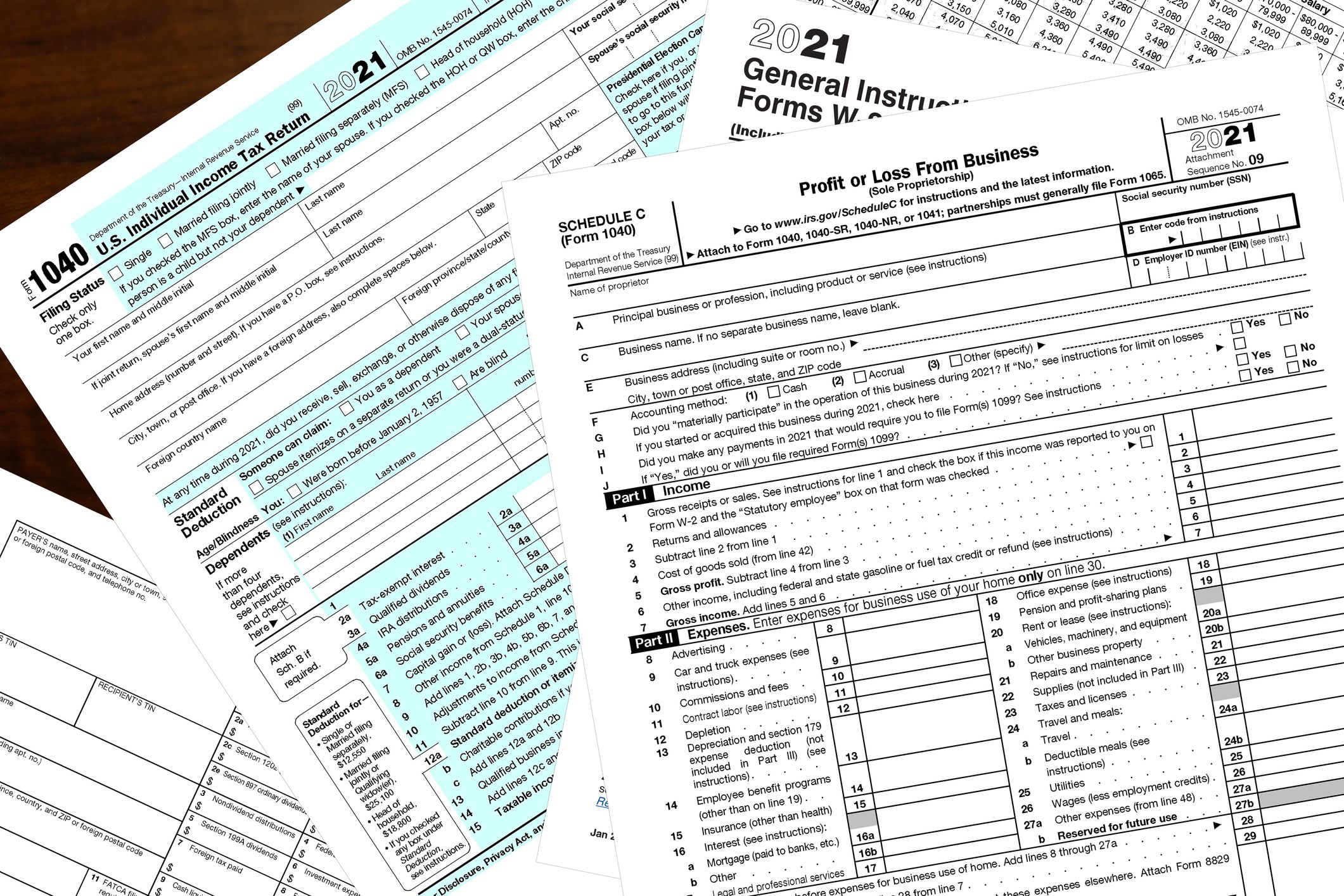
Utilizing the wrong tax forms can lead to processing delays or incorrect calculations. To avoid this, make sure you’re using the most current version of tax forms and that they’re appropriate for your specific tax situation. The IRS also recommends keeping all income, expense, property, and investment-related documents for a minimum of three years after filing each return.
Not Seeking Professional Help When Needed

Tax laws can be complex, and if you have a complicated tax situation — such as owning a business, having multiple income streams, or significant investments — getting professional advice can be worthwhile. A tax professional or accountant can help you navigate complex issues, maximize deductions and credits, and avoid costly mistakes.
Not Keeping Documentation for Deductions and Credits

Many taxpayers claim deductions or credits but fail to keep receipts, records, or proof that support them. If the IRS questions the claim during a review or audit, you may have to repay the deduction, plus penalties or interest.
For example, if you deduct charitable donations, medical expenses, or business costs, the IRS expects documentation such as receipts, bank statements, or written acknowledgments from charities. Without records, the deduction can be disallowed even if the expense was legitimate.
More From Cheapism
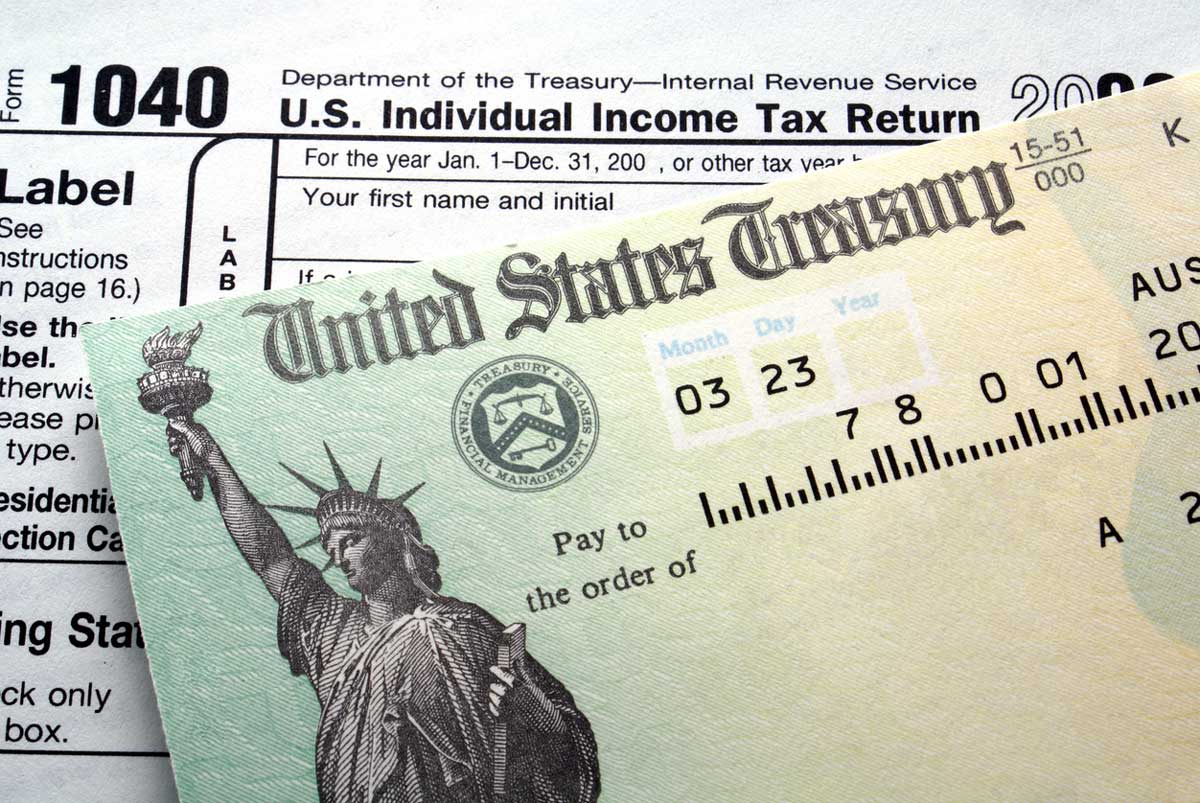
- Data Shows the Average Tax Refund Is 11% Higher This Year. Not Everyone Is That Lucky — IRS data shows average refunds are up this tax season, but that bigger headline number masks a more uneven reality where some filers are getting a welcome boost and others are wondering why their refund barely changed at all.
- If You Live in One of These States, Your Tax Refund Might Be Delayed — Taxpayers in several states could be waiting longer for their money as officials deal with federal tax changes, staffing issues, software problems, and processing backlogs in the middle of filing season.
- How to Deal With IRS Tax Debt (Without Freaking Out) — Owing the IRS can feel overwhelming, but this guide walks through practical ways to get ahead of the problem, from payment plans to settlement options and other strategies that can keep tax debt from snowballing.