Owing money to the IRS can feel overwhelming, especially as penalties and interest continue to grow — but tax debt doesn’t have to spiral out of control. Whether you fell behind due to a job loss, unexpected expenses, or a filing mistake, there are legitimate options that can help you regain control, from payment plans to negotiated settlements and temporary hardship relief. The key is understanding your choices and acting quickly before the balance becomes harder to manage.
Here’s what you need to know to pay off tax debt strategically and minimize the long-term financial impact.
Set Up an IRS Payment Plan

Can’t pay what you owe in full when you file your taxes? Not to worry. The Internal Revenue Service offers installment plans that divide what you owe across several months if not years. Note that you will still be charged interest on late fees, and if you owe more than $25,000, you’ll be required to set up a direct debit from your bank account.
There are also setup fees, which vary, depending on whether you set up your installment agreement online, over the phone, or in person. There are discounts for these fees if you’re deemed low-income.
Make an Offer in Compromise

If financial hardship prevents you from paying the full amount owed, you can apply for an offer in compromise. This is a negotiation with the IRS to pay less than the full amount you owe on your taxes.
Generally, the IRS accepts around 36% of the offers in compromise requests, so you may be better off if you can manage an installment plan.
To qualify for requesting an offer in compromise, you must be current on your tax filings and have no open bankruptcy proceedings. There is a $205 application fee, which may be waived for low-income individuals. You can choose to make a lump sum payment or periodic payments, if your request is accepted.
Make Quarterly Payments

If you don’t yet have tax debt, you can preempt issues by making quarterly estimated payments. If you’re a business owner, you’ll be charged a late payment fee if you don’t make quarterly payments, so put these deadlines on your calendar:
- April 15
- June 15
- September 15
- January 15
You can estimate how much you owe each quarter based on what you paid in taxes the prior year, or you can calculate by the quarter if your income fluctuates throughout the year.
Pay with a Credit Card

It’s not an ideal option, but if other methods for paying tax debt fail, you can charge what you owe on a credit card. Here’s a strategy to ease what could otherwise be a painful extra expense in interest: Look for cards that have a zero-interest balance transfer offer, charge your tax debt with one card, and then transfer that charge to the card with the zero-interest offer.
File ‘Currently-Not-Collectible’ Status
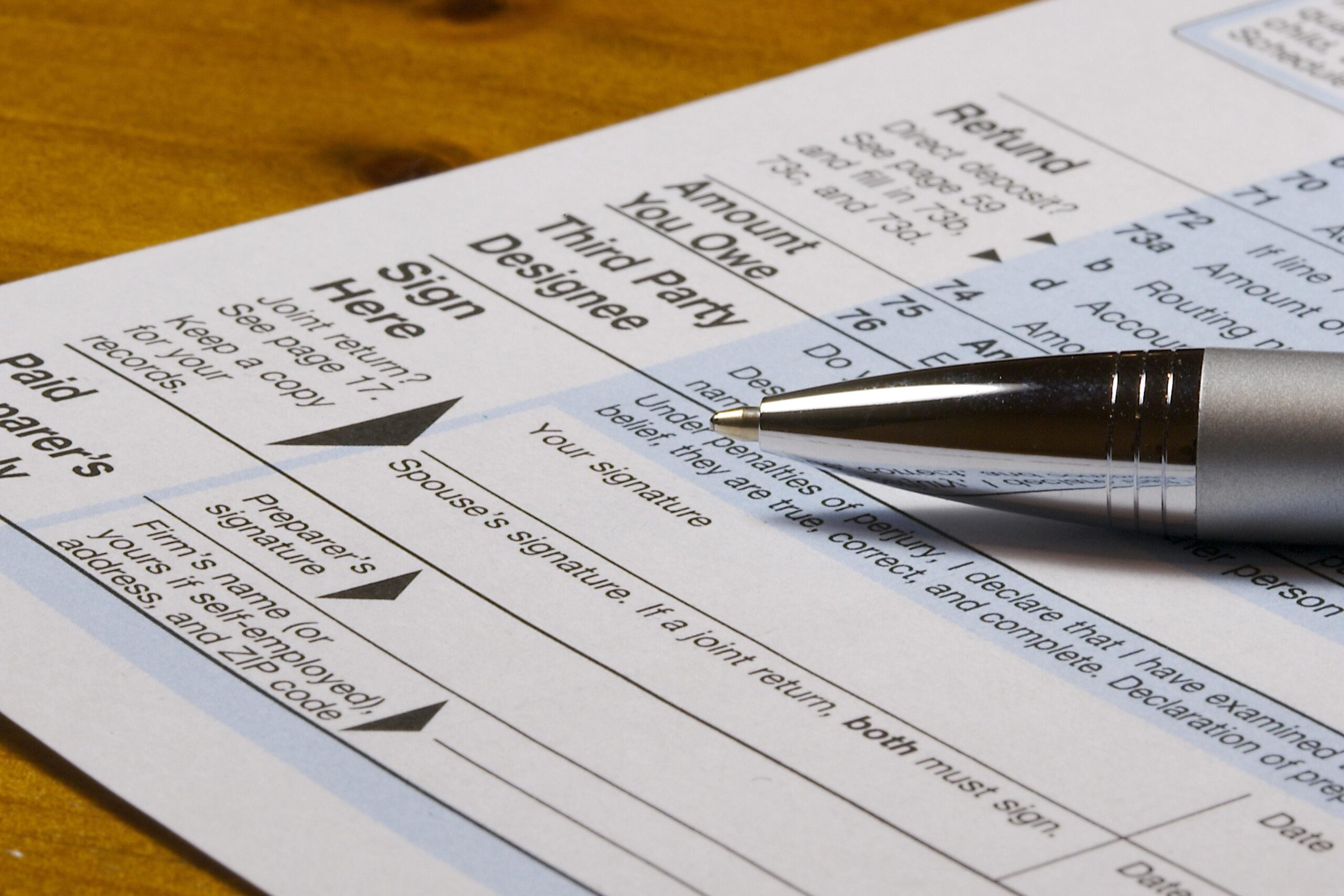
If you are completely unable to pay any of your tax debts, you can file to temporarily suspend payments under the “currently-not-collectible” status. You will have to fill out a few forms (Form 433-F, Form 433-A, or Form 433-B) and provide information about your assets and your monthly income and expenses to prove to the IRS that you are financially unable to pay.
Note that penalties and interest will continue to accrue, so you will owe more than you owed when you suspended payments.
Trending on Cheapism


Take Out a Personal Loan

If your credit is solid, you might qualify for a personal loan that has interest and fees that are less than what you’d pay with an IRS installment loan. Use the loan proceeds to pay your tax debt, then make monthly payments to pay off the loan as quickly as possible.
Request a Penalty Abatement

If you have extenuating circumstances, such as serious illness, a natural disaster, or death in the family, you may be able to request relief from penalties for your tax debt. You can only request penalty abatement one time, and you must not have had any penalties in the last three years to qualify. You’ll need to provide documentation proving the circumstances that you believe qualify you for the abatement.
Work with a Tax Professional

Experts say it’s best to try to work out your tax debt directly with the IRS, but if you are overwhelmed and in need of assistance, seek the expertise of a tax attorney or CPA.
There are also tax relief companies that can help you set up installment plans or submit a request for an offer in compromise if you don’t want to do this yourself directly through the IRS, but be leery of any who promise to eliminate all your debt. Look at online reviews for any tax professional you consider working with since there are charlatans who simply want to take your money.
There’s no magic wand when it comes to paying off tax debt. Consider cutting back on unnecessary expenses so you can pay down the debt faster, and get a plan to prepare for the next tax season so that you won’t rack up even more debt.
Sign up for our newsletter
More From Cheapism

- Well, This Is Awkward: Tax Refund Delays Could Impact a Whopping 20 Million Americans — Millions of taxpayers waiting on refunds may find their checks held up this season because of credit verification rules and extra IRS scrutiny, not a system glitch.
- This New Tax Deduction Could Finally Give Seniors a Break — A fresh federal tax deduction for Americans 65 and older could put hundreds of extra dollars back in retirees’ pockets on their 2025 returns — and it’s easy to miss if you don’t know it’s there.
- Income Taxes Are Dropping in 9 States in 2026 — Here’s What That Means for Your Wallet — Residents of nine states are getting modest income tax cuts in 2026 that could leave a little more money in their paychecks, even if it won’t completely change their budgets.