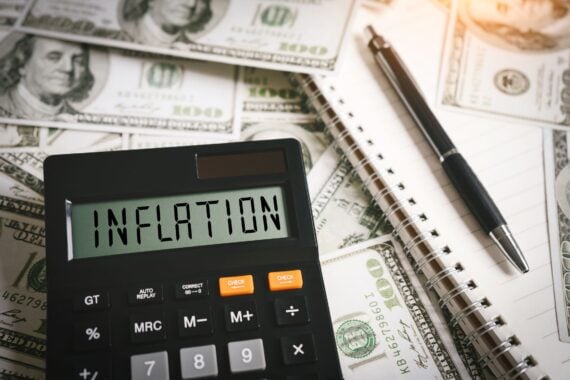
Is anyone actually surprised by this headline? If you’ve been watching the economy limp along lately, the latest inflation report is about as shocking as a rainy day in Seattle. According to the Bureau of Labor Statistics, the Consumer Price Index (CPI) climbed to 3.8% in April, which is its highest level in nearly three years.
Listen, folks, the reality on the ground is simple: We’re being squeezed. Between a war that’s sent energy prices into the stratosphere and supply chains that are about as reliable as a chocolate teapot, the affordability crisis is pretty much our way of life now.
Another Shocker: Fuel Is Leading the Charge
The shrugging off of gas prices at the pump is over. As one observer on Reddit pointed out, people are finally realizing that gas prices aren’t just an annoyance for commuters; they’re a tax on everything.
Because diesel fuels the trucks that deliver your food, grocery prices jumped 0.7% in April. At the Hunt’s Point Market in the Bronx, shipping costs for produce from California are reportedly 46% higher than this time last year. Jet fuel is up 60% since the conflict in Iran began. If you’ve noticed your baggage fees increasing or fuel surcharges appearing on your tickets, that’s why.
Energy rose 3.8% in a single month. That accounts for over 40% of the total monthly inflation jump.
The ‘AI’ Power Drain
While we’re all worried about things like the price of beef, there’s a massive, power-hungry elephant in the room: data centers. As tech companies scramble to build the next big thing in AI, they are soaking up staggering amounts of electricity and water.
Critics are already pointing out the absurdity of the current setup: We’re spending massive amounts of power and resources on super-advanced chatbots while local communities are left to pick up the tab for strained energy grids and dwindling water supplies. As one Redditor put it, “If we spent 1/10th the amount of power, money, and resources on developing fusion power as we do on AI, we’d have cheap, abundant, clean energy by the end of the decade.” Instead, we’re just getting more expensive cloud computing.
The Real World Math
All the while, wage growth has slowed to 3.6%, meaning for the first time since 2023, the cost of living is officially growing faster than your paycheck.
“Inflation is a regressive tax, which hits the ranks of those who can afford it least,” says KPMG chief economist Diane Swonk. She’s warning that this is likely to get worse before it gets better. With the Strait of Hormuz conflict effectively roiling supply chains globally, these disruptions could echo well into 2027.
More From Cheapism

- Report Says Inflation Cooled in January. Consumers Aren’t Buying It — Apparently, inflation cooled in January. That’s the official word, anyway. Just don’t head out to the grocery store after you finish reading this and expect your receipt to give you the warm and fuzzies — because these days, the reports don’t seem to match the reality.
- These 5 States Are Feeling the Inflation Punch the Hardest — Americans have more money in their salaries than they did a few years ago. Just not the kind that made life easier.
- Costco’s $1.50 Hot Dog Combo, AriZona Iced Tea, and Other Cheap, Inflation-Resistant Grocery Favorites — While the prices of just about everything in the world rise — especially when it comes to groceries — there are still some indulgences left mostly unharmed. Some popular grocery items haven’t raised prices in years (looking at you, Costco hot dogs), while others have only raised prices slightly.