
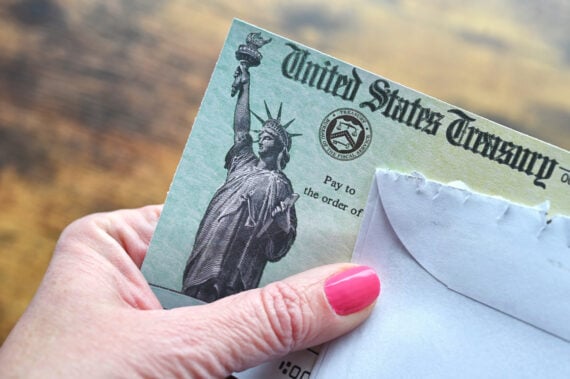
If you spent the pandemic years staring at tax notices and stressing over penalties, you might want to dig through your old paperwork. Thanks to a recent legal victory in Kwong v. United States, millions of Americans and businesses may be entitled to refunds for penalties and interest the IRS collected during the pandemic—but the clock is ticking.
What’s the Deal?
This all boils down to the federal tax code’s disaster relief rules. Under Section 7508A(d), when a federally declared disaster is in effect, tax deadlines are automatically postponed for the duration of the disaster plus 60 days.
A federal court ruled that the COVID-19 public health emergency, which ran from January 20, 2020, through May 11, 2023, triggered this automatic postponement. That means for tax years 2019, 2020, 2021, and 2022, filing and payment deadlines were effectively pushed to July 10, 2023. So, folks, if the IRS charged you penalties or interest for filing or paying “late” during that three-year window, they might have been acting outside of their authority.
Why You Need to Act Now
Before you get too excited, this is not an automatic check-in-the-mail situation. The government is expected to appeal the Kwong decision, and the legal battle could drag on for years.
Because of the statute of limitations, you cannot just wait for the outcome. To preserve your right to a refund, you need to file a claim (specifically a protective claim) by July 10, 2026. By filing now, you’re essentially telling the IRS, “Hey, put my claim on ice until the courts decide,” ensuring you don’t lose your chance at a payout if the ruling holds.
How to Check (and Claim) Your Money
You don’t need to guess, and the IRS sure as sugar isn’t going to call and ask if you want your money. The easiest way to check is to request your IRS Account Transcript.
What to look for: Check for any “Failure to File” or “Failure to Pay” penalties assessed or paid between January 20, 2020, and July 10, 2023.
Where to get it: Log in to your IRS.gov account to view, print, or download it. If you prefer, you can order one by mail using the IRS website or by calling the automated phone service at 800-908-9946.
If you see charges that look like they fall into that window, you have a few options:
- Use the Pros: A tax professional can file a formal claim on your behalf.
- DIY: You can use IRS Form 843 (Claim for Refund and Request for Abatement). Clearly write “Protective Refund Claim Pursuant to Kwong v. United States” at the top of the form. Specify that your claim is based on the COVID-19 disaster relief period and the reasoning in Kwong.
We’d love to know if you’ve had luck navigating the IRS portal or if you’re planning to file a claim. Share your experience in the comments!
More From Cheapism

- Exactly How Much of Your Taxes Fund the U.S. Military? Here’s the Breakdown — Every April, as we watch our hard-earned dollars disappear into the federal void, the same question bubbles up: Where is all this money actually going?
- From Property Taxes to Income Taxes: These States Have the Highest Tax Burden in the Country — There are only two things in life that are unavoidable — death and taxes. And sometimes, it’s the latter that scares us more.
- Here’s How Long You Should Keep Your Tax Returns and Why — After going through the annual chore of filing tax returns, most people want to put the ordeal behind them. But before banishing the experience from memory, there’s one more important task to complete, and that’s properly saving the supporting documents used with your annual return.