A hotel stay should be a chance to relax, but unexpected charges, room problems, and confusing policies can quickly turn a getaway into a headache. Knowing a few things you should do when staying in a hotel can help you avoid unnecessary expenses and make your trip more comfortable. According to the Federal Trade Commission, travelers should be especially careful about booking details and unexpected fees. From checking your room before unpacking to understanding checkout policies, here are six things you should always do at a hotel and six mistakes worth avoiding.
Should: Check Your Room Before Unpacking

Before spreading your clothes across the bed, take a few minutes to inspect the room. Check the mattress seams, headboard, and luggage rack for signs of bedbugs, and keep your suitcase on a hard surface while you look. Test the bathroom fixtures, air conditioning, and door locks, too. If something isn’t working or the room isn’t clean, report it immediately. It’s much easier to request a repair or another room before you’ve unpacked everything and settled in for the night.
Should: Find the Emergency Exits
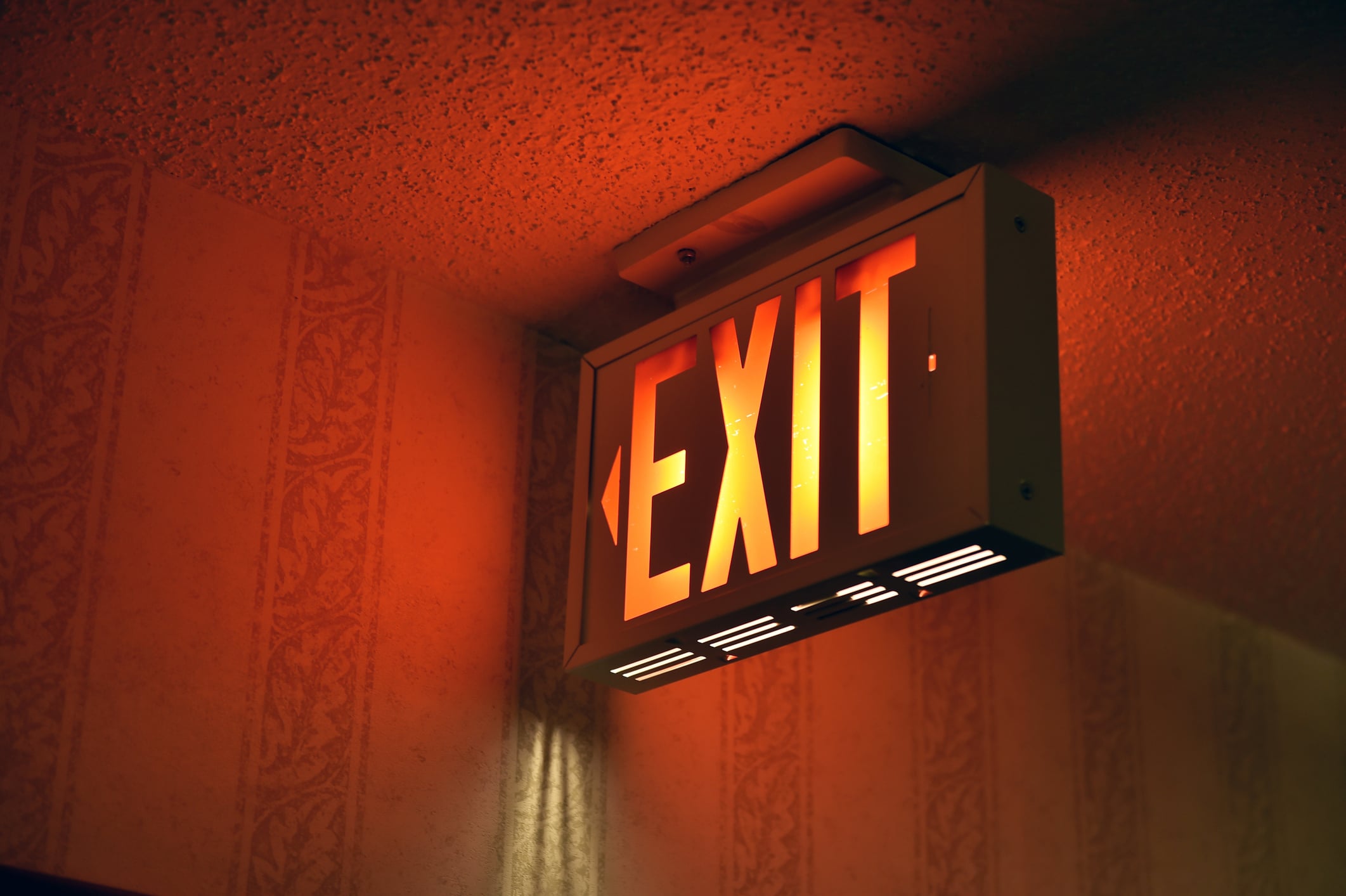
Most hotel guests never give the emergency evacuation map a second glance, but knowing how to leave the building could make a real difference. Before getting comfortable, locate the two nearest exits and identify the stairwells. The U.S. Fire Administration also recommends counting the doors between your room and the exits, which can help you navigate a smoky hallway. It only takes a minute, and it’s especially worthwhile in large hotels where the corridors can all look remarkably similar.
Should: Confirm What’s Included in Your Room Rate
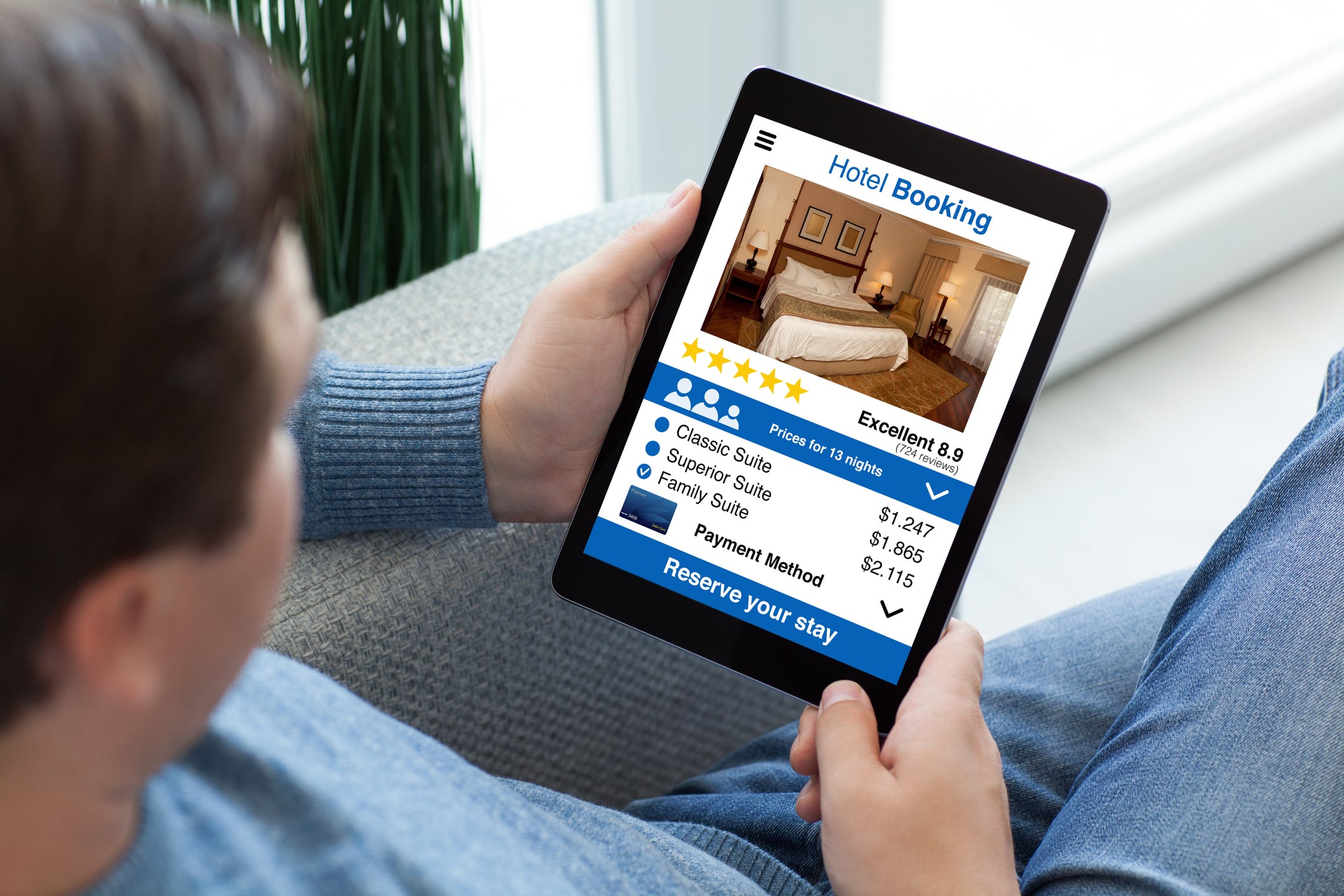
That attractive nightly rate doesn’t necessarily mean breakfast, parking, or every hotel amenity is included. Before paying for anything extra, ask the front desk what’s covered by your reservation. Some hotels provide complimentary breakfast or Wi-Fi, while others charge separately for parking, premium internet access, or certain facilities. U.S. rules now require mandatory lodging fees to be included in advertised total prices, but optional extras can still add up. Checking the details at arrival helps you avoid paying for services you assumed were free.
Should: Ask About the Housekeeping Schedule

If you’re staying more than one night, don’t automatically expect someone to clean your room every morning. Housekeeping policies vary by hotel and even between brands owned by the same company. Hilton, for example, provides daily housekeeping at its full-service hotels, while many of its focused-service properties in the United States and Canada receive service every other day. If you’d like fresh towels, trash removal, or an additional cleaning, ask the front desk about the schedule. Making arrangements early can prevent an unpleasant surprise later.
Should: Use the Room’s Security Locks
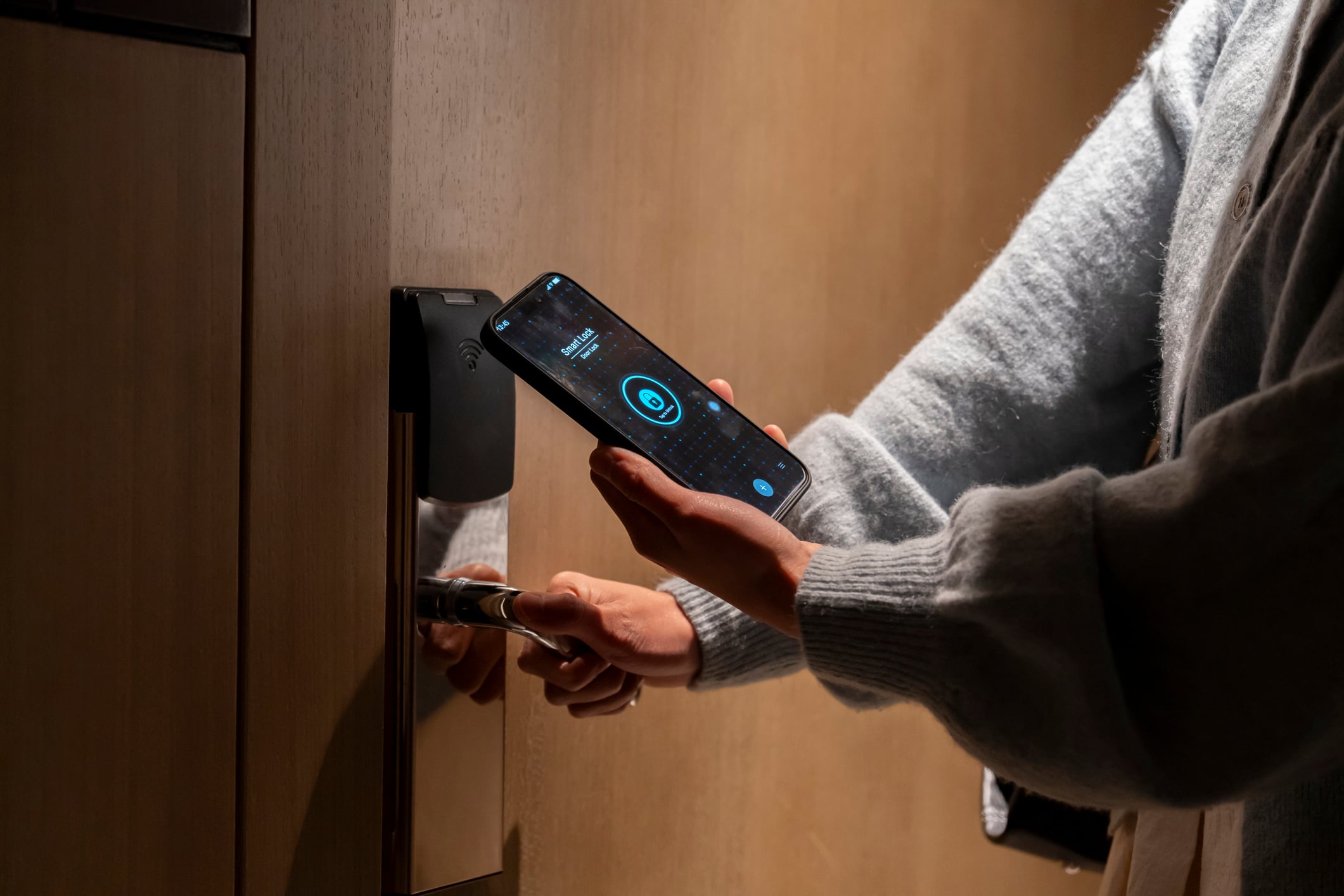
Even at a reputable hotel, it’s worth taking a few seconds to secure your room properly. Use the deadbolt or secondary latch when you’re inside, and check that any connecting door is locked. If someone unexpectedly knocks and claims to be from housekeeping or maintenance, verify the visit with the front desk before opening the door. You don’t need to treat every interruption as suspicious, but there’s no reason to let an unfamiliar person enter without confirming who they are. A little caution can prevent an uncomfortable situation.
Trending on Cheapism


Should: Review Your Bill Before Checking Out

It’s tempting to leave your key at the front desk and head straight for the car, especially when you’re in a hurry. But reviewing your itemized hotel bill can catch charges you weren’t expecting. Look for parking fees, restaurant purchases, minibar items, and other incidentals. If something doesn’t look right, ask about it before leaving. Also remember that hotels may place temporary holds on payment cards for incidentals. Those pending amounts aren’t necessarily final charges, and the time needed to release them can depend on your bank.
Shouldn’t: Ignore the Cancellation Policy
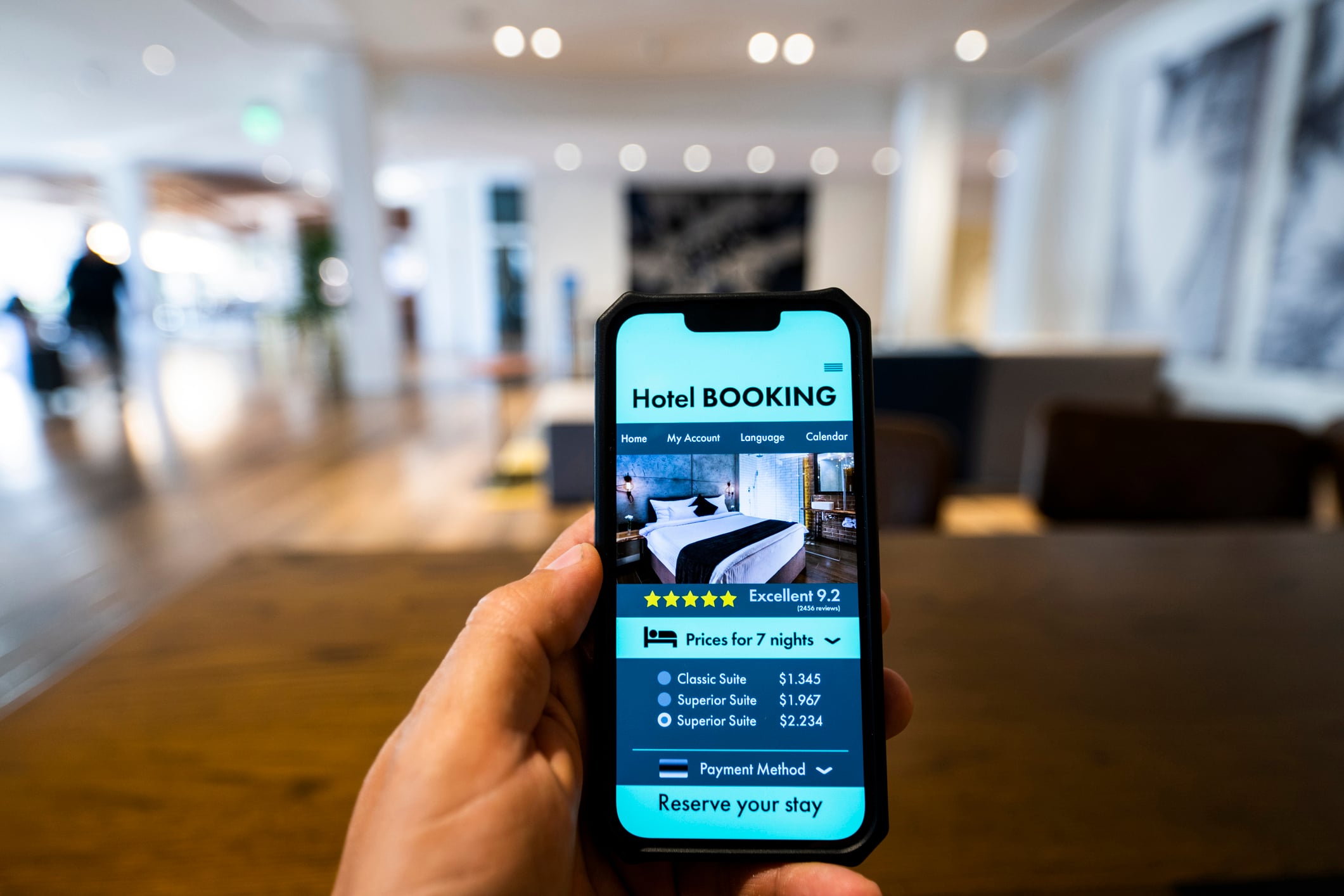
A cheap hotel rate can become an expensive mistake if your plans change. Some reservations allow free cancellation until a specified deadline, while prepaid or nonrefundable bookings may offer little flexibility. Even a reservation advertised as refundable can have conditions that are easy to overlook. Before booking, check the cancellation deadline, any deposit requirements, and whether you’ll be charged for leaving early or failing to arrive. Saving a few dollars on a restrictive rate isn’t always worthwhile, especially when travel plans are uncertain.
Shouldn’t: Assume You Can Stay Past Checkout

Just because your flight doesn’t leave until evening doesn’t mean you can keep your room for a few extra hours. Hotels need time to clean rooms for arriving guests, and late checkout may require approval or an additional fee. Some loyalty programs offer extended checkout privileges, but those benefits can depend on membership status, availability, and the property. If you need extra time, ask the front desk rather than assuming nobody will notice. Even when late checkout isn’t possible, the hotel may be able to store your luggage.
Sign up for our newsletter
Shouldn’t: Connect to Just Any Hotel Wi-Fi Network

Free hotel Wi-Fi is convenient, but don’t automatically connect to the first network with the hotel’s name in it. A similarly named network could belong to someone else, and unexpected login pages may be attempts to collect personal information. Ask the front desk for the correct network name and connection instructions. Most modern websites use HTTPS encryption, so public Wi-Fi isn’t automatically unsafe, but it’s still smart to keep your devices updated and avoid entering passwords into suspicious pop-ups. Convenience shouldn’t mean abandoning basic online precautions.
Shouldn’t: Assume Everything in the Room Is Free
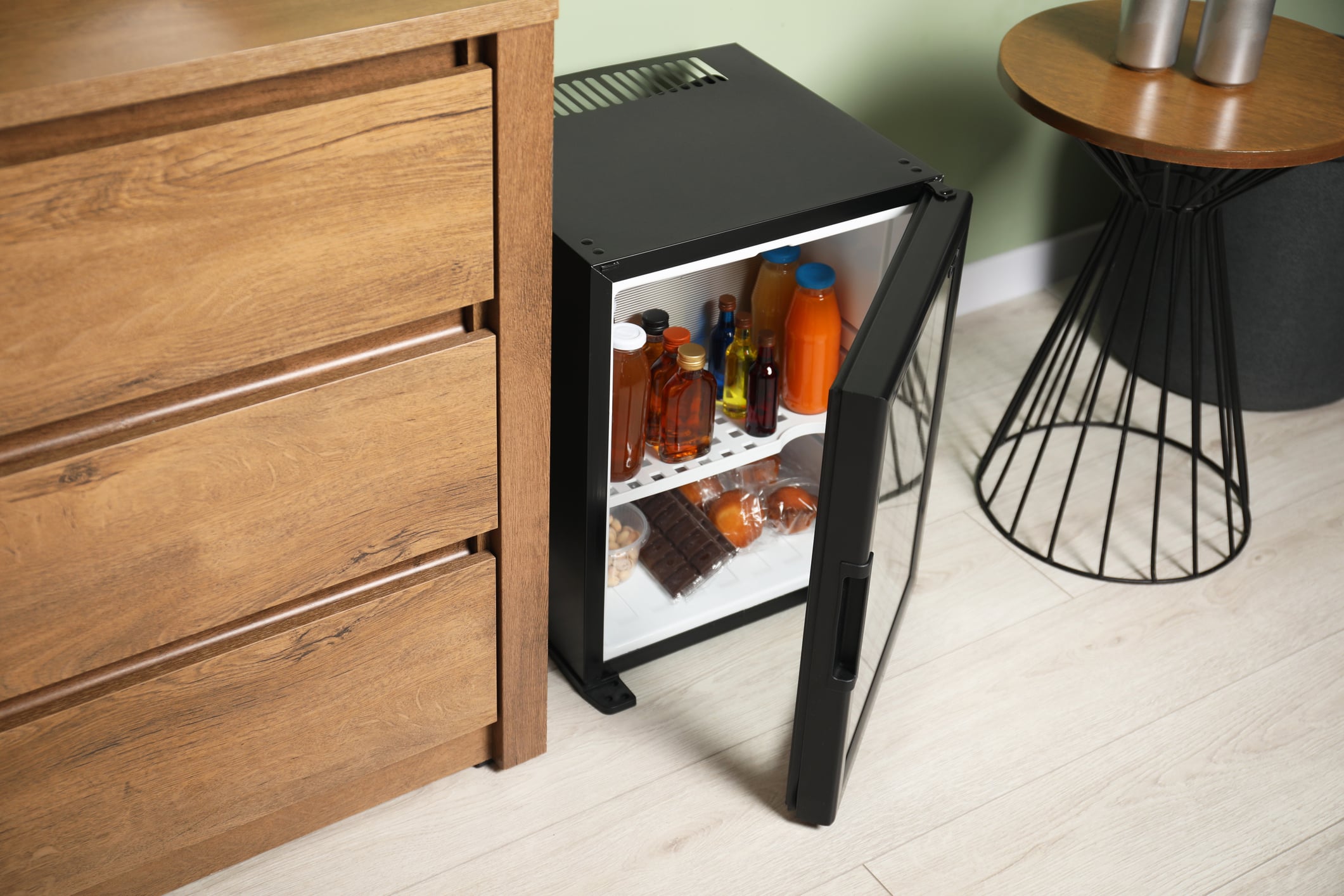
A bottle of water on the nightstand might look like a welcome gift, but it could come with a price tag. The same goes for minibar snacks, specialty coffee, in-room movies, and certain other amenities. Some hotels clearly label these charges, while others place the information in a room directory or digital guest guide. Before opening anything that looks like an extra, check whether it’s complimentary. A quick question at the front desk can save you from discovering an unexpected charge when you review your final bill.
Shouldn’t: Forget to Call If You’re Arriving Late

Flight delays, traffic, and missed connections can turn an afternoon check-in into a midnight arrival. Don’t assume the hotel will automatically know you’re still coming. Depending on the reservation terms and the property’s procedures, a guest who doesn’t arrive may be treated as a no-show. If your plans change, contact the hotel directly and ask staff to note your expected arrival time. Keep your confirmation number handy, and check what happens if you arrive after midnight. A short phone call can help prevent a much bigger problem.
Shouldn’t: Book Through a Website You Haven’t Verified
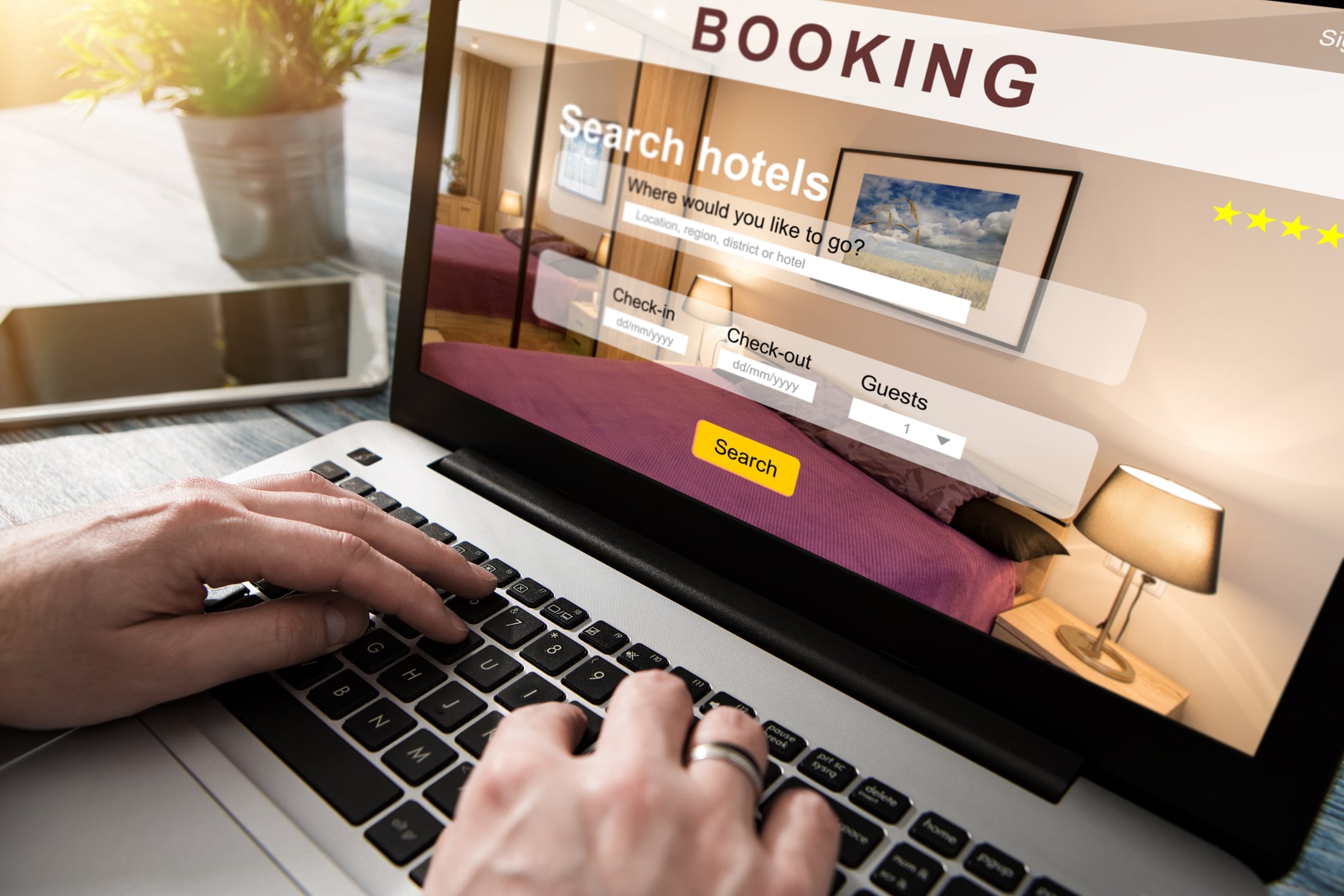
Not every website that appears to represent a hotel actually belongs to that property. Some third-party booking sites use similar names, photographs, and search advertisements that can make them look official. Reputable booking platforms can offer competitive prices, but unfamiliar resellers deserve closer attention. Before entering your payment information, check the website address, cancellation terms, and final price. If anything seems questionable, contact the hotel to confirm the booking details. A reservation isn’t much of a bargain if it comes with unexpected restrictions or payment problems.