
In recent years, millions of Americans have prioritized remote work benefiting from reliable internet access at home, a home office, and a better quality of life compared to being near a corporate office every day. Some of the states with the highest rates of remote work have a low cost of living, decent infrastructure, and good internet as America’s Dashboard shows. However, there are also states where the opposite is true. If you work remotely this article is for you!
Best – Tennessee
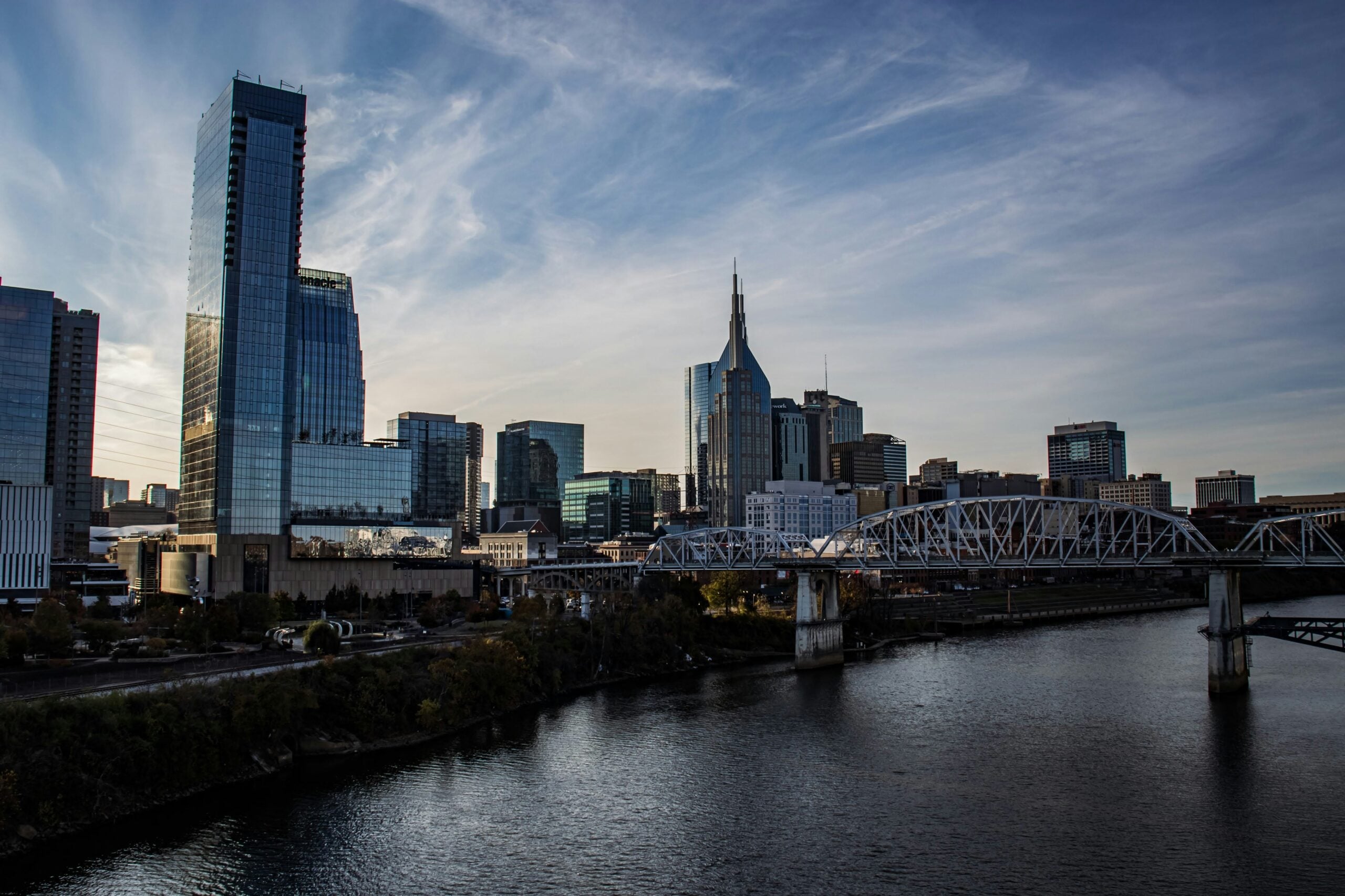
Since there are no state income taxes in Tennessee, cities like Chattanooga, Knoxville, and other smaller towns in the state offer workers a lower cost of living than other tech hubs located on the U.S. coasts. And one of Chattanooga’s most notable advantages is its national recognition as having some of the fastest internet speeds in the country.
Best – Texas

The cost of owning a home in Texas is remarkably low. This, combined with the absence of a state income tax, makes the state very competitive compared to coastal markets. Smaller towns outside of Austin and Dallas often offer better deals when buying property. In addition, Texas has a good number of suburban homes at a price point where in other states you could barely afford the first payment of a small apartment.
Best – North Carolina

North Carolina’s balance of affordability, moderate climate, outdoor work opportunities, and a growing job market is truly appealing to remote workers. Its mountain towns and smaller trains, unlike those in other Northeast or West Coast cities, are remarkably inexpensive. North Carolina is among the most sought-after states for these types of workers.
Best – Ohio
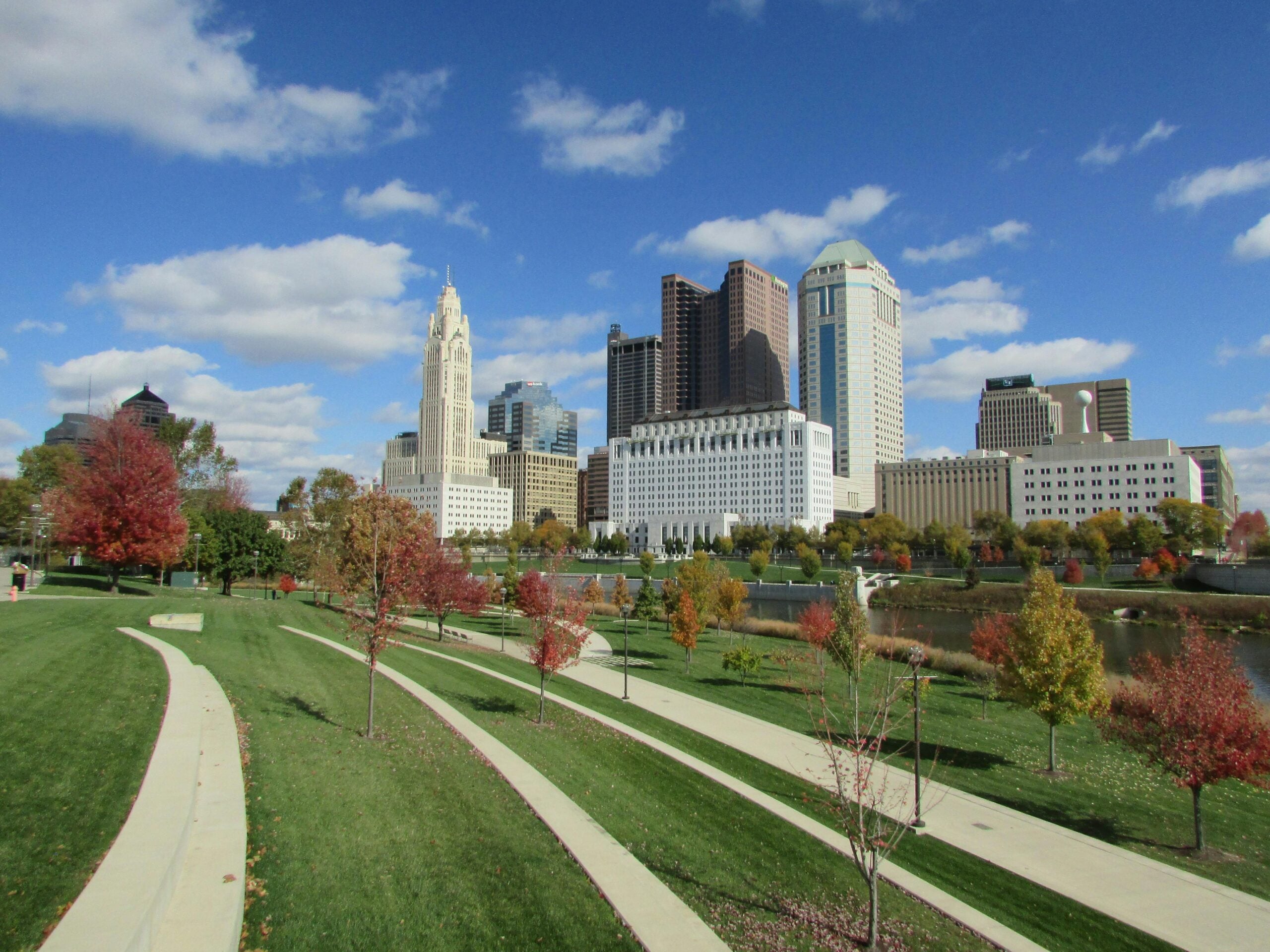
In terms of income and cost of living, Ohio remains one of the most affordable states. Some of its cities, such as Columbus, Cincinnati, and Cleveland, offer lower rents and the possibility of acquiring property at a much lower price compared to coastal metropolises. Urban amenities are within reach for remote workers in Ohio, without breaking the bank. You shouldn’t only focus on your salary when moving to other state, take into account total cost of living.
Best – Arkansas
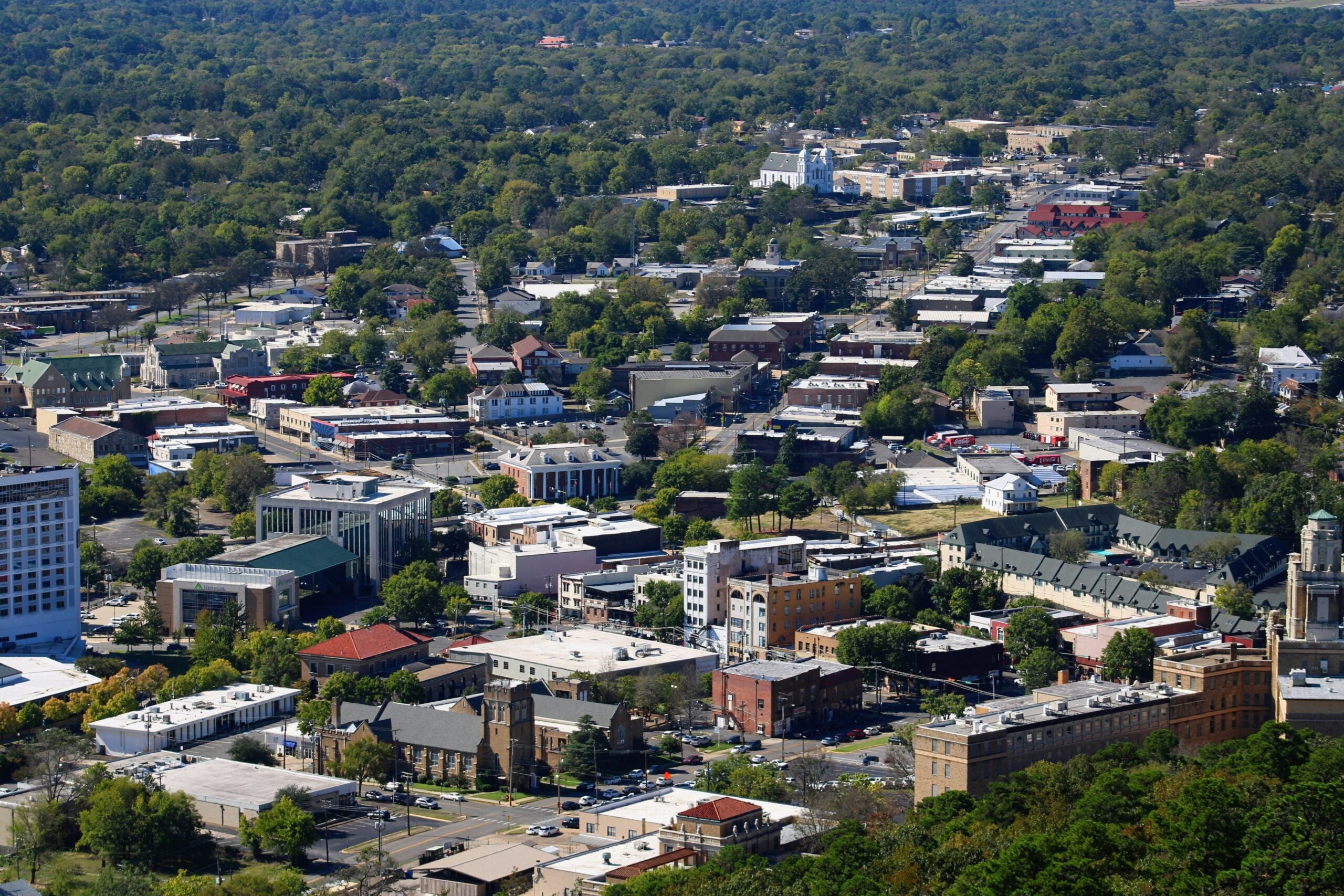
The lower cost of living in Arkansas is what makes it so attractive to remote workers. Maintaining a home in the state is truly inexpensive, and the smaller towns in the region can help reduce daily expenses. In their free time, a worker who chooses Arkansas can enjoy the relaxed pace of life and admire the beautiful scenery.
Trending on Cheapism


Best – Iowa
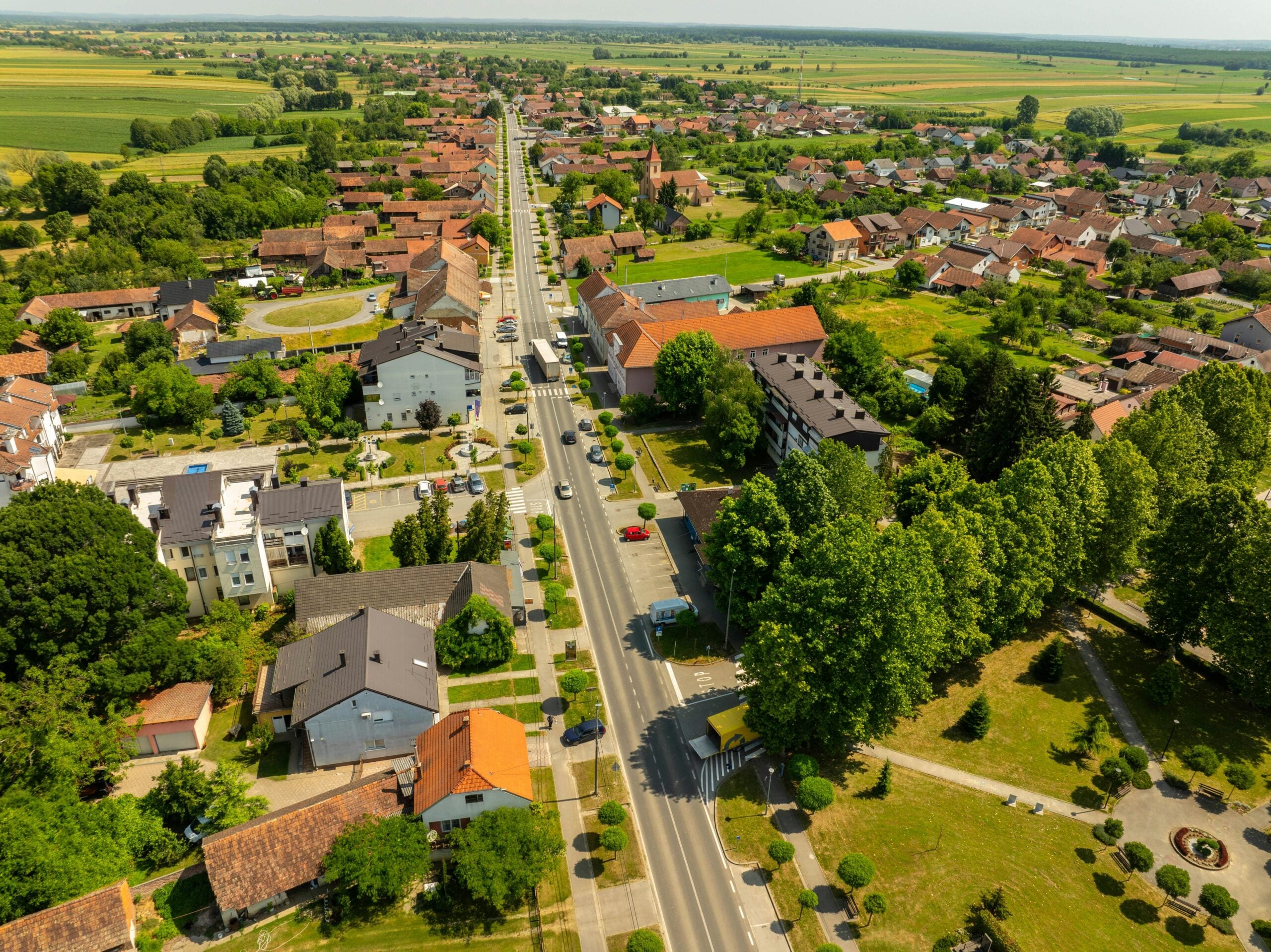
The cost of living in Iowa is quite reasonable, and maintaining a home isn’t a financial burden. That’s saying something in a world where everything seems to cost more than it’s worth. Since most remote workers value stability, security, and affordability over nightlife or a bustling city, Iowa is a perfect fit.
Best – Oklahoma
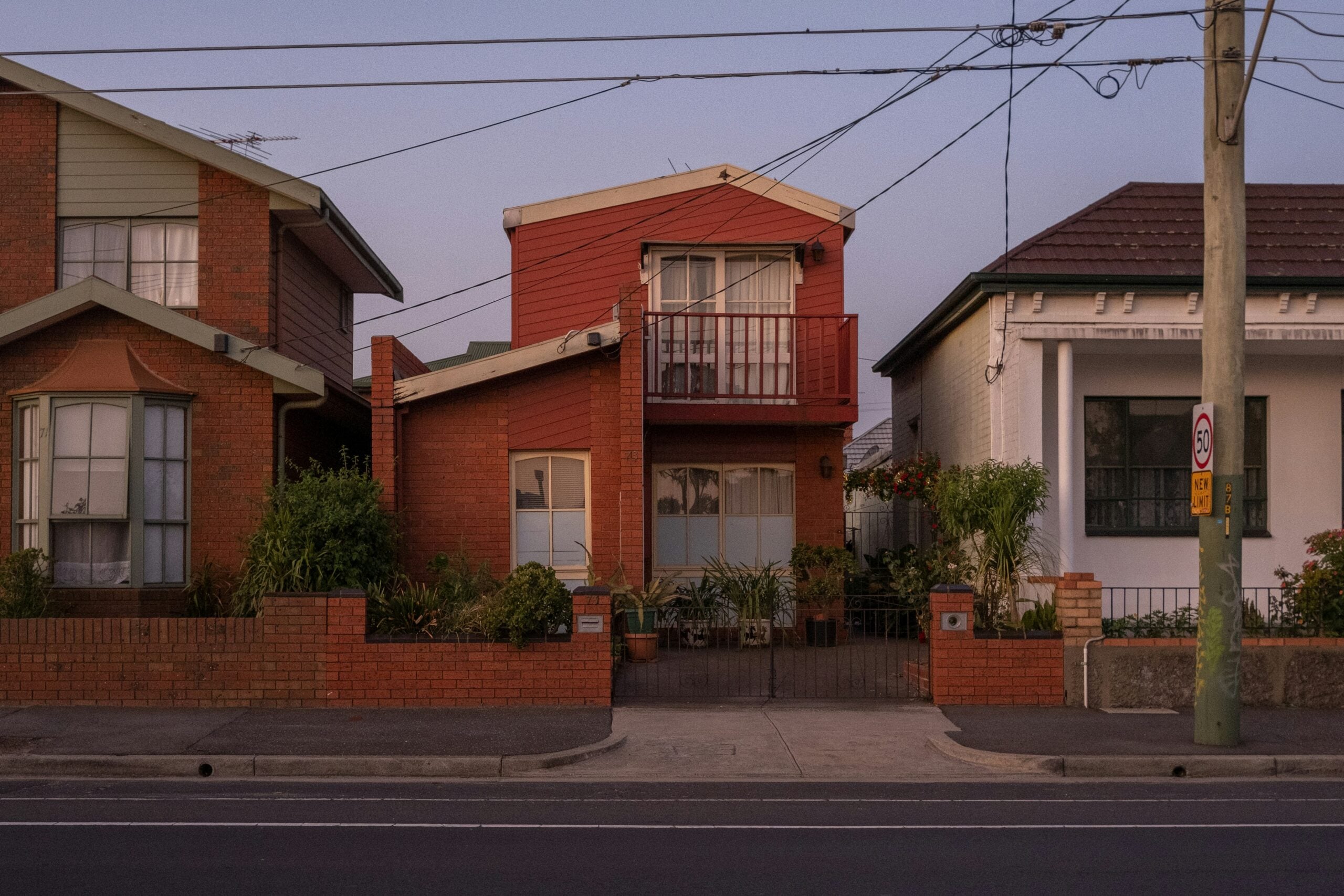
Compared to other states, Oklahoma has significantly lower home maintenance costs. Remote workers can buy a house for prices that would barely cover some of the initial mortgage payments in other states. If you’re someone who doesn’t need luxuries but wants to reduce expenses, this is an ideal city for you.
Best – Alabama
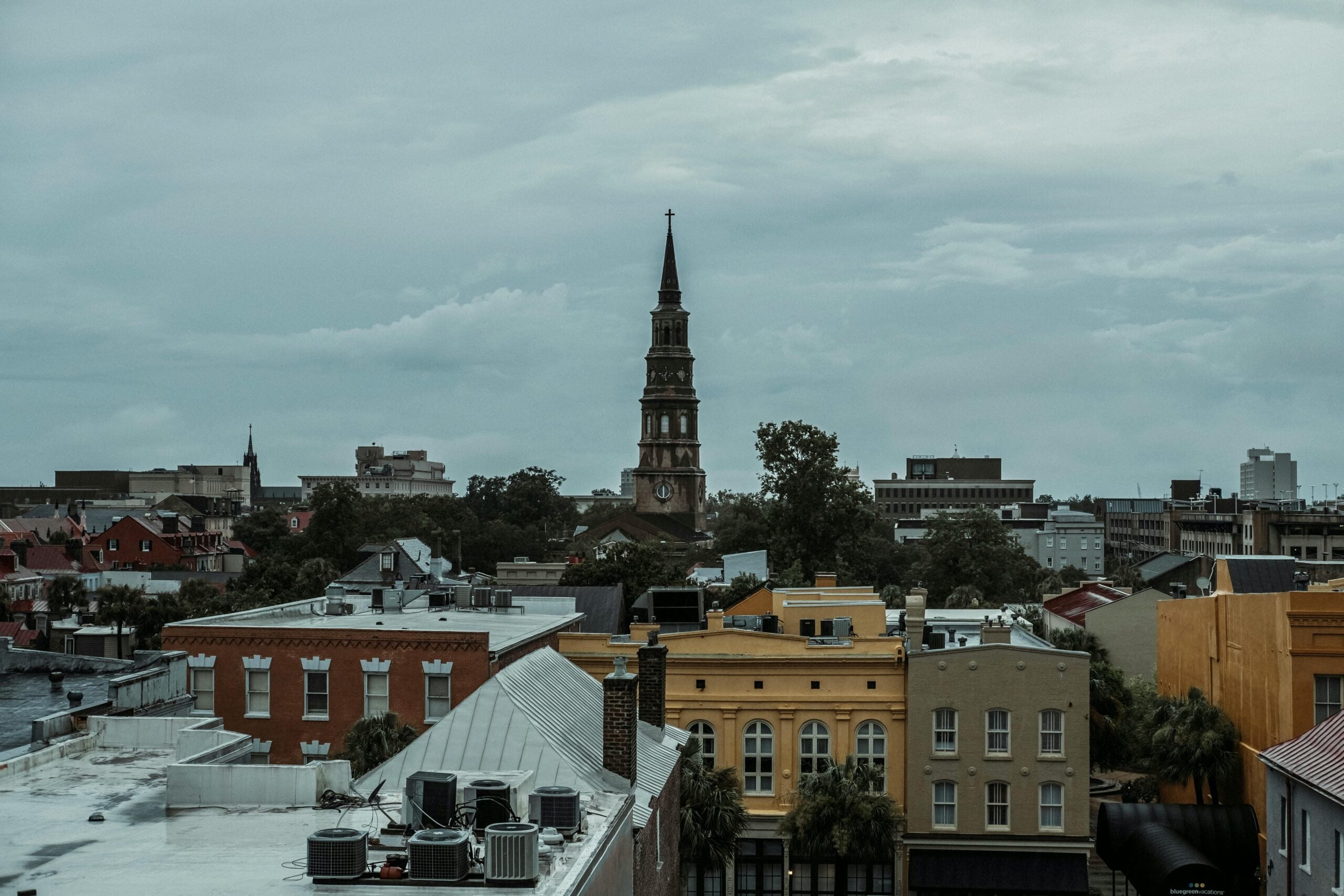
The affordable cost of utilities combined with low rental prices in Alabama makes it a state worth considering for remote workers. In southern cities, especially smaller ones, you can find the perfect balance between decent infrastructure and good access to healthcare. Alabama is one of those states where costs tend to remain stable and low, so your salary as a remote worker will go further.
Sign up for our newsletter
Worst – California

As one of the states with the highest housing costs, including utilities, gas, and taxes, California shouldn’t be a top choice for remote workers. Coastal cities tend to demand higher salaries for middle-class workers compared to inland areas. The exodus of remote workers from California is a reality. It’s exactly the opposite of what you should be looking for, a place where everyday expenses remain reasonable to income.
Worst – Hawaii

Many remote workers dream of living in Hawaii, so that once they finish work, they’re just minutes from the beach. However, living in Hawaii is very expensive in terms of housing, food, and utilities. It’s among the most expensive places to live in the United States. If you want to import any goods from abroad, Hawaii will also take its toll.
Worst – New York
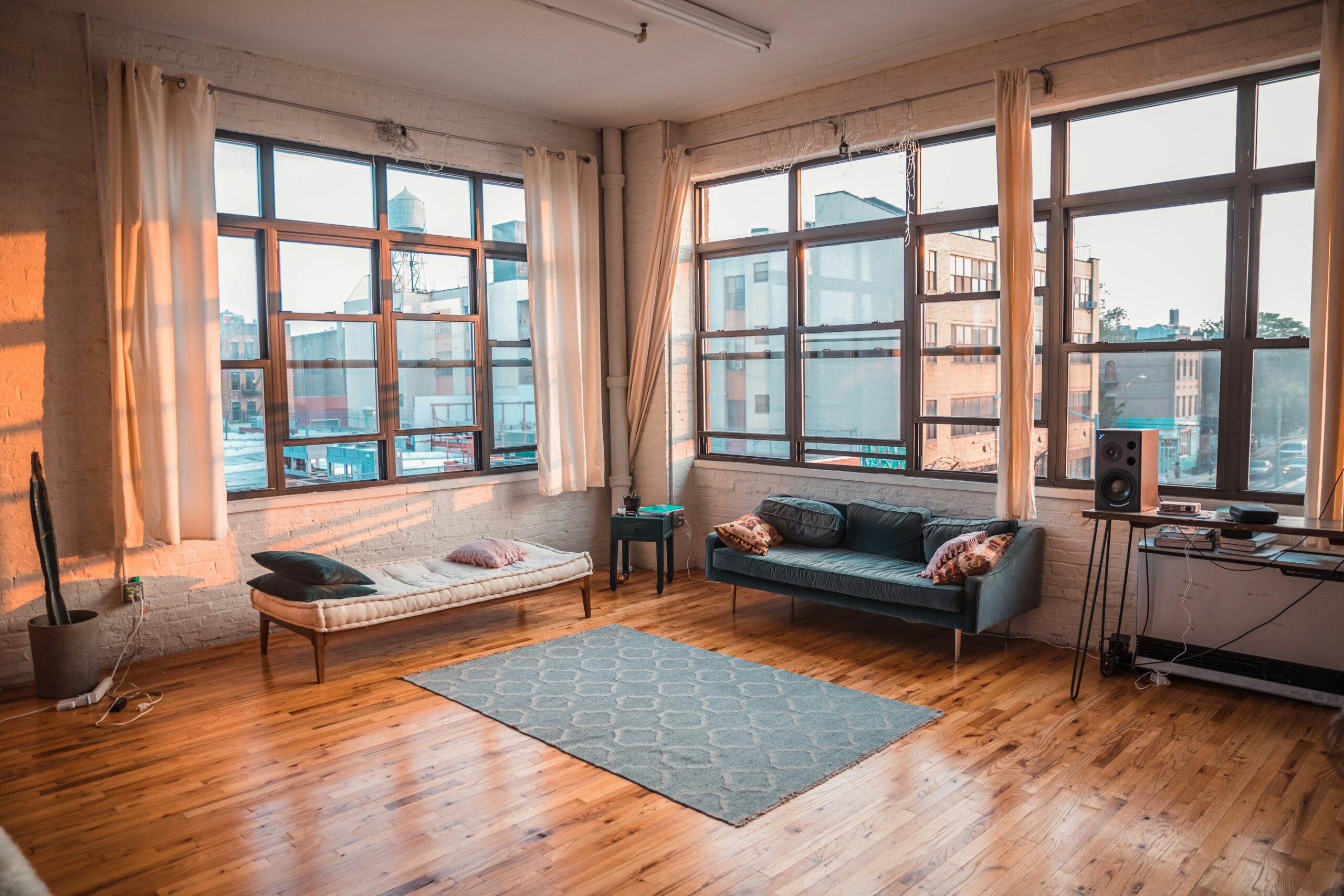
When it comes to owning your own home, New York City remains one of the most expensive states. A combination of exorbitant rents, very high parking fees, transportation costs, and food expenses means that remote workers don’t even consider living there. Don’t get us wrong, it’s a dream city, but it comes at a price. Don’t worry, you can live better in another state.
Worst – Massachusetts

When you consider that Massachusetts has achieved high national rankings in both education and healthcare, you might think it’s an ideal state. But it also has its downsides, such as its high cost of living. The Boston area boasts exorbitant rental prices, which would be challenging for any middle-class family. Daily expenses like parking, utilities, and dining out are also significantly higher.
Worst – Washington

Washington state doesn’t have a state income tax, but that hasn’t stopped the high property prices in the Seattle area. The rise of tech companies in the region has caused land values to skyrocket over the past decade. Many remote workers have decided to leave Seattle because it’s no longer affordable.
Worst – Colorado
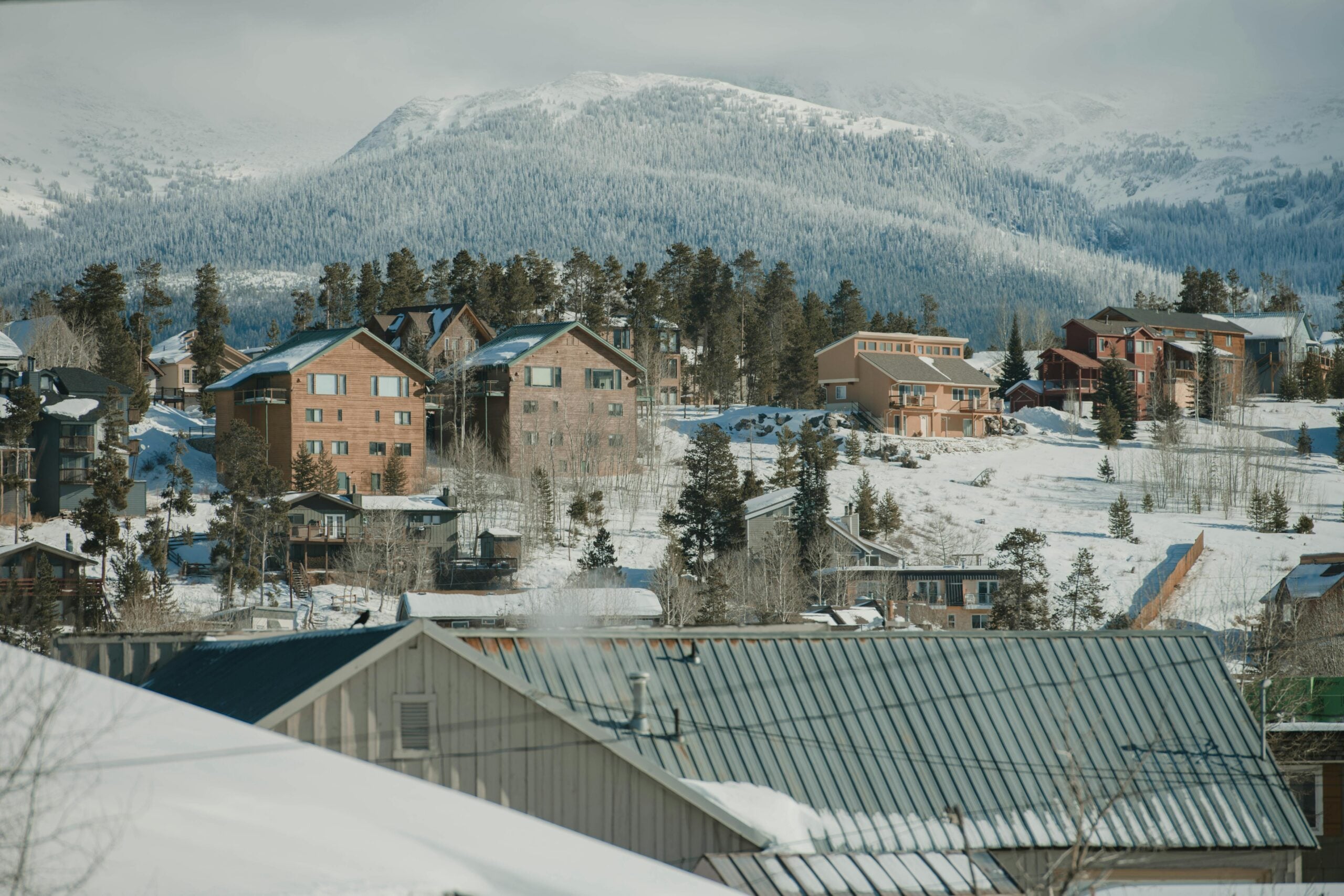
Colorado’s popularity has fueled rising inflation in mountain towns where costs had never before increased. A similar trend has also occurred in the suburbs near Denver. Remote workers compete with sectors like tourism, so if an area becomes attractive nationally or globally, they will have to relocate because price increases are imminent. Colorado is undoubtedly desirable, but it will no longer be affordable by 2026.
Worst – Florida

Again, the fact that Florida has no state income tax is a positive and attractive aspect economically, but the truth is that rent, housing costs, and insurance have all increased so much that it offsets this negatively. This impact on prices has led many workers to leave Florida because it has become impossible to live in one of the nation’s most famous coastal states.
Worst – Oregon
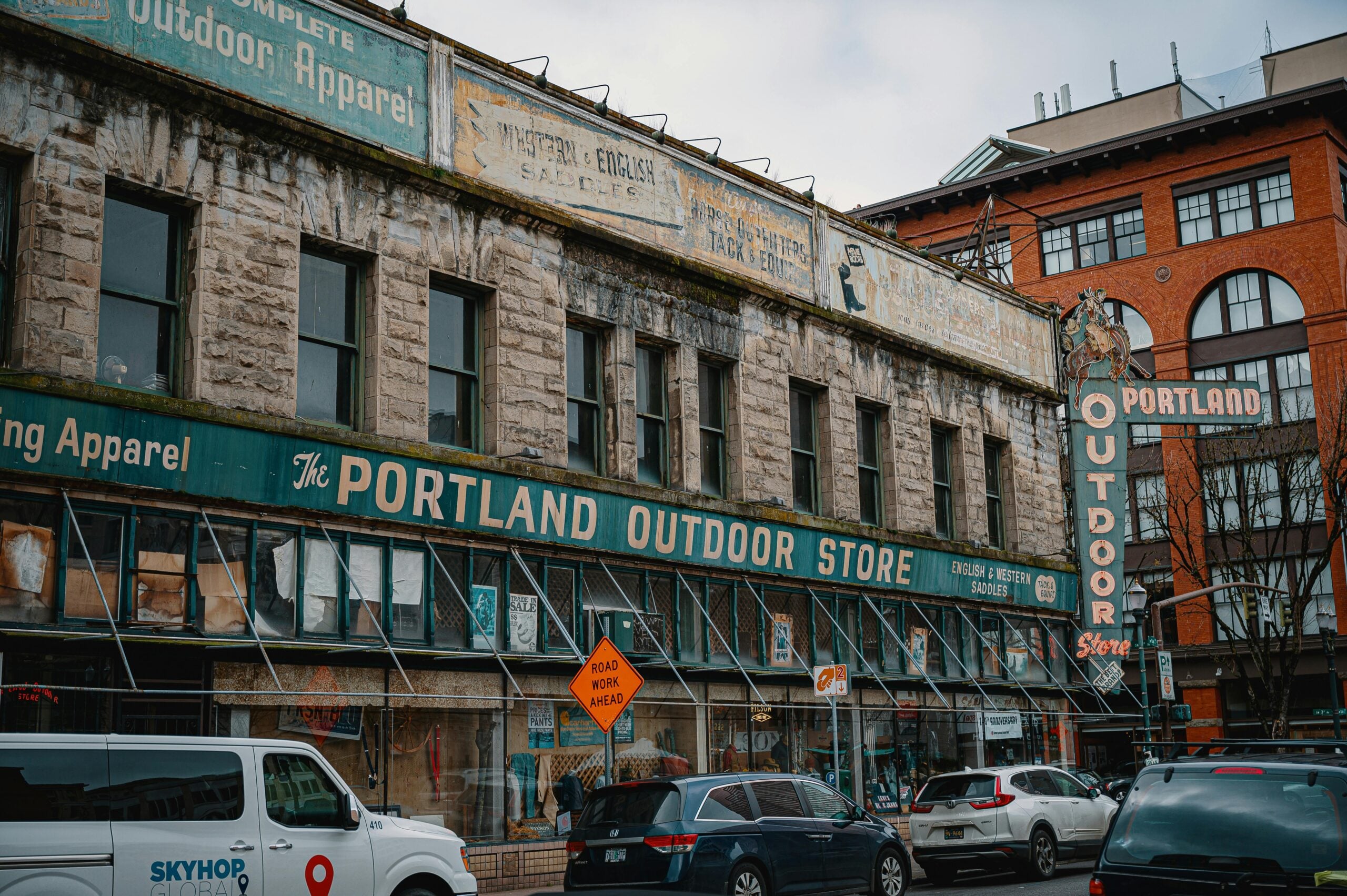
During these years of remote migration, those who had chosen Oregon as their adopted home have had to make the difficult decision to leave. It turns out that housing costs have risen even in small towns that used to be havens for middle-class families. Whether in Portland or other cities across the state, the increased cost of utilities has tipped the scales, making Oregon an unaffordable state.