People often look back at 1980s prices and wonder why everything seemed so much cheaper. Gasoline was often under a dollar per gallon, movie tickets cost just a few bucks, and a fast-food meal barely dented a paycheck.
But sticker prices only tell part of the story. Wages were also significantly lower than they are today. According to historical income data from the U.S. Census Bureau and wage data from the Bureau of Labor Statistics, the average American household earned roughly $24,000 to $30,000 annually during the mid-to-late 1980s, while many workers earned around $8 to $11 per hour.
That means the better question isn’t simply what things cost—it’s how much work it took to buy them. A $90,000 home sounds inexpensive by today’s standards, but it still represented more than three years of income for many families. Likewise, a color television or VCR could require weeks of savings despite costing far less than modern electronics.
Using historical income figures from the U.S. Census Bureau, labor statistics from the Bureau of Labor Statistics, and economic data compiled by the Federal Reserve Bank of St. Louis (FRED), this guide explores the cost of living in the 1980s by comparing common purchases with average wages from the era. The result is a clearer picture of what everyday life actually cost—and which expenses were genuinely more affordable than they are today.
A New House

A typical home in the mid-1980s cost around $90,000, which sounds remarkably affordable compared to today’s housing market. In many areas, middle-class families could realistically aspire to homeownership without needing extraordinary incomes.
Still, homes weren’t cheap relative to earnings. With average household income sitting near $27,000, a typical home cost about 3.3 years of income. Buyers also faced mortgage rates that frequently exceeded 10%, making monthly payments more expensive than many modern homeowners experience.
Even with those high borrowing costs, housing generally consumed a smaller share of income than it does in many markets today. That’s one reason so many Americans remember the era as a time when buying a home felt achievable.
Wage Comparison:
Typical home: ~$90,000
Average household income: ~$27,000
Roughly 3.3 years of household income
A New Car
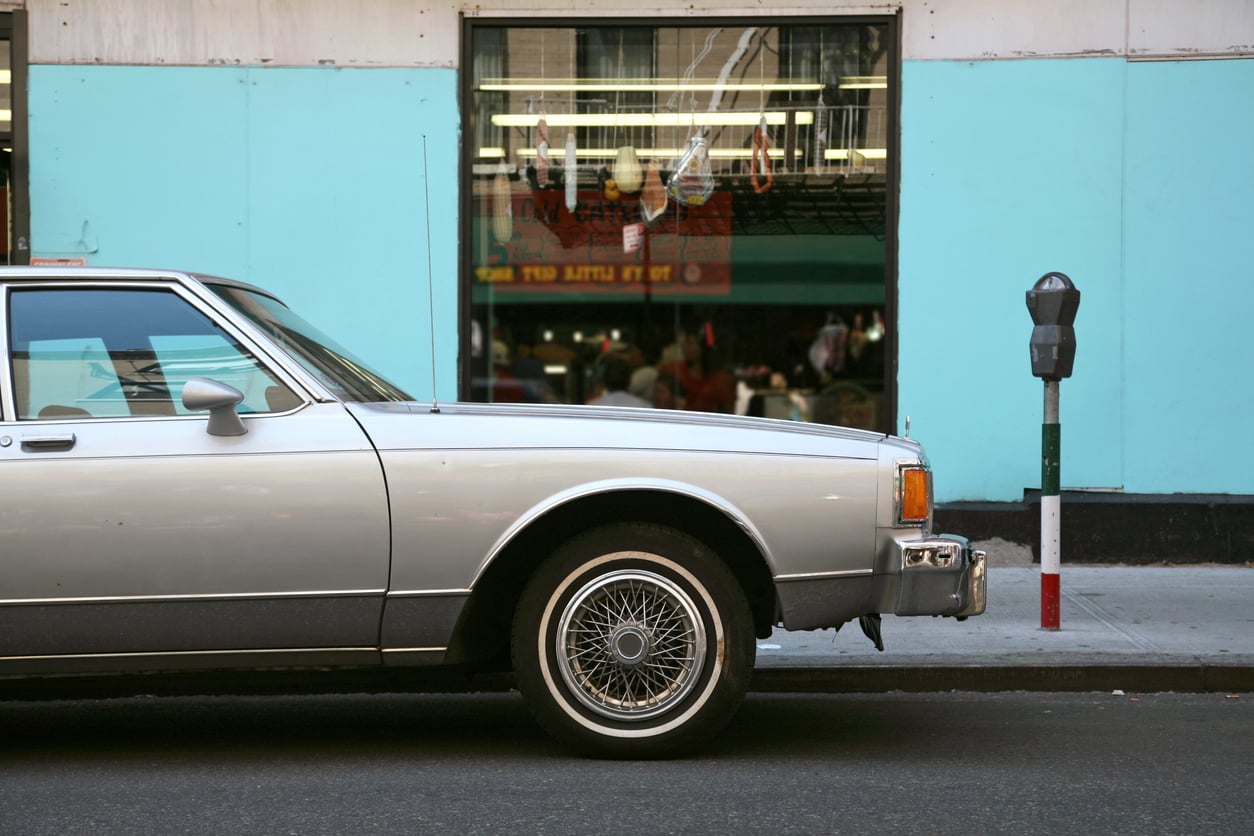
A new car during much of the 1980s cost around $10,500. Popular models from Ford, Chevrolet, Honda, and Toyota often sold for far less than today’s average new vehicle prices.
While the sticker price seems low by modern standards, it still represented nearly 39% of the average household’s annual income. Families often saved carefully before making such a major purchase. Cars from the era also lacked many of today’s safety systems, entertainment features, and advanced technology. Buyers paid less, but they received a much simpler vehicle.
Wage Comparison:
Typical new car: ~$10,500
Average annual income: ~$27,000
Roughly 39% of annual household income
A Gallon Of Gasoline

Gasoline is one of the most commonly cited examples of 1980s affordability. Prices frequently hovered around 95 cents per gallon, making fuel appear incredibly cheap compared to today.
However, workers also earned less. Someone making roughly $10 per hour could purchase about 10 gallons of gas with an hour’s wages. That’s surprisingly similar to what many workers can afford today depending on local fuel prices and wages. This makes gasoline a good example of why sticker prices can be misleading. While the number at the pump was lower, the affordability gap isn’t as dramatic as many people assume.
Wage Comparison:
Gasoline: ~$0.95/gallon
Average hourly wage: ~$10
About 10 gallons per hour worked
A Big Mac Meal
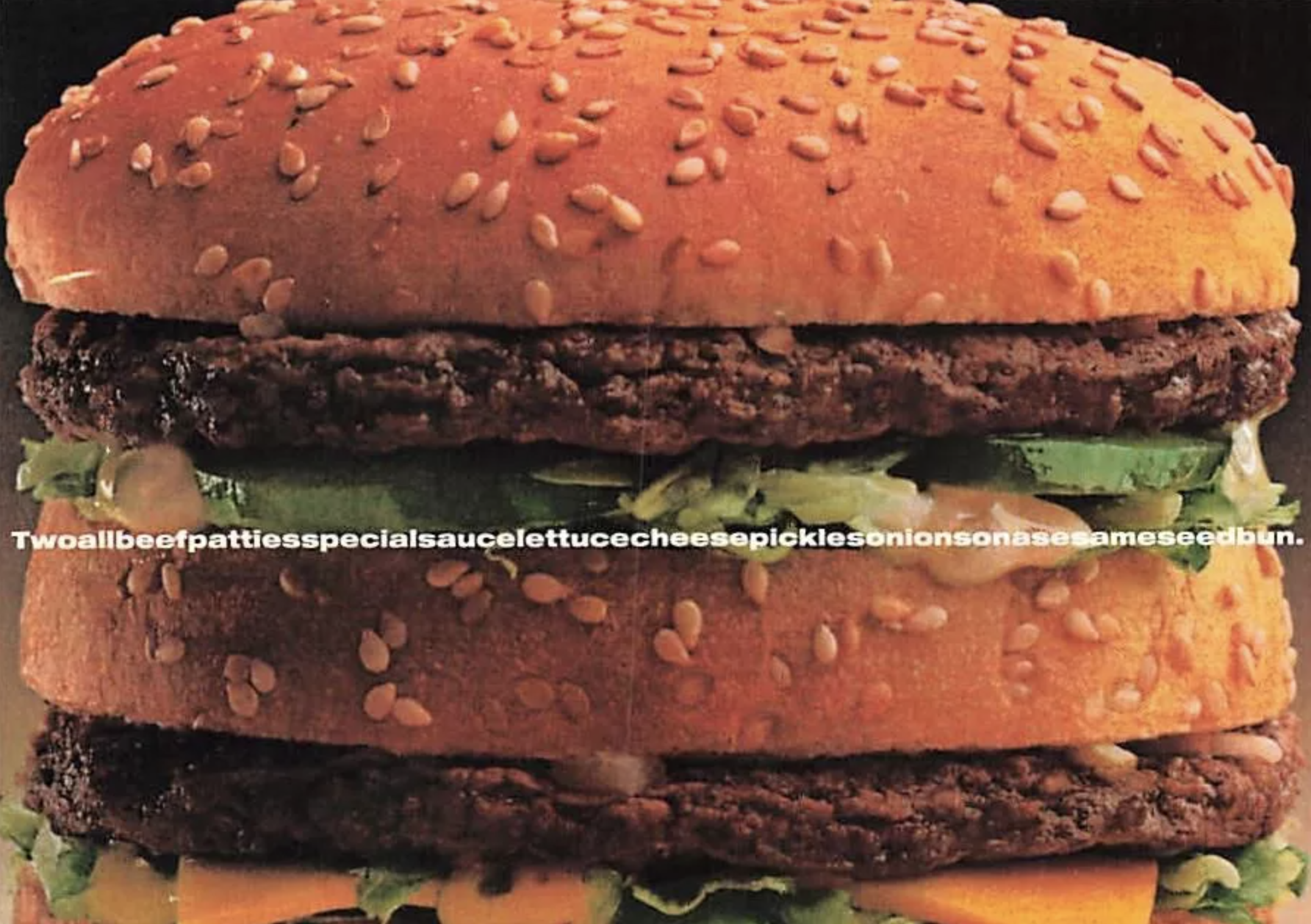
Fast food became a major part of American culture during the 1980s. A Big Mac cost roughly $1.60, while a full meal could often be purchased for under $3.
For the average worker, that translated to roughly 10 minutes of labor for the sandwich itself. Fast food was widely seen as an inexpensive convenience rather than an occasional treat. While today’s menu prices often generate complaints, consumers in the 1980s generally viewed chains like McDonald’s as an affordable option for families looking for a quick meal.
Wage Comparison:
Big Mac: ~$1.60
Average hourly wage: ~$10
About 10 minutes of work
A Movie Ticket
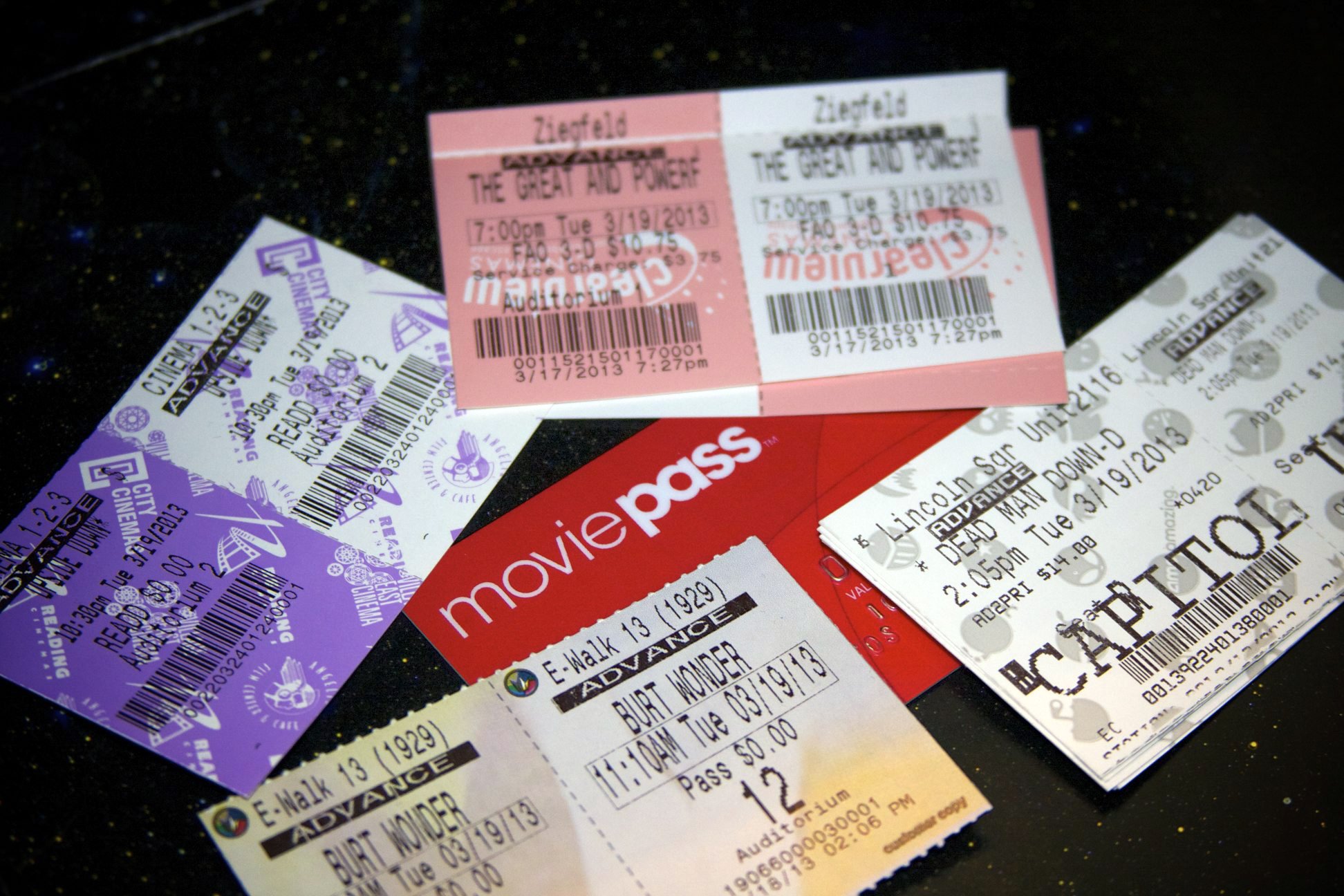
Movie theaters thrived during the 1980s, fueled by blockbuster hits and relatively affordable ticket prices. By the late part of the decade, the average movie ticket cost around $3.50.
That meant an average worker needed only about 21 minutes of labor to pay for admission. Families could attend movies regularly without spending a large portion of their entertainment budget. While concession prices could still add up, moviegoing remained one of the most accessible forms of entertainment available.
Wage Comparison:
Movie ticket: ~$3.50
Average hourly wage: ~$10
About 21 minutes of work
Trending on Cheapism

A Loaf Of Bread

Bread was a grocery staple that rarely attracted much attention because it was so affordable. During much of the 1980s, a loaf cost around 65 cents.
Because basic grocery items consumed a relatively small share of household budgets, many consumers didn’t think much about these everyday purchases. Yet staples like bread are useful indicators when evaluating overall affordability.
Small purchases may seem insignificant individually, but they help illustrate how families managed routine expenses throughout the decade.
Wage Comparison:
Bread: ~$0.65
Average hourly wage: ~$10
Roughly 4 minutes of work
A Dozen Eggs

Eggs remained one of the most affordable sources of protein available during the 1980s. Prices often hovered around 90 cents per dozen, making them a regular part of many household grocery lists.
Recent spikes in egg prices have made consumers far more aware of the cost of eggs than most shoppers were decades ago. In the 1980s, eggs were generally considered a dependable bargain.
For working families trying to stretch food budgets, few items offered as much nutritional value for the price.
Wage Comparison:
Eggs: ~$0.90/dozen
Average hourly wage: ~$10
Roughly 5 minutes of work
A Color Television
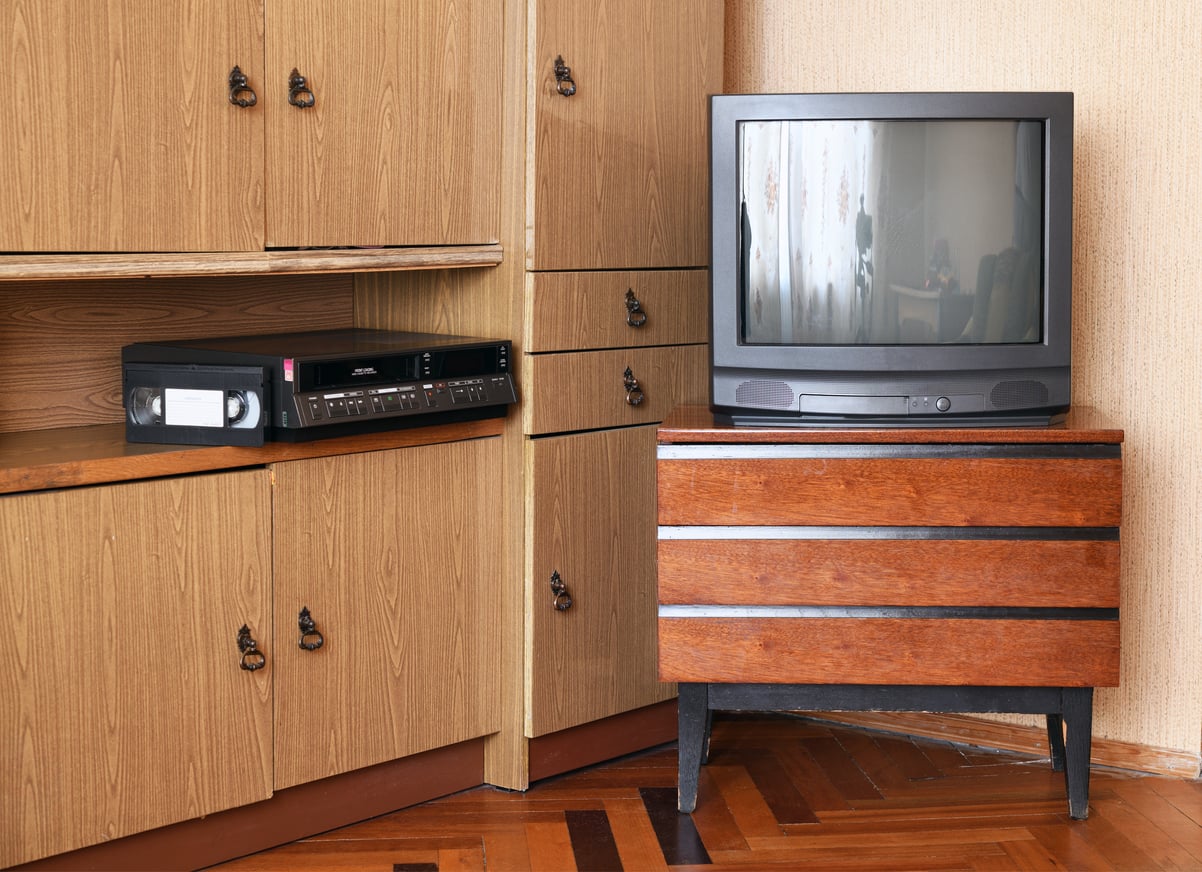
A color television was a major household purchase during the 1980s. A decent model could easily cost around $400, making it far more expensive relative to income than many televisions sold today.
Families often expected their television to last for years, sometimes decades. Buying one required planning and savings rather than an impulse purchase.
Ironically, despite huge improvements in picture quality and screen size, televisions have become dramatically cheaper relative to wages over time.
Wage Comparison:
Color TV: ~$400
Average hourly wage: ~$10
About 40 hours of work
Sign up for our newsletter
A VCR
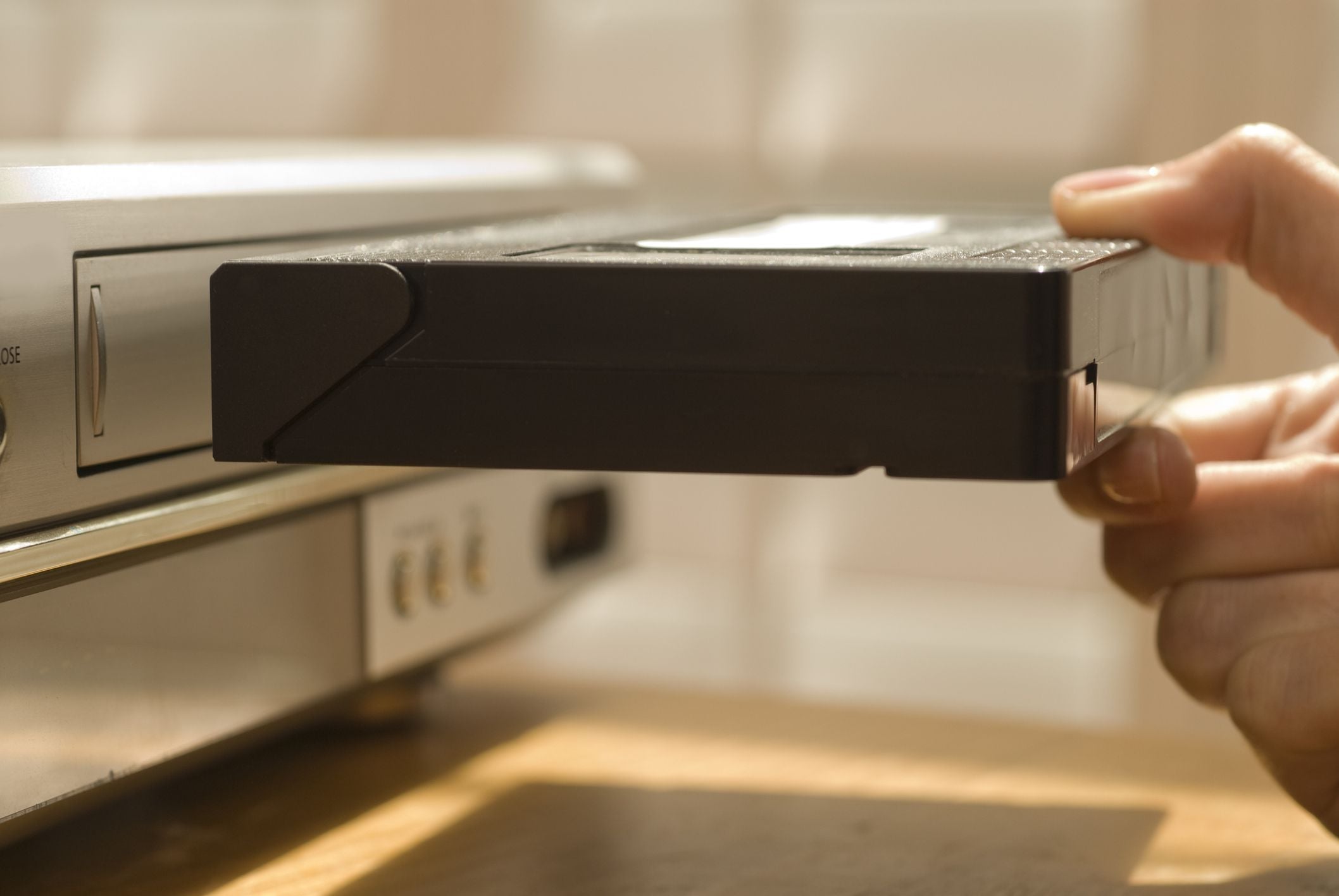
The VCR transformed home entertainment during the 1980s by allowing people to record television programs and rent movies to watch at home. While the technology seems outdated today, it was revolutionary at the time.
The catch was the price. A VCR often cost around $300, making it a significant household purchase. Many families viewed ownership as a luxury rather than a necessity, especially during the early years of adoption.
As competition increased, prices gradually fell, but early buyers had to dedicate a substantial portion of their disposable income to bring one home. For many households, a VCR represented the beginning of the shift toward on-demand entertainment.
Wage Comparison:
VCR: ~$300
Average hourly wage: ~$10
About 30 hours of work
A Concert Ticket
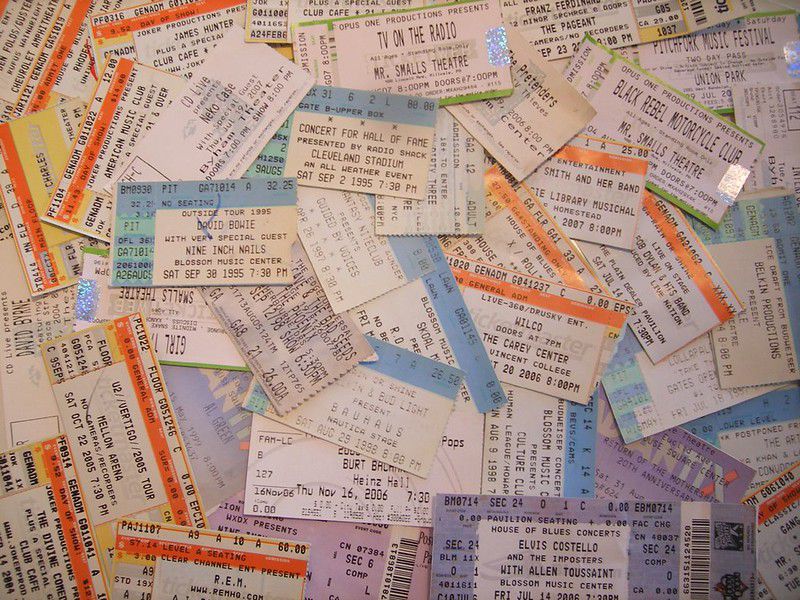
Concert tickets were considerably cheaper in the 1980s than many fans experience today. Tickets for major artists often cost less than $20, and premium seating options were far less common.
That affordability helped make live music accessible to a broader audience. Fans could attend multiple shows a year without spending a huge portion of their income, helping fuel the decade’s thriving concert culture.
While inflation explains part of today’s higher prices, changes in the ticketing industry have also played a major role. Dynamic pricing and VIP experiences have dramatically changed the market.
Wage Comparison:
Concert ticket: ~$18
Average hourly wage: ~$10
About 1.8 hours of work
College Tuition At A Public University

Higher education is one of the areas where affordability has changed most dramatically. During the 1980s, annual tuition at many public universities ranged from roughly $1,500 to $2,000.
Students could often cover a meaningful portion of their education through summer jobs or part-time work. While student loans existed, they weren’t as dominant in discussions about college affordability as they are today.
As tuition costs have climbed far faster than wages, earning a degree has become a much larger financial undertaking for many families.
Wage Comparison:
Annual public tuition: ~$1,500–$2,000
Average income: ~$27,000
Less than 10% of annual household income
A First-Class Postage Stamp
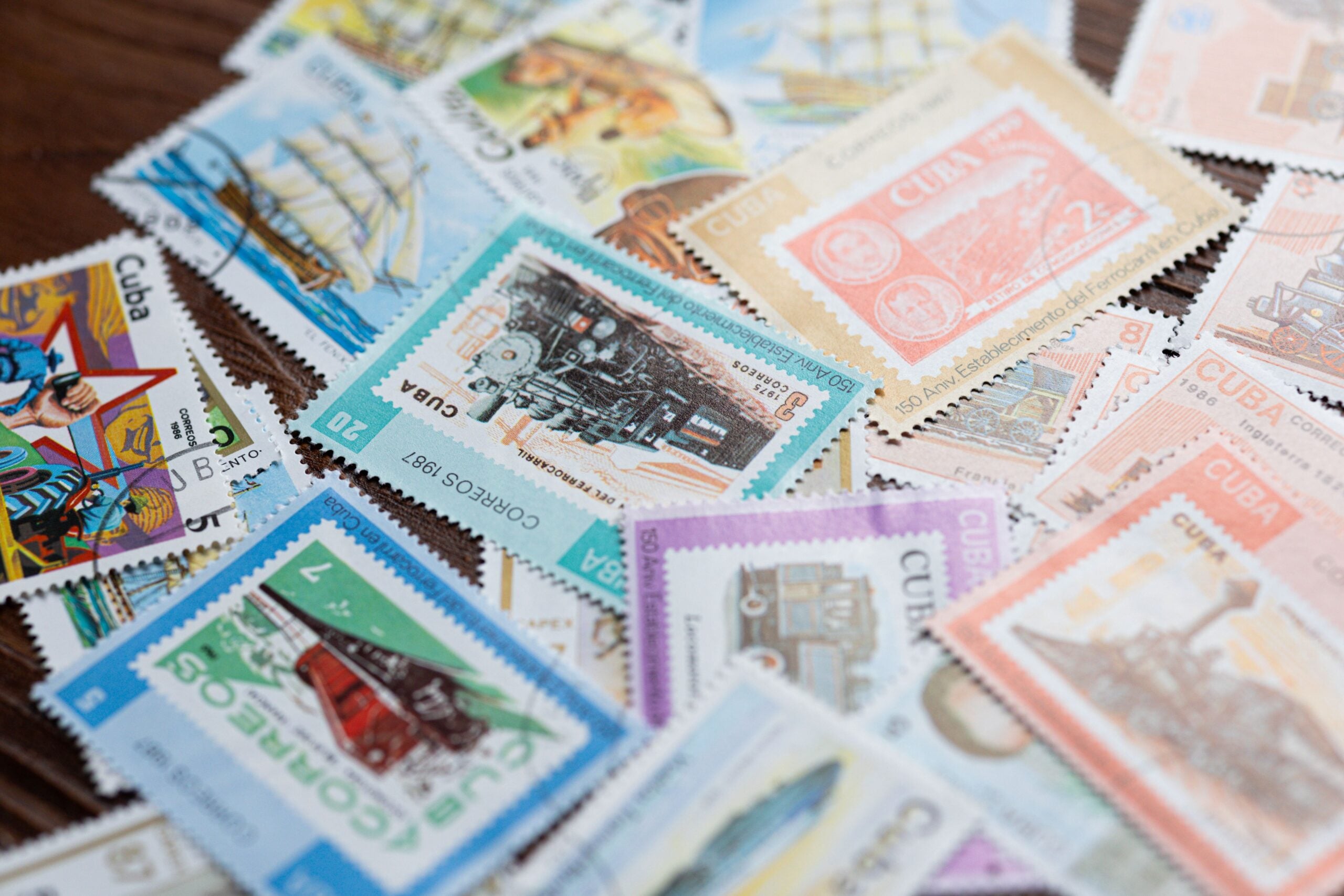
A first-class postage stamp cost about 22 cents during much of the 1980s. While stamps may seem like a minor expense, they offer an interesting glimpse into the cost of everyday services.
Before email and online banking, Americans relied heavily on the postal system for communication, bill payments, and business transactions. Despite its importance, postage consumed only a tiny fraction of a worker’s earnings.
The affordability of routine services like mailing letters contributed to the sense that everyday expenses were manageable for many households.
Wage Comparison:
Stamp: $0.22
Average hourly wage: ~$10
Roughly 1 minute of work
A Night At A Motel
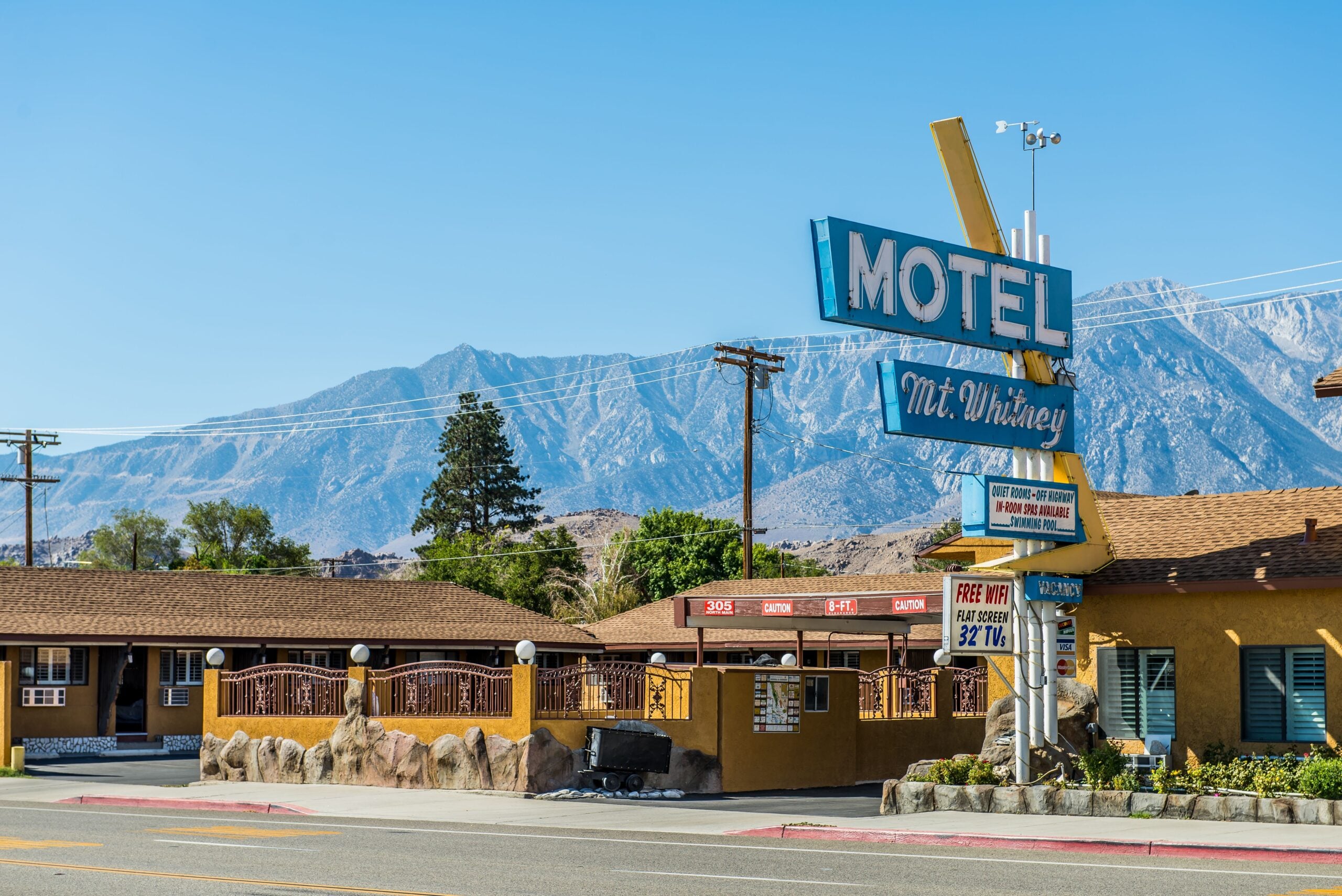
Road trips were a major part of American culture during the 1980s, and budget-friendly motels helped make family travel possible. A typical motel room often cost around $35 per night.
Families could travel long distances without spending enormous amounts on lodging. Competition among national motel chains helped keep prices relatively affordable for vacationers and business travelers alike.
Compared to today’s hotel rates, the cost seems remarkably low, though wages were also lower. Even so, travel generally consumed a smaller share of household budgets than many travelers face today.
Wage Comparison:
Motel room: ~$35
Average hourly wage: ~$10
About 3.5 hours of work
A Pair Of Nike Sneakers
Nike became one of the decade’s defining brands thanks in part to the explosive popularity of Air Jordans and the growing influence of sneaker culture. A popular pair of Nike sneakers often sold for around $60.
While that’s far below the price of many limited-edition sneakers today, it was still a meaningful expense for teenagers and young adults. Many saved money for weeks or months to buy the latest styles.
The 1980s helped establish athletic shoes as both fashion statements and status symbols, a trend that continues today.
Wage Comparison:
Popular Nike sneakers: ~$60
Average hourly wage: ~$10
About 6 hours of work
A Family Trip To Disney World

A Disney vacation was never cheap, even in the 1980s. Still, many middle-class families viewed it as an attainable goal rather than a once-in-a-lifetime luxury.
A single-day ticket to Disney World cost around $28, and lodging, food, and transportation were generally less expensive than comparable vacations today. Families often planned and saved for these trips, but many believed the experience was within reach.
As ticket prices and travel costs have climbed, Disney vacations have increasingly become a premium-priced experience for many households.
Wage Comparison:
Disney ticket: ~$28
Average hourly wage: ~$10
About 2.8 hours of work