In 1995, millions of American families still relied primarily on one full-time income to support an entire household. While dual-income homes were becoming increasingly common, it wasn’t unusual for a single paycheck to cover the mortgage, groceries, transportation, healthcare, and even occasional family vacations.
Looking back at prices from the mid-1990s can be misleading on its own. Homes, cars, and college tuition all cost far less than they do today, but wages were lower as well. The better question is what a typical middle-class family could realistically afford using one income.
According to U.S. Census Bureau data, median household income in 1995 was roughly $34,000 to $35,000 per year. Many families were supported by a single worker employed in manufacturing, government, education, skilled trades, sales, or other middle-class occupations. Housing, healthcare, childcare, and higher education generally consumed smaller portions of household budgets than they do today.
Using historical income data from the U.S. Census Bureau, labor statistics from the Bureau of Labor Statistics, and economic data from the Federal Reserve Bank of St. Louis (FRED), this guide examines the cost of living in 1995 and what a typical single-income family could reasonably afford—and why some aspects of middle-class life felt more attainable than they do for many households today.
A Modest Home In A Good School District
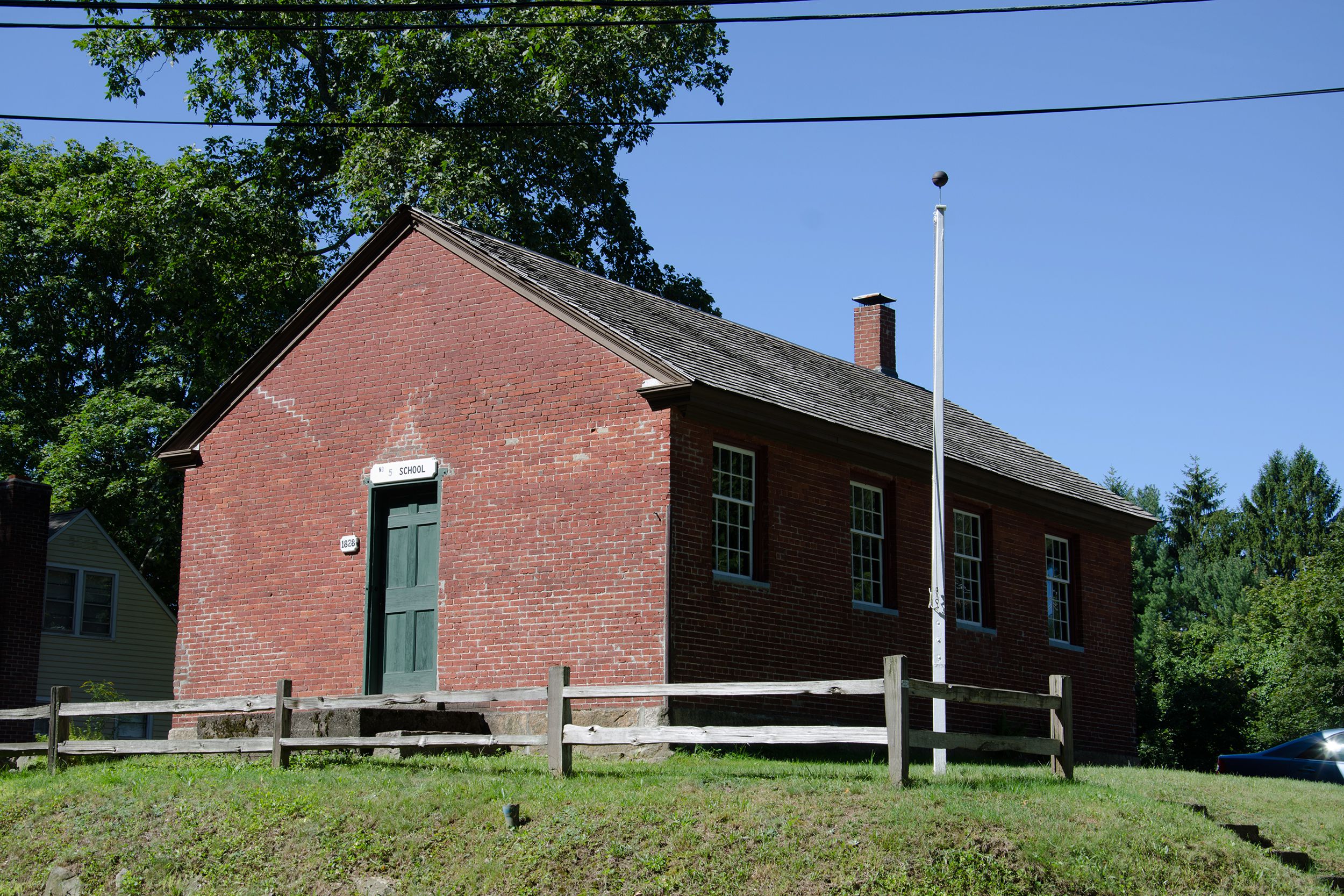
Perhaps the biggest advantage enjoyed by many single-income families in 1995 was the ability to buy a home without stretching finances to the breaking point. The median existing home price was approximately $113,000, while median household income hovered around $35,000. That meant many homes cost a little more than three times a family’s annual income.
While housing affordability varied widely depending on location, many middle-class families could still purchase homes in neighborhoods with decent schools and reasonable commute times. Homeownership often felt like a realistic goal rather than a distant aspiration.
Buyers still had to budget carefully and qualify for mortgages, but the gap between incomes and home prices was generally much smaller than what many families face today. For many households, a modest home with a backyard and access to quality schools was achievable on a single income.
Affordability Snapshot:
Median home price: ~$113,000
Median household income: ~$35,000
Home cost roughly 3.2x annual income
A Stay-At-Home Parent

By 1995, dual-income households had become common, but many families still relied on a single breadwinner while one parent stayed home to raise children. The arrangement wasn’t considered unusual, and for some households it made financial sense.
Childcare costs were lower relative to income than they are today, and housing often consumed a smaller share of the family budget. As a result, some parents determined that paying for full-time childcare would offset much of a second paycheck anyway.
Life on one income rarely meant luxury. Families often budgeted carefully, drove older cars, and looked for ways to save money. Still, the idea that one parent could stay home with young children remained attainable for many middle-class households.
Two Vehicles In The Driveway
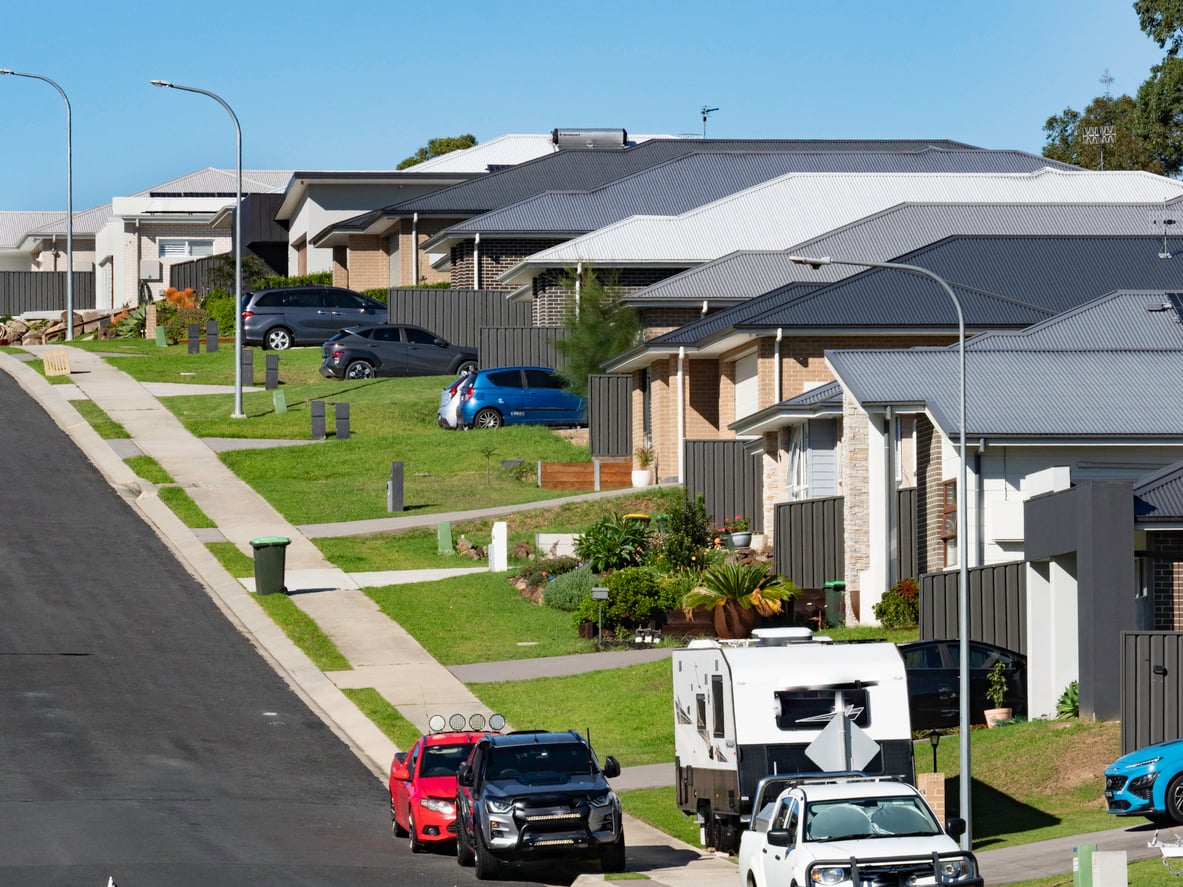
Even with only one primary earner, many families in 1995 managed to own two vehicles. One car was often used for commuting to work, while the second provided flexibility for errands, school activities, and family responsibilities.
A new car cost roughly $15,000, and reliable used vehicles could often be purchased for far less. Financing terms were generally shorter than many auto loans today, helping families avoid years of debt.
Owning two vehicles wasn’t necessarily viewed as a luxury. For many suburban and rural families, it was simply part of everyday life. The combination of lower vehicle prices and manageable household expenses helped make multiple-car ownership possible on a single income.
Affordability Snapshot:
Average new car: ~$15,000
Median household income: ~$35,000
New vehicle cost ~43% of annual income
Annual Family Vacations

A yearly family vacation remained a realistic goal for many middle-class households in 1995. Whether it was a road trip to a national park, a week at the beach, or a visit to relatives across the country, many families expected to get away at least once a year.
Travel expenses consumed a smaller share of household budgets than they often do today. Gasoline, hotels, and attraction tickets were generally more affordable relative to income, making family trips easier to plan and save for.
These vacations weren’t necessarily extravagant, but they offered families an opportunity to spend time together without creating overwhelming financial stress. For many children growing up in the 1990s, annual vacations were simply a normal part of family life.
A Trip To Disney World

Disney World was already one of America’s most popular family vacation destinations in 1995. While a trip still required planning and saving, it was often viewed as an achievable goal for middle-class households.
Park tickets cost around $39 for a one-day admission, a fraction of today’s prices. Families also spent less on hotels, food, and transportation than modern visitors typically do.
A Disney vacation wasn’t cheap, but it generally felt attainable rather than exclusive. Many parents viewed it as a memorable family experience worth saving for, rather than a financial stretch that required years of planning.
Affordability Snapshot:
One-day Disney ticket: ~$39
Median hourly wage: ~$11–12
About 3.5 hours of work
Trending on Cheapism

Sending Kids To Public College Without Massive Debt

Higher education represented one of the most significant differences between 1995 and today. Public university tuition averaged roughly $2,700 per year, making college far more affordable relative to household income.
Students often contributed through summer jobs, part-time work, or modest loans. Parents could also help pay expenses without taking on the kind of financial burden many families face today.
Student debt certainly existed, but it had not yet become a defining financial challenge for an entire generation. For many middle-class households, sending children to a public university felt difficult but manageable.
Affordability Snapshot:
Average public university tuition: ~$2,700/year
Median household income: ~$35,000
Less than 8% of annual household income
A Family Dinner Out Once A Week

Dining out became increasingly popular throughout the 1990s, thanks in part to the rapid growth of casual dining chains. Restaurants such as Applebee’s, Chili’s, Olive Garden, and TGI Fridays attracted families looking for affordable nights out.
For many households, eating at a restaurant once a week didn’t require extensive budgeting. It was viewed as an occasional treat that fit comfortably within a middle-class lifestyle.
While restaurant meals weren’t cheap, they generally consumed a smaller portion of income than they often do today. A weekly family dinner out felt realistic for many households supported by a single paycheck.
Home Ownership Before Age 35

Many Americans who bought homes in the 1990s did so before turning 35. Lower home-price-to-income ratios helped younger buyers save for down payments and qualify for mortgages earlier in life.
While purchasing a home still required discipline and financial planning, the timeline often felt more achievable than it does for many younger buyers today. Couples frequently transitioned from renting to ownership within a few years of establishing their careers.
This contributed to the widespread perception that homeownership was a normal milestone rather than a long-term financial challenge.
Sign up for our newsletter
A New Computer For The Family

Home computers were becoming increasingly common in 1995 as families recognized their educational and professional value. A typical family computer often cost between $1,500 and $2,000, making it a significant purchase.
Despite the expense, many households viewed computers as investments rather than luxury items. Parents believed the technology could help children succeed in school and prepare for future careers.
Unlike many modern electronics purchases, computers were often bought with savings rather than frequent upgrades or financing plans. Families expected to keep them for years.
Affordability Snapshot:
Family computer: ~$1,500–$2,000
Roughly 5–6% of annual household income
Little League, Dance, Scouts, And Other Activities

Youth activities certainly weren’t free in 1995, but they generally consumed a smaller share of household budgets than many organized activities do today. Registration fees, uniforms, equipment, and travel costs were often manageable enough that children could participate in multiple programs throughout the year.
Whether it was Little League, Girl Scouts, Boy Scouts, dance lessons, youth soccer, or school clubs, many parents viewed extracurricular activities as a normal part of childhood rather than a major financial commitment.
Costs varied by region and activity, but families were often able to support several hobbies without significantly disrupting their household finances. For many children growing up in the mid-1990s, participation in sports, arts, and community programs was simply expected.
Health Insurance Through One Employer

Employer-sponsored health insurance played a major role in making single-income households work. Many workers received coverage that extended to spouses and children, helping families avoid paying for separate insurance plans.
Healthcare costs were rising throughout the 1990s, but they had not yet reached the levels that would dominate household budgets and political debates in later decades. Deductibles, premiums, and out-of-pocket costs were generally lower relative to income than many families experience today.
The system wasn’t perfect, but many households felt reasonably secure relying on one employer’s benefits package. A stable job often provided not only a paycheck, but access to healthcare for the entire family.
A Starter Home That Didn’t Feel Temporary

The concept of a starter home looked different in 1995 than it does today. Many first-time buyers purchased homes that were large enough to accommodate growing families for years.
Instead of viewing a starter home as a brief stepping stone, families often expected to stay put and build equity over time. The pressure to constantly upgrade wasn’t as intense, and competition for entry-level homes was generally less severe.
Many buyers found homes with multiple bedrooms, yards, and family-friendly neighborhoods without stretching their budgets beyond reasonable limits. For middle-class households, starter homes often felt like real homes rather than temporary solutions.
A Modest Emergency Fund

Building savings has never been easy, but many families in 1995 found it somewhat easier to set aside money for unexpected expenses. Housing, tuition, and childcare generally consumed smaller portions of household income, leaving more room in monthly budgets.
Emergency funds weren’t universal, and plenty of families still lived paycheck to paycheck. However, a car repair, appliance replacement, or short-term financial setback was often less likely to trigger a full-blown crisis.
Having even a few thousand dollars saved provided peace of mind and helped households navigate life’s inevitable surprises. For many middle-class families, maintaining modest savings felt achievable.
One Parent Working A Typical Office Or Trade Job

One of the most striking aspects of 1995 is that many single-income households were supported by relatively ordinary occupations. Teachers, police officers, government employees, sales representatives, skilled tradespeople, and manufacturing workers often earned enough to support families.
These weren’t necessarily high-income careers. Instead, the relationship between wages and major expenses often made middle-class stability easier to achieve. Housing, healthcare, and education typically consumed smaller portions of earnings than they do today.
As a result, many workers were able to provide homes, transportation, healthcare, and opportunities for their children without requiring a second full-time income.
Retirement Savings Alongside Daily Expenses

Many families in 1995 managed to save for retirement while also paying mortgages, raising children, and handling everyday expenses. Employer-sponsored retirement plans were common, and pension programs remained more prevalent than they are today.
Retirement planning wasn’t effortless, but it often felt more achievable. Lower housing costs and reduced debt burdens left some families with money available for long-term savings goals.
Financial security was never guaranteed, but many households felt they could balance current needs with future planning. The ability to contribute to retirement accounts while maintaining a middle-class lifestyle helped reinforce a sense of economic stability.
What Single-Income Families Could Do That Feels Harder Today

Life in 1995 wasn’t perfect. Wages were lower, technology was far less advanced, and many families still faced financial challenges. Yet the relationship between income and major expenses looked different than it does today.
Housing, public college tuition, healthcare, and childcare generally consumed smaller portions of household budgets. That often made it possible for a single income to support goals that increasingly require two incomes in many parts of the country.
The bigger story isn’t that everything was cheaper. It’s that many of the foundational pieces of middle-class life—buying a home, raising children, saving for retirement, and taking an occasional vacation—often felt more attainable relative to what the average worker earned. For many Americans, that’s the aspect of 1995 that inspires the most nostalgia today.