When developing a business, factors such as taxes, labor costs, regulations, population growth, and access to capital come into play. U.S. states compete to offer the best conditions for attracting companies, lowering labor costs and easing regulatory burdens, yet every industry has its own unique characteristics as highlighted by CNBC and Reddit. Here is a breakdown of some of the best and some of the less friendly states for fostering small businesses.
Texas – Top 10

Texas continues to attract entrepreneurs due to the absence of a state income tax, the large influx of people into metropolitan areas, providing a solid customer base, and the availability of a workforce to hire. The state boasts a diverse economy, offering entrepreneurs the opportunity to make their small business succeed. Reddit user [borrado] added: “Corporate taxes are low, corporate subsidies are high and worker protections are few.”
Florida – Top 10
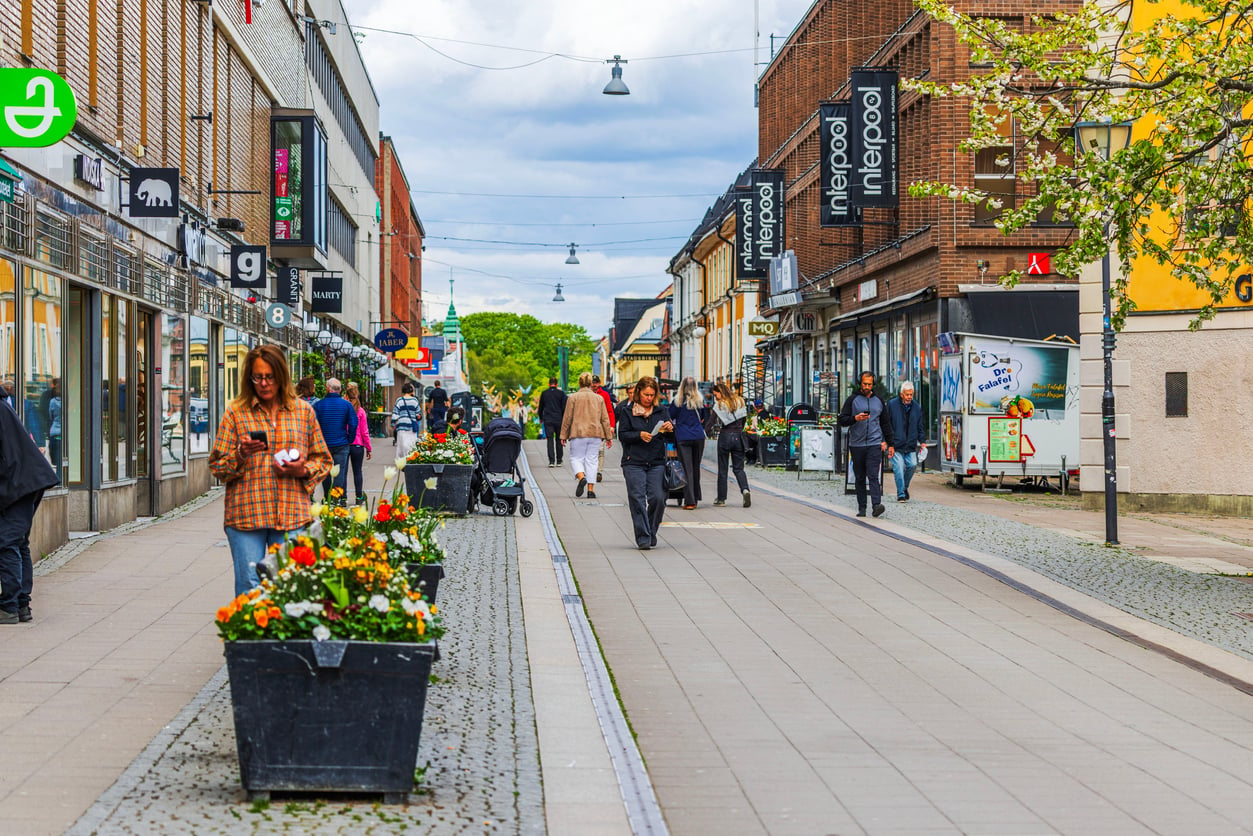
Tourism is one of Florida’s largest industries, and the state has no income tax, which reduces the tax burden on business owners. The state also benefits from strong sectors such as healthcare and logistics. There are many small businesses in the state, driven by the high consumer demand and ongoing social growth that shows no signs of slowing down. Reddit user wamih revealed: “As someone who grew up in NJ and has lived in FL for a decade, I have almost everything I need within a 10 minute drive. Also there are tons of small business all around.”
Tennessee – Top 10
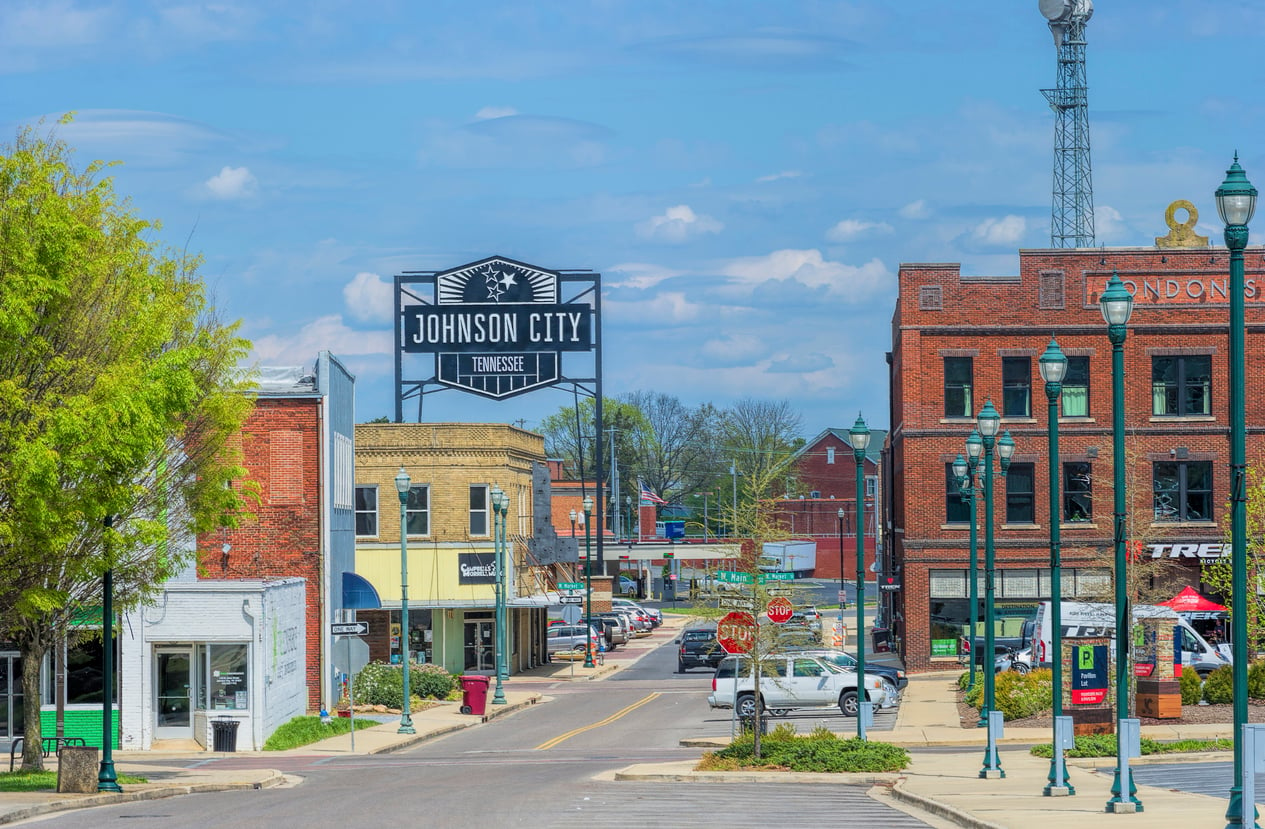
Small businesses draw upon various studies and economic data regarding a state when deciding where to locate, and Tennessee consistently ranks highly in business climate studies, while its relatively low taxes and operating costs continue to attract entrepreneurs. These small business states offer strong economies and lower operating costs. Reddit user jasongill stated: “There’s no income tax and no tax on dividends too, the lowest property tax in the U.S. with 0.52% and a sales tax that averages 9.25%.”
North Carolina – Top 10

North Carolina attracts both talent and investment, fostering a resilient economy that many entrepreneurs view favorably when weighting costs and opportunities. It is also consistently recognized as one of the leading small business states, thanks to its supportive business climate and expanding market opportunities. Furthermore, the state’s growing population is yet another sign of its overall expansion and the fact that people feel at home there. CNBC stated: “But while North Carolina is almost unfailingly friendly to business, it is not terribly friendly to workers.”
Utah – Top 10
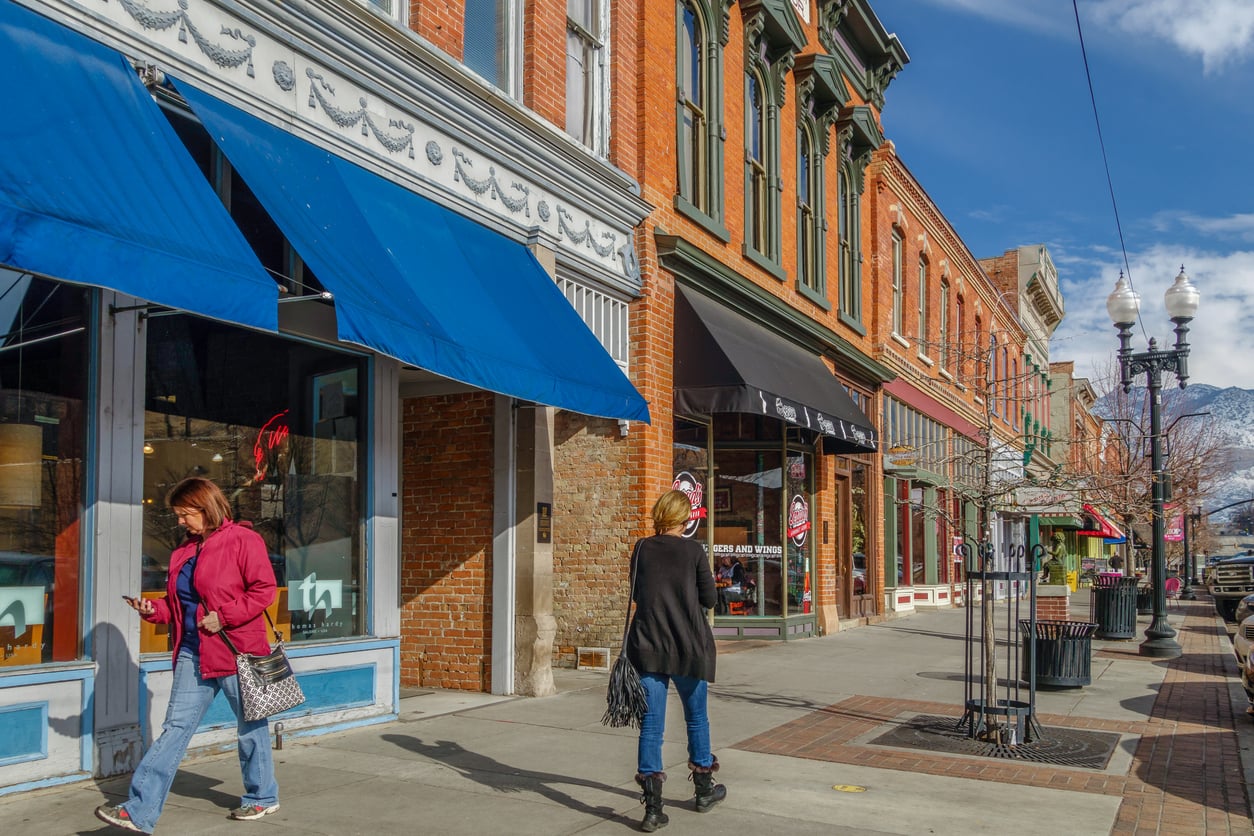
Consumer spending in Utah is growing, and a pool of entrepreneurs and innovation is readily available. The workforce ranks among the best in the nation, and the state has built a strong reputation for startup activity. What’s more, operating costs for a technology business in the region are more affordable than in other states. User noomii62 wrote on Reddit: “Utah market is growing fast in Tech/AI, Healthcare, and Home Services, if your ideas fall into those sectors, your market need score should be higher.”
Trending on Cheapism


Idaho – Top 10

The number of Idaho residents is growing year after year, and consequently, demand is rising. Small businesses in the region benefit from low property costs compared to neighboring Western states; furthermore, since residents prefer shopping locally, there is a ready customer base to tap into. Reddit user Peliquien recommended: “Find out what the town wants, who they support, participate in community groups and transform into a value being so you’ll get more support.”
Georgia – Top 10

Georgia’s extensive transportation infrastructure helps many businesses thrive, and the city of Atlanta is one of the nation’s southeastern economic engines. It is also one of the top states for the business climate, with startups standing out in particular. You can compare the best small business states for entrepreneurs and startups. Reddit user Itschmit shared their experience with Georgia’s tax requirements: “If your revenue is over $100,000, or you have more than 200 sales transactions, you’ll have to pay sales taxes, which are 5% in Georgia.”
South Carolina – Top 10

Operating costs in South Carolina have decreased, and regulatory policies are business-friendly, making it another good option for setting up operations. Its population is also growing, which should lead to increased demand. Tourism and manufacturing are the most prominent economic activities. Reddit user btdawson indicated: “If I were going to start something physical, I’d probably go with Charleston purely for the added tourism. I cannot think of any other place worth it. Myrtle Beach won’t be nearly as successful either just because of demographics.”
Sign up for our newsletter
Arizona – Top 10

Arizona continues to attract business and new residents, driven in large part by the rapid growth of the Phoenix metropolitan area. This expansion creates opportunities for entrepreneurs, while operating costs remain considerably lower than in neighboring California. Reddit user willydog15 revealed: “Honestly, almost any service field you go into most of the competition is bad. Someone suggested junk removal or bouncy castle rental.”
Virginia – Top 10
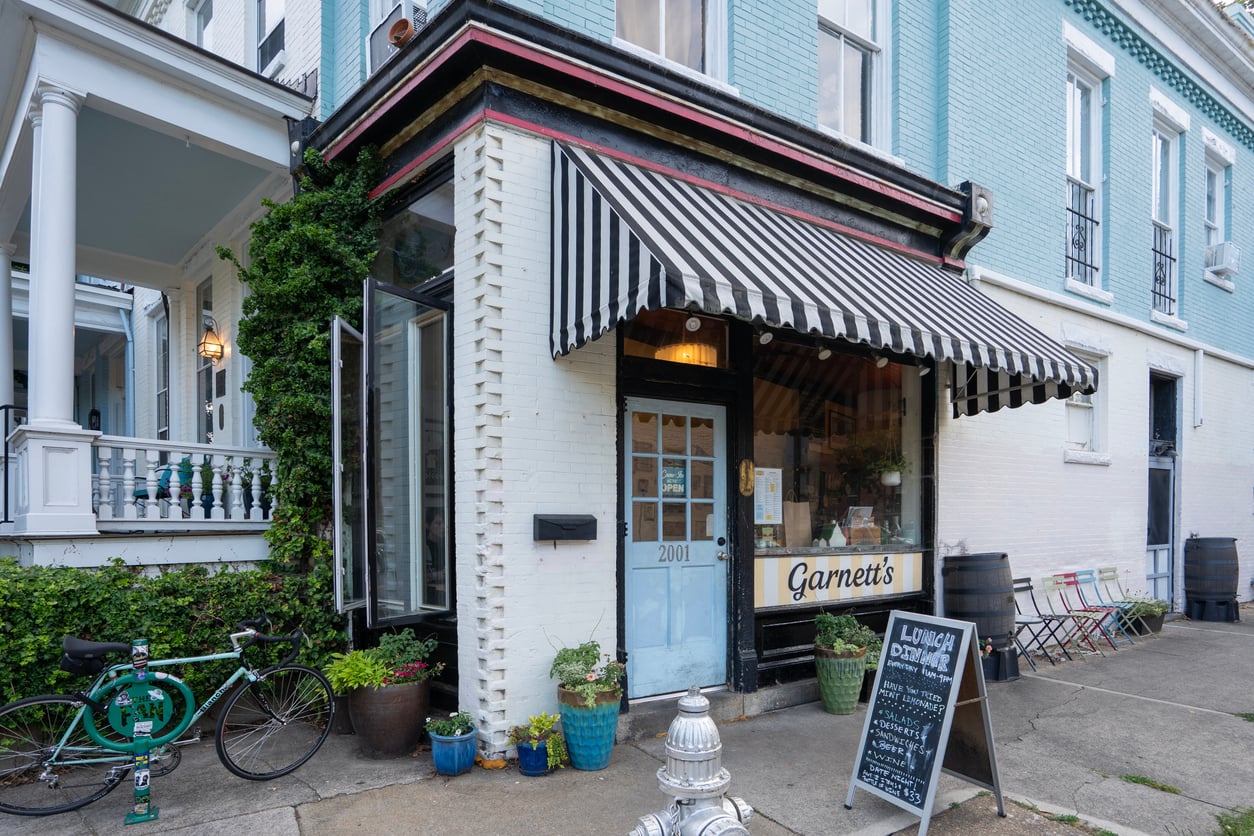
Virginia ranks highly among states with the best education system, ensuring businesses have access to a highly skilled workforce; consequently the government actively hires and generates opportunities for many companies there. The state boasts significant infrastructure and maintains a highly competitive business environment, while economic stability provides a sense of security. Reddit user DefiantSmoke1569 reflected: “You can pay a registered agent to do your SOS filling for you. The privacy that comes with not using yourself and your personal address as the registered agent is a bonus.”
California – Bottom 10

California offers one of the largest consumer markets in the country, but so are the challenges of establishing a presence there. Property costs are extremely high, affecting both employers and employees, and a common complaint among business owners is the complexity of the regulatory system. To top it all off, commercial rents are among the highest in the nation. SockNo948 wrote on Reddit: “My wife tried to open a food-related shop many years ago but she gave up after a year and cited extremely high rent and regulations being basically incomprehensible or very hard to satisfy.”
New York – Bottom 10

New York’s operating costs are the highest in the United States. Commercial real estate expenses pose a challenge for many businesses, while labor and regulatory costs are equally burdensome. Both small local businesses and entrepreneurs struggle to make ends meet. Reddit user Imea14 noted: “If you run a business in NYC and are taxed as an S-Corp you combined federal, local and state taxes will be around 45%. Most people can’t believe how bad is it.”
New Jersey – Bottom 10
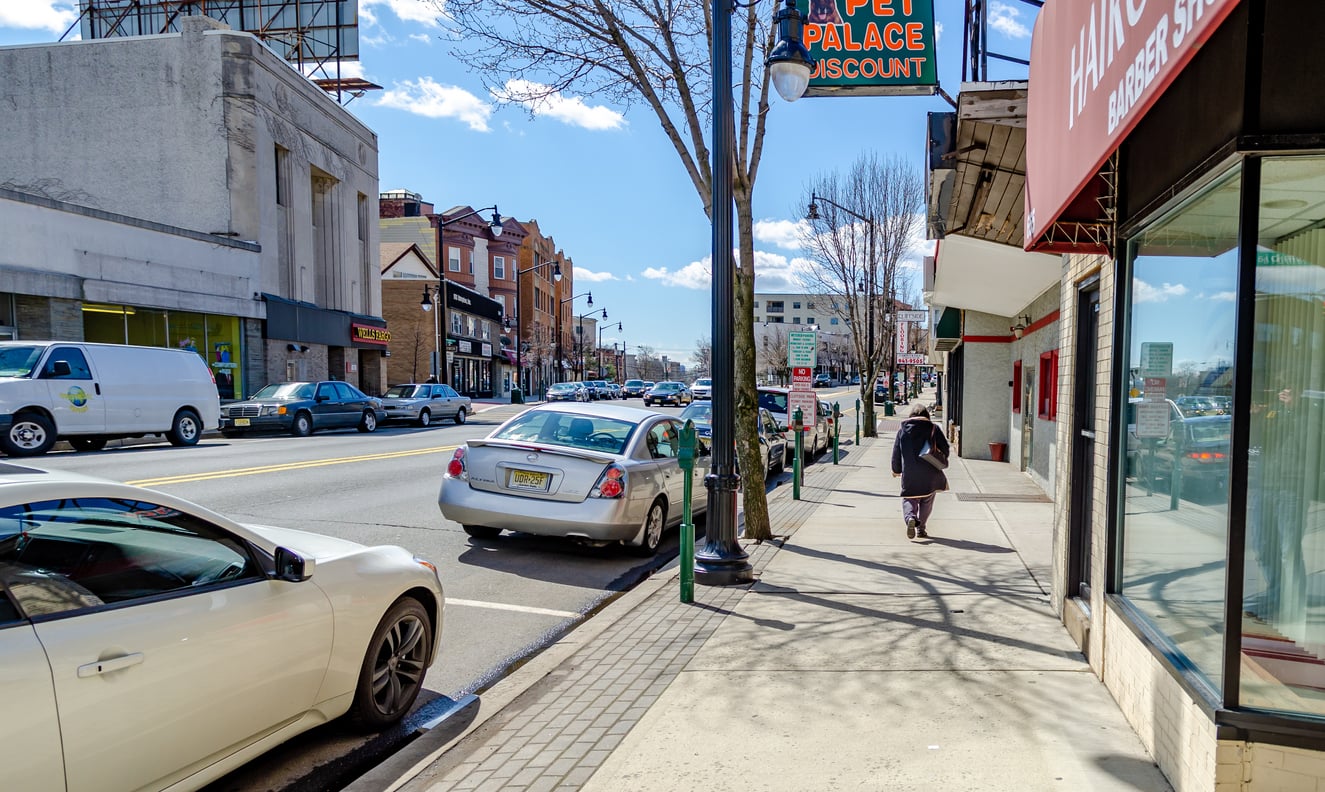
High taxes remain a problem for New Jersey residents. Operating costs exceed the national average, as do insurance and labor costs. All these pressures work against entrepreneurs, and small businesses struggle to achieve even slim profit margins. Reddit user systemsandstories noted: “A lot of small places are running really tight margins right now and some honestly just hanging on hoping things stabilize. Others cut hours and raised prices a bit.”
Illinois – Bottom 10

Tax-related concerns are common among small business owners in Illinois. While Chicago offers a wealth of opportunities, it also entails high operating costs. The uncertain tax landscape has been an issue for years, leading entrepreneurs to debate whether the investment is worth it or if they should look to another state instead. Reddit user PParker46: “Many small businesses fail and change hands and the new investor keeps the same name. Sadly, many of these are doomed from the start.”
Connecticut – Bottom 10

High property costs affect businesses in Connecticut, while taxes also frequently emerge as a challenge in conversations among small business owners. Entrepreneurs note that it is not easy to get ahead in the state and that growth, if it happens at all, is much slower than in other states. Reddit user stealtjagents recommended: “Don’t sleep on the sales and use tax if you’re selling goods, Connecticut can be pretty strict about that.”
Massachusetts – Bottom 10
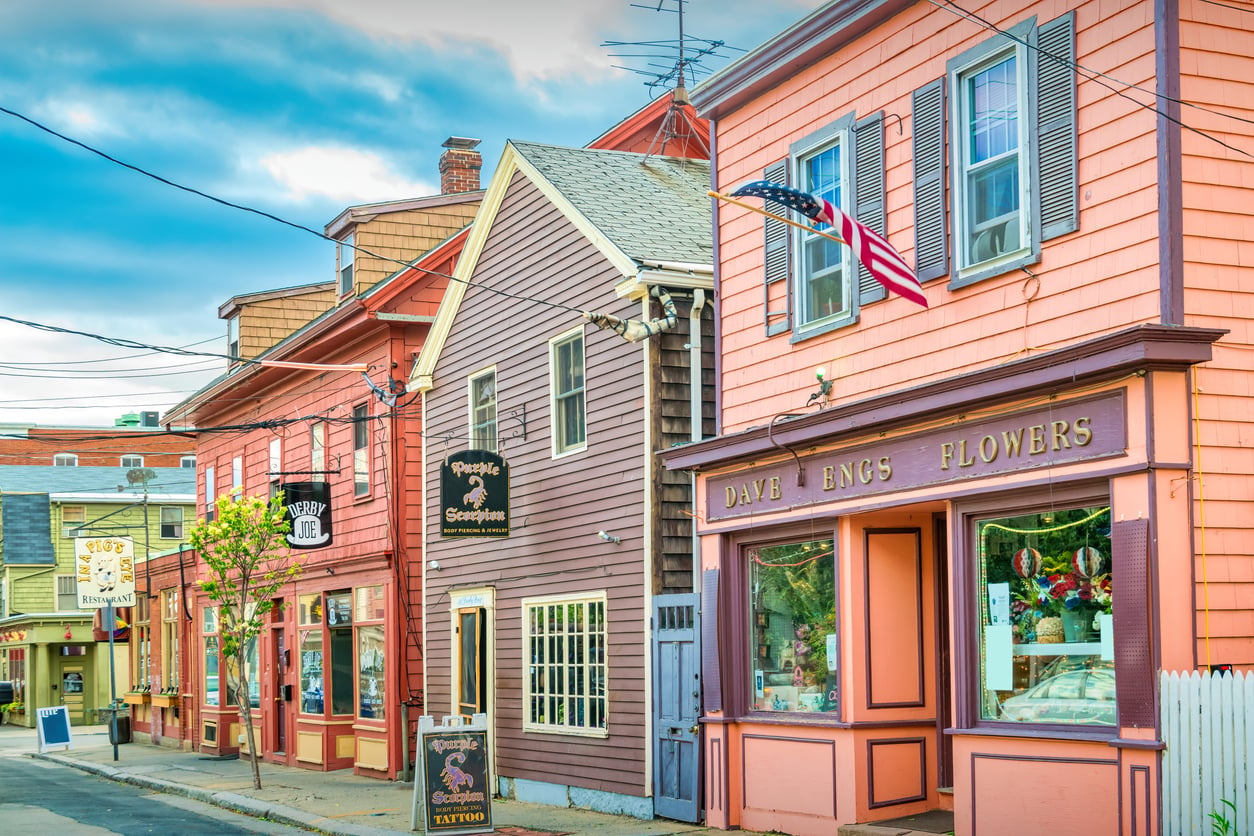
The scales continue to tip toward the negative in Massachusetts; despite the availability of talented personnel, operating costs are very high. Moreover, real estate costs pose a risk to small businesses, and labor costs exceed the national average. These high expenses keep Massachusetts from ranking among the most affordable small business states for new entrepreneurs. Reddit user [borrado] pointed out: “It could go well if you’re a tech or healthcare startup with venture capital backing, but for mom and pop stores or bootstrapping it’s nearly impossible.”
Rhode Island – Bottom 10

Rhode Island has a relatively small population, limiting market size. In addition, operating costs remain high compared to neighboring states. Expanding in Rhode Island is a major challenge. These limitations keep Rhode Island from ranking among the top small business states for entrepreneurs seeking long-term growth. Reddit user Pioeroaul22 noted on small business states: “I feel like the custom metal fabrication shop is missing in Rhode Island, and was a big part of my existence in Seattle.”
Oregon – Bottom 10
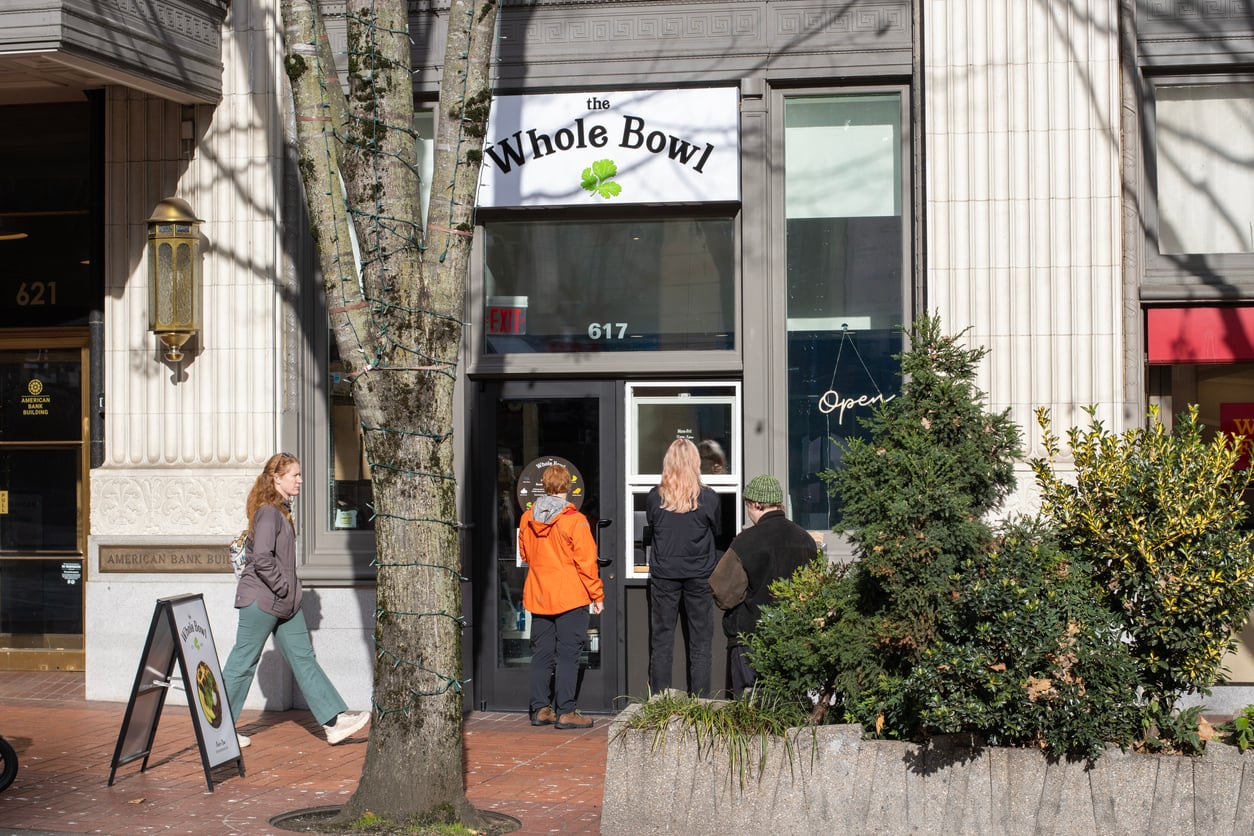
Among the challenges facing Oregon are housing affordability, regulatory costs, and labor shortages, all of which have impacted the industry. Entrepreneurs are aware of this, and while conditions vary from state to state, Oregon is not among their top choices. The ongoing issues have kept Oregon from ranking among the top small business states for entrepreneurs. Reddit user shawnzyoo described: “Having launched and managed two businesses here in PDX, I’ve often said Portland is a great place to start a business, but a terrible place to run a business.”
Hawaii – Bottom 10

Hawaii is isolated from surrounding nations due to its geography as an island. Consequently, transportation costs are inherently higher than in other regions. Labor and real estate costs also pose challenges, making logistics a burden for businesses there. As a result, Hawaii often ranks among the bottom small business states due to its high operating expenses and logistical constraints. Reddit user amberjletang indicated: “You don’t need 50k to start. You need your first paying job. If you land 2 to 3 jobs first, deposits can fund tools.”
Alaska – Bottom 10

Alaska is another state that presents geographical challenges, with transport operations that do not take place within the first 48 hours and a small population that demands a lower volume of goods. Additionally, seasonal factors, such as cold weather and roads becoming cut off, affect many industries. Reddit user Evening_sadness revealed: “Our tax cuts for oil companies, the wealthiest most profitable industry extracting money to grow wealth outside our state, mean small local businesses shoulder the burden of paying oil companies share which they then suffer double when the oil companies aren’t in full feast mode.”
Bigger Picture / Why It Matters

A business’s surrounding environment can directly influence its chances of success; moreover, costs, taxes, and regulations play a significant role. Entrepreneurs can also relocate to another state in search of greater opportunities, specifically, a state that is growing faster or imposes a lighter tax burden. Compare the top 10 and bottom 10 small business states to make informed business decisions.