In an age of rising prices and endless consumerism, some people take frugality to a whole new level. These are the folks who refuse to let anything go to waste — whether it’s a perfectly good condiment packet, an almost-empty soap bottle, or a paper towel that “still has life left in it.” While some of these habits can seem extreme, they often come from a practical mindset shaped by saving money, reducing waste, or simply getting the most out of everything they buy.
From reusing sandwich bags to hoarding takeout napkins, these ultra-thrifty habits are surprisingly common — and honestly, a little relatable.
Washing and Reusing Ziploc Bags
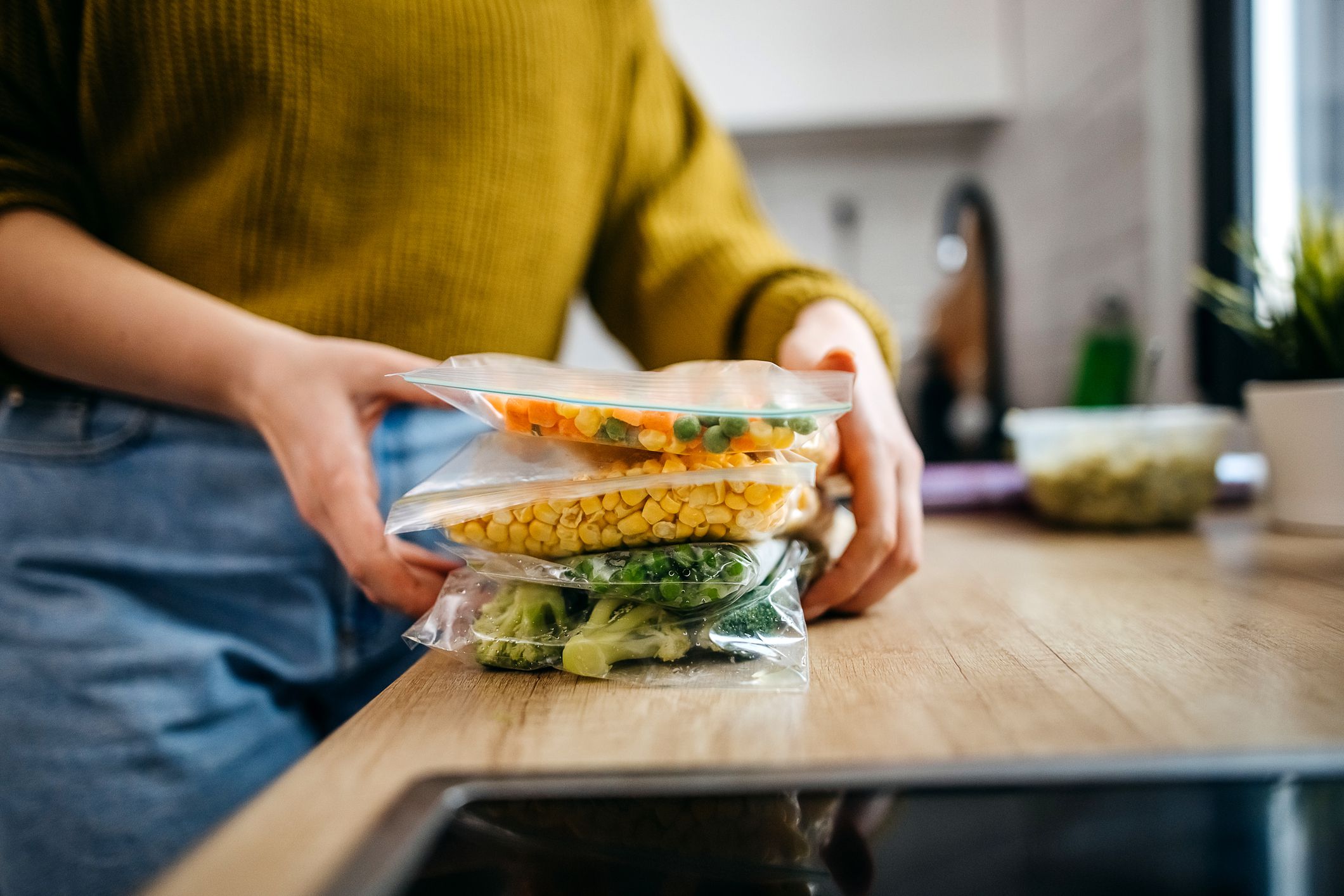
For some people, tossing out a resealable plastic bag after one use feels almost painful. Instead, they carefully wash Ziploc bags with soap and warm water, prop them open to dry, and reuse them again and again. While it might save only pennies per bag, devoted reusers see it as avoiding unnecessary waste and stretching every purchase as far as possible. The habit has become especially common among people trying to reduce plastic use while also saving money.
Saving Takeout Napkins
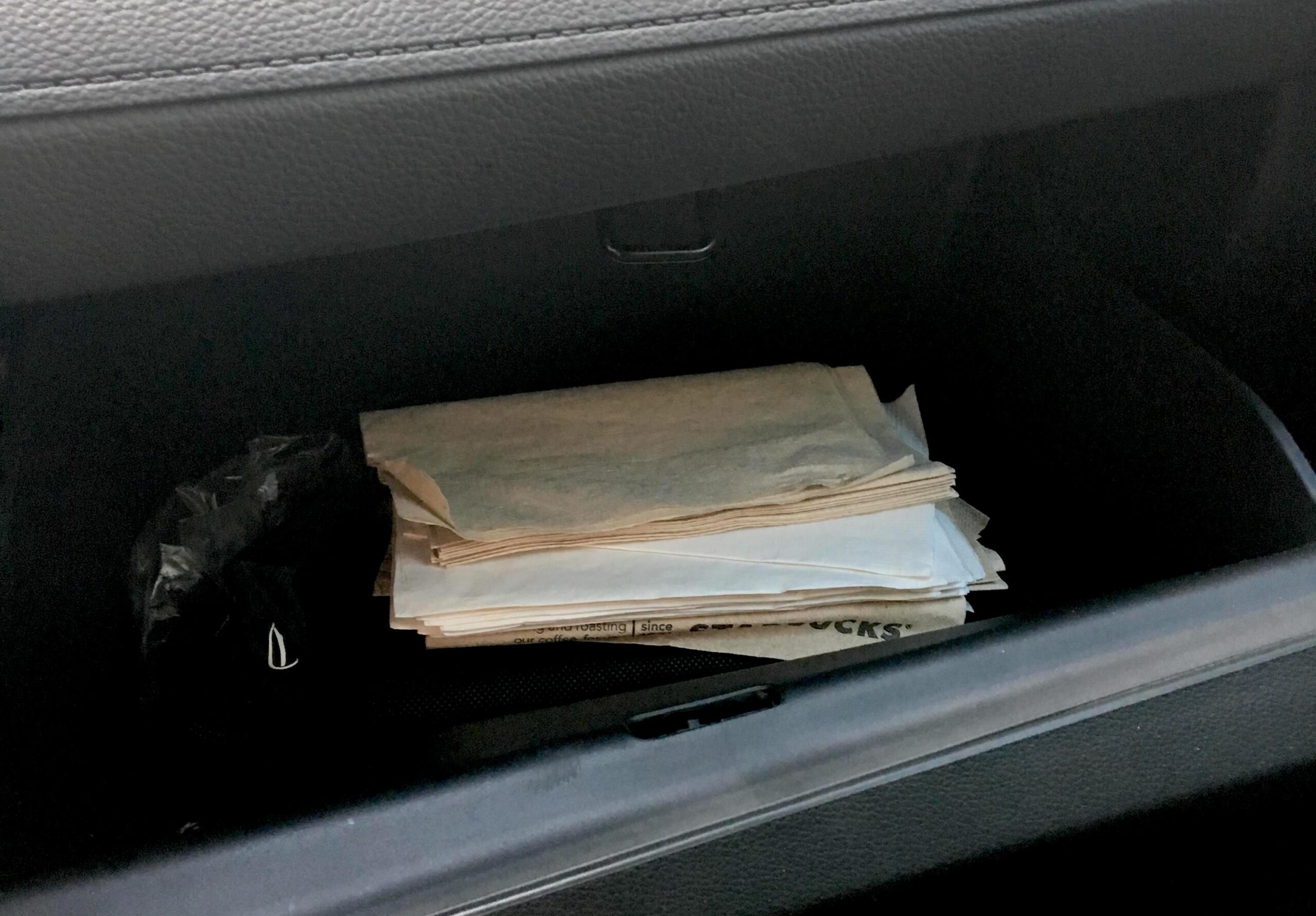
Some households have entire drawers overflowing with fast-food napkins collected over months — or even years. Instead of buying paper napkins at the store, waste-conscious people stash every extra napkin they get from restaurants, delivery orders, or coffee shops. They’ll use them for meals, spills, or even packed lunches later on. To them, throwing away unused napkins feels like tossing perfectly good money into the trash.
Hoarding Condiment Packets
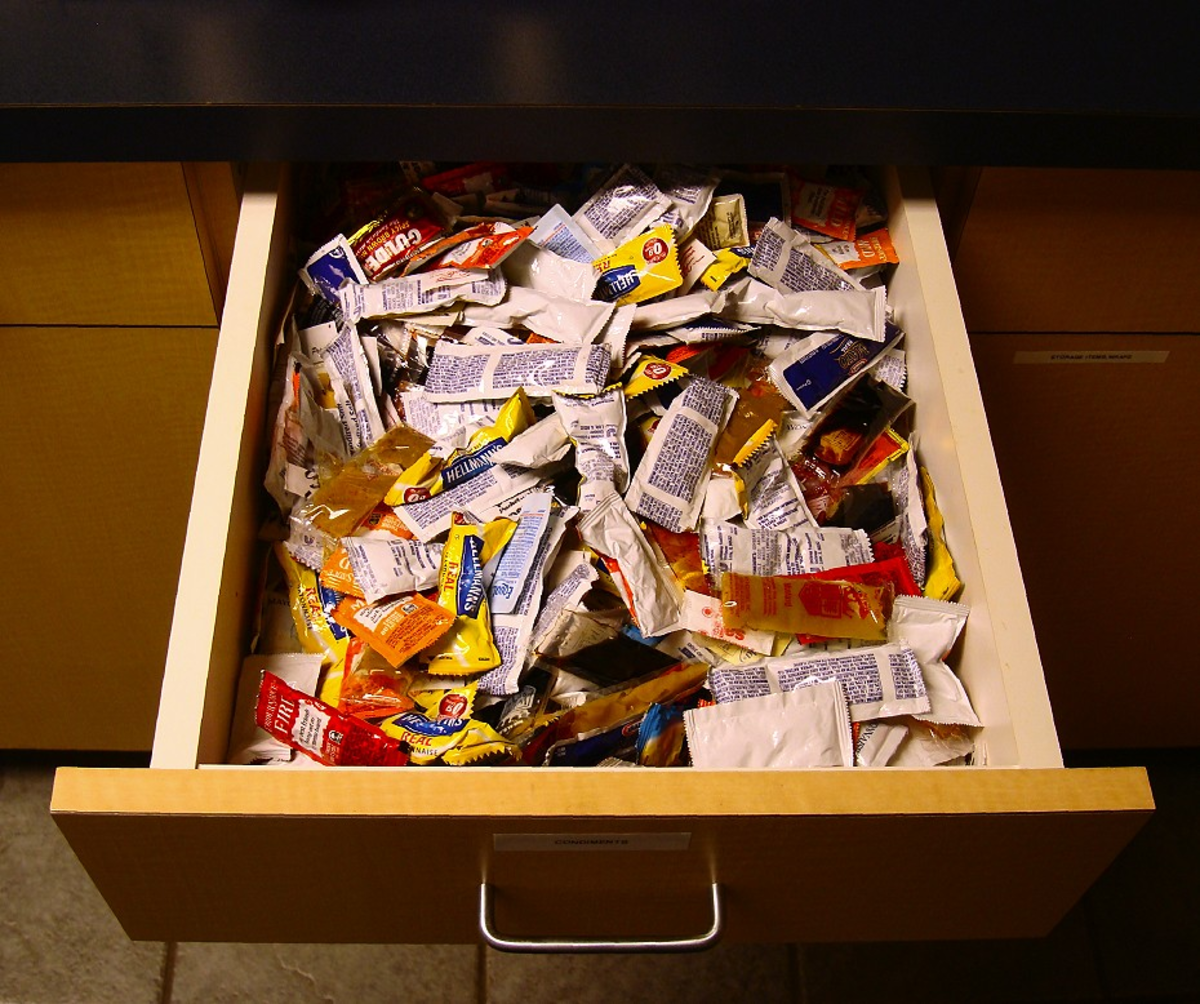
Soy sauce, ketchup, mustard, taco sauce — if it comes in a packet, someone is saving it. Many ultra-frugal people treat condiment packets like free groceries, stockpiling them in kitchen drawers for future meals. Some even use them instead of buying full bottles of condiments. While the packets can pile up quickly, people who hate waste see them as useful backups that shouldn’t go unused.
Reusing Paper Towels
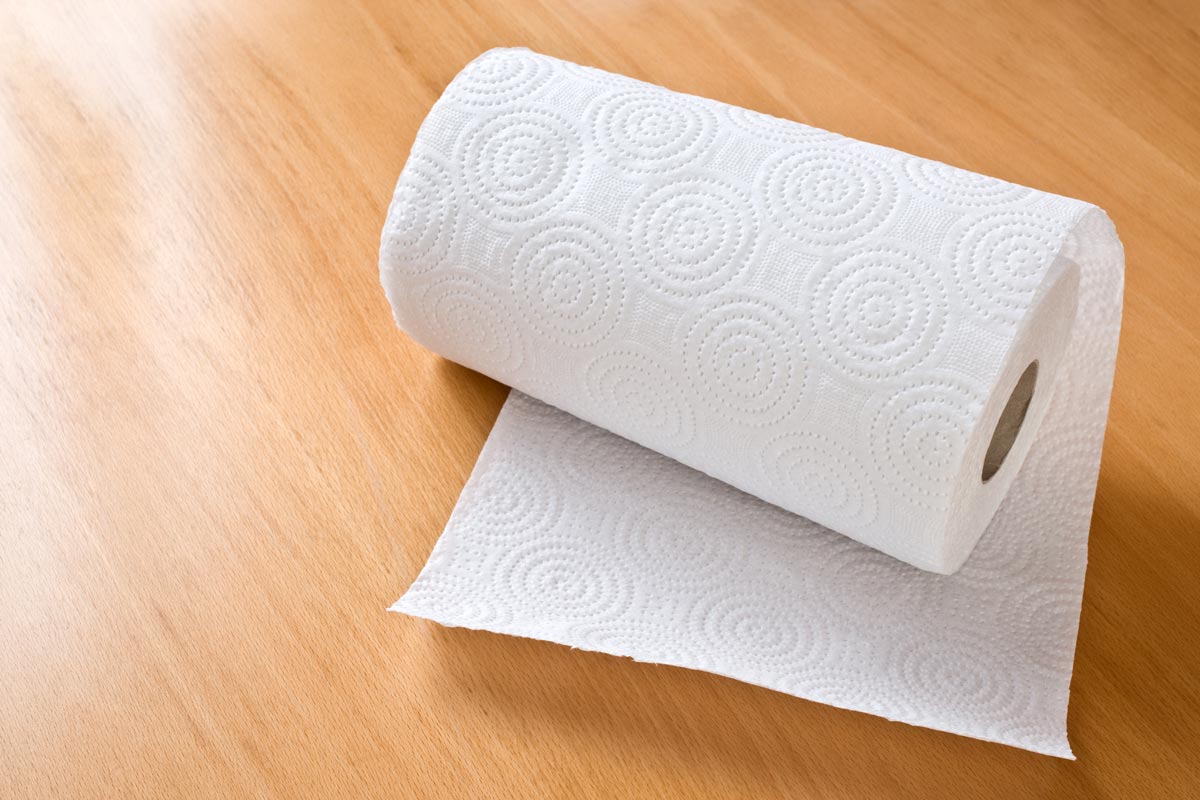
For extreme waste-avoiders, a paper towel isn’t automatically disposable after one wipe. If it’s only slightly wet or lightly used, they may rinse it out or hang it to dry for another round of cleaning. A towel used to dry clean hands or wipe water from a counter might get reused several times before finally being tossed. It’s a habit that sounds unusual to many people, but frugal households often see it as squeezing every last bit of value from everyday products.
Diluting Soap Bottles With Water
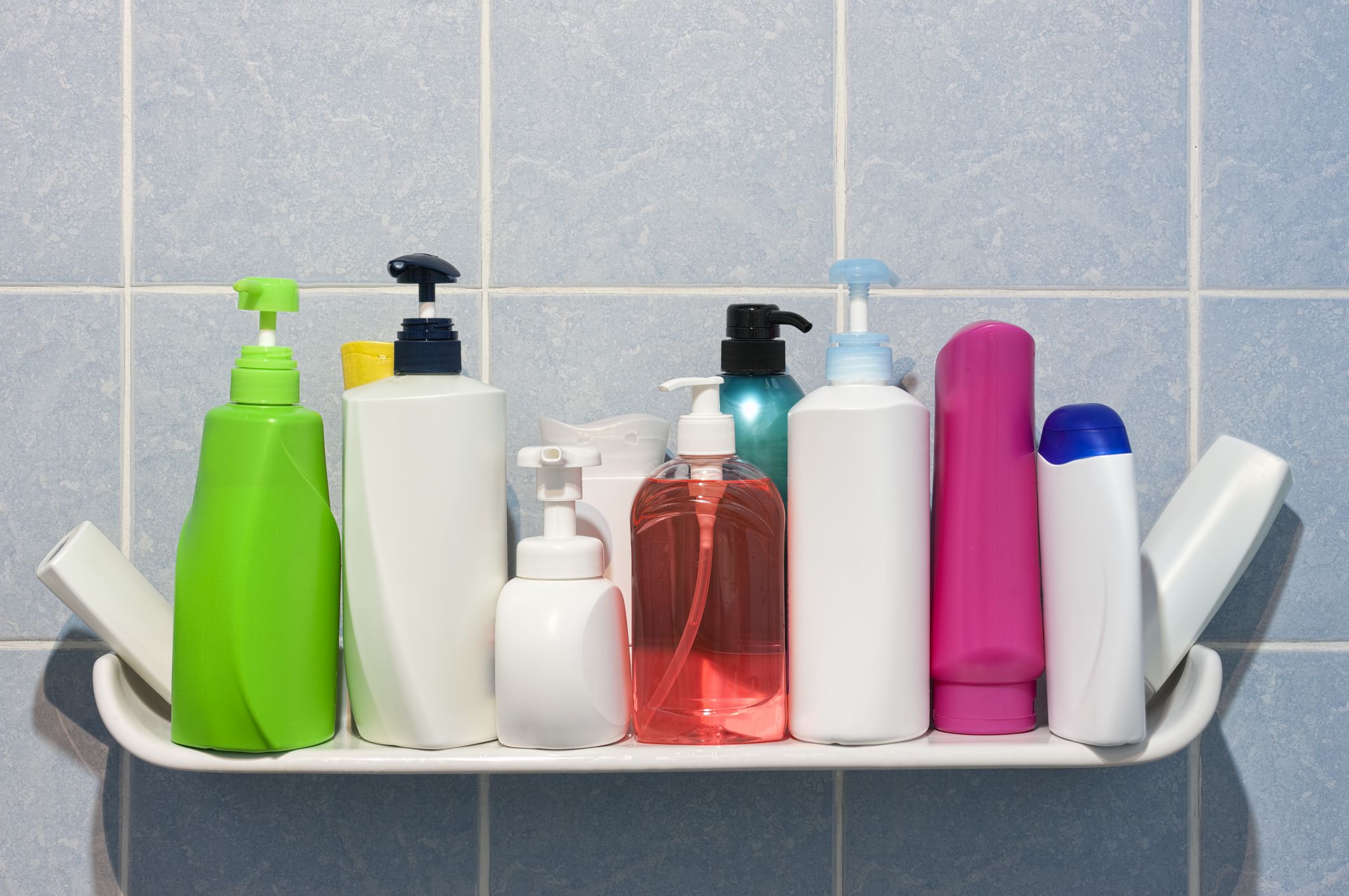
When a bottle of dish soap, hand soap, or shampoo starts running low, some people add water to stretch out the final product. They shake it up and keep using it until every last drop is gone. Waste-conscious shoppers hate the idea of throwing away containers that still have usable product clinging to the sides. The watered-down version may not work quite as well, but it keeps them from feeling like anything was wasted.
Trending on Cheapism
Saving Glass Jars and Containers
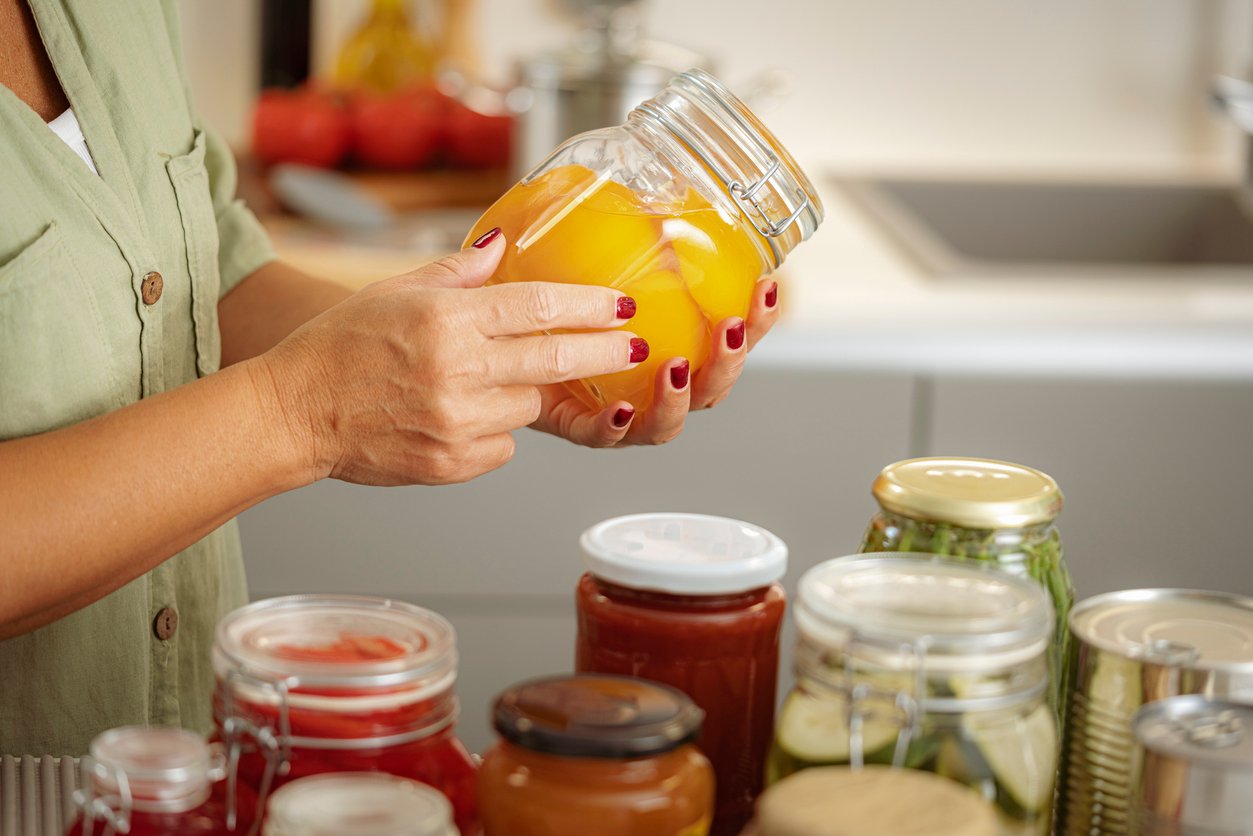
Pickle jars, pasta sauce jars, yogurt tubs — many people can’t bring themselves to throw away perfectly reusable containers. Instead, they wash and save them for leftovers, storage, crafts, or organizing small household items. Some kitchens become packed with mismatched jars waiting for their next purpose. To waste-haters, reusing containers feels smarter than constantly buying new storage products.
Keeping Old Gift Bags and Tissue Paper
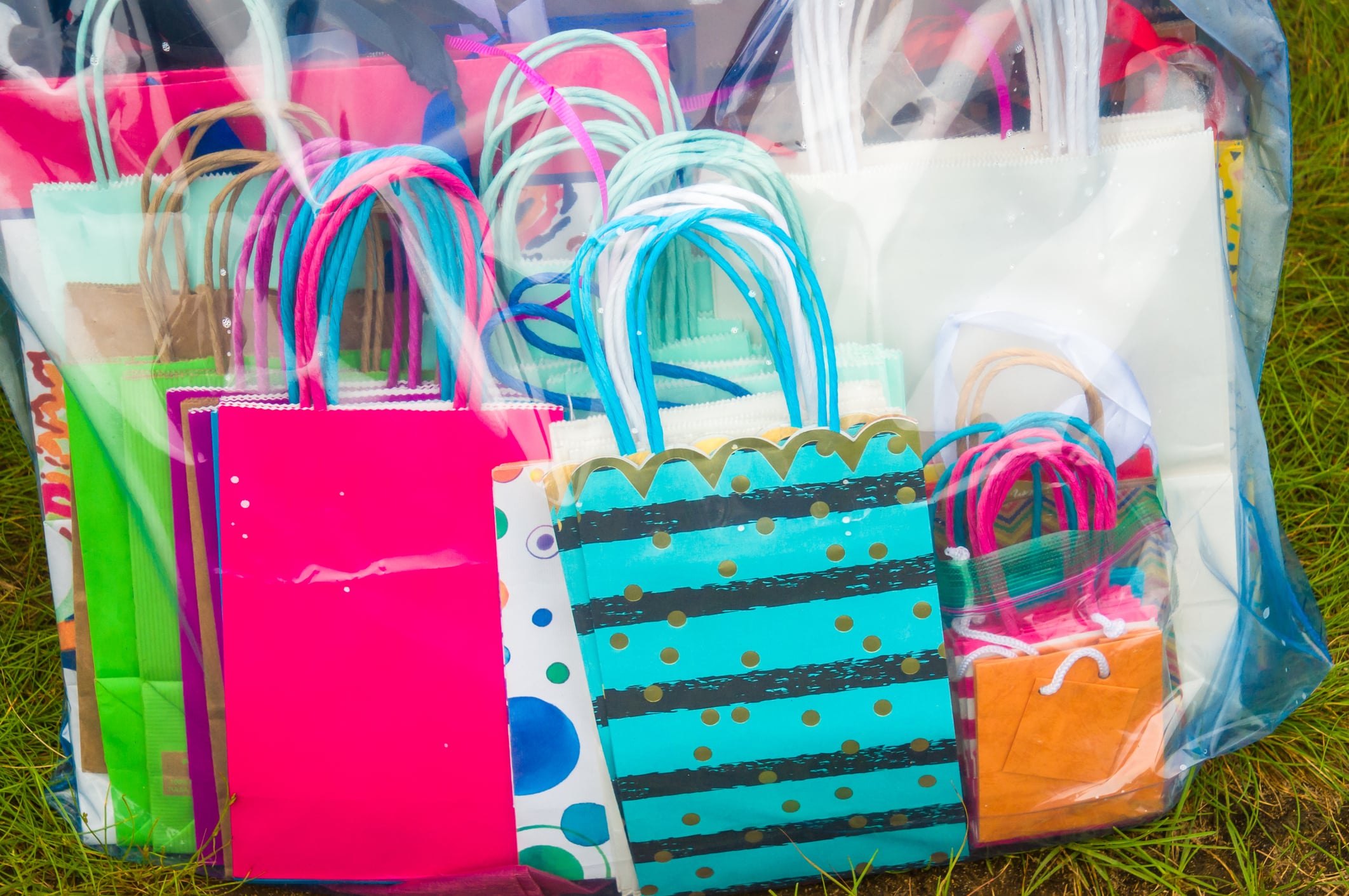
Some people carefully open gifts in order to preserve the bag and tissue paper for future birthdays or holidays. They fold everything neatly and store it away for the next celebration instead of buying new wrapping supplies. Over time, closets can become overflowing with reused bows, ribbons, and bags. Still, people who hate waste see no reason to spend money on something designed to be thrown away after a single use.
Using Bread Bags as Trash Bags
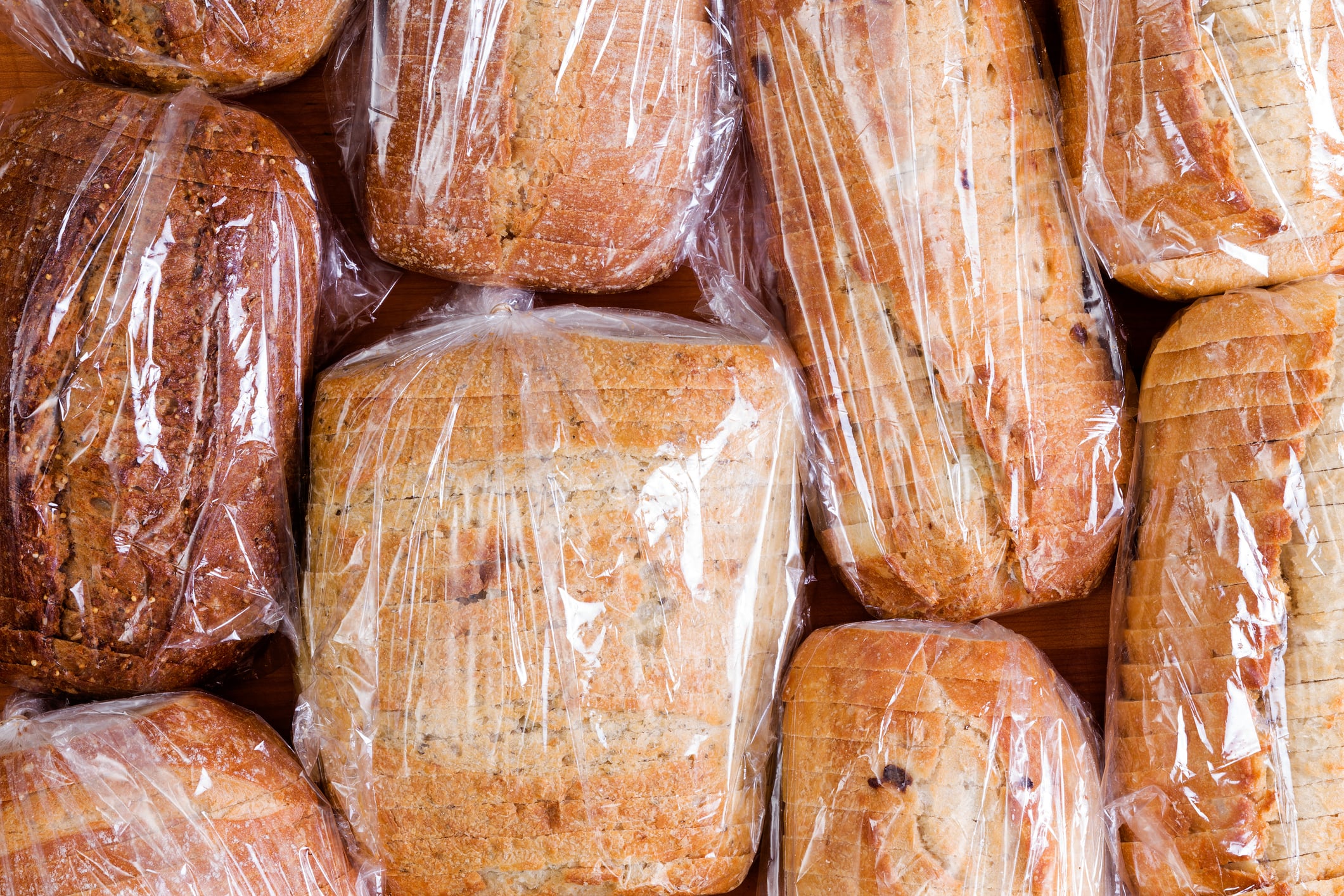
Tiny bathroom bins or car trash containers often get lined with old bread bags, produce bags, or grocery sacks instead of store-bought liners. Frugal people see it as giving single-use plastic a second life before tossing it out. It may not look glamorous, but it saves money and reduces waste at the same time. For dedicated savers, every reused bag counts.
Sign up for our newsletter
Wearing Clothes Until They Fall Apart
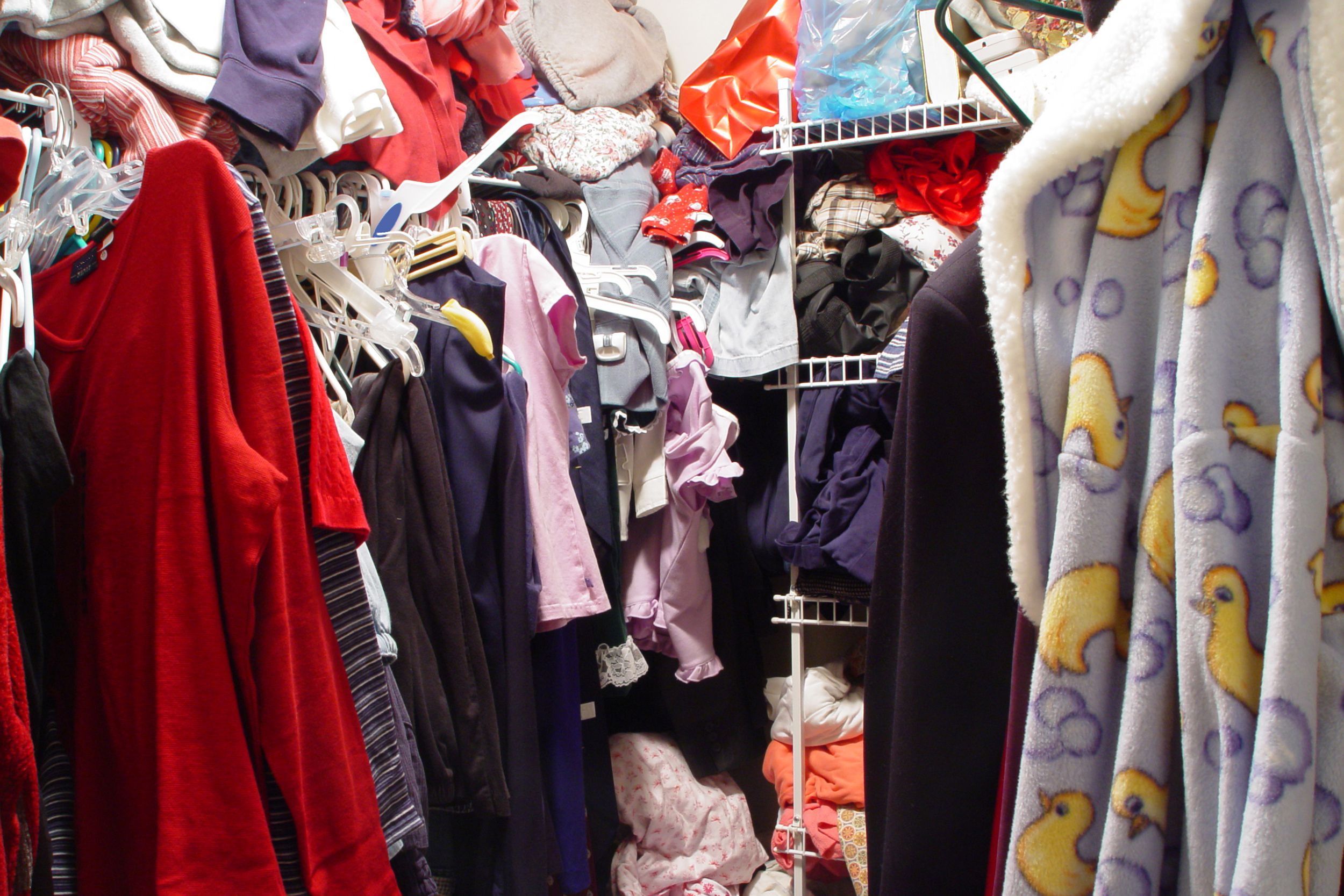
Some people refuse to replace clothing unless it’s completely beyond repair. They sew holes, patch jeans, reattach buttons, and continue wearing faded shirts for years. To them, tossing clothes just because they’re old feels incredibly wasteful. While others chase fashion trends, ultra-frugal shoppers pride themselves on getting maximum use out of every item in their closet.
Saving Leftovers No Matter How Small
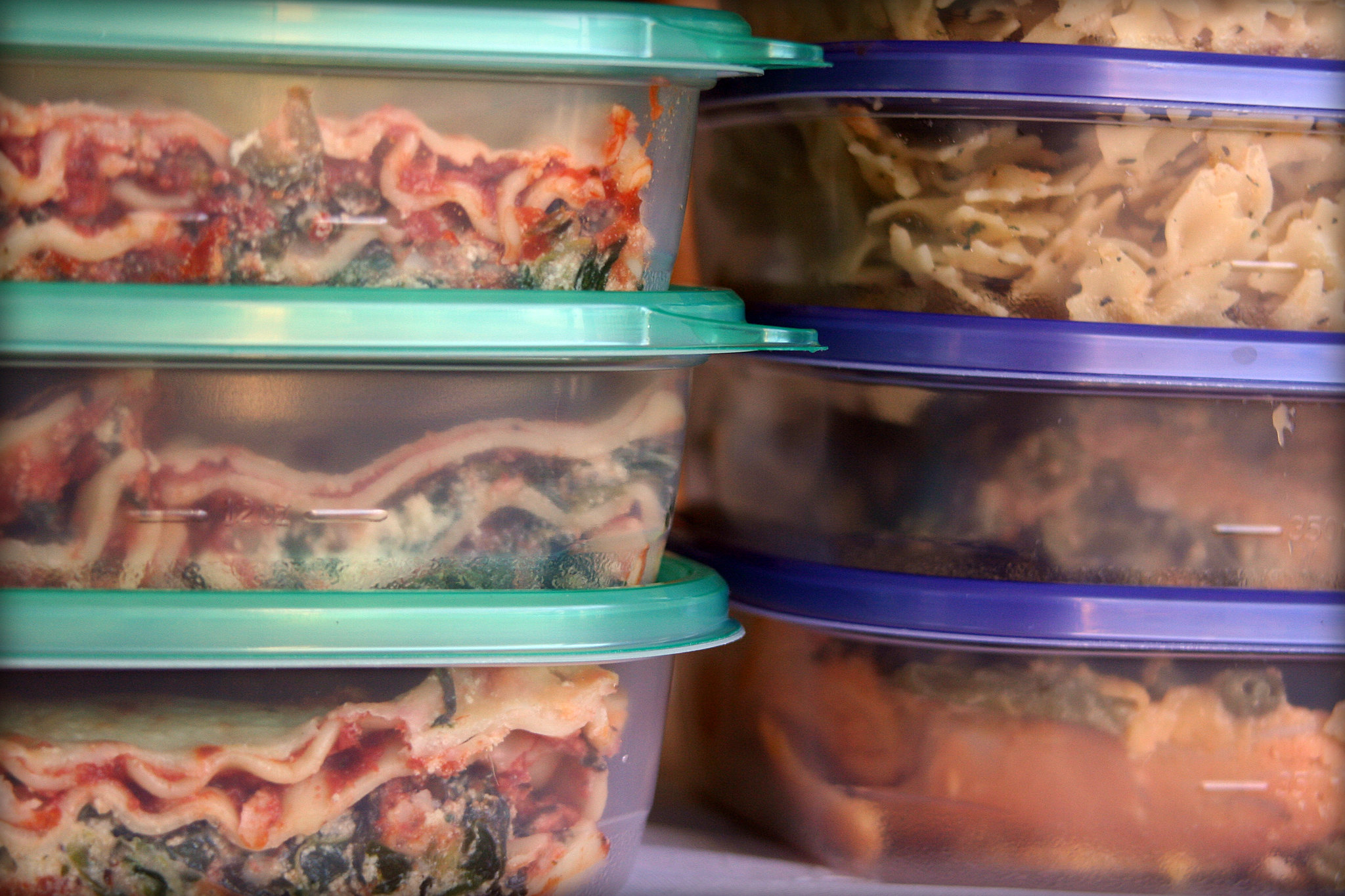
For people who hate waste, no leftover is too tiny to save. Half a scoop of rice, a spoonful of vegetables, or one slice of pizza all get tucked into containers for later. Their refrigerators may become packed with random leftovers, but they see every uneaten bite as money already spent. Throwing food away feels especially wasteful to people who grew up being taught to clean their plates.
Cutting Open Product Tubes
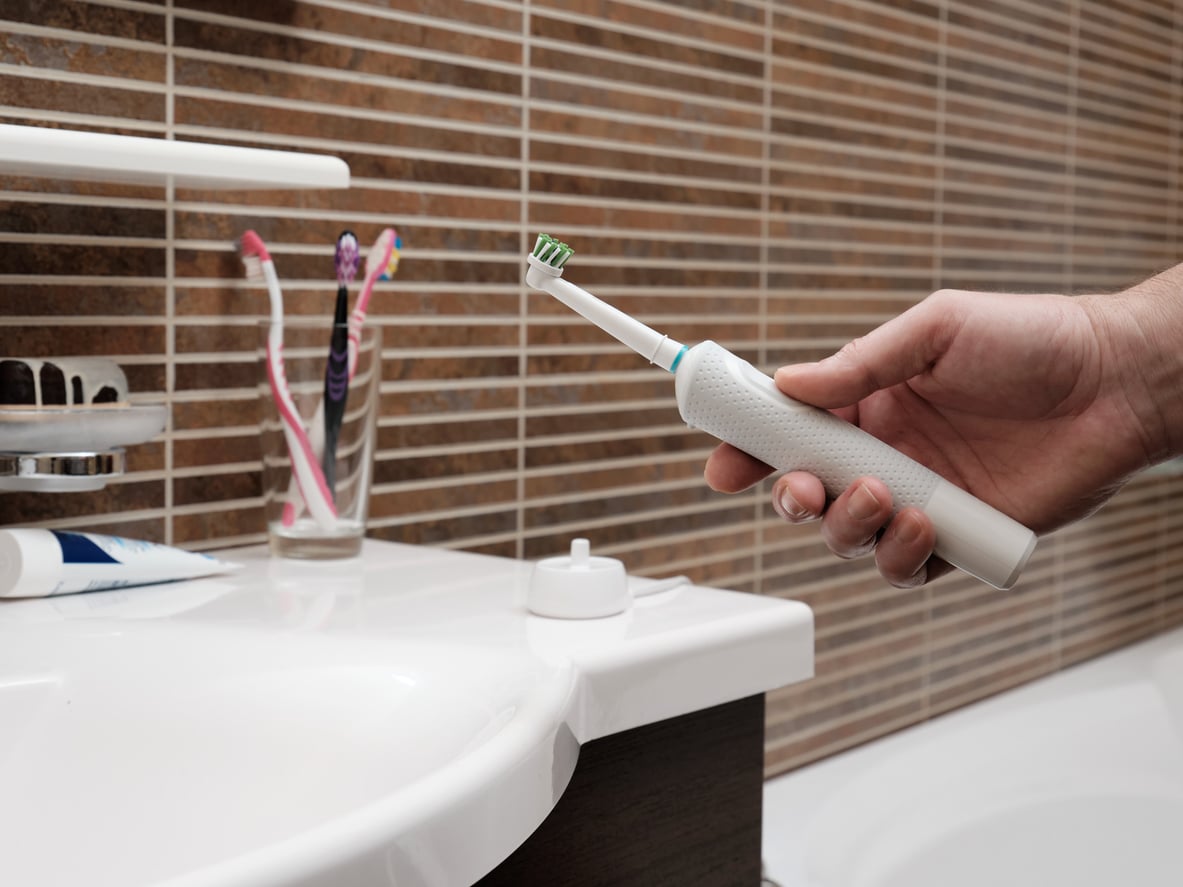
When lotion, toothpaste, or makeup containers stop dispensing product, waste-conscious people often cut them open to scrape out what’s left inside. They’re frequently shocked by how much usable product remains hidden at the bottom. To them, tossing a container before it’s completely empty feels like throwing away something they already paid for. It’s one of the ultimate “I hate waste” habits.
Reusing Aluminum Foil
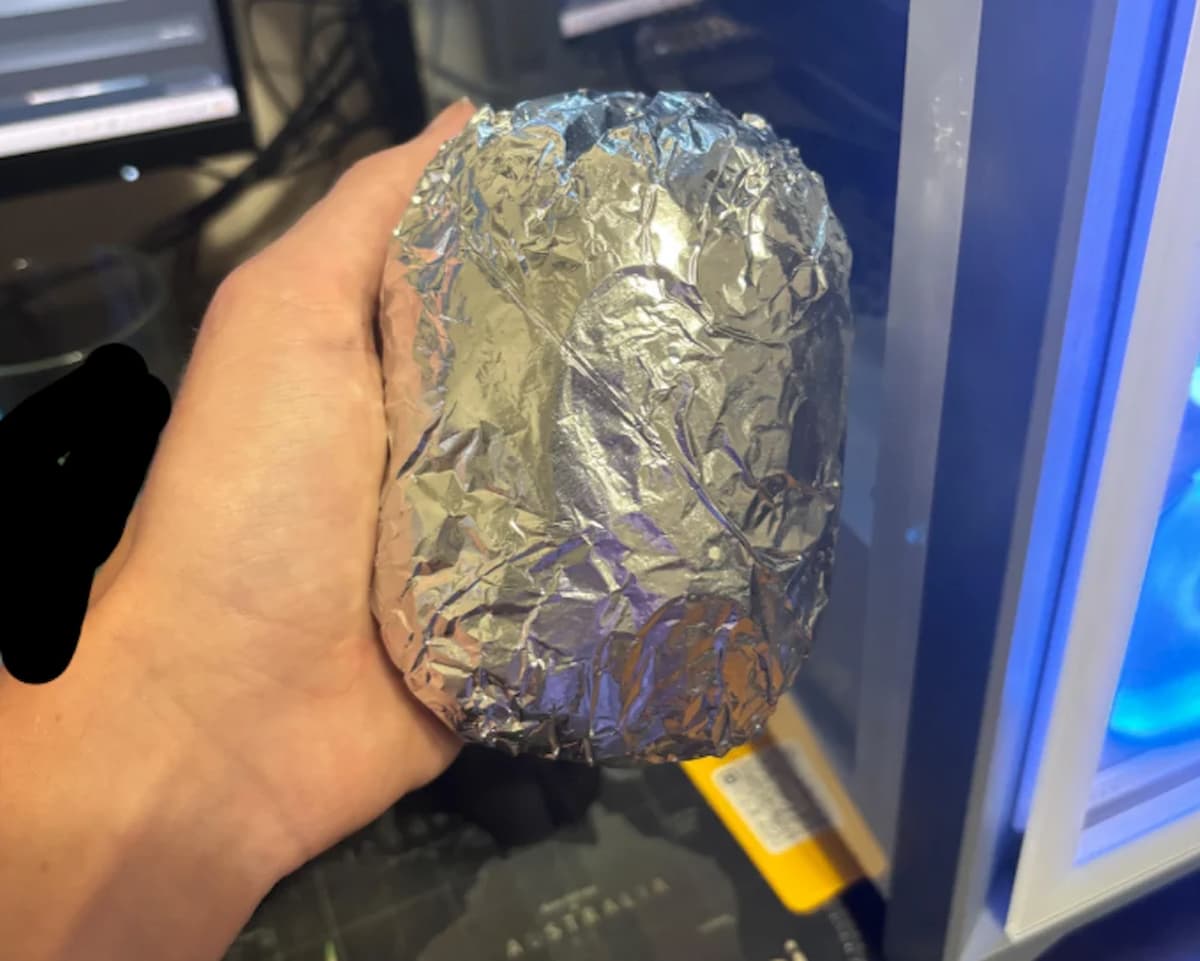
Instead of crumpling up foil and tossing it after cooking, some people wipe it clean and fold it up for future use. If it’s not too greasy or torn, they believe it still has plenty of life left. The same goes for plastic wrap and parchment paper in some households. Reusing kitchen supplies helps cut costs and reduces the guilt of using disposable products.
Saving Restaurant Utensils
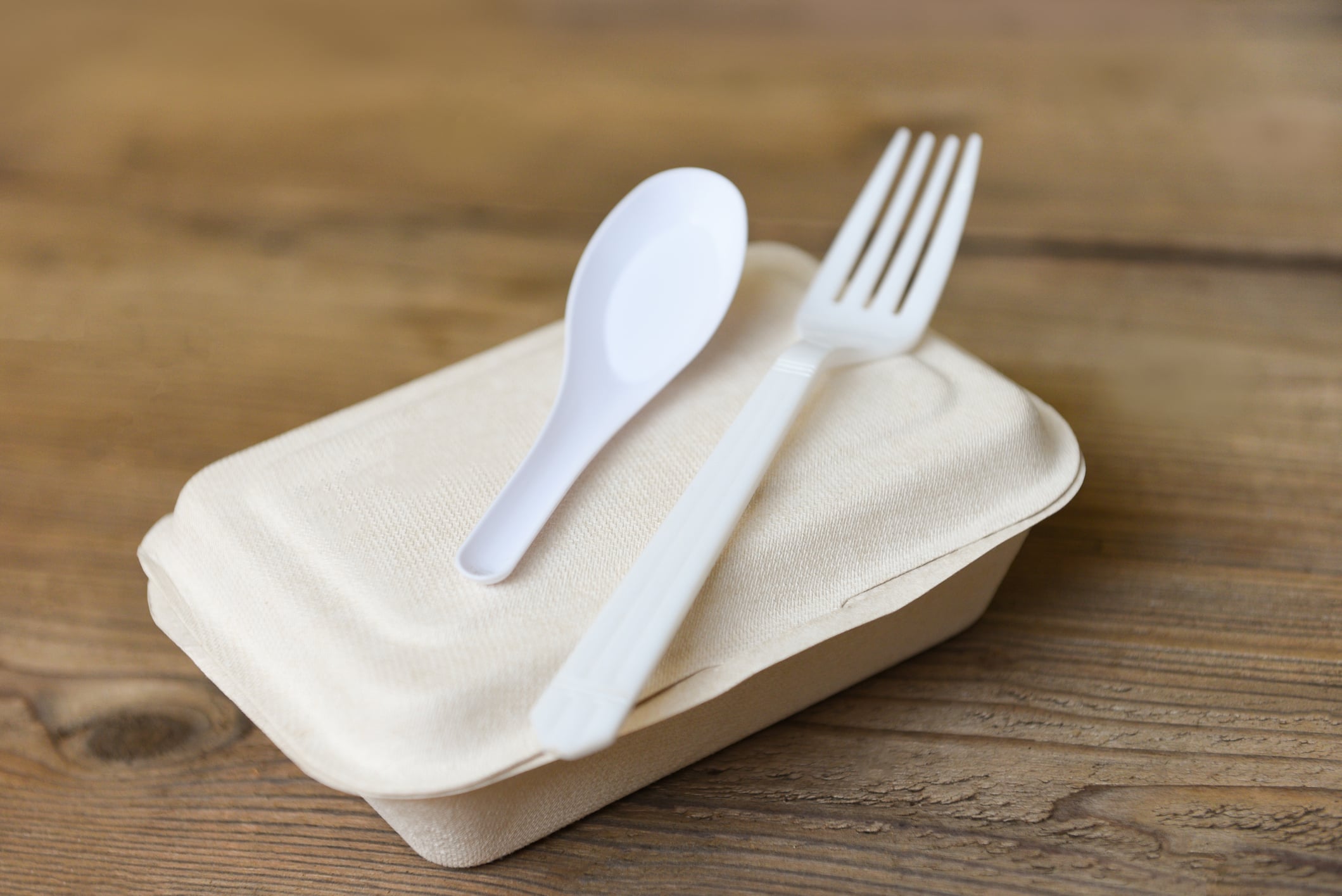
Plastic forks, knives, spoons, and chopsticks from takeout orders rarely go to waste in ultra-frugal homes. Many people save them in kitchen drawers for packed lunches, parties, road trips, or future takeout meals. Some avoid buying disposable utensils altogether because they’ve accumulated so many extras over time. It’s a simple habit rooted in the idea that useful items shouldn’t be discarded unnecessarily.
Turning Old Towels Into Cleaning Rags
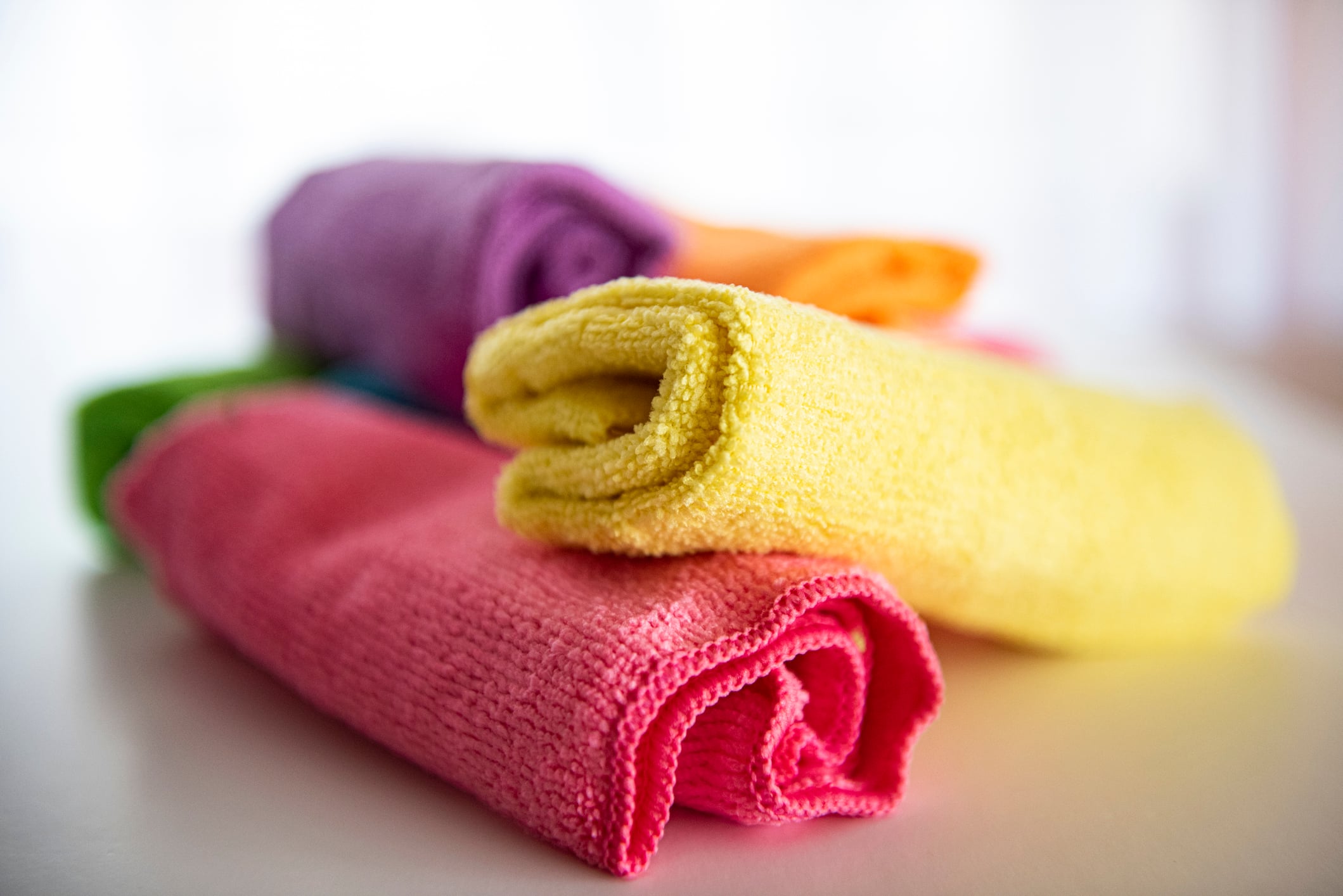
Rather than throwing out worn towels, stained T-shirts, or ripped sheets, waste-conscious people repurpose them into cleaning rags. They cut fabrics into smaller pieces and use them for dusting, spills, or messy chores around the house. It’s a practical way to avoid buying disposable wipes or paper towels. To dedicated savers, old fabric still has value long after its original purpose is gone.
Scraping Every Last Bit of Food From Containers
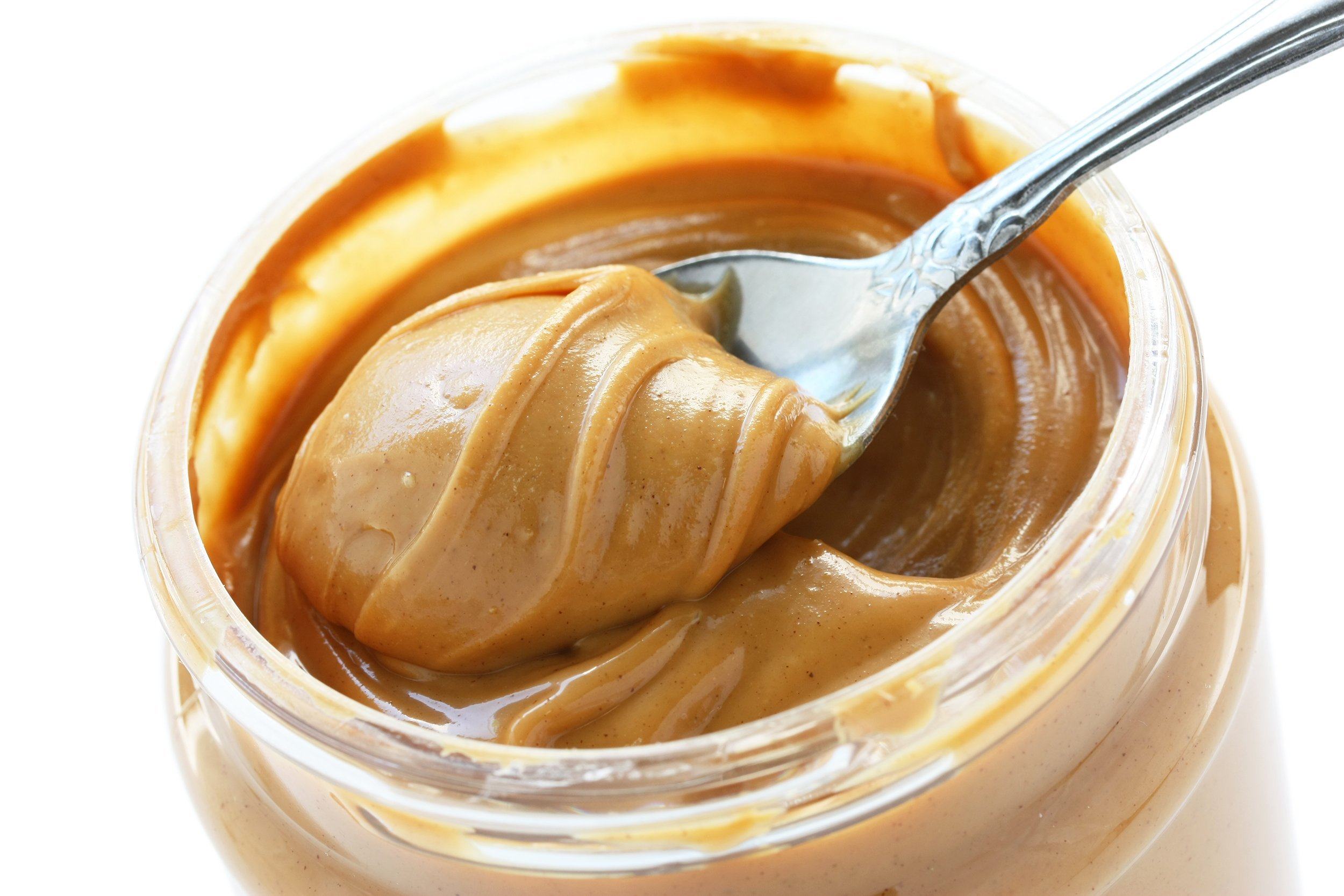
Whether it’s peanut butter, mayonnaise, jam, or yogurt, some people refuse to waste even a tiny amount left inside the container. They’ll scrape the sides thoroughly, add liquid to loosen leftovers, or use spatulas to get every final bite. While it may seem obsessive to some, these savers see it as respecting the money spent on groceries. To them, leaving usable food behind simply feels wasteful.
More From Cheapism

- These ‘Middle-Class Success’ Purchases Are Actually a Huge Burden — Big-ticket purchases like RVs, boats, oversized homes, and luxury memberships may look like signs you’ve made it, but they can quietly become financial traps.
- Viral TikTok Reveals How Pasta Water Is the Unsung Hero of Cheap Cooking — Before you dump that cloudy pasta water, see how this simple kitchen trick can turn budget meals into something rich, flavorful, and surprisingly impressive.
- 6 Signs Your Finances Are in Better Shape Than the Average American — You don’t have to feel rich to be ahead; these money milestones prove your finances may be stronger than you think.