

Many Americans live paycheck to paycheck, and credit card debt recently climbed to more than $1.25 trillion nationwide — another record high. Rising delinquency rates and mounting household debt show that plenty of people are still struggling financially. While money might not buy happiness, it definitely buys peace of mind. If you’re hitting certain financial milestones, you may be better than the average American financially, even if it doesn’t always feel that way.
Here are some signs your wallet is in better shape than most.
You Have More Than $8,000 in Savings

According to the Federal Reserve’s latest available data, the median American has about $8,000 in checking and savings accounts combined. More recent 2025 reports show many households are still struggling to build emergency savings amid rising costs. If you’ve got more stashed away, you’re ahead of the curve.
You Can Cover a $1,000 Emergency Without Sweat

Cars break down. Life throws curveballs with price tags attached. The real question is: How ready are you for a financial surprise? If a sudden expense doesn’t send you into a full-blown panic, you’re in good shape. A recent Bankrate survey found that only 41% of Americans could cover a $1,000 emergency expense using their savings.
Your Credit Card Debt Is Less than $6,000

If you’re keeping your balances low, paying off your card in full each month, or — better yet but unlikely — not carrying any credit card debt at all, you’re ahead of the game. Many Americans aren’t so lucky. According to TransUnion’s latest data, the average credit card balance per consumer was still hovering around $6,400 in 2025 — near record highs as Americans continue grappling with rising costs and interest rates.
You’re Investing for Retirement
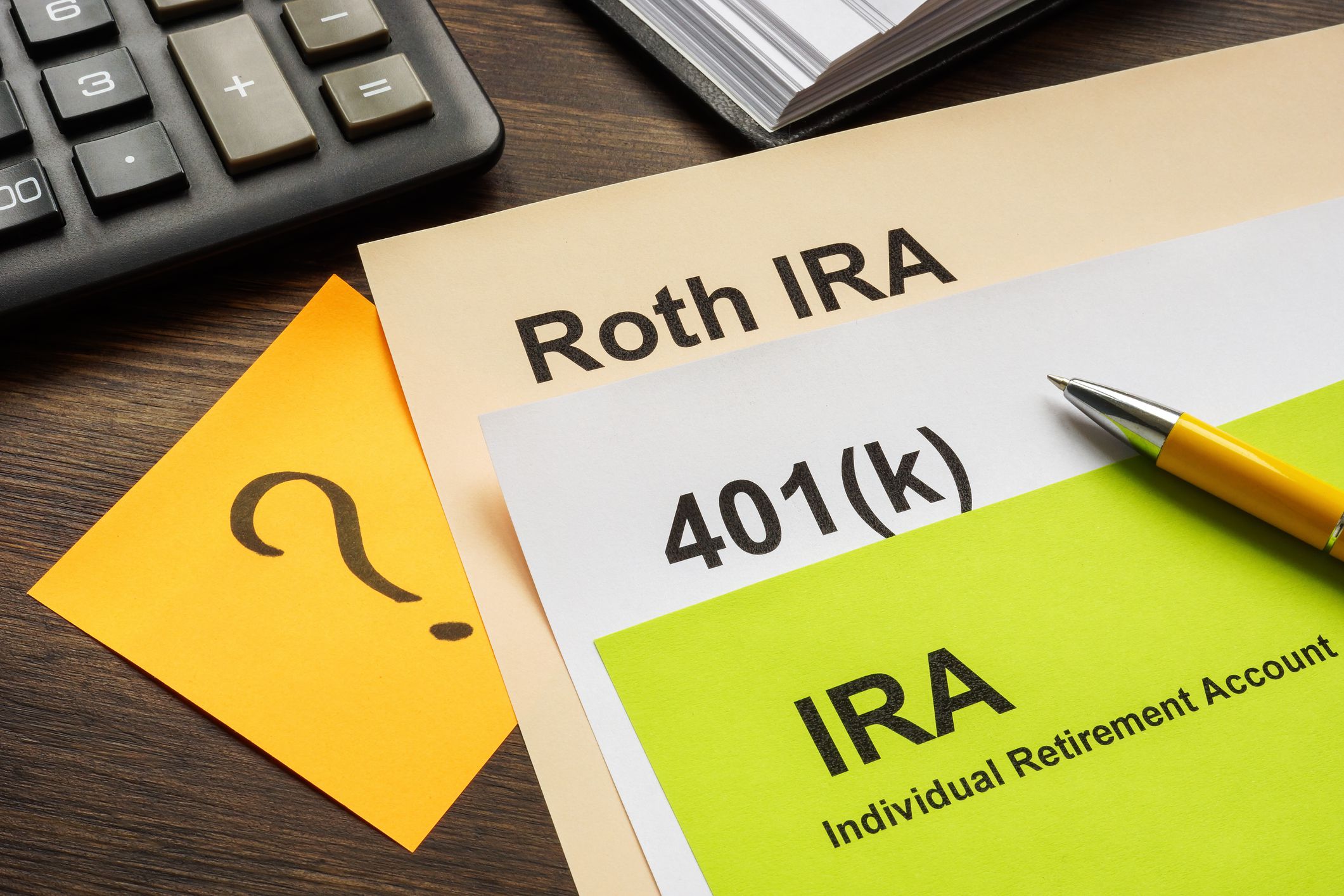
Future-you is in a better spot than most if you’re regularly contributing to a retirement account, According to the Transamerica Institute’s 2024 report, the estimated median retirement savings is just $64,000, yet Americans believe they need $1.46 million to retire comfortably.
You’re Not Living Paycheck to Paycheck
According to recent LendingClub and PYMNTS data, roughly 60% of Americans are still living paycheck to paycheck. That includes a surprising number of high earners — nearly half of people making over $100,000 a year say they’re still struggling to stay ahead of their bills between paydays.
Trending on Cheapism


Your Debt-to-Income Ratio Is Under 36%

Lenders use this metric to measure financial health, and a ratio under 36% is considered good. This means your total monthly debt payments (credit cards, loans, etc.) are less than 36% of your gross monthly income. If you’re within this range, you’re in good standing.
More From Cheapism

- These ‘Middle-Class Success’ Purchases Are Actually a Huge Burden — Big-ticket purchases like RVs, boats, oversized homes, and luxury memberships may look like signs you’ve made it, but they can quietly become financial traps.
- How to Score Deals at Going-Out-of-Business Sales — Store-closing sales can offer real bargains, but knowing when to shop, what to skip, and how to spot fake markdowns can save you from wasting money.
- 5 Small Debts That Can Hurt Your Credit Score — Even tiny unpaid balances or forgotten bills can damage your credit score more than you might expect.