

Rising prices have made it harder for many Americans to maintain the same lifestyle they enjoyed just a few years ago. As a result, more men are rethinking how they spend their money, from cutting back on discretionary purchases and travel to embracing simpler habits that help stretch every dollar. Drawing on consumer trends from NielsenIQ, YouGov, and other market research, here are some of the money-saving changes men are making in 2026 to keep their budgets under control.
Tracking Everyday Spending More Closely

Men are paying close attention to every expense they incur, unlike a few years ago, when they might have checked their bank balances and monthly expenses occasionally. Rising prices, fears of potential job loss, and other economic pressures have fostered this habit. Men are now more mindful of how often they dine out and of small purchases that end up adding up to a substantial amount by the end of the year. A category where more than half of men would like to spend money, according to NielsenlQ is on better nutrition, self-care, physical and mental health, indicating spending more than $100.
Cutting Back on Restaurants Meals

Due to the high cost of dining out, eating away from home has become a deliberate choice rather than a casual occurrence during the workweek. Many men now bring prepared meals from home to work to avoid spending money on restaurant food during breaks, reserving restaurant visits for special social occasions. To a lesser extent, those who need to eat out to break up their routine will do so at a less upscale restaurant than in years past. NielsenlQ expresses that understanding consumer behavior aids in developing customer loyalty programs that effectively retain customers.
Reducing Food-Delivery Orders

Rising costs for food delivery, driven by new fees, inflated menu prices, service charges, and tips, have led many men to cut back on how often they order in. They weigh the cost against the convenience of saving the time and money required to cook, but the latter option is becoming increasingly less compelling. When cutting back on how often they order in, that’s one of the money saving habits. NielsenlQ commented that around 40% of consumers across 19 surveyed countries plan to buy more superfoods, high-protein plant-based foods, or probiotic foods.
Choosing Store Brands More Often

The sense of security that comes from buying a familiar brand at the grocery store competes with the price you pay, especially knowing that cheaper store brands are available. People often compare ingredients to determine whether a store brand is worth the cost. This applies not only to food but also to supplements, clothing, electrical accessories, and household supplies, among other things. Comparing brands has become one of their money saving habits. NielsenlQ stated that 25% of the consumers surveyed in 19 countries lack trust that wellness products will be effective in stopping them from making healthier life choices.
Trying Low-Buy or No-Buy Periods

Some men have devised rules to avoid spending in certain areas, such as clothing or technology, for a set number of months, being this one of the money saving habits. It is a way to cut out non-essential expenses. Alternatively, some of them are buying clothes at better prices, waiting for sales or focusing on specific categories from month to month. NielsenlQ mentions that to capture shifting consumer preference, manufacturers must connect with today’s holistically minded and better-informed consumers.
Trending on Cheapism


Buying More Items Secondhand
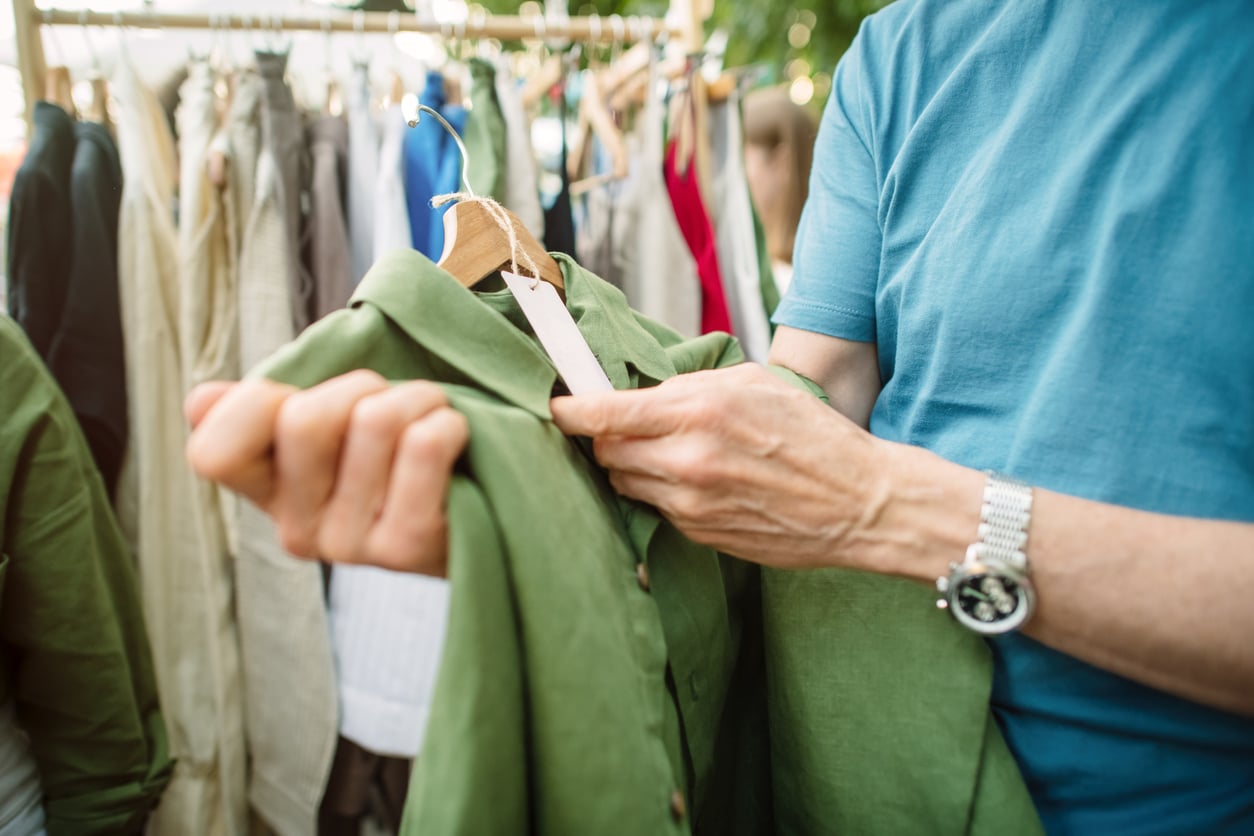
A few years ago, buying used clothing, furniture, sporting goods, and electronics was a last resort for many people, but now it has become a top choice. Men interested in a particular hobby often look for the necessary gear on resale platforms to avoid paying full retail prices. This is one of the most effective money saving habits. YouGov mentions that as the impact of inflation continues, consumers are looking more towards second-hand purchases to cut back on expenses.
Selling Unused Possessions Before Buying More

Raising the money needed to buy a new item by selling possessions you no longer use is a strategy many men employ during times of economic hardship. In this way, you can cover a portion of the purchase price of the new acquisition. Raising money by selling unused possessions is one of these money saving habits.
Buying Clothing Less Frequently
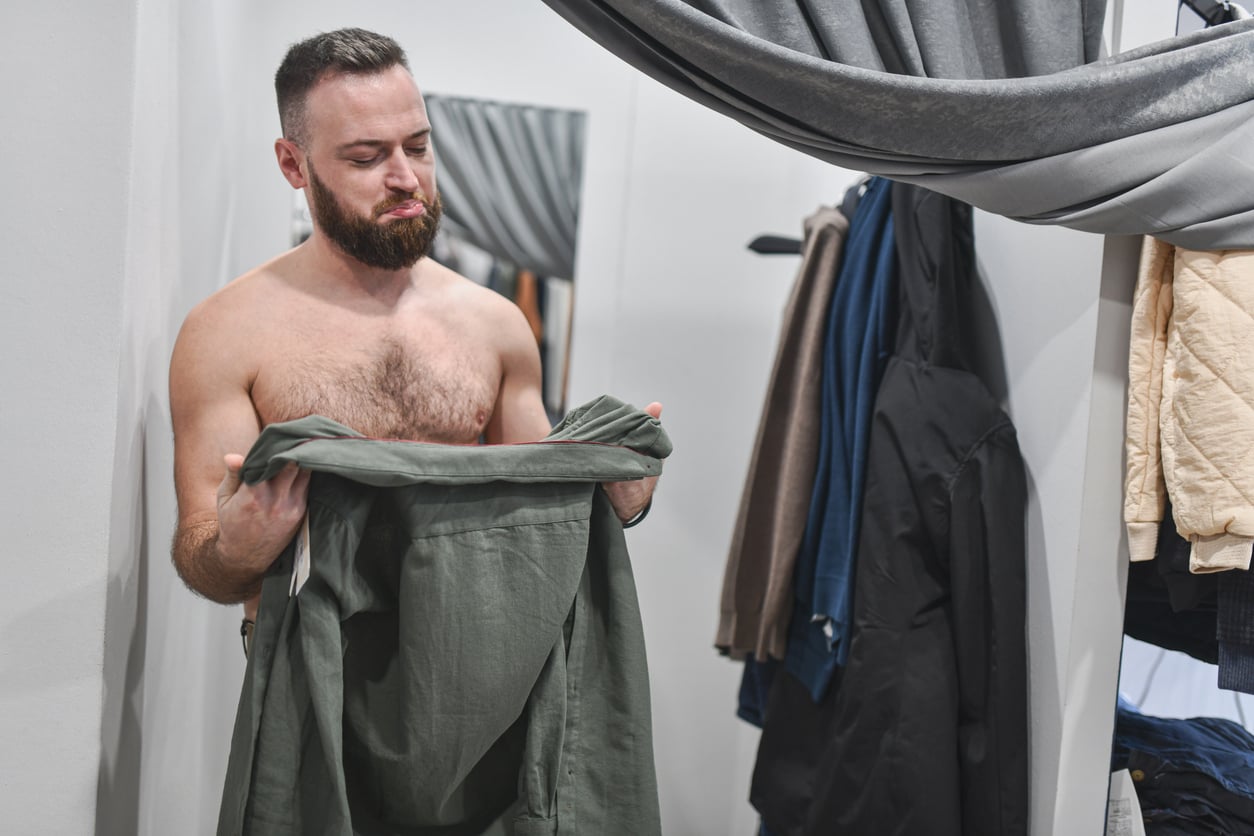
To cut costs, many men have decided not to buy new clothes until their current ones are too worn out to be usable which is one of these money saving habits. They are focusing their spending on natural colors, basic T-shirts that offer versatility across different looks, and sneakers built for durability rather than flashy style. YouGov presented a graphic where the low price while buying clothes is the second most important factor before buying clothes, being the first being comfort.
Sign up for our newsletter
Spending More on Grooming

In recent years, men have become increasingly attentive to body care, leading them to purchase more skincare creams, beard care products, scalp treatments, and specialized hair products. Consequently, when shopping at grocery stores, they look for multifunctional products to add to their routine, that has become one of their money saving habits. YouGov stated that men’s grooming highlights rising skincare interest and changing body hair standards.
Treating Fragrance as an Affordable Luxury
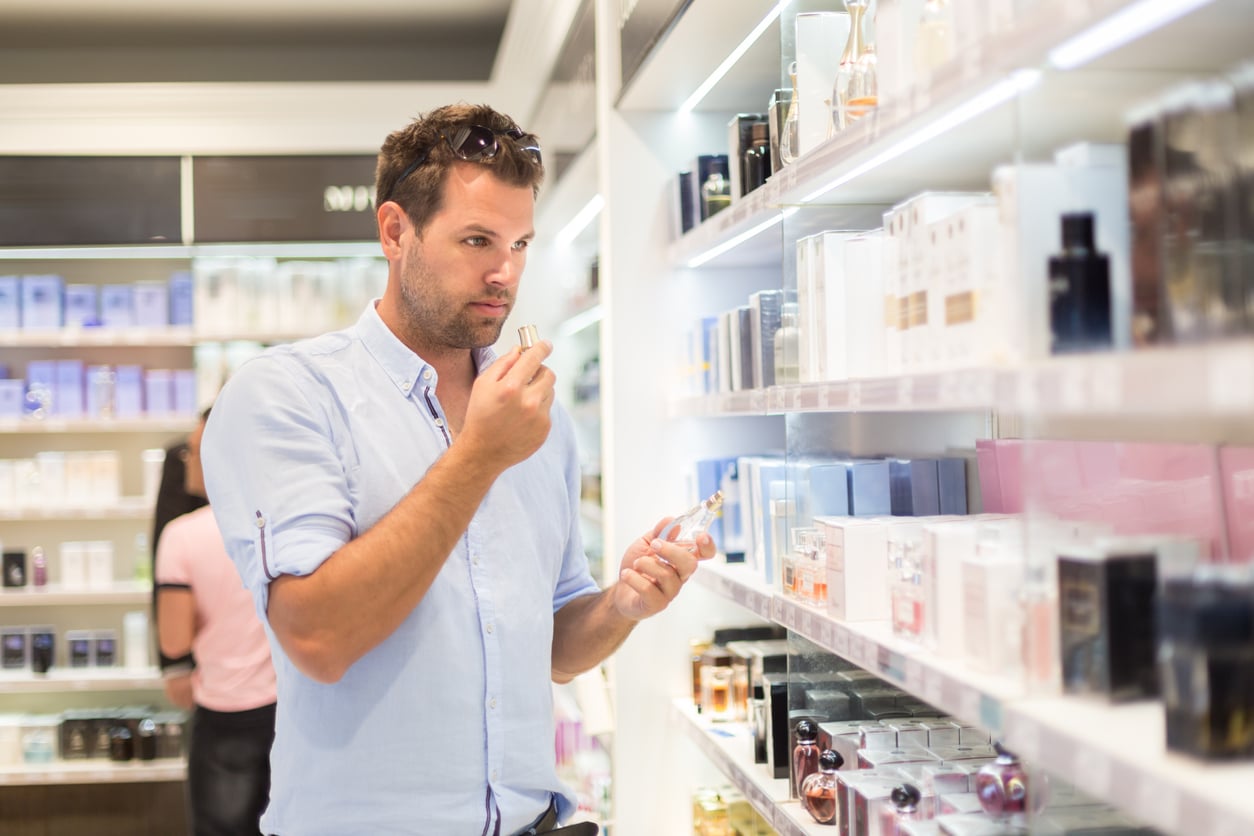
Men often buy expensive clothing or flashy watches to treat themselves, but since such items have become very costly in recent years, many are turning to fragrances. Buying these perfumes is an affordable way to define one’s style, and in some cases, smaller bottles cost well under $50. YouGov stated that 62% of Americans rank price factor among their top two priorities before buying the fragrance.
Redirecting Money Toward Fitness and Wellness

Social behavior has shifted toward healthier habits compared to decades past. Cigarettes and alcohol are no longer the trend, even though many men still enjoy them. Instead, being fit, eating healthily, and going to the gym are now in vogue. Consequently, money that might once have been spent on unhealthy choices is now being better directed. Health-focused spending is replacing older habits as part of modern money saving habits. NielsenlQ stated that more than half of consumers place more importance on healthy body weight, shape, and muscle tone now than they did five years ago.
Spending Less on Routine Drinking

Some young men are cutting back on frequent nights out at bars. Less alcohol is being consumed than before, and gatherings at home have become more common because they cost less money. Many men choose to buy fewer drinks, but of higher quality, rather than drinking all night long. Cutting back on nights out is one of the money saving habits many young men have adopted. According to YouGov, 36% of American adults who drink alcohol are consuming less than they did 12 months prior.
Putting More Money Into Sports Betting
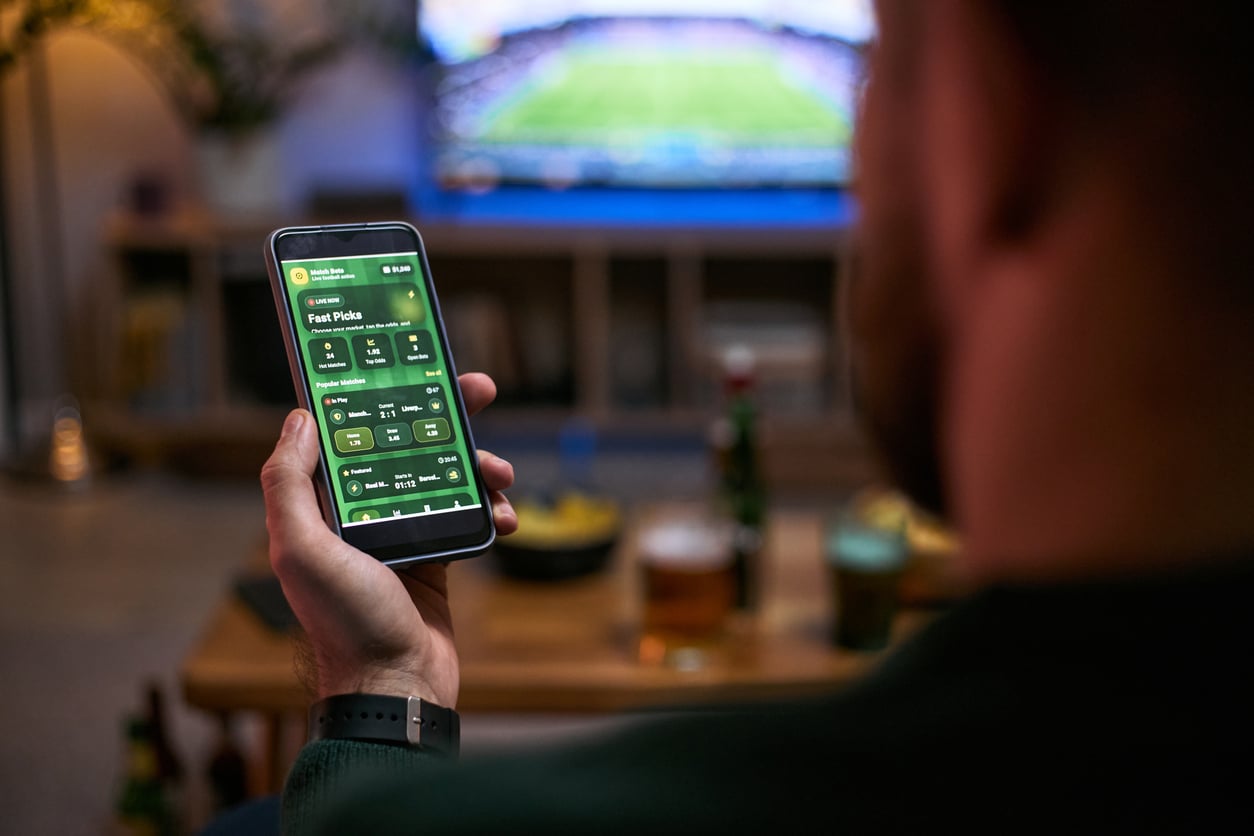
Online betting has become a recurring expense for many men. The convenience offered by the internet and virtual wallets, along with the ability to place sports bets just a few clicks away, facilitates this habit. The problem is that betting can turn into an addiction, some people wager money they cannot afford to lose or try to recoup their losses by betting more. Avoiding excessive online betting is becoming one of the most important money saving habits. YouGov mentions that baseball bettors show the highest monthly stakes, 35% wager over $100 monthly.
Using Artificial Intelligence Before Buying

Artificial intelligence currently helps compare products, summarize reviews, and evaluate specifications, allowing men to determine whether a particular item is truly worth buying. Men can also use it to search for products they might not be aware of, but which may exist, that better suit their needs. Using AI to compare products is one of today’s money saving habits. NielsenlQ mentioned that 57% of consumers say they would use an app or screening device that ensures the products they purchase align with their personal health priorities.
Chasing Rewards Instead of Remaining Loyal

Offers have become increasingly influential when men make decisions regarding restaurants, retailers, travel providers, and credit cards. Men consider factors such as cashback, fuel points, free shipping, or app-based discounts, which in turn shape their purchasing choices. Looking for cash back and discounts has become one of the most popular money saving habits. NielsenlQ remarked that retailers must address consumers’ ongoing concerns about the cost and availability of healthier options.
Rotating Streaming Subscriptions

Instead of paying for each streaming service individually, an increasing number of men are choosing to pay for a specific online platform because they want to watch a particular series. Once they finish watching that production, they cancel the service and sign up for a different streaming platform. These packages also include, and are evaluated based on, features such as sporting events, live television, and video game subscriptions. YouGov commented that as a method to save some money, one in five consumers is currently not subscribed to any online services.
Keeping Cars Longer

Another habit that is changing is that, due to the high costs of car ownership, including steep prices for new vehicles, rising insurance premiums, repairs, and registration fees, people are deciding to keep their current cars for as long as possible. When comparing the annual repair costs of an older vehicle with the monthly payments for a new one, the latter proves to be higher, leading to money saving habits. According to NielsenlQ, this kind of behavior of expensive buying occurs when consumers perceive significant differences among brands.
Repairing Before Replacing
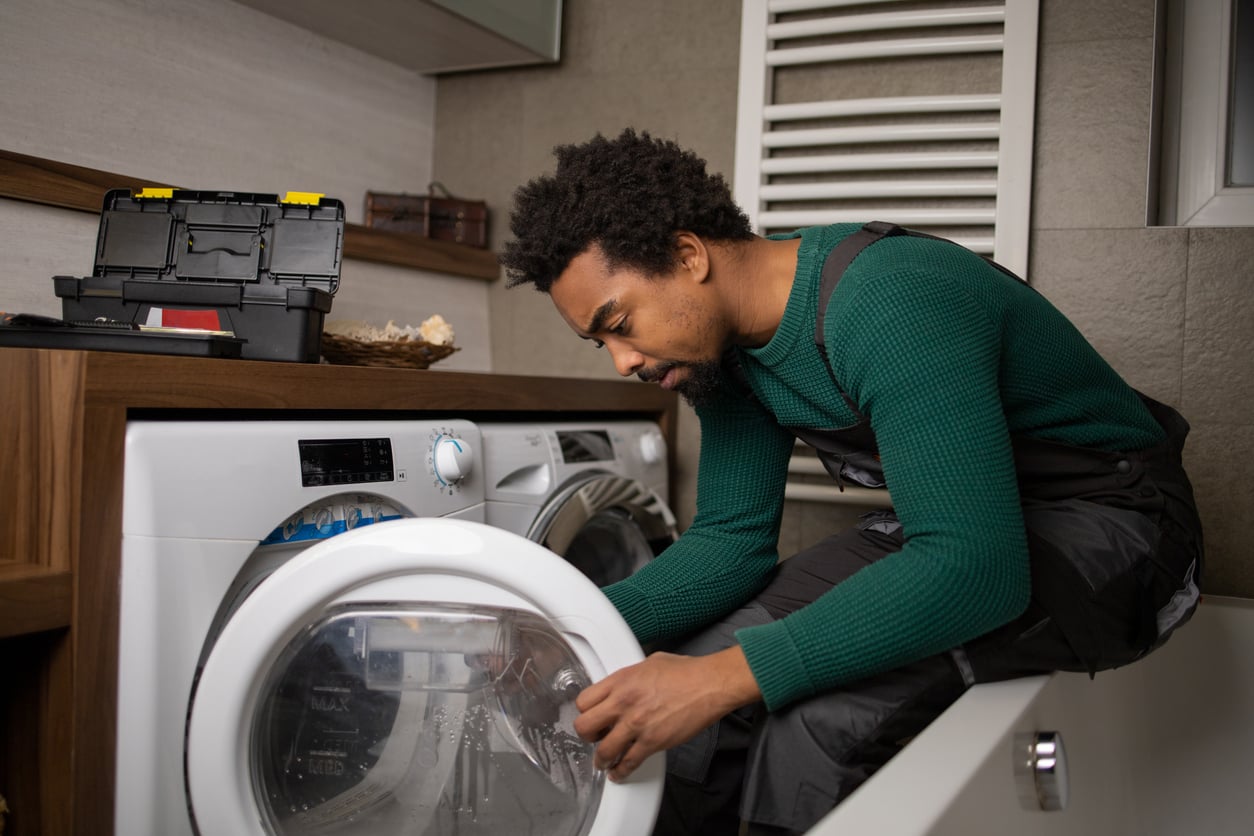
A few years ago, when a small household appliance started to malfunction or needed repair, few men considered fixing it. Instead, they would simply buy a new one. These habits have shifted: now, men often choose to put off repairs if the appliance is still functional, or when the time comes, they opt to pay for the repair rather than purchase a new unit. This is one of the money saving habits many men now follow. YouGov commented that 56% of men aged between 25 to 35 years old preferred repairing an appliance to buying a new one.
Spending on Experience More Selectively

Almost everyone enjoys traveling, going to concerts, attending sporting events, and taking weekend getaways. However, when money is tight, you have to choose where to spend it and prioritize certain experiences over others. Men tend to be more deliberate in their decision-making, rarely acting on impulse, and focus on future bookings, better prices, and cheaper dates which is one of the money saving habits. YouGov remarked that 34% of Americans say they take leisure trips twice or more each year.
Automating Saving and Debt Payments

In an effort to save money rather than spending it on unnecessary items, men are paying closer attention to automatic monthly payments, looking to cancel some and redirect those funds into investment accounts or savings accounts which has become one of the most effective money saving habits. Their goal is to save money at the end of the month, accumulating a specific amount that, combined with savings from other months, will prove useful down the line. YouGov explains that 52% of Millennials expressed their concern about not being able to save money for future emergencies.
Conclusion

The clearest trend is that men are becoming more selective about where they direct their spending, whether on clothing, regular dining, streaming platforms, vehicle upgrades, or anything else. These money saving habits help men prioritize value for money, durability, intended use, and convenience. These shifts are emerging after months of experience, driven by the goal of improving their financial standing and avoiding future financial trouble.