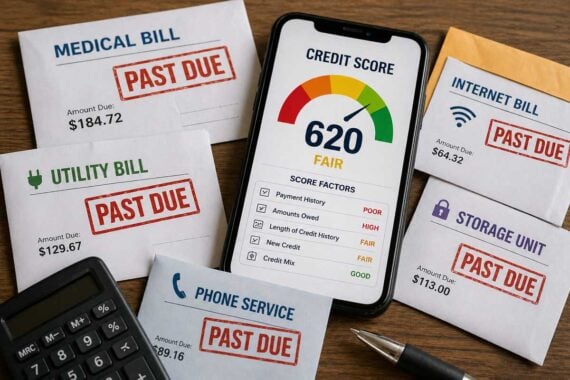
No matter the reason, overdue payments on an outstanding bill or loan can damage your credit score. If even a $10 balance is one day late, it could send your score plummeting more than 100 points, credit experts warn.
The impact is even larger if you have a record of frequent late payments or lengthy periods before an overdue payment is made. The cost to you: It’s harder and more expensive to get loans or new lines of credit.
Beware these five small debts that hurt your credit score, and pay attention to eight tips that can help keep your score in the green zone.
Debt: Medical Bills
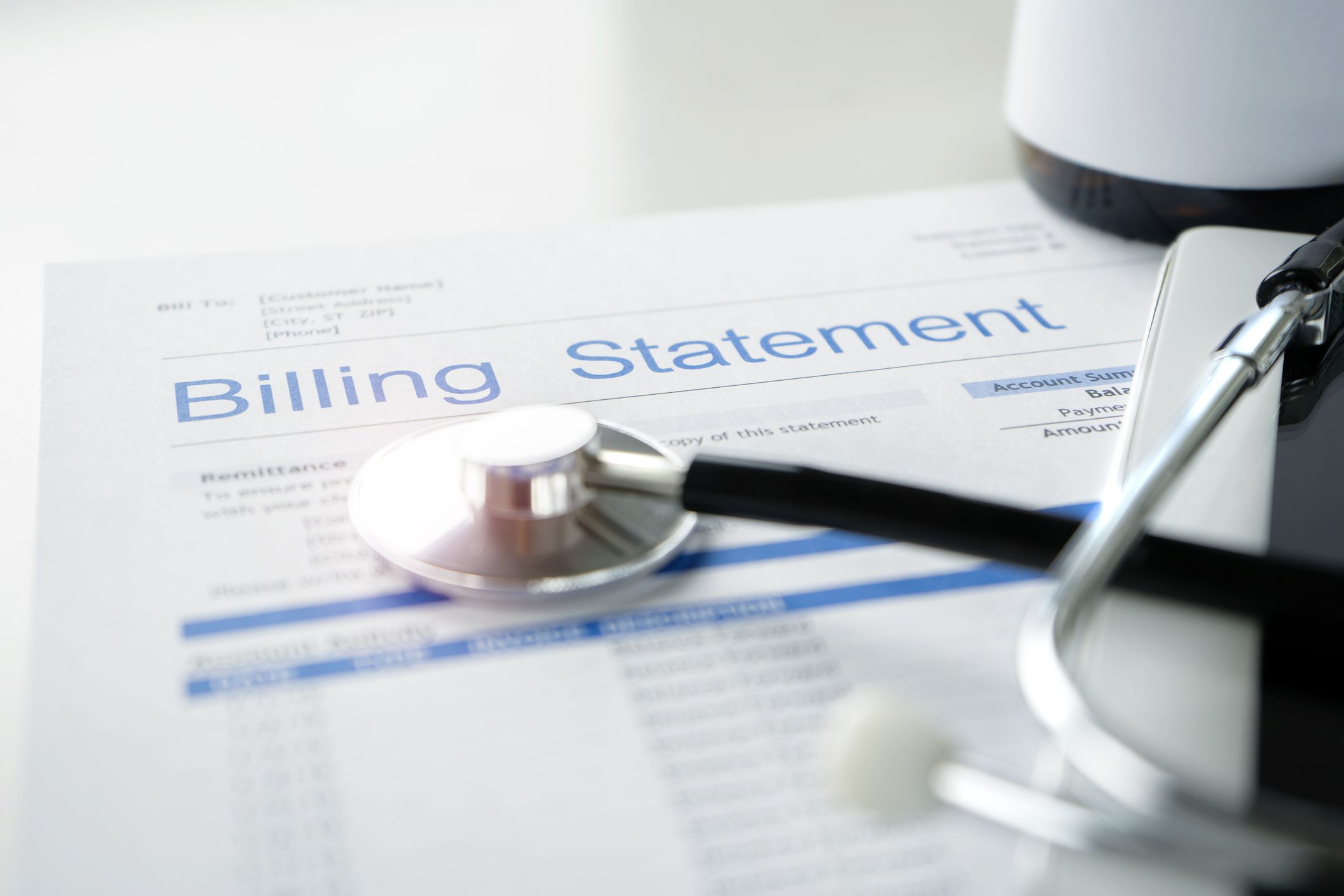
There’s some good news when it comes to medical bills and your credit. The major credit-reporting bureaus (Equifax, TransUnion, and Experian) removed 70% of medical debt information out of consumers’ credit reports in 2023. This means that they are no longer showing medical debt as long as it has been paid. They have also increased how long it takes for that debt to show up on a consumer’s report by a year and removed any medical-collection debt under $500.
The latest scoring methodology, which spits out a number that many lenders use when determining how much to lend and at what rate, also considers medical debt less detrimental than other types of debt. The Consumer Financial Protection Bureau finalized a rule to ban the inclusion of medical debt on credit reports earlier this year.
All that said, don’t consider this a free pass to let medical debt slide. You may not remember the appointment or the argument that delayed payment, but medical bills can be marked as past due, sent to collection agencies, and reported after 180 days.
Call the doctor’s billing department and explain the situation to get more time to sort things out. If you know you owe money but can’t afford it all at once, ask about payment plans.
Debt: Gas and Electric Bills
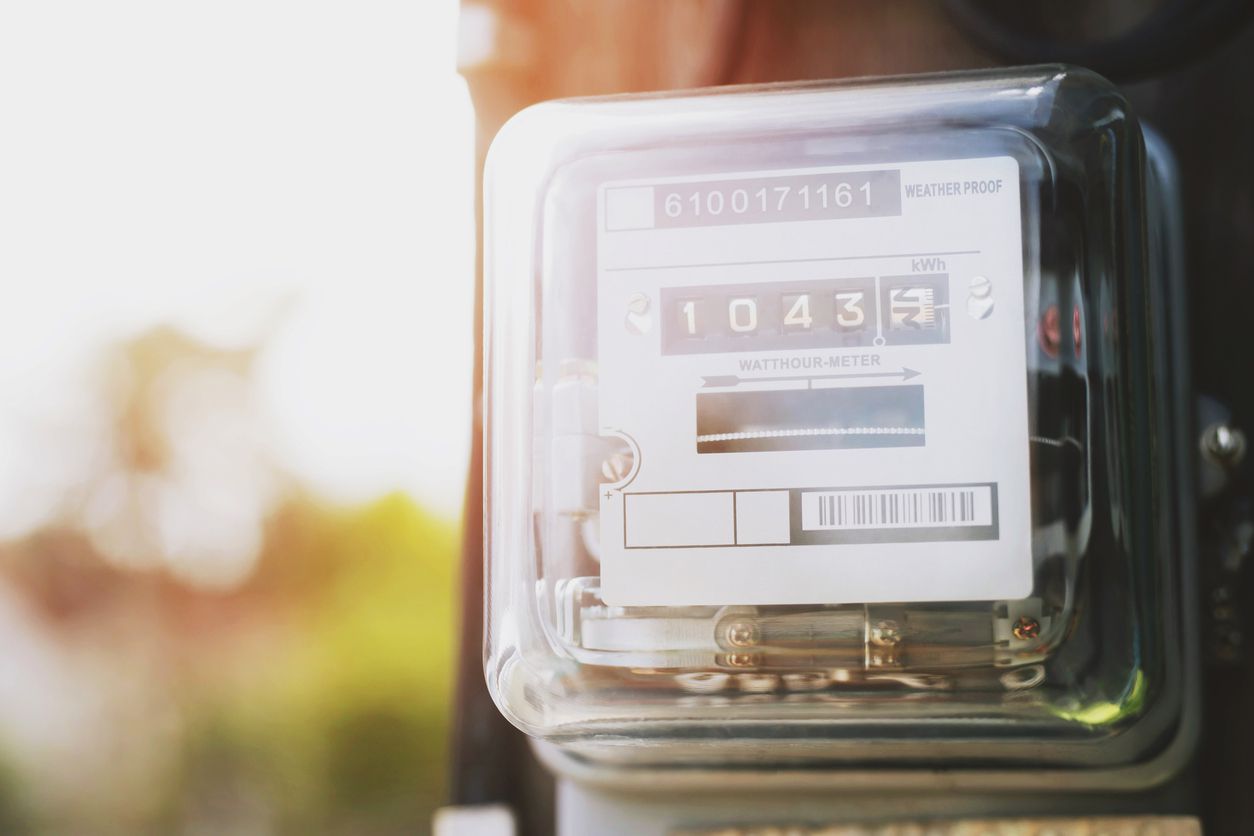
When moving on from a particular address, make sure that your gas and electric utility bills are paid up. Although service providers should be able to contact you if you updated your address with the post office and keep the same phone number, don’t risk missing payments.
Debt: Mobile Phone Service

It’s terrible to be cut off by a stiffed provider from the services on your phone – with its maps, ability to organize your life and stay in touch with people, and summon cars and food – but your credit score will also take a hit from outstanding phone bills.
If you settle a debt for less than the amount owed, that’s generally better for your scores than not settling at all, but it may still be worse than paying in full. In either case, when an account goes to collections or gets charged off, most of the damage has been done.
Debt: Storage Units

As of 2026, the self-storage industry generates more than $50 billion a year in the U.S., according to recent industry data. But what happens when you stop paying for the unit holding all those things you don’t have space for—but can’t quite let go of?
Eventually, the facility can place a lien on your unit and auction off its contents. If the sale doesn’t cover what you owe, you’re still responsible for the remaining balance.
In other words, falling behind can cost you both your belongings and more money—so it’s worth staying current or working out a payment plan if you’re struggling.
Debt: Cable and Internet

As with gas and electric utility bills, paying what you owe cable and internet providers matters when it comes to credit scores. Still, many people don’t think about them when it comes to managing credit.
Trending on Cheapism

Tip: Wrong Address
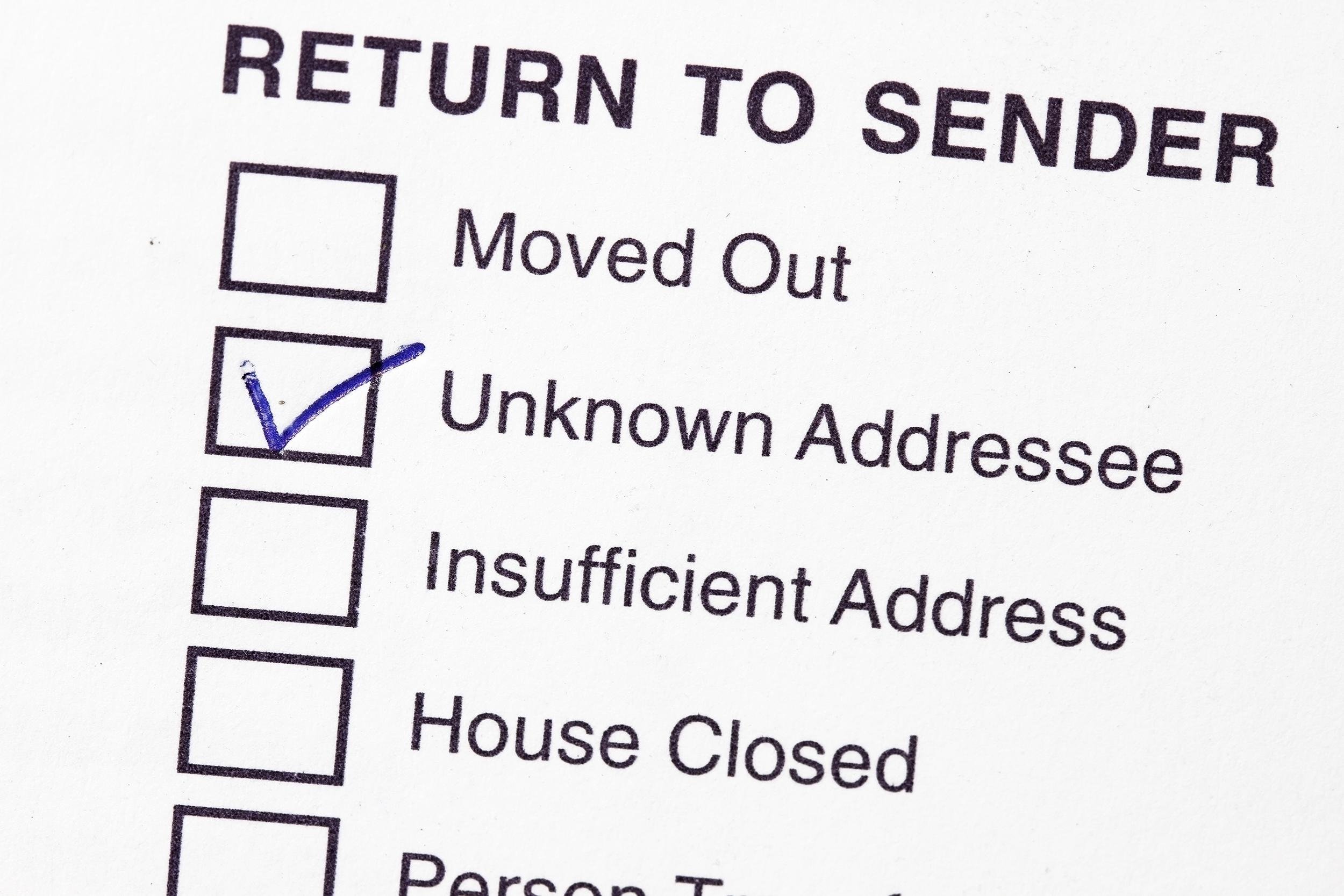
You may never see a bill that’s sent to an incorrect address. That’s an unfortunate circumstance, for sure, but you’re responsible for it nonetheless.
Remember to update the address on your driver’s license whenever you move and double-check all information, including spelling, when applying for a new credit card, receiving services at an office, and arranging for any transaction that results in an invoice.
Tip: Bounced Checks
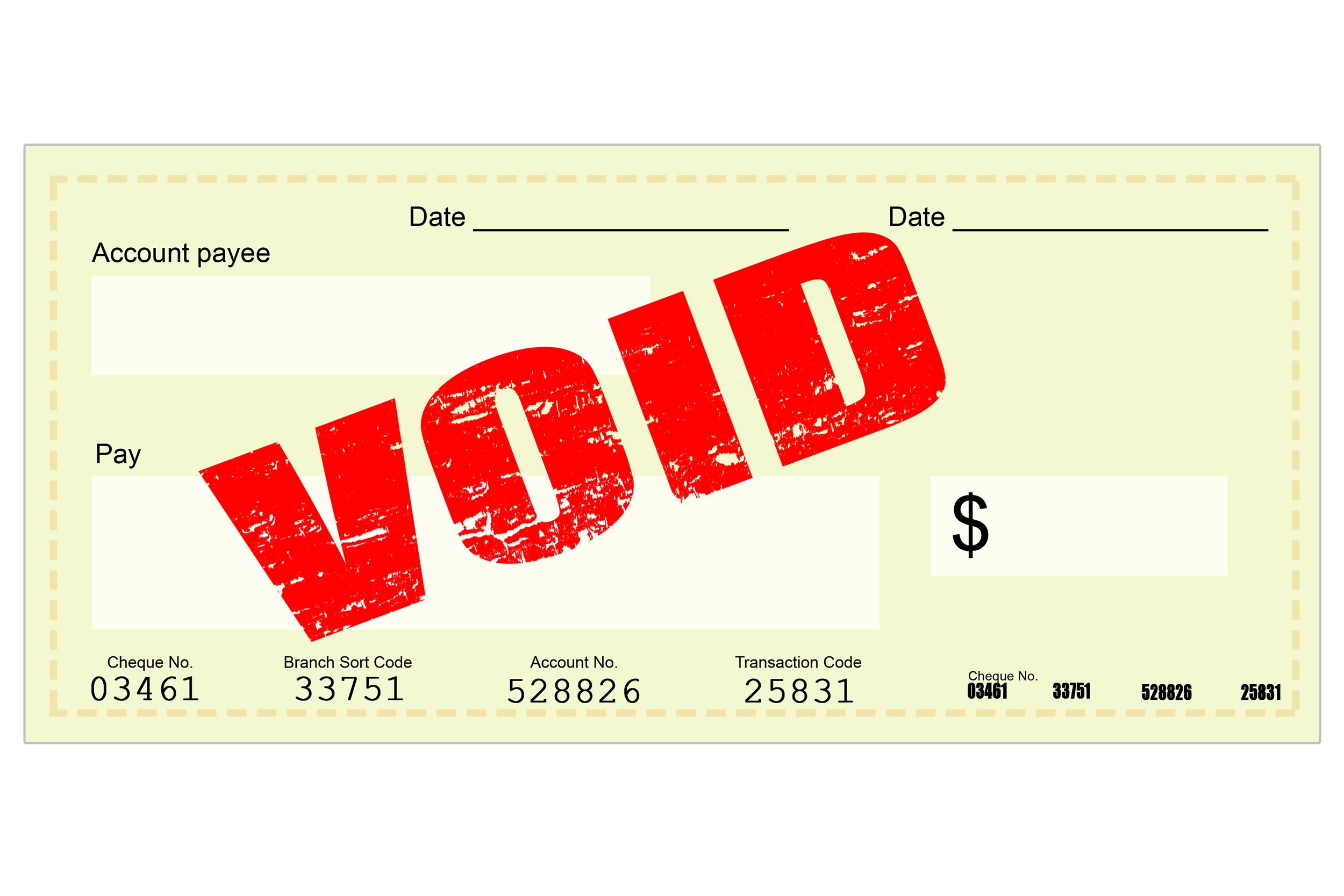
A bounced check doesn’t necessarily lower your credit score, regardless of the amount, but it can dent your credit profile. This is because bounced checks are reported to the Chex Systems database rather than credit reporting bureaus. Lenders can look up your Chex Systems profile when you apply for a loan or open an account.
Tip: 30 Days or Less
Some lenders wait a while before reporting late payments to the credit bureaus, but they’re under no obligation to do so. Generally speaking, lenders for revolving accounts (credit cards) may give up to 30 days to make good, while lenders for non-revolving accounts (student or car loans) report sooner. Don’t take any reputed waiting period for granted; even one day after missing a payment is a risk.
Sign up for our newsletter
Tip: Size Matters, Sort Of
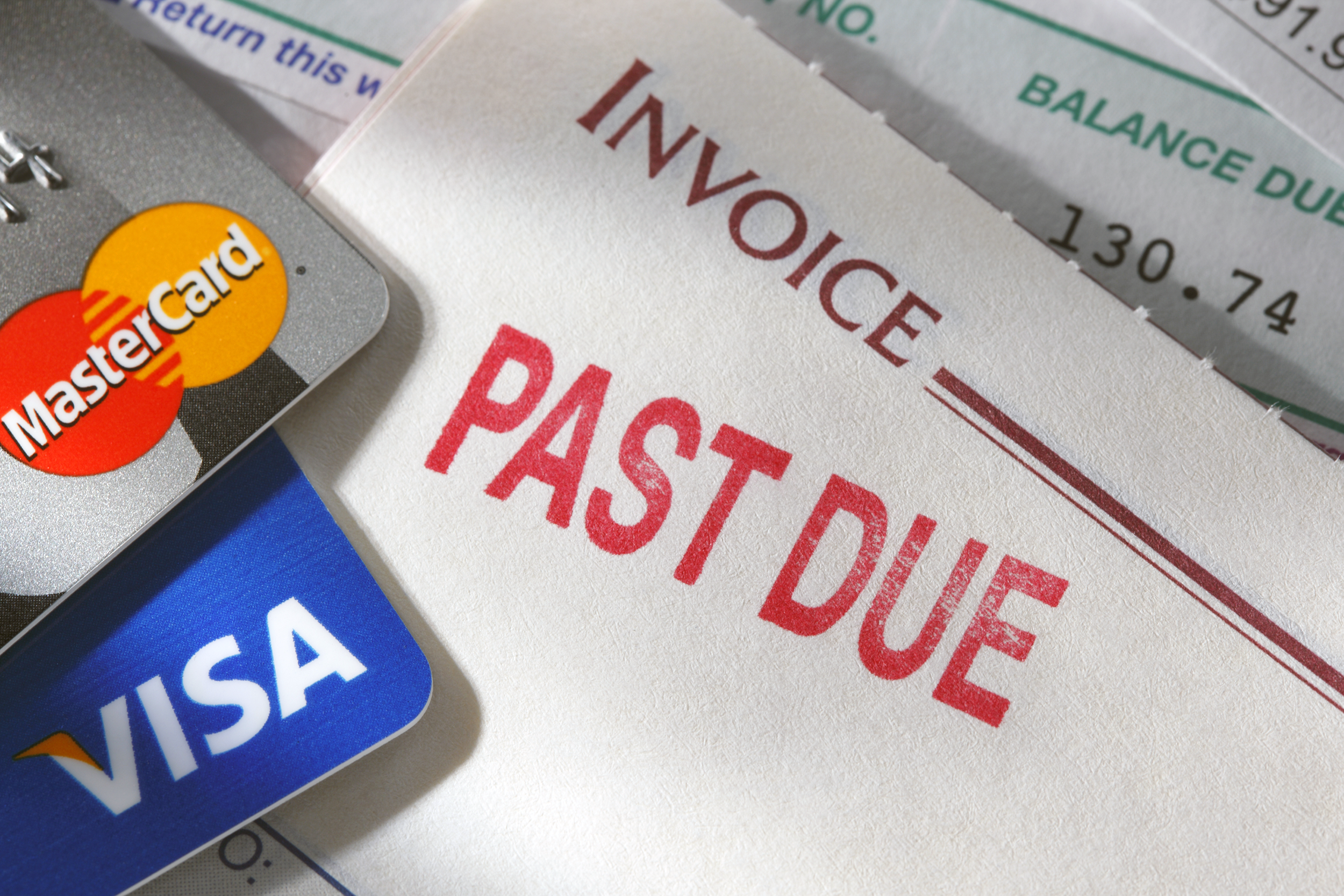
There is no free pass for late payments, even on small debts. The 99 cents outstanding on the credit card buried in a drawer can look just as bad as any other overdue payment. The latest FICO scoring systems and the competing VantageScore ignore “nuisance” collections worth less than $100.
If you do the same, however, fines and interest will increase and the amount due keeps growing. Not all lenders use the latest scores, though, and lenders who pull up your credit report will still see the missed payments even if they don’t affect your score.
Tip: Check Your File

You may request a free credit report from each of the three credit bureaus once a year. If you spread out the requests, you’ll get a report every four months. The request can be posted at AnnualCreditReport.com (not to be confused with other websites bearing similar names).
When you get the report, look for accounts with a balance that you don’t recognize or for any unexpected red marks in your payment history. CreditCards.com provides a sample credit report with explanations for each section. Incorrect information must be removed or changed within 30 days of the initial request.
Tip: Pay Old Debts
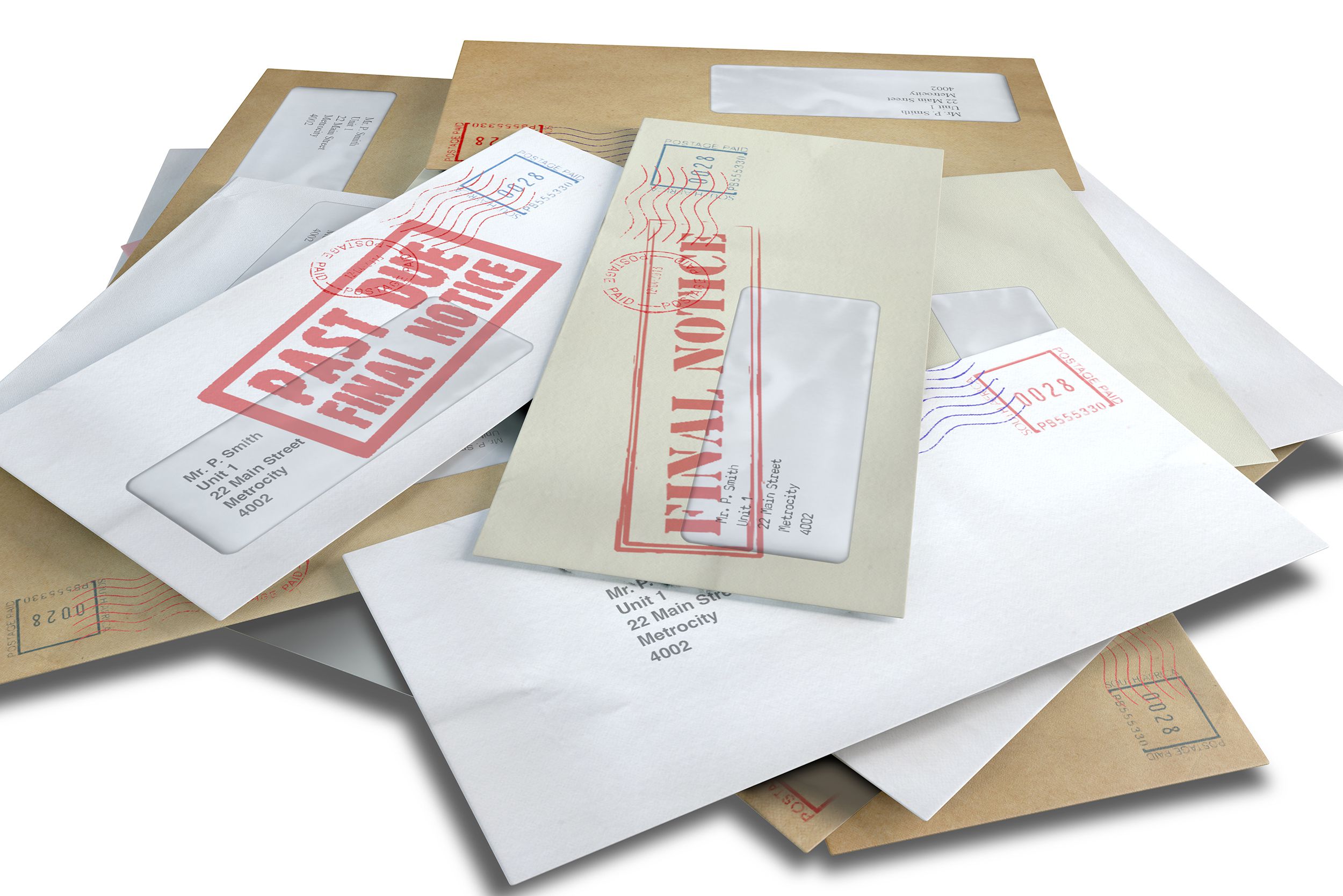
Only the latest credit score calculations by FICO and VantageScore ignore old collections accounts once they’ve been paid in full. Not all lenders use the latest scoring systems, so your payment arrears may still have some effect. As the newest scoring systems become more widely accepted, it’s all the more important to pay off old debts.
Tip: Look for Odd Activity

Don’t bother subscribing to a fee-based service that checks and monitors credit. There are many tools that let you check your credit score for free, including credit card issuers such as Discover and Barclaycard and free online apps such as Credit Karma and Credit Sesame.
Use these tools to keep an eye on your credit score and any unusual activity. Some will even send alerts when bills are due or a new credit line has been taken out in your name.
Tip: Take Action

Some debts originate from places that don’t actually loan money, such as hospitals, and unpaid bills are passed on to collection agencies. After trying to collect the money, the agencies often report the missed payments to the credit bureaus, often after 90 to 180 days.
If you believe you’ve been contacted in error about an outstanding bill, dispute the debt within 30 days. The Consumer Finance Protection Bureau provides a sample letter to use as a template.
More From Cheapism
- 50 Ways to Prepare for a Recession, According to Financial Experts — From building an emergency fund to cutting back on everyday spending, these practical tips can help you stay financially stable no matter what the economy throws your way.
- 12 Mistakes to Avoid When Creating a Household Budget — Even small missteps—like ignoring irregular expenses or underestimating everyday purchases—can quietly wreck your finances if you’re not paying attention.
- These 19 Real Medical Bill Horror Stories Show Just How Ridiculous U.S. Health Care Can Get — From surprise charges to sky-high bills, these real-life stories highlight just how quickly medical costs can spiral out of control.