Women are changing their spending behaviors in 2026 by becoming more selective about where their money goes. Rather than cutting every expense equally, many are reducing nonessential purchases while prioritizing savings, debt repayment, health, and meaningful experiences. Fidelity found that 42 percent of women had cut spending on nonessential activities, showing how financial uncertainty is encouraging more deliberate choices.
Giving Every Dollar a Purpose

Loose estimates are giving way to clearer spending limits for groceries, utilities, savings, debt, and entertainment. Some women prefer a spreadsheet or notebook, while others rely on banking alerts and budgeting apps. The method matters less than seeing where the money actually goes. A realistic budget also leaves room for irregular expenses such as insurance, gifts, home repairs, and medical bills. Without those categories, an apparently balanced monthly plan can fall apart when an entirely predictable annual bill arrives.
Cutting Extras Without Eliminating Enjoyment

Optional spending is receiving more scrutiny, but that does not always mean abandoning restaurants, hobbies, or social outings. Many women are reducing frequency, choosing less expensive versions, or deciding which treats genuinely improve their lives. Fidelity found that 42% of surveyed women had cut nonessential activities during the previous year. The practical shift is from spending automatically to choosing deliberately, such as keeping one enjoyable lunch out while dropping the forgettable purchases made mostly from habit.
Building a Larger Emergency Cushion

Unexpected car, appliance, housing, and medical expenses continue to expose gaps in household savings. The Federal Reserve found that 63% of adults could cover a hypothetical $400 emergency with cash or its equivalent, while 55% had enough saved for three months of expenses. Some women are responding by treating emergency savings like a required bill, using automatic transfers and separate accounts. Even a modest starter fund can prevent an inconvenient repair from immediately becoming expensive credit-card debt.
Paying Debt Before Upgrading

New furniture, phones, holidays, and home improvements can become less appealing when existing balances are collecting interest. More women are putting extra money toward credit cards, personal loans, and other debts before upgrading their lifestyle. This may mean using a tax refund to reduce a balance or delaying a purchase for several months. Keeping a small emergency fund is still important, since one unexpected expense can otherwise restart the borrowing cycle.
Avoiding Buy Now, Pay Later Traps

Paying in four instalments can make a purchase look affordable, especially when no interest appears at checkout. The danger is losing track of several payment plans running at the same time. More careful shoppers are asking whether they could comfortably pay the full price today, even when they choose instalments. They are also checking late fees, return rules, and payment dates before agreeing, since a small purchase can become stressful when several plans overlap.
Trending on Cheapism

Connecting Investments to Specific Goals

Investing feels more practical when the money is connected to a clear purpose such as retirement, a future home, education, or financial independence. More women are separating long term investments from money they may need soon. This helps them avoid placing emergency savings in accounts that can fall sharply in value. The wider change is viewing investing as an ordinary part of financial planning rather than something reserved for wealthy people or market experts.
Checking Financial Advice More Carefully

Financial tips now come from podcasts, social media, banks, advisers, friends, and online communities. Easier access can be helpful, but popularity does not equal expertise. More women are comparing several sources, checking fees, and questioning promises of fast or guaranteed returns. Advice that creates urgency or asks for secrecy deserves caution. A useful habit is checking whether the person giving advice is qualified, regulated, and clear about how they earn money.
Choosing Store Brands More Often

A familiar logo no longer automatically justifies a higher price. More women are comparing store brands with national labels across groceries, cleaning supplies, medicine, and beauty products. Ingredients, package size, and unit price often matter more than the name on the box. Store brands can offer real savings, but they are not always cheaper during a national brand promotion. Quality also varies, so trying one product at a time can reduce waste and disappointment.
Sign up for our newsletter
Planning Groceries Around What Is Already Home

Grocery shopping increasingly begins in the fridge, freezer, and pantry rather than in the supermarket aisle. Women trying to control food costs are building meals around ingredients they already own, checking loyalty offers, and comparing unit prices. A flexible meal plan can reduce waste without making every dinner feel repetitive. Buying in bulk only saves money when the food will actually be used, since forgotten produce and freezer items can erase the expected savings.
Using Low-Buy Rules for Temptation Categories

Instead of vaguely promising to spend less, some women are setting clear rules for clothing, beauty products, home decor, books, or accessories. A low buy period may allow replacements and planned purchases while blocking duplicates and impulse orders. Keeping a wish list or waiting two days before buying can reveal which items still feel worthwhile. Rules should remain realistic, since restrictions that are too severe can lead to frustration and rebound spending later.
Shopping Secondhand Before Buying New

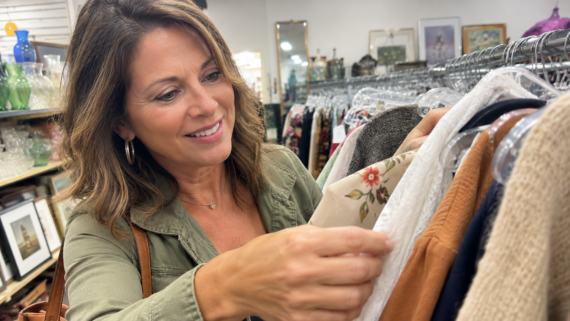
Secondhand shopping is becoming a normal first step for clothing, shoes, handbags, furniture, and childrens items. Resale can provide access to better materials, discontinued styles, and higher quality brands for less. However, bargains are not guaranteed. Popular labels can be overpriced, and online buyers must consider shipping costs, condition descriptions, authenticity, and return policies. Comparing the used price with the current new price helps reveal whether the deal is truly worthwhile.
Selling Something Before Replacing It
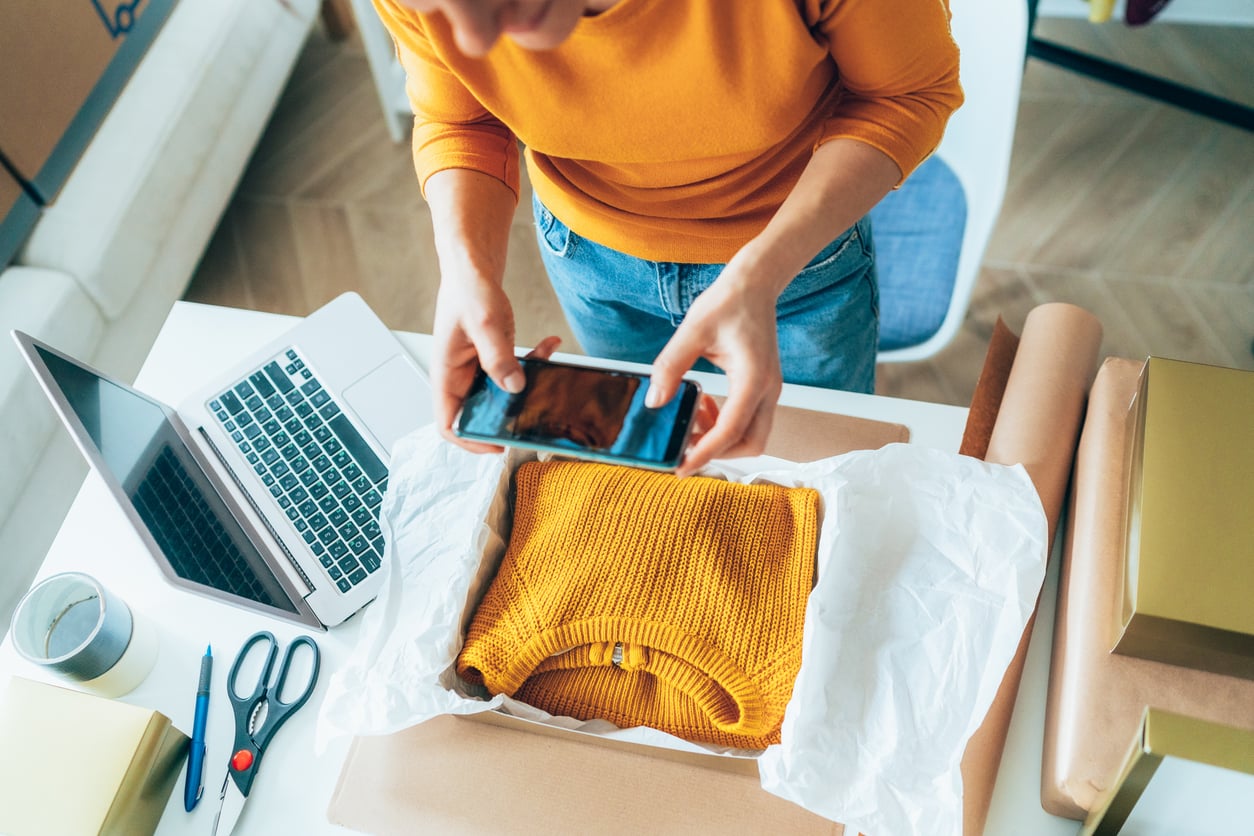
Unused handbags, furniture, electronics, sporting equipment, and household items are increasingly treated as sources of recoverable value. Selling an older item can reduce the cost of its replacement and create time to reconsider an unnecessary upgrade. Local marketplaces may avoid shipping, while consignment services require less work but take a larger share. Sellers should also expect listing time, platform fees, unreliable buyers, scams, and items that attract less money than hoped.
Calculating Cost Per Wear

The cheapest garment is not always the best value if it quickly loses shape or remains unworn. More women are considering how often an item will be used, whether it matches clothing they already own, and whether it can be repaired. A dependable coat worn for several winters may cost less per wear than several inexpensive trend pieces. The calculation is only an estimate, but it encourages shoppers to consider durability, comfort, and usefulness alongside the ticket price.
Comparing Beauty Ingredients, Not Packaging

Prestige skincare and makeup products face growing competition from store brands and affordable alternatives. Attractive packaging, celebrity promotion, and fragrance can improve the experience, but they do not always mean better results. More value focused shoppers are comparing active ingredients, product size, reviews, and return policies. Legitimate lower priced alternatives can save money, but counterfeit products are different and may create safety, quality, and authenticity concerns.
Simplifying Overcrowded Beauty Routines

Partly used serums, creams, masks, and makeup can represent a large amount of money sitting unused in a bathroom cabinet. Some women are finishing products before buying replacements and limiting new purchases to items with a clear purpose. Multifunctional products may also replace several separate steps. A simpler routine is not automatically right for every skin type, but reducing duplicate products can lower costs, prevent waste, and make it easier to see what actually works.
Making Restaurant Meals More Intentional

Dining out is becoming a planned occasion rather than the automatic solution to every busy evening. More women are choosing pickup instead of delivery, ordering lunch rather than dinner, or reducing the number of restaurant meals each month. Cooking everything at home is not realistic for every household, especially when time and energy are limited. The goal is to keep meals that provide genuine convenience or enjoyment while cutting routine orders that feel overpriced or forgettable.
Questioning Everyday Convenience Charges

Coffee runs, prepared snacks, ride hailing, rush shipping, and food delivery can each seem too small to affect a budget. Together, they can consume a noticeable amount every month. More women are asking whether each convenience solves a real problem or has simply become a habit. Paying for help during a demanding week may be worthwhile, while ordering delivery out of boredom may not be. Reviewing several weeks of transactions can reveal which small expenses add up fastest.
Rotating Streaming Services

Households are becoming less willing to pay for every entertainment service all year. Some women are cancelling platforms after finishing a series and returning only when something worthwhile appears. Rotating services can lower monthly costs, but it requires remembering renewal dates and avoiding accidental reactivation. Ad supported plans may save money, although frequent adverts and fewer features can make them less appealing. App subscriptions, cloud storage, and fitness platforms deserve the same review.
Protecting Useful Wellness Spending

Women may reduce spending on clothing, decor, or entertainment while continuing to pay for exercise, preventive care, sleep, nutrition, or mental health support. These expenses can feel more valuable when they improve daily life or prevent larger problems. The challenge is separating useful services from products supported mainly by impressive marketing. Gym memberships, apps, treatments, and supplements can still become wasteful when they are purchased with good intentions but rarely used.
Spending More Selectively on Travel

Women planning solo trips or holidays with friends are balancing affordability with safety, comfort, and convenience. A cheaper hotel far from the center may require expensive transport, while the lowest airfare may include poor times and added baggage fees. Solo travelers can also face extra charges on cruises and tours. More careful planning means comparing the full trip cost, using flexible dates where possible, and paying more for dependable transport or secure lodging when it feels necessary.