
Don’t think that saving money requires completely changing your life or giving up the experiences you enjoy. There are small adjustments you can make to your weekly routine that will help you save money without making you feel deprived according to Consumer Reports and Reddit. One recommendation is to focus on getting the most value out of what you already have, rather than dwelling on what you can’t buy. Discover these money saving habits that help families make the most of their budget!
Planning Meals Before Shopping Instead of After

Families explain that one of the best money saving habits is to decide what you are going to eat before heading to the store; this helps you avoid impulse buys and forgetting certain ingredients. At the same time, knowing what you will be eating prevents you from throwing food away later, which is essentially throwing money away. Consumer Reports indicates: “It’s no surprise that people are focused on finding ways to save money at the grocery store and at home.”
Keeping “Emergency Meals” Ready for Busy Nights
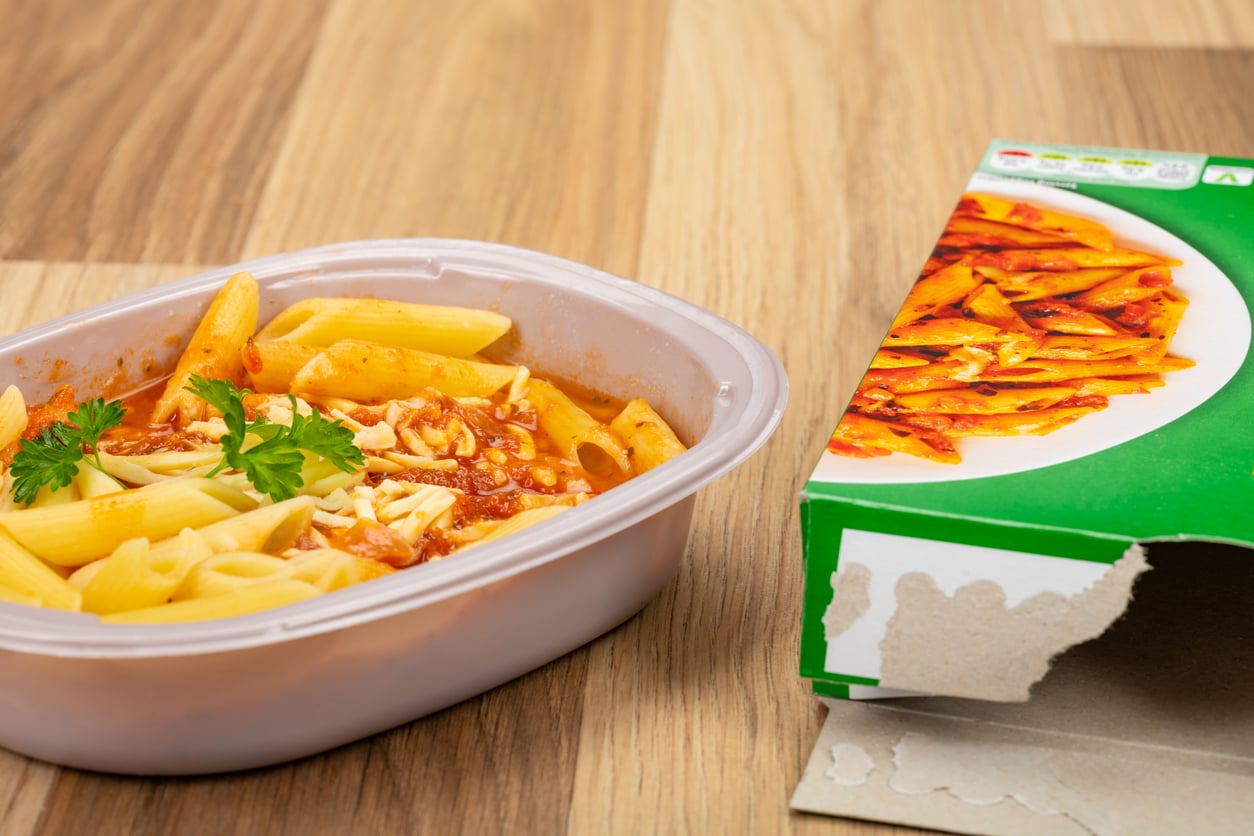
If you need to sort out a meal in just a few minutes, many people make the mistake of ordering delivery, which is costlier and likely less healthy. One of the smartest money saving habits is to keep “emergency foods” on hand, a small stash of easy-to-prepare items in your freezer, such as pasta, pizza, or ravioli. Knowing you have these dishes ready to go will reduce your stress during the week. Consumer Reports mentioned it’s always a good idea to have nonperishable foods on hand like canned beans, canned vegetables and fruit packed in fruit juice.
Waiting 24 Hours Before Making Non-Essential Purchases

One of the simplest money saving habits is to pause before purchasing clothing, gadgets, home decor or other non-essential items. This time allows them to decide whether they truly want to make the purchase. For families, this helps avoid impulse buying without adopting an inflexible rule against spending. Experts recommend a 24-hour waiting period to cut down on such unnecessary expenses. Consumer Reports revealed that another way to avoid temptation purchases is to use a store’s curbside pickup service.
Choosing One or Two Low-Cost Nights Out Each Month

One of the best money saving habits is planning free entertainment when money is tight, some people intentionally plan activities such as free concerts, hikes, days with free museum admission, and community festivals. It can be a memorable experience for your children while costing a fraction of what larger attractions do. It is a great way to reaffirm that you don’t need to spend money to have fun. Reddit user evaluna1968 mentioned: “You can go to a board game night where you can play for free or trade games there once you are tired of them.”
Drinking More Coffee at Home Without Giving Up Coffee Shops Entirely

Breaking the coffee habit can be challenging for many people. Instead of buying coffee at shops every morning, you could reserve your coffee maker for weekends or special occasions. This is one of the easiest money saving habits to maintain. Consumer Reports noted that Coffee’s addictive qualities are legendary, and more than one in ten Americans told CR that their coffee habit would be the last thing they’d cut back on.
Trending on Cheapism


Making Better Use of the Freezer
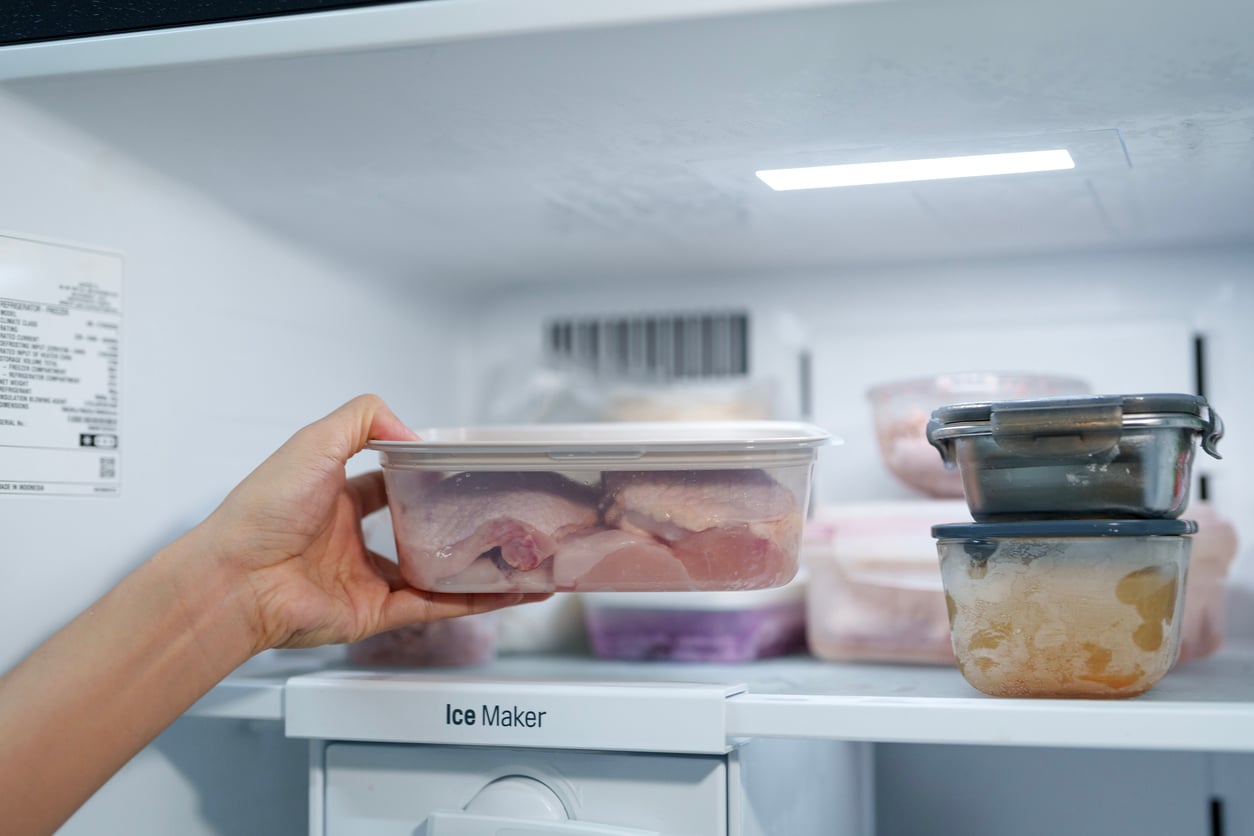
Using your freezer effectively helps you avoid wasting food, such as bread, shredded cheese, leftover meat, soup, and fruit. By making this one of your money saving habits, you reduce food waste and save on future meals. Consumer Reports also mentions that when you look for ways to take advantage of any bargains you find, you can stock up on groceries at the warehouse club and put them into the freezer.
Using the Library for More Than Just Books

In today’s libraries, you can find movies, audiobooks, streaming services, museum passes, online learning platforms, and much more, not just books. One of the lesser-known money saving habits is taking full advantage of library memberships give them access to additional services they already had, such as kitchen equipment provided by some library communities. Reddit user Distinct-Word-5103 commented: “Some libraries have tools and even musical instruments you can borrow.”
Building Weekly Meals Around What’s Already on Sale

Most people decide what they want to eat and then buy the ingredients to prepare the meal, whereas those looking to save money create dishes based on products that are on sale. Planning meals around sales is one of the most effective money saving habits because it makes your menu more flexible, allowing you to stock up on your favorite ingredients when they are discounted. Consumer Reports noted that supermarkets are also expanding loyalty and coupon programs, to offer more high-quality and lower-cost house brands to make shopping less of a hassle.
Sign up for our newsletter
Scheduling “No-Spend” Days Instead of “No-Spend” Months

For some months now, homeowners have been choosing one or two days a week to intentionally avoid spending money, an approach that is more feasible than abstaining from spending for longer periods. Among the most effective money saving habits, this approach makes people aware of the cost of those small, unnecessary daily purchases, without imposing a rigid restriction. Reddit user liebedich2 opined: “A successful ‘no spend day’ for me is when I spend the effort to plan, cook, and eat what I have at home and don’t shop for anything.”
Cancelling Subscriptions That No Longer Fit Daily Life

Reviewing subscriptions is one of the smartest money saving habits when your budget isn’t giving you any financial breathing room, you should review the subscriptions you pay for, such as streaming services, meal kits, fitness apps, and many more. Check if you’re being overcharged, compare rates with other services, and cancel the ones you don’t use very often. Consumer Reports revealed that it’s easy to simply forget about digital subscriptions you signed up for, especially ones started as free trials. Months can go by before you realize the provider is charging your credit card.
Buying Better Quality on Things Used Every Day

One of the most valuable money saving habits is spending a little more on quality items you use daily, such as sneakers, cookware, backpacks, tires, or kitchen appliances, it will save you money in the long run because they tend to have a longer lifespan. That durability is often overlooked in favor of a budget-focused strategy. Reddit user WittyIdea shared: “An example is buying a good cellphone, there’s no turning back. They don’t have to cost hundreds of dollars, but if they do, you’ll be quite happy for a long time.”
Giving Every Dollar a Job Before the Month Begins

In some households, people create a spending plan before the month begins, allocating money for groceries, dining out, entertainment and other expenses. This eliminates the guilt associated with spending on things you don’t consider strictly essential. According to experts, creating a spending plan is one of the most effective money saving habits. Consumer Reports indicates that the key is to get a good overview of where your money goes and then decide what’s important and what’s not.
Conclusion

To stay within your established budget, you don’t need to make major sacrifices. You simply need to rely on practical money saving habits that will gradually reduce unnecessary expenses. Your spending will become more deliberate and considered, and you will build your character by becoming mindful of every action you take. You do not have to lower your quality of life to achieve financial progress, and this proves it.