
A staggering 90% of Americans say that the U.S. is experiencing a mental health crisis. And yet, access to care remains terrible, with the largest barrier being inadequate insurance coverage and the cost of health care.
But you don’t need statistics to know that the U.S. health care system is profoundly cruel and broken. Whether it’s a friend, a loved one, or even yourself, we all know someone who desperately needs help but can’t afford therapy. While we can’t offer a magic bullet — after all, the health care system is a dumpster fire — we have a few ideas for cheap therapy options for the insured and uninsured.
Medicaid
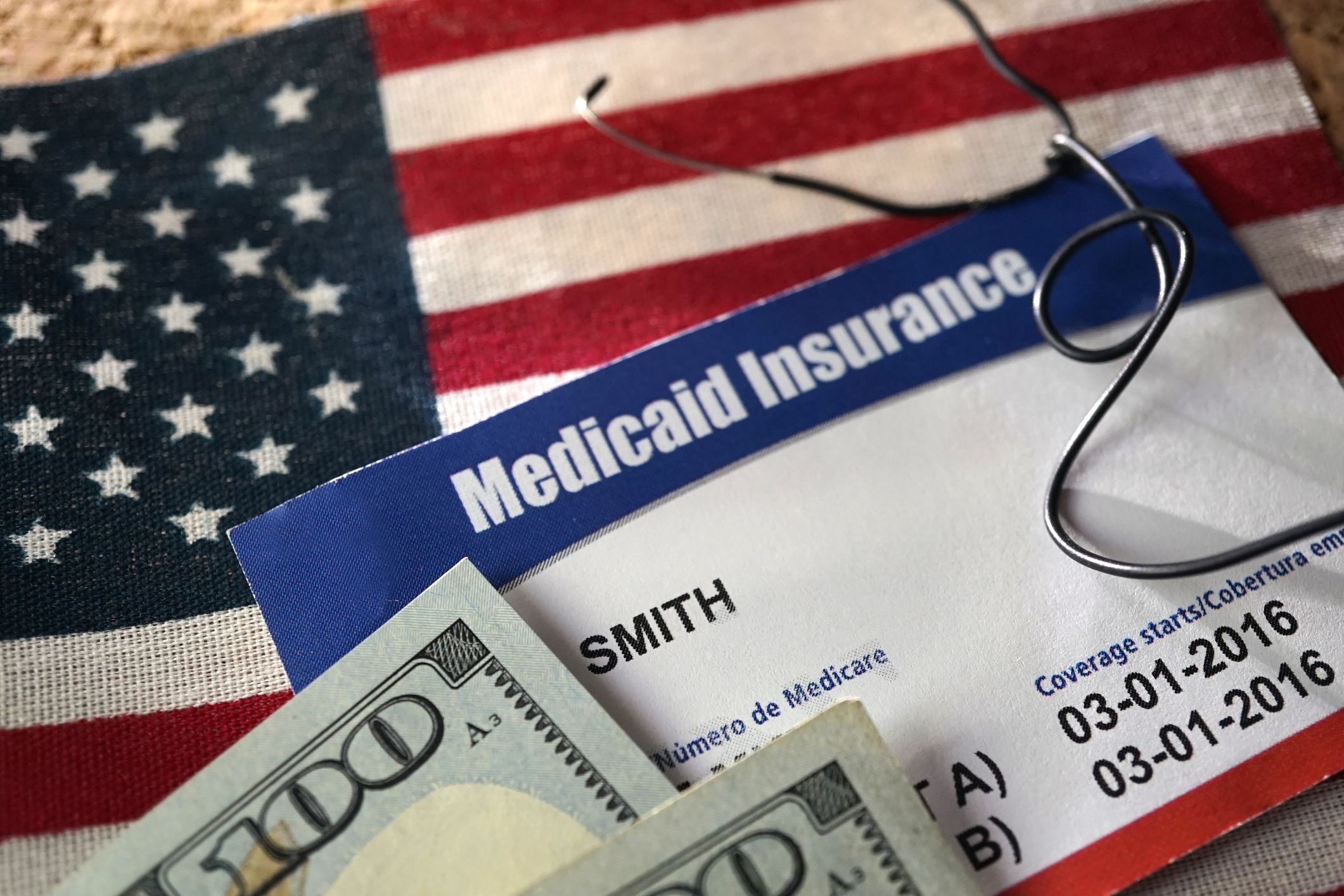
While the government doesn’t provide much in this country, low-income Americans do benefit from Medicaid, a public health insurance program that limits premiums and out-of-pocket costs. If you’re eligible for this government program (find out more here), then you’ll have access to affordable mental health care.
Sliding Scale Therapy

Some therapists offer what’s called sliding-scale pricing, which means the cost of sessions is adjusted based on your income. That can make therapy significantly more affordable for people with tight budgets or inconsistent work. Many community mental health centers operate this way, offering reduced-price counseling to ensure people can still get support. Mental health professionals say it’s often worth asking providers about these options directly.
As one therapist explained on Reddit, community clinics are used to working with limited incomes: “Look at your local community mental health center. They’ll be on a sliding fee scale and will be willing to work with you.” They added that many therapists are ethically encouraged to provide some pro bono work as well, though not all practitioners offer it.
University Clinics
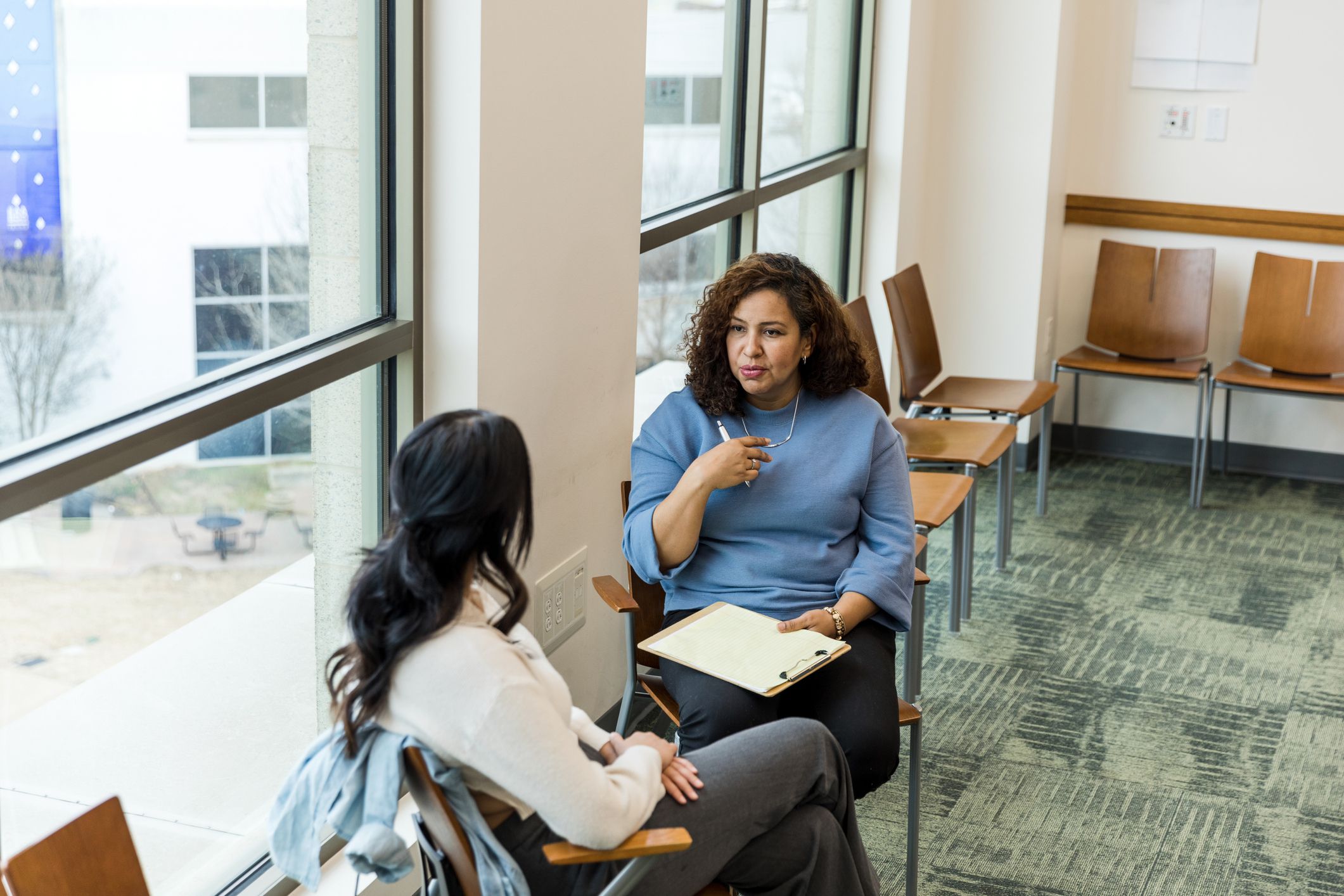
Another lesser-known option is seeking therapy through university psychology or counseling programs. Many graduate schools run training clinics where student therapists provide sessions while working toward their clinical licenses. These programs are supervised by licensed professionals, but the cost is typically far lower than private therapy — sometimes just a small fee per visit. People who’ve used these services often report surprisingly positive experiences.
One Reddit user shared that they found a student clinician for just $15 per session, explaining, “They need hours for their LCSW license. Most are amazing.” Because these programs are designed for training, they often offer some of the most affordable therapy options available.
Online Therapy

In the past decade, there’s been an explosion of online therapy platforms, and multiple studies have shown that virtual therapy can be just as effective as in-person mental health care. Seeing an online therapist is also cheaper, with some providers offering sessions for as low as $60 for uninsured patients. That said, reviews for cheap online therapy sites like BetterHelp and Cerebral are mixed, therapists say the working conditions are bad, and companies have come under fire for sharing patients’ data with advertisers.
Nonprofit Organizations
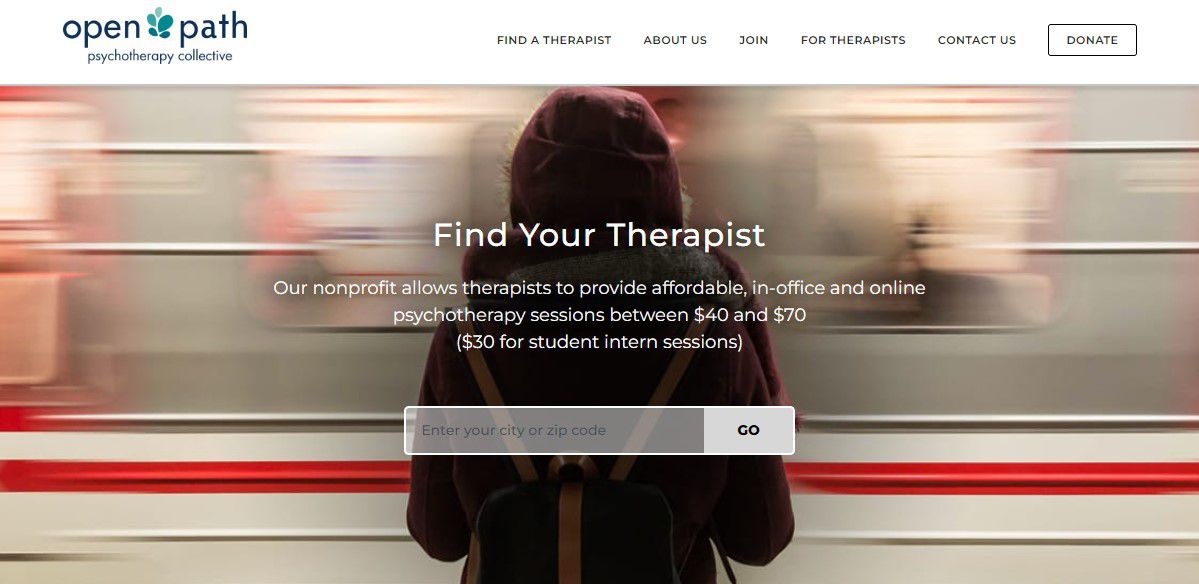
Through the Open Path Psychotherapy Collective, patients can find in-person and online sessions between $30 and $70. While that’s significantly cheaper than the $100 to $200 that most therapists charge, the nonprofit does charge a one-time $65 membership fee to use its platform. For a free alternative, you can search the National Association of Free & Charitable Clinics’ directory for low-cost mental health clinics in your area.
One Reddit user described attending in-person therapy through a nonprofit once a month while supplementing those sessions with books their therapist recommended and a support group. While they said it felt like a financial stretch at the time, they ultimately saw it as worthwhile, writing that the process helped them question patterns they learned earlier in life and avoid “a lot of the expensive chaos” they experienced in their early 20s.
Trending on Cheapism


Support Groups

Don’t write off group therapy, which is significantly cheaper than individual therapy. No one likes the idea of discussing personal problems with a group of strangers, but group therapy has been shown to work as well as individual therapy for many conditions. To find a support group, you can consult databases from organizations like the Anxiety & Depression Association of America and The National Alliance on Mental Illness, or ask your general practitioner for a referral. University clinics often host support groups, too, so check with local institutions that offer mental health care.
Therapy Apps

Given the whole “move fast and break things” tech ethos, we can understand why you wouldn’t want to trust them with your confidential information. (We certainly don’t.) But we’d be remiss if we didn’t include therapy apps on our list of affordable mental health solutions, as research shows that they can be effective. Popular examples include Mindshift, an app that teaches users skills based on cognitive behavior therapy, and Take a Break!, which offers guided meditations.
Employee Assistance Programs (EAPs)

EAPs help workers with problems that might interfere with their job performance, including alcohol and substance use, relationship challenges, and other mental health issues. While I’m sure most workers would prefer better health insurance, a raise, and more vacation time to short-term counseling, sometimes an EAP is as good as you’ll get from your boss.
Sign up for our newsletter
Crisis Hotlines

Need help now? Try one of the many free crisis hotlines listed on the American Psychological Association’s website, including some text-based options.
More From Cheapism

- 15 Cheap Storm Prep Items You Can Grab Before Everyone Panics — When bad weather is on the way, grabbing a few inexpensive essentials like wipes, trash bags, duct tape, and cash can make power outages and storm cleanup a lot easier.
- 18 Five Below Fitness Finds That Cost Less Than Your Gym Smoothie (They’re All Under $10!) — From kettlebells and resistance bands to yoga mats and foam rollers, these ultra-cheap workout tools can help you stay active without spending more than $10.
- Healthcare Isn’t Expensive Enough, So Drugmakers Are Raising Prices on 350 Medicines in 2026 — Hundreds of prescription drugs — including vaccines, cancer treatments, and migraine medications — are getting price hikes this year, adding to the already steep cost of healthcare in the U.S.