Clothes are getting harder to justify at full price, especially when shoppers feel like quality is not keeping up. According to the Bureau of Labor Statistics, apparel prices have continued rising, which helps explain why more people are waiting for sales, buying secondhand, renting special-occasion outfits, or simply wearing what they already own. Let’s take a look at the main clothing items people are starting to let go of.
Designer Jeans
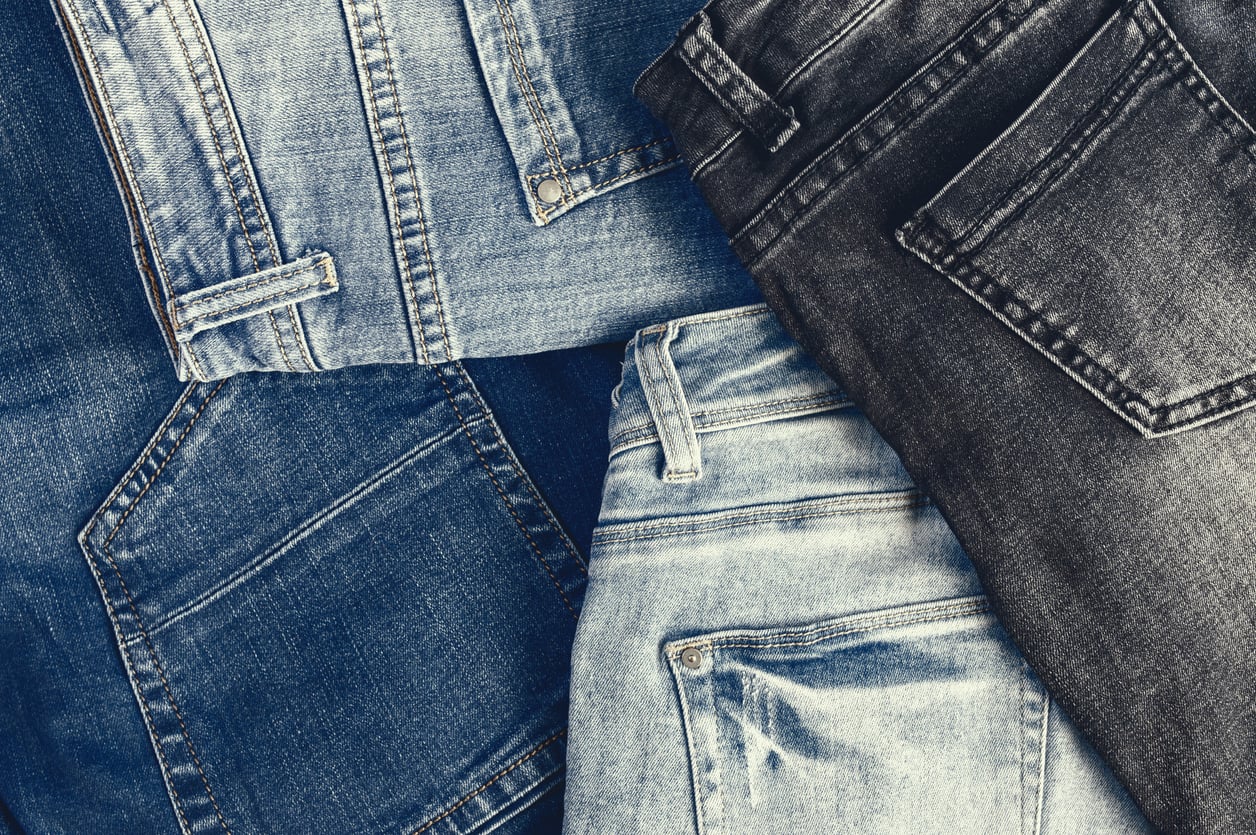
Designer jeans used to feel like a grown-up splurge: buy one good pair, wear them for years, and feel polished with almost no effort. But when premium denim commonly lands around $100 to $250 a pair, many shoppers are asking harder questions. Are they really better than Old Navy, Target, Costco, Levi’s on sale, or a barely worn pair from Poshmark? For many people, the answer is now “not enough”. The fit still matters, but the logo matters less.
Business Suits

The business suit has not disappeared, but it has lost a lot of everyday importance. Remote and hybrid work changed what many offices consider acceptable, and plenty of workers now need a suit only for weddings, funerals, interviews, or rare client meetings. A decent suit can already be expensive, and tailoring can add another surprise bill. Instead of buying new, shoppers are stretching older suits, choosing separates, or renting formalwear.
High-End Sneakers
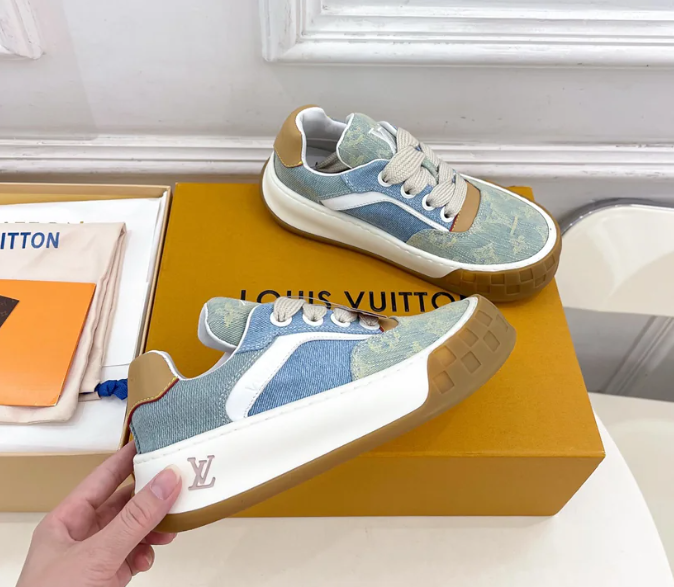
Sneakers are still everywhere, but the thrill of chasing every release has cooled for plenty of people. Popular pairs can easily pass $150, and resale markups can make them feel ridiculous for shoes that are supposed to be worn on sidewalks. Some former collectors say they are tired of the hype cycle, the app drops, and the pressure to keep up. Comfort, durability, and everyday use are winning out over exclusivity. A good walking shoe suddenly feels smarter than a trophy pair.
Luxury Handbags
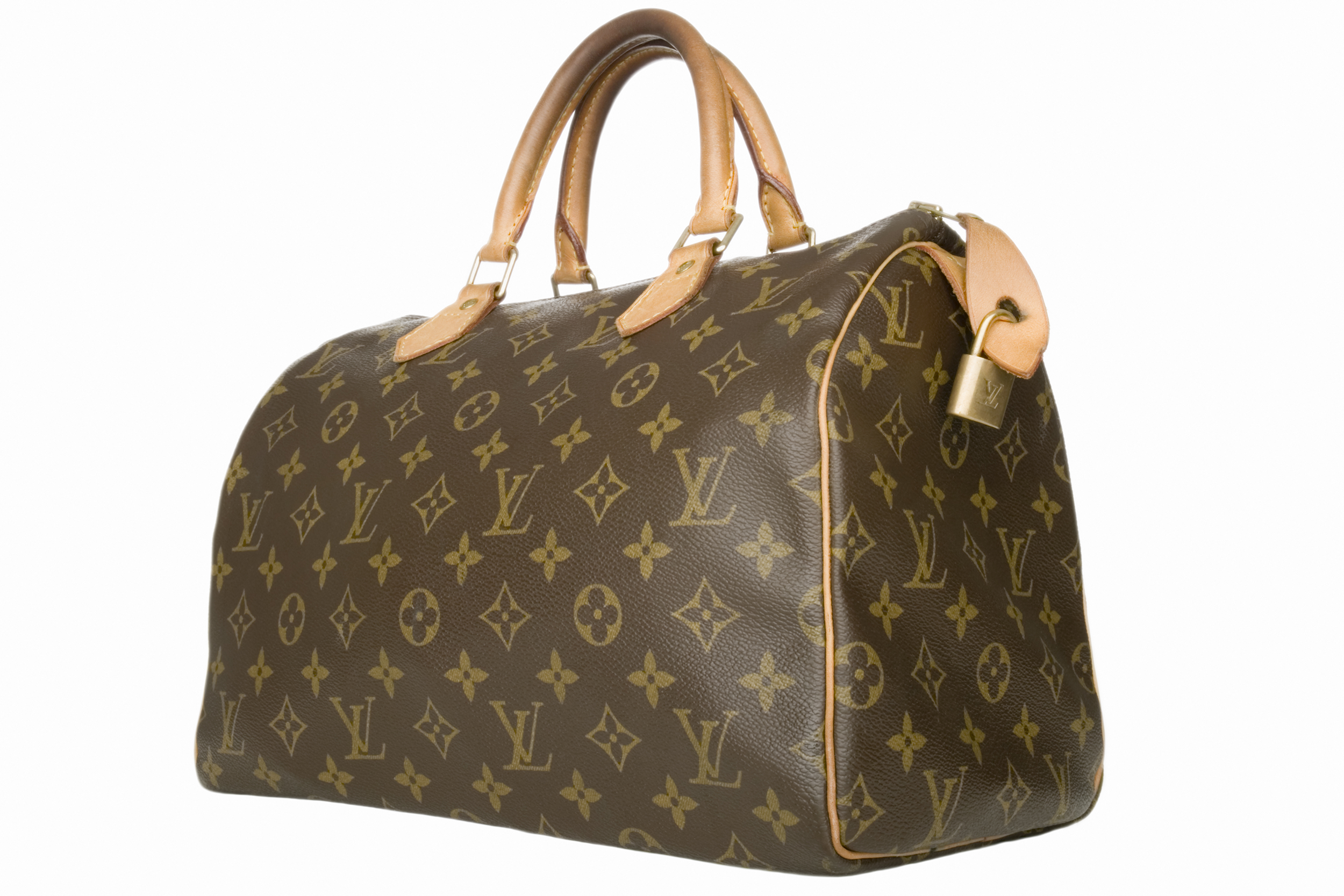
Luxury handbags may be the clearest example of shoppers feeling priced out. Some iconic bags have risen dramatically since 2020, and even people who once treated them as milestone purchases are backing away. Resale has become more attractive, but that market can be complicated too, with authentication concerns and inflated prices for popular styles.
Brand-Name Athletic Wear
Premium leggings, joggers, and workout tops are still popular, but shoppers are becoming more selective about paying full price. When leggings are over $100, people start comparing them with Costco, Target, Old Navy, CRZ Yoga, and other lower-cost options. Some loyal fans still praise the fit and fabric of premium brands, but many now wait for markdowns, outlet finds, or secondhand listings. The old habit of buying every new color has become harder to defend.
Trending on Cheapism


Leather Jackets
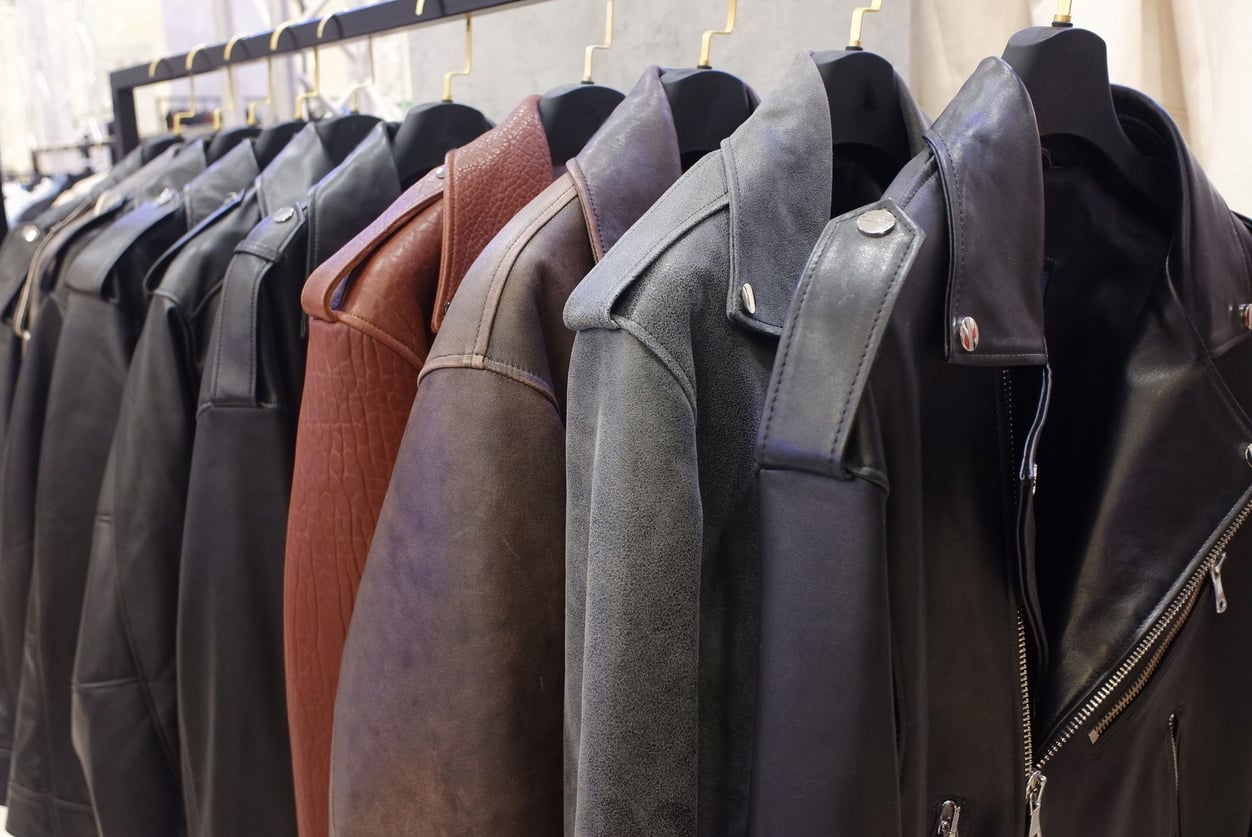
A real leather jacket can still be a beautiful long-term purchase, but that is exactly why shoppers are slowing down. Quality versions often cost hundreds of dollars, and cheaper versions may not age well enough to feel like a bargain. Instead of buying new, many people are looking at vintage shops, estate sales, resale sites, or simply wearing the jacket they already own for another season. The leather jacket has shifted from fashion impulse to cost-per-wear calculation.
Dress Shoes
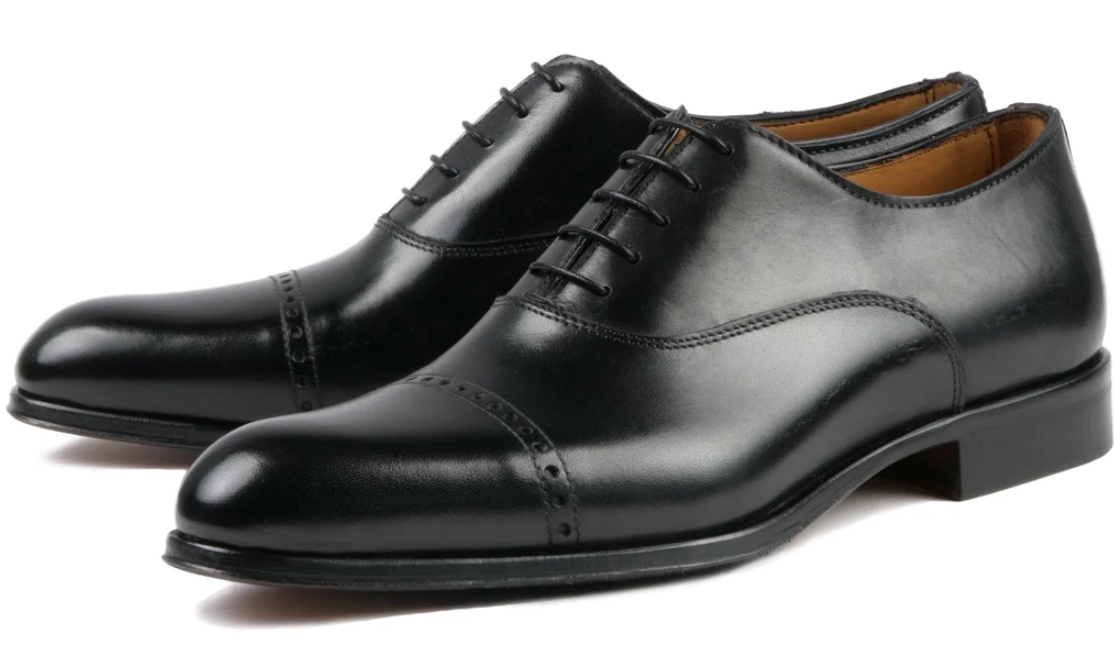
Dress shoes are another casualty of the casual office. Plenty of people still need them, but not often enough to justify frequent upgrades. Sneakers, loafers, and comfortable flats now pass in many settings that once required polished leather shoes. That makes shoppers less willing to spend $150, $250, or more on footwear that mostly sits in the closet. When they do buy, they often look for repairable shoes, classic styles, or one versatile pair instead of several occasion-specific options.
Formal Dresses
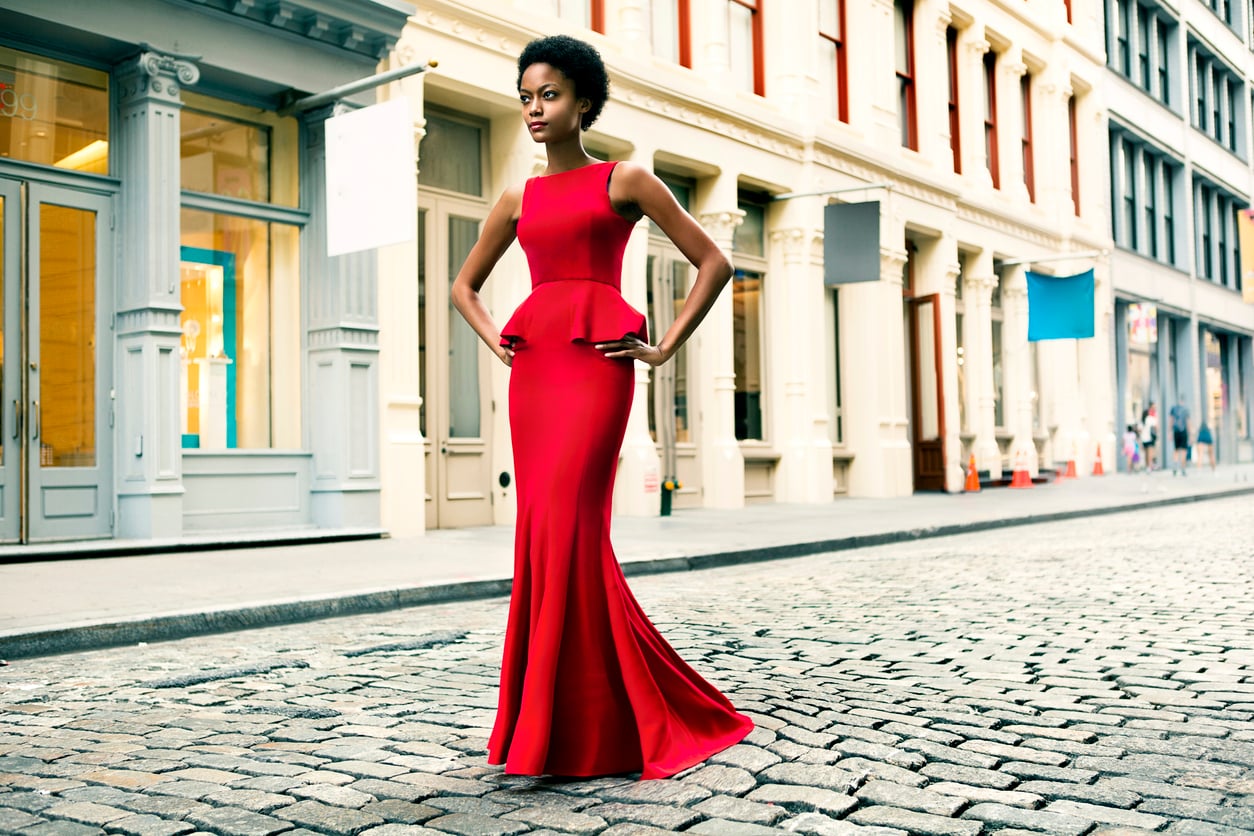
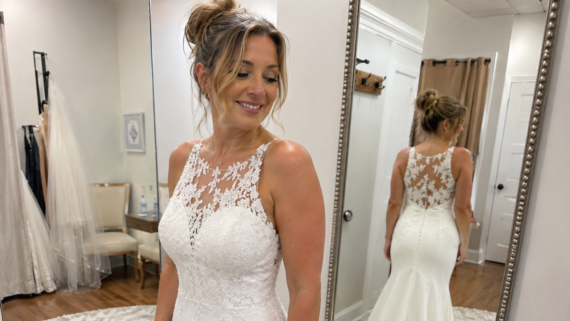
Formal dresses are easy to love in the dressing room and hard to justify at checkout. Wedding season, charity events, cruises, reunions, and holiday parties can all create pressure to buy something new, but a $200 dress worn once is not much of a smart buy. More shoppers are renting, borrowing, repeating outfits, or buying simple dresses that can be styled different ways. The downside is that rentals require planning and returns, but the savings can be worth it.
Sign up for our newsletter
Winter Coats
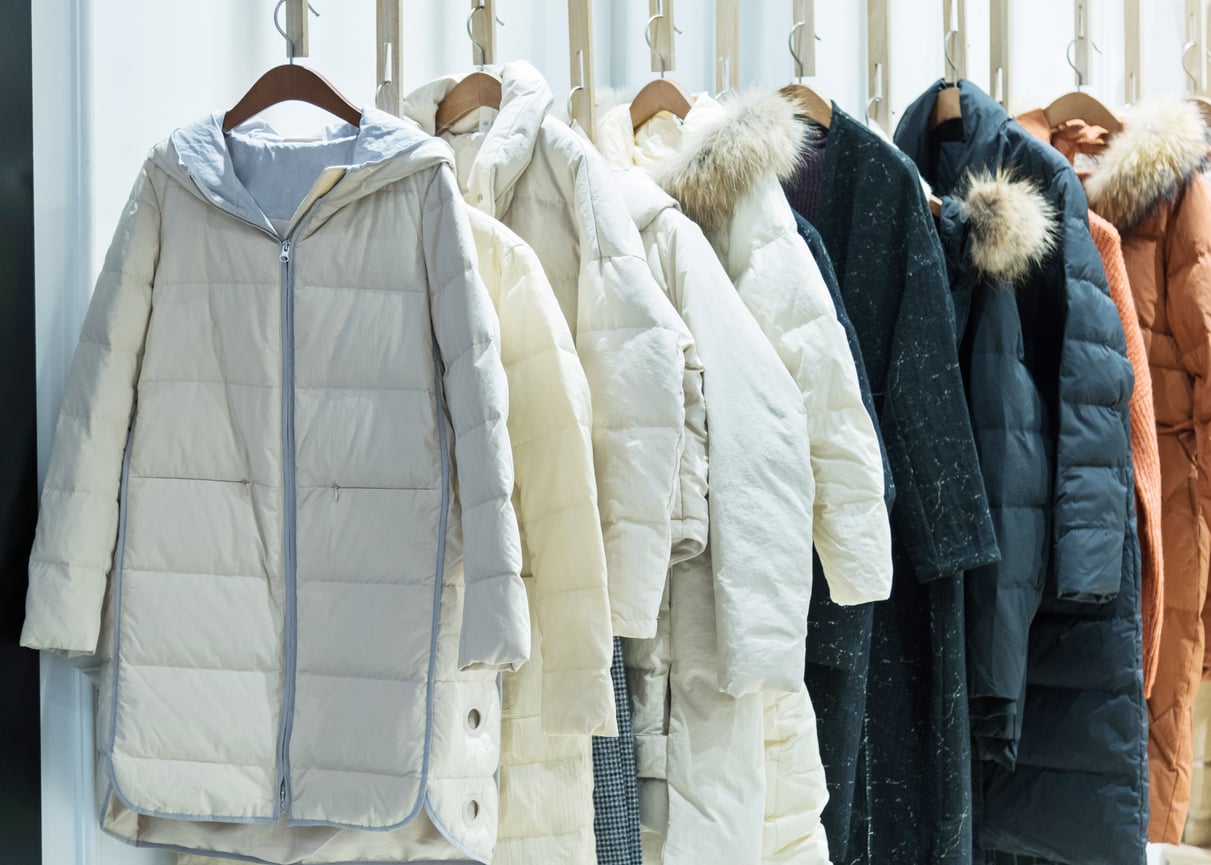
Winter coats are not optional in cold climates, but shoppers are resisting the idea of replacing them casually. Premium parkas and wool coats can easily run several hundred dollars, so people are holding onto older coats longer, waiting for end-of-season sales, or buying secondhand. Many shoppers also prefer one durable coat over a closet full of trendy outerwear. The catch is that waiting too long can limit sizes and colors, especially during clearance season.
Designer Sunglasses
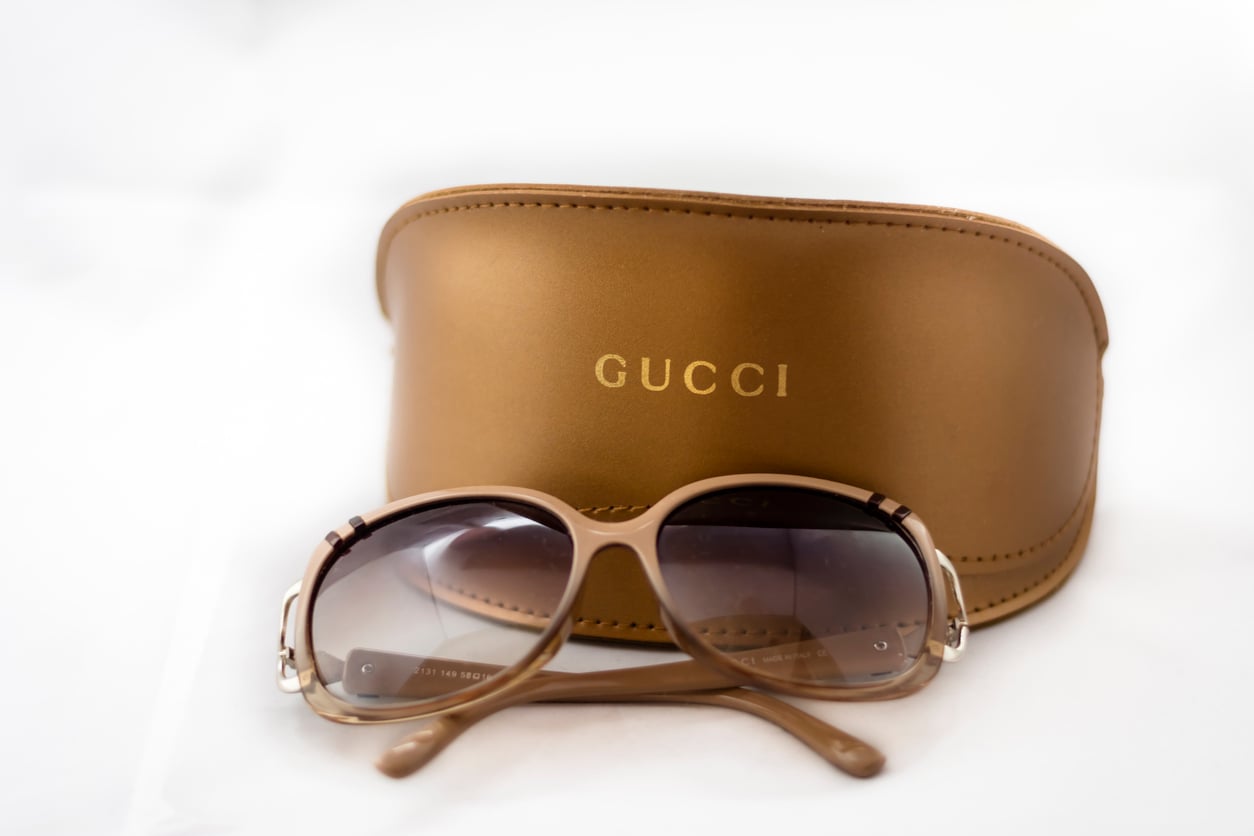
Designer sunglasses are one of those purchases that can feel glamorous until they get scratched, sat on, or left in a restaurant booth. With many pairs costing hundreds, shoppers are increasingly choosing cheap brands, outlet finds, polarized drugstore options, or dupes. The value question is simple: if you are prone to losing sunglasses, why spend luxury prices? Some designer pairs are better made, but for many people, the risk of damage makes the splurge feel less sensible.
Name-Brand Hoodies
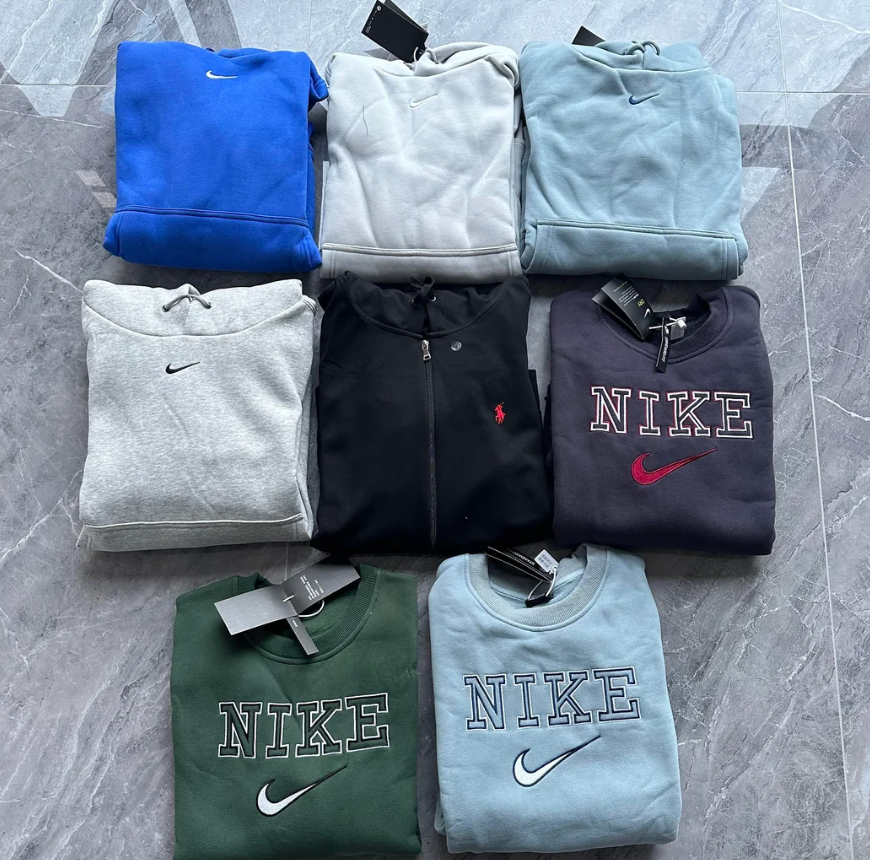
A basic hoodie used to feel like one of the least complicated clothing buys. Now, name-brand versions can cost $80 to $150, especially from athletic, streetwear, or logo-heavy labels. Shoppers are noticing that a sweatshirt is still a sweatshirt, and many are heading to warehouse clubs, outlet stores, blank apparel brands, or clearance racks. Some premium hoodies are thicker or better finished, but shoppers are less willing to pay luxury prices for something worn to run errands.
Wedding Guest Outfits

Wedding guest outfits deserve their own category because the clothing is only one part of the bill. Travel, hotels, gifts, showers, and time off can already make weddings expensive. Add a new dress, suit, shoes, bag, or alterations, and the total starts to sting. More guests are repeating outfits, renting, borrowing, or buying something neutral they can wear again.
Luxury Watches
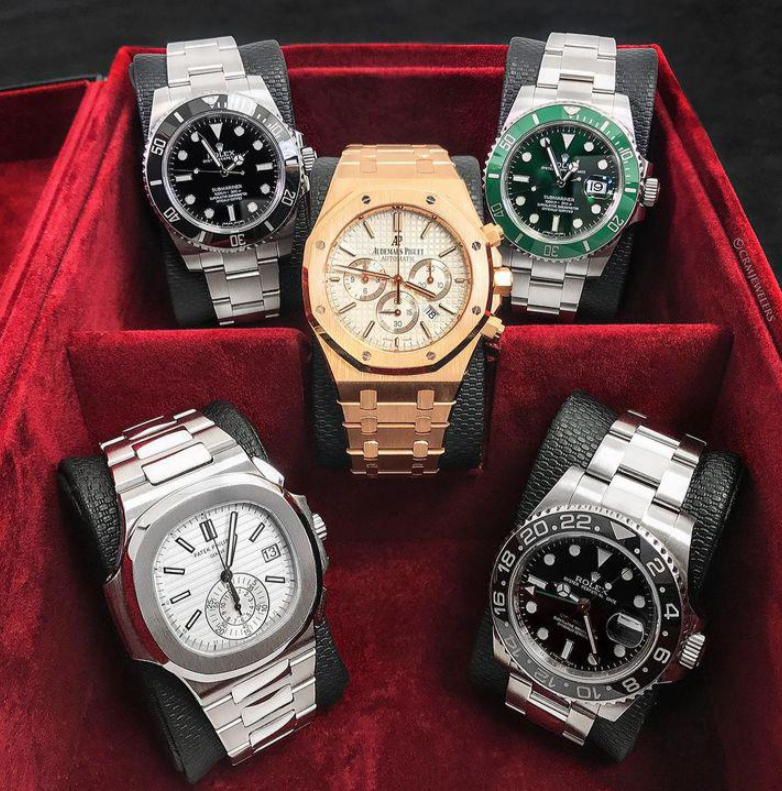
Luxury watches are not clothing in the strictest sense, but they are part of the same discretionary fashion budget. For many shoppers, watches have become harder to justify when smartwatches handle fitness tracking, messages, alarms, and daily convenience. Traditional watches still have fans, especially among collectors, but casual buyers are pulling back from expensive pieces they may rarely wear.
Fast-Fashion Hauls
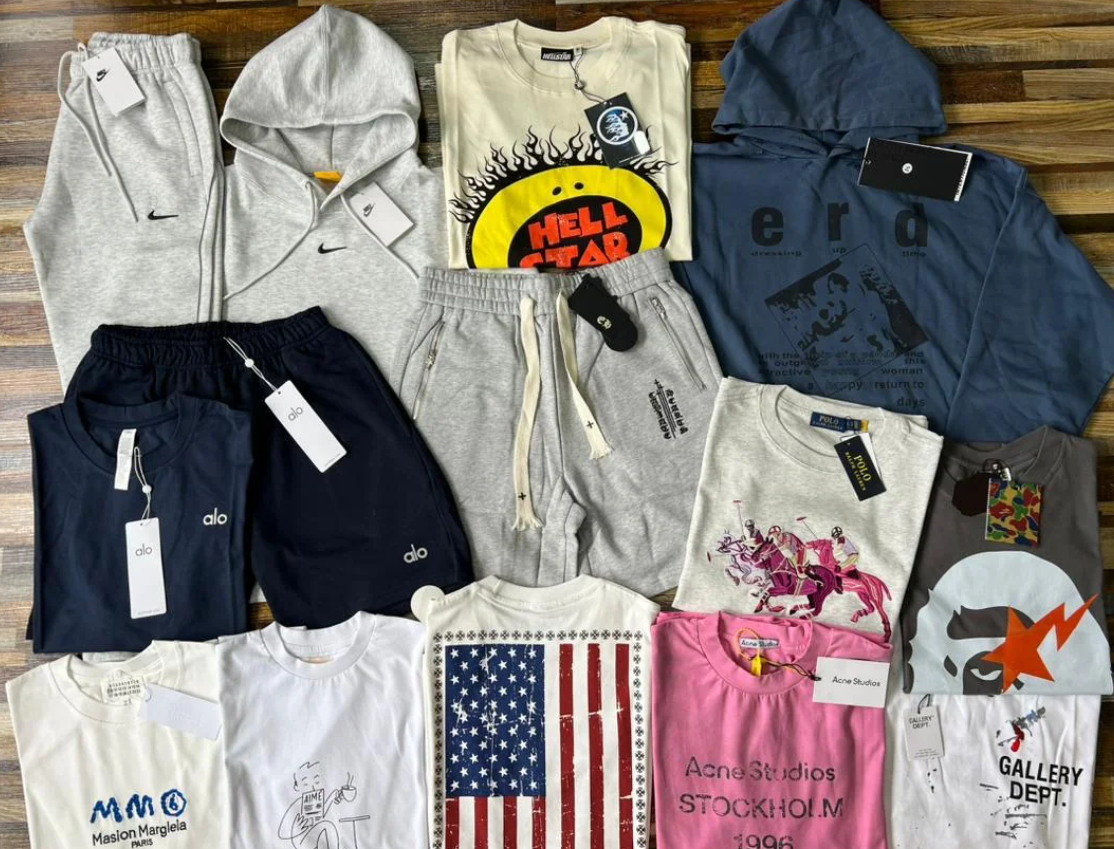
The fast-fashion haul is losing some of its shine. Prices are not always as low as shoppers remember, and quality complaints make impulse buys feel less harmless. A pile of cheap tops is not a bargain if half of them shrink, pill, or sit unworn. More consumers are saying they would rather buy fewer pieces, shop secondhand, or wait for something better made.
Graphic T-Shirts
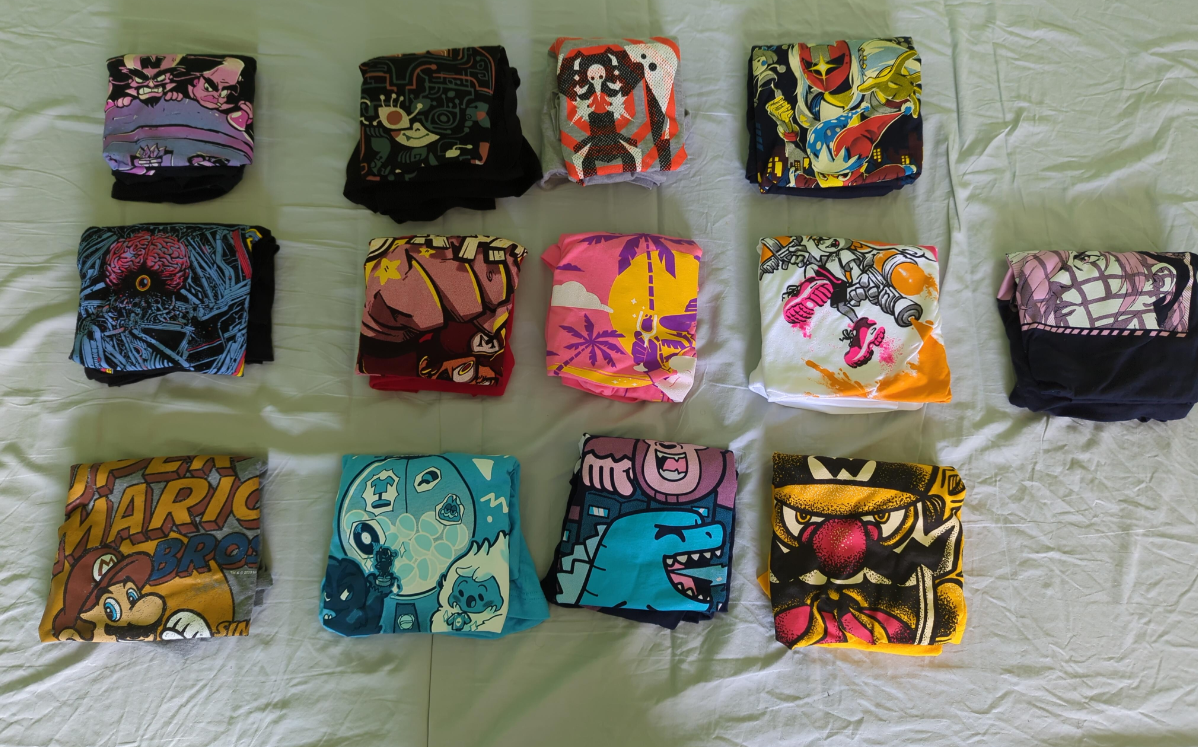
Graphic T-shirts are small purchases that quietly got expensive. Band shirts, souvenir shirts, licensed logos, and nostalgia designs can now cost $35, $45, or more, especially at concerts or specialty retailers. For shoppers who remember cheaper ones from mall stores or vacation stands, that price can feel silly. Many are waiting for sales, buying plain basics, thrifting vintage shirts, or skipping the impulse purchase altogether.
Bras and Shapewear
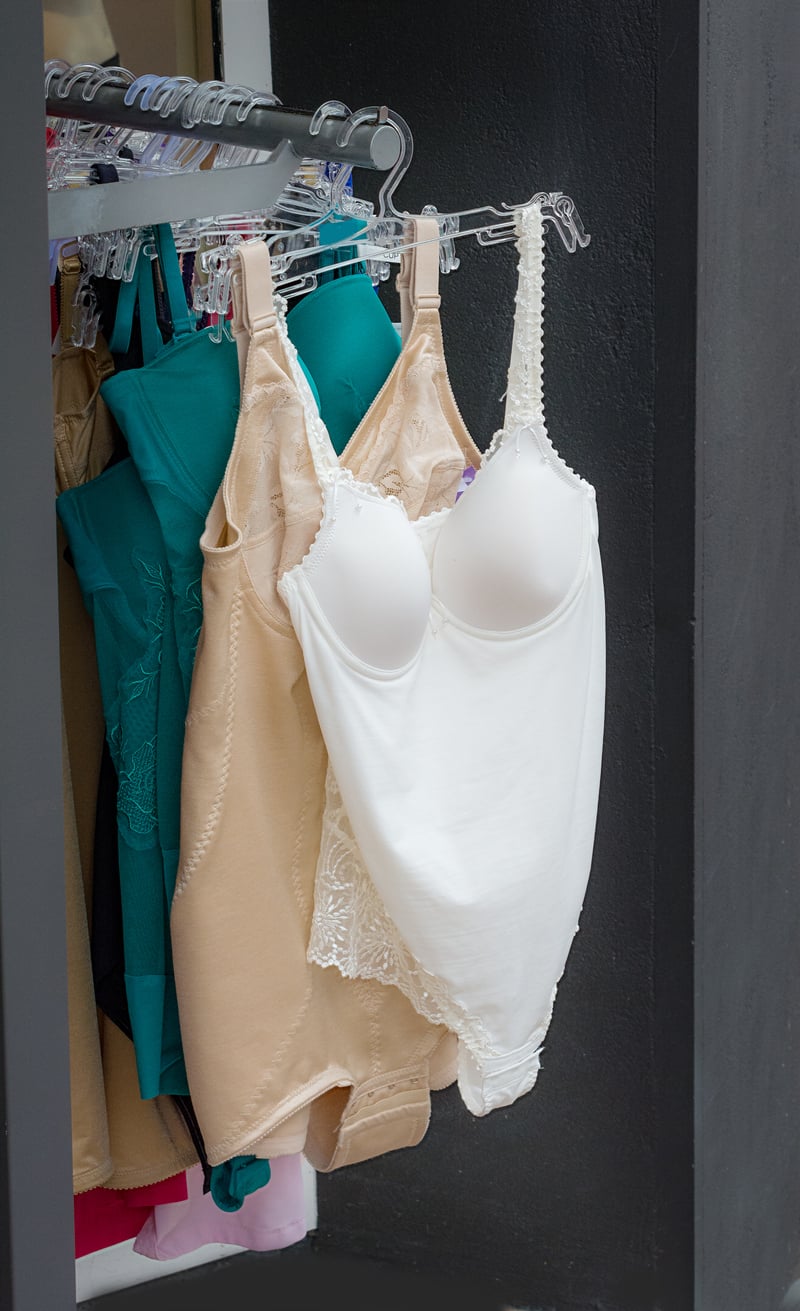
Bras and shapewear are not easy categories to quit completely, but shoppers are pushing back on the cost. A quality bra can be expensive, and shapewear often costs more than people expect for something worn under clothing. Many shoppers now wait for semiannual sales, buy multipacks, stick with trusted styles, or avoid special-occasion shapewear unless they truly need it.