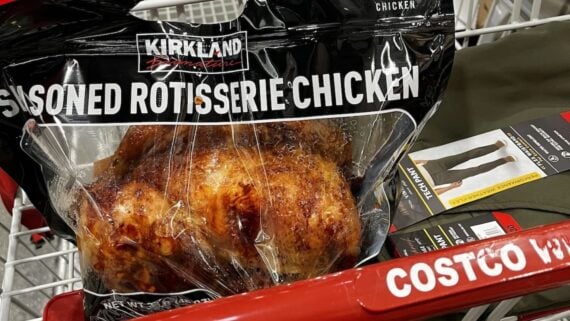
Costco’s rotisserie chicken enjoys near-mythical status among grocery store poultry, with the retailer selling more than 100 million birds a year.
But now, the inflation-resistant $4.99 staple that once seemed untouchable is facing a proposed class-action lawsuit, as some members question whether the cheap chicken is as good as Costco has told them it is.
The lawsuit, filed in the U.S. District Court for the Southern District of California, alleges Costco falsely markets its Kirkland Signature rotisserie chicken as having “no preservatives,” even though the ingredient list suggests otherwise. Say it ain’t so!
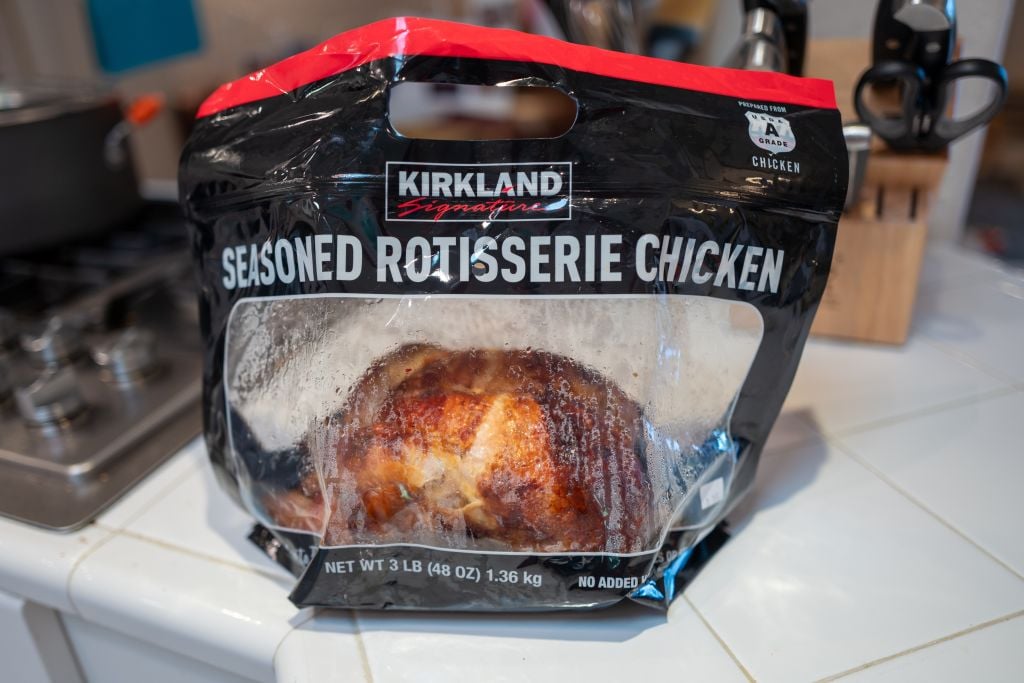
The plaintiffs say the label is misleading because the chicken contains sodium phosphate and carrageenan (which are pretty much preservatives), commonly used to help retain moisture and extend shelf life. They argue that they would not have bought the chicken, or would have paid less, had they known that the wholesale retailer was gaslighting and “systemically cheated customers out of tens — if not hundreds — of millions of dollars” through the alleged false advertising.
The lawsuit alleges violations of several consumer protection laws in California and Washington and seeks restitution, damages, and changes to Costco’s labeling and marketing.
“Consumers reasonably rely on clear, prominent claims like ‘No Preservatives,’ especially when deciding what they and their families will eat,” the plaintiffs’ attorney Wesley M. Griffith said in a statement. “Costco’s own ingredient list contradicts its marketing. That’s unlawful, and it’s unfair.”
As of now, Costco has not publicly commented on the lawsuit or indicated whether it plans to revise its labeling. The case is in its early stages, and no rulings have been made.
What Do Costco Fans Say?
As it turns out, transparency and semantics matter more to some shoppers than to others. Many Costco members don’t seem particularly bothered by what they see as misleading packaging. What does bother them is the possibility that all of this could mess with what was once considered an unbreakable constant: the $4.99 price.

“Of course, someone has to ruin it for everyone else,” one user wrote on Reddit. “Lawsuits are expensive to defend. Win or lose, Costco is being harmed. And win or lose, the rest of us consumers will end up paying more while greedy lawyers and their ‘clients’ get rich. This is why we can’t have nice things.”
Others were even less conflicted. “That chicken is five bucks,” another commenter wrote. “I don’t care.”
What Ingredients Are in The Chicken?
So are the preservatives in Costco chicken scary, and is Costco trying to poison you? Well, not exactly. The ingredients at the center of the lawsuit — sodium phosphate and carrageenan — are far from being secret chemicals cooked up in a Costco lab to take down unsuspecting shoppers.
They’re not health elixirs, but they are common food additives, widely used across the grocery industry and approved for consumption. Were they outright dangerous, half the deli aisle would already be a crime scene.
Sodium phosphate helps meat retain moisture so it doesn’t dry out, while carrageenan helps bind water and improve texture. Both ingredients are approved for use in food and are generally recognized as safe by the FDA.
Do you care whether Costco’s chicken says “no preservatives” but includes these two food additives? Sound off in the comments.
More From Cheapism
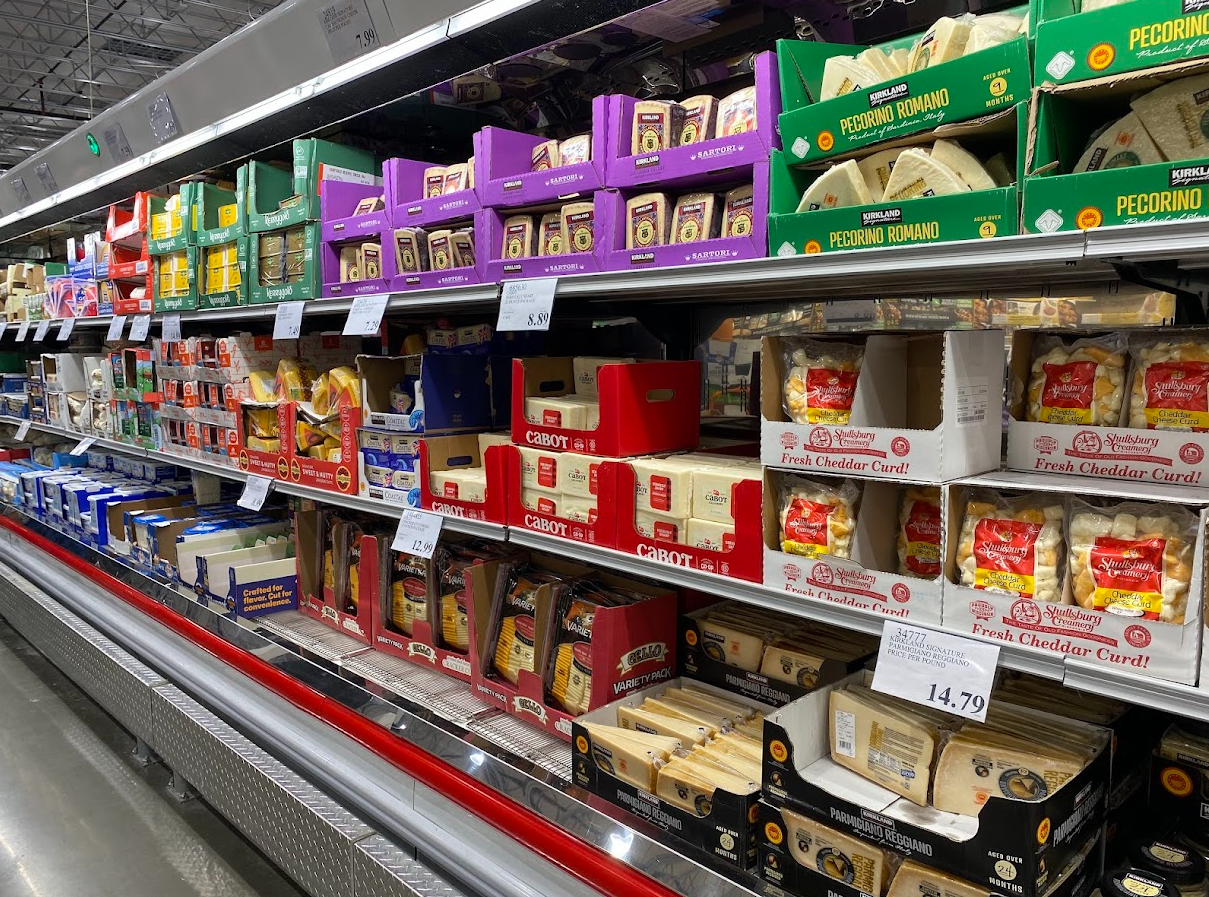
- The Costco Cheeses You Should Always Buy, According to Members — We looked to Reddit for recommendations from fellow Costco fans on which cheeses to pick up for our next charcuterie board or pizza night.
- ‘It’s About Time’: Costco Is Finally Catching Up With Sam’s Club’s Scan-and-Go Technology — Costco is finally testing scan-and-go technology — something that Sam’s Club has had for years — and customers are thrilled.
- Save Your Money: Costco Employees Say These 7 Items Are Not Worth the Hype — While compliments tend to outweigh complaints, current and former employees at Costco say there are still some items that aren’t worth the money.