Remember how, almost overnight, everything got more expensive and nobody could quite point to one single culprit? One week your regular grocery run felt just fine, the next week it felt like you’d accidentally ended up in a luxury store. Retailers sent out those polished emails about “tariff-related adjustments,” and suddenly price tags were doing acrobatics, and you kept on paying.
Now that the policy behind those increases has been knocked down, you’d think the bill might finally circle back.
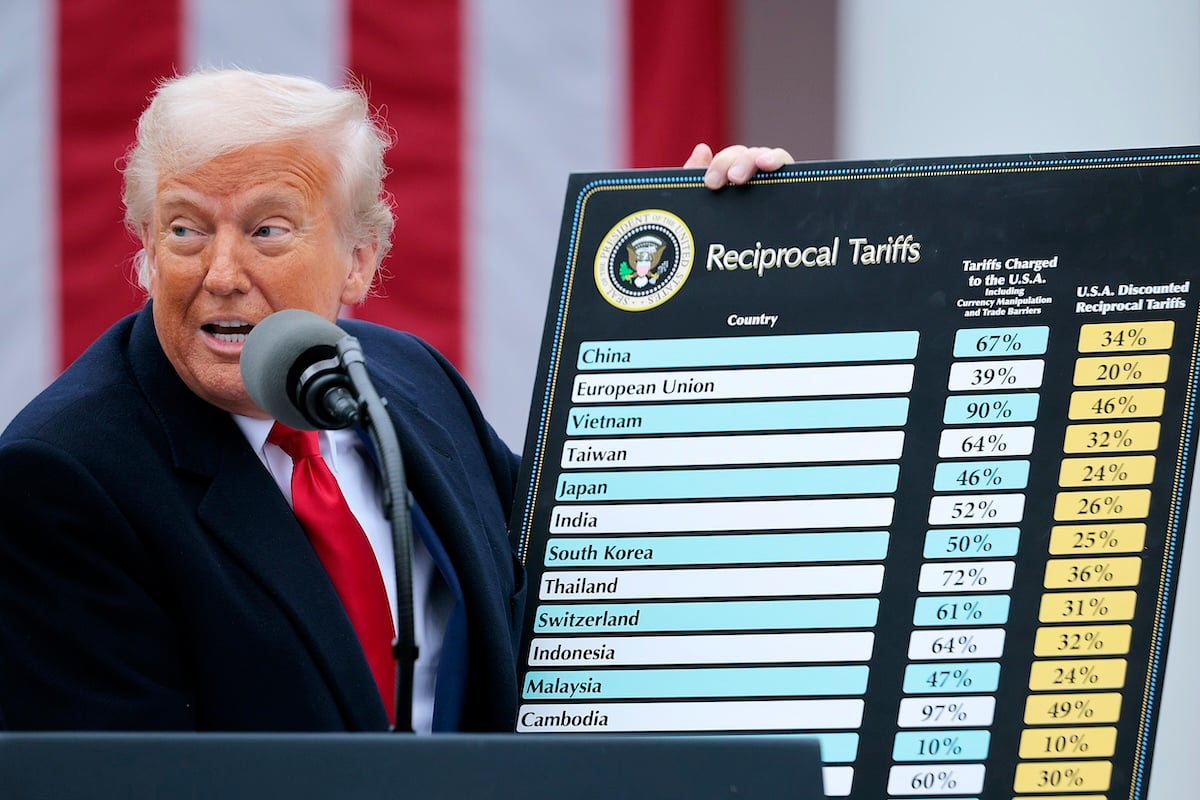
The Supreme Court recently invalidated President Donald Trump’s sweeping emergency tariffs, putting roughly $134 billion in collected revenue on the table for potential refunds. That sounds like a windfall.
It isn’t — at least not for consumers. You know, the people who had to pay for the tariffs.
Who Actually Gets the Money?
Spoiler: It’s not you.
If refunds move forward, they won’t be routed to the people who winced at checkout. Instead they’ll go to the “importer of record” — the companies that paid the tariff bill when goods crossed the border. Retail giants like Costco, Walmart, and Target are first in line because they’re the ones who technically wrote the checks.
Research shows companies passed along roughly a quarter of tariff costs to consumers, and the Tax Foundation estimates the average household paid about $1,000 more last year because of tariffs. That money didn’t go straight from your wallet to Washington. It moved through supply chains, margins, and price tags.
Shoppers “have no legal claim to a refund, because they weren’t the importers,” Stephen Kates, a financial analyst at Bankrate, told USA TODAY. “They just bought the products.” Which means it doesn’t come back the same way, either.
Even for corporations, refunds won’t be swift. Officials have offered little details about the mechanics, and unwinding more than $134 billion in collected tariffs could drag on for years. So yes, the government may owe a massive sum.
Will Companies Refund You?
Don’t bet on it. Nothing legally requires companies to pass any refunded money along to customers. If retailers recover tariff payments, that money goes back onto their books first.
Some economists suggest companies could voluntarily offer credits, sales, or partial rebates — especially if customers push back using old emails announcing tariff surcharges. Public pressure is real.
But that would be a business decision, not a mandate.
Companies absorbed most of the tariff burden themselves, in addition to legal fees and supply chain adjustments. If refunds come, many will likely treat them as cost recovery, not customer restitution. Large corporations are already lining up. FedEx filed a lawsuit seeking a refund after the ruling, and thousands of other firms are expected to follow.
In theory, retailers could lower prices if their costs fall. In practice, price cuts don’t always move as quickly — or as predictably — as price increases.
So yes, billions may eventually be refunded. Just understand where that money is headed first. It’s not your bank account.
More From Cheapism
- Report Shows Americans Are Hit the Hardest by Tariffs – A new report from the Federal Reserve Bank of New York confirms that tariffs mostly hurt the people who live in the country imposing them. That’s us, Americans.
- 10 Grocery Staples That Will Cost More Because of Tariffs – Tariffs on countries that export goods to U.S. consumers mean you’ll likely pay more for the same items. Even though tariffs can be removed, consumers might still experience sticker shock for a while, and in some cases, prices may not come back down.
- How Costco Avoids Passing Tariffs on to Shoppers – Tariffs are driving prices up across the retail industry, with corporations like Walmart raising prices on everything from baby gear to home goods. But one beloved retailer, Costco, has a plan to avoid raising prices due to tariffs..