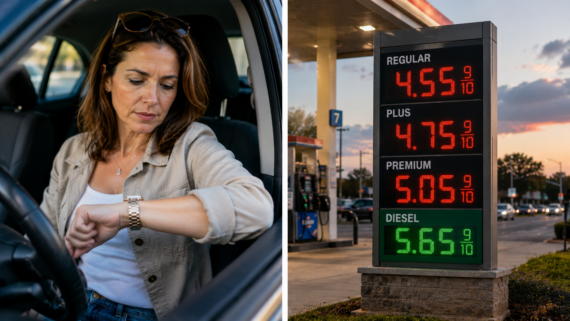
Gas prices used to be something drivers noticed only when the tank was nearly empty. Now, more people check prices before leaving the house, especially when a full tank can feel almost like a grocery bill.
There is no perfect fill-up day everywhere, but GasBuddy’s 2026 analysis suggests there are definitely some days of the week that are better for getting cheaper gas prices. Still, tourism, holidays, weather, refinery issues, and station competition can change the pattern quickly, so it is always worth checking before you pull in.
Sunday Is the Day Drivers Should Check First
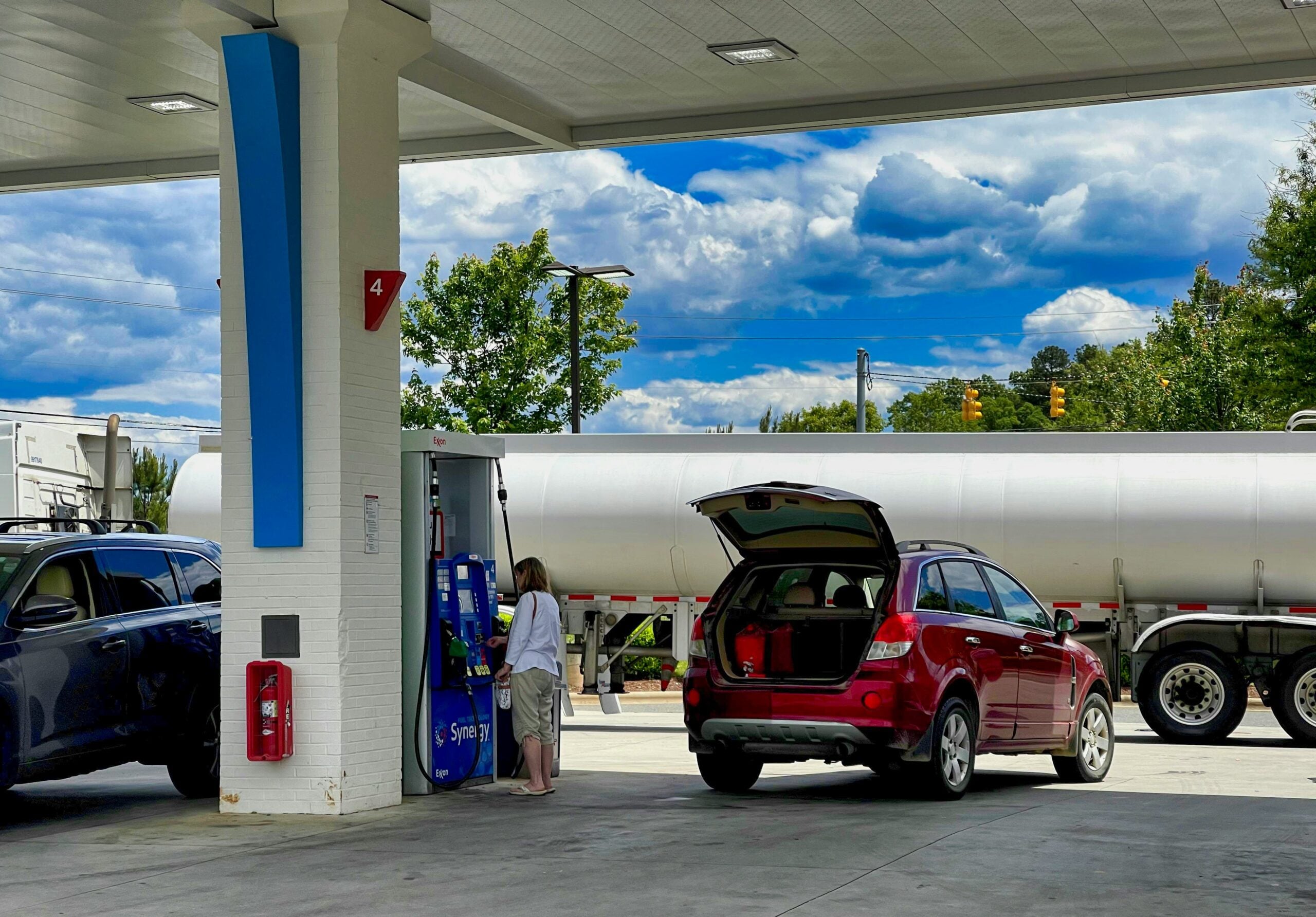
Sunday may not seem like the obvious day to buy gas, but GasBuddy’s 2026 analysis says it is often the safer bet for lower prices. In many markets, prices rise during the week and ease again by the weekend, making Sunday worth checking before the Monday commute. That does not mean every station drops prices, or that the pattern works everywhere. Local price cycles can still override the national trend. But for drivers with some flexibility, Sunday is a smart day to open a gas app before filling up.
Wednesday Through Friday Is the Real Danger Zone
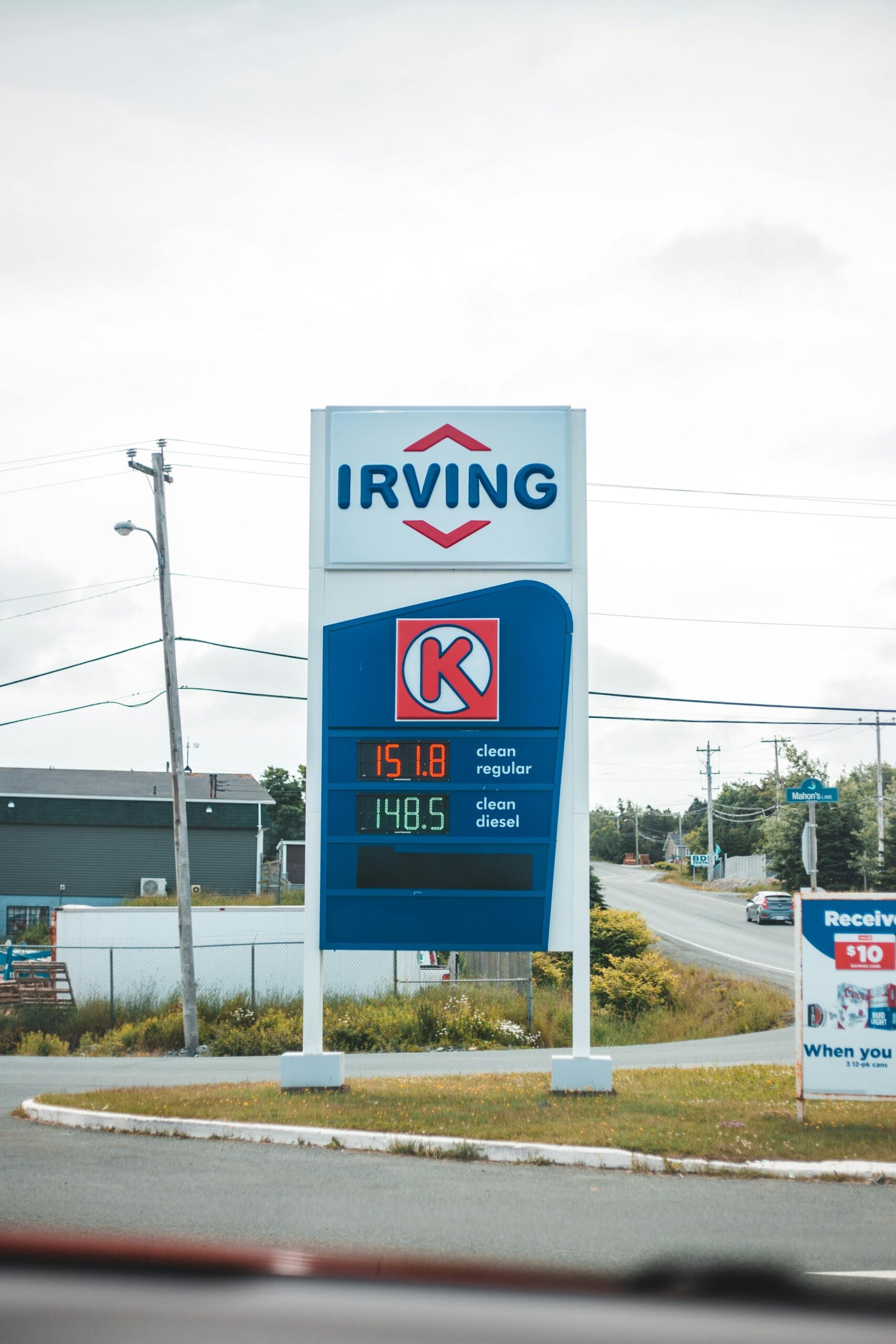
If you wait until the middle or end of the week to fill up, there’s a good chance you’ll pay more. GasBuddy’s 2026 data backs up the idea that Wednesday, Thursday, and Friday are often the pricier part of the week, even if the exact worst day depends on where you live. That matters because a lot of people wait until the tank is almost empty, then fill up wherever they happen to be. A few cents per gallon may not sound dramatic, but for a household with two cars, it adds up fast. The smarter move is to start checking prices before your gas light forces the decision.
Thursday Can Be the Reset Day in Price-Cycling Markets
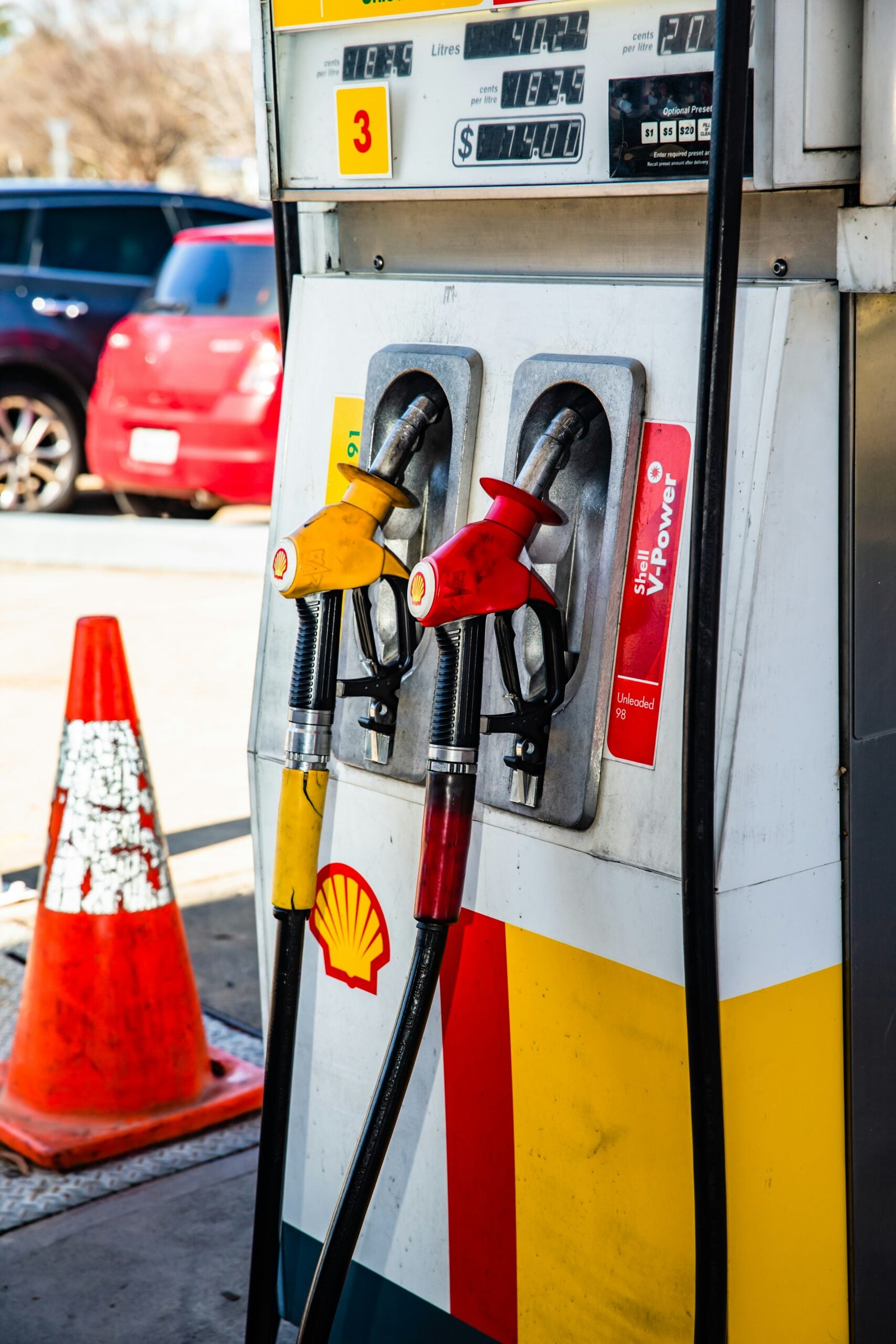
In some places, gas prices do not just slowly move up and down. They jump. GasBuddy points to price-cycling markets where stations may raise prices sharply, then gradually lower them again as competition kicks back in. That is why drivers in some states can feel like every sign changed overnight. Thursday often shows up as one of the rougher days in GasBuddy’s state and city breakdowns, though the timing depends heavily on the local market. The lesson is not to panic-fill the second prices spike. If your tank can handle it, checking again over the next few days may save you money
Friday Before a Road Trip Is Usually a Bad Bet
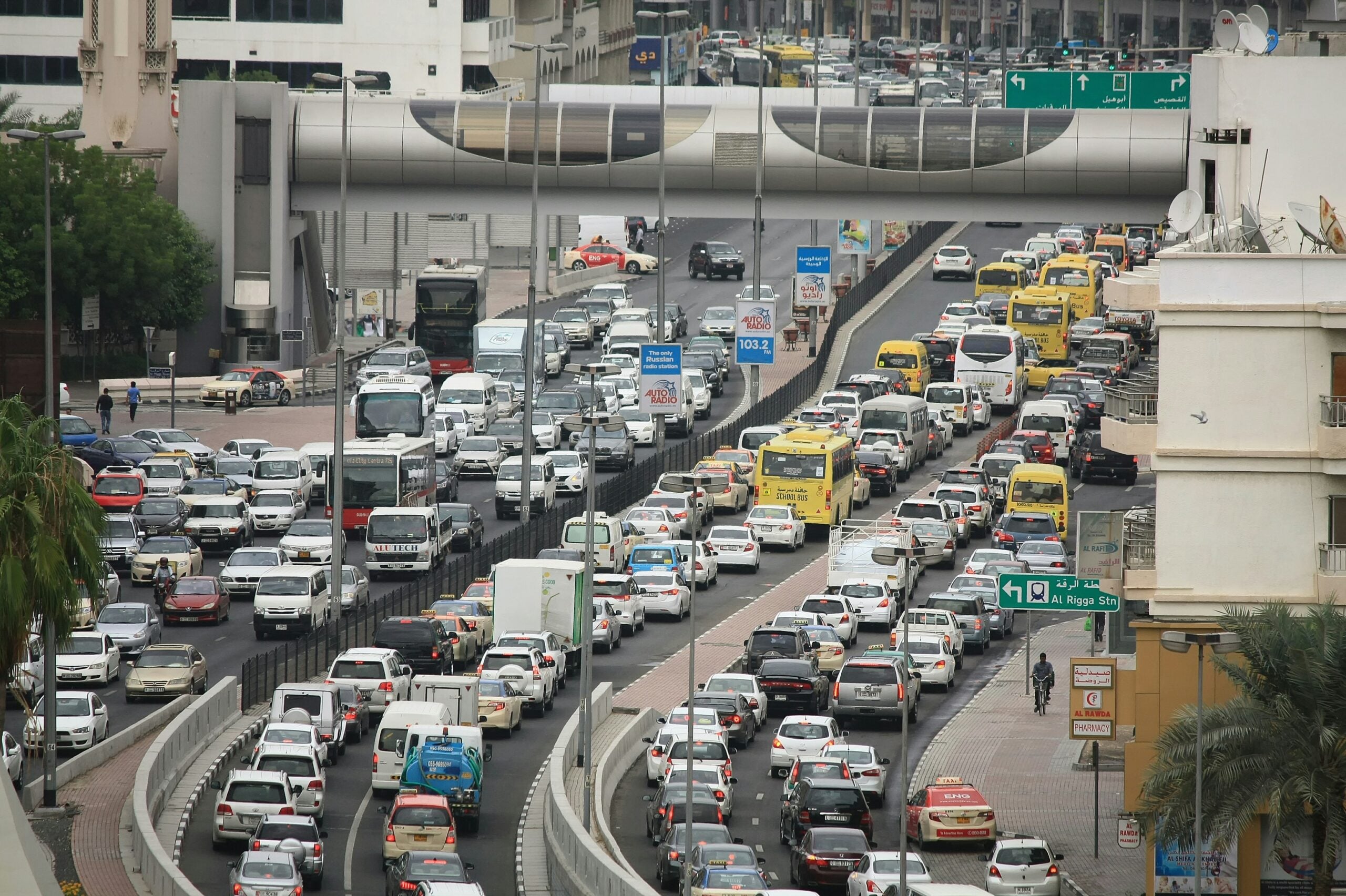
Friday can be a rough day to fill up, especially if you are buying gas right before a weekend trip. Commuters are still out, travelers are getting on the road, and stations near busy exits are not always where the best prices show up. GasBuddy’s city breakdown lists Friday as the most expensive day in several major metro areas, which matches what many drivers already feel: the last-minute road-trip fill-up is rarely the cheapest one. If you are heading to the lake, beach, mountains, or a family visit, it is worth checking prices before you settle for the closest pump.
Holiday Thursdays and Fridays Hurt More Than Regular Ones

Holiday weeks deserve their own warning because normal patterns can get messy. AAA expected 45 million Americans to travel for Memorial Day weekend 2026, with most of them driving, even as gas prices stayed high. That kind of road demand can make Thursday and Friday feel worse than usual, especially when people top off before leaving town. Memorial Day, July Fourth, and Labor Day do not automatically raise prices on their own, but they do create a rush. Waiting until the last minute can make an already expensive fill-up feel even worse.
Trending on Cheapism


Summer Fridays Feel Worse Because the Baseline Is Higher
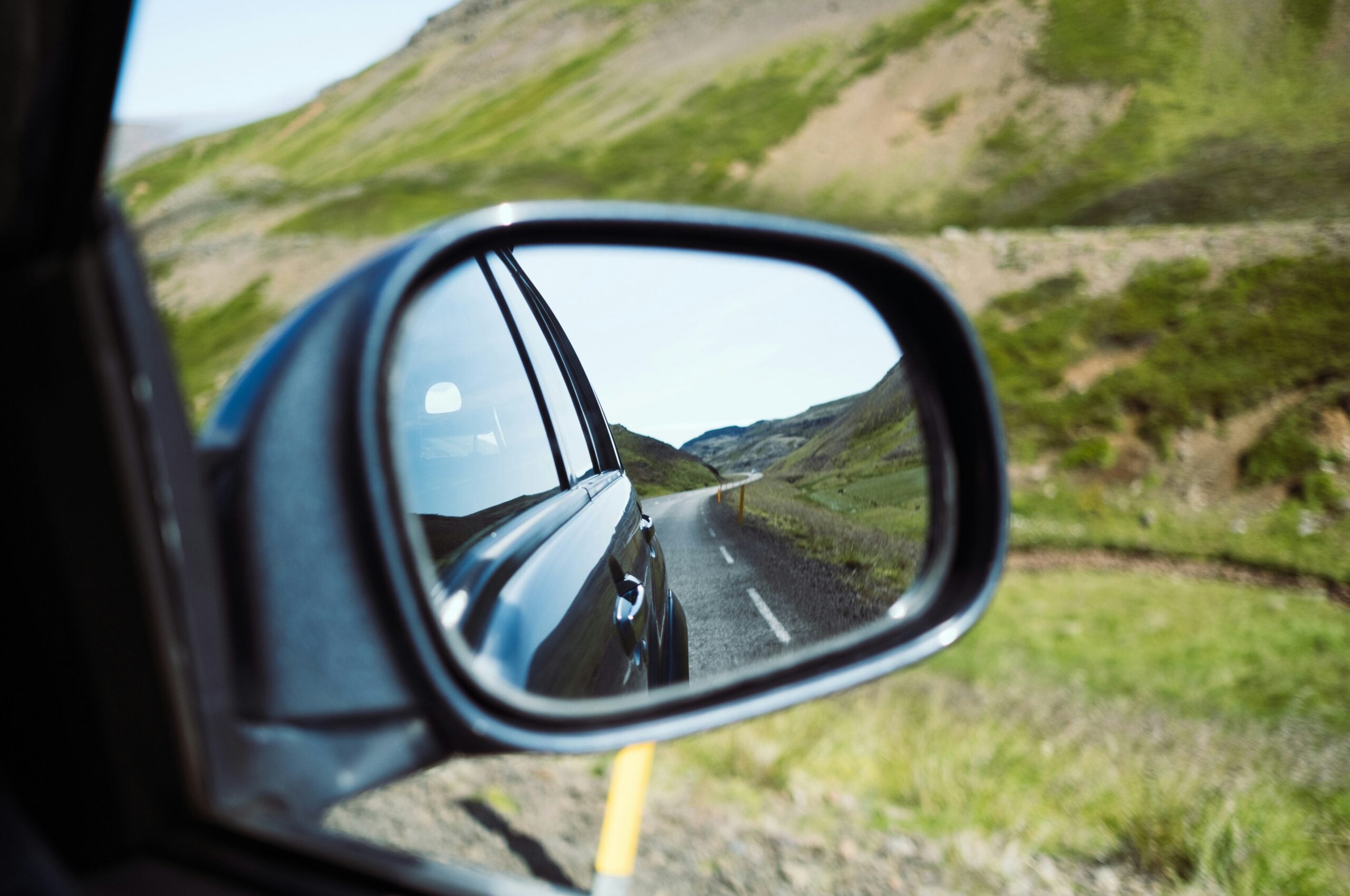
A Friday price jump is annoying any time of year, but it can feel especially painful in June or July. The EIA says gas prices often rise in spring and peak in late summer, partly because people drive more and summer fuel blends cost more to make. So the same bad timing, filling up right before a weekend trip, can land on top of already higher seasonal prices. For travelers on fixed budgets, the point is not to skip every summer trip. It is to compare prices before pulling into the most obvious stops on busy travel routes.
Saturday in Tourist Towns Is Convenience Pricing at Work

Saturday can sting in beach towns, lake areas, and places near national parks, but it is less about the calendar and more about convenience. Stations near resorts, campgrounds, ferry routes, and busy exits often serve drivers who are already there and do not want to detour for cheaper gas. GasBuddy does list Saturday as the most expensive day in several states, but the bigger lesson is that location matters. In peak season, it is usually smarter to fill up before the postcard scenery begins.
Monday Can Spike When the News Breaks Over the Weekend
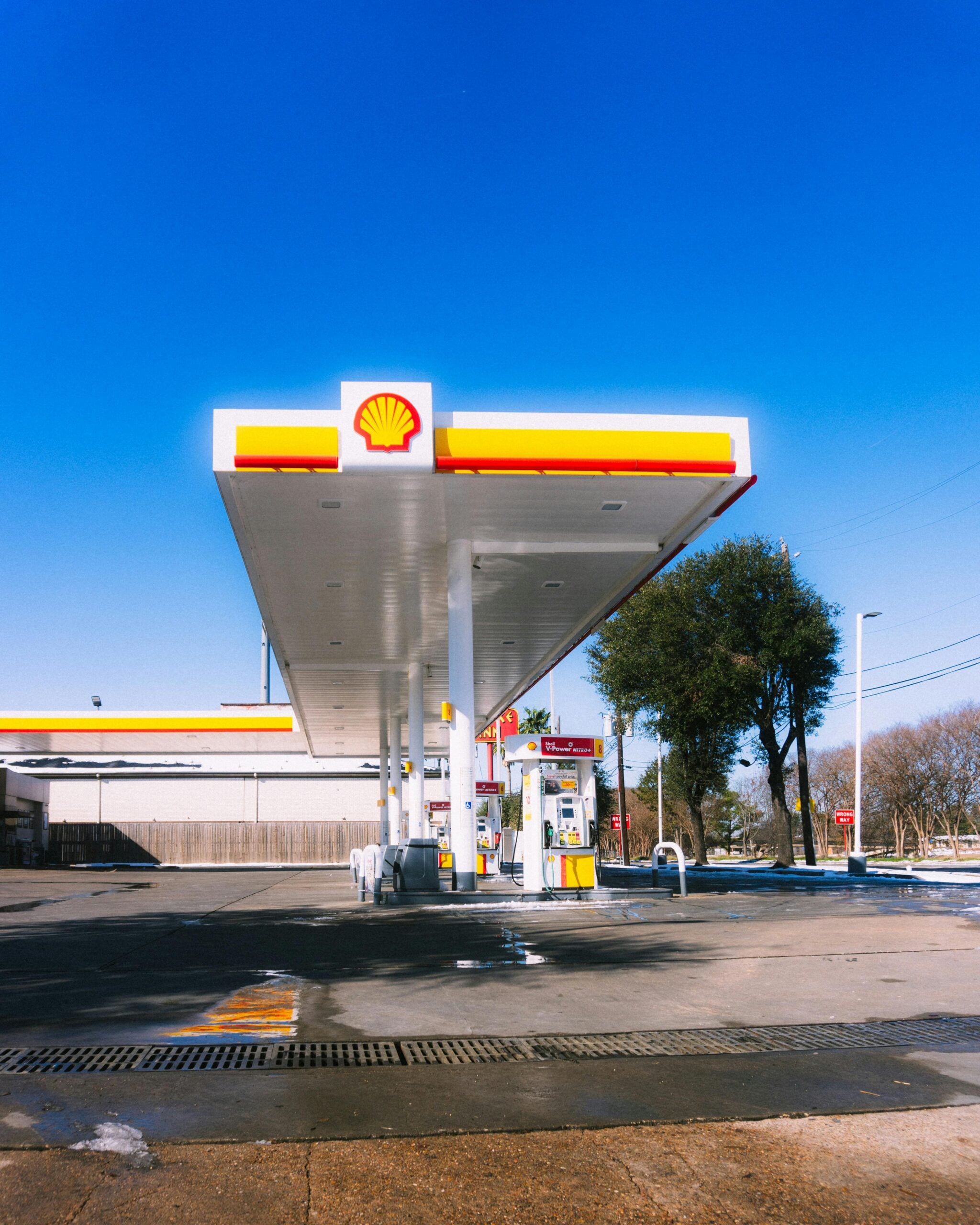
Monday is often a better day to buy gas, but it is not guaranteed to be cheap. EIA says crude oil is the biggest driver of retail gas prices, and oil-market news does not wait for the middle of the week. Refinery outages, supply worries, or geopolitical shocks can move prices quickly, and drivers may feel it at the pump soon after. That is why a Monday fill-up can still hurt after a tense weekend. The weekly pattern helps, but bigger market news can always break the rule.
Sign up for our newsletter
Storm-Watch Thursdays Can Wipe Out the Pattern
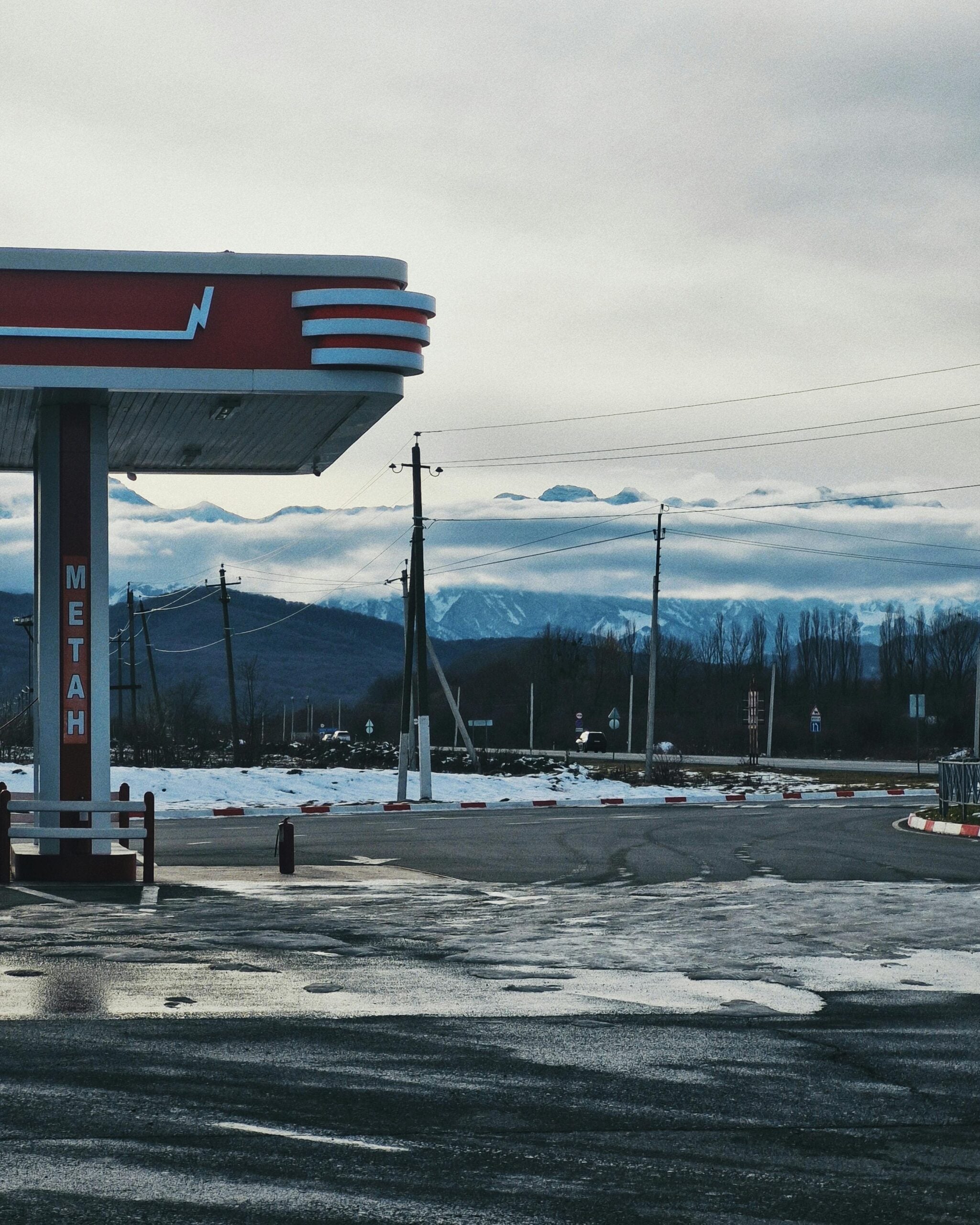
Before a hurricane, blizzard, or major storm, the worst day to buy gas is usually the day everyone else rushes to fill up. Thursday can be painful when a storm is expected before the weekend, but the real issue is timing, not the calendar. EIA’s Hurricane Harvey analysis shows how Gulf Coast refinery and pipeline disruptions can ripple into fuel supply and prices. Even without a refinery problem, local demand can jump when drivers all top off at once. The boring-but-smart move is to keep the tank from getting too low during storm season.
Airport-Area Mondays Are More About Location Than Day
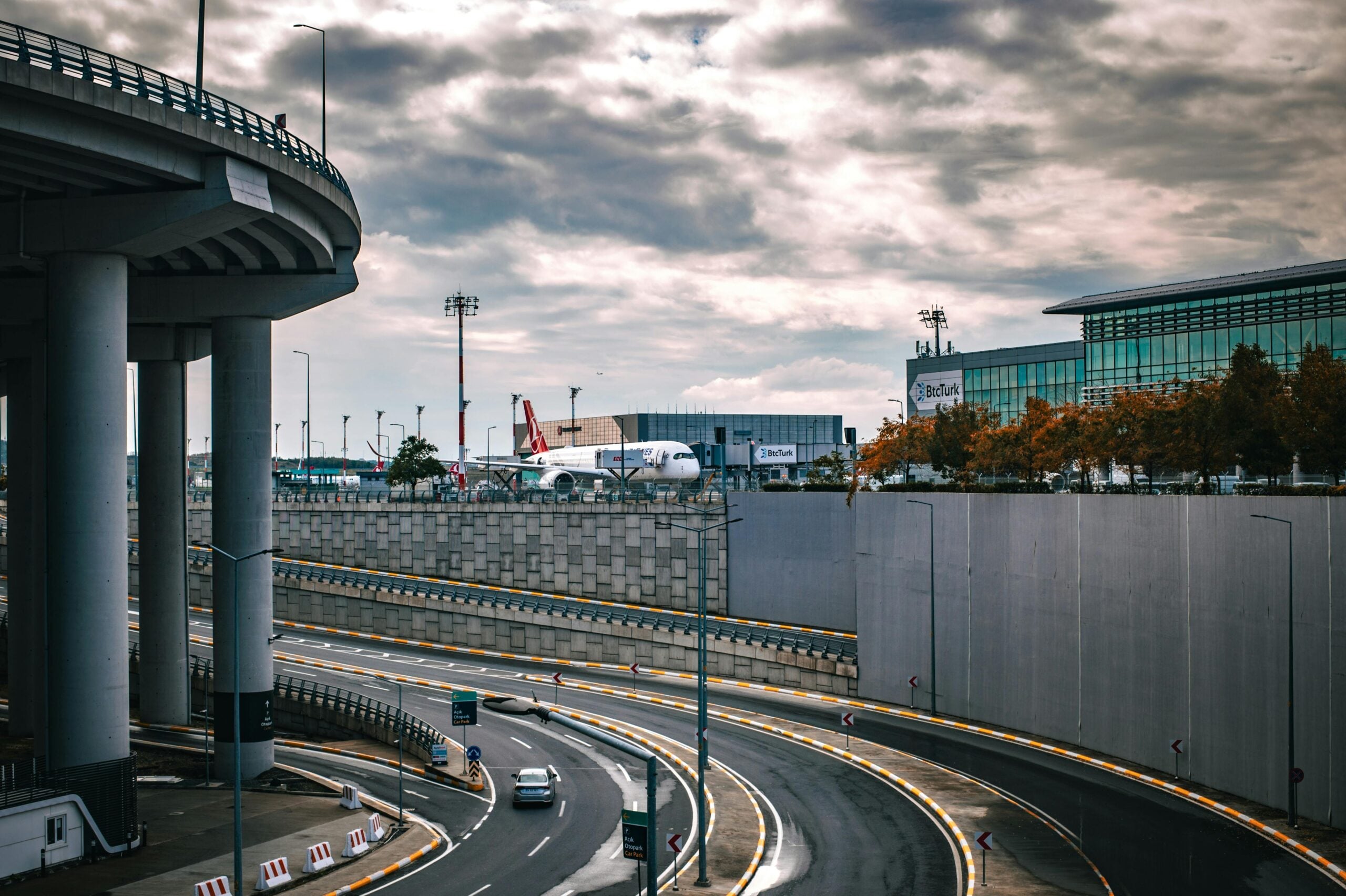
The airport-corridor warning is useful, but Monday is not really the point. Gas stations near rental-car returns often catch travelers who are short on time and need to bring the car back with a full tank. That can make nearby pumps feel expensive no matter what day it is. Traveler forums say the same thing in a messier way: location can matter as much as timing. The better move is to fill up farther from the airport, keep the receipt, and avoid letting a rental return decide your gas price.
Sunday Near Stadiums Can Be a Local Trap
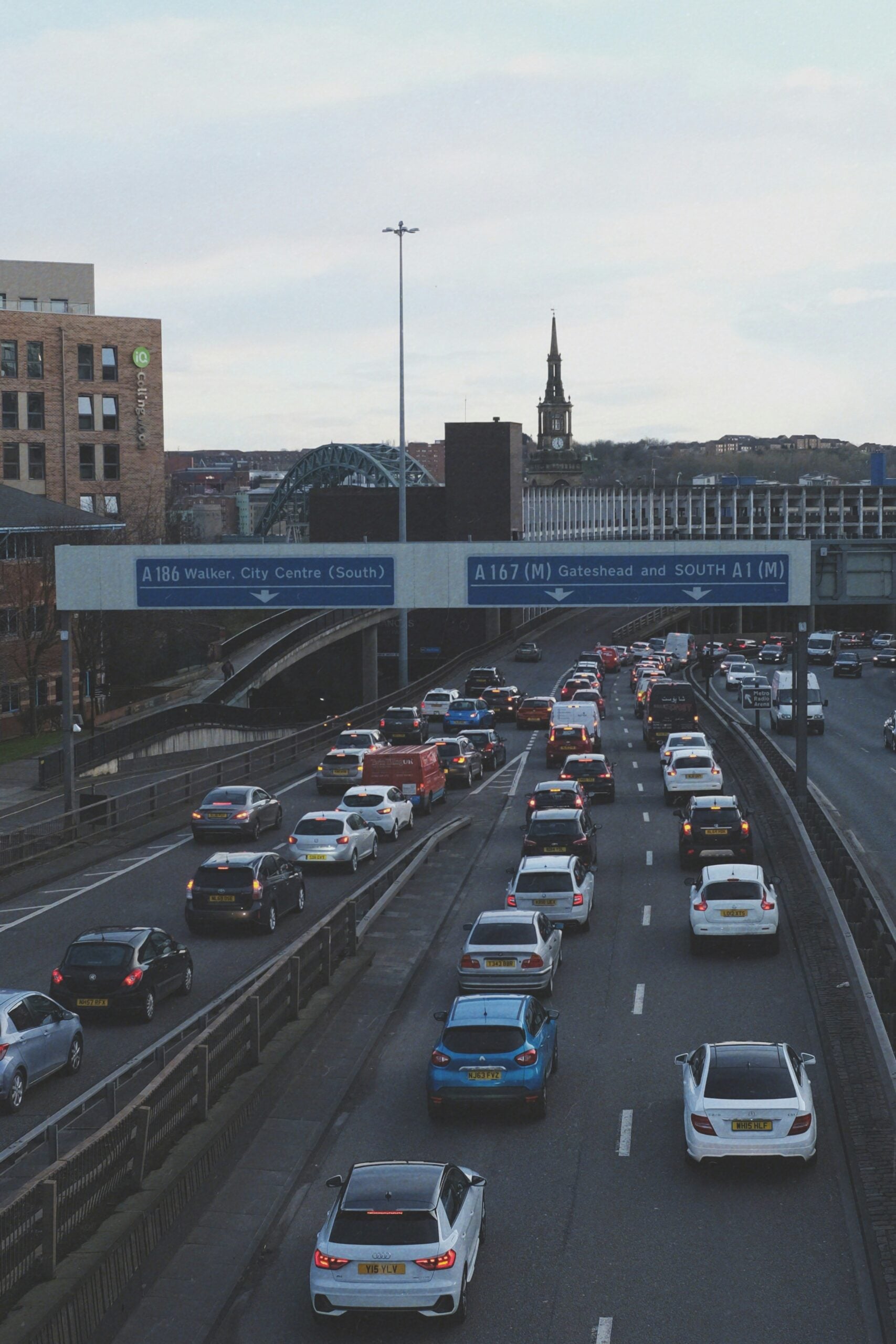
Sunday may be a smart day to check for lower gas prices nationally, but location can still ruin the deal. Stations near stadiums, concert venues, racetracks, beach roads, or fairgrounds often serve drivers who are already stuck in the area and just want a quick stop. That does not prove every event-day station charges more, but it does mean convenience can matter as much as the weekday. A pump five blocks from the venue may not be the cheapest one in town. Before heading home, search along your route instead of filling up beside the parking lot.
Downtown Rush-Hour Stops Usually Cost More Than Planning Ahead
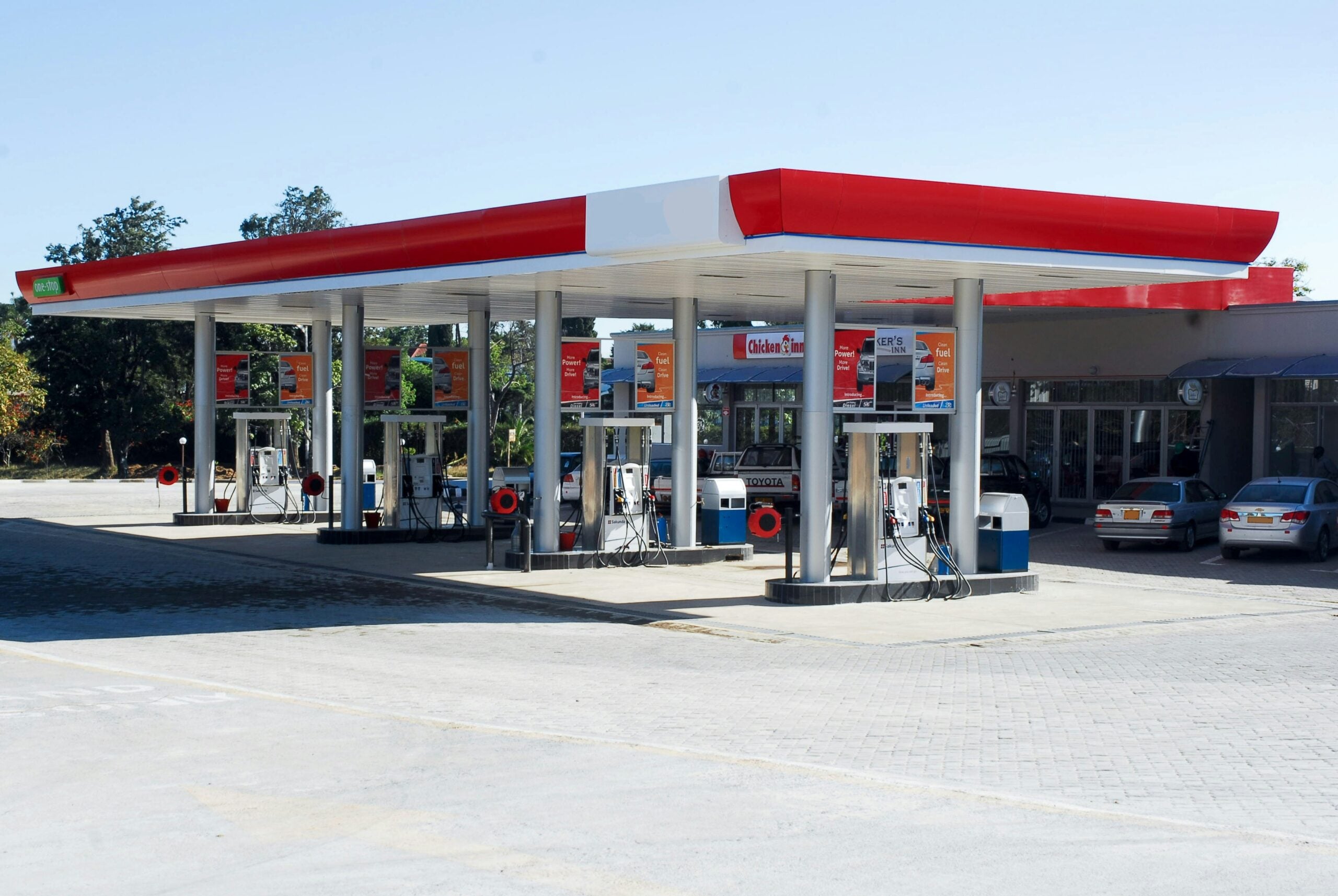
Gas prices do not usually jump by the hour just because it is rush hour. The bigger issue is convenience. Downtown and commuter-heavy stations often catch drivers who are rushing to work, leaving appointments, or trying not to run out of gas. At that point, a higher price can feel easier than making another stop. Since local competition and location both affect pump prices, planning ahead helps. If a suburban station, warehouse club, or regular stop is usually cheaper, fill up before the city has you cornered.
State Lines Can Matter More Than Weekdays
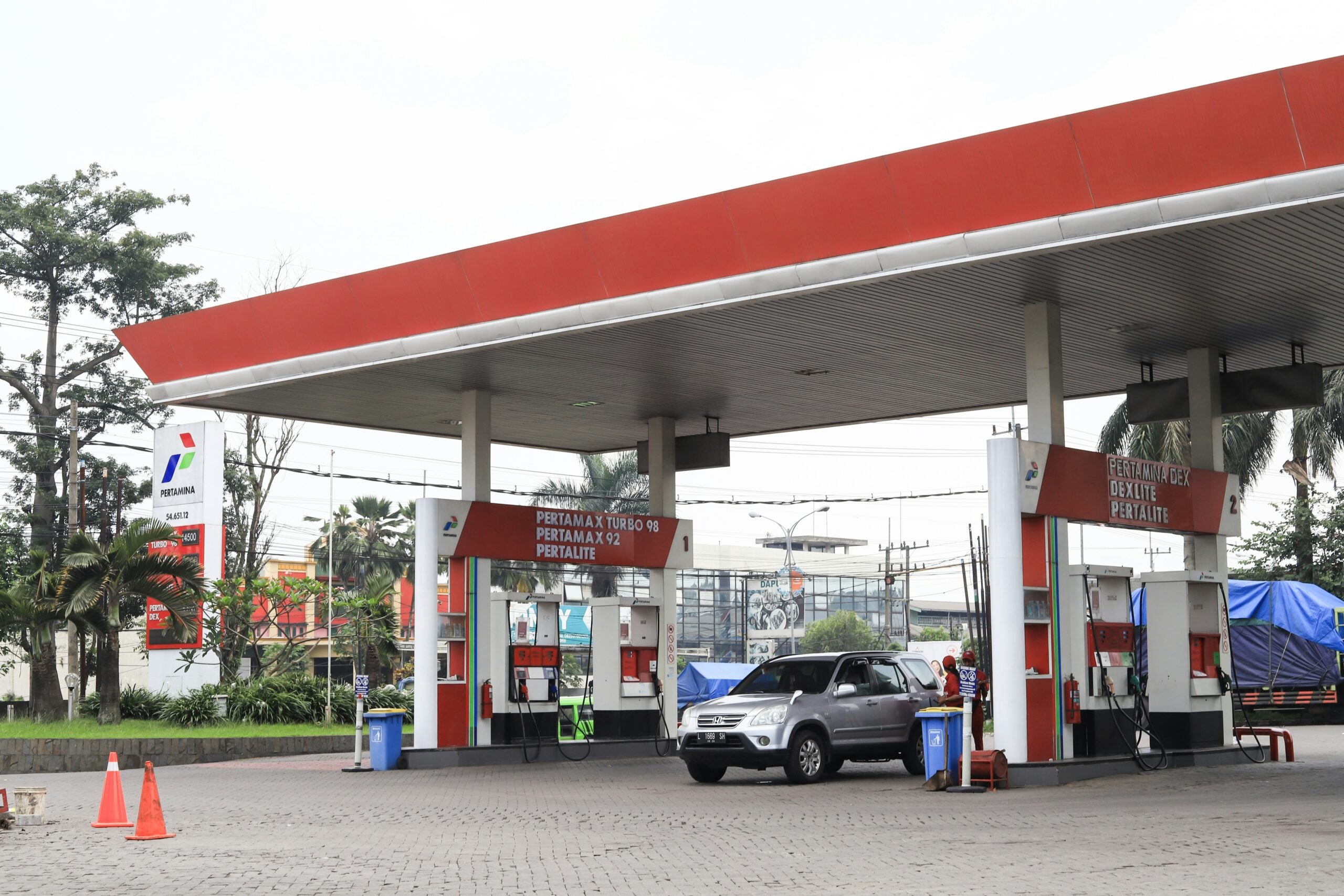
GasBuddy’s state-by-state table is a good reminder that there is no perfect gas calendar for everyone. In some states, Monday is the better bet. In others, Tuesday, Sunday, or even Wednesday looks stronger. State taxes, fuel rules, distribution routes, refinery access, and local competition all shape what drivers actually pay. That is why a driver in Ohio may swear by one pattern while someone in California sees something completely different. For road-trippers, weekday timing helps, but state-line awareness can help even more. Check prices before crossing into a known high-cost area.
Apps Made the Weekly Pattern Impossible to Ignore
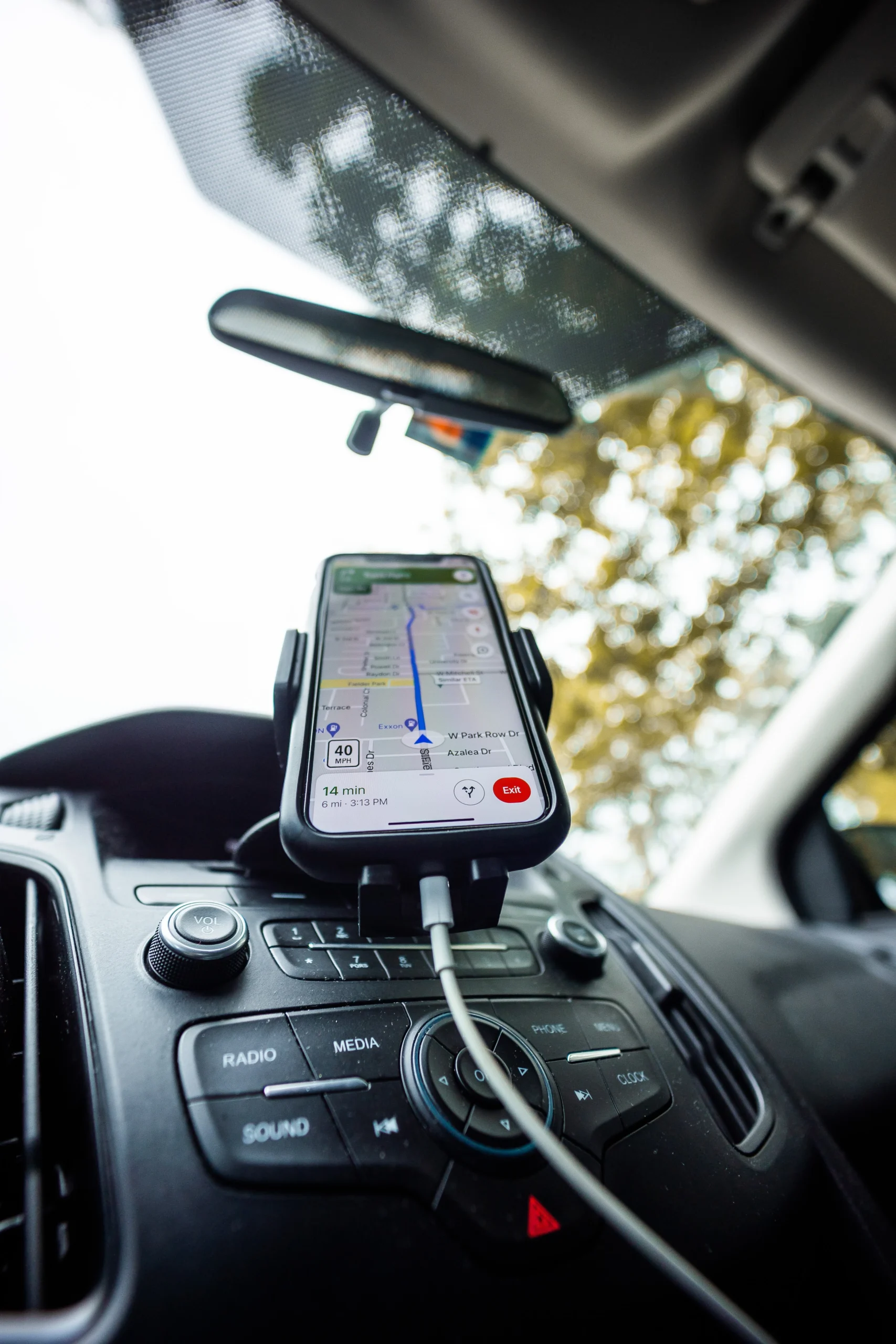
Years ago, drivers noticed gas prices only when they passed a station sign. Now they can compare pumps before leaving the driveway. Apps like GasBuddy make it easier to spot a Wednesday jump or a Sunday dip instead of guessing, while AAA and EIA give a wider view of the market. The catch is that app prices are not perfect. At quieter stations or during fast-moving spikes, they can go stale. Before driving across town for cheaper gas, check when the price was last updated and make sure the savings are worth the detour.
Rewards Can Beat the Calendar, but Only If They Fit Your Habits
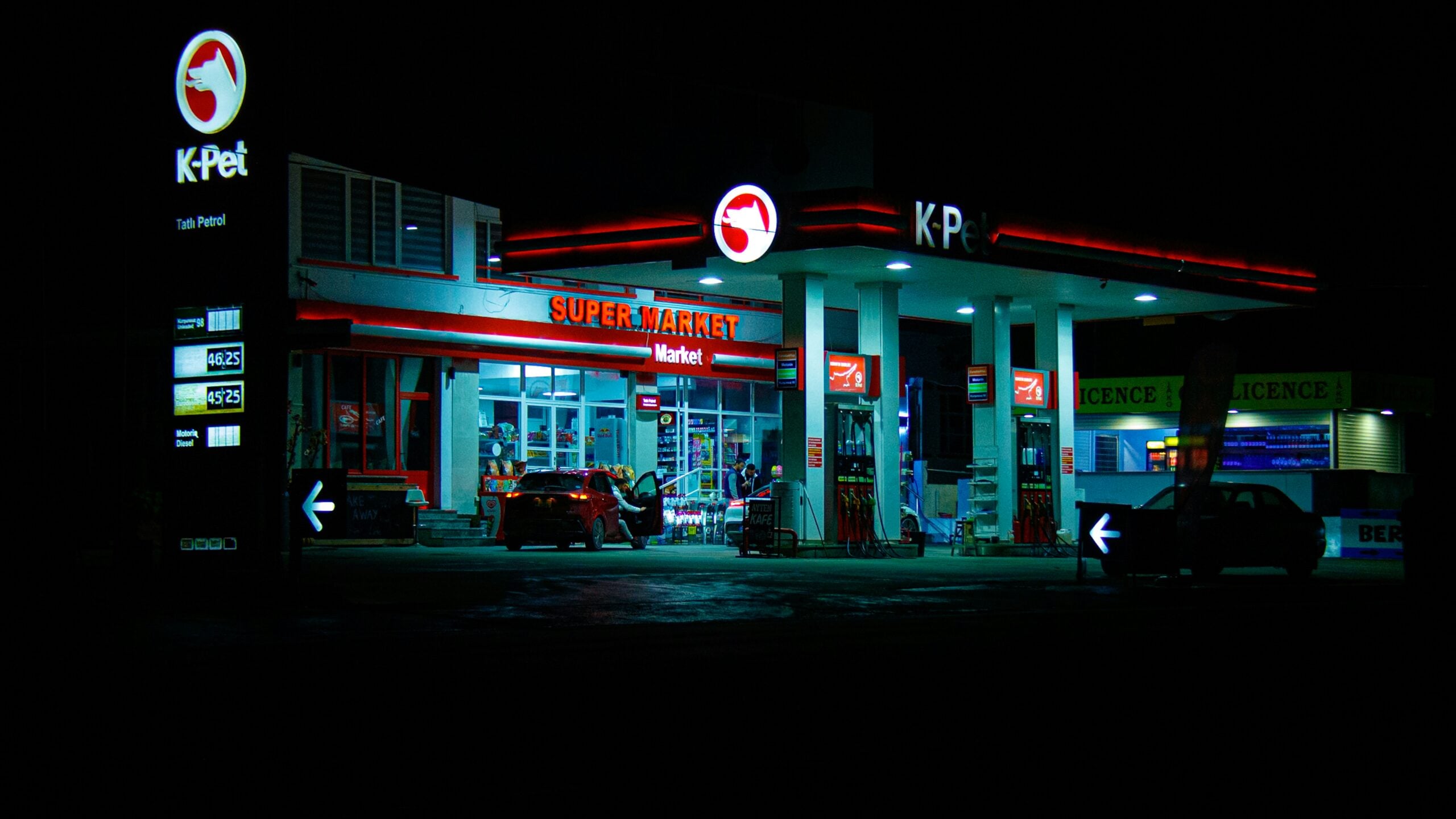
Timing matters, but it is not the only way to lower a gas bill. Grocery fuel points, warehouse clubs, station apps, and cash-back cards can sometimes save more than choosing Sunday over Thursday. The trick is not to spend extra just to earn a discount. For drivers already shopping at Kroger, Costco, Sam’s Club, BJ’s, or a favorite station chain, the savings can be real. But driving across town to save a few cents can wipe out the benefit. The cheapest day is only cheap if the whole trip makes sense.
The Worst Day Is the Day You Have No Choice
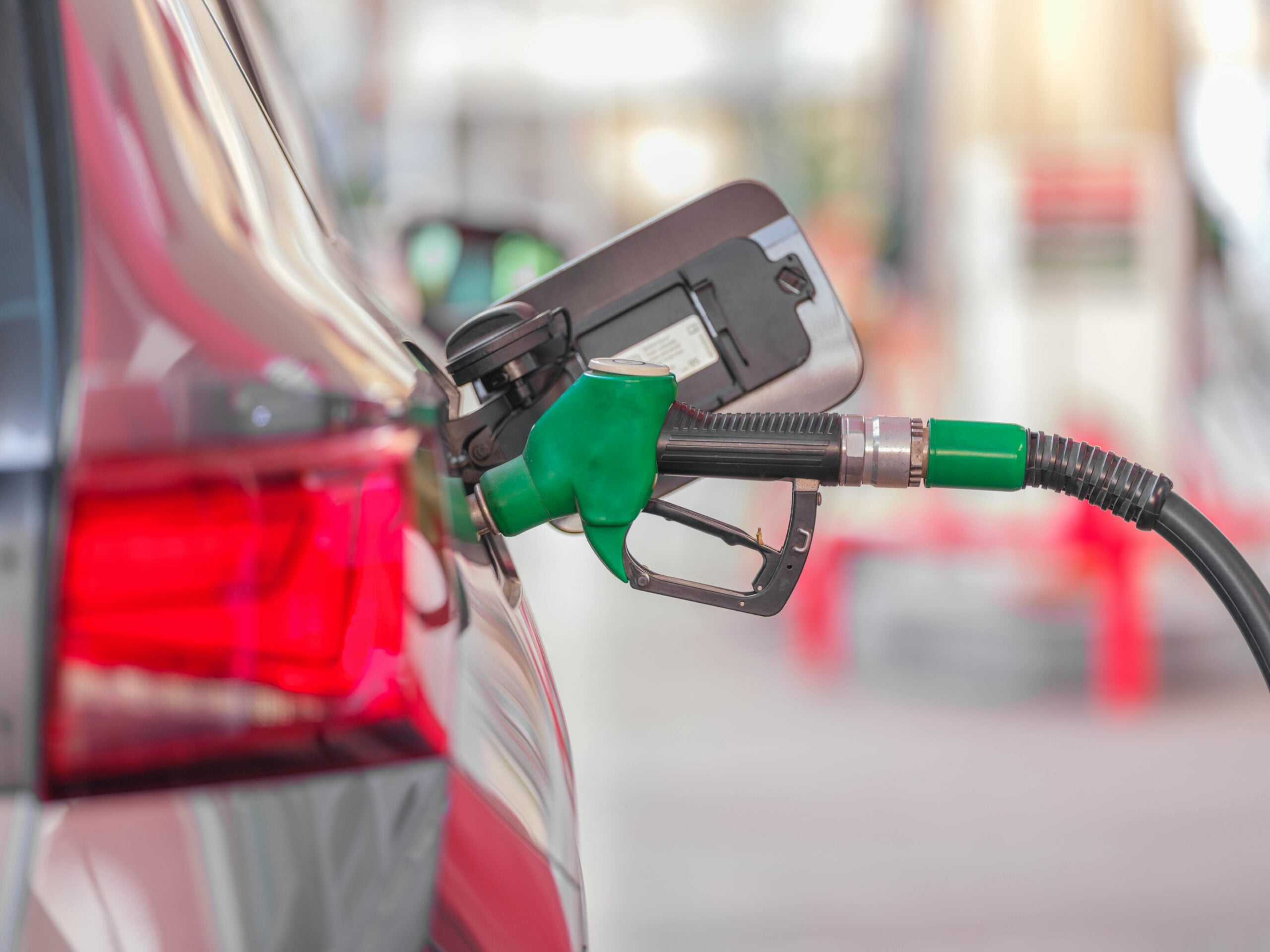
The real lesson is not that every driver needs one perfect gas day. The worst fill-up usually happens when timing, location, and urgency all work against you: Friday afternoon near the highway, Saturday in a resort town, Thursday in a price-cycling market, or Monday after bad oil news. When gas is already expensive, even small mistakes can feel bigger than they should. For many households, the smarter habit is simple: check early, fill up before the rush, and avoid buying gas where convenience is the whole business model.
The easiest takeaway when figuring out the best day to buy gas is not to memorize one perfect day. It is to stop waiting until the tank makes the decision for you. Sunday may be a smart time to check prices, and Wednesday through Friday deserve extra caution, but location and urgency still matter. A station beside an airport, beach road, stadium, or interstate exit can wipe out the benefit of good timing. In 2026, the smartest drivers are treating gas like any other household expense: compare first, avoid obvious convenience traps, and use loyalty points only when the full trip actually makes sense.
More from Cheapism:
- Your Next Oil Change May Cost More — Here’s Why — Rising motor oil prices and supply shortages could make routine car maintenance even more expensive for drivers this year.
- Toyota Recalls 43,500 Trucks Over Engine Defect — Toyota owners may want to listen for engine knocking or stalling, as debris from manufacturing could cause serious engine trouble.
- Turns Out Having a Car Is a Luxury Now, Survey Finds — Between loan payments, insurance, gas, and maintenance, many Americans now feel car ownership is becoming too expensive to afford comfortably.