Many foods that were once luxury items now seem completely ordinary, but they were once reserved for wealthy households, special occasions, or major holidays. Before modern refrigeration, efficient transportation networks, industrial agriculture, and global trade, getting certain foods onto the dinner table could be difficult, expensive, or both.
Over the past century, advances in farming, food processing, shipping, and storage transformed what Americans could buy and afford. In some cases, foods that once signaled wealth and privilege are now among the cheapest items in the grocery store. Others have experienced the opposite journey, evolving from common fare into luxury dining staples.
Looking back at these foods offers a fascinating glimpse into how dramatically food culture has changed. Here are everyday foods that would have impressed dinner guests, neighbors, or relatives in decades past.
Bananas
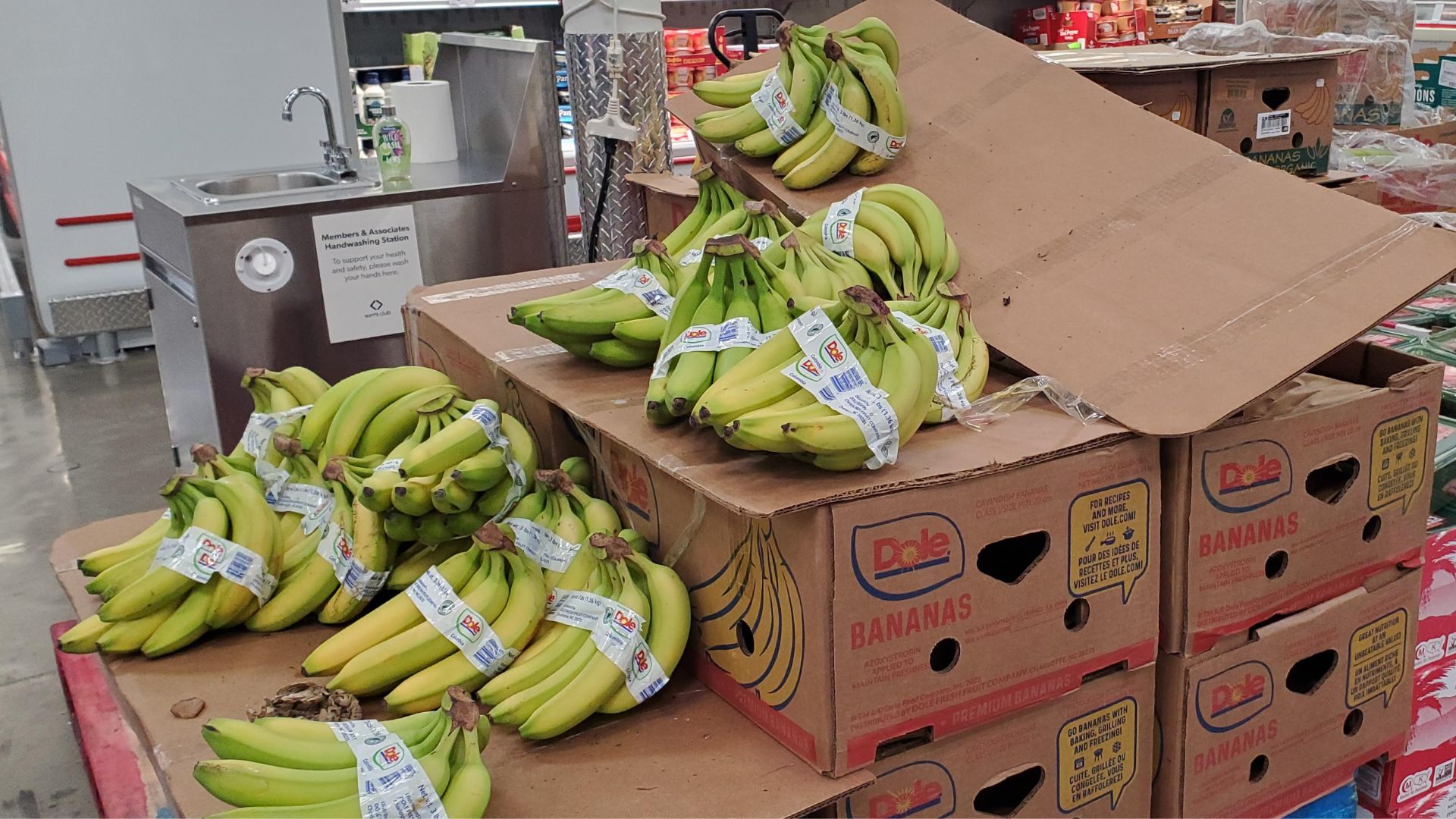
Today, bananas are one of the most affordable fruits in American supermarkets, but they were once considered exotic imports that many Americans had never seen.
In the late 1800s and early 1900s, bananas arrived through complex international shipping networks that connected tropical growing regions with U.S. markets. Because transportation was limited and distribution was uneven, many rural Americans rarely encountered the fruit.
Their novelty made them highly prized. In some households, children even received bananas as Christmas gifts because they were difficult to obtain and relatively expensive. For many Americans, seeing or tasting a banana was a memorable event.
Oranges
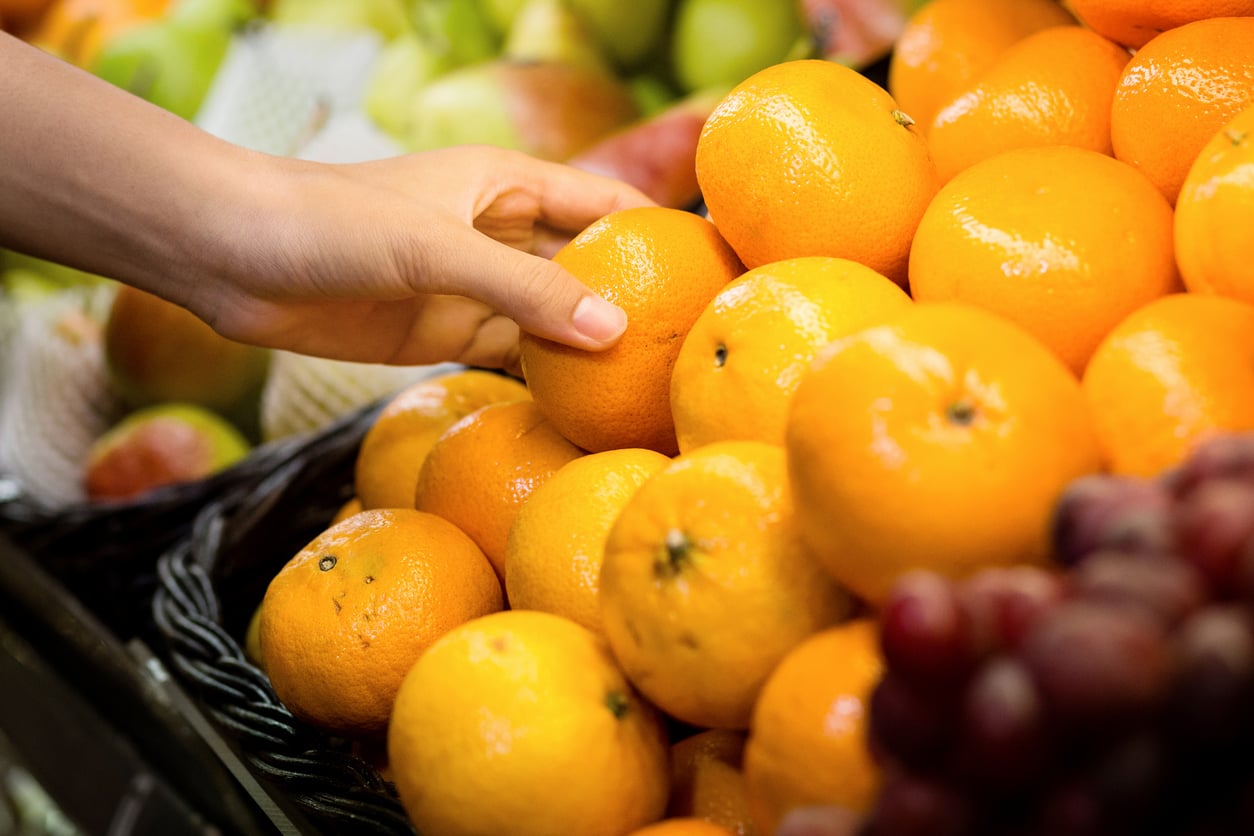
Fresh oranges were once viewed as special treats, especially during winter in northern states.
Before refrigerated transportation became widespread, moving fresh citrus fruit across long distances was challenging and costly. As a result, oranges were often associated with holidays and celebrations rather than everyday eating.
For generations of children, finding an orange in a Christmas stocking was a meaningful gift. The fruit’s bright color, sweet flavor, and seasonal rarity made it feel luxurious. Today, oranges are available year-round in virtually every supermarket.
Ice Cream
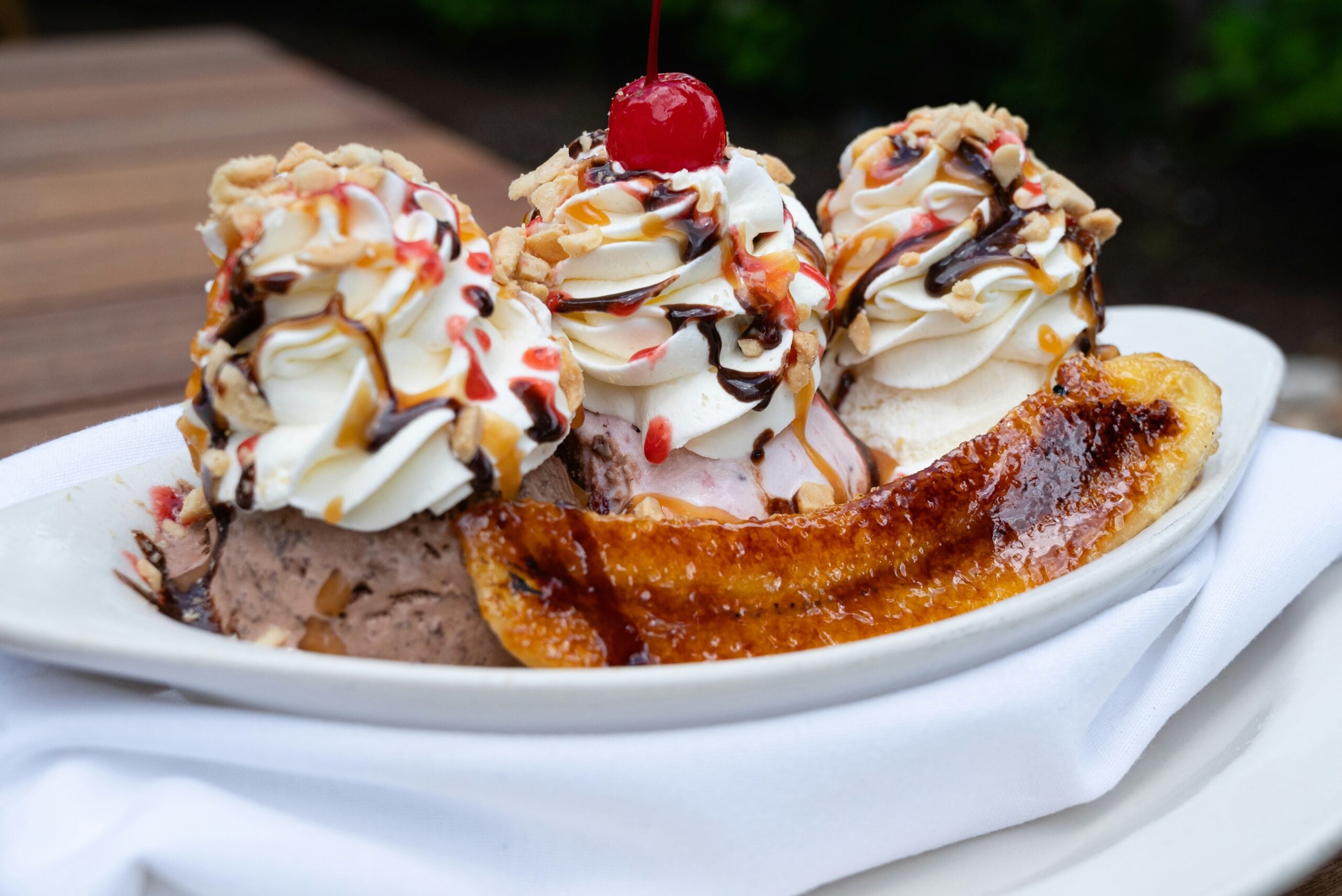
Before home freezers and modern refrigeration, ice cream was far from an everyday dessert.
Making and storing ice cream required access to harvested ice, specialized equipment, or significant labor. Wealthy households often had advantages that allowed them to serve frozen treats long before refrigeration became common.
Ice cream was frequently reserved for celebrations, social gatherings, and special occasions. Serving it to guests could signal both status and hospitality. The spread of refrigeration technology eventually transformed ice cream into an everyday indulgence.
White Bread
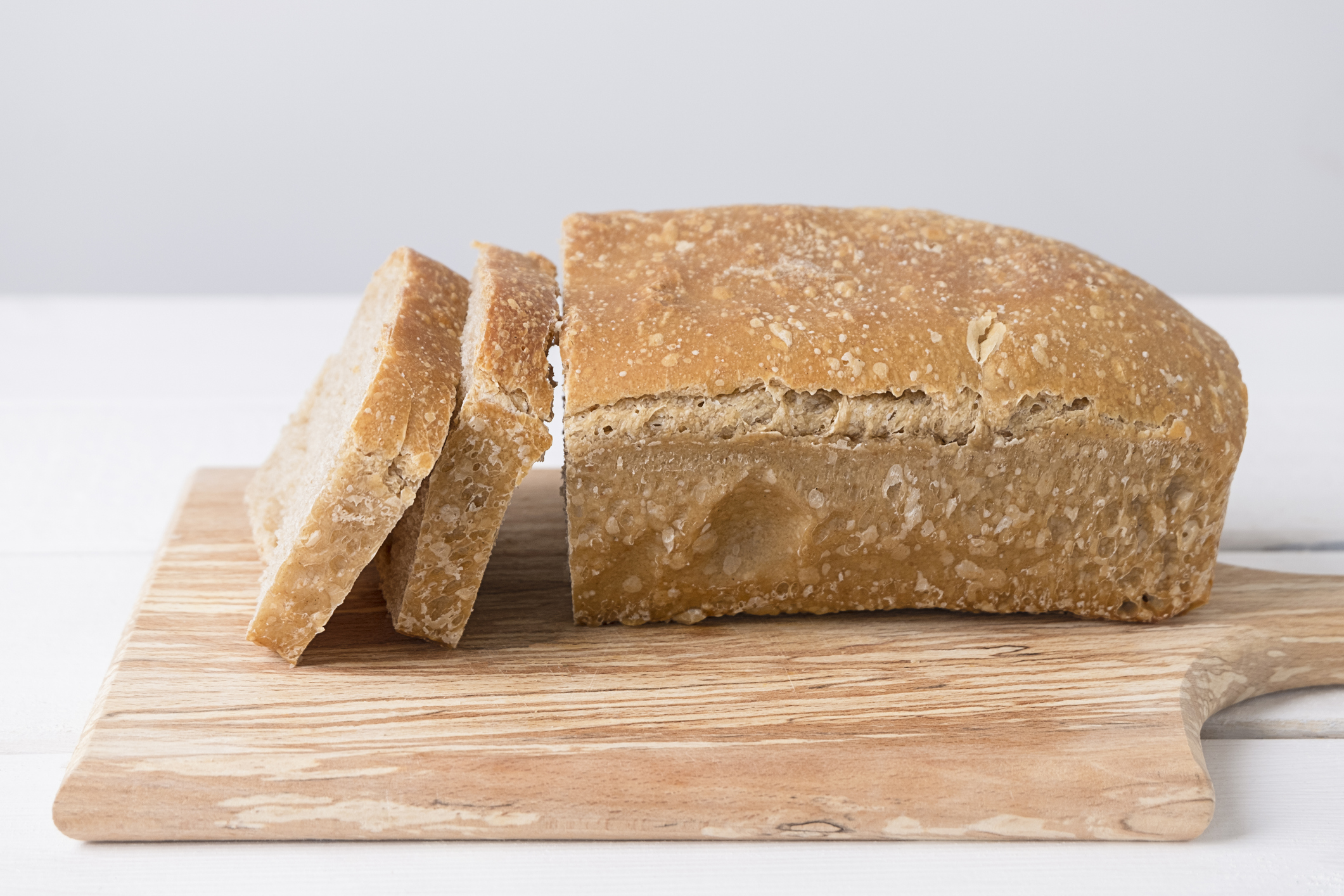
It may seem surprising today, but white bread was once considered more prestigious than darker breads.
Producing highly refined white flour required additional milling and processing, making it more expensive than coarser grain products. Because of this, white bread became associated with wealth, refinement, and social status.
Meanwhile, whole-grain and darker breads were often consumed by working-class families because they were less costly to produce. Modern nutritional trends have largely reversed those perceptions, with many consumers now viewing whole-grain breads as the premium option.
Sugar
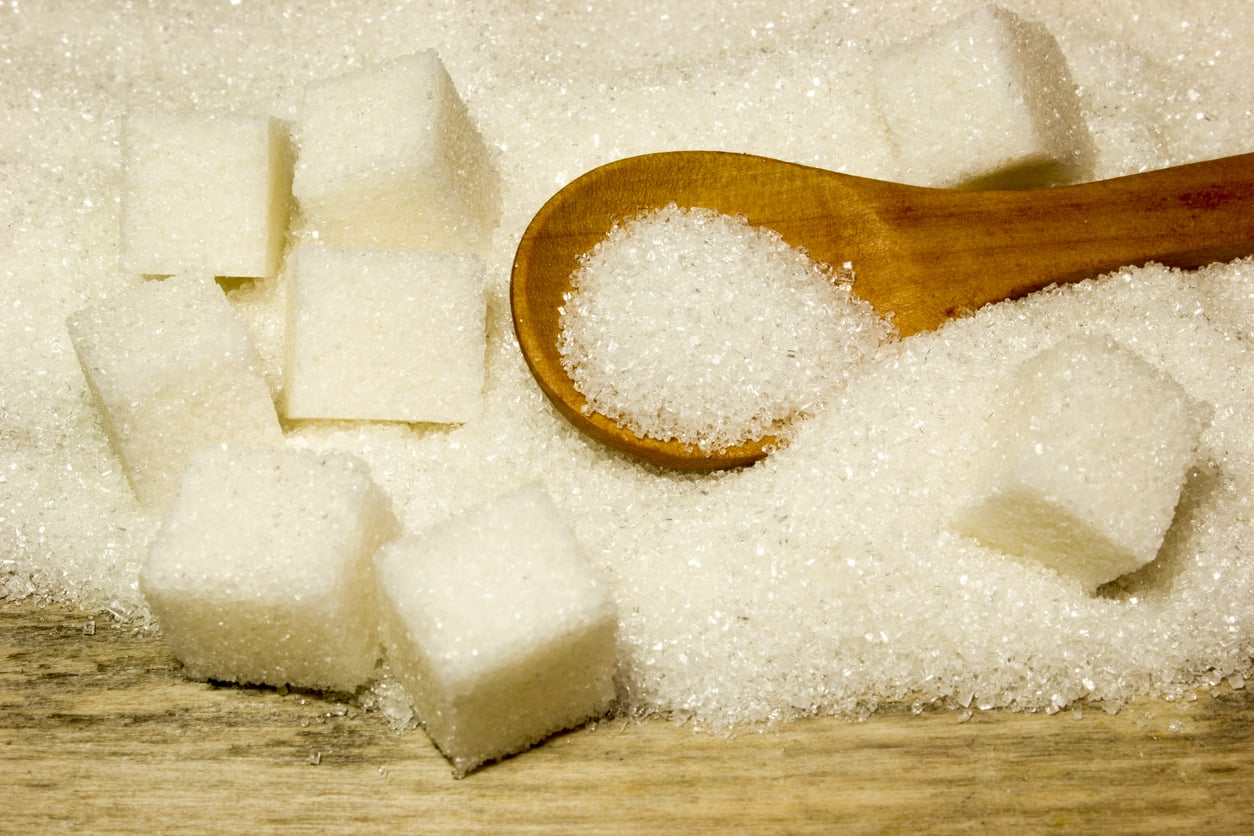
For centuries, sugar functioned as a luxury good rather than a pantry staple.
Imported from distant regions and produced through labor-intensive systems, sugar was expensive enough that only wealthy households could regularly afford large quantities. Elaborate sugar sculptures sometimes appeared at aristocratic banquets as displays of wealth and prestige.
Because sugar was costly, many desserts and sweet treats were reserved for holidays or important celebrations. Today, sugar is among the most abundant ingredients in the American food supply.
Trending on Cheapism

Pineapple
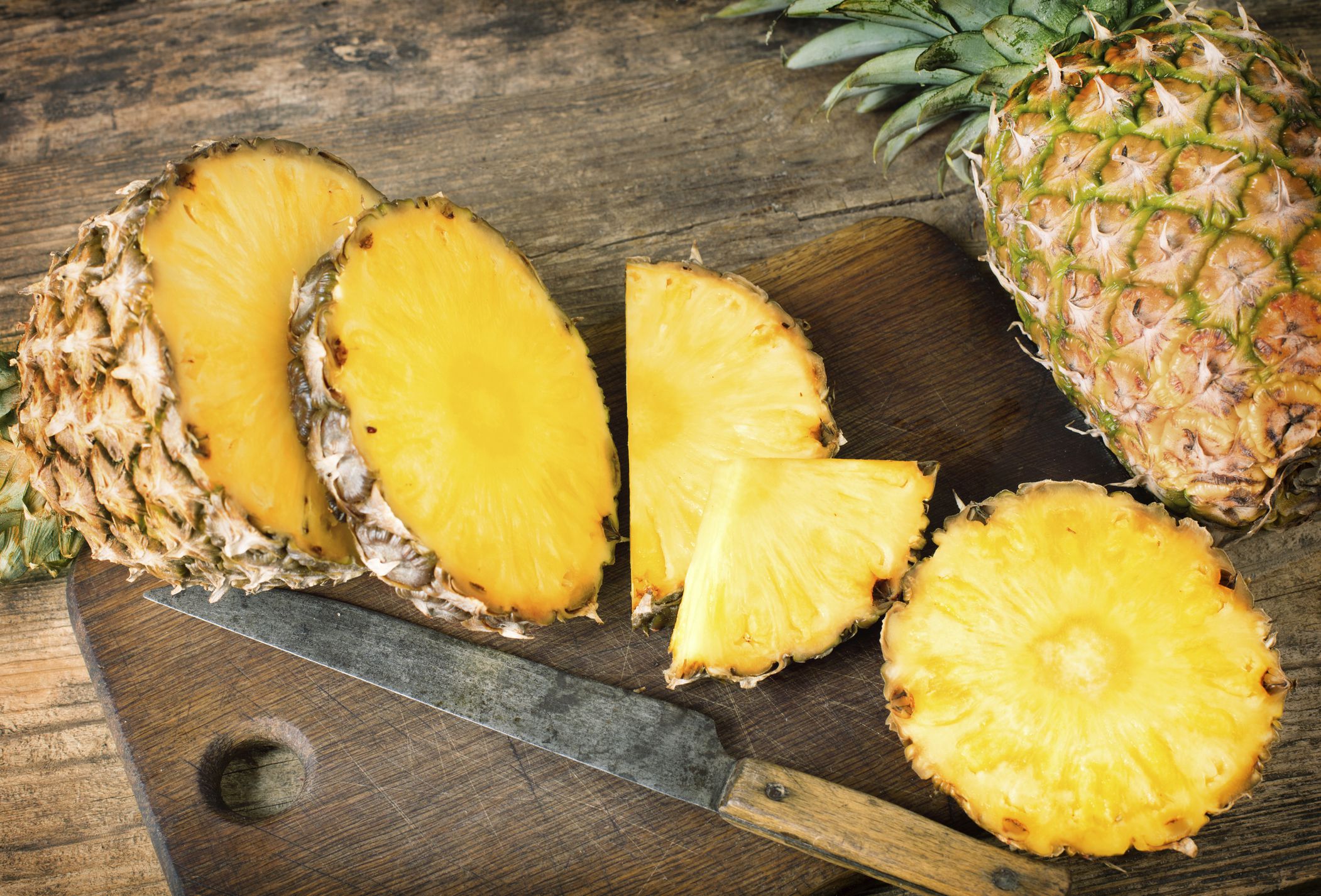
Few foods have a stronger historical connection to status than the pineapple.
In colonial America and parts of Europe, pineapples were extraordinarily rare because they had to survive long and difficult journeys from tropical regions. Their scarcity made them powerful symbols of wealth and hospitality.
Some wealthy hosts reportedly rented pineapples for social gatherings simply to display them as centerpieces. The fruit became so closely associated with luxury that pineapple imagery appeared in architecture, furniture, and home décor.
Today, both fresh and canned pineapple are widely available and affordable.
Lobster

Lobster’s transformation may be the most dramatic food-status reversal in American history.
In parts of North America during the 18th and 19th centuries, lobsters were so abundant that they were often fed to prisoners, servants, and laborers. Rather than being viewed as a delicacy, lobster was considered cheap and commonplace.
As transportation improved, lobster could be shipped to distant urban markets where it became more desirable. Demand increased, supplies appeared less limitless, and its reputation gradually changed.
Today, lobster is widely regarded as a luxury seafood item associated with upscale dining.
Coffee
Coffee was not always the daily necessity many people consider it today.
For much of its history, imported coffee could be expensive due to transportation costs, tariffs, and supply limitations. Regular coffee consumption was easier for wealthier households to afford, while others often relied on substitutes.
Coffeehouses became important gathering places for merchants, professionals, and community leaders. Over time, improved trade networks and large-scale production helped make coffee accessible to millions of consumers.
Sign up for our newsletter
Chocolate

Chocolate was once enjoyed primarily by elites.
Early chocolate production was labor-intensive, and imported cocoa significantly increased costs. For centuries, chocolate was more commonly consumed as a beverage than as the candy products familiar today.
Wealthy households often served chocolate drinks as symbols of refinement and prosperity. Industrial manufacturing and improved distribution eventually lowered costs and expanded availability.
Today, chocolate is one of the world’s most popular treats.
Fresh Tomatoes In Winter
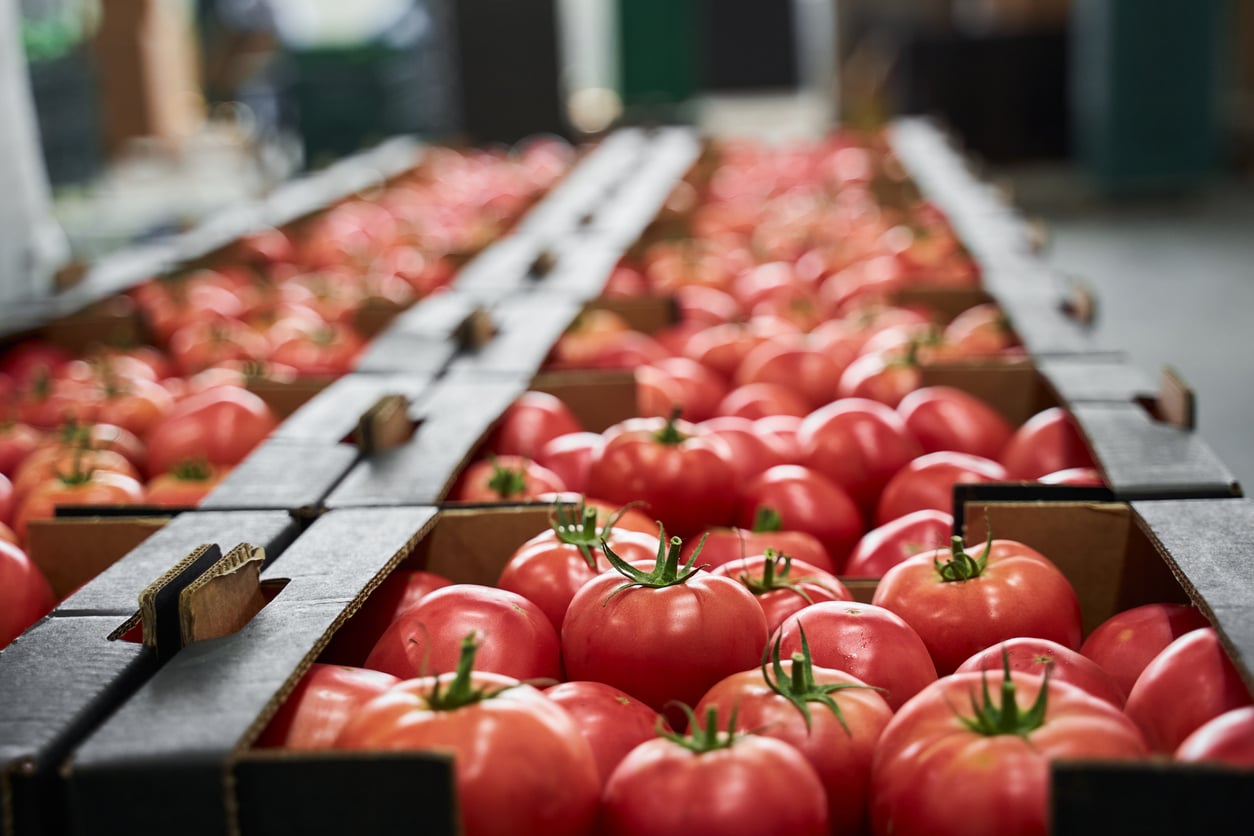
Modern shoppers rarely think about seasonal limitations, but fresh tomatoes were once strongly tied to the growing season.
Before greenhouse cultivation, refrigerated transportation, and global produce networks, obtaining fresh tomatoes during winter months could be difficult or impossible in many regions.
Serving fresh tomatoes out of season often reflected wealth, access, or special connections to suppliers. Advances in agriculture and transportation dramatically changed that reality.
Today, tomatoes are available year-round in most grocery stores.
Spices Like Black Pepper
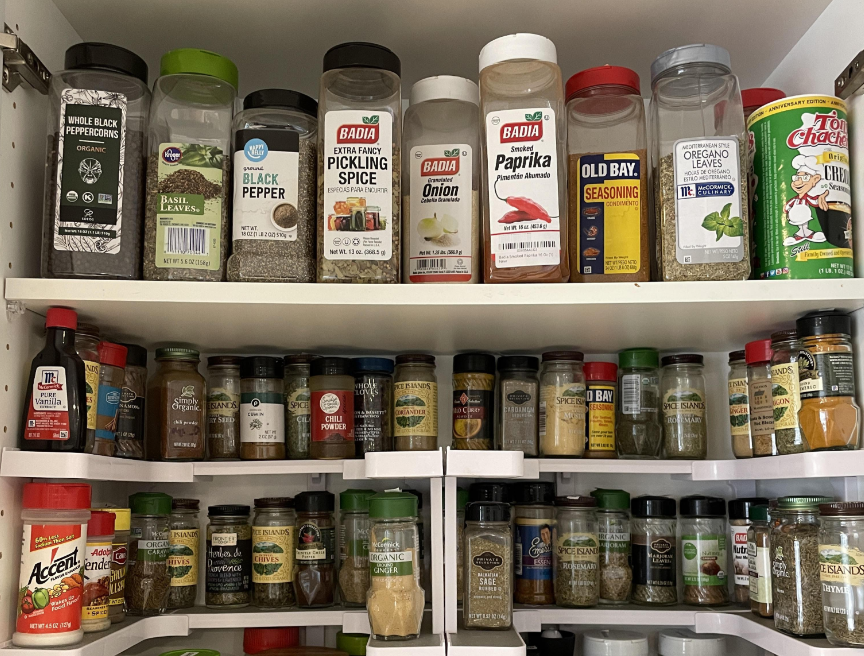
Black pepper was once so valuable that it could function almost like currency.
Imported spices traveled along extensive trade routes that connected continents and empires. Their rarity and transportation costs made them expensive luxury items for much of history.
Households with access to imported spices could create more elaborate meals and often signaled their economic status through their use of seasonings. The spice trade helped shape global commerce for centuries.
Today, black pepper is one of the most common ingredients in kitchens around the world.
Refrigerated Milk
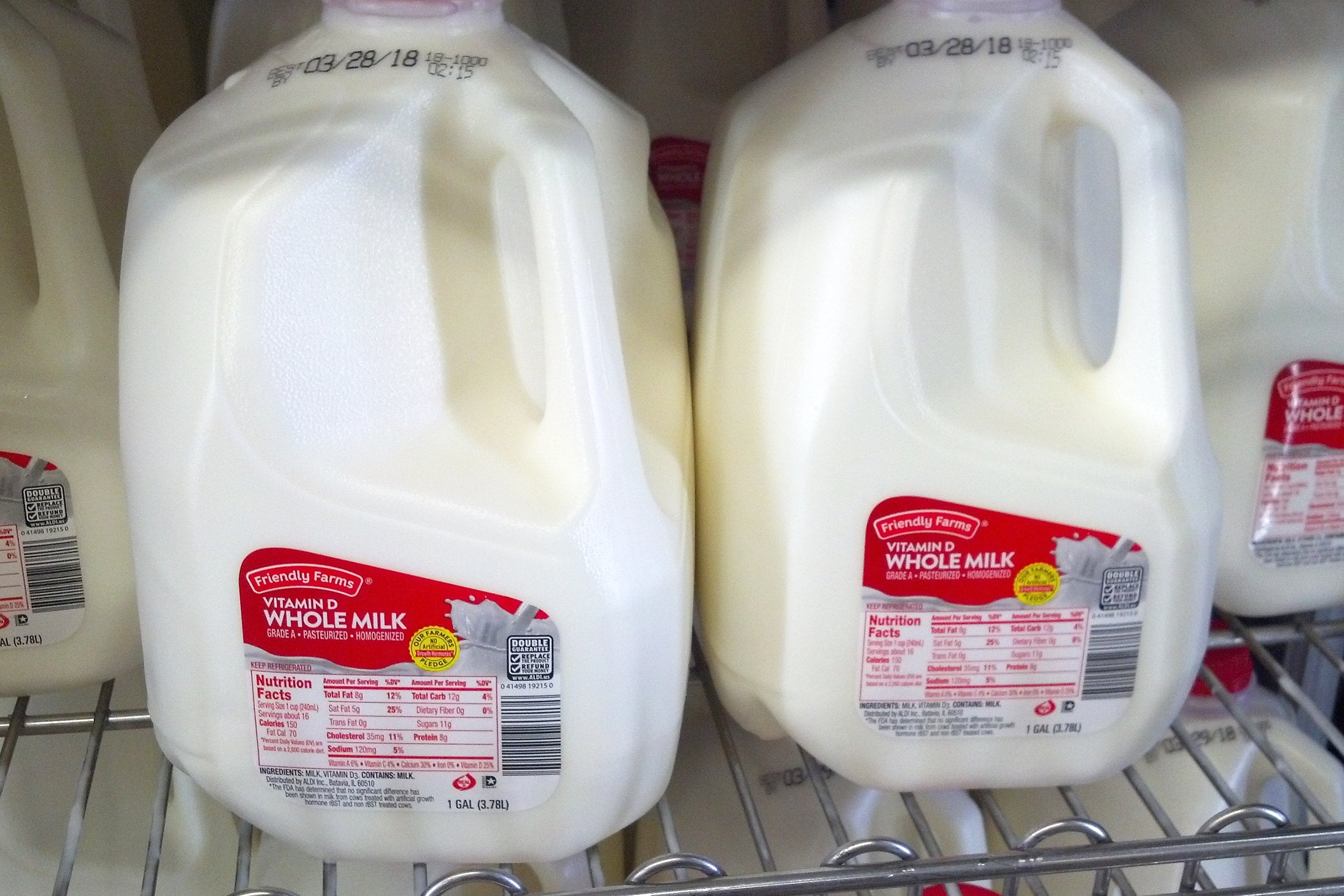
Reliable access to fresh milk was once a privilege many families could not take for granted.
Before refrigeration became widespread, milk spoiled quickly and posed significant storage challenges. Households with access to iceboxes or better preservation methods enjoyed clear advantages.
Urban milk delivery systems gradually improved access, while refrigeration technology dramatically increased safety and convenience. Modern consumers often overlook how revolutionary these developments were for everyday life.
Restaurant Steak
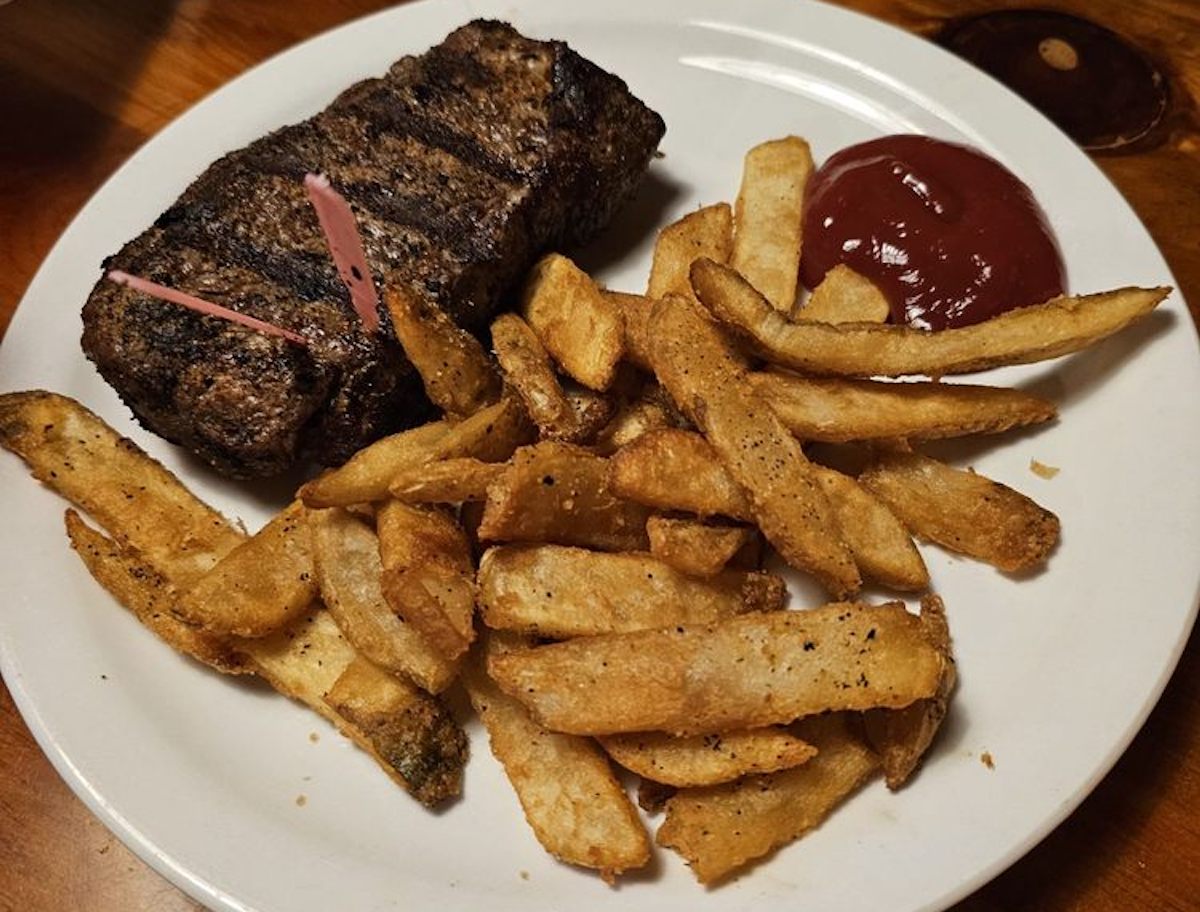
Throughout much of the early 20th century, steak remained a luxury purchase for many Americans.
Beef could be expensive, and dining out itself was often reserved for special occasions. Ordering a steak at a restaurant signaled a level of disposable income that many households did not possess.
Post-World War II prosperity expanded access to beef and restaurant dining for millions of Americans. Even today, rising beef prices periodically renew conversations about steak as a premium food item.
Canned Foods
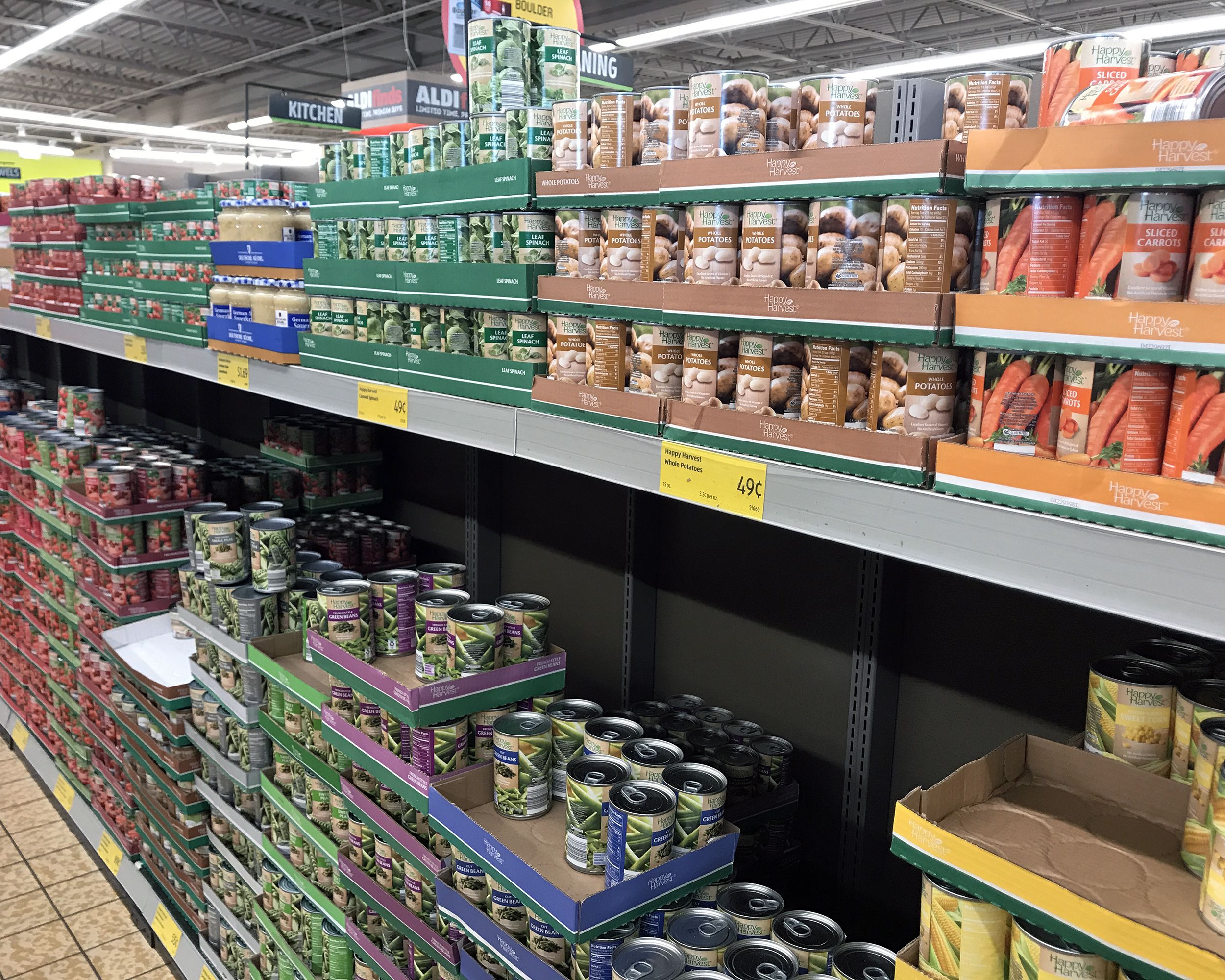
Today, canned foods are often associated with affordability, but early canned goods were considered innovative luxury products.
The canning process represented a remarkable technological breakthrough that allowed foods to be preserved for long periods. Initially, however, the technology was expensive, making canned products relatively costly.
Wealthier households were often among the first adopters because canned foods provided convenience and variety that many consumers could not yet access. As manufacturing scaled up, prices dropped dramatically and canned goods became pantry staples.
Shrimp
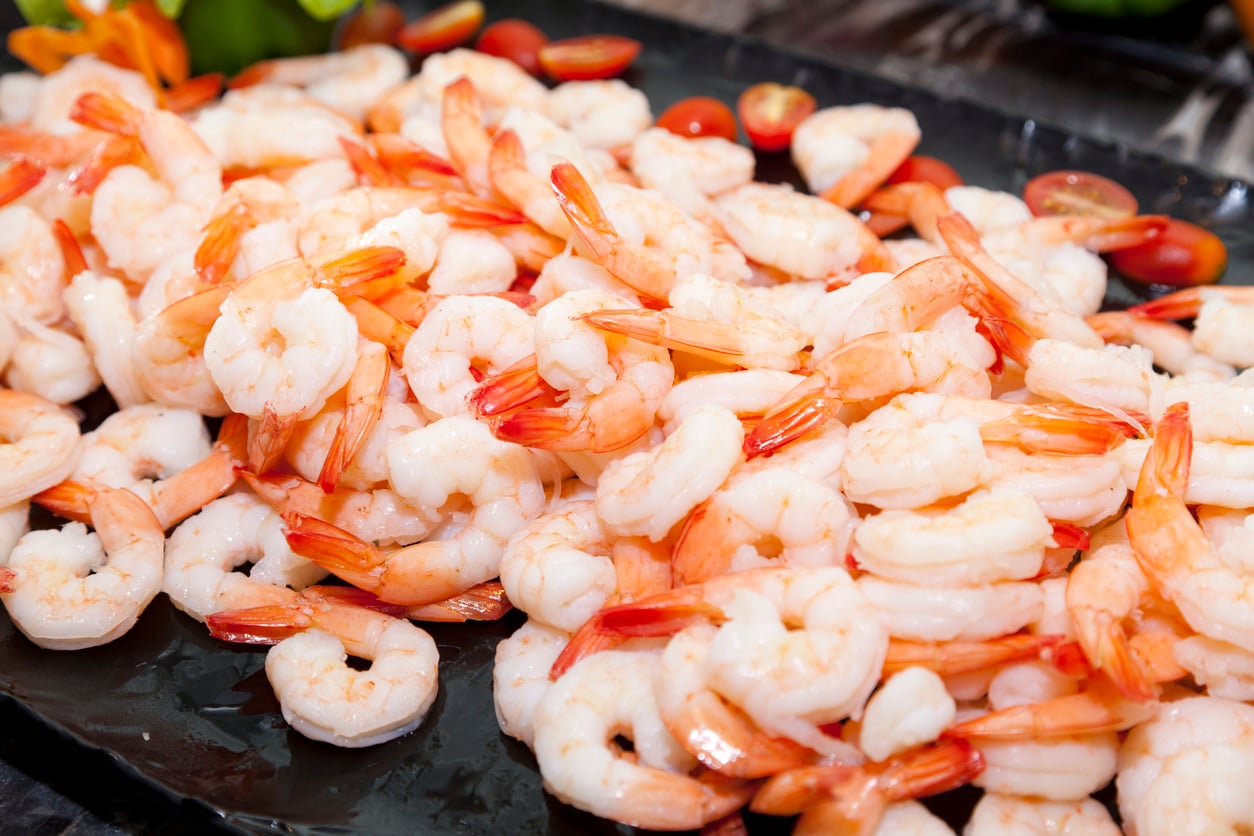
Like lobster, shrimp was not always viewed as an upscale food.
Historically, limited transportation and preservation methods restricted seafood distribution. Improved freezing technology and modern transportation networks opened new markets and expanded demand.
As shrimp became increasingly popular in restaurants, its reputation evolved. Today, it ranks among America’s favorite seafood choices and frequently appears on restaurant menus ranging from casual eateries to fine-dining establishments.
Why So Many Luxury Foods Became Everyday Staples

The common thread connecting most of these foods is technology.
Refrigeration, railroads, highways, container shipping, industrial agriculture, food preservation, and global trade dramatically lowered costs while increasing availability. Foods that once required wealth, geographic luck, or special connections gradually became accessible to ordinary households.
In some cases, public perception completely flipped. White bread lost much of its prestige. Lobster gained it. Canned foods went from cutting-edge luxury to pantry staple. Bananas and oranges transformed from special treats into everyday grocery items.
These shifts highlight how economic development and technological innovation can reshape daily life. The next generation may look back with similar surprise at some of the foods we currently consider luxuries today.