Innovation has rarely been in short supply over the past eight decades, and chances are you share your birth year with a company that has left a lasting mark on your day-to-day life. Here’s a look back at some of the big names that were founded from 1940 onward, including some little-known facts about how they got their start.
1940: McDonald’s
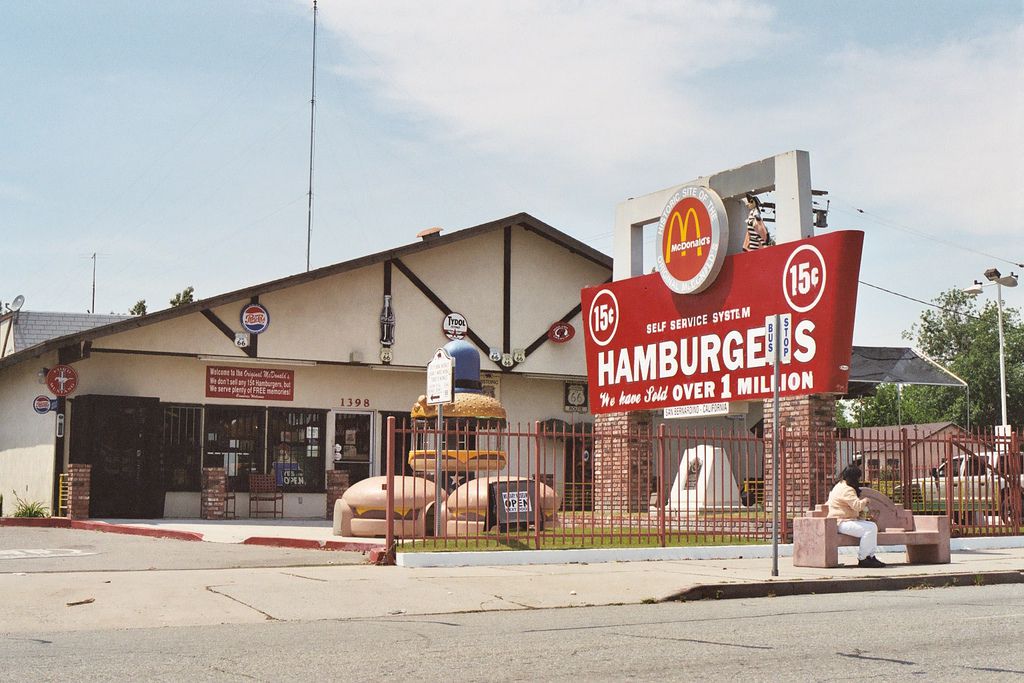
When McDonald’s was founded depends on who you ask. The company itself claims 1955, when Ray Kroc established McDonald’s System, Inc., and turned it into today’s fast-food giant. But there would be no Golden Arches without the restaurants Kroc franchised, and those began in 1940, when Maurice and Richard McDonald’s opened a modest barbecue joint in San Bernardino, California. Their menu eventually shifted to the burgers and fries we know and love, with a quick-service model that caught Kroc’s eye.
1941: Coach
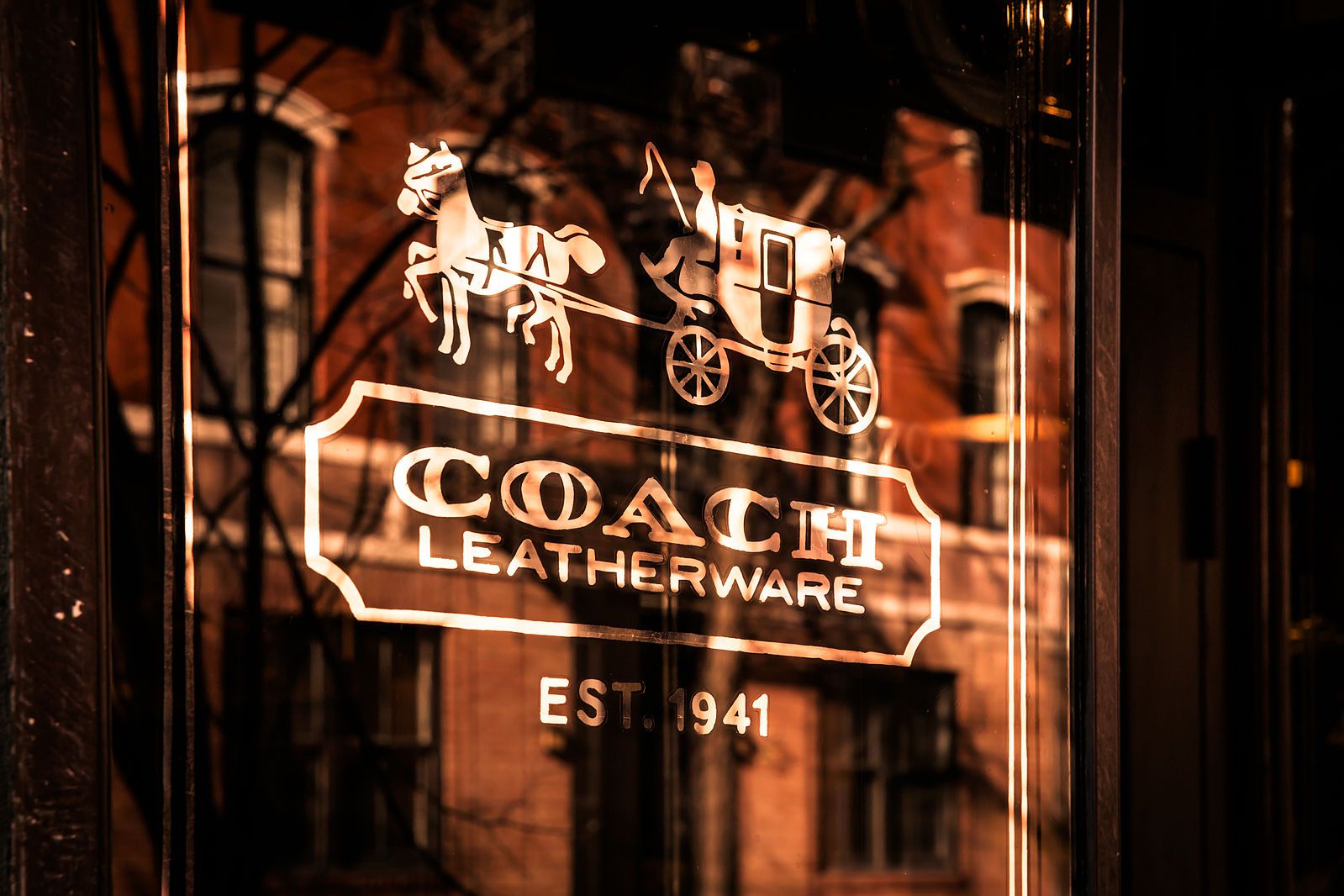
Now one of the most-recognized names in handbags, Coach began with just six artisans in a New York City workshop. Then known as the Original American House of Leather, it was renamed Coach 20 years later when Lilian and Miles Cahn purchased the company.
1942: Graco
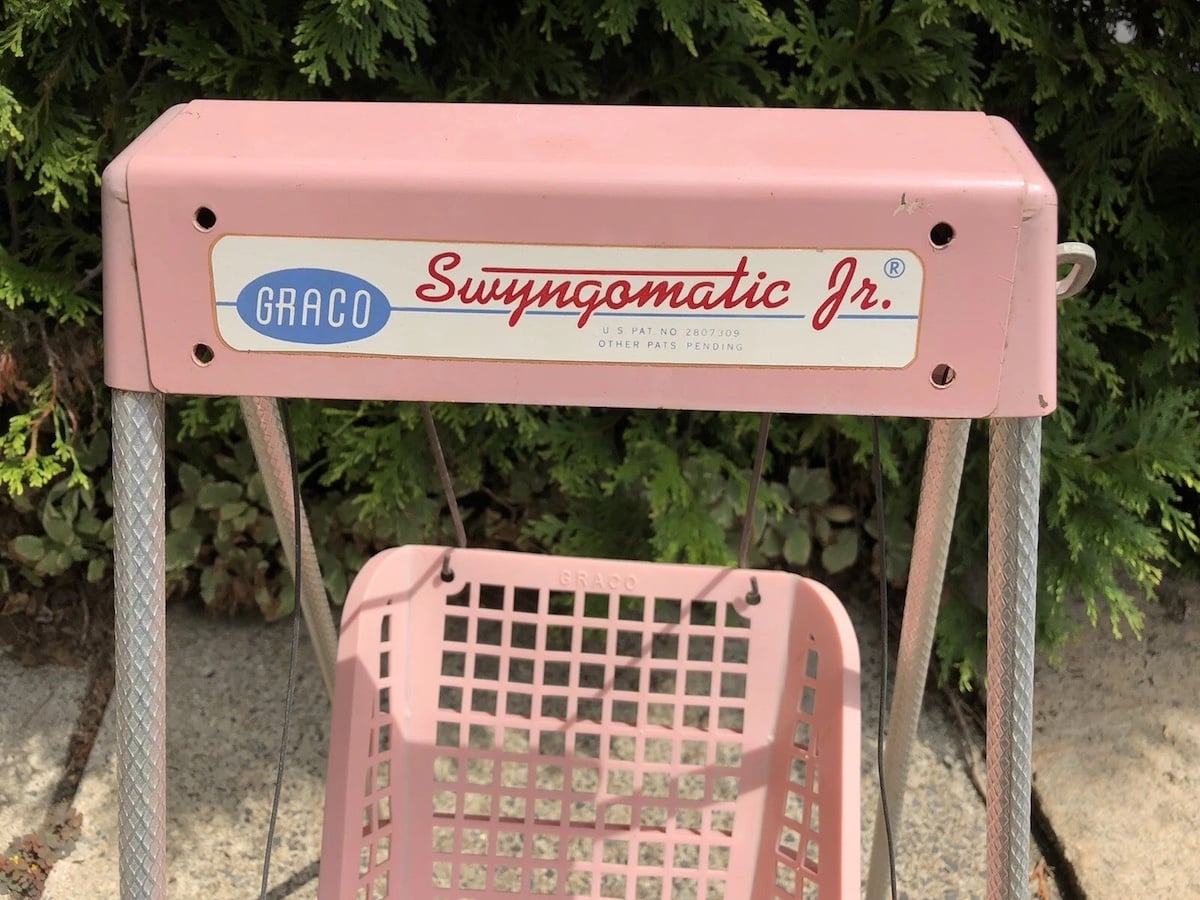
Graco started out not as the maker of baby products we know today, but as a metal company. It wasn’t until the ’50s that it made something that would change its trajectory: the Swyngomatic automatic baby swing, which was projected to sell 10,000 units but beat that estimate by millions. Now Graco churns out strollers, car seats, high chairs, cribs, and all the other essentials parents depend on for those early years.
1943: Ikea
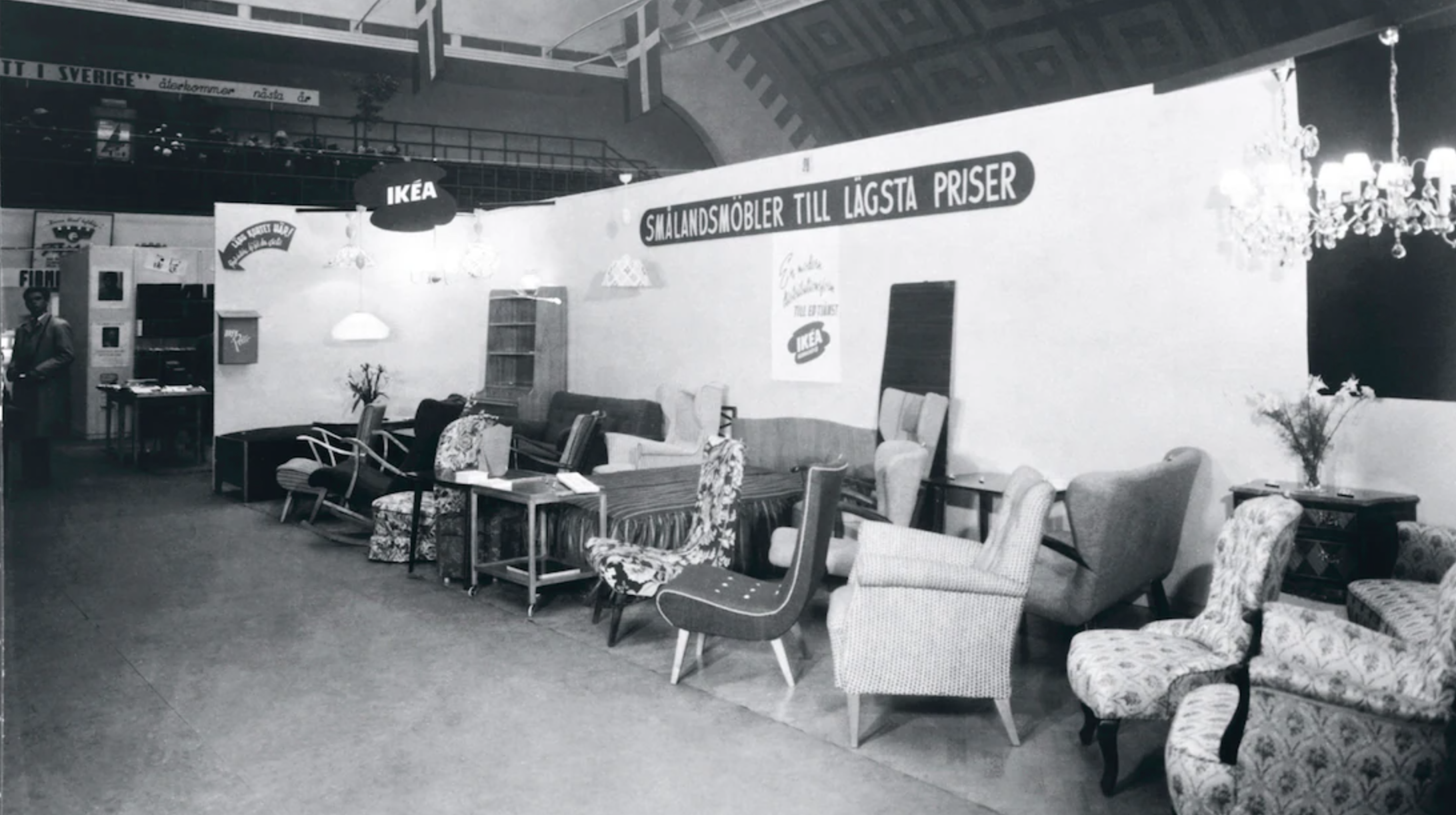
Ingvar Kamprad was just 17 when he founded Ikea using money his father had given him for getting high marks in school. Within five years, the company was producing furniture, and within 10, it opened its first showroom in Sweden and started using flat-packing and self-assembly to keep quality high and prices low.
1944: Kia
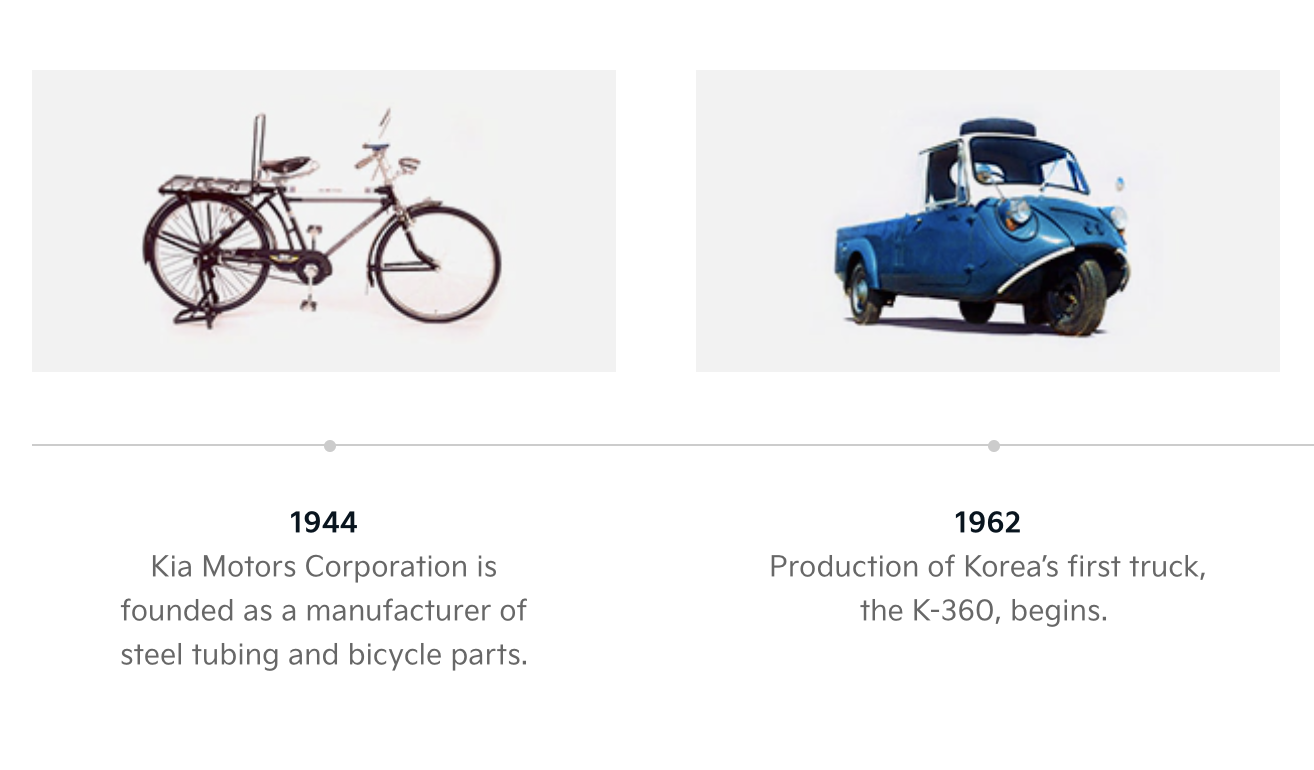
What’s now one of South Korea’s most well-known car companies was founded as Kyungsung Precision Industry, producing bicycle parts and steel tubing. It gradually shifted to vehicles over the next three decades, manufacturing the first Kia pickup in 1973 and the first passenger car in 1974.
Trending on Cheapism

1945: Mattel
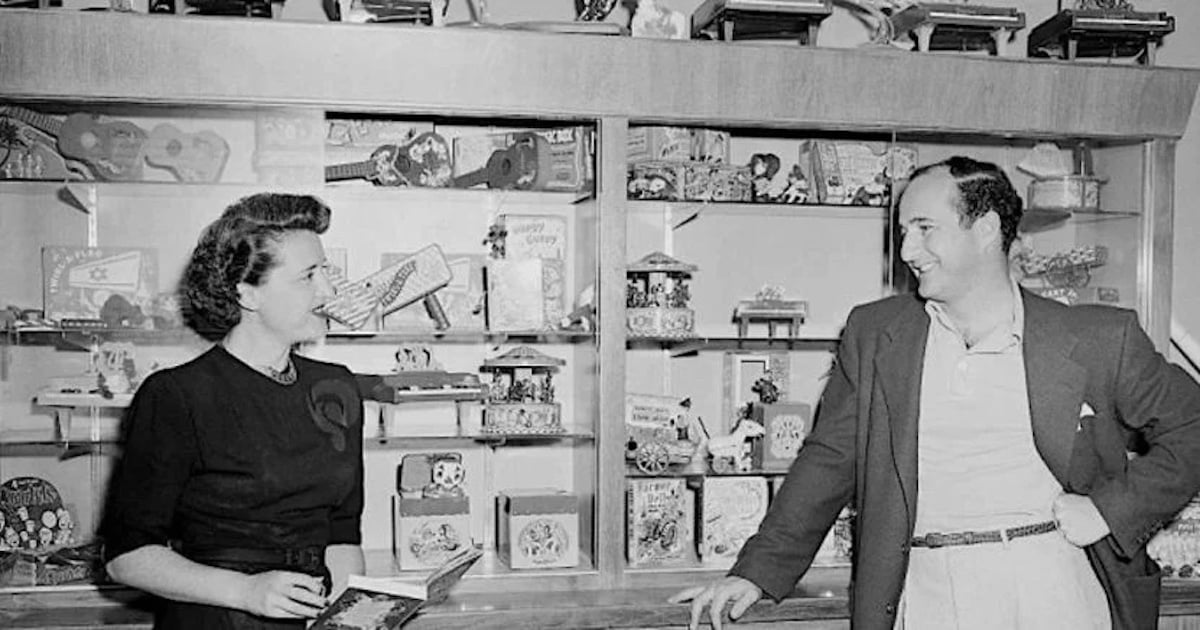
One of the biggest names in toys takes its names from founders Elliot Handler and Harold “Matt” Matson. The company was founded in a garage, and within two years, it produced its first hit: the Uke-a-Doodle, a kid-sized instrument. Barbie, perhaps Mattel’s most iconic toy line, didn’t join the party until 1959.
1946: Iams
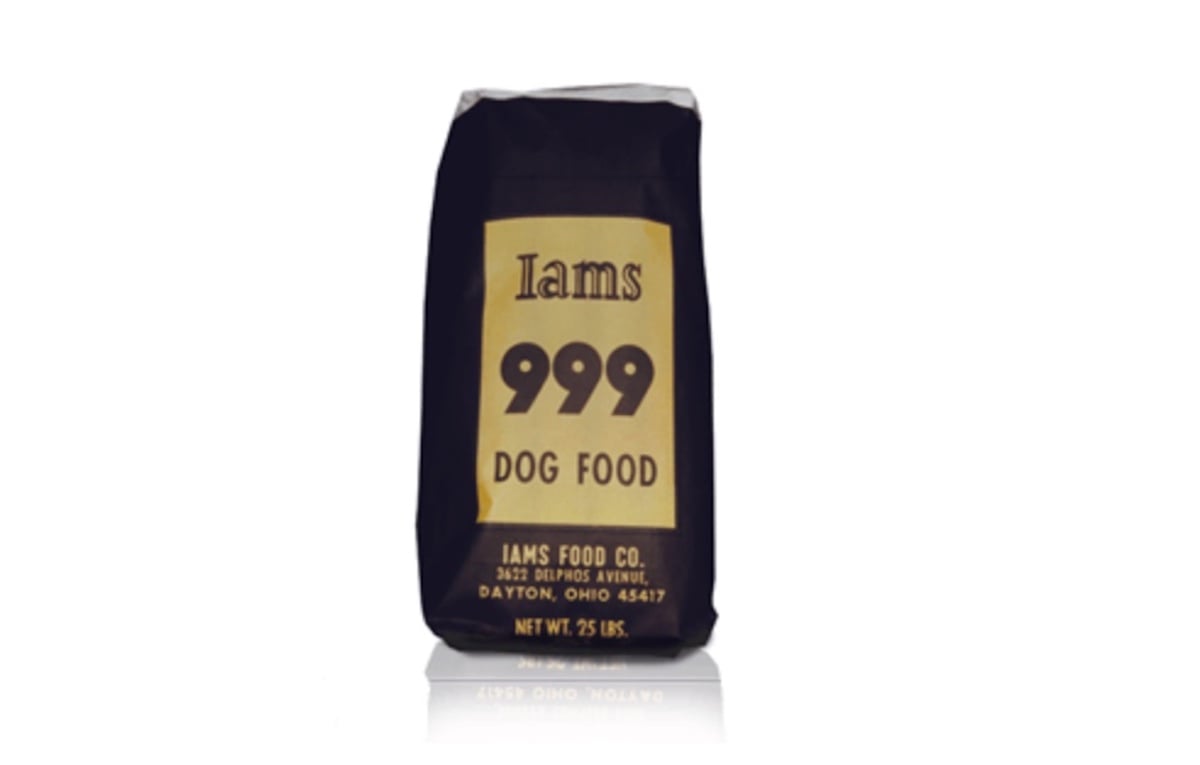
Paul F. Iams began this premium pet-food brand when he rented an Ohio feed mill just after the end of World War II. Once a dog-food salesman, he’d learned that pet owners were willing to pay higher prices for better pet food, even during the Depression. Iams was eventually purchased by Procter & Gamble in the late ’90s, then Mars in 2014.
1947: J. Crew

This all-American brand that has become so synonymous with preppy fashion began with a workhorse of a name: Popular Merchandise, Inc. The company focused on selling inexpensive women’s apparel door to door. When the ’80s ushered in the heyday of mail-order apparel catalogues, it rebranded as J. Crew to go head to head with L.L.Bean and others.
Sign up for our newsletter
1948: Toys ‘R’ Us
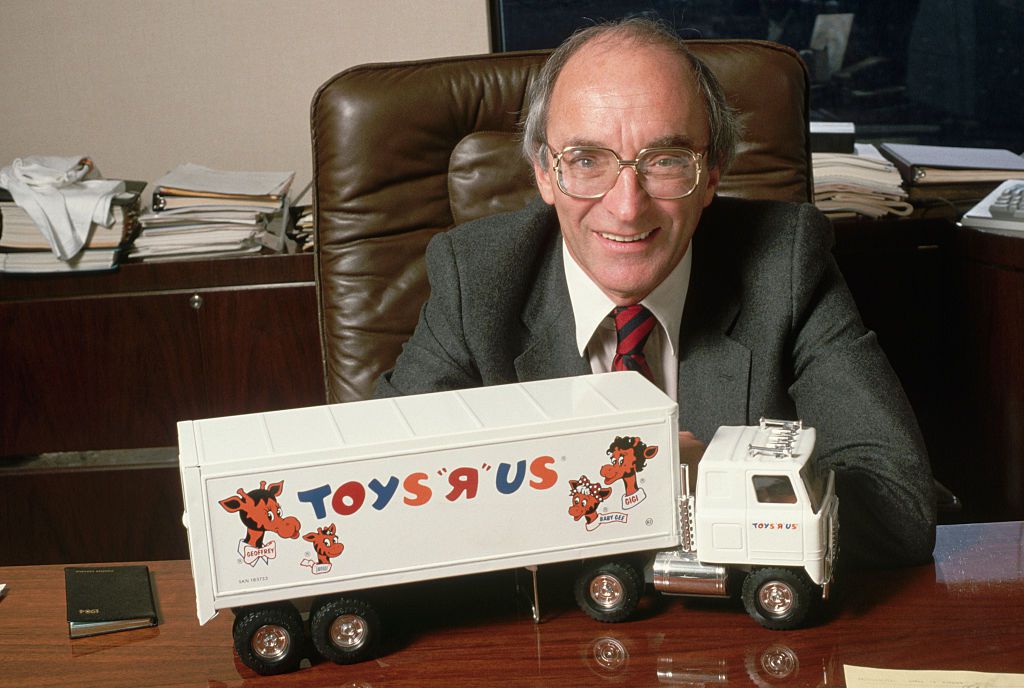
Charles Lazarus was only 25 when he opened Children’s Bargain Town, which sold mostly baby furniture, in Washington, D.C. But it turns out that toys were the hotter sellers, and in 1957, Lazarus officially shifted to toys. Toys “R” Us quickly became a behemoth, but announced it would liquidate in 2018 after losing too much ground to Amazon and big-box retailers.
1949: Pottery Barn
Ever wondered how Pottery Barn got its name? In 1949, founder Paul Secon bought $2,500 worth of slightly damaged stoneware from barns filled to the brim in upstate New York, hauled it all to New York City in his station wagon, and set up shop. Within five years, he had a second store, and today, Pottery Barn has grown far beyond plates and cups, selling upscale furniture, home decor, linens, and more.
1950: Dunkin’
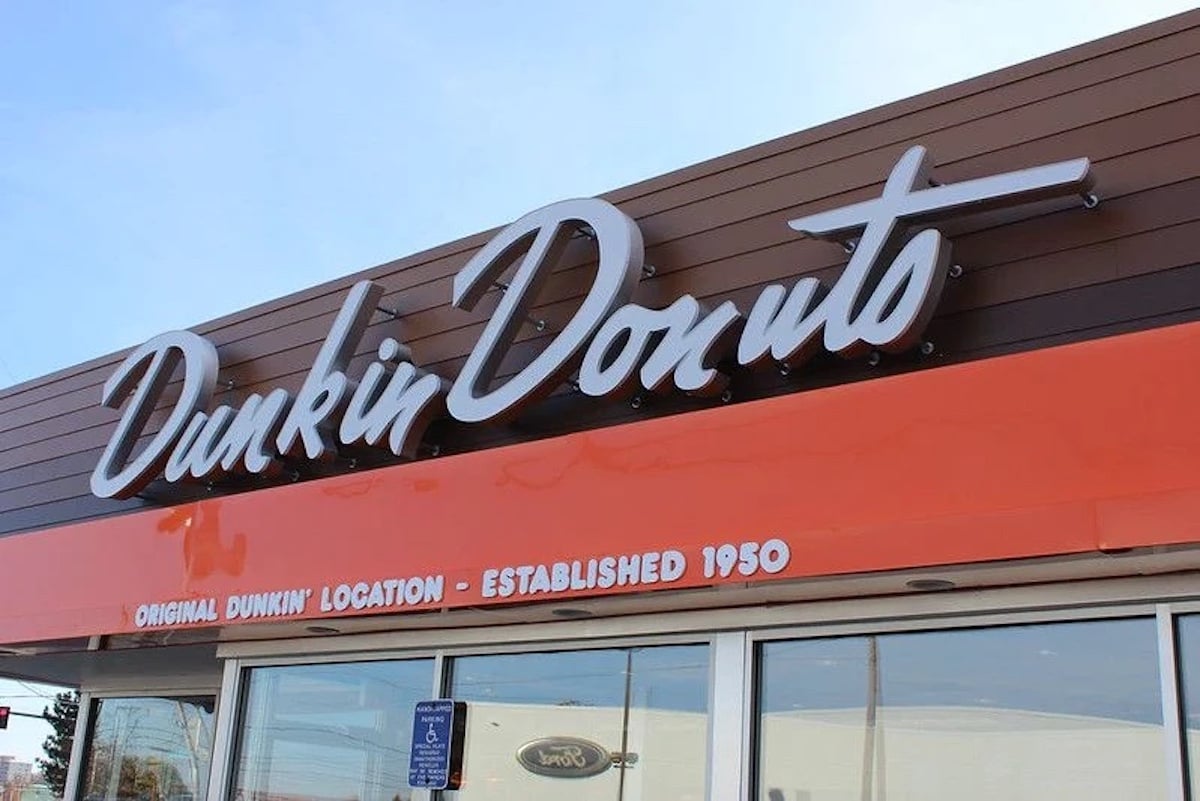
Though William Rosenburg opened his coffee and pastry shop in 1948, selling donuts for a nickel apiece, it wasn’t until 1950 that he renamed it Dunkin’ Donuts with an eye toward franchising. By the mid-’60s, there were 100 Dunkin’ Donuts; today, there are more than 11,300 Dunkin’ shops in 36 countries.
1951: Jack in the Box
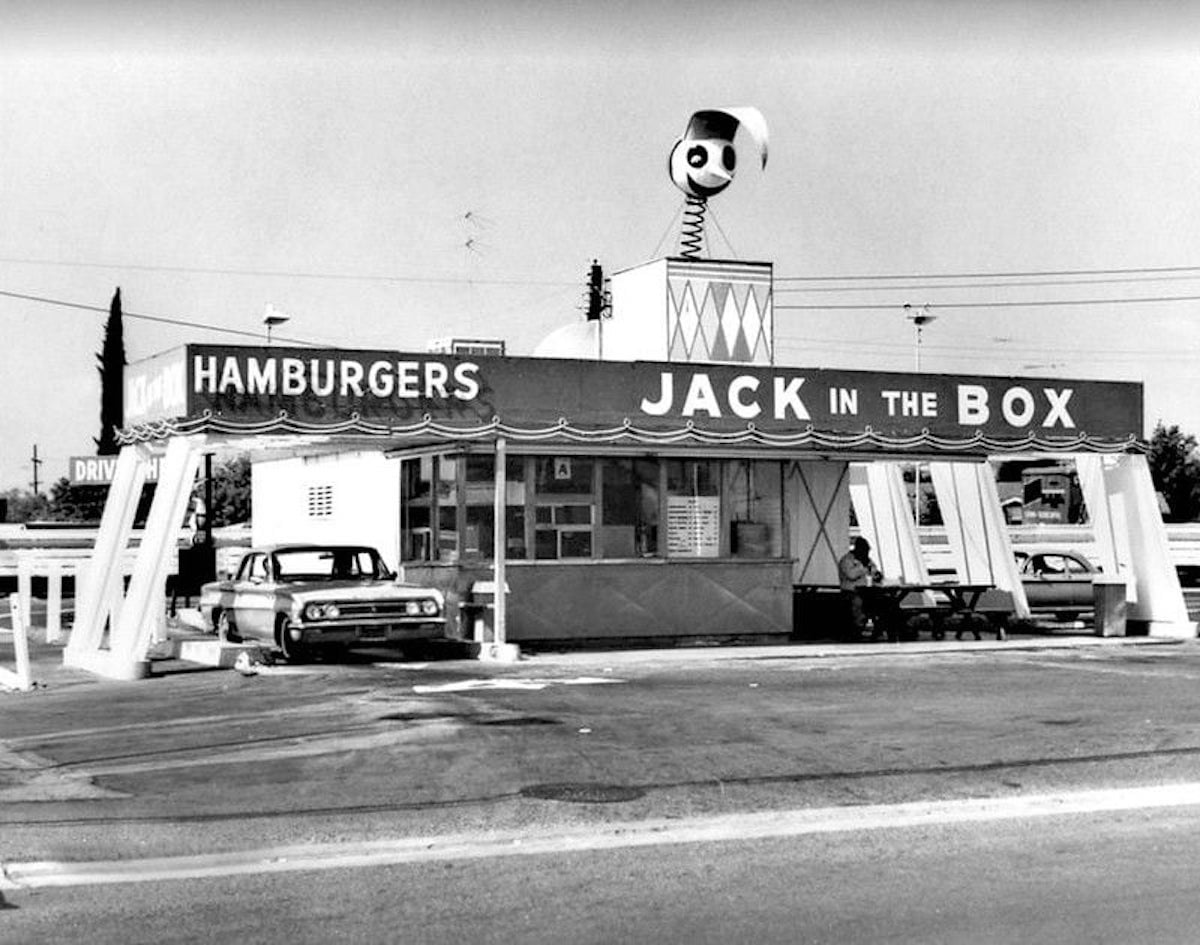
Robert Peterson was already a successful restaurateur when he decided to try something different. In 1951, he converted one of his existing restaurants into the first Jack in the Box, a drive-thru burger joint topped with a teetering clown to draw curious customers. Today, there are 2,200 Jack in the Boxes across the nation, serving everything from burgers to breakfast to those curiously cheap tacos.
1952: Holiday Inn
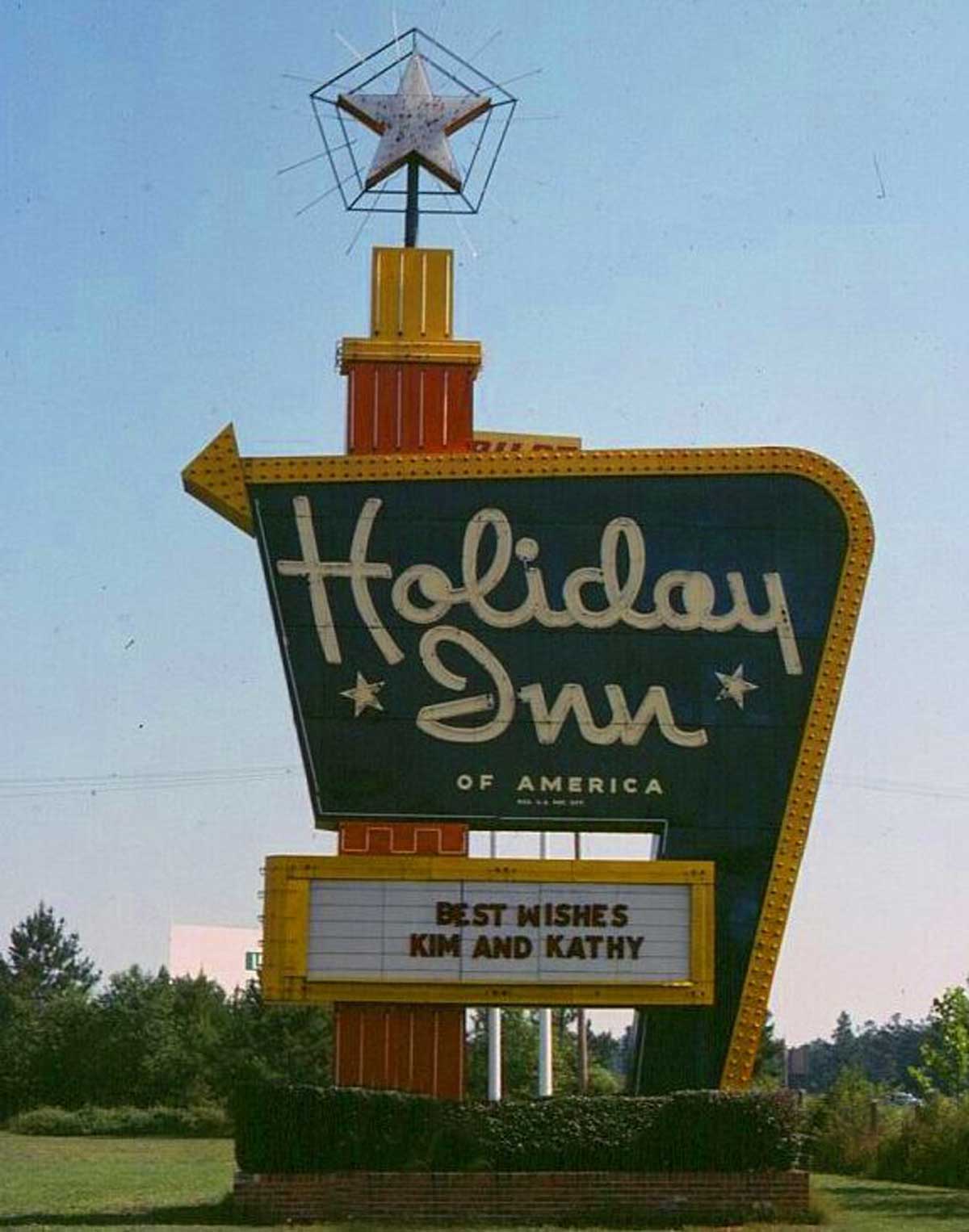
A millionaire home builder named Kemmons Wilson took a fateful family vacation in 1951. Underwhelmed at the shabby lodging he encountered on the road, he declared that he would start his own clean, family-friendly chain — and opened the first Holiday Inn in Memphis in 1952. Now there are more than 1,100 Holiday Inns worldwide, plus 2,700 of its streamlined, free-breakfast offshoot, Holiday Inn Express.
1953: Epic Records
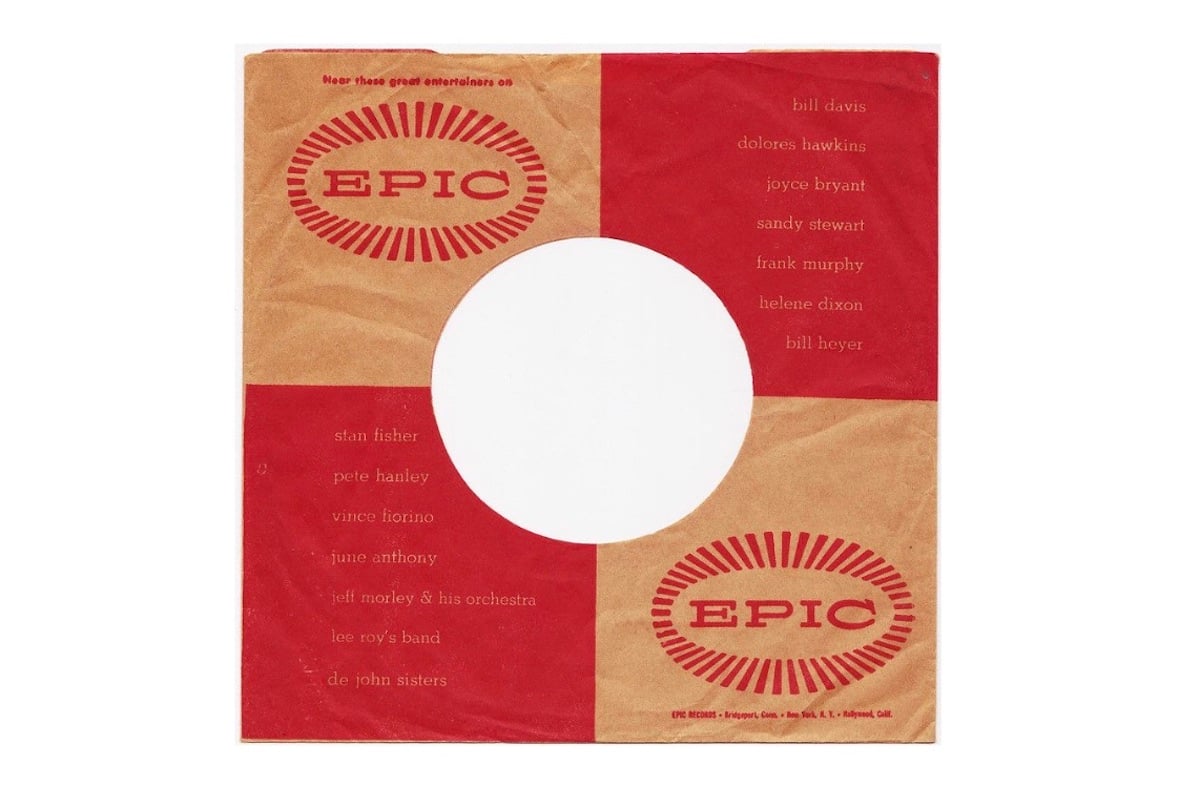
Judging by today’s diverse slate of artists, you’d never know Epic Records started with a very narrow focus, as a jazz and classical music label. The subsidiary of Columbia Records quickly branched out, though, eventually signing artists including Abba, George Michael, Michael Jackson, Mariah Carey, and Celine Dion.
1954: Burger King
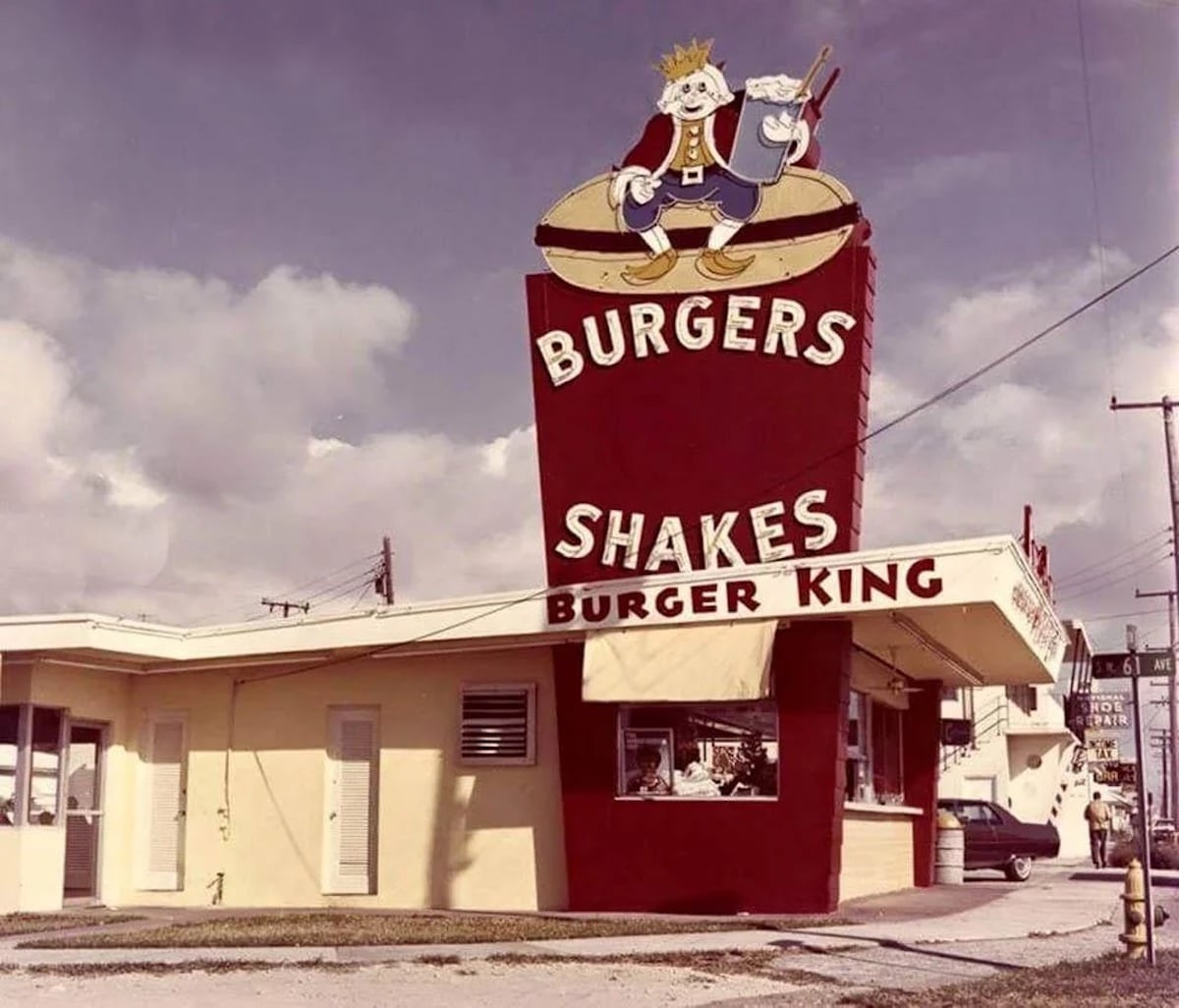
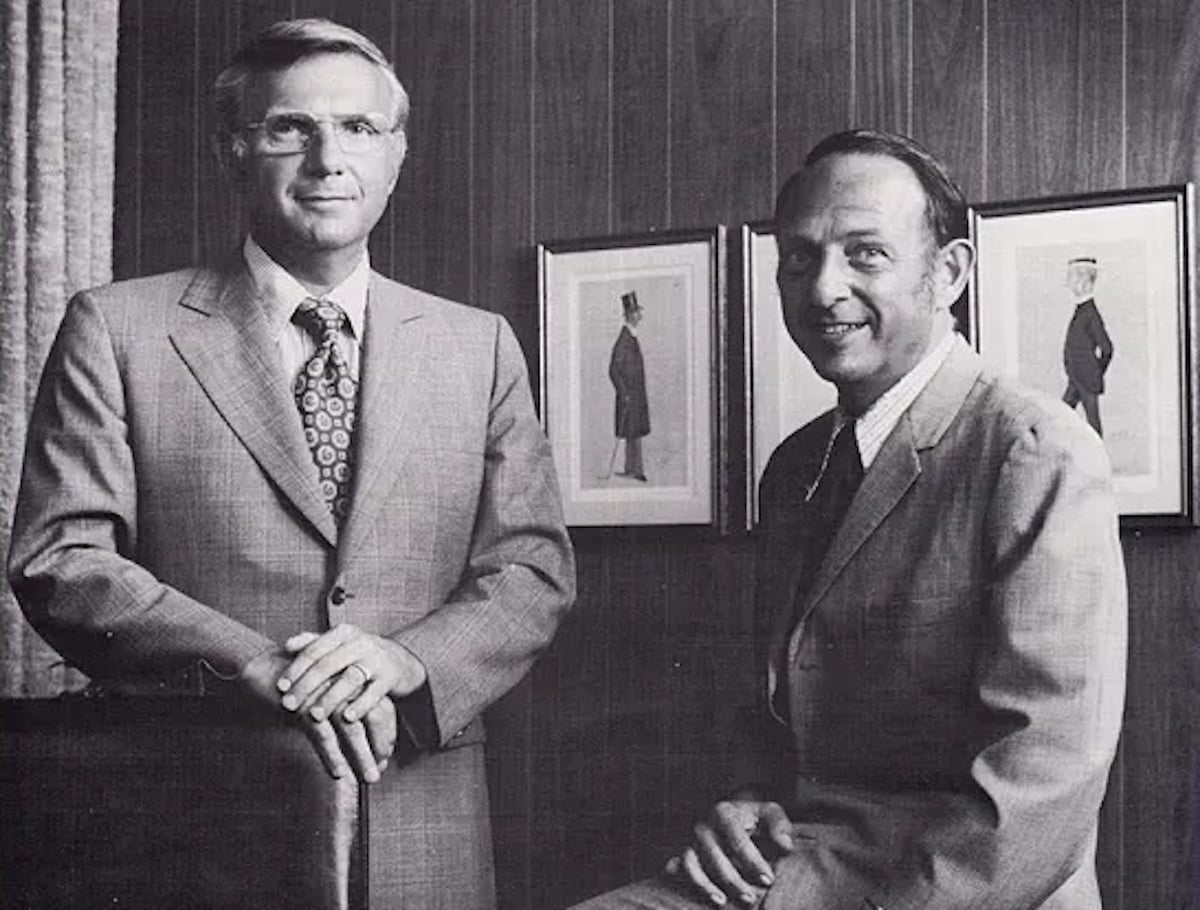
This whopper of a restaurant chain traces its roots to 1954, when James McLamore and David Edgerton bought franchise rights to a burger joint called Insta-Burger King in Miami. They would buy out the whole chain by the end of the decade, refining its original broiler into a gas-powered “flame broiler” that differentiates Burger King from other fast-food joints to this day.
1955: H&R Block
Henry and Richard Bloch started out as bookkeepers for small businesses, but tax prep soon became a lucrative side hustle — so lucrative that they decided to make it their main gig. They opened the first H&R Block (with their last names purposely misspelled) in Kansas City in 1955. Within a couple of decades, the company was preparing 1 out of every 9 tax returns in the U.S.
1956: FICO
An engineer, Bill Fair, and a mathematician, Earl Isaac, founded FICO (then short for Fair Isaac and Company) with an investment of $400 each. Within two years, they built FICO’s first credit-scoring system. More than 60 years and 200 patents later, 95% of the nation’s largest financial institutions use FICO scores in their lending decisions.
1957: Food Lion
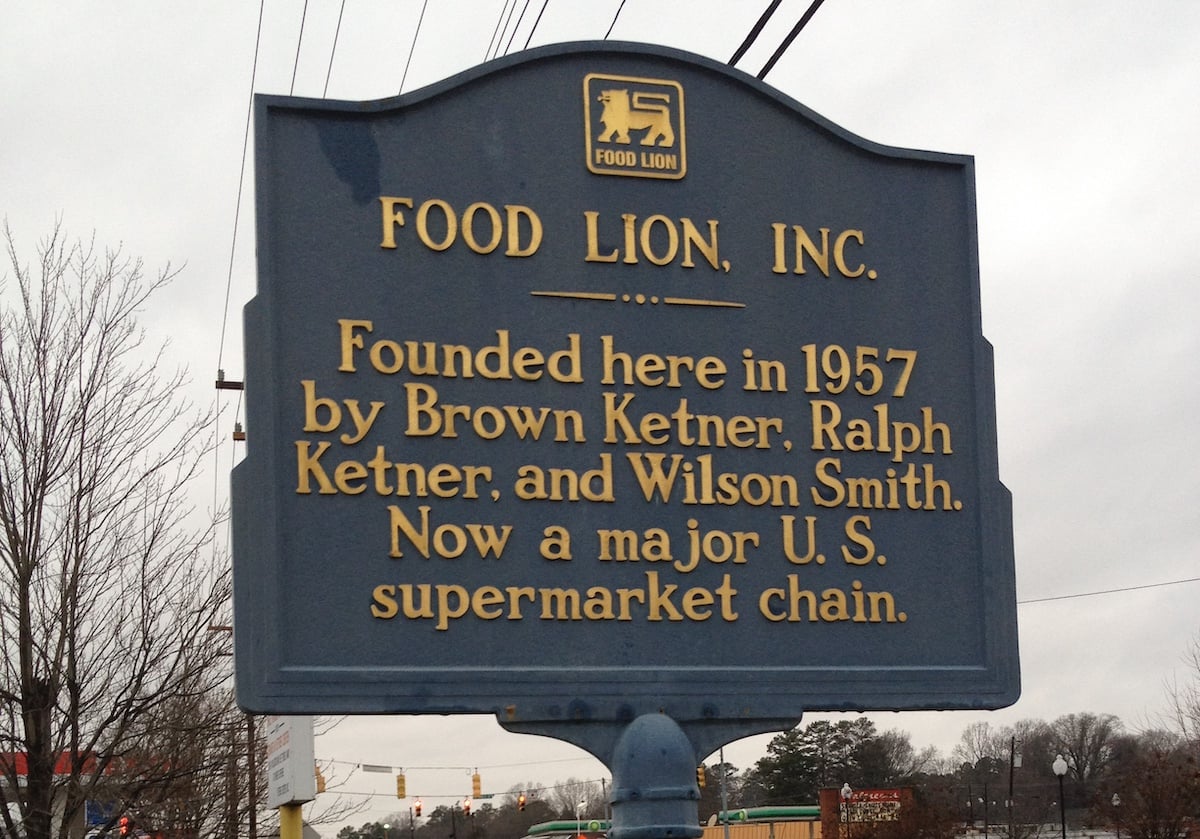
Food Lion traces its roots to a single store: Food Town, which opened in 1957 in Salisbury, North Carolina. The chain adopted an aggressive cost-cutting strategy and ballooned to hundreds of stores in the following years. Food Town became Food Lion in the early ’80s. Today, there are more than 1,000 Food Lions and the company is owned by Ahold Delhaize, which has grocery brands all over the world.
1958: Pizza Hut
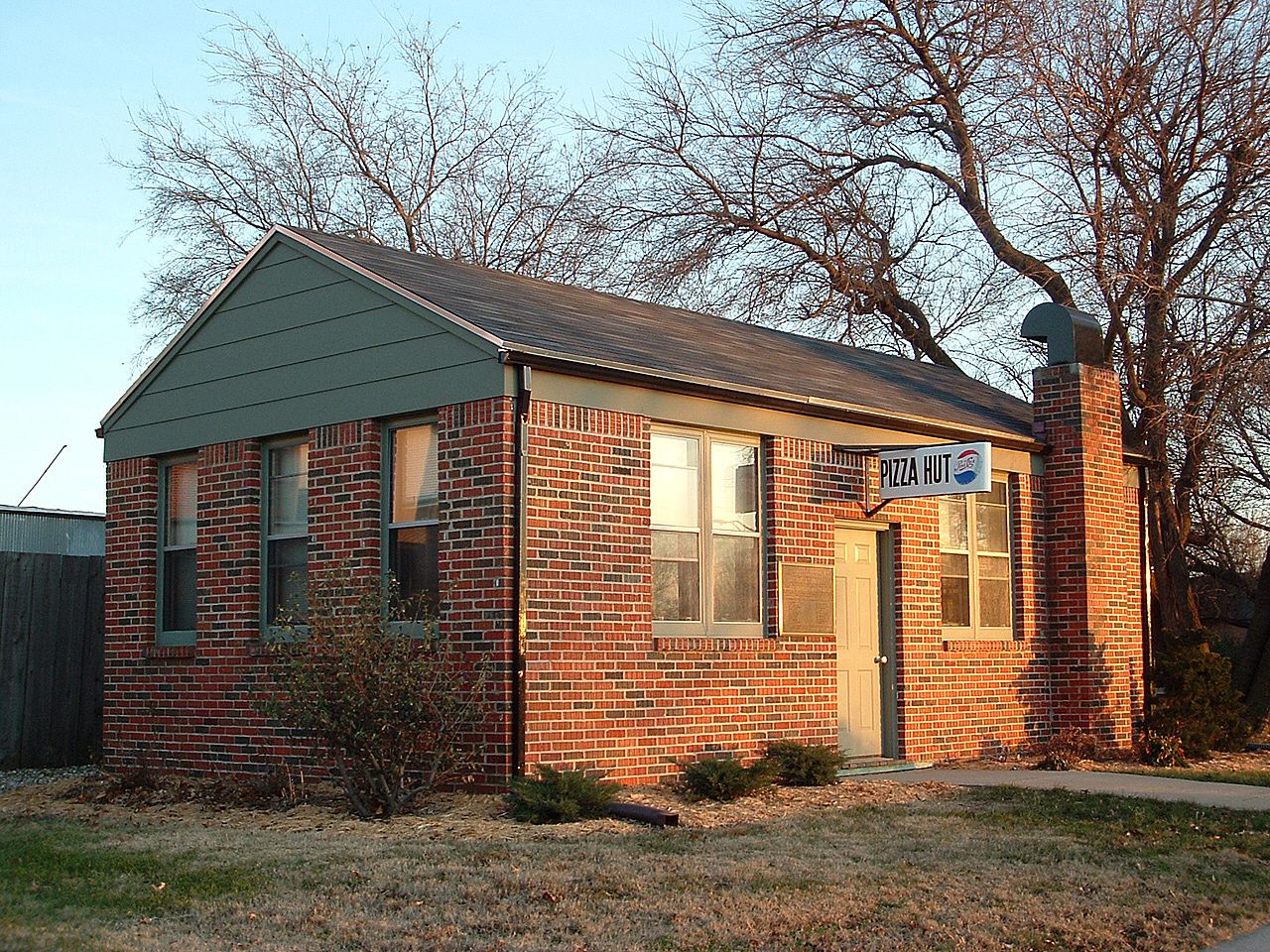
Dan and Frank Carney were only in their 20s when they borrowed $600 from their mom to open a pizzeria in Wichita, Kansas, naming it Pizza Hut because their sign had room for only eight letters. By 1971, it was the world’s biggest pizza chain, a claim it’s still able to make today with 18,000 restaurants in more than 100 countries.
1959: Conair
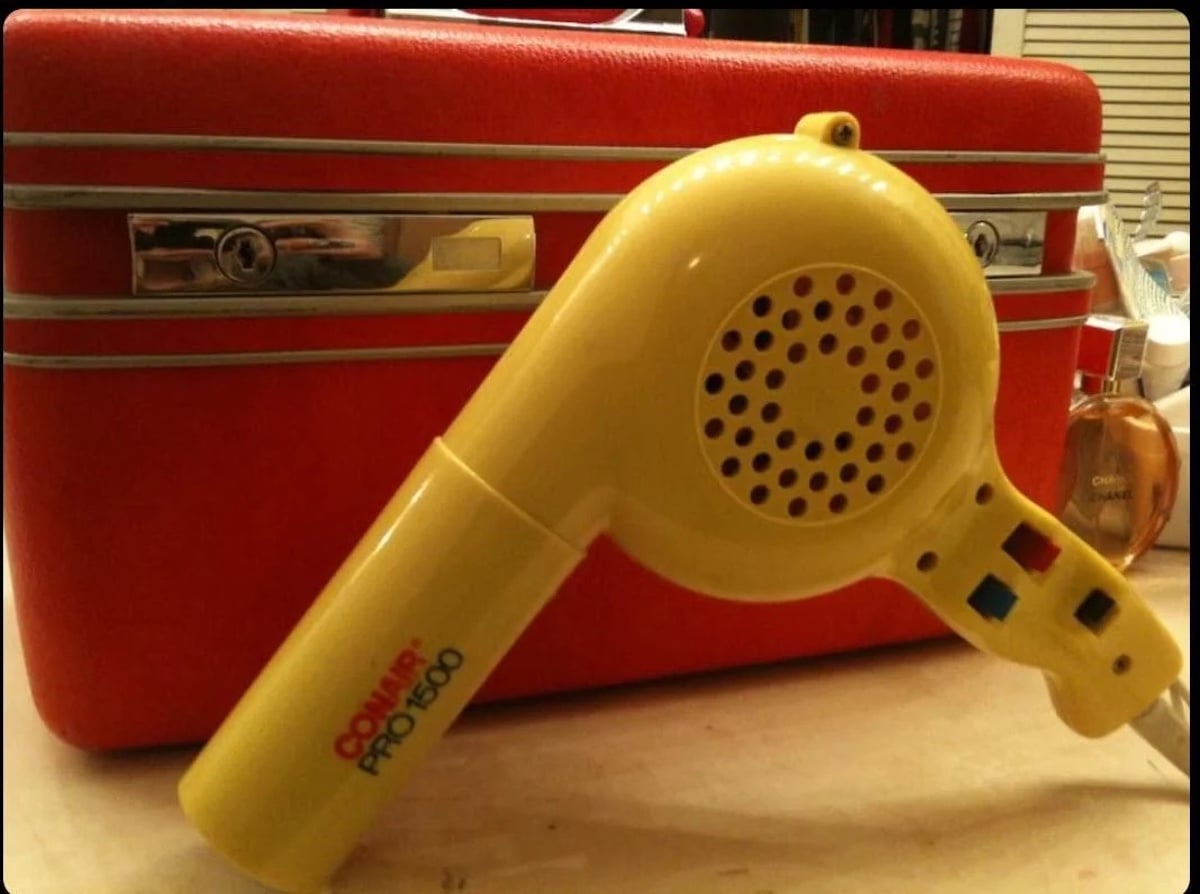
Conair’s road to revolutionizing your morning hair-care routine started in a basement in Brooklyn. Leandro Rizzuto, the child of salon owners, sold his Cadillac and dropped out of college to help his parents sell their new-fangled hair curlers. A few years later came a shatter-proof pistol-grip hair dryer, and the rest is history. Today, Conair still produces its iconic hair dryers, but also owns Cuisinart and other notable brands.
1960: Domino’s

Just a couple years after Pizza Hut got its start, a major competitor also hit the ground running. Tom and James Monaghan took out a loan to buy a pizza store in Ypsilanti, Michigan. The next year, James decided he wanted out to focus on his better-paying gig as a mailman, and traded his half of the business to Tom for a 1959 Volkswagen Beetle. For James’ sake, we hope he really loved that car: Domino’s had $16 billion in sales in 2020, and counts close to 20,000 stores worldwide.
1961: Six Flags
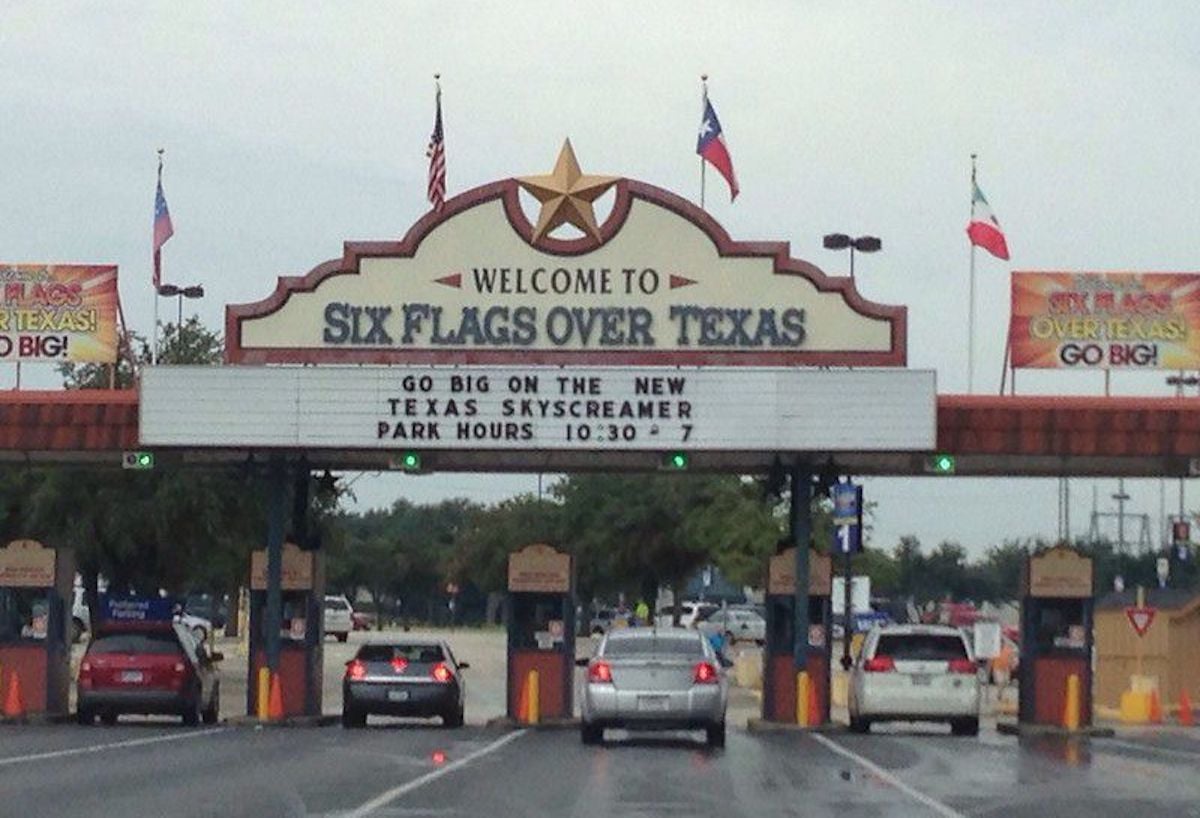
Inspired by a visit to California’s shiny new Disneyland, Angus Wynne decided Texas needed a family-friendly park of its own, drawing on local flavor to be more than a standard amusement park. Six Flags Over Texas opened in 1961, immersing visitors in everything from Wild West gunfights to conquistadors’ adventures. Now there are 27 Six Flags theme parks across the U.S., Mexico, and Canada.
1962: Walmart
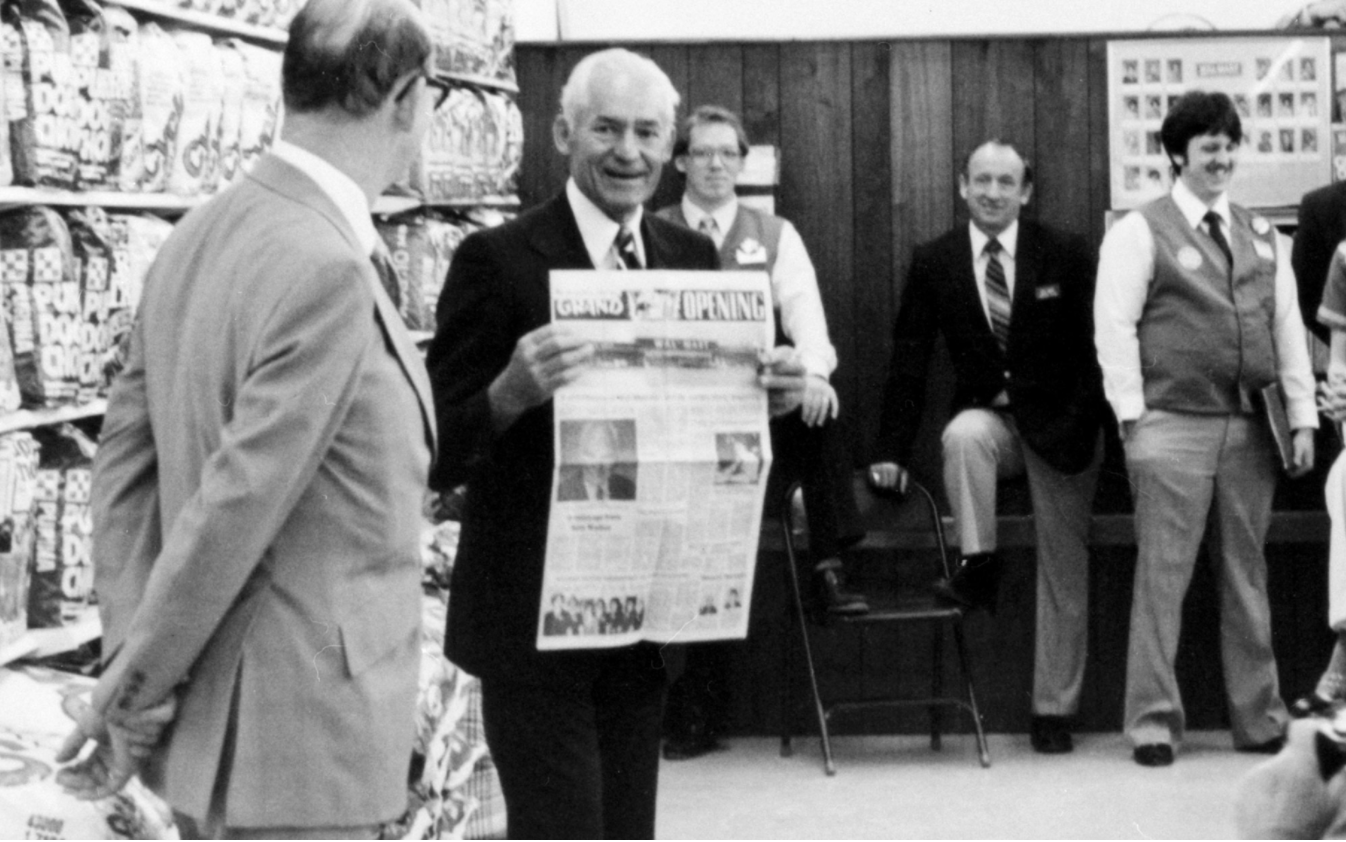
When Sam Walton opened the first Walmart in Rogers, Arkansas, in 1962, he had one goal: Offering customers the lowest prices he possibly could. The idea took off quickly, and within 10 years, Walmart had 50 stores and a new listing on the New York Stock Exchange. Today, there are over 10,600 stores in 24 countries, employing 2.3 million people.
1963: Comcast
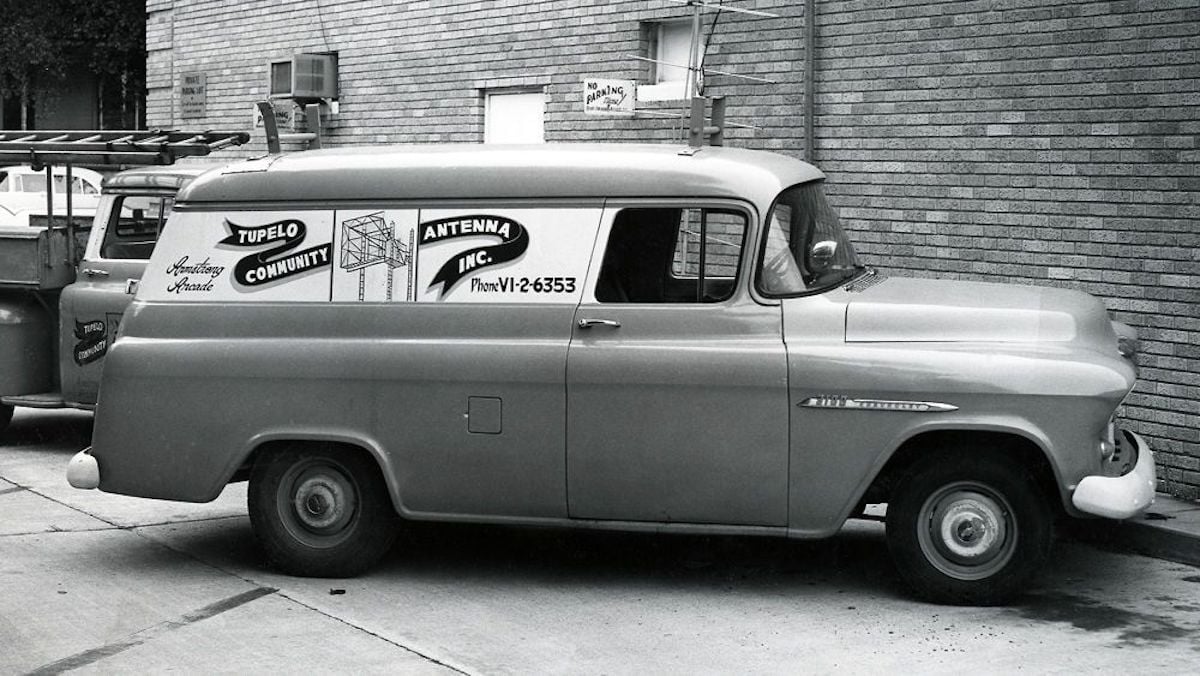
Ralph Roberts was already well-established in the business world before he founded Comcast, having successfully sold golf clubs, suspenders, and even Muzak systems. In 1963, he shifted gears again and bought a community-antenna TV system based in Tupelo, Mississippi, naming it American Cable Systems. Of course, the company eventually grew from serving folks in rural areas to a mammoth conglomerate providing every channel under the sun. It officially became Comcast in 1969.
1964: Nike
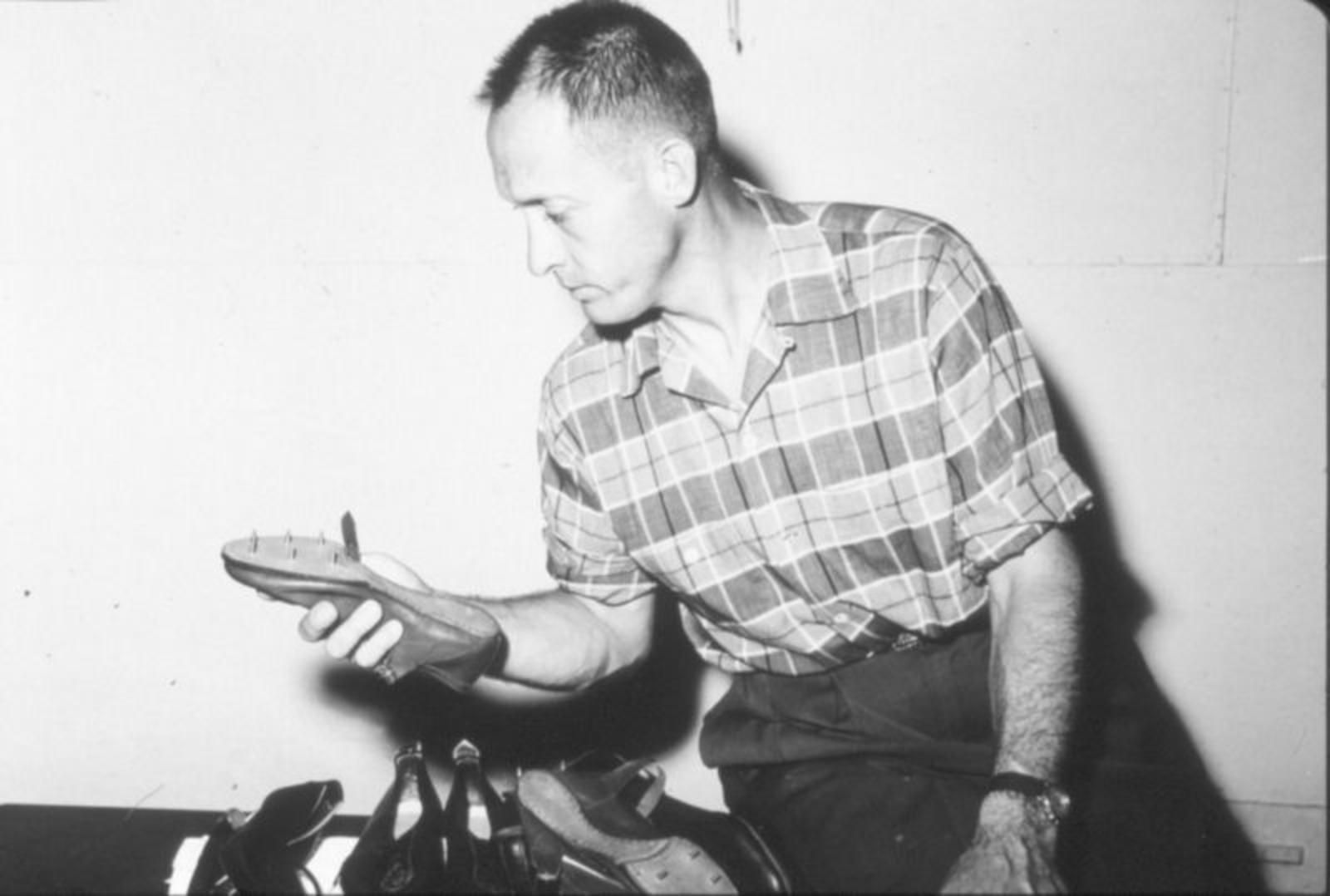
Sportswear giant Nike didn’t start out as Nike, but Blue Ribbon Sports. Founded by Bill Bowerman and Phil Knight, it initially distributed Japanese athletic shoes. In 1967, it opened its first store in Los Angeles and rebranded as Nike in the 1970s. You can find its iconic waffle trainer, patented in 1974, on display in the National Museum of American History.
1965: Yoplait
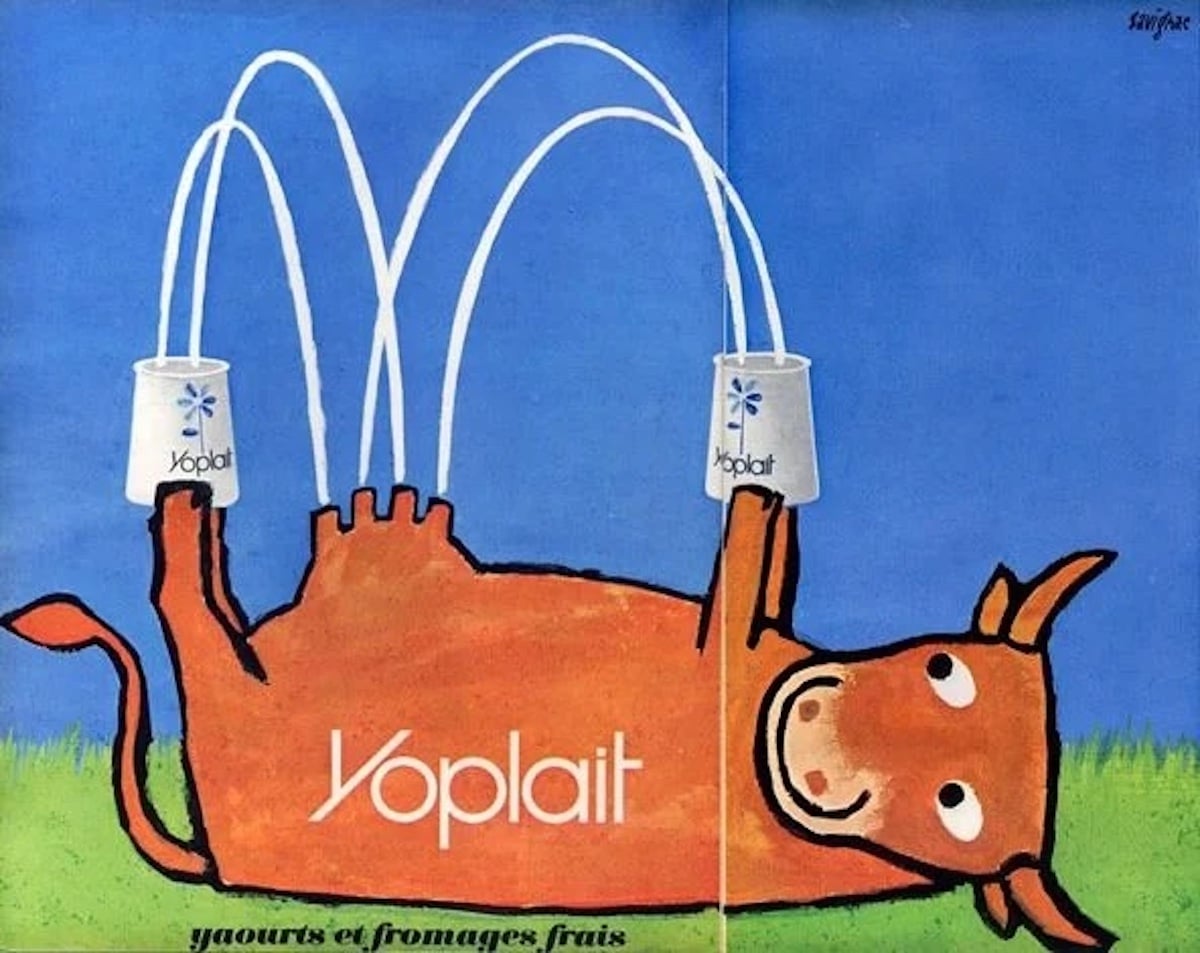
Proclaiming yogurt “a product of the future,” French dairy farmers from six dairy cooperatives banded together in 1965. Called “Yoplait” after two of the most notable co-ops, Yola and Coplait, the new company produced only plain yogurt and cream, but soon expanded into fruit-flavored yogurts. A Michigan company was the first to produce Yoplait in the U.S. in 1975, and it only took a couple more years for General Mills to acquire the brand.
1966: Best Buy

The hills were alive with he Sound of Music, an audio components store that opened in St. Paul, Minnesota, in the ’60s. Founder Richard Schulze slowly grew his chain to six stores by 1983, when he renamed it Best Buy and expanded from its focus to all sorts of consumer electronics. A few years later, the company went public, and today it’s a Fortune 500 company with more than 1,000 stores.
1967: Southwest Airlines
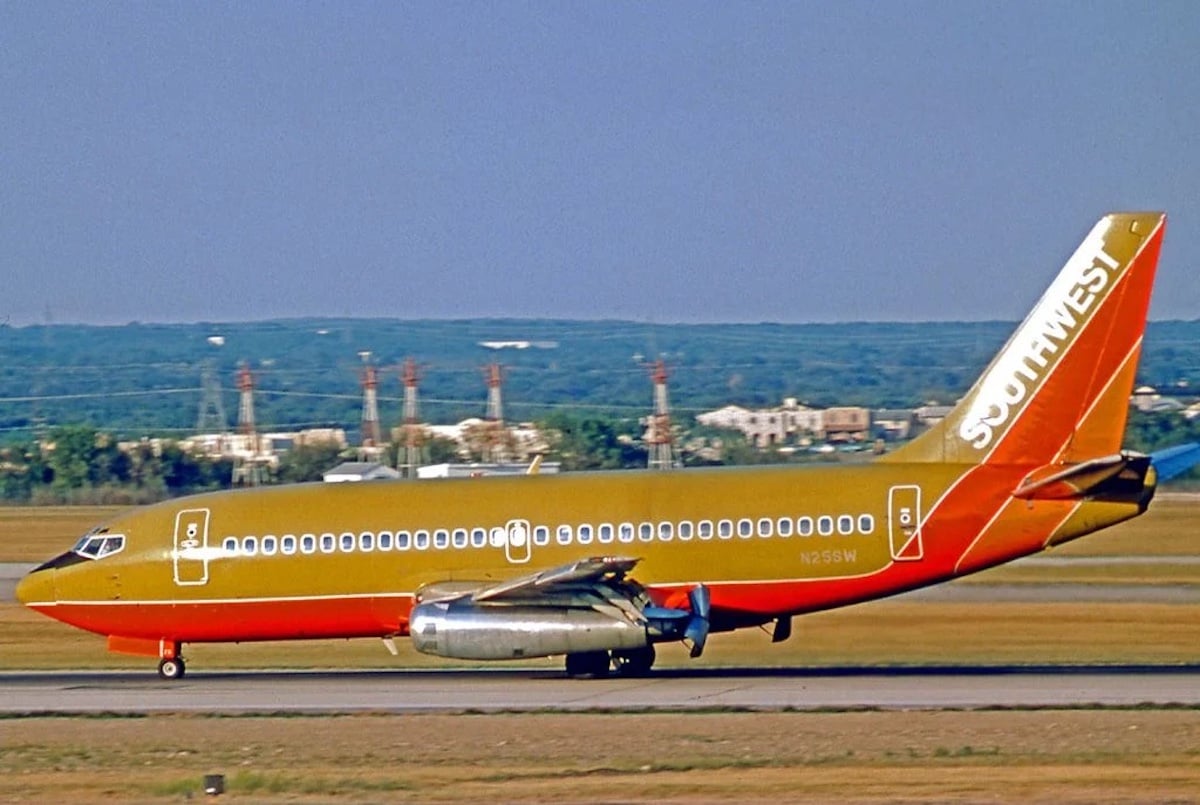
Believe it or not, Southwest Airlines partially owes its existence to a quick sketch on a cocktail napkin. That’s where amateur pilot Rollin King drew a triangle representing Dallas, Houston, and San Antonio, to illustrate his vision for a short-haul airline between Texas’ biggest cities. It helped convince his lawyer, Herb Kelleher, to join him in founding Southwest, which grew to operate as many as 4,000 flights a day as of 2019.
1968: Royal Caribbean
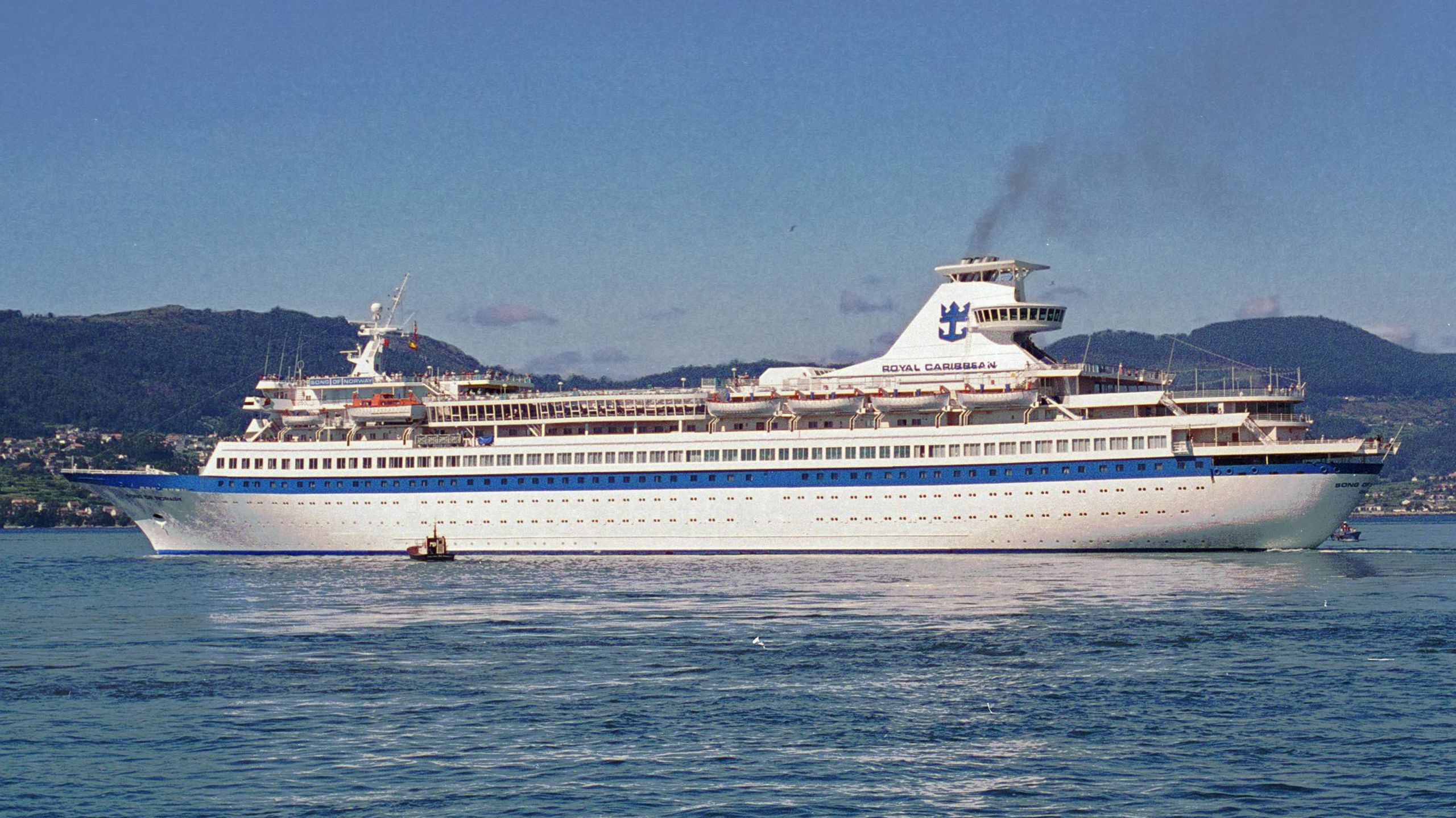
Three Norweigan shipping companies, eager to make their mark in the nascent U.S. cruising industry, joined to form Royal Caribbean in the late ’60s. The cruise line’s first ship, Song of Norway, debuted in 1970, and two more ships followed in the next two years. Today, there are 25 ships in the fleet, and Royal Caribbean also owns the Celebrity and Silversea cruise lines.
1969: Gap
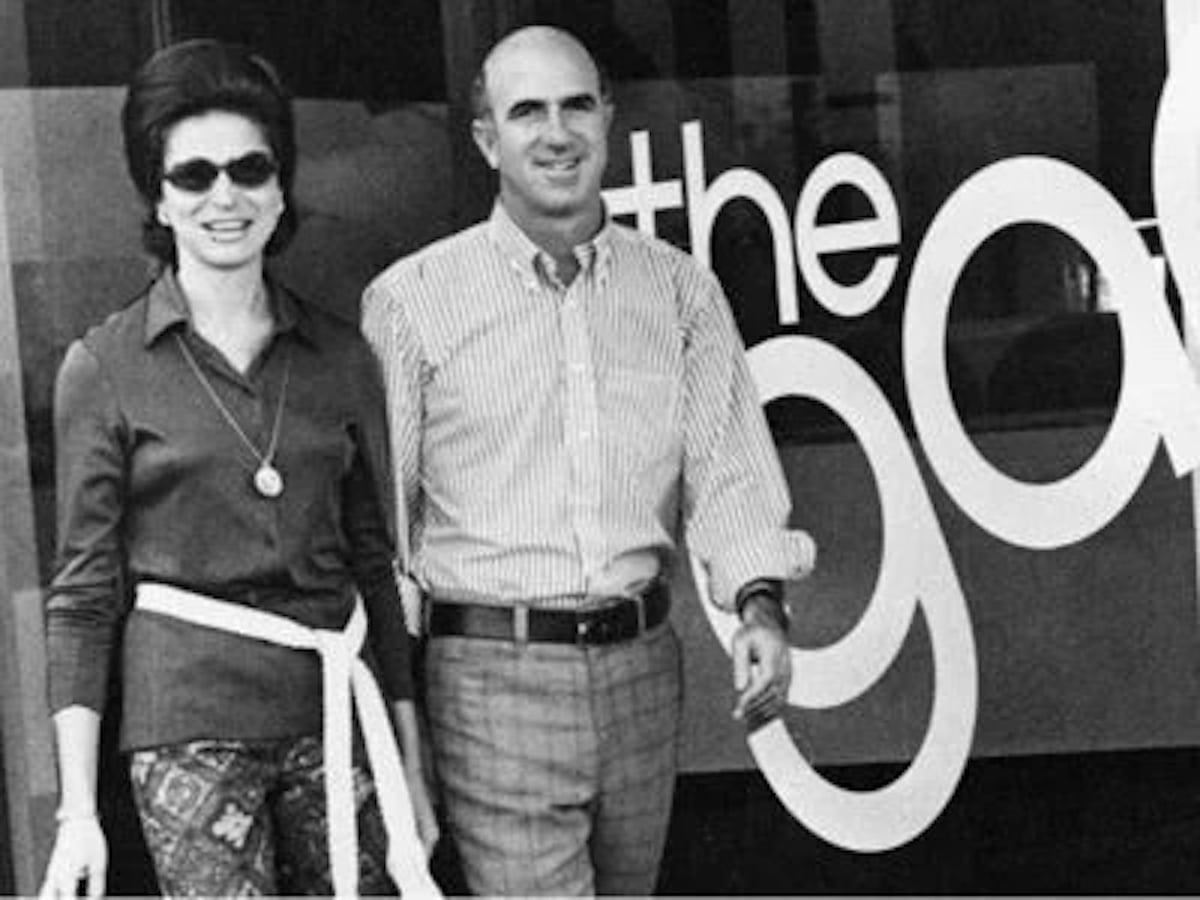
When Don and Doris Fisher opened the first Gap in San Francisco, it sold just two products: men’s Levi’s, and records to attract young customers. Within three years, its store count was up to 25, and in 1974, it started selling its own brand of clothing. Today, of course, the Gap sells everything from activewear to kid’s apparel. (Levi’s, for the record, got the boot from stores in 1991.)
1970: Freddie Mac
The Federal Home Loan Mortgage Company, better known as Freddie Mac, was launched more than 50 years ago to compete with Fannie Mae, a newly public company originally created during the Depression to buy mortgages from lenders. Freddie Mac has financed more than 81 million homes since its founding, providing a staggering $11.6 trillion in funding.
1971: Starbucks
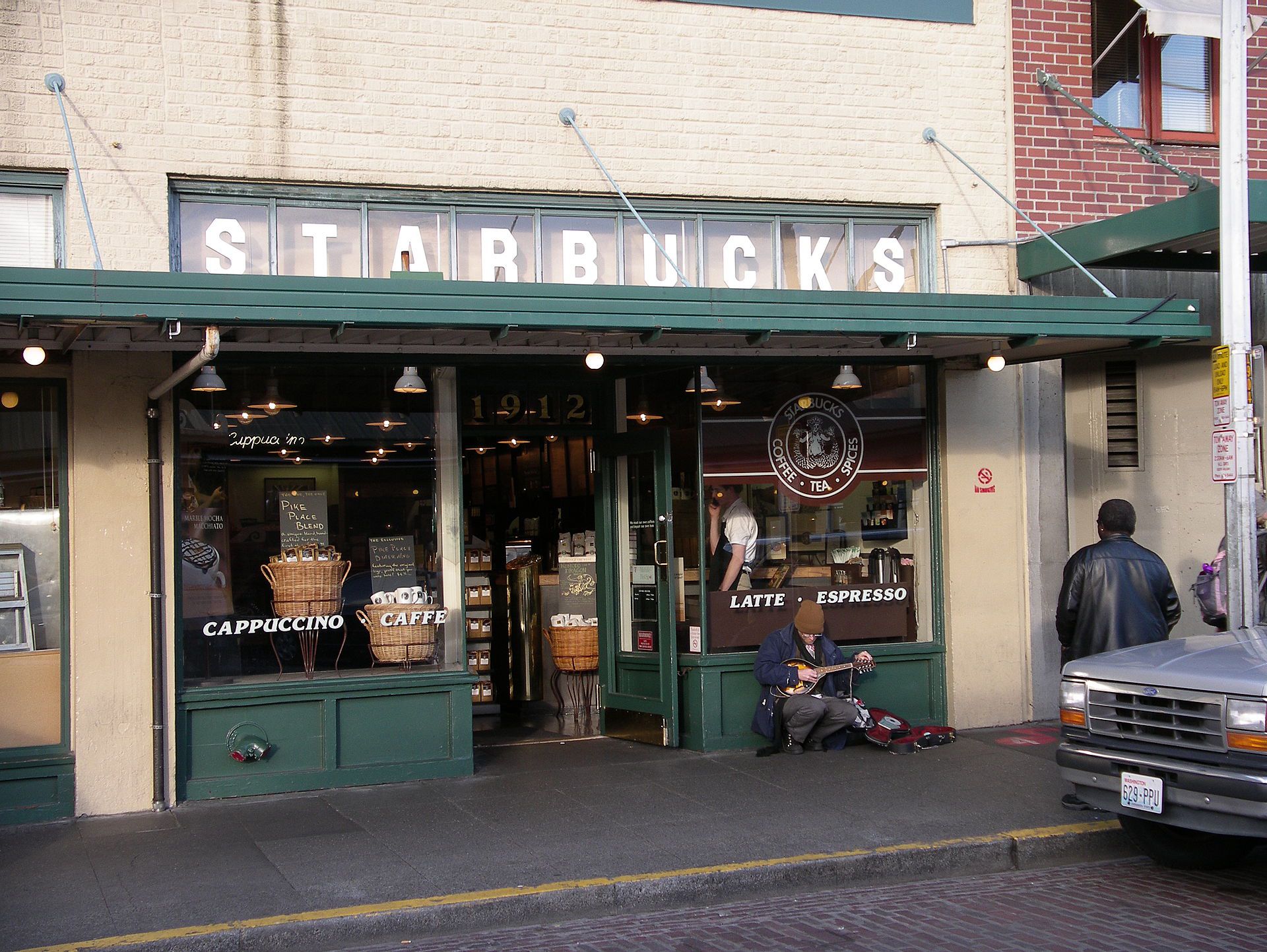
Java junkies don’t have to go far to find a Starbucks these days, with more than 30,000 stores worldwide. But 50 years ago, there was just one: a small shop in Seattle’s Pike Place Market. And it wasn’t until more than a decade after opening that Starbucks began to sell brewed coffee — until then, you could only buy coffee beans, tea, and spices.
1972: Atari
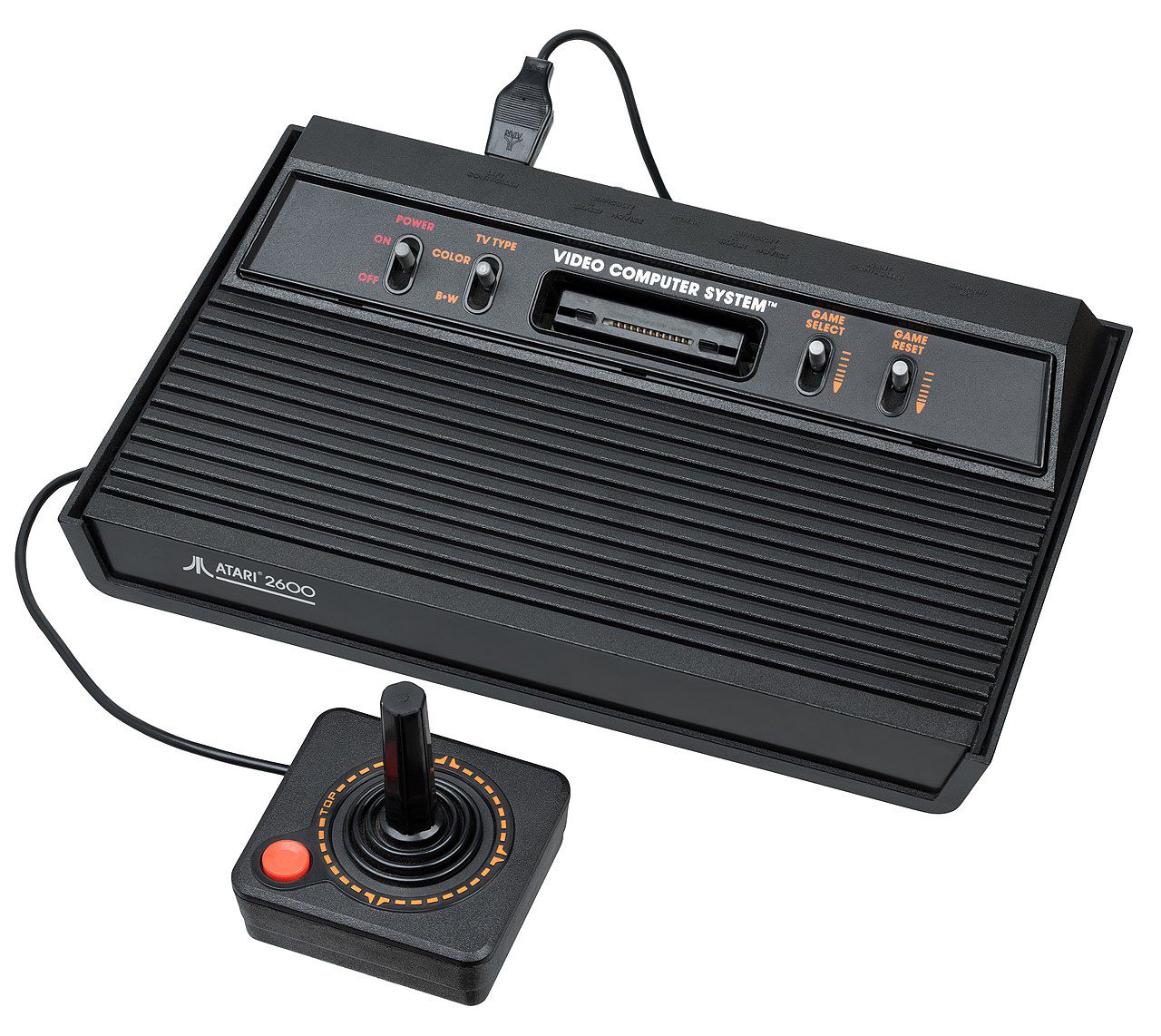
Founded by Nolan Bushnell and Ted Dabney, Atari rocketed to success with its first official video game: “Pong.” Several other games followed, as did the first Atari game console in 1977. But the ’80s brought increasing competition from the likes of Nintendo and others, so Atari re-focused its business on home computers. In the 1990s, it shifted back to gaming consoles, but was unable to regain a foothold in the market.
1973: Patagonia
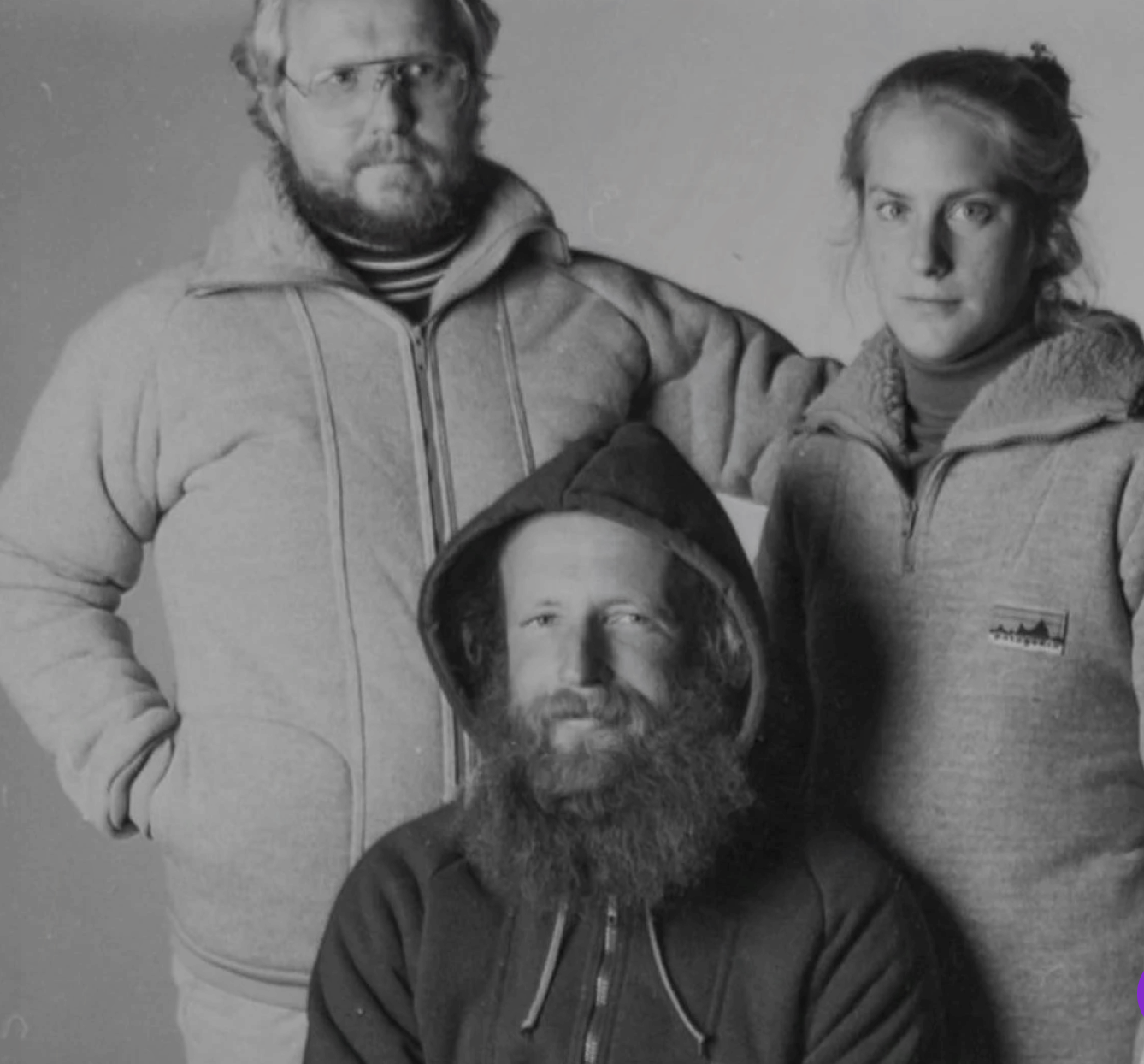
Patagonia’s first store opened in 1973 in Ventura, California, but founder Yvon Chouinard started selling climbing gear in the late ’50s. By the early 1970s, new product offerings included rugby shirts from England, wool gloves from Austria, and hand-knit beanies from Colorado. Today, the company is known almost as much for its environmental and social activism as it is for its clothing and gear.
1974: Foot Locker
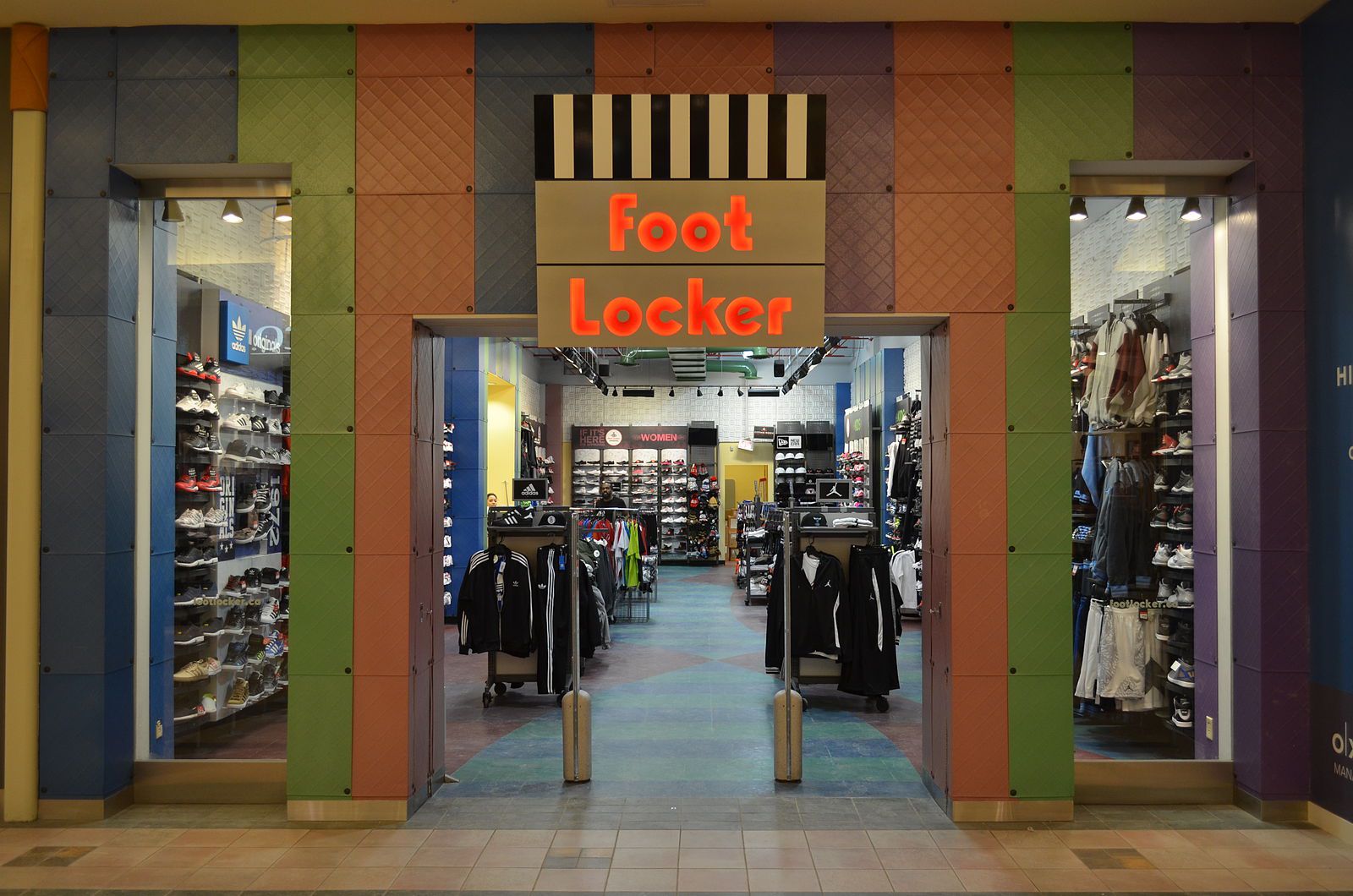
This familiar mall shoe store can trace its roots to Kinney Shoe Corp., which was snapped up by Woolworth in 1963. Kinney opened the first Foot Locker in California in 1974, and the shoe brand became a life line for Woolworth as it lost ground to newer retailers in the ’80s and ’90s. The corporation even took the Foot Locker name in 2001 after converting some of the nation’s last Woolworth stores to the brand in the late ’90s.
1975: Microsoft

Bill Gates and Paul Allen were young, ambitious techies when they decided to write their own computer programming language and demonstrate it for a computer company. The company snapped it up, and Gates and Allen officially founded what was then known as Micro-Soft. Microsoft’s MS-DOS 1.0 operating system was rolled out on an IBM in 1981, and the company has racked up hit after hit ever since, from Windows to Office to the Xbox.
1976: Apple
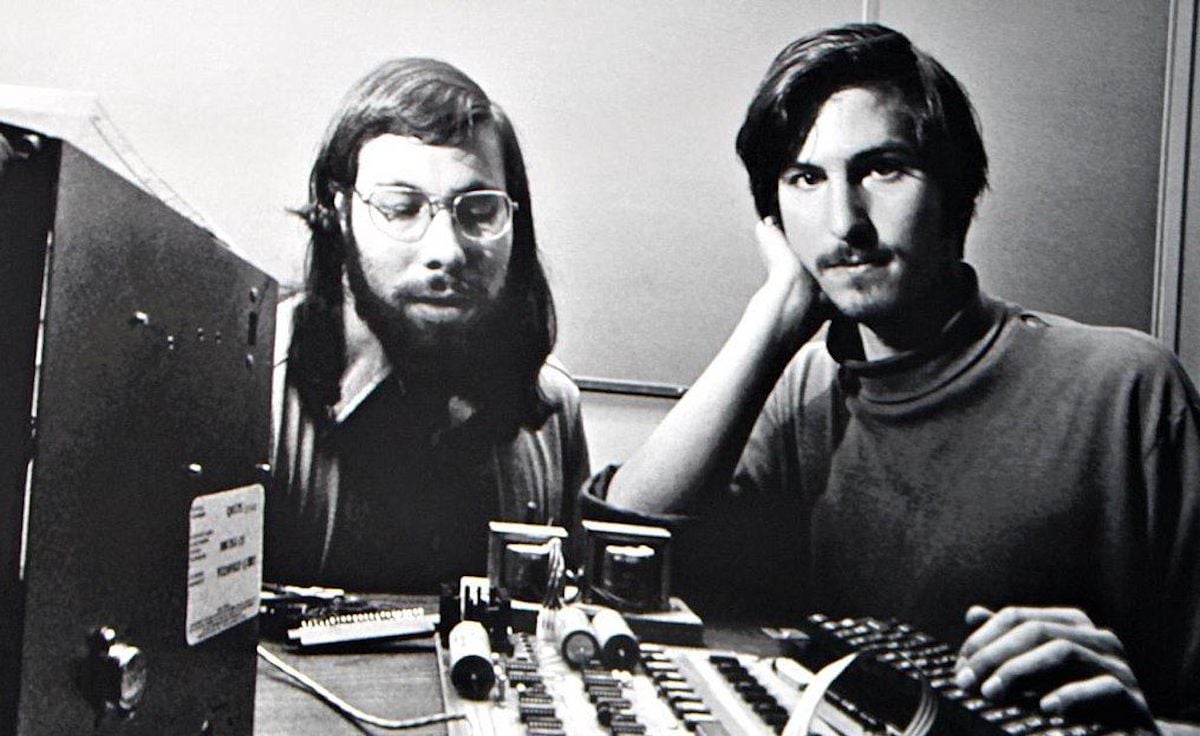
College dropouts Steve Jobs and Steve Wozniak famously started Apple in Jobs’ garage, determined to build computers that were easy for people to use in their everyday lives. The Apple I was essentially a circuit board sold without a keyboard, display, or power supply. The Apple II made a bigger splash, with 5 to 6 million sold until production ended in 1993. Today’s Apple, one of the world’s most profitable companies, is perhaps even more well known for the iPhone and iPad than its computers.
1977: Victoria’s Secret
Tired of feeling uncomfortable while shopping for lingerie for his wife, Roy Raymond started his own lingerie store in Palo Alto, California, in the late ’70s. Victoria’s Secret would make half a million dollars in its first year. Still, the company was on rocky financial footing, and in 1982, The Limited founder Les Wexner snapped up the brand for only $1 million, quickly turning it into one of the nation’s most well-known apparel brands.
1978: Home Depot
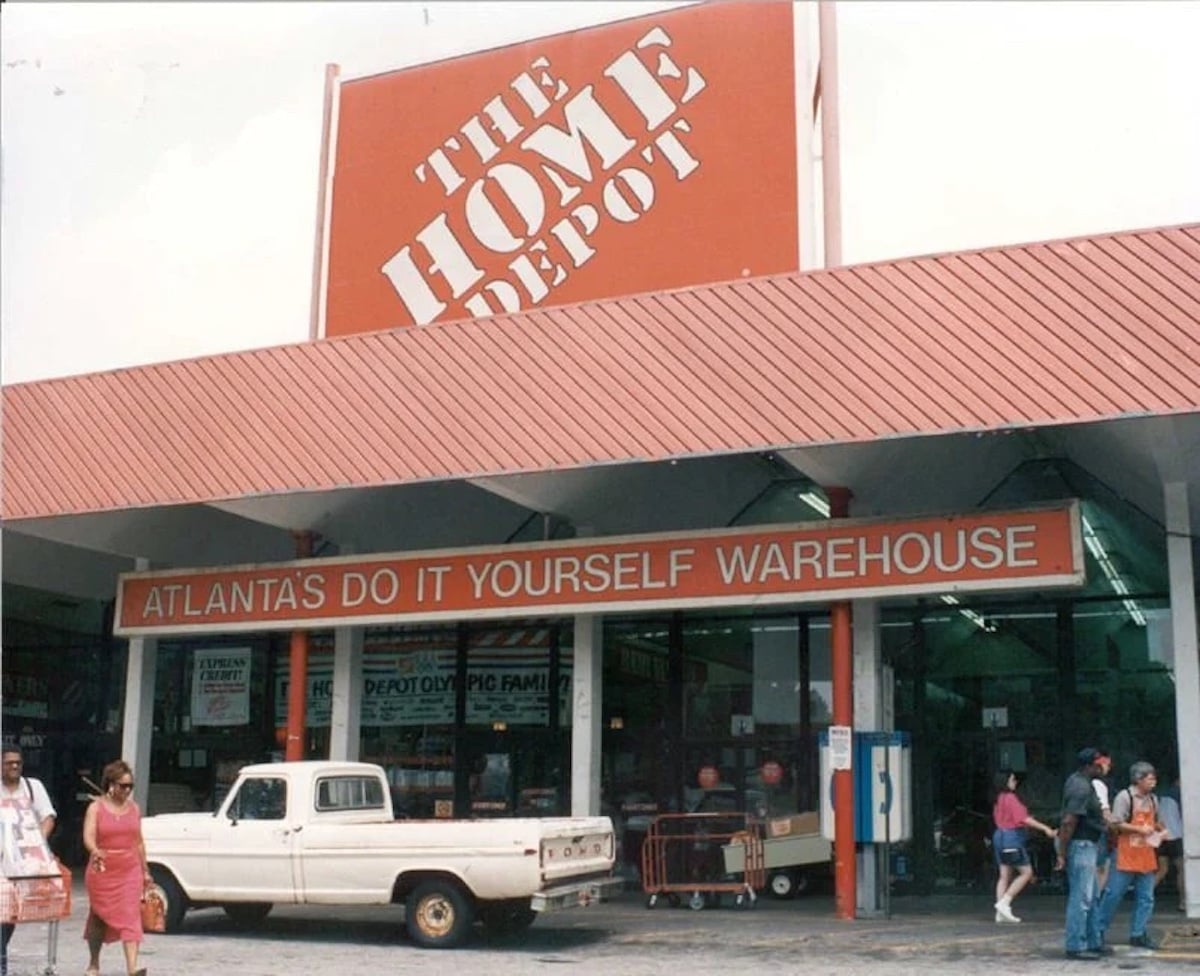
Recently fired from their jobs at a home-improvement store, Bernie Marcus and Arthur Blank met up at a Los Angeles coffee shop and made plans to open a superstore for do-it-yourselfers. With investors on board, they opened two 60,000-square-foot stores in Atlanta in 1979. Just a couple years after that, Home Depot went public, and became the nation’s largest home improvement retailer by 1990.
1979: Nickelodeon
What began in late 1977 as Pinwheel, a test of the market’s appetite for educational programming for kids, officially became Nickelodeon in 1979. The profit-starved network was forced to start running commercials and embrace more of an entertainment focus in the mid-’80s, at which point it hit its stride with shows like “Double Dare.” (Wondering what’s in the network’s iconic green slime? It varies, but Cream of Wheat, green food coloring, and baby shampoo are sometimes in the mix, according to Vox.)
1980: CNN
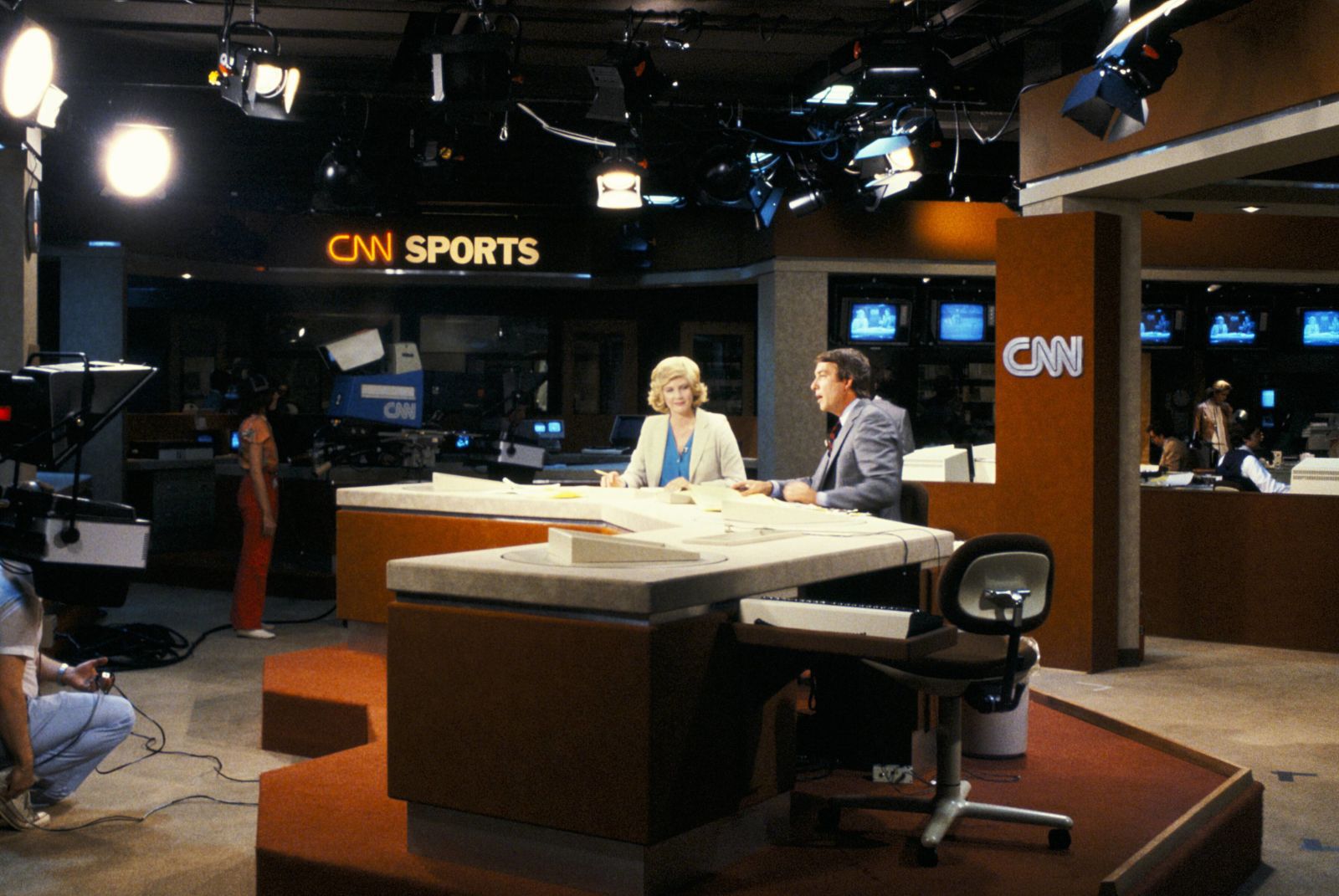
The news cycle would never be the same after the 1980 launch of Cable News Network, the first news channel to broadcast around the clock. Founded by Ted Turner with its headquarters in Atlanta, CNN was initially available in only about 2 million U.S. homes, compared with about 250 million worldwide today.
1981: MTV
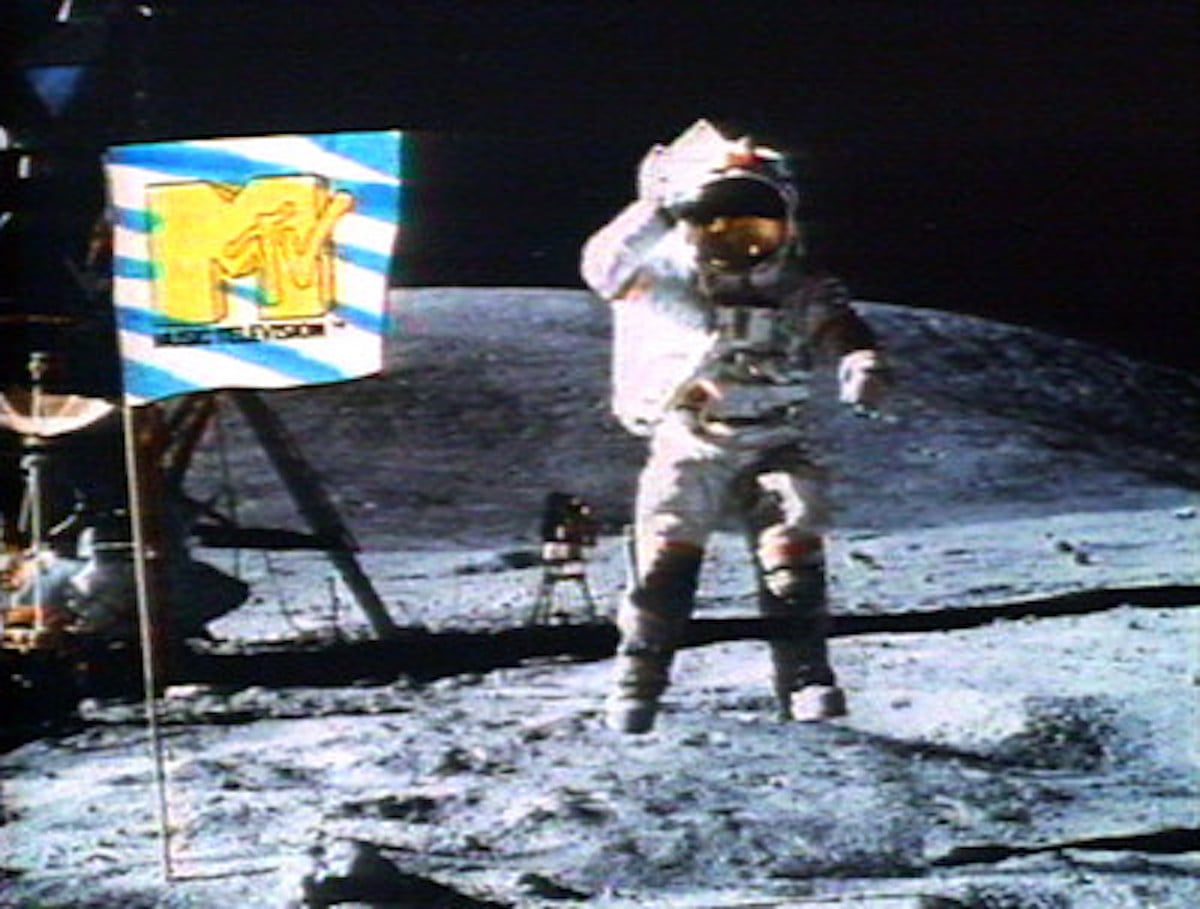
If you weren’t busy watching CNN in the 1980s, you had another brand-new option: Music Television, or MTV. The first music video, fittingly, was The Buggles’ “Video Killed the Radio Star.” If you’re wondering when MTV stopped focusing on videos, the answer is probably earlier than you think: In the late ’80s and early ’90s, when original programming aimed at young adults grew to include “The Real World” and others.
1982: Adobe
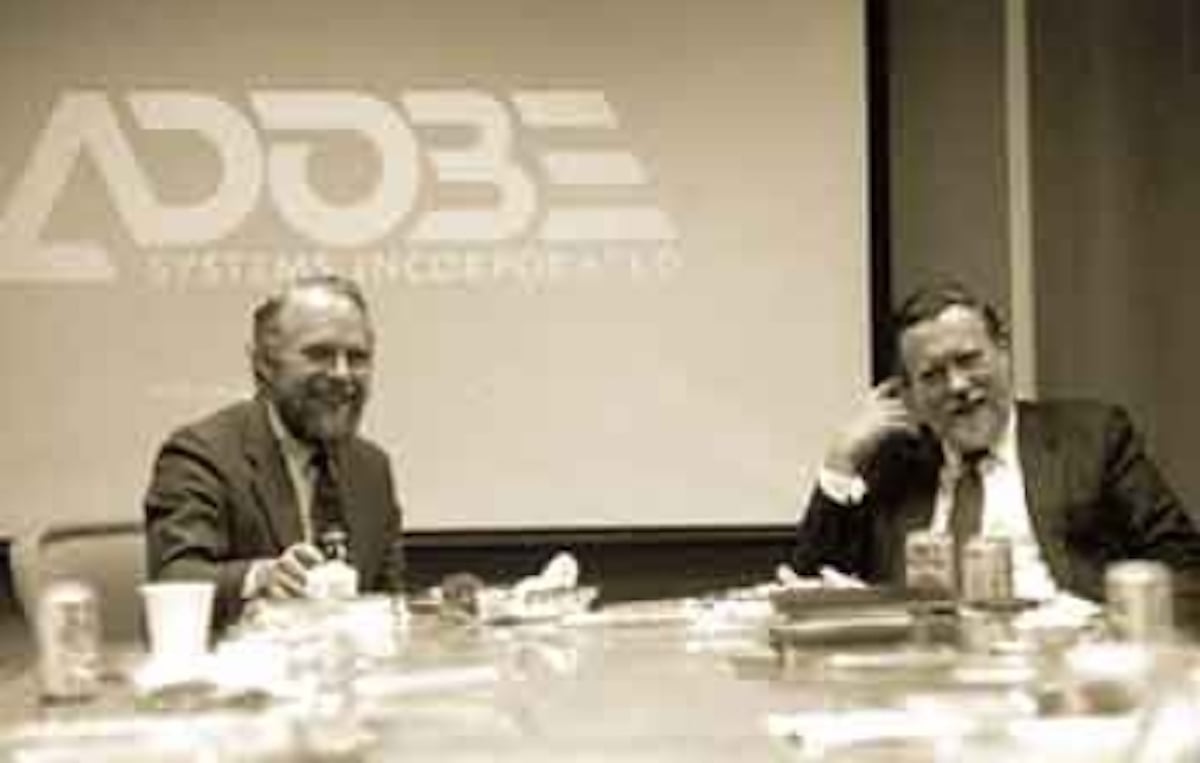
This well-known software company began as so many big names do: As the answer to a problem. John Warnock and Chuck Geschke had been researching ways to transfer text and images from computers to print, eventually leaving Xerox Palo Alto Research Center to found their own company. They named it Adobe for the creek that ran behind Warnock’s home, and their first product, PostScript, remains in widespread use today.
1983: LensCrafters
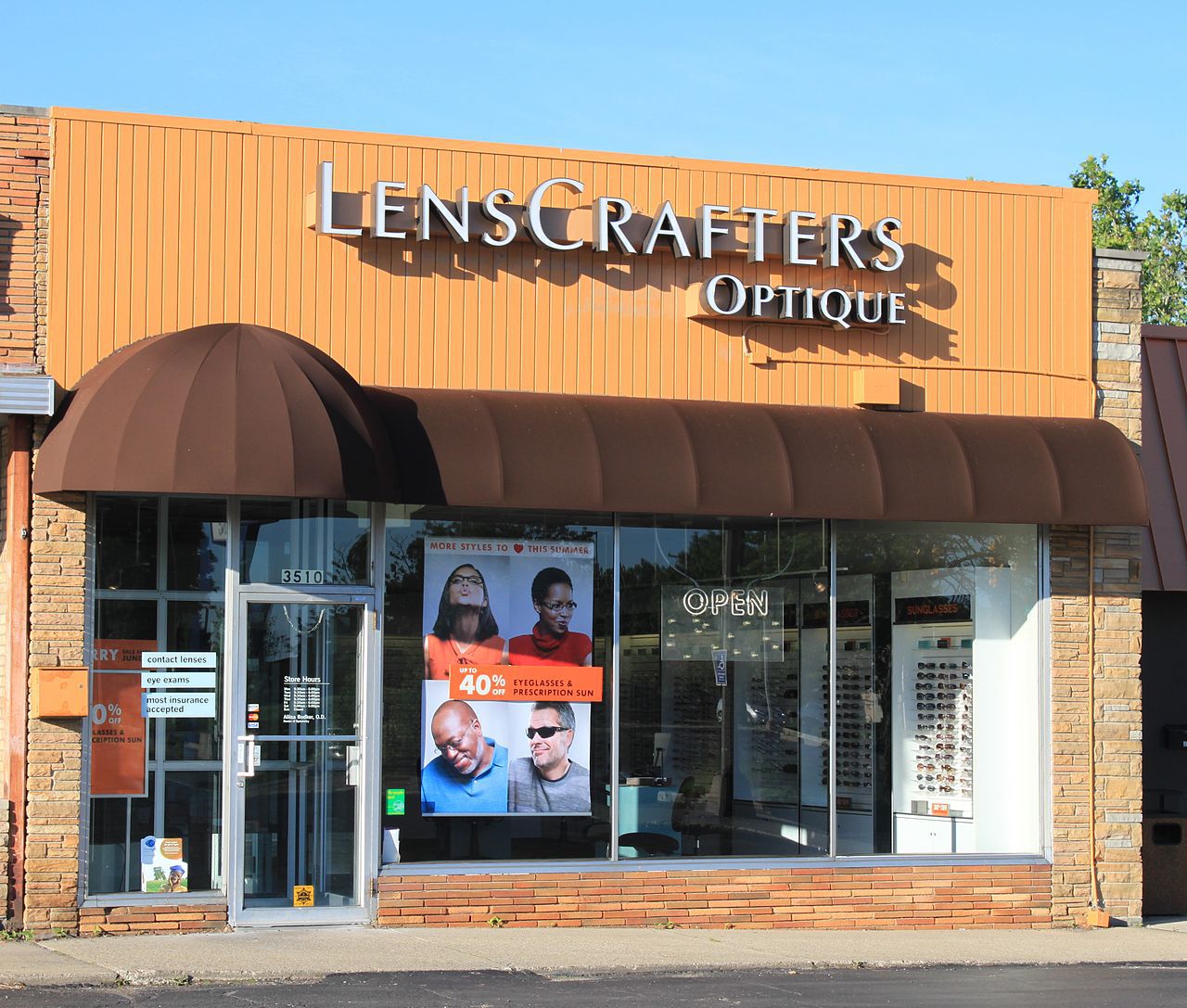
Dean Butler decided to strike out on his own after marketing everything from Folger’s coffee to Ivory dish soap for Procter & Gamble. He saw a big chance for growth in the eyewear industry, launching Precision LensCrafters at a mall in northern Kentucky with the service-oriented pledge to have customers’ glasses ready in just an hour. Now there are more than 900 LensCrafters across the country, and the company is owned by eyewear giant Luxottica.
1984: Dell
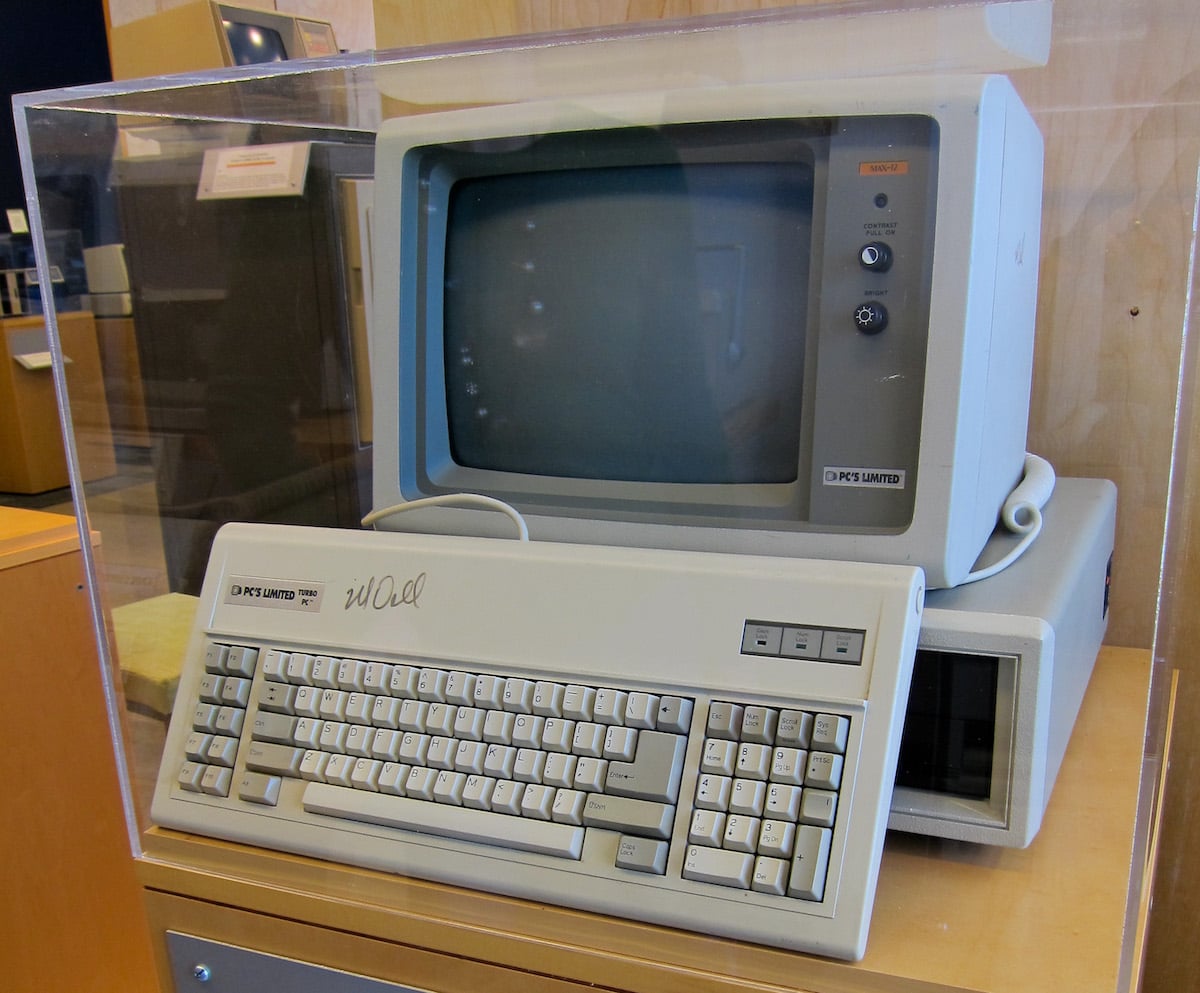
Michael Dell was only 19 when he used $1,000 to start a computer business called PC’s Limited from his dorm room at the University of Texas, Austin. After just a year, he ditched his pre-med major and went all in on his business, which aimed to bring down the price of computers and sell them directly to consumers through catalogs. The idea was a hit — Dell’s computers started at just under $800, insanely cheap for the time — and Dell was raking in hundreds of millions before Michael Dell was out of his mid-20s.
1985: Blockbuster
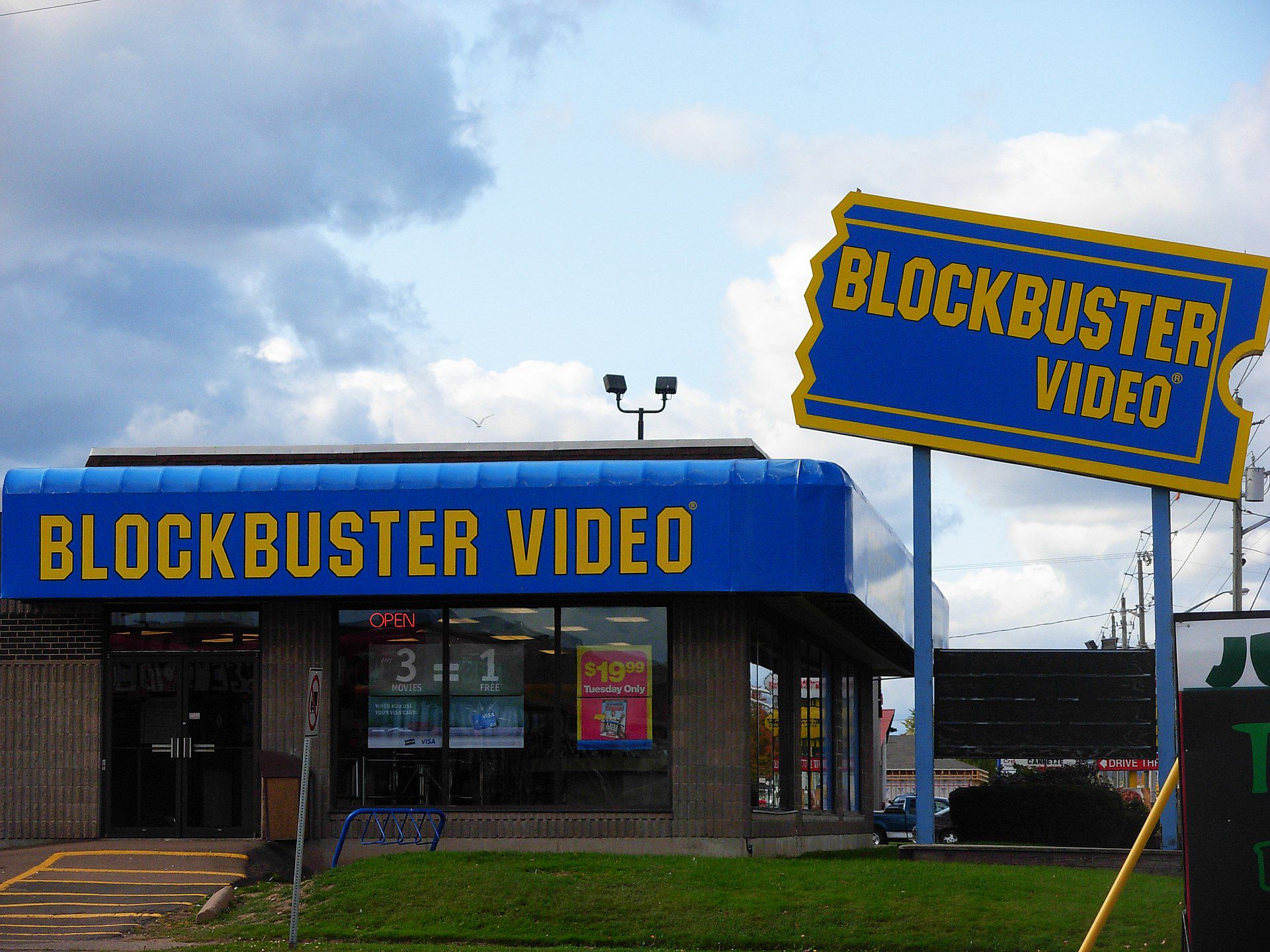
Determined to offer video-rental customers a wider selection and a more streamlined rental process, David Cook opened the first Blockbuster in Dallas in 1985. Growth was staggering: By the early 1990s, there were more than 1,000 Blockbusters, including some overseas. Of course, streaming services like Netflix changed the game dramatically in recent years, and today, one last Blockbuster is hanging on in Bend, Oregon.
1986: Staples

What’s a frustrated entrepreneur to do when he can’t find a typewriter ribbon on a holiday weekend? Get mad and open an office superstore, of course. That’s what happened to Tom Stemberg in 1985, leading him to open the first Staples in Brighton, Massachusetts, in 1986. The chain has grown to more than 1,000 locations across the U.S., but the company also has a presence in 26 countries around the world.
1987: Huawei

This massive Chinese telecommunications company exists thanks to Ren Zhengfei, a former businessman and civil engineer with the People’s Liberation Army. The nascent company made telecom switches, but soon decided to focus on wireless technology, a sector where it has become a formidable player. Despite its massive size, its presence is limited in the U.S., thanks in part to allegations that it’s too closely aligned with the Chinese government.
1988: Melissa & Doug
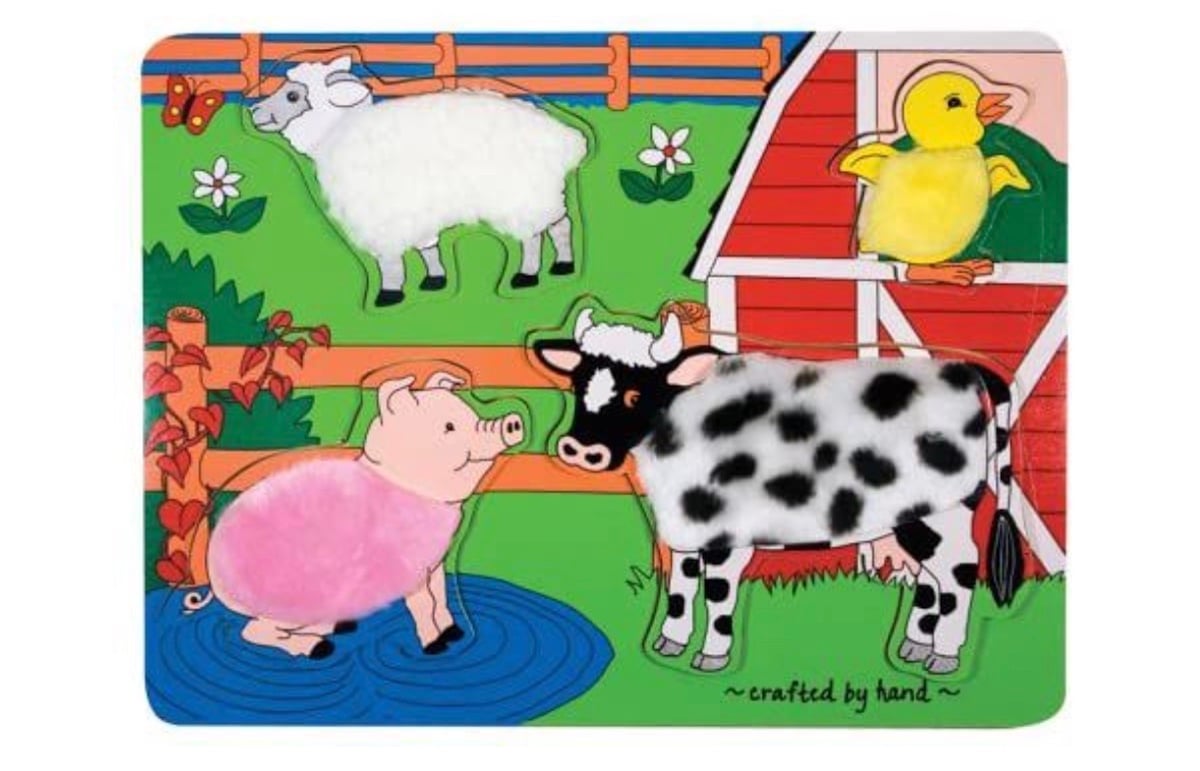
Stroll into any preschool and you’re almost guaranteed to find several colorful toys from Melissa & Doug. Founded by Melissa and Doug Bernstein, the company produced its first product, the Fuzzy Farm puzzle, from Doug’s parents’ garage. After establishing itself with puzzle upon puzzle, Melissa & Doug expanded into blocks, play foods, crafts, doll houses, and much more.
1989: Garmin

When’s the last time you actually used a map? Partially thanks to Garmin, it’s probably been quite awhile. Gary Burrell and Min Kao, who combined their names to come up with “Garmin,” founded the company in Kansas with the goal of integrating a shiny new technology — the global positioning system — into devices for regular consumers. Today, the company makes everything from smartwatches for runners and hikers to GPS navigators for cars, boats, and bikes.
1990: Jamba

This ubiquitous smoothie brand started as Kirk Perron’s senior project while he was a business student at California Polytechnic State University. After getting a $30,000 loan from his mom, he opened a store, Juice Club, in San Luis Obispo. Later that decade, the fledgling chain became Jamba Juice, and then just Jamba in 2019. Today, it has more than 800 locations worldwide.
1991: Epic Games

To many, Epic Games is synonymous with the recent hit that made it a household name among gamers: “Fortnite.” But the company has actually been around for three decades. Tim Sweeney founded the company as Potomac Computer Systems, and despite the serious sounding name, it focused on entertainment. Its first game, “ZZT,” was a crude DOS-based affair, almost unrecognizable compared with the slick 3D titles Epic produces today.
1992: Keurig
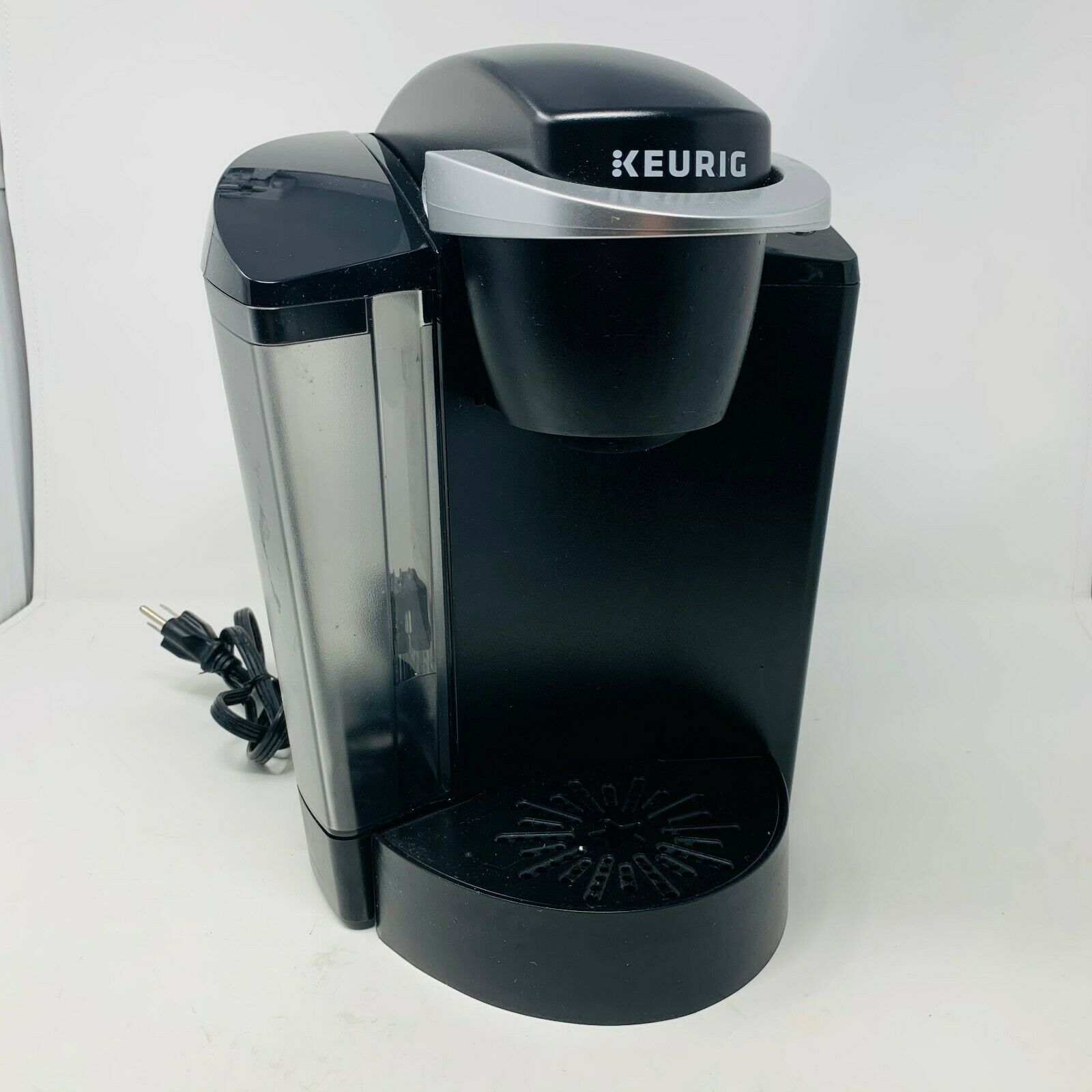
Single-serve coffee pods have become so common that it’s hard to believe they’re a recent invention. John Sylvan and Peter Dragone founded Keurig in 1992, driven by Sylvan’s frustration with bad coffee in the office where he worked in the ’80s. Early K-Cups were hand cut and sealed shut with a converted clothing iron, but the rudimentary system didn’t last long. Keurig was acquired by Green Mountain Coffee Roasters in 2006, and Keurig Green Mountain merged with Dr Pepper Snapple in 2018.
1993: CarMax
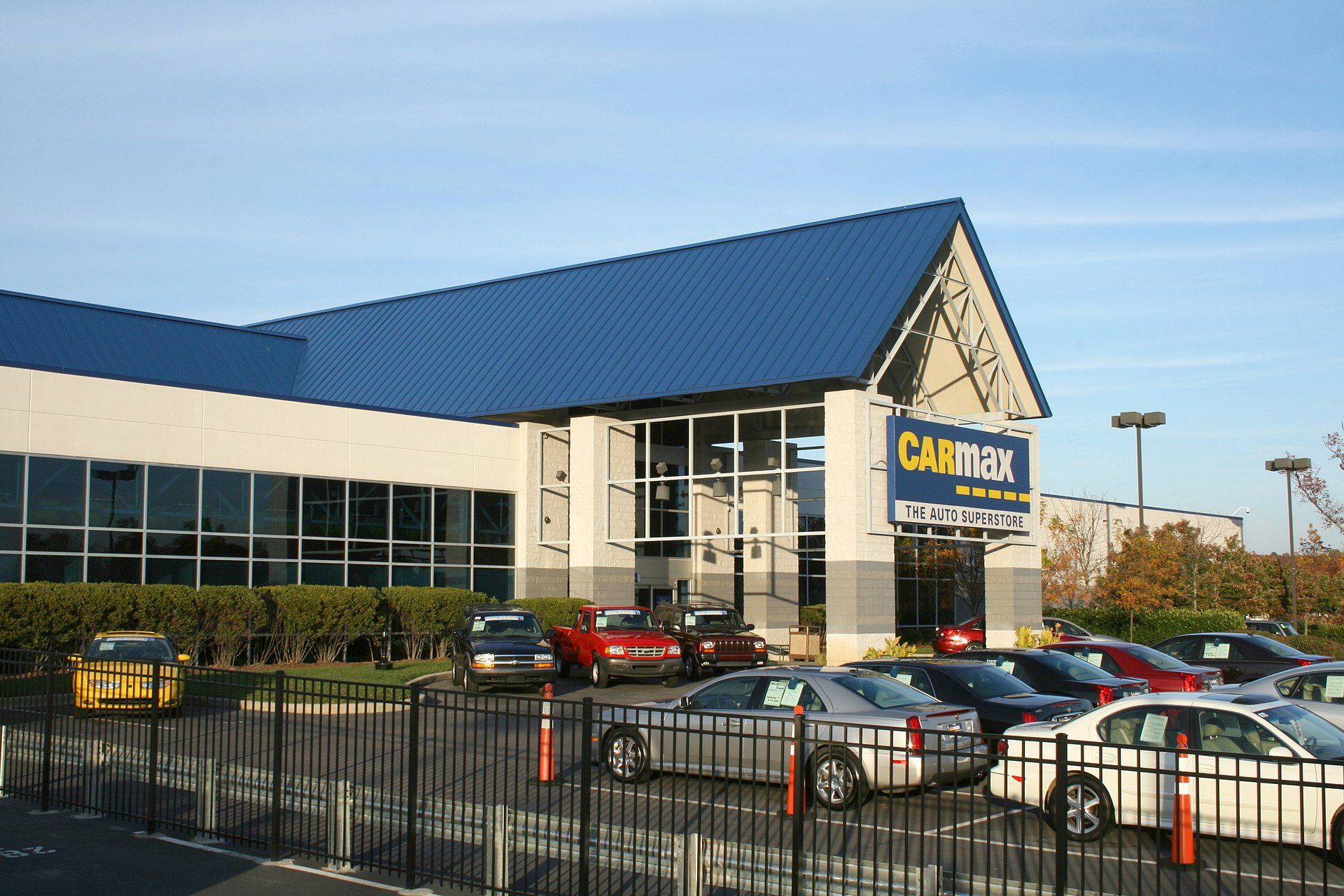
Who knew? CarMax, which first opened in Richmond, Virginia, was the brainchild of Circuit City CEO Richard Sharp. Sharp saw limited growth potential for Circuit City, but was enthusiastic about the used-car market. CarMax and its no-haggle model indeed became a runaway success, and now there are more than 220 locations nationwide. Of course, there are no more Circuit City locations — the company folded in 2009.
1994: Amazon
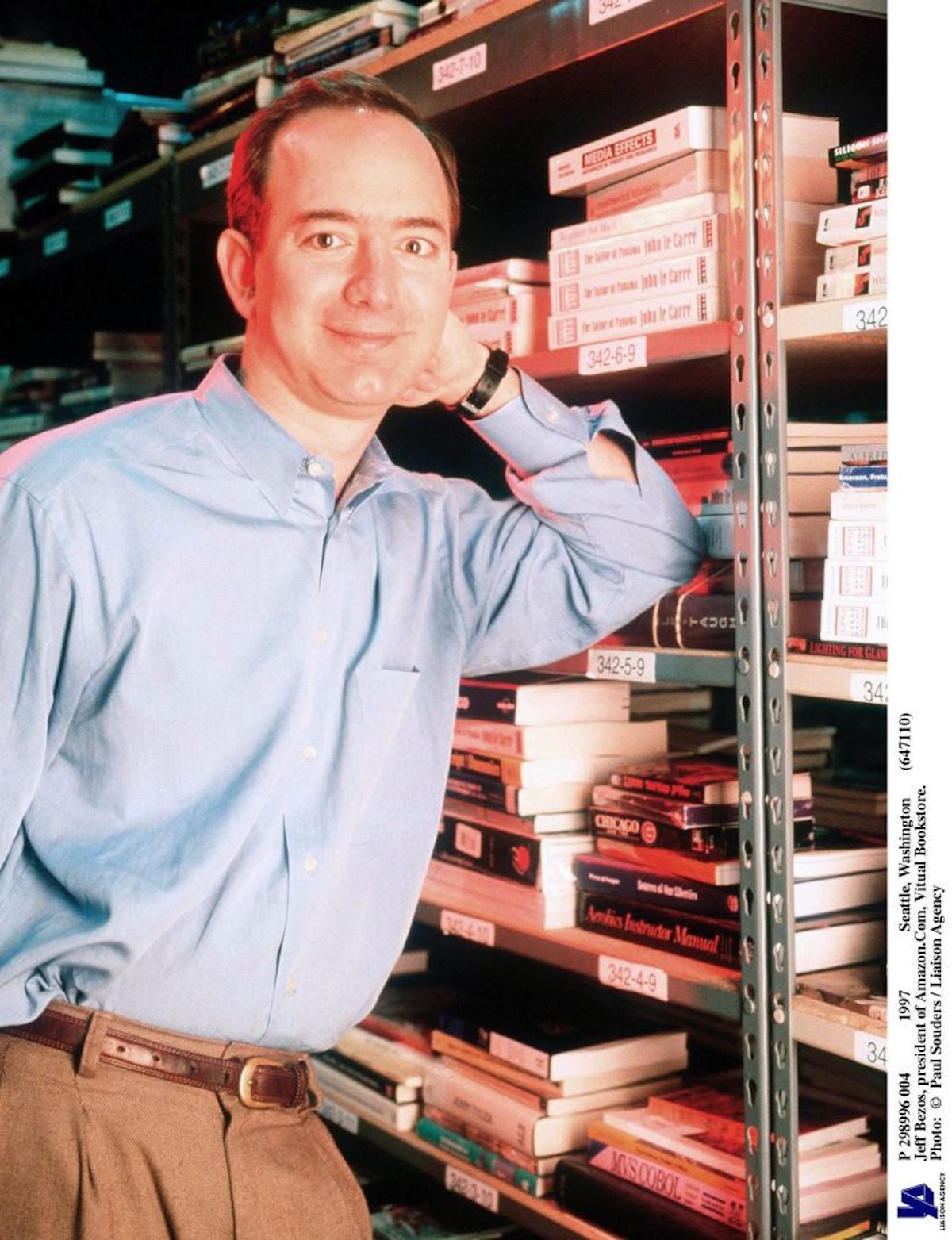
When Jeff Bezos founded Amazon in 1994, he had one mission: “Get big fast.” Well … we think it’s safe to say he succeeded. Amazon initially sold only books, with Bezos even helping take packages to the post office. But in 1998, one year after going public, it started branching out. Today, of course, you can find practically anything you need on Amazon, which was valued at $1.7 trillion – yes, trillion with a ‘t’ – in 2020.
1995: eBay
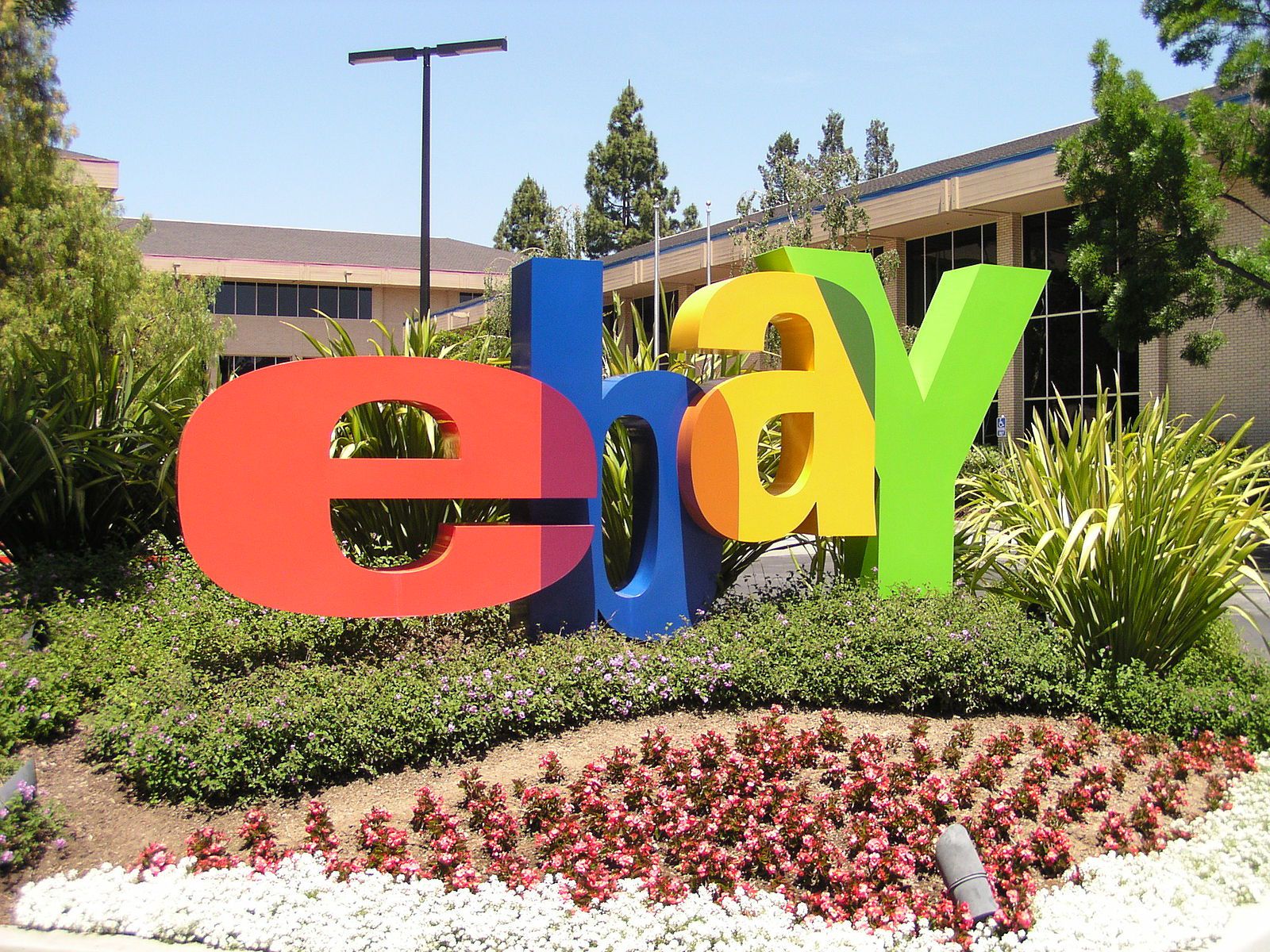
In 1995, eBay founder Pierre Omidyar skipped Labor Day barbecues in favor of staying in to write code for his new website, initially called AuctionWeb. His first sale? A broken laser pointer. In under a year, AuctionWeb had sold over $7 million worth of goods, and in 1997, the company was renamed eBay. As of 2022, it had 1.7 billion product listings.
1996: Under Armour
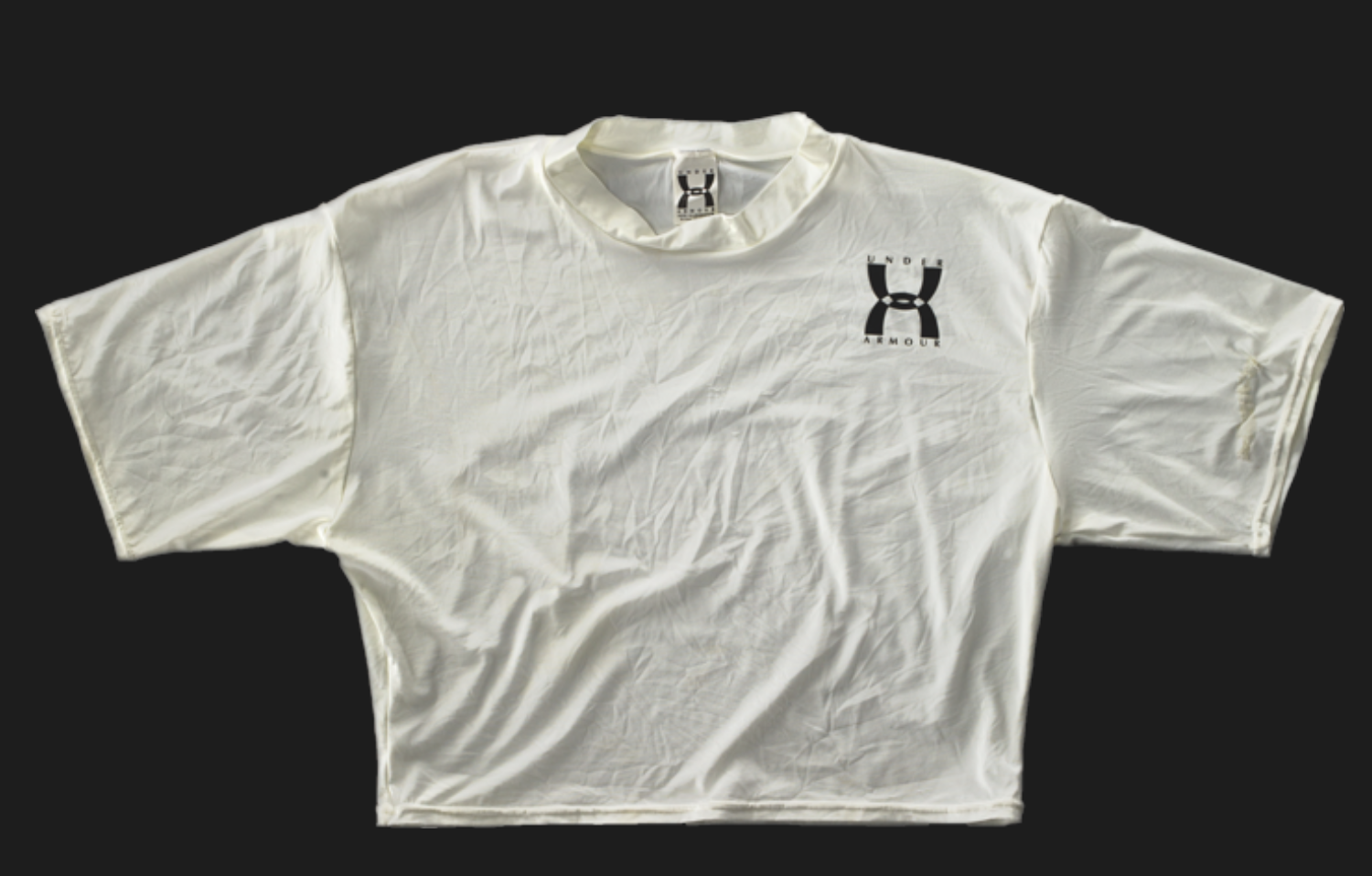
Kevin Plank was tired of sweating through his T-shirts during football practice at the University of Maryland. So he created a moisture-wicking shirt that would help him stay cooler, and soon he was running Under Armour from his grandmother’s basement. The company would go public within a decade, and has grown to rival giants including Nike and Adidas in the competitive athletic apparel business.
1997: Netflix

Remember when Netflix sent you movies by mail? That’s how the company began in 1997, and its unlimited DVD-rental subscription followed in 1999. Membership eclipsed 5 million by 2005, but streaming wasn’t part of the deal until 2007. Of course, by 2013, Netflix started producing its own original programming; today, more than 200 million subscribers happily binge-watch everything from “Stranger Things” to “The Crown.”
1998: Google

Google founders Larry Page and Sergey Brin built their first search engine from their dorm rooms at Stanford University, naming it Backrub. Thankfully, they decided to rename it Google, and Google Inc. was officially formed in 1998. An initial $100,000 investment helped them move their headquarters from dorm rooms to a garage, still a far cry from the massive Googleplex in Silicon Valley. Today, internet users conduct a staggering 8.5 billion searches a day, and Google makes everything from phones and laptops to apps and operating systems.
1999: Segway
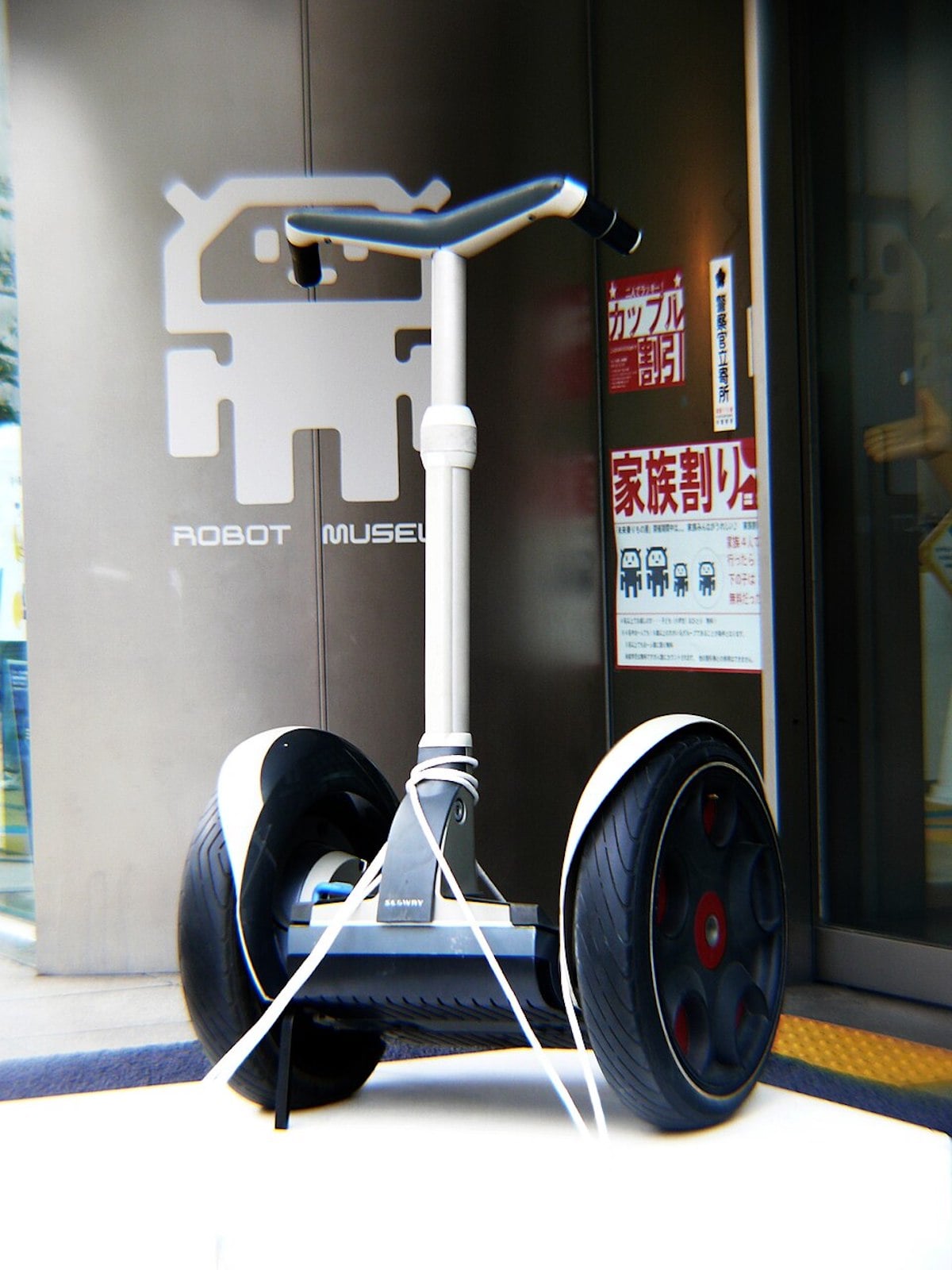
Dean Kamen’s idea for Segway came as he watched a man in a wheelchair struggling with a bumpy sidewalk. A self-balancing mechanism would level the playing field, literally. Within a few years, the first Segways were being sold on Amazon, and while the scooters didn’t quite revolutionize personal transportation the way some thought they might, they have become a favorite of tourists and mall cops everywhere. The company was purchased by Beijing-based Ninebot in 2015.
2000: Spanx

Today, Spanx is practically synonymous with shapewear, but the brand has only been around since 2000. That’s when Sara Blakely decided she needed something stronger than control-top pantyhose to smooth out lumps and bumps under outfits, even writing her own patent with the aid of a textbook to save thousands in legal fees. Blakely sent samples to Oprah Winfrey’s stylist, and soon her nascent product was off to the races as one of the talk show host’s venerable “favorite things.”
2001: Orbitz

Unlike many stories here, where companies were launched by a lone entrepreneur with an idea and a dream, the Chicago-based travel search and booking site Orbitz was formed buy five airlines — United, Delta, Continental, Northwest and American — to let consumers buy tickets directly, challenging the market dominance of travel agencies. Currently, Expedia Group now owns Orbitz and other major travel search sites.
2002: Crocs

Quirky and comfortable, the Crocs footwear brand was launched after three pals were sailing together in the Caribbean. Intrigued by a spongy boating shoe that floated, Scott Seamans, Lyndon “Duke” Hanson, and George Boedecker produced their own version and presented it at a Florida boat show in 2002, where the shoes sold out. To date, some 850 million pairs have been sold, and the company enjoys annual sales of $2.6 billion.
More From Cheapism

- 23 Ways Companies Trick You Into Spending More Money — Businesses use sneaky pricing, packaging shifts, and psychological tricks to get you to spend more than you realize every time you shop.
- Companies’ Most Cringeworthy Public-Relations Failures — These jaw-dropping PR disasters show how even major brands can tank their reputation in seconds with a single clueless move.
- US Companies Have Slowed Hiring — and the Federal Reserve Is Worried — Hiring has lost momentum across the country, signaling deeper economic jitters that have the Fed keeping a very watchful eye.