Foods that many Boomers still enjoy can seem downright puzzling to younger generations, but these dishes once served a practical purpose. They were affordable, filling, easy to prepare, and often staples at family dinners, church potlucks, holiday gatherings, and weeknight meals. From liver and onions and Jell-O salads to canned hash and creamed chipped beef, these old-school favorites are packed with nostalgia and memories of a different era. While not every Boomer still keeps these foods in regular rotation, plenty of them continue to have loyal fans who appreciate both the comfort and the tradition they bring to the table.
Liver and Onions
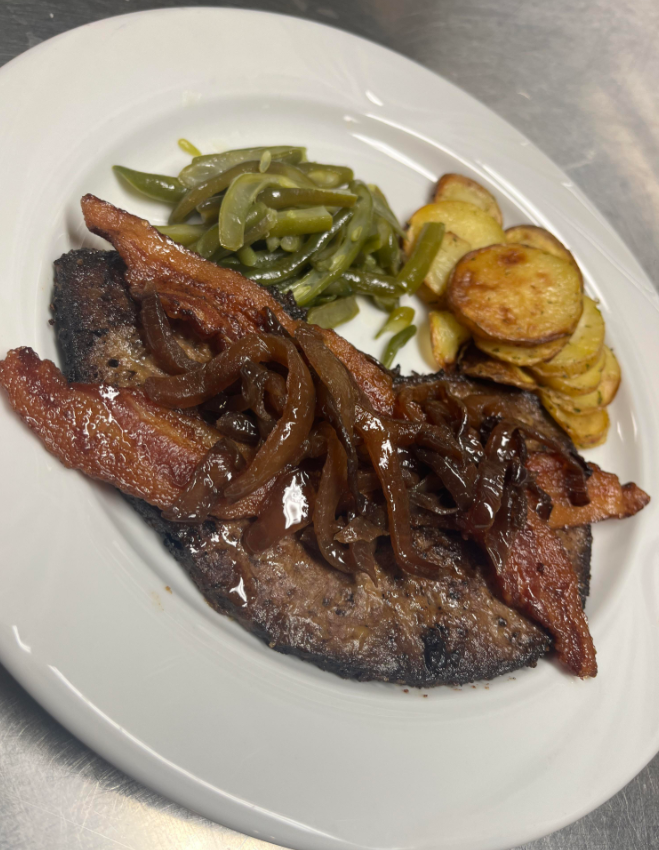
For many older Americans, liver and onions was a normal weeknight dinner because parents and grandparents saw organ meat as nutritious, affordable, and too useful to waste. Beef liver is rich in nutrients like vitamin A, iron, and B vitamins, which helped give it a reputation as practical food rather than “weird” food. The downside is obvious: the flavor is strong, the texture is not for everyone, and younger diners often grew up in homes where liver never appeared at all.
Creamed Chipped Beef on Toast
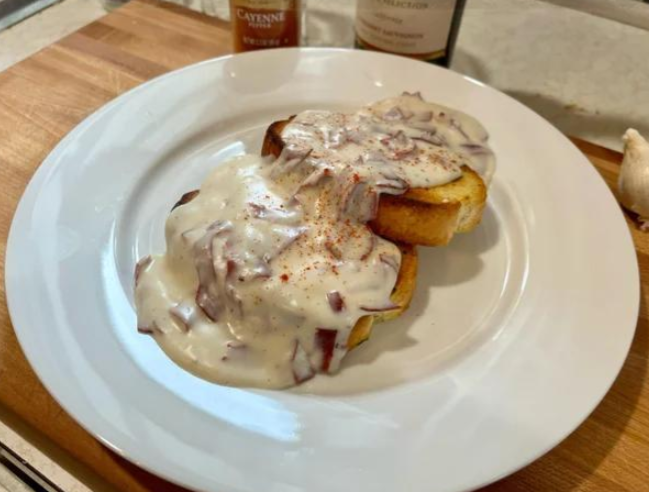
Creamed chipped beef on toast, often nicknamed SOS, is one of those dishes that makes instant sense to people who grew up around military families and almost no sense to everyone else. It is dried beef stirred into a white sauce and spooned over toast, which makes it salty, creamy, filling, and cheap to pull together. For Boomers, it can bring back memories of fathers, uncles, diners, or school cafeterias. For younger folks, it may look like beige food from another planet.
Jell-O Salads
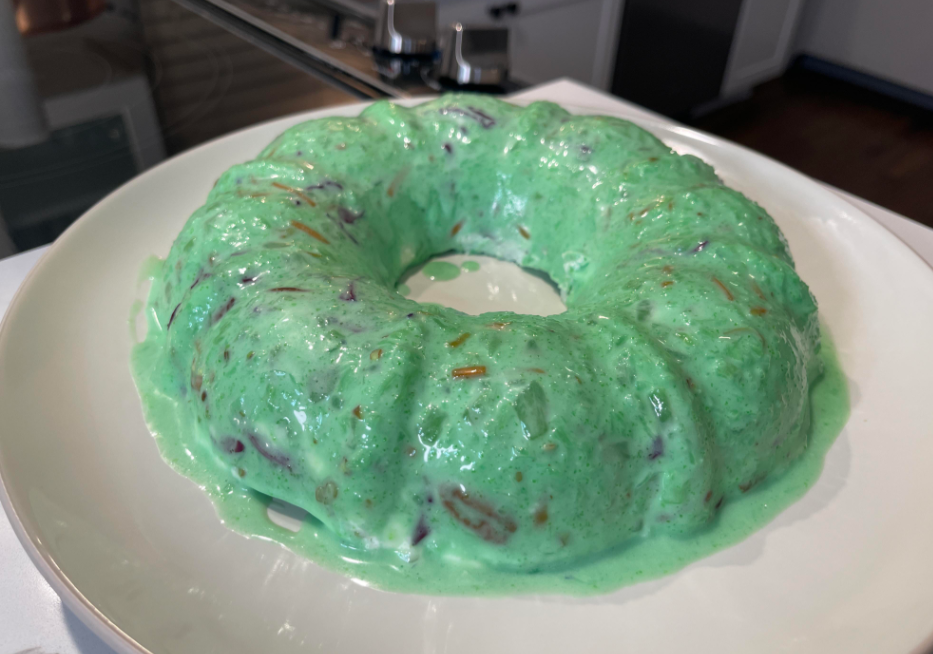
Jell-O salads are probably the poster child for mid-century food confusion. Fruit in gelatin still makes sense to many people, but once you add shredded carrots, cottage cheese, mayonnaise, celery, or marshmallows, younger diners may start asking questions. In the 1950s and 1960s, molded gelatin dishes felt modern, colorful, and convenient, especially for potlucks and holiday tables. The charm was partly presentation and partly thrift: one mold could stretch canned fruit or leftovers into a shared dish.
Cottage Cheese as a Meal
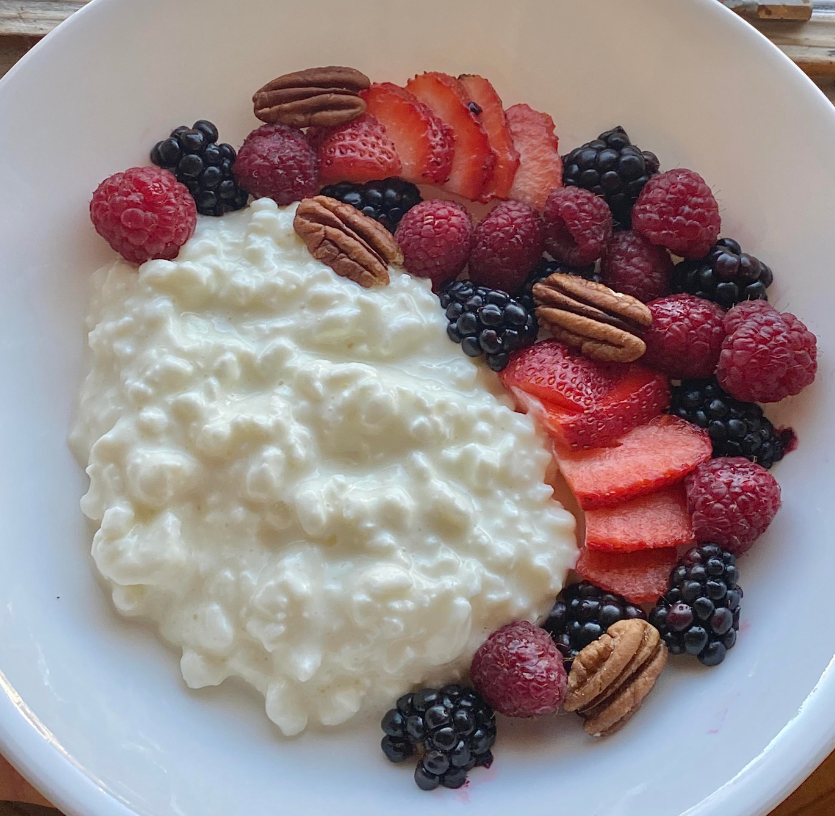
Before Greek yogurt took over grocery carts, cottage cheese was the high-protein, diet-friendly staple many Boomers ate straight from a bowl. It could be lunch with canned peaches, a light dinner with tomato slices, or the “healthy” plate next to a burger patty and grapefruit. That sounds plain to younger shoppers, though cottage cheese has recently had a social media comeback in pancakes, dips, and even ice cream. The older version was much simpler: open the tub, add fruit or pepper, and call it a meal.
Spam

Spam gets joked about a lot, but dismissing it completely misses why it lasted. Introduced in 1937 by Hormel, the canned meat became famous during World War II and stayed useful because it was shelf-stable, salty, filling, and easy to fry. Many Boomers remember Spam sandwiches, Spam and eggs, or fried slices with potatoes. Younger people may know it as a punchline, though that is not the whole story. In Hawaii and several Asian and Pacific Islander food traditions, Spam is still taken seriously.
Trending on Cheapism

Tomato Aspic
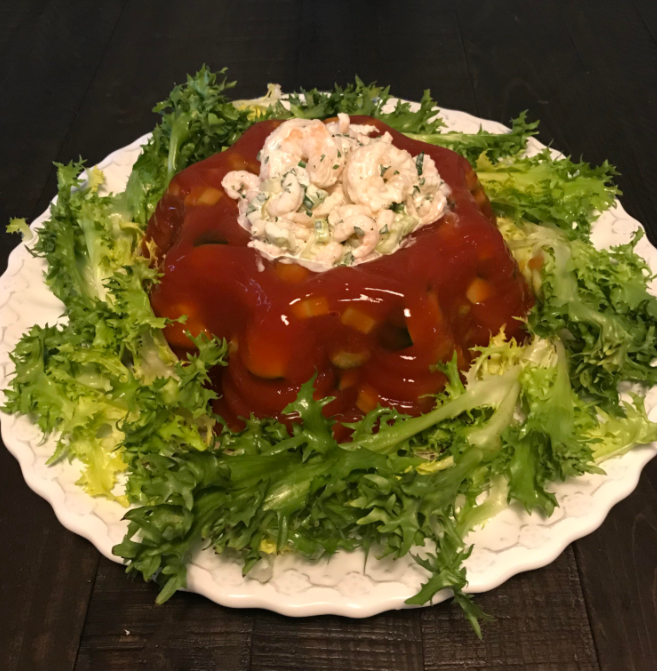
Tomato aspic may be the food most likely to stop a younger person mid-bite. It is tomato juice or tomato soup set with gelatin, usually seasoned and served cold, sometimes with mayonnaise. In mid-century entertaining, that molded shape looked polished and proper, especially at luncheons. In parts of the South, it never fully vanished. The downside is simple: cold savory gelatin is a texture many modern diners never learned to like.
Pickled Herring
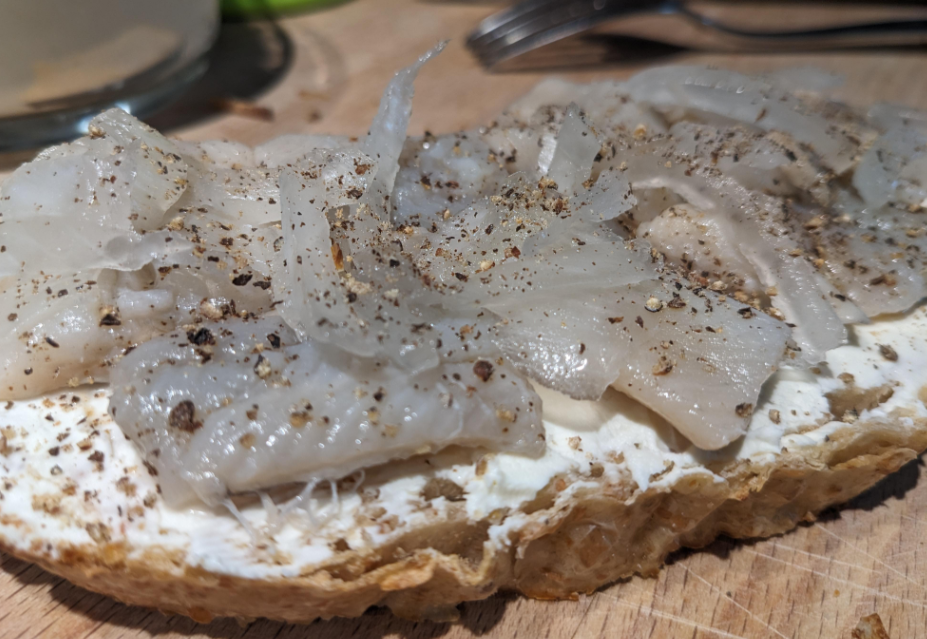
Pickled herring is not just an old-person food. It is a heritage food, especially for families with Scandinavian, German, Eastern European, Jewish, or Midwestern roots. The fish is cured and brined, often with vinegar, onion, sugar, spices, or cream sauce. For Boomers, it may show up around Christmas, New Year’s, family gatherings, or rye bread snack plates. For younger Americans who did not grow up with preserved fish, the smell and texture can be a lot.
Prune Juice
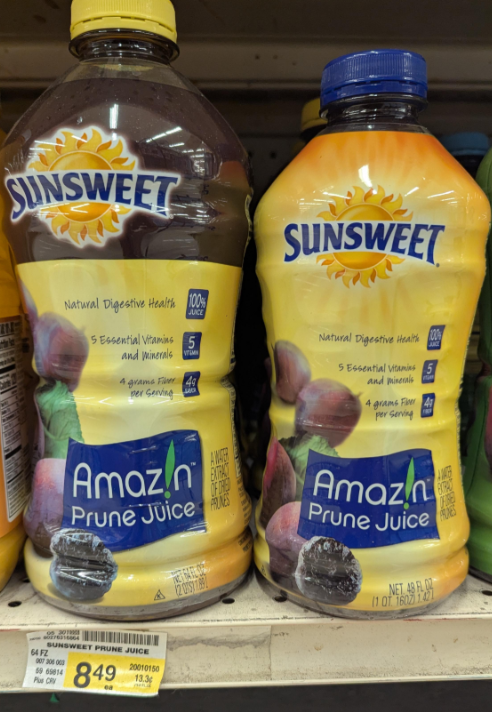
Prune juice is not flashy, but that is exactly the point. Many Boomers grew up with it as a practical household staple, not a trendy wellness drink. It was kept around because it was believed to support digestion, and that reputation still follows it today. Sunsweet and health sources point to prune juice’s fiber, sorbitol, potassium, and other digestive-friendly components. Younger shoppers tend to reach for kombucha, greens powders, or probiotic drinks instead.
Sign up for our newsletter
Tuna Noodle Casserole
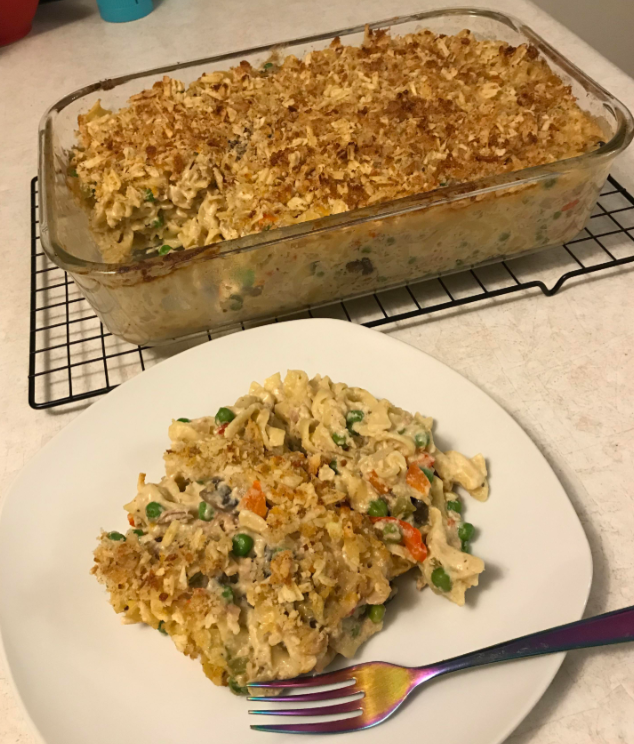
Tuna noodle casserole is the kind of dinner that explains a whole era of American cooking: canned tuna, noodles, condensed soup, peas if you had them, and something crunchy on top. It was cheap, filling, and easy enough for a busy weeknight. Boomers often remember it as comfort food, even if the version they grew up with was not fancy. Younger cooks may see it as heavy or outdated, but the basic value logic still holds.
Vienna Sausages

Vienna sausages are tiny, canned, soft, and deeply nostalgic for people who grew up with pantry lunches and emergency snacks. Armour’s current product pages still describe them as ready-to-eat canned sausages made with chicken, beef, and pork, which explains the appeal: no cooking, long shelf life, and easy protein. Many Boomers remember eating them with crackers, straight from the can, or tucked into lunchboxes. Younger folks often find the texture strange.
Meatloaf Made With Fillers
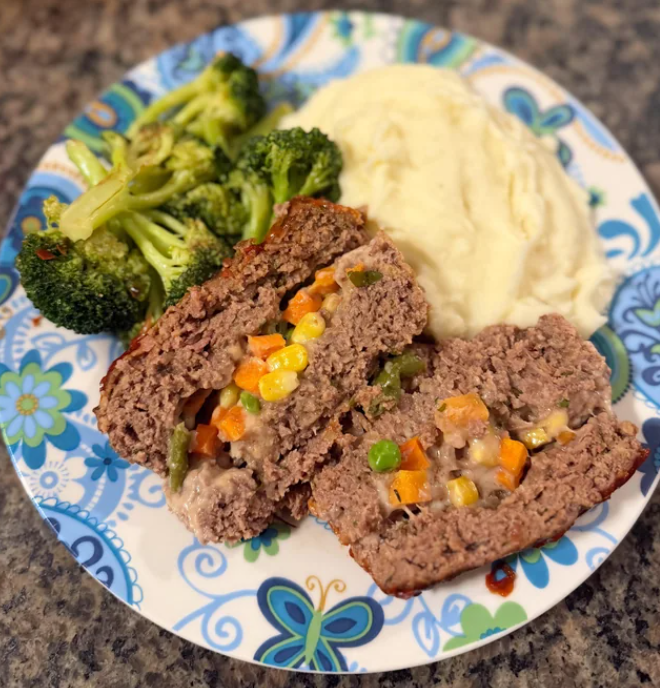
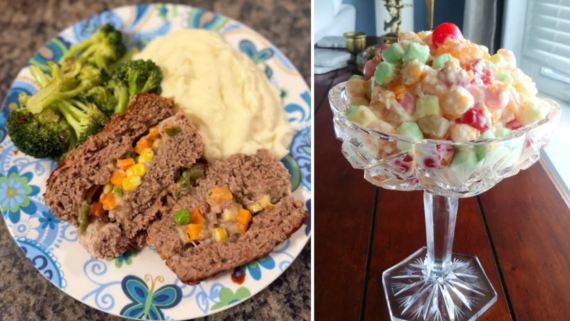
A meatloaf stretched with breadcrumbs, oats, cracker crumbs, or cereal is not “cheap” in a bad way. It is old-school kitchen math. Many Boomers learned that meat did not have to do all the work if you could add binders that made dinner bigger, softer, and more affordable. That habit came from families that knew how to stretch groceries and avoid waste. Younger cooks may focus more on premium ground beef or low-carb versions, but the filler-heavy meatloaf still makes sense when prices rise.
Ambrosia Salad
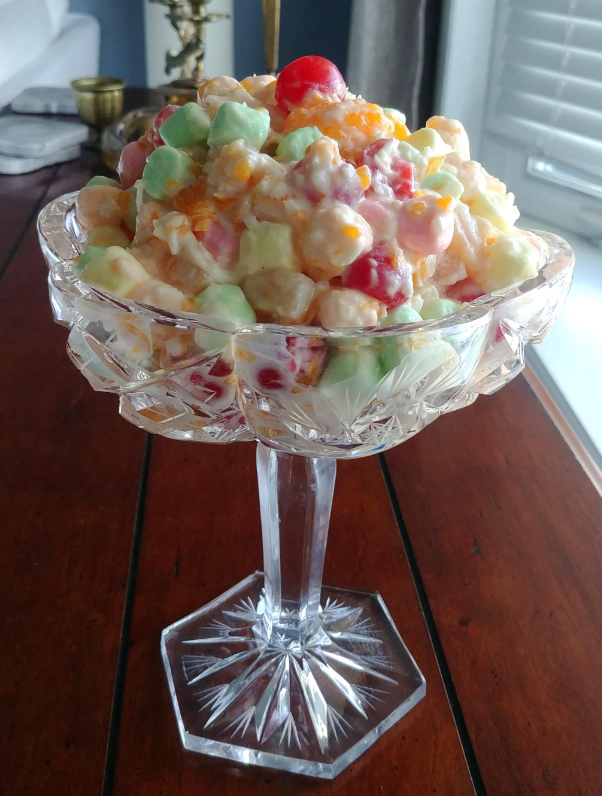
Ambrosia salad lives in the confusing space between side dish, fruit salad, and dessert. It can include oranges, pineapple, coconut, marshmallows, whipped topping, sour cream, cherries, or nuts. Southern Living traces older ambrosia traditions to citrus and coconut, with later versions becoming sweeter and fluffier. Boomers often remember it from holidays, church suppers, and family reunions. Younger diners may wonder why it is called salad at all. The upside is that it is cheap and easy to make.
Sardines on Crackers
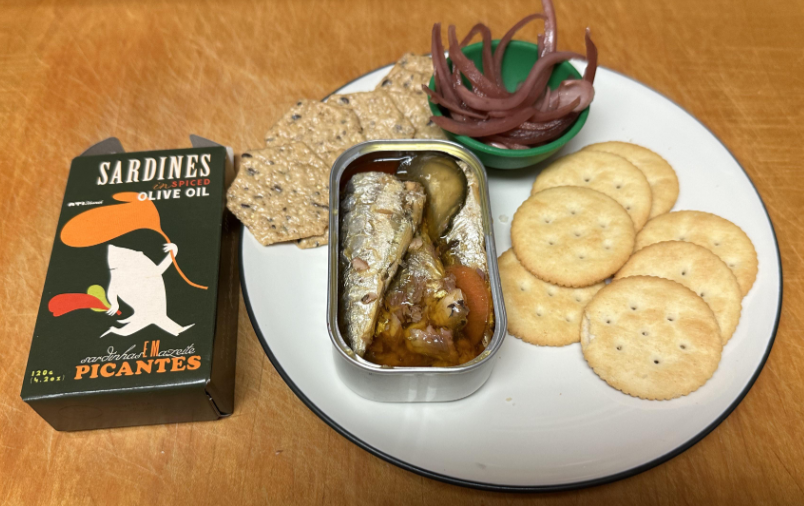
Sardines on crackers used to be practical pantry food: cheap, shelf-stable, filling, and full of flavor. Many Boomers ate them as a snack, lunch, or no-cook dinner with mustard, hot sauce, or onions. Younger people may associate seafood with sushi, poke, or fresh fillets, so a small tin of oily fish can seem old-fashioned. That said, sardines are having a modern tinned-fish moment, so this one is not as forgotten as it used to be. The downside is the smell, which can clear a room if you are not careful.
Corned Beef Hash From a Can
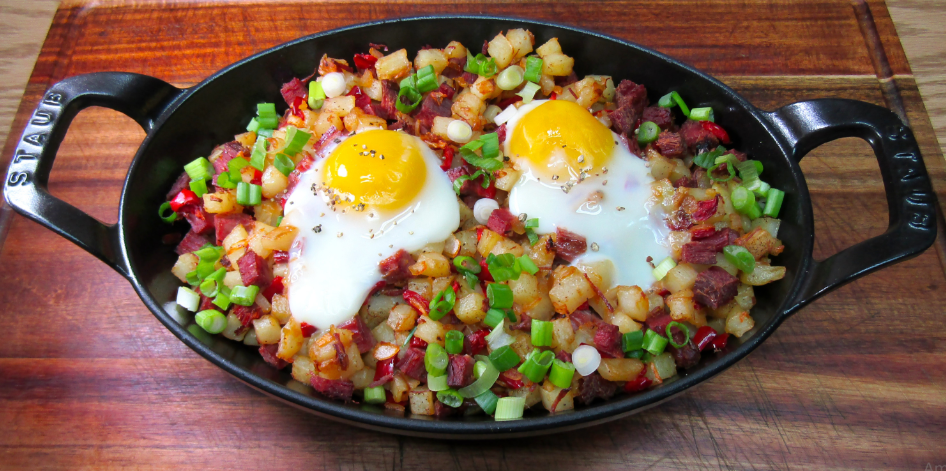
Canned corned beef hash is one of those foods that looks humble until it hits a hot skillet. Hormel’s Mary Kitchen hash is still sold as a shelf-stable mix of corned beef, potatoes, and seasonings, and the brand promotes crisping it in a skillet or oven. Boomers often connect it with weekend breakfasts, camping, diners, or quick dinners with eggs. Younger diners may prefer fresh breakfast potatoes or brunch-style hash, but the canned version wins on convenience.
Rice Pudding
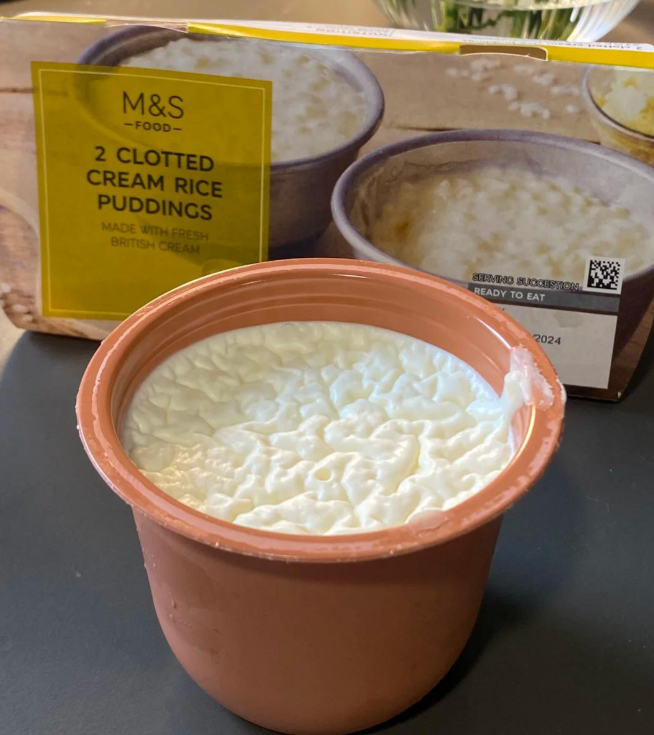
Rice pudding is one of the gentler Boomer foods on this list. It is not strange so much as overlooked. Older generations often grew up with it because leftover rice could become dessert with milk, sugar, cinnamon, raisins, and patience. It fit the “waste nothing” kitchen mindset: yesterday’s side dish became tonight’s comfort food. Younger Americans are more likely to buy cookies, ice cream, or packaged sweets, so homemade rice pudding can feel old-fashioned. The downside is that it needs slow cooking and can turn gluey if rushed.