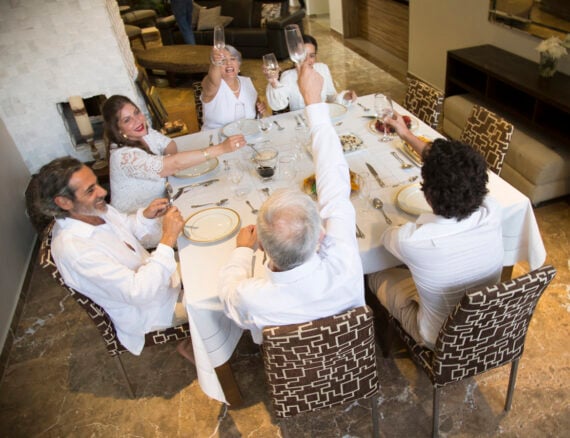
For generations, meals served to American presidents have reflected far more than personal taste. State banquets, family dinners at the White House, campaign stops, and casual lunches have all offered a glimpse into the traditions, diplomacy, and everyday routines that surrounded the nation’s highest office. While some presidents were known for elaborate formal dinners, others preferred simple comfort foods that revealed a more personal side of life behind the headlines.
These fascinating photos capture presidential meals from decades past, showcasing everything from elegant White House banquets and holiday feasts to backyard barbecues and informal gatherings. Together, they provide a unique look at how food has played a role in American politics, public image, and presidential history through the years.
A State Dinner at Windsor Castle
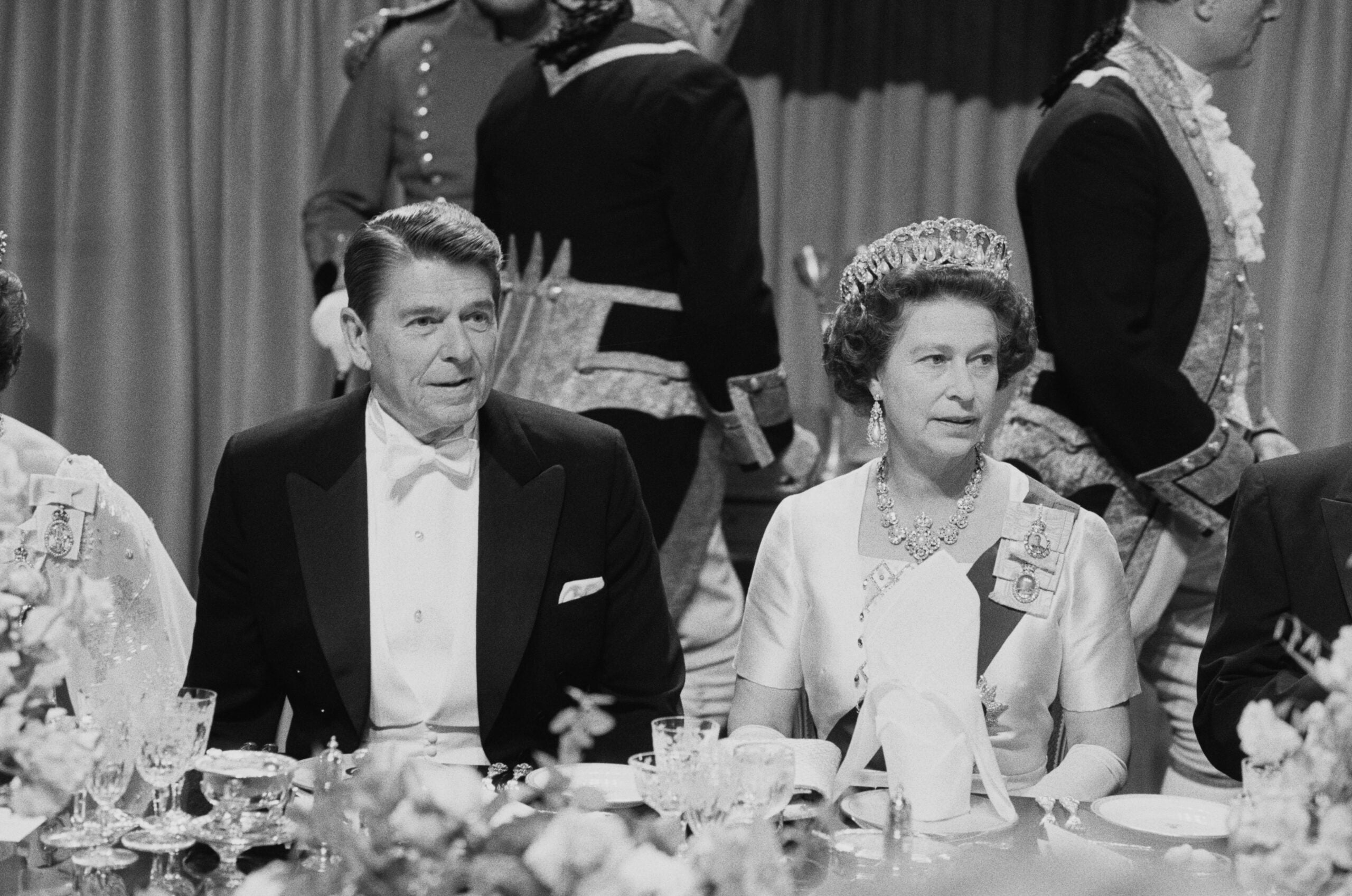
State dinners have long been an important part of diplomacy, bringing world leaders together in a formal setting to strengthen international relationships. During his 1982 visit to the United Kingdom, President Ronald Reagan attended a gala dinner hosted by Queen Elizabeth II at Windsor Castle, where discussions of the close U.S.-U.K. alliance took place alongside an elaborate meal. The event reflected the ceremonial traditions that often accompany high-level political visits.
A Toast Between World Leaders
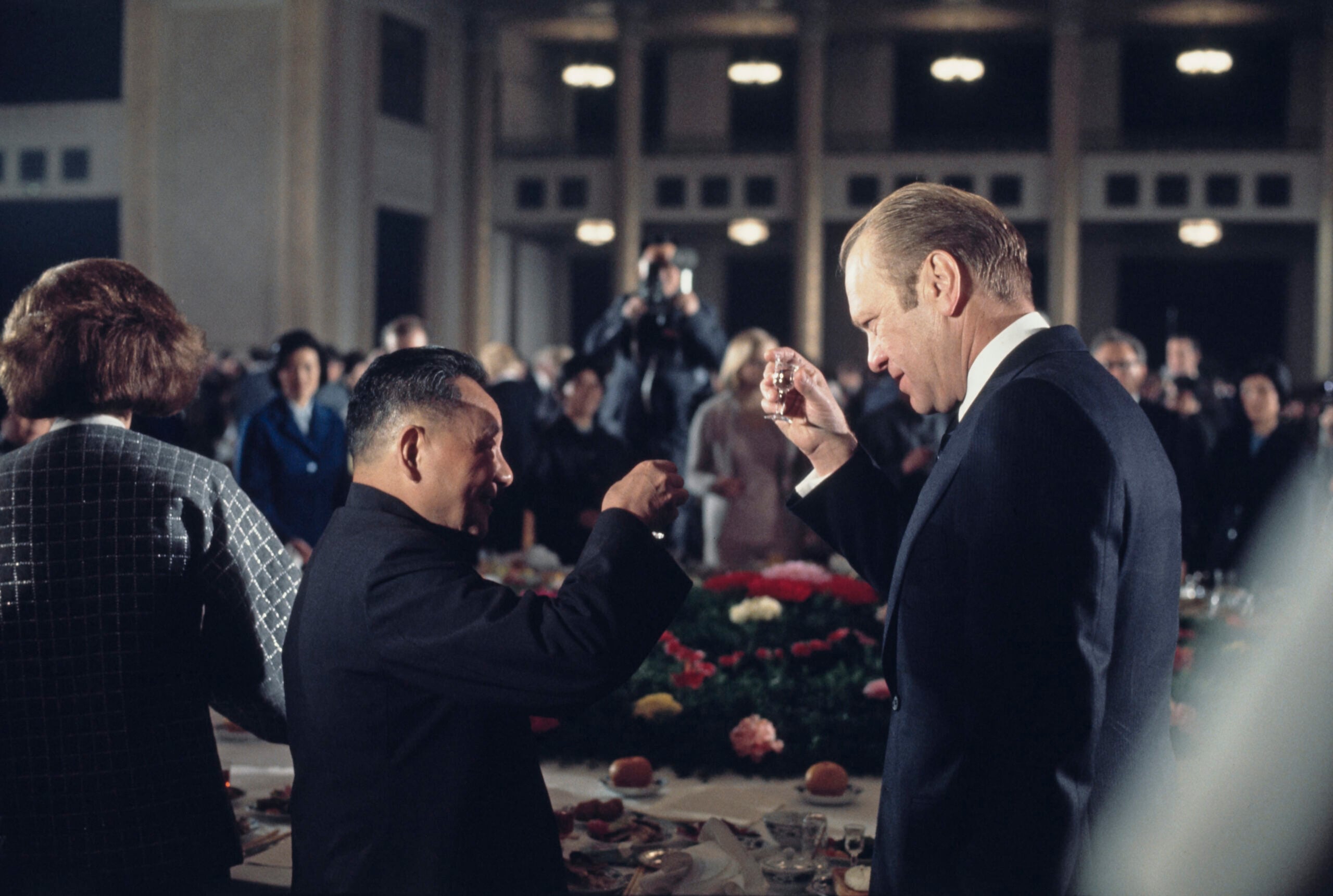
Formal state dinners have often marked important milestones in international diplomacy. During President Gerald Ford’s historic visit to China in 1975, Vice Chairman Deng Xiaoping raised a toast at a banquet held in Beijing’s Great Hall of the People, celebrating the growing relationship between the two nations. The carefully planned meal symbolized a new era of cooperation following the reopening of diplomatic ties earlier in the decade.
Diplomacy Over Dinner at the White House
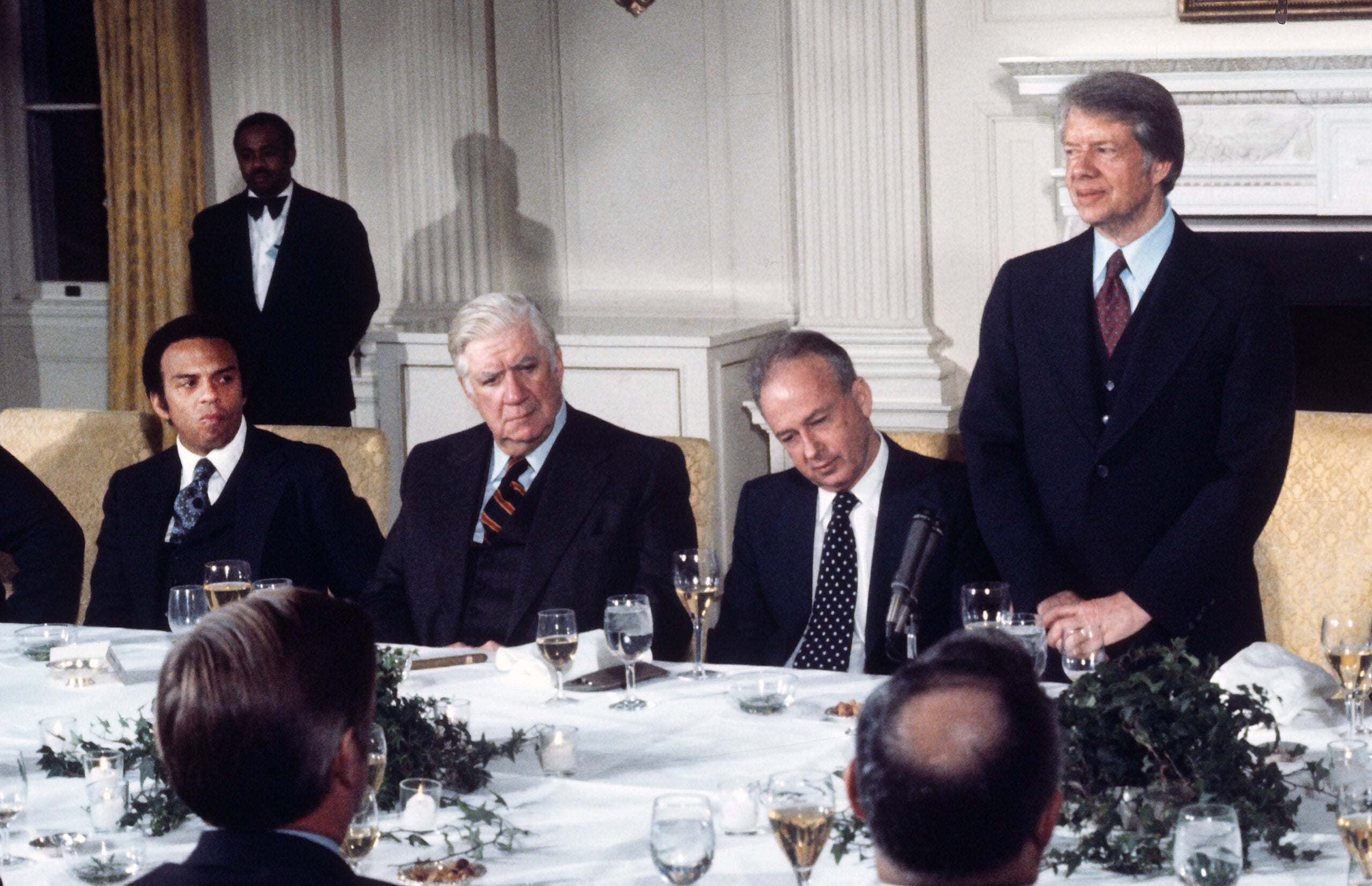
Working dinners have long allowed presidents to combine formal hospitality with high-level negotiations. In March 1977, President Jimmy Carter welcomed Israeli Prime Minister Yitzhak Rabin to the White House State Dining Room, where the meal provided an opportunity to discuss the close relationship between the United States and Israel. Gatherings like this demonstrated how presidential dinners often served as an extension of diplomacy rather than simply ceremonial occasions.
Campaign Breakfast on the Trail
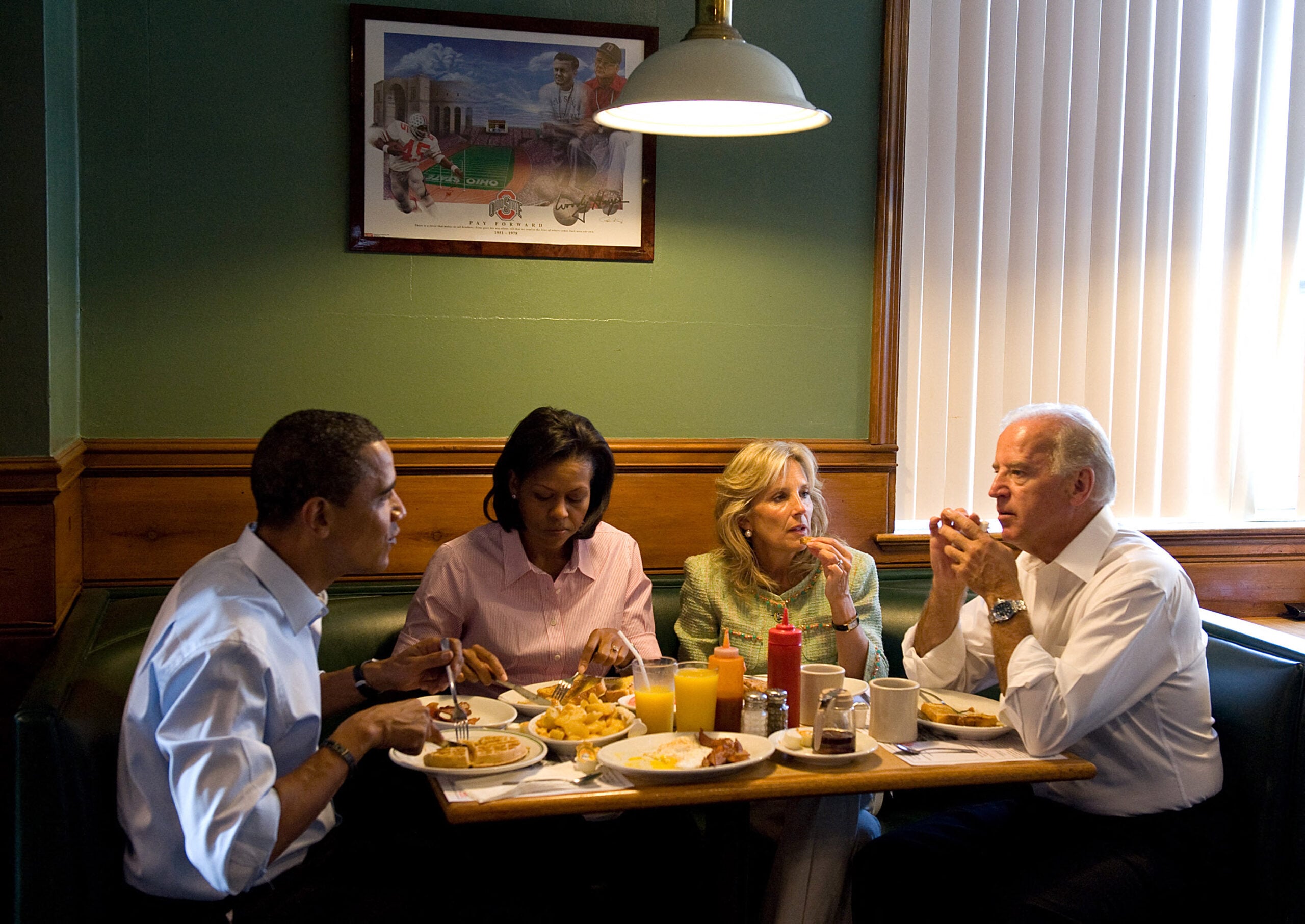
Campaign stops often include visits to local diners, where candidates meet voters in a relaxed, familiar setting. During the 2008 presidential campaign, Barack Obama, Michelle Obama, Joe Biden, and Jill Biden shared breakfast at an Ohio family restaurant just days after the Democratic National Convention. Meals like this became an important part of connecting with communities while emphasizing an approachable, everyday image.
A Breakfast Honoring Dr. King
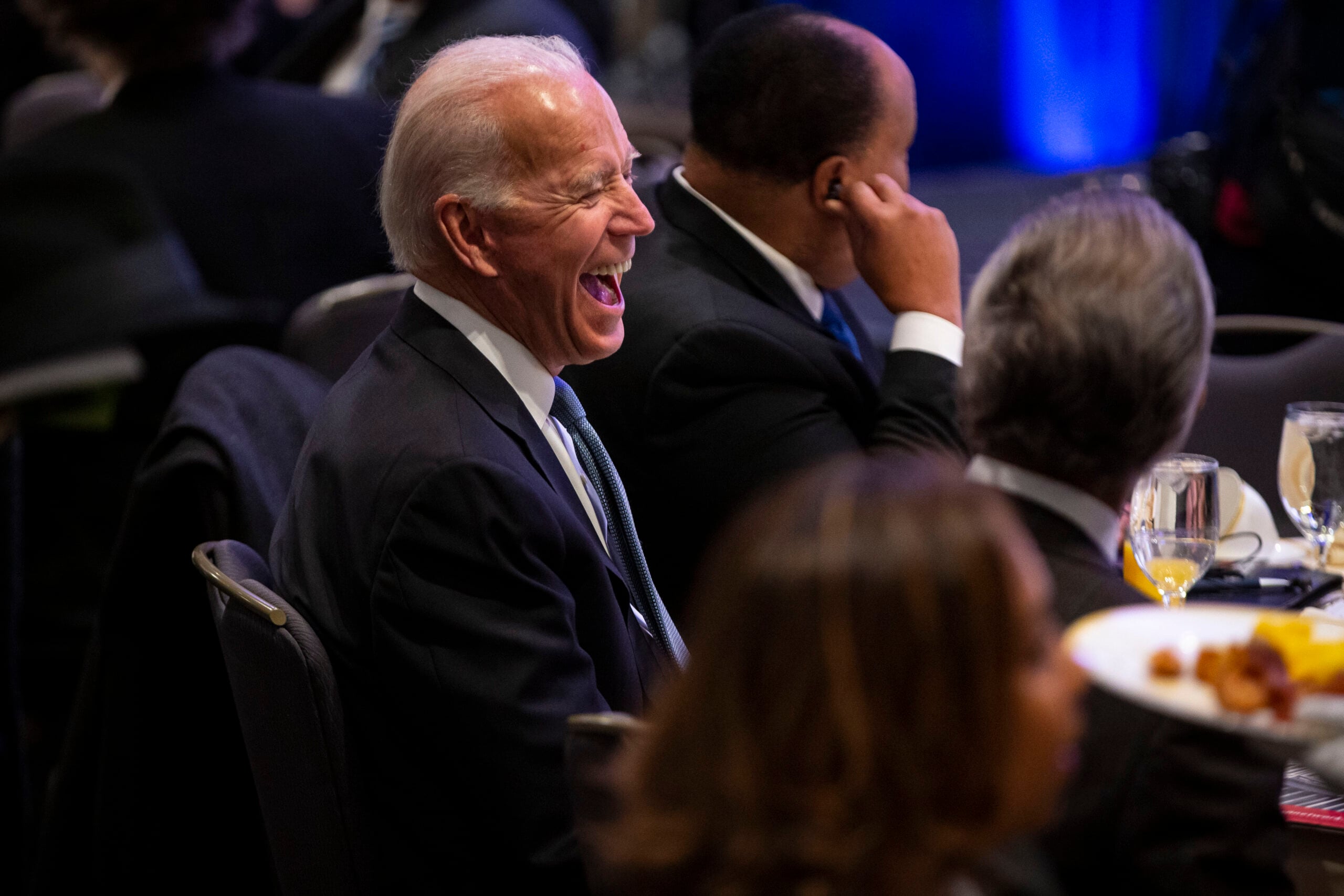
Community breakfasts have long been a staple of American political life, bringing leaders together to reflect on important causes and public service. In January 2019, former Vice President Joe Biden attended the National Action Network’s annual breakfast in Washington, D.C., held as part of events honoring the legacy of Dr. Martin Luther King Jr. Gatherings like this combine shared meals with speeches, remembrance, and discussions about civil rights and public policy.
Trending on Cheapism


A Thanksgiving Dinner at Mar-a-Lago
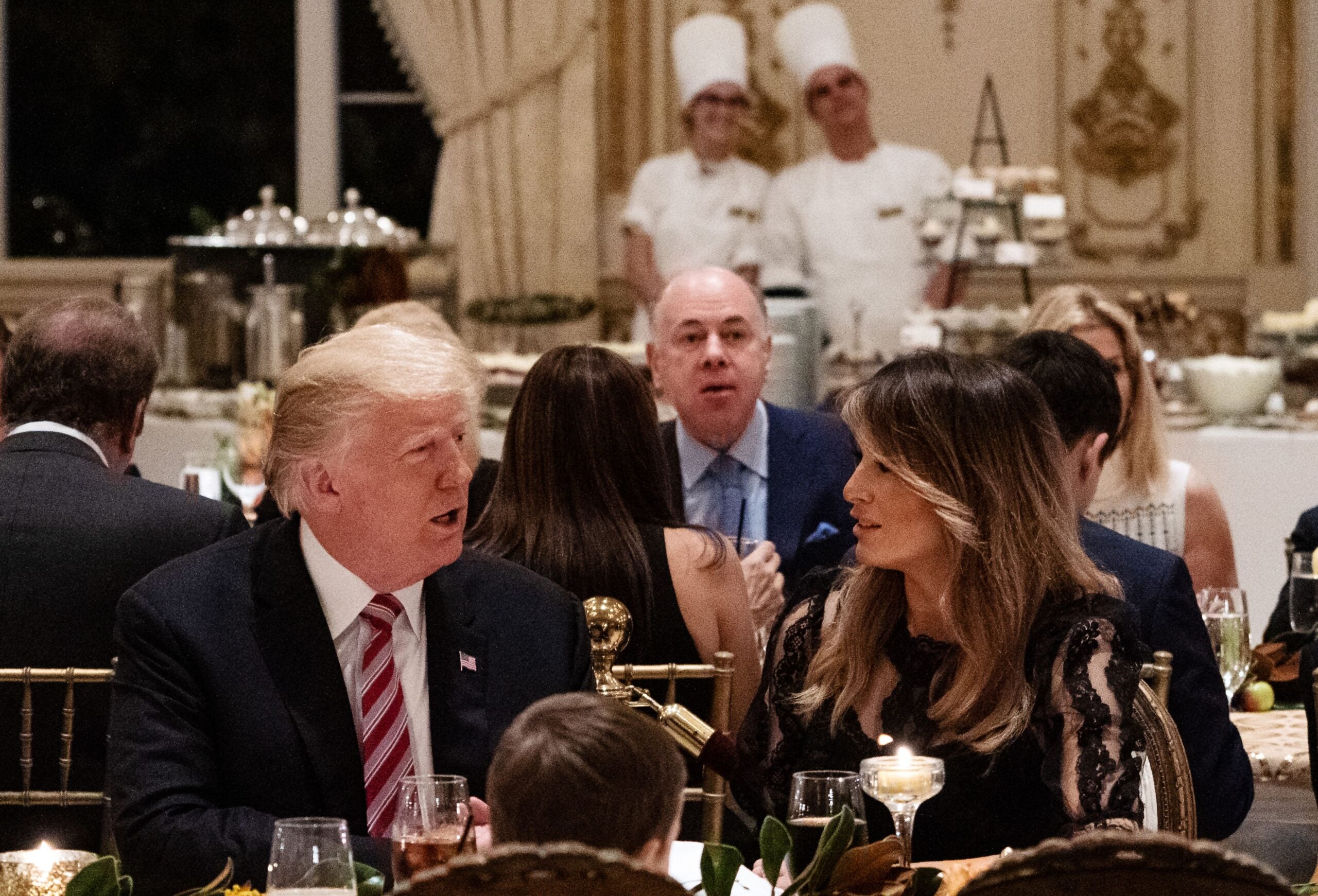
Thanksgiving has long been an occasion for presidents to step away from official duties and celebrate with family. In 2018, President Donald Trump and First Lady Melania Trump marked the holiday with dinner at the Mar-a-Lago resort in Palm Beach, Florida, continuing a tradition of gathering around the table for one of America’s most celebrated meals. Even while away from the White House, presidential holiday dinners often draw public attention as part of the office’s enduring traditions.
Hosting World Leaders Over Dinner
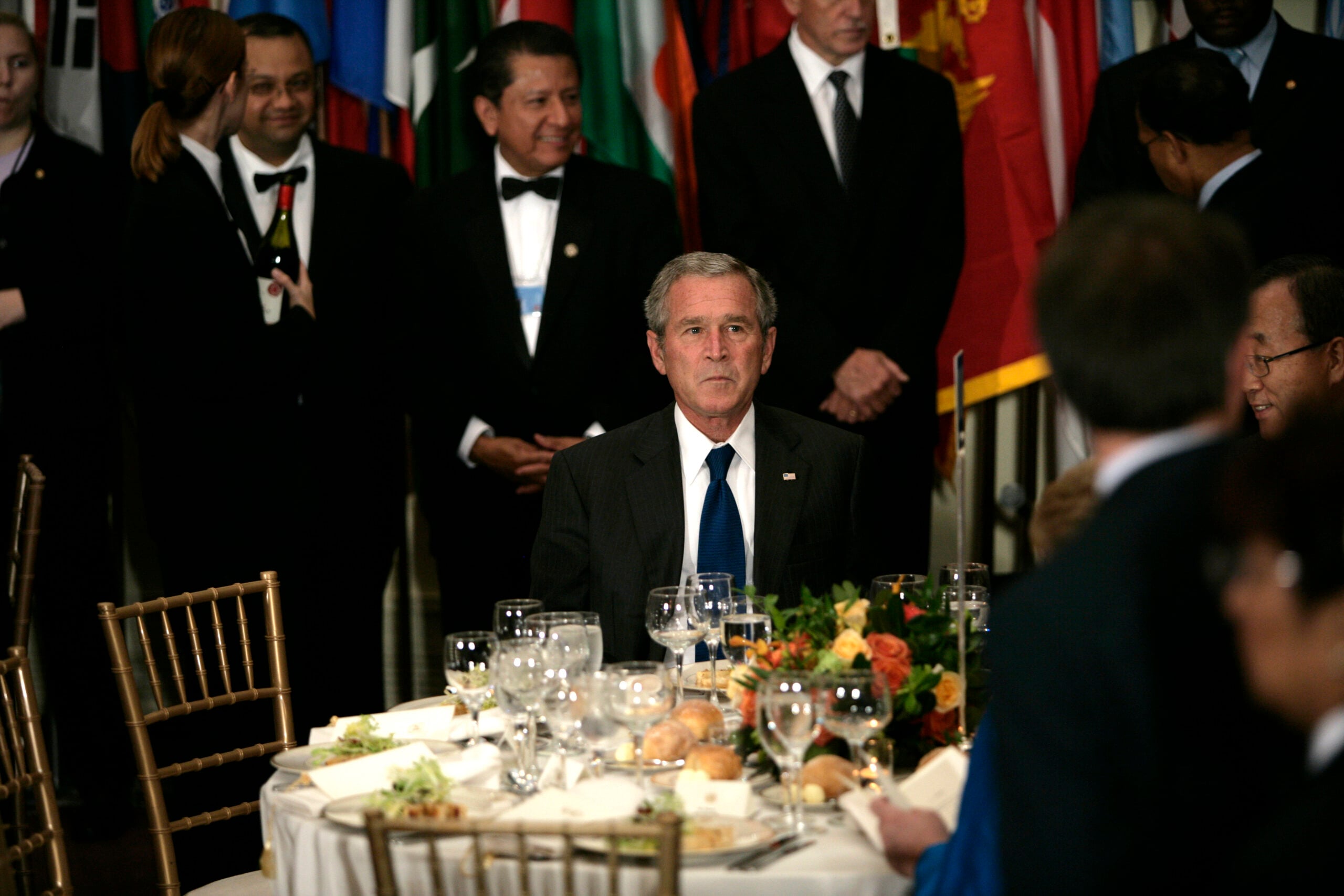
Presidential dinners during the United Nations General Assembly bring together heads of state and diplomats from around the world in an atmosphere designed to encourage dialogue. As president, George W. Bush hosted one such formal dinner in New York, welcoming international guests before discussions on global issues. These carefully planned events have long combined fine dining with the diplomacy that shapes international relationships.
An Evening Honoring William F. Buckley Jr.
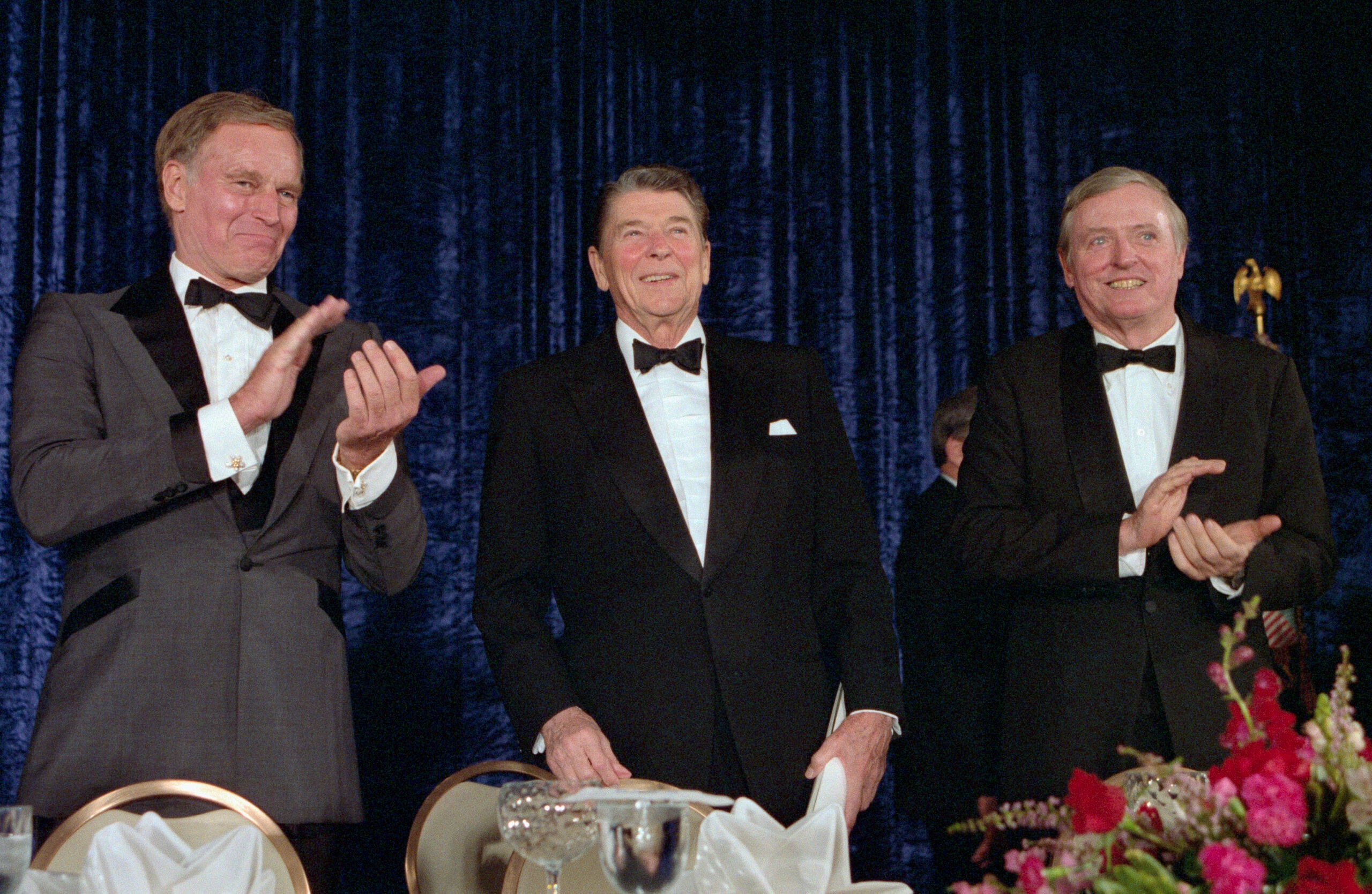
Presidents often attend private dinners honoring influential figures from politics, journalism, and public life. At this Washington, D.C., gathering, President Ronald Reagan joined actor Charlton Heston in celebrating conservative author and commentator William F. Buckley Jr., whose ideas helped shape the modern conservative movement. Events like this blended formal dining with speeches, networking, and political discussion beyond the White House.
Sign up for our newsletter
A Bipartisan Dinner at the White House
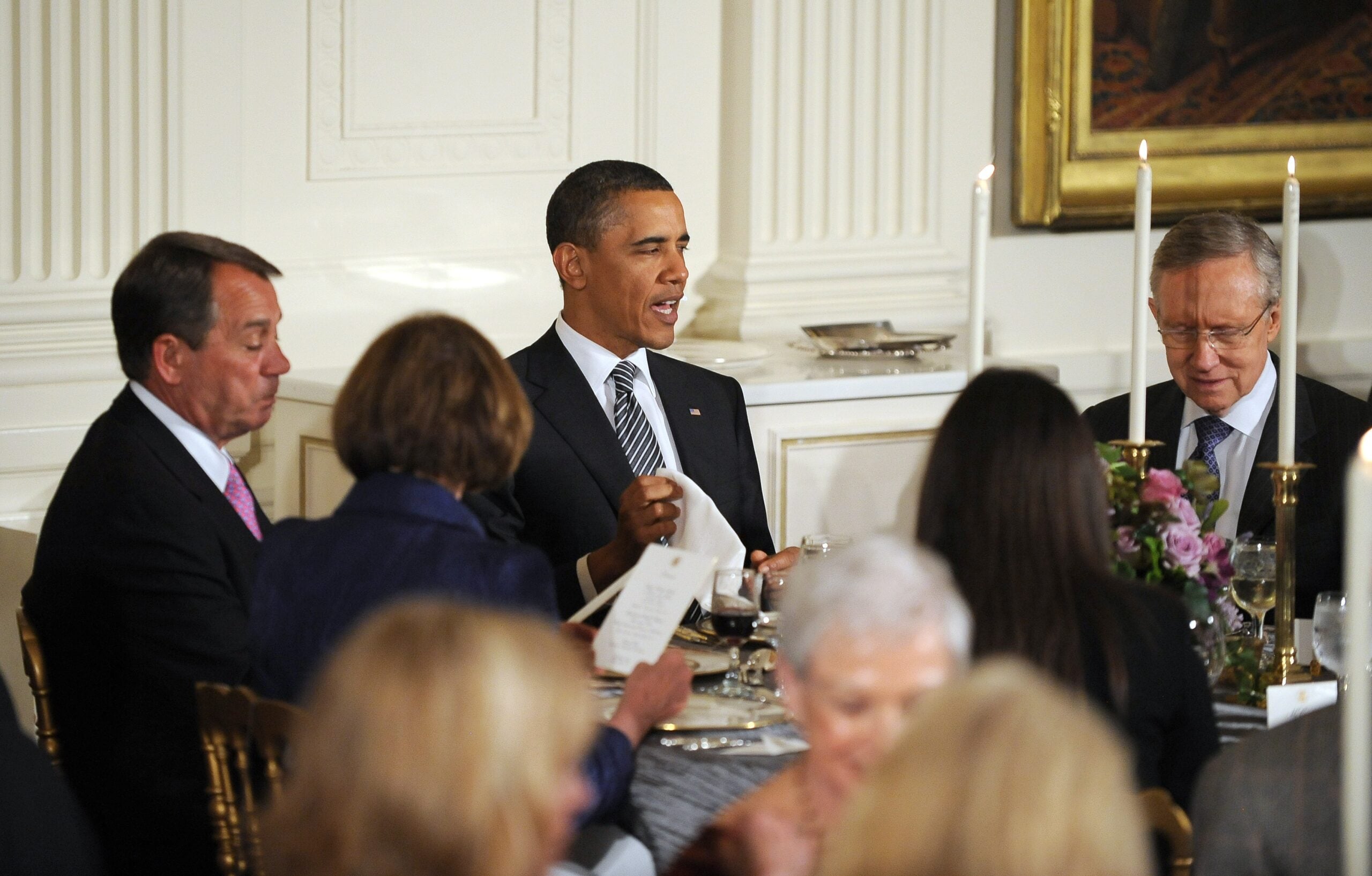
Presidents have often used shared meals to foster relationships across party lines. In May 2011, President Barack Obama hosted congressional leaders and their spouses for a bipartisan dinner in the White House’s East Room, bringing together lawmakers from both parties in a more informal setting. While political differences remained, dinners like this were intended to encourage conversation and cooperation outside the legislative chamber.
A White House Dinner With the Kennedy Center Board
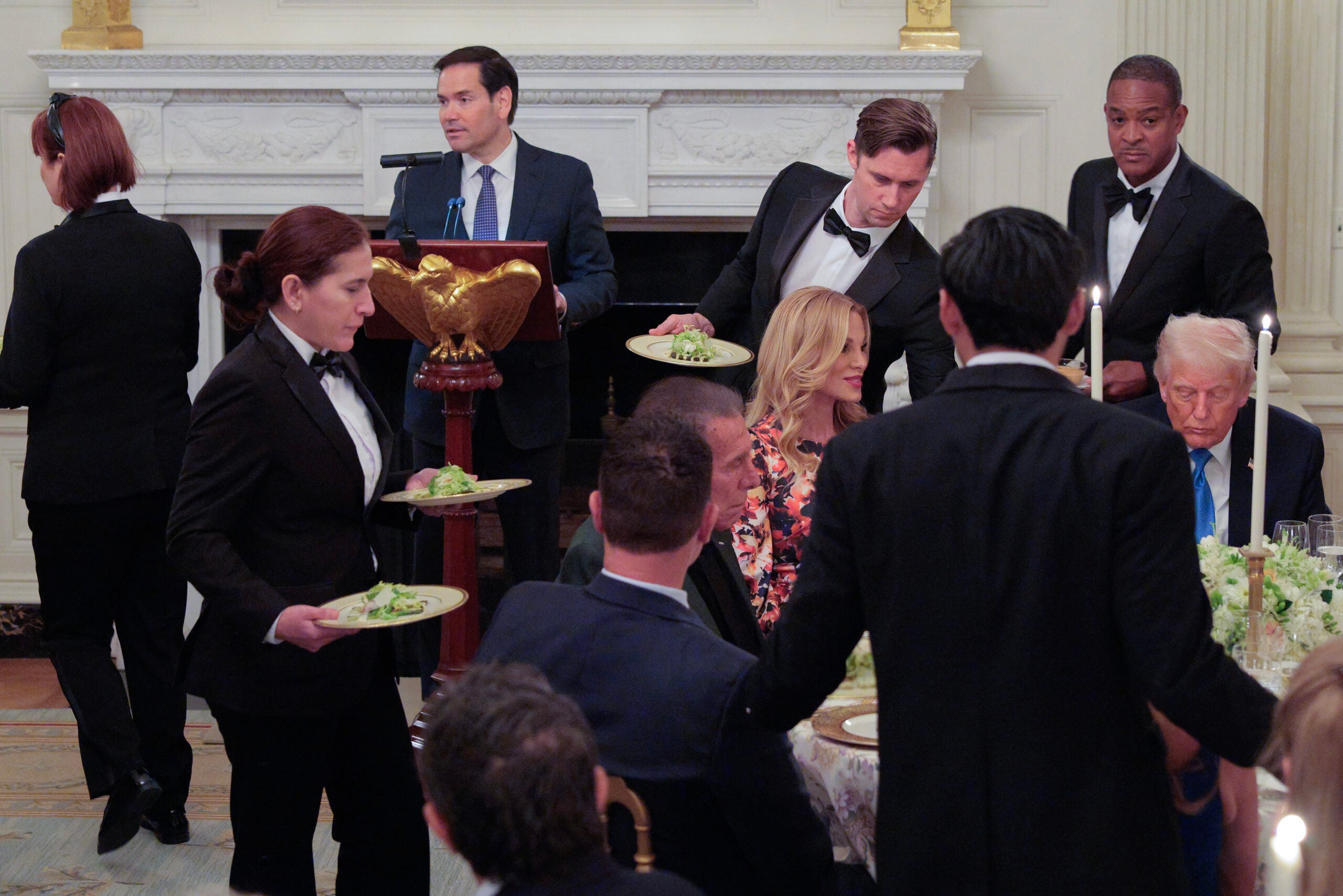
Formal dinners at the White House often accompany meetings with leaders from government, business, and cultural institutions. In May 2025, President Donald Trump hosted members of the Kennedy Center’s board in the State Dining Room, with Secretary of State Marco Rubio addressing those in attendance as dinner was served. The gathering followed changes to the board’s leadership, making the event part of a broader discussion about the institution’s future.
A State Dinner for Chancellor Helmut Schmidt
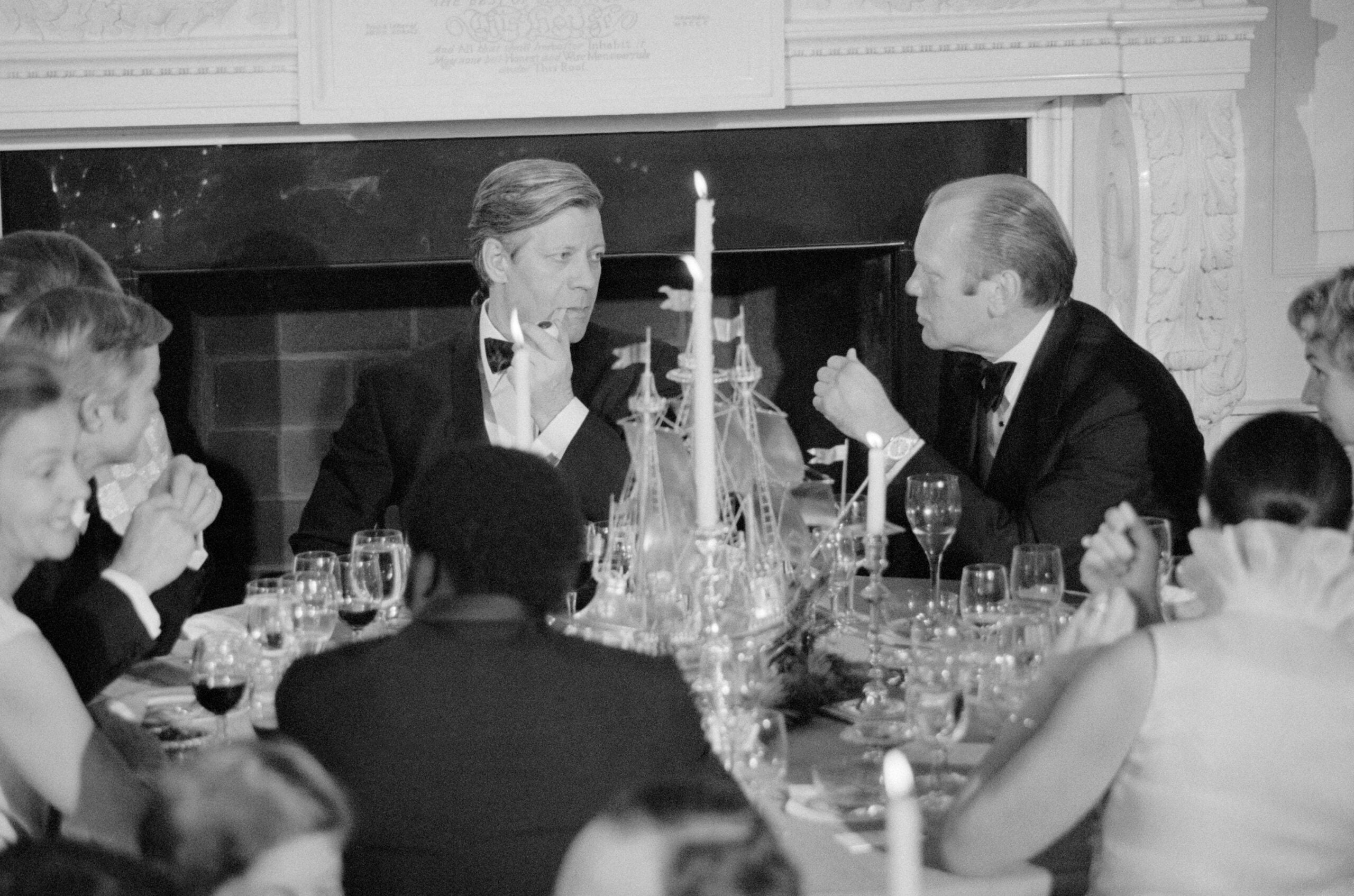
State dinners have long served as an opportunity for world leaders to continue important conversations in a more formal setting. During West German Chancellor Helmut Schmidt’s visit to Washington, President Gerald Ford hosted a black-tie dinner at the White House, where discussions on economic challenges and energy policy carried on over the evening meal. Events like this highlighted the role of presidential dinners in strengthening international partnerships.
Lunch With Local Firefighters
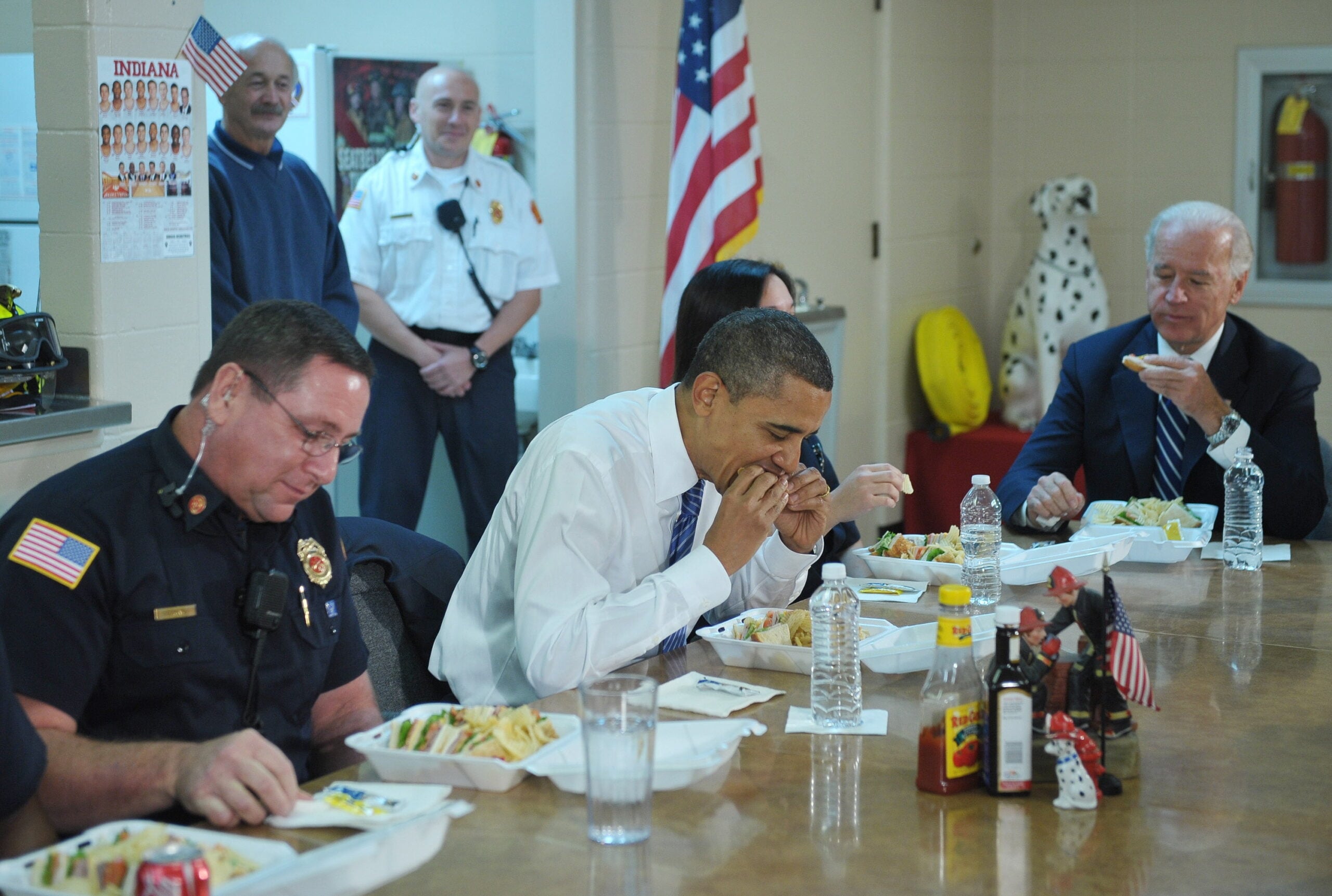
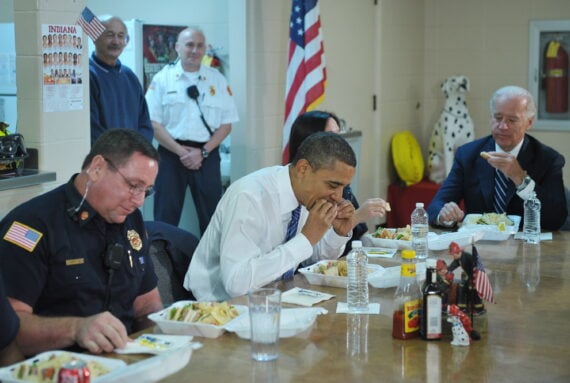
Presidents often use visits to local communities as an opportunity to meet the people who serve them every day. During a 2010 stop in Kokomo, Indiana, President Barack Obama and Vice President Joe Biden shared lunch with firefighters after touring the city’s fire department. Casual meals like this offered a chance to thank first responders for their service while hearing directly about their work and the challenges facing their communities.
A Thanksgiving Meal for Wounded Service Members
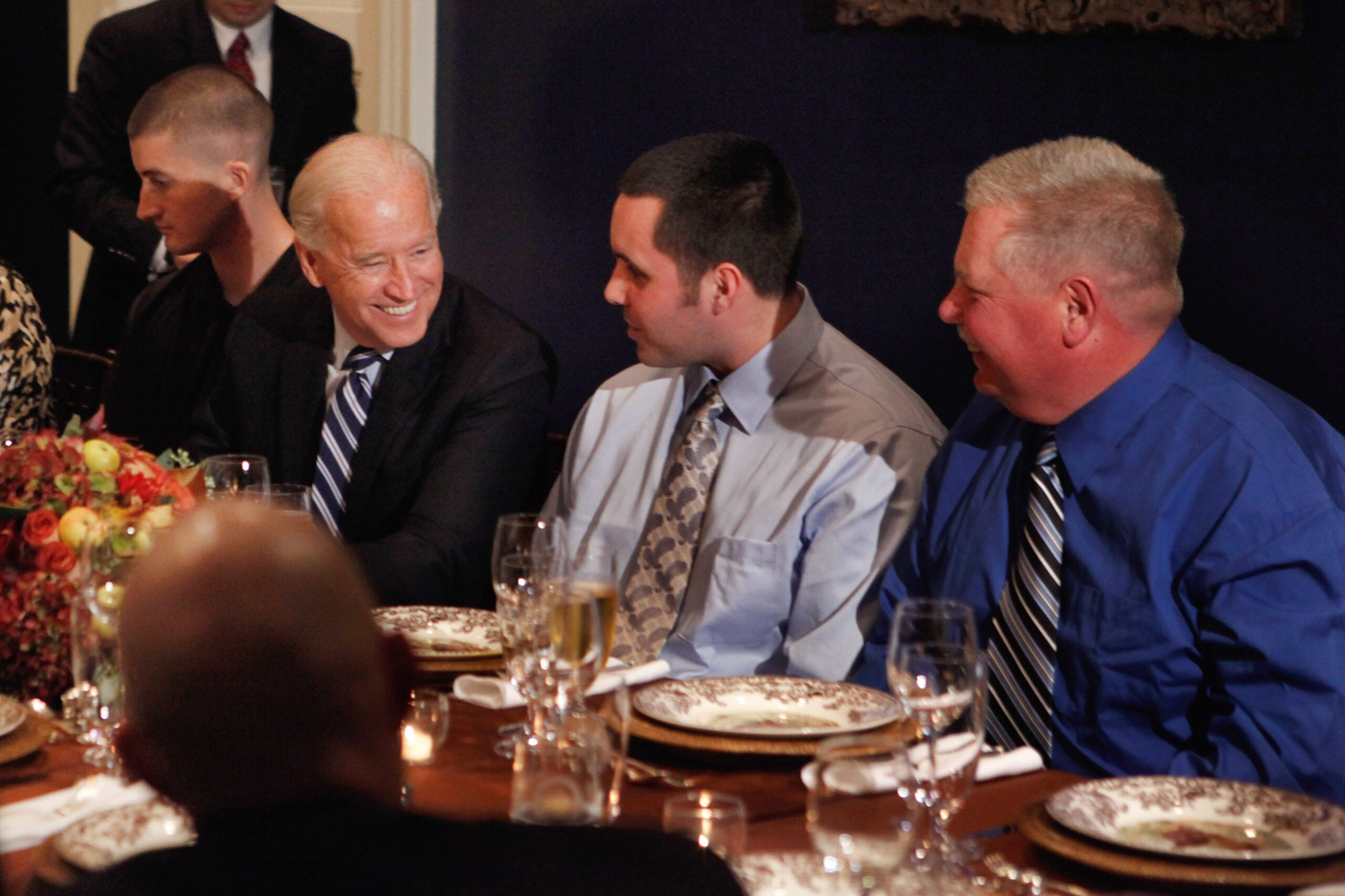
Thanksgiving has often provided opportunities for national leaders to recognize the sacrifices of military families. In 2010, Vice President Joe Biden and his family welcomed wounded service members and their loved ones to the vice president’s residence, serving a traditional holiday meal that included turkey, green beans, and pumpkin pie. The gathering reflected a longstanding tradition of honoring those who served the country with gratitude and hospitality.
Dinner During a Busy Campaign
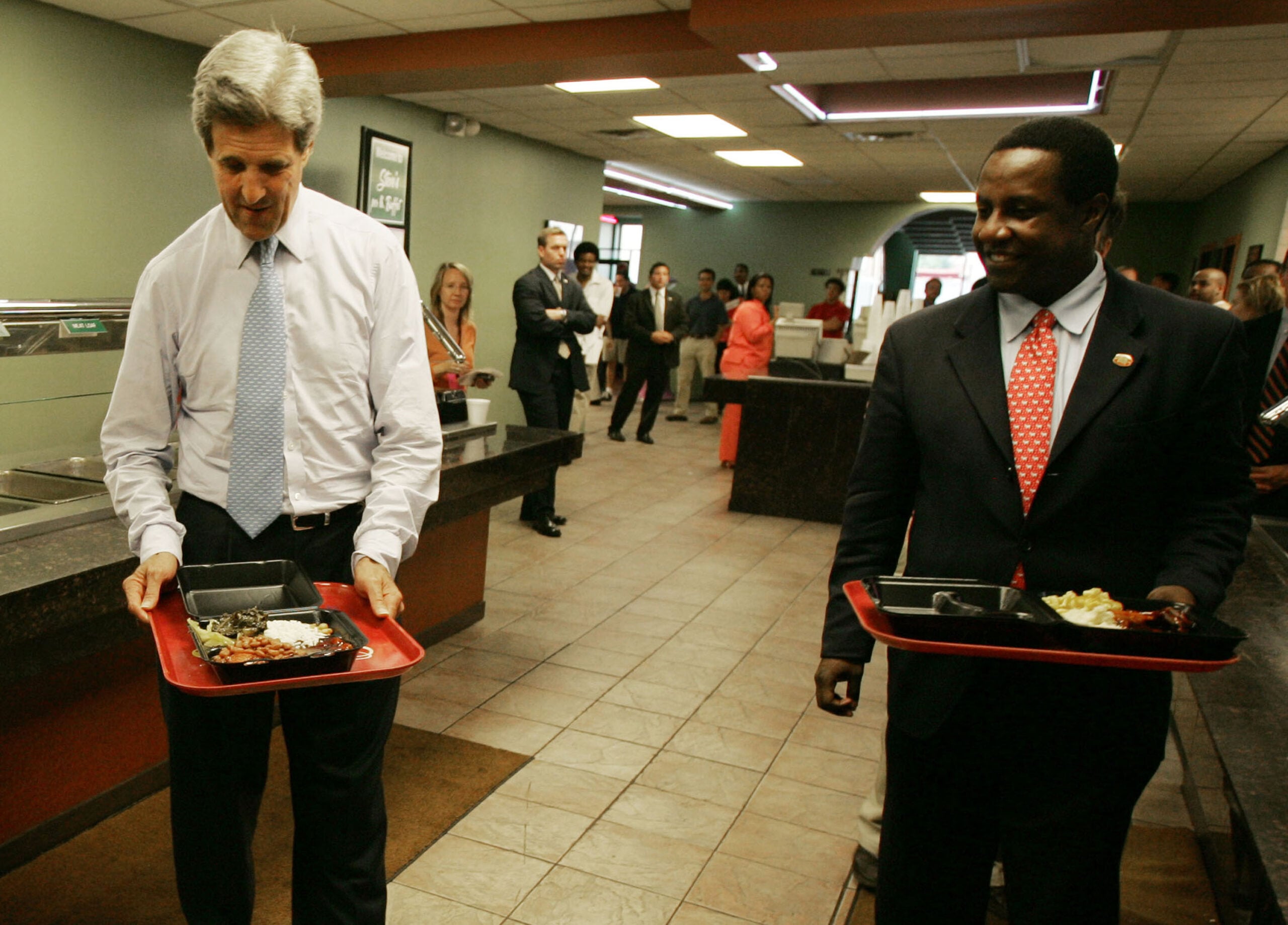
Presidential campaigns often involve long days of travel, speeches, and strategy meetings, leaving little time to slow down. During the 2004 election, Democratic nominee John Kerry paused for dinner with his trip director at a Detroit restaurant before continuing a demanding schedule of campaign stops across the Midwest. Meals like this offered a brief moment to recharge amid the fast pace of the campaign trail.
A Fundraising Dinner on the Campaign Trail
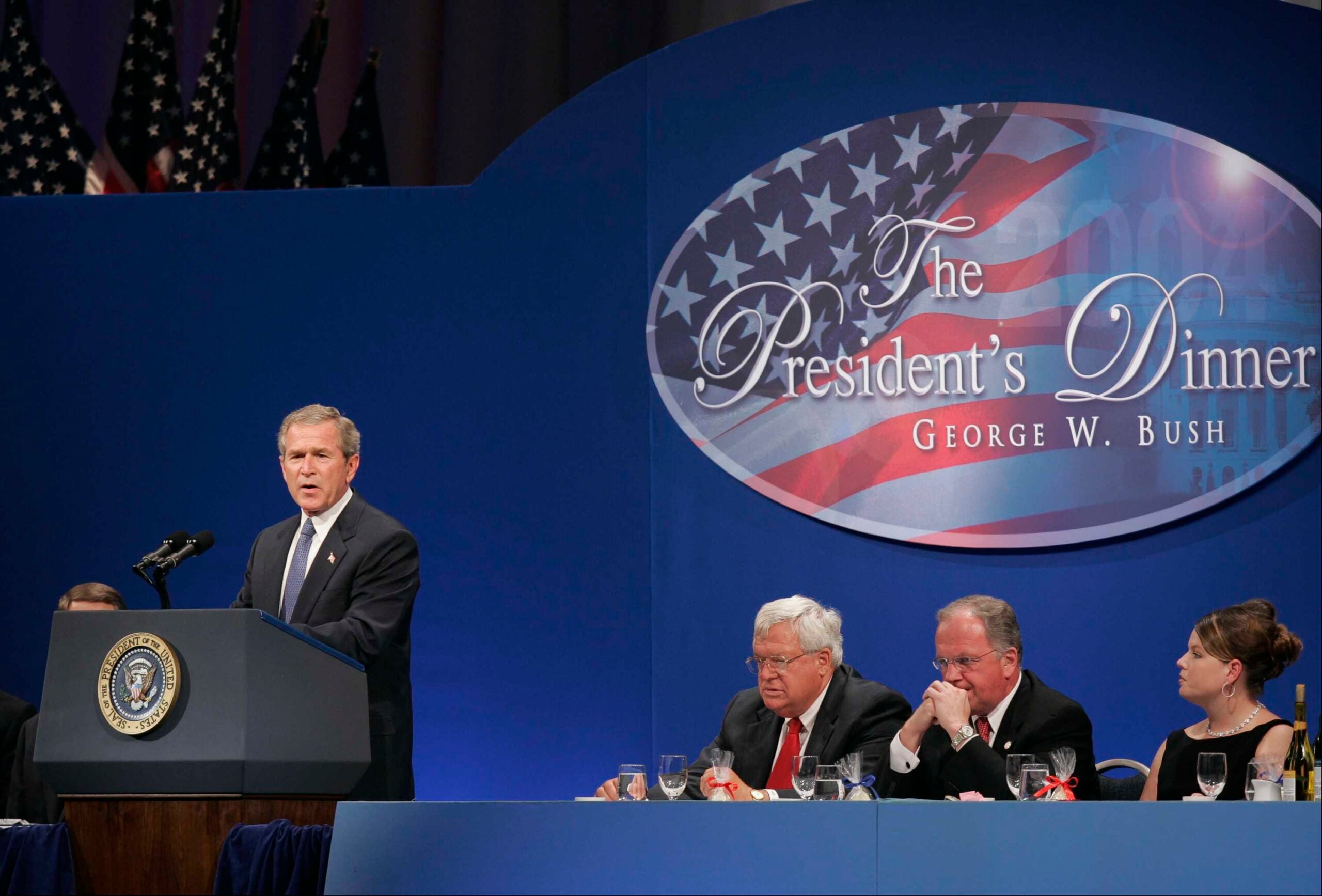
Campaign fundraising dinners have long been a key part of presidential politics, bringing together supporters, donors, and party leaders. In 2004, President George W. Bush addressed thousands of guests at a fundraising dinner in Washington, D.C., where attendees paid for the opportunity to hear him speak during his reelection campaign. Events like this combined formal dining with political fundraising and campaign outreach.
A White House Toast to New Diplomatic Ties
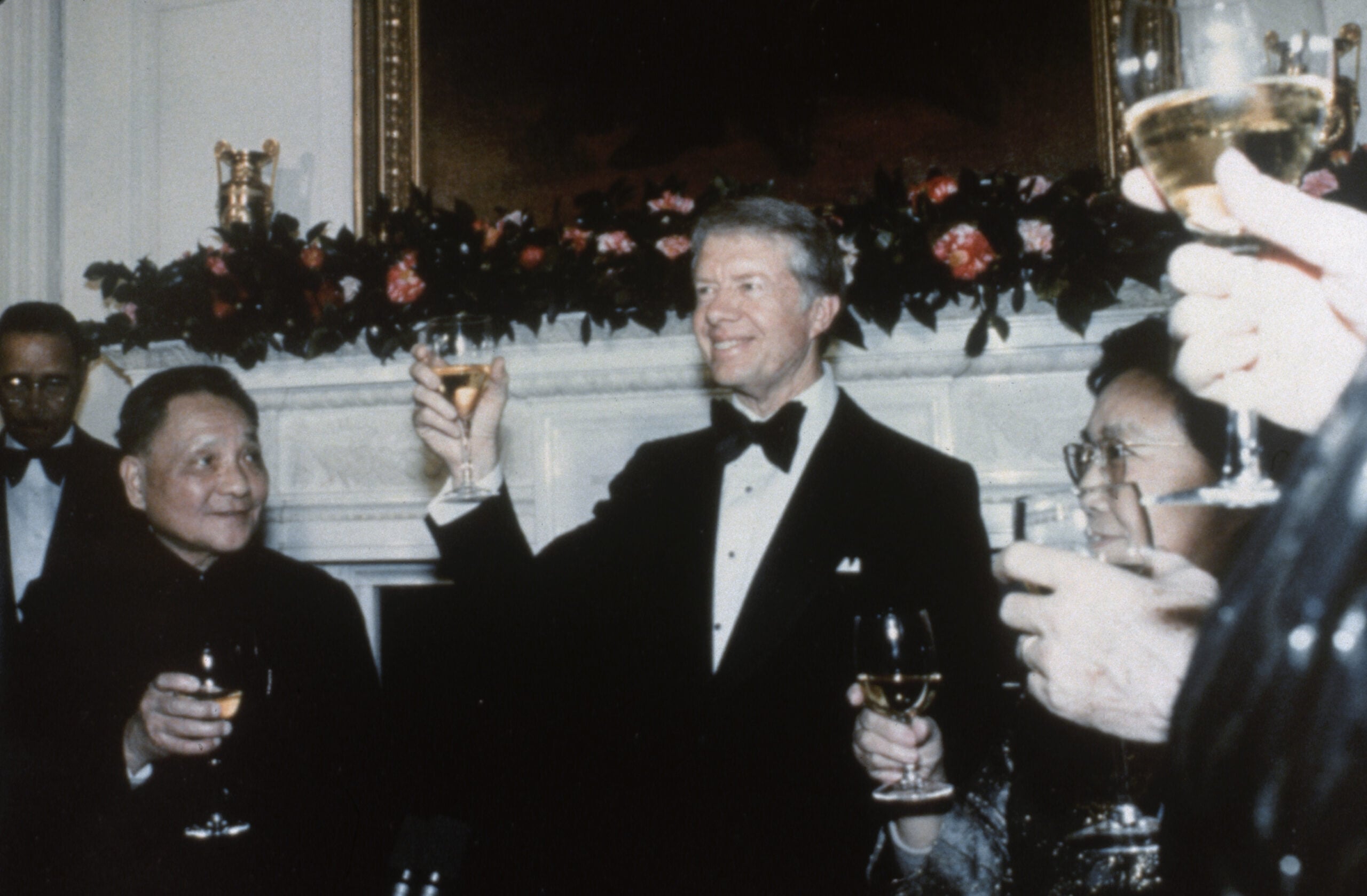
State dinners have often marked pivotal moments in American foreign policy. In January 1979, President Jimmy Carter welcomed Chinese Vice Premier Deng Xiaoping to the White House for a formal dinner celebrating the establishment of full diplomatic relations between the United States and the People’s Republic of China. The ceremonial toast underscored a historic shift in relations between the two countries and the role of shared meals in international diplomacy.
A Tradition of Politics and Humor
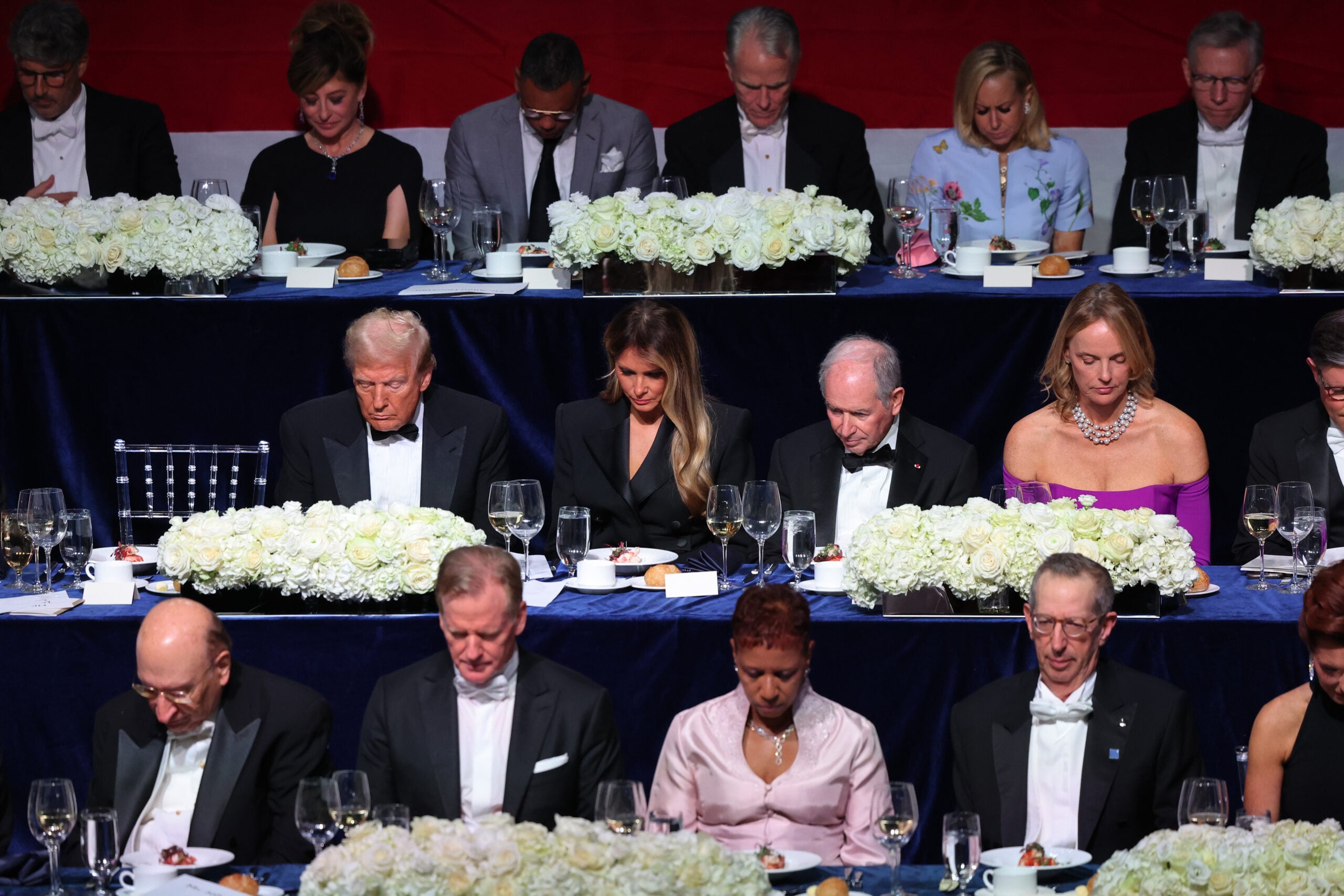
The annual Alfred E. Smith Memorial Foundation Dinner is one of America’s most well-known political charity events, bringing together candidates, elected officials, and community leaders for an evening of fundraising and lighthearted speeches. In October 2024, former President Donald Trump attended the white-tie dinner with Melania Trump, taking part in a tradition where political rivals often set aside campaign rhetoric in favor of humor while supporting Catholic charitable causes.
Laughs at the White House Correspondents’ Dinner
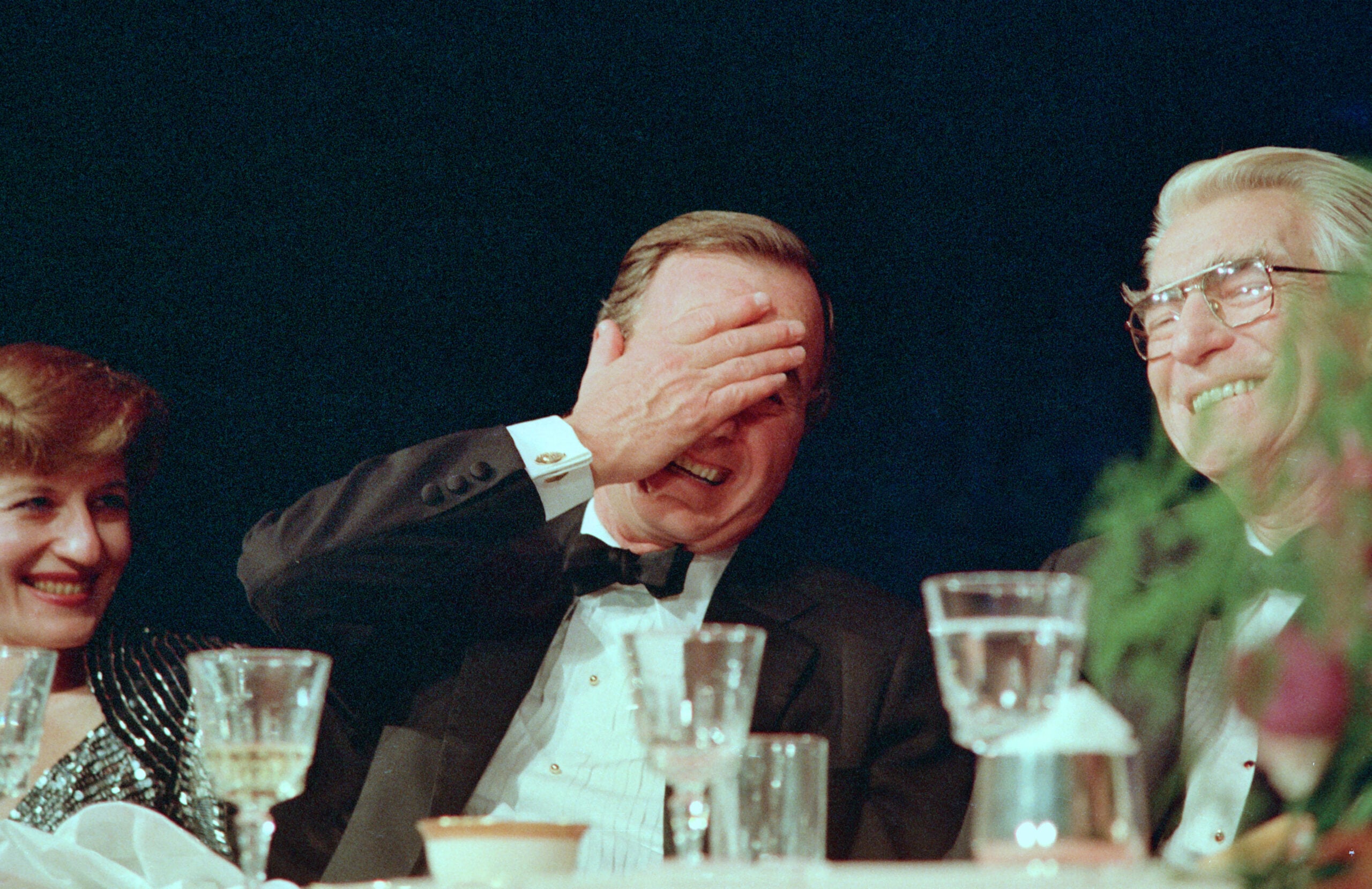
The annual White House Correspondents’ Association Dinner has long blended politics, journalism, and comedy into one of Washington’s signature events. In 1989, President George H. W. Bush shared a laugh as impressionist Jim Morris playfully mimicked his well-known speaking style, prompting the president to cover his face with a napkin as he laughed. Moments like this highlight the lighter side of the presidency during an evening known for good-natured humor and tradition.