Middle-class homes in the 1980s and 1990s were filled with practical products, bulky electronics, patterned furniture, and keepsakes that rarely stayed hidden in a drawer. Many of the things middle-class moms in the 80s and 90s kept around the house made family life easier, from answering machines and VHS tapes to photo albums and storage baskets. The Smithsonian’s collection of 1980s answering machines shows how quickly once-familiar household technology has become museum-worthy nostalgia.
A Floral or Plaid Sofa
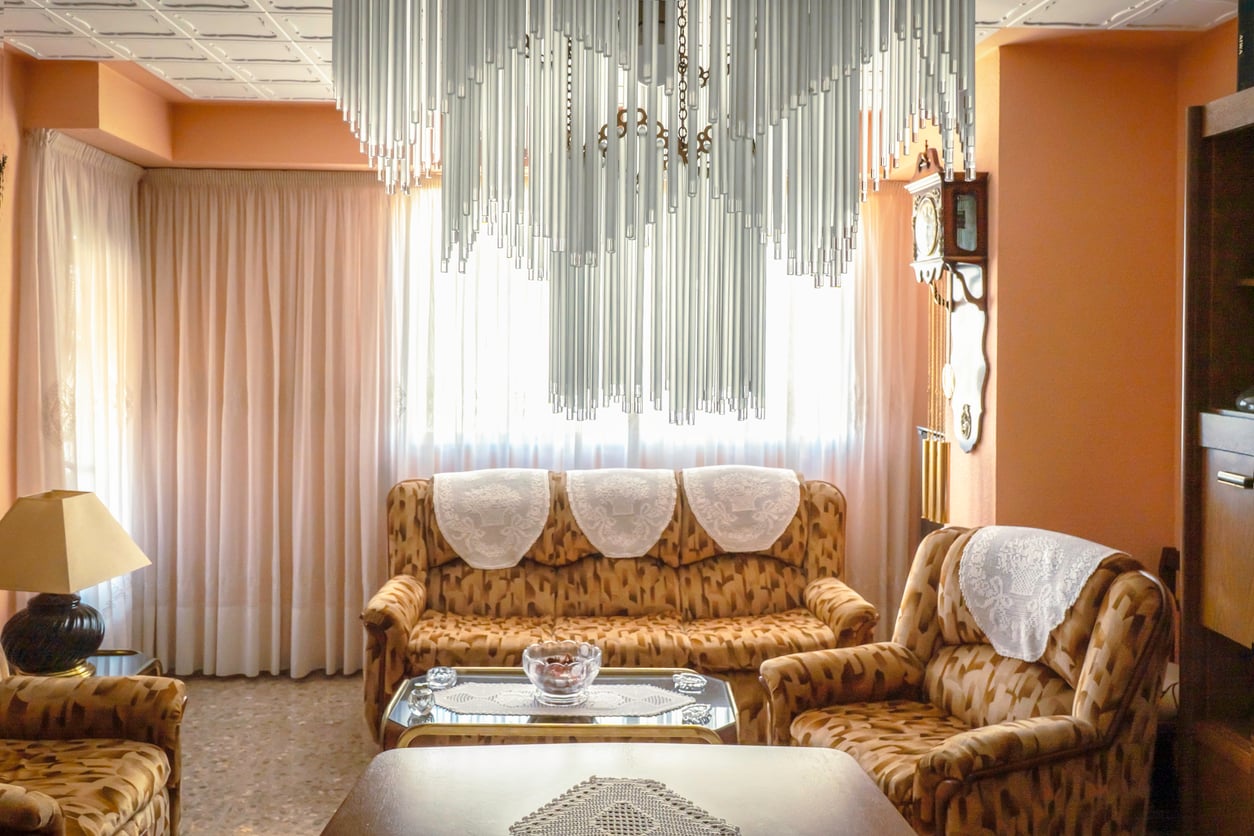
Before neutral sectionals took over living rooms, many families gathered on deep sofas covered with flowers, plaid, or a mixture of both. Dusty pastels suited the 1980s, while darker country florals became familiar during the 1990s. Matching curtains, pillows, and armchairs sometimes completed the room. Floral Laura Ashley furnishings remain closely associated with 1990s style, although all that patterned upholstery could make redecorating difficult when tastes changed.
A Giant Entertainment Center
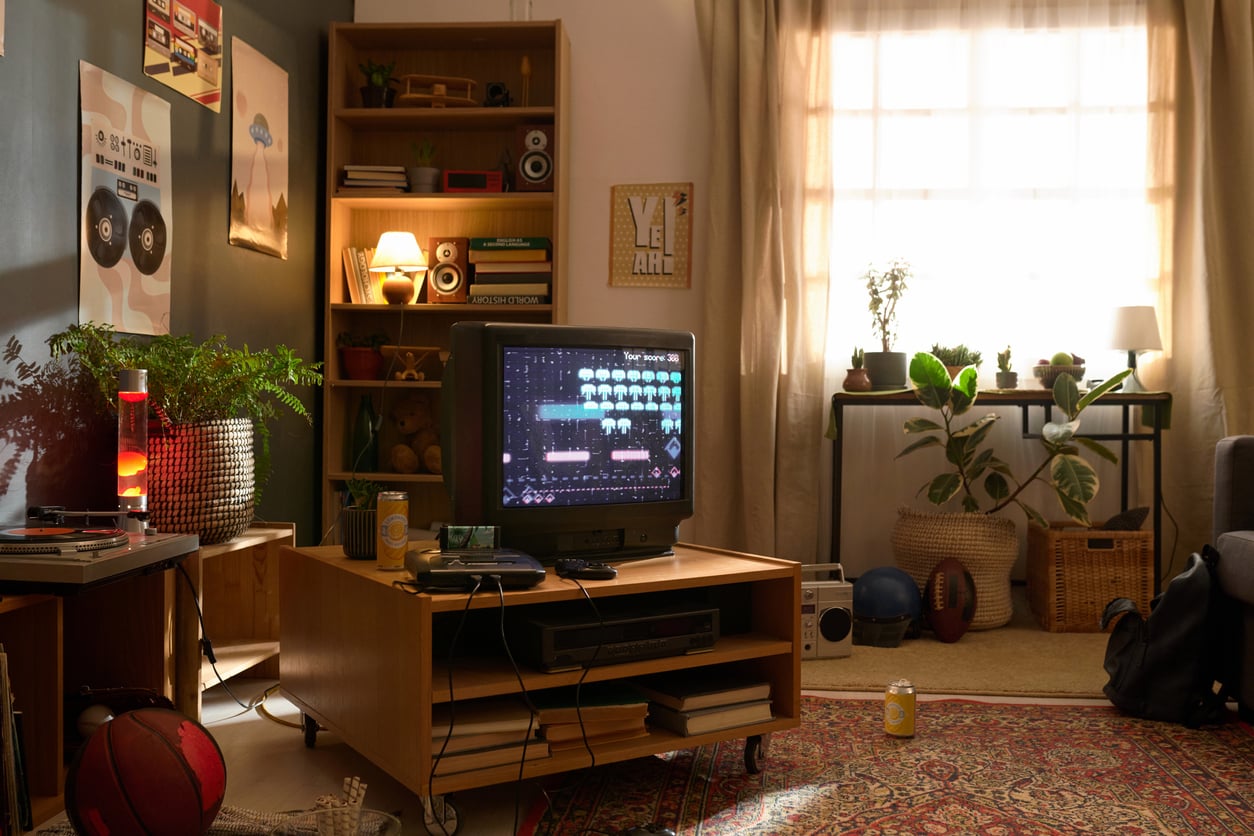
The television was only one part of the living-room command center. A massive oak or faux-oak cabinet also held the VCR, stereo, speakers, cassette tapes, family photographs, and stacks of movies. Glass doors kept children away from stereo controls, while openings in the back attempted to organize a nest of wires. These units were practical when televisions were deep and heavy, but their carefully measured TV spaces became frustratingly useless after widescreen sets arrived.
A VCR and Labeled VHS Tapes
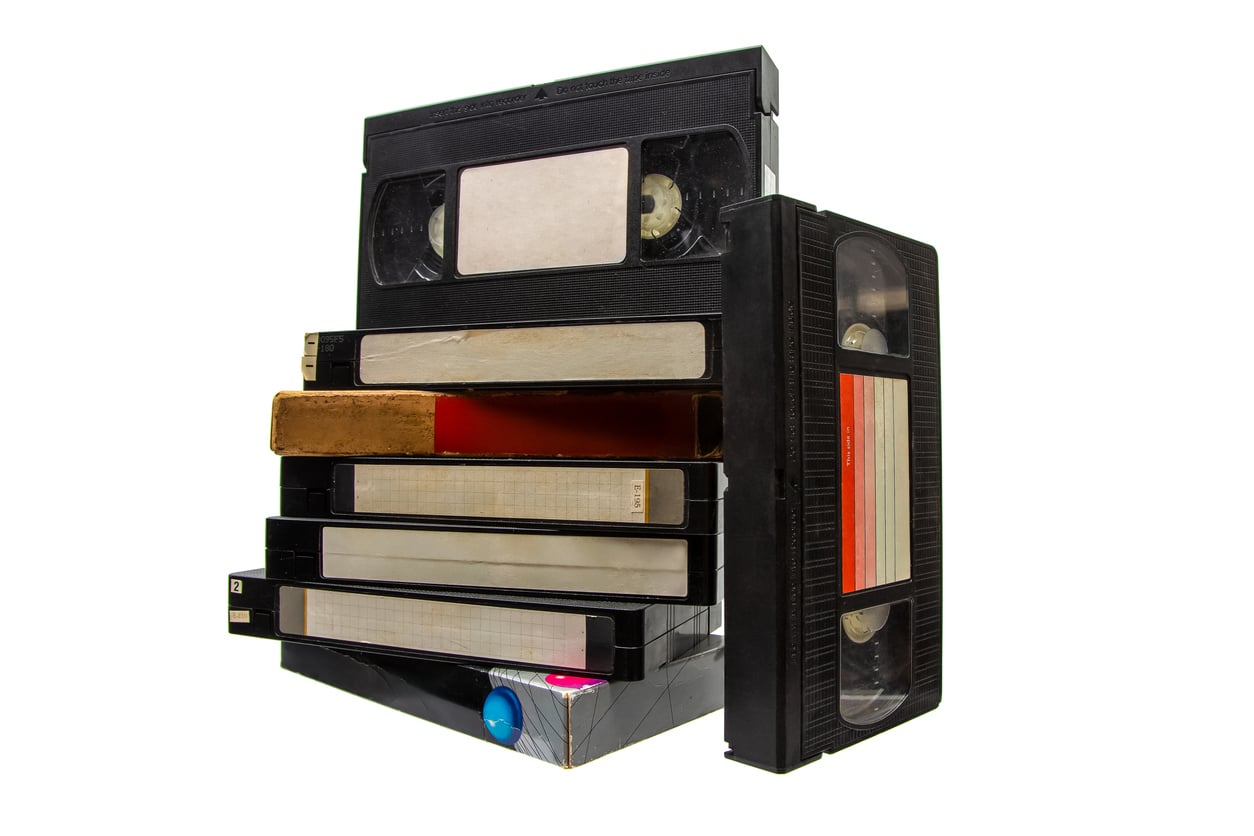
Families recorded movies, soap operas, sporting events, cartoons, and holiday specials on tapes marked with increasingly unreliable handwritten labels. A cassette declaring “Do Not Record Over” was practically an invitation for someone to tape a football game across it. VHS became the dominant consumer home-video format during the 1980s and 1990s, turning shelves of physical recordings into a normal part of family entertainment. The downside was rewinding, tracking problems, and discovering that a favorite program had vanished.
A Kitchen Landline With a Long Cord
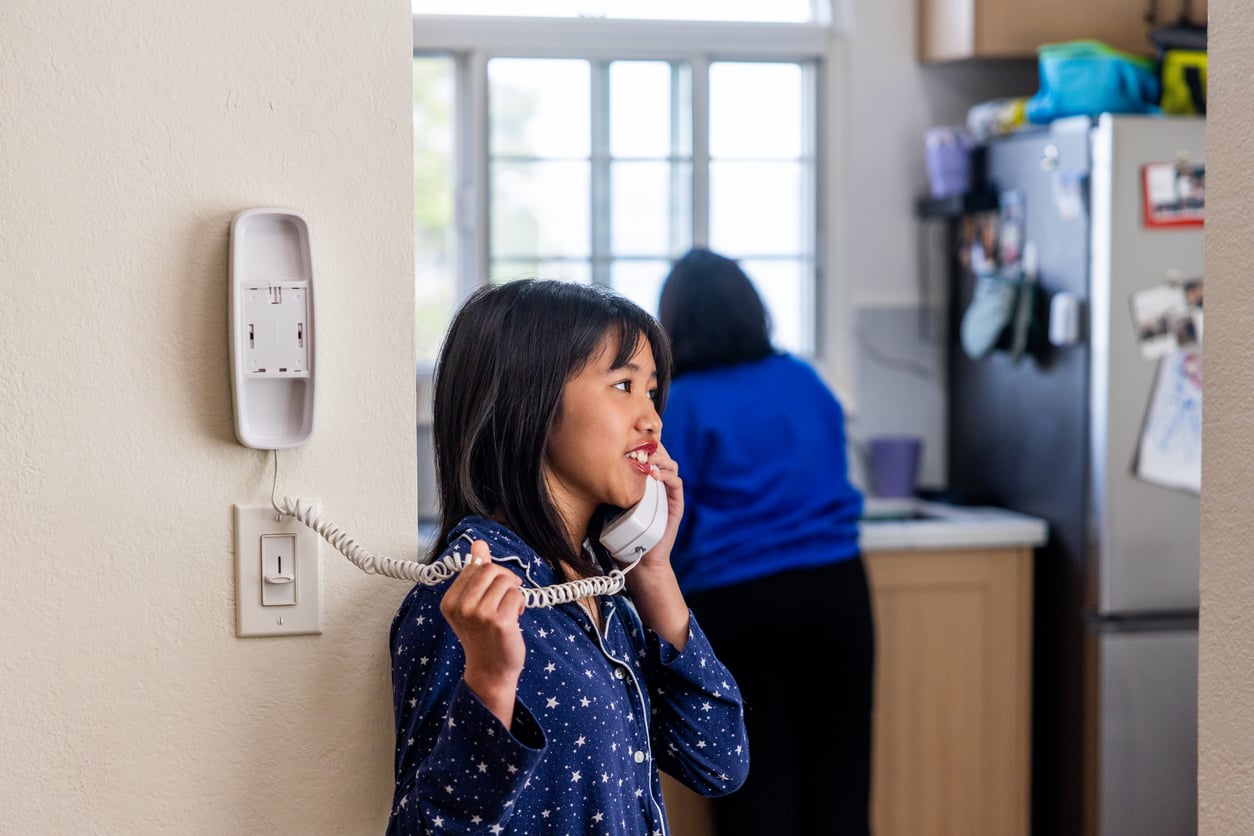
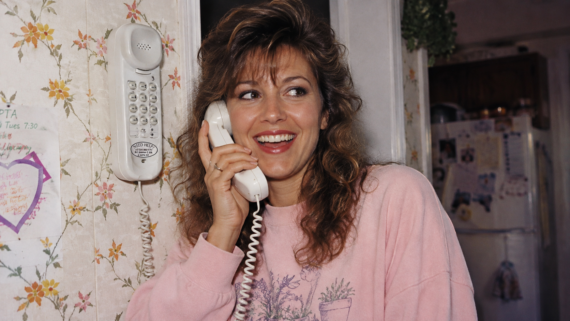
The household telephone often hung on a kitchen wall, with important numbers written on a pad nearby. Its extra-long coiled cord allowed a mother to cook, sort laundry, or stretch into the next room while talking. Privacy was limited because everybody shared the same number and could hear one side of the conversation. Cordless phones gradually offered more freedom, but mobile service remained far too expensive for most families during much of the 1980s.
A Separate Answering Machine
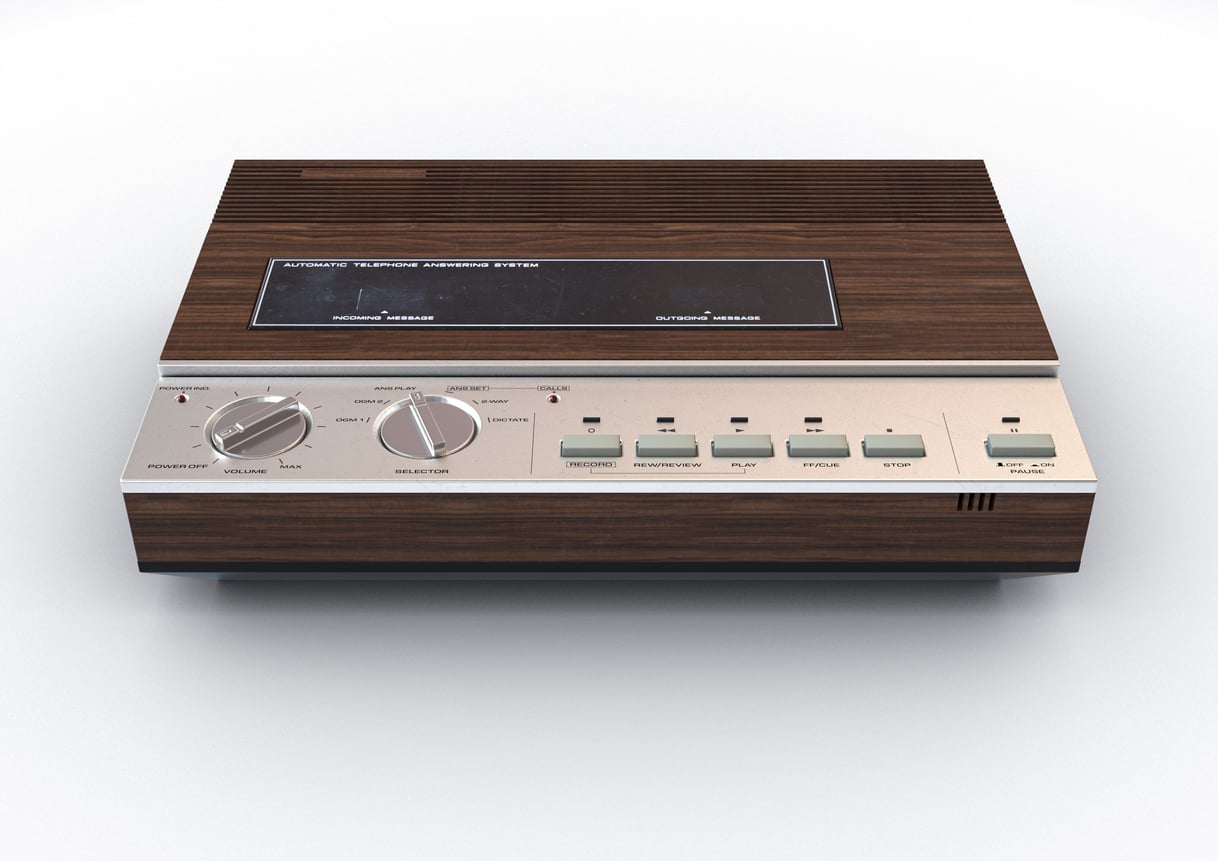
Coming home often meant checking the answering machine before taking off a coat. A blinking light announced messages from relatives, schools, doctors, or children asking for rides. Families sometimes recorded stiff group greetings, while other callers simply hung up rather than speak to a machine. Smithsonian records show that late-1980s models became smaller, and digital memory gradually began replacing some tape-based functions. One compact PhoneMate machine sold for about $120 at the time.
Trending on Cheapism
A Full Encyclopedia Set
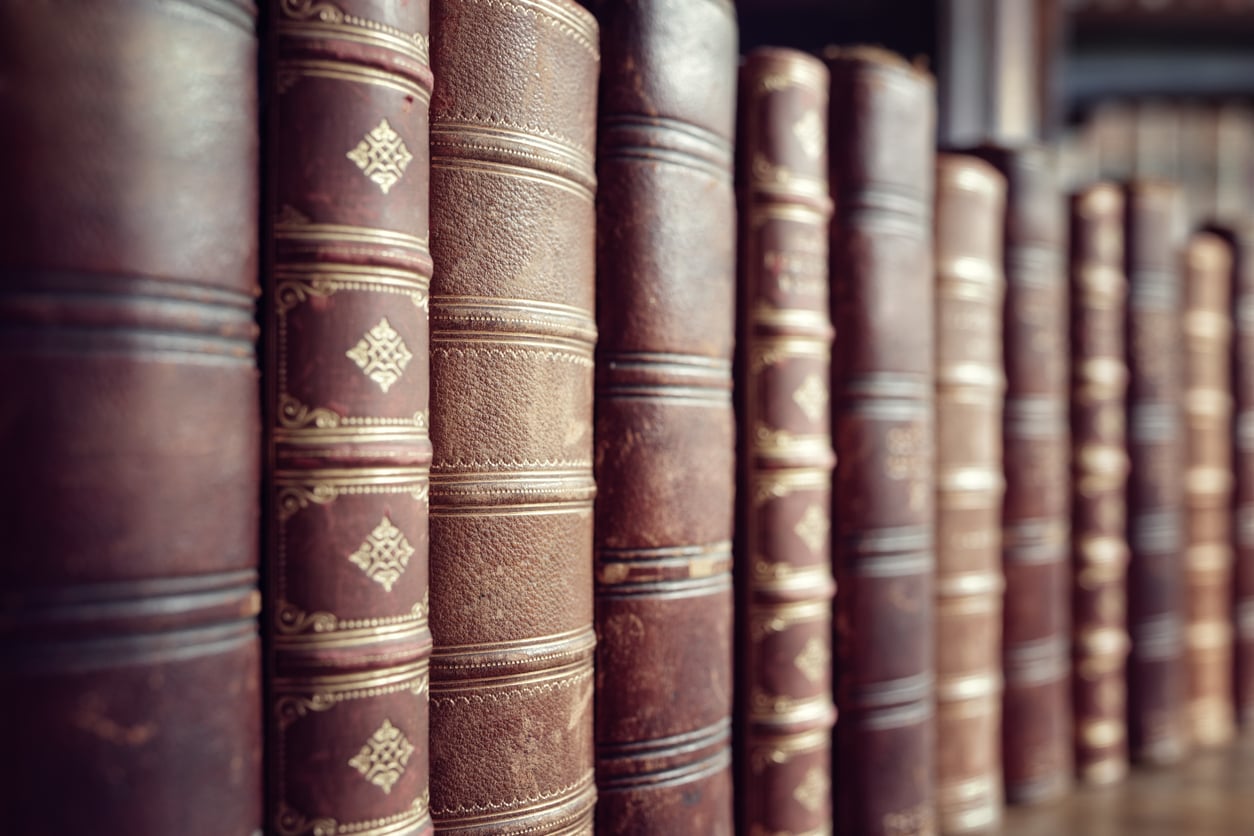
A matching row of World Book or Britannica volumes made a home look educational and provided essential material for school reports. Children searched alphabetically, copied notes by hand, and hoped the information had not become outdated since the set was printed. These books were often treated as long-term family investments rather than casual purchases. Their usefulness faded quickly after Microsoft introduced Encarta in 1993 and CD-ROM reference products helped drive a sharp decline in printed encyclopedia sales.
Longaberger Baskets
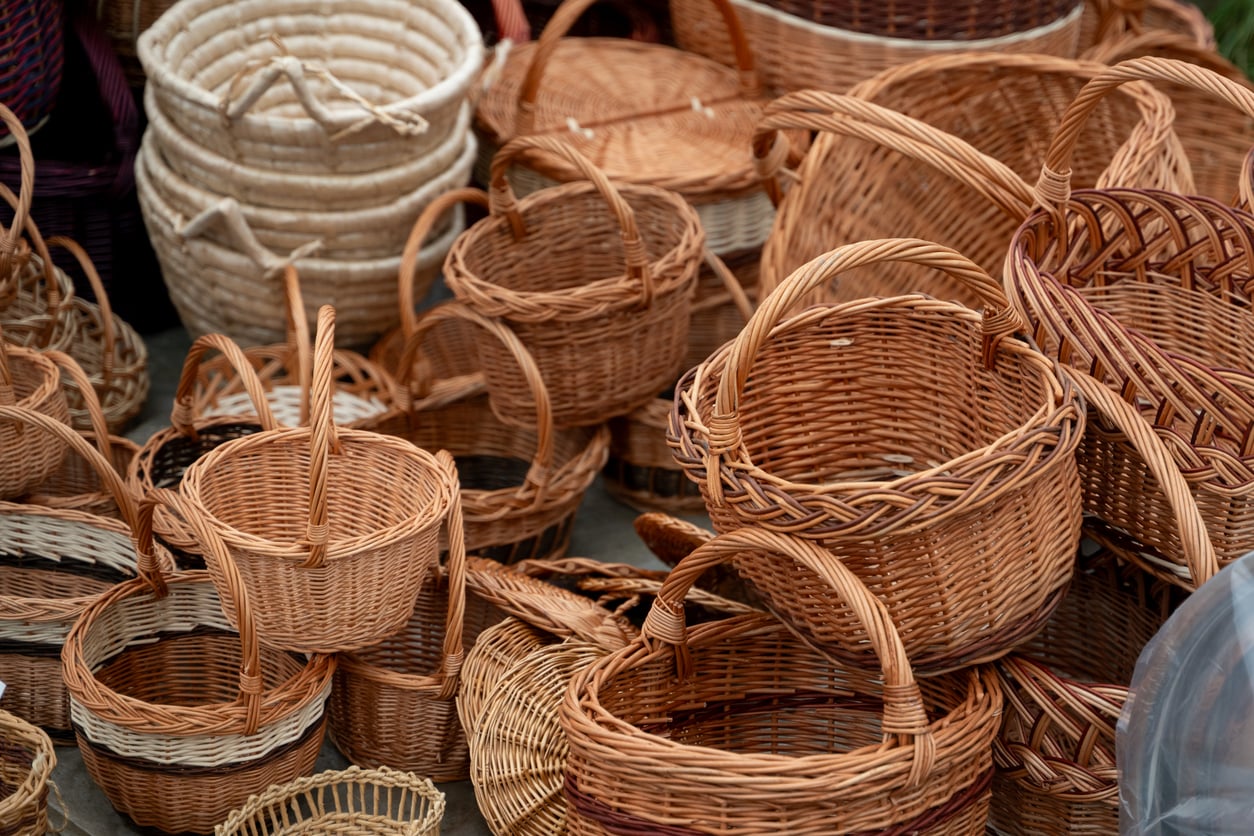
Longaberger baskets could hold bread, mail, magazines, sewing supplies, blankets, or almost anything that needed a respectable-looking container. They were sold through social home shows, often with optional fabric liners, plastic protectors, lids, and seasonal accessories. The company reached roughly $1 billion in annual sales around 2000 after enormous growth during the 1990s. These baskets were sturdy and collectible, but prices ranging from modest to surprisingly high meant they were never present in every ordinary household.
A Curio Cabinet Full of Figurines
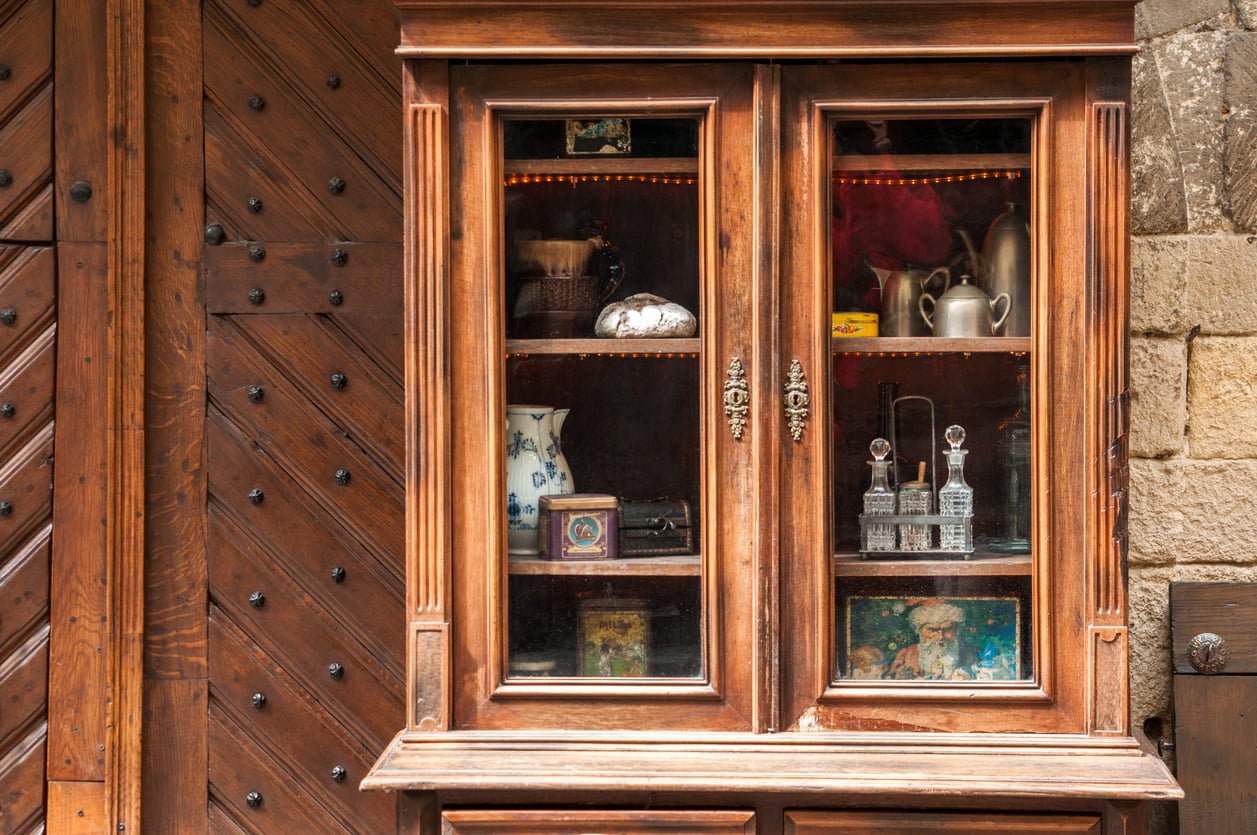
Glass-front curio cabinets turned anniversary gifts, ceramic angels, souvenir spoons, commemorative plates, and Precious Moments figurines into formal displays. Mirrored shelves and small interior lights made even inexpensive keepsakes appear important. Precious Moments released its first figurines in 1978, and its collectors club eventually grew to more than 400,000 members. Many owners hoped limited editions would become valuable, although large inherited collections can now be difficult to sell. Dusting every tiny figure was another drawback.
Sign up for our newsletter
Country Goose and Rooster Decor
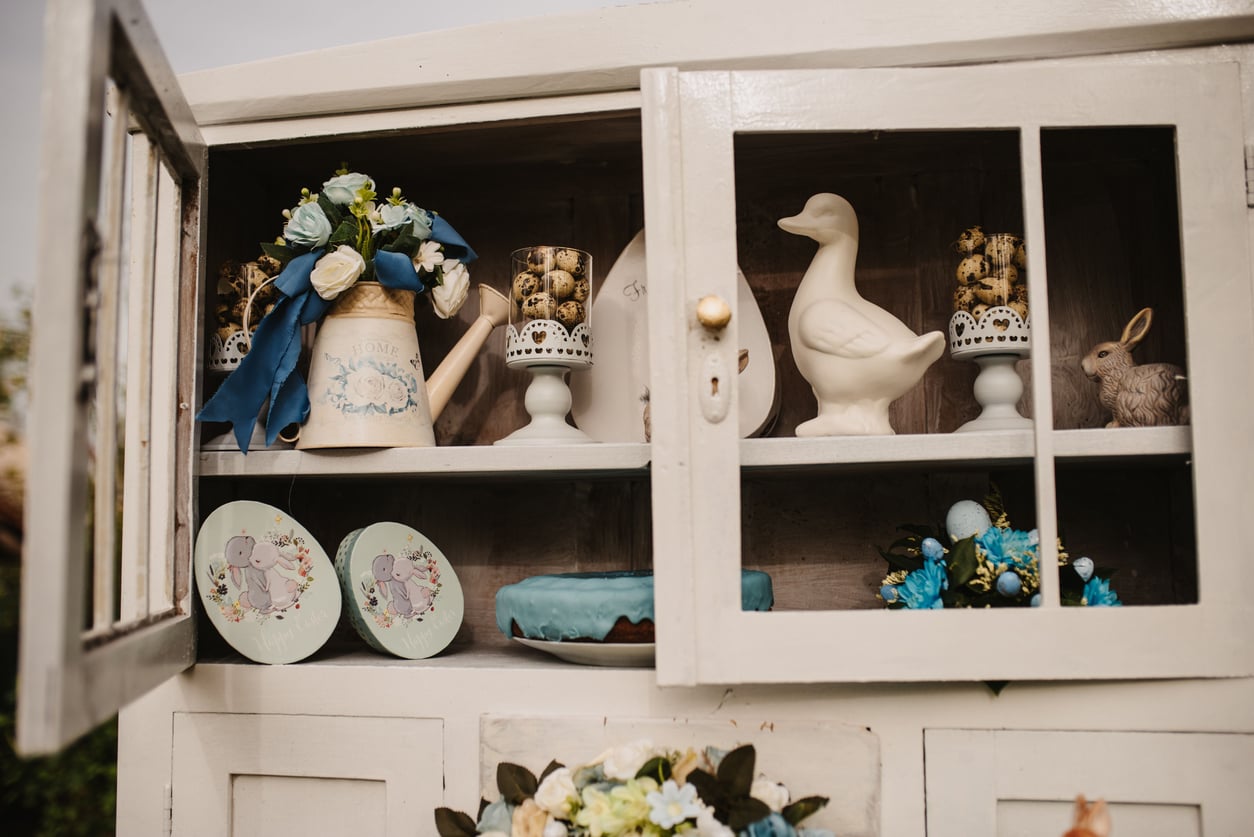
Geese with blue ribbons once marched across wallpaper borders, kitchen towels, canisters, switch plates, and framed prints. Roosters, ducks, wooden signs, ruffled curtains, and hand-painted stencils completed the country look. Country Living identifies geese, roosters, dusty pastels, eyelet lace, and heavily decorated window treatments as recognizable elements of 1980s country style. Coordinated pieces made decorating easy, although a room could quickly feel crowded when every surface and textile carried the same feathered theme.
An Artificial Ficus Tree
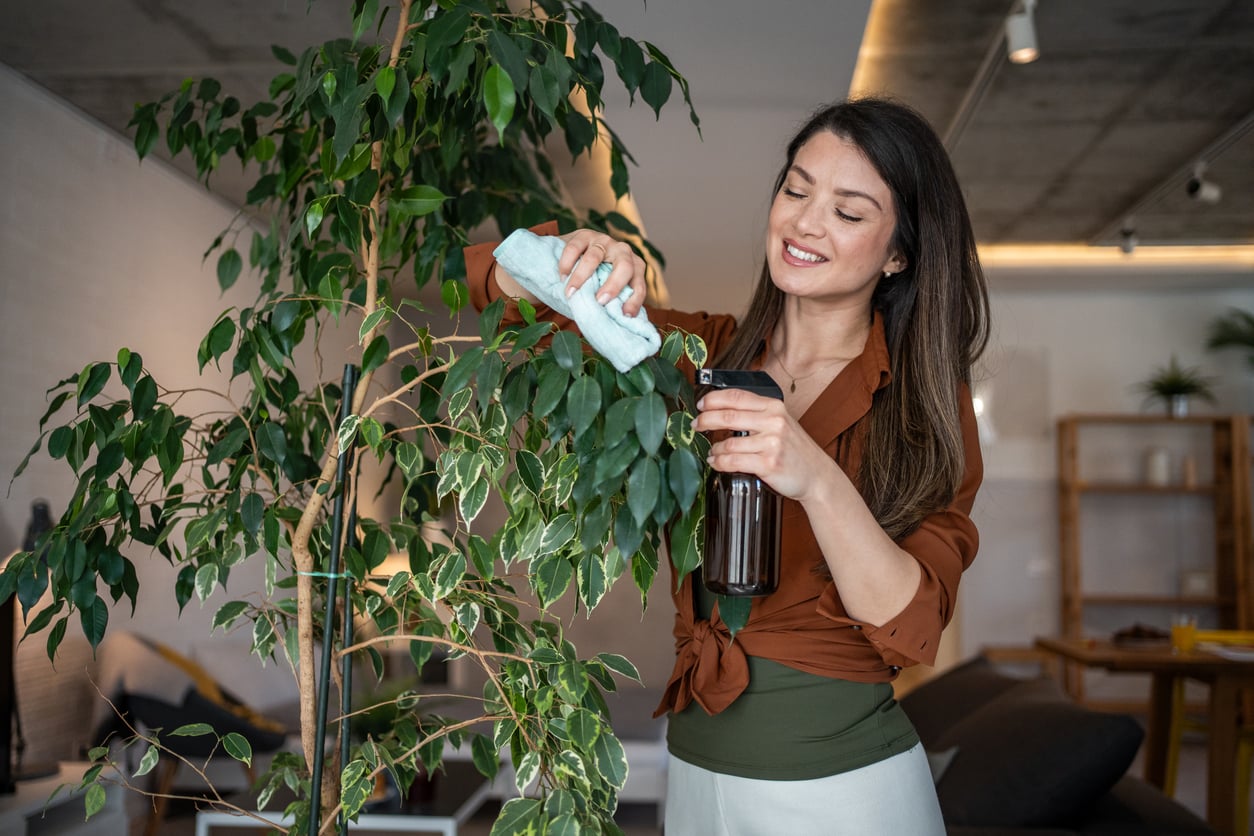
An artificial ficus tree filled an awkward living-room corner without needing sunlight, water, or dependable plant-care skills. The plastic pot was frequently hidden inside a wicker basket, while silk ivy trailed across cabinets and entertainment centers. Faux greenery suited rooms where decorators preferred layered surfaces rather than open space. It was practical in dark areas, but not entirely maintenance-free. The leaves collected dust and the branches could fade.
Thick Family Photo Albums
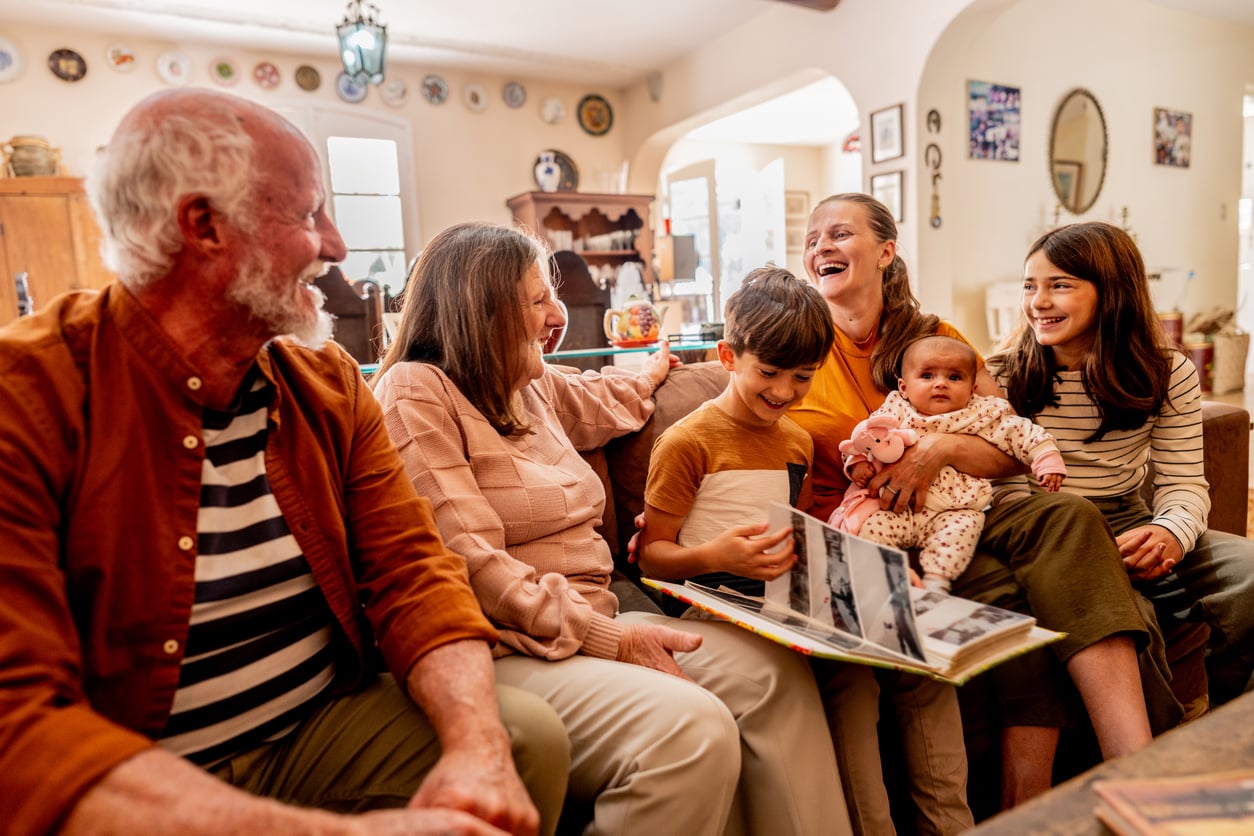
Before camera phones, families paid to develop film and waited to discover whether anyone had blinked. Prints went into albums documenting birthdays, school concerts, holidays, vacations, and ordinary backyard afternoons. Mothers often added names and dates or mailed duplicates to relatives. Albums with so-called magnetic pages were especially convenient, but preservation experts now warn that self-adhesive pages can damage photographs. Acid-free sleeves and photo corners are safer for families trying to protect surviving prints.
Avon Products and Perfume Bottles
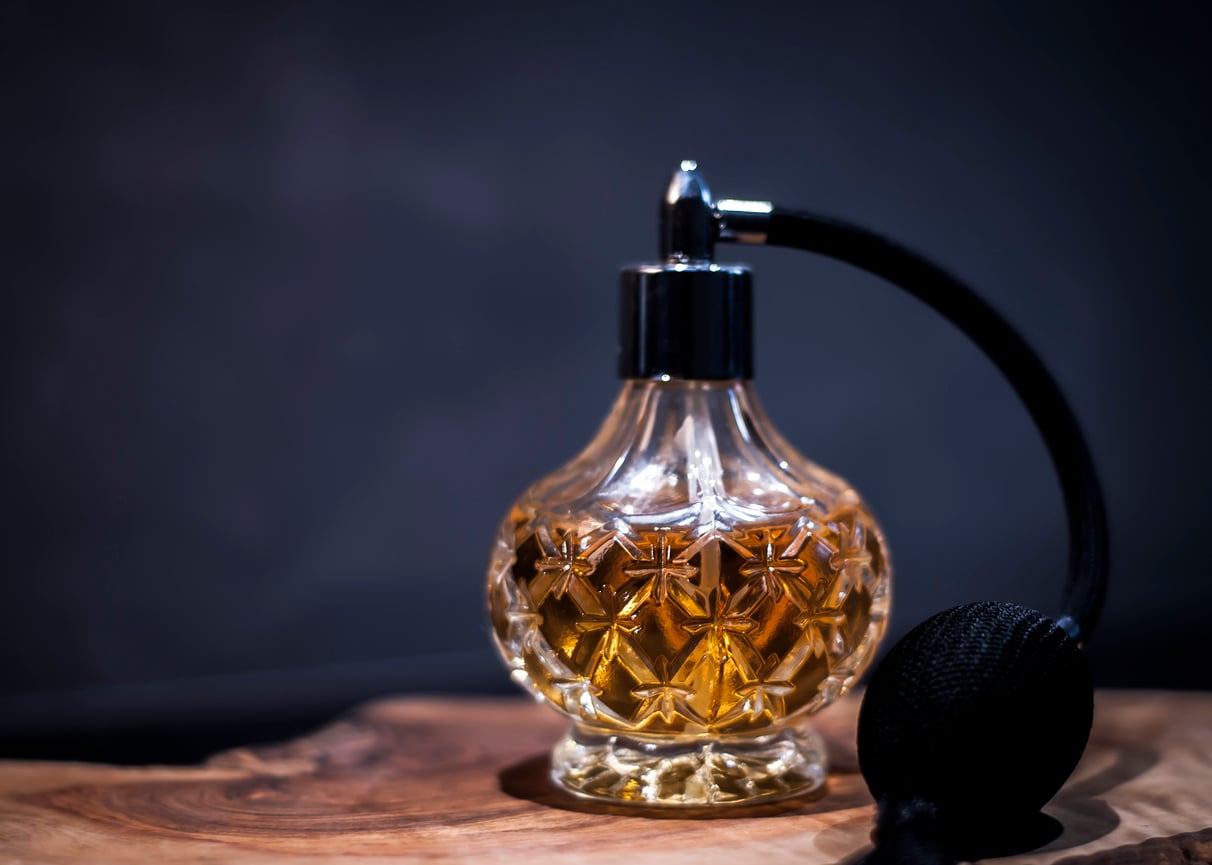
Avon catalogs passed through neighborhoods, offices, and family gatherings, making cosmetics and small gifts available without a department-store trip. Bathroom counters and dressers collected hand cream, powders, miniature lipstick samples, Skin So Soft products, and novelty fragrance bottles. Avon grew from a door-to-door book seller who discovered that customers were more interested in his perfume samples. The representative remained central to the experience, turning an ordinary purchase into a familiar visit from a neighbor or coworker.