Inflation is often discussed as a national issue, but its effects vary dramatically depending on what consumers buy and where they live. A family in Florida may feel inflation through homeowners insurance premiums, while a family in California may feel it through housing and energy costs.
President Donald Trump sparked controversy in June 2026 when he responded to rising inflation data by saying, “I love the inflation,” later arguing that the increase was lower than expected given the ongoing conflict with Iran. The remarks immediately generated debate because inflation remains one of the issues Americans consistently rank among their top economic concerns.
National inflation reached 4.2% annually in May 2026, the highest level in roughly three years, with energy costs accounting for much of the increase.
Consumers don’t experience inflation through a single number. They experience it through grocery receipts, utility bills, insurance renewals, rent increases, airline tickets, and gas station visits.
This guide looks at the categories where Americans are feeling Inflation Costs most acutely and why those expenses are putting pressure on household budgets.
Gasoline
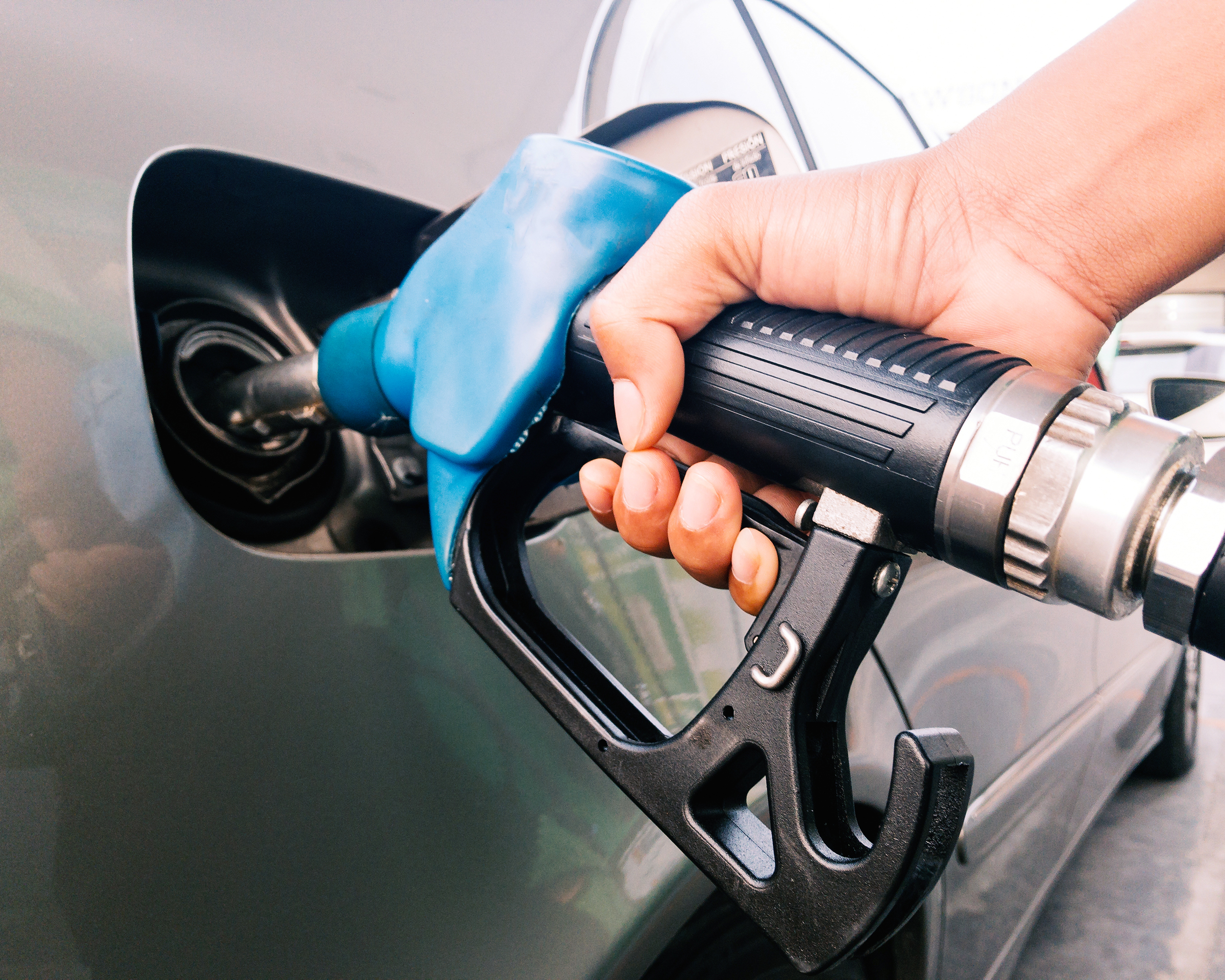
For many Americans, gasoline remains the most visible form of inflation because prices are displayed on large signs every time they drive past a gas station. Unlike housing costs or insurance premiums that may only be noticed monthly, fuel prices create a constant reminder of rising costs.
Recent increases have been fueled by volatility in global oil markets and concerns surrounding instability in the Middle East. Energy prices tend to move quickly through the broader economy because transportation affects nearly every product consumers buy. When fuel becomes more expensive, shipping costs often rise as well, eventually affecting retail prices.
Consumers in rural states and sprawling metropolitan areas frequently feel these increases most intensely because they have fewer alternatives to driving. For many households, reducing fuel consumption simply isn’t realistic.
Homeowners Insurance

Homeowners insurance has become one of the fastest-rising household expenses in many parts of America. In states vulnerable to hurricanes, wildfires, floods, and severe storms, premiums have climbed dramatically over the past several years.
Florida remains one of the most notable examples, with homeowners facing some of the highest insurance costs in the nation. Similar challenges have emerged in Louisiana, Texas, and parts of California, where insurers have reevaluated risk and adjusted pricing accordingly.
Unlike discretionary spending categories, insurance is largely unavoidable. Consumers can shop around, but they often discover that rates are rising across entire markets rather than at a single company. For many households, insurance inflation has become one of the most frustrating financial pressures because it frequently arrives as a large annual bill.
Rent

Rent remains one of the largest expenses for millions of Americans, making even modest increases especially painful.
Although rental inflation has cooled compared with the rapid increases seen during the pandemic recovery, many renters continue paying substantially more than they did just a few years ago. Housing shortages in many metropolitan areas have kept pressure on prices, while population growth in certain regions has intensified competition for available units.
Housing inflation tends to linger because leases renew gradually and new housing supply can take years to come online. Unlike some consumer goods that can quickly fall in price, housing costs often remain elevated long after inflation begins slowing elsewhere in the economy.
For younger adults, lower-income households, and first-time renters, housing often represents the single largest monthly expense.
Groceries

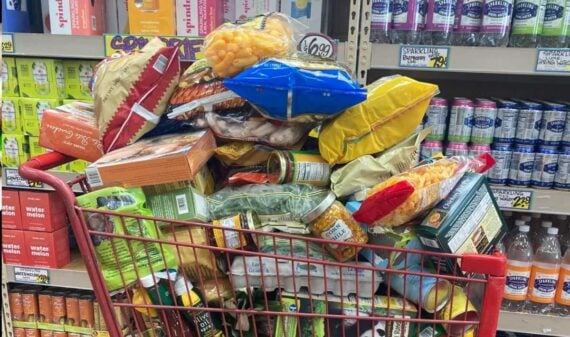
Food inflation remains one of the most emotionally charged economic issues because consumers experience it repeatedly.
Every trip to the grocery store provides another opportunity to notice higher prices, smaller package sizes, or products that no longer fit within the family budget. While some food categories have seen prices stabilize, shoppers continue reporting frustration with the cost of meat, dairy products, eggs, snacks, and prepared foods.
Consumers frequently compare today’s grocery bill with what they paid only a few years ago. That comparison creates a powerful perception that food affordability has deteriorated, even when overall inflation rates begin moderating.
Unlike luxury purchases, groceries cannot be postponed indefinitely. Households may switch brands, buy fewer premium products, or alter meal plans, but they cannot stop purchasing food.
Electricity
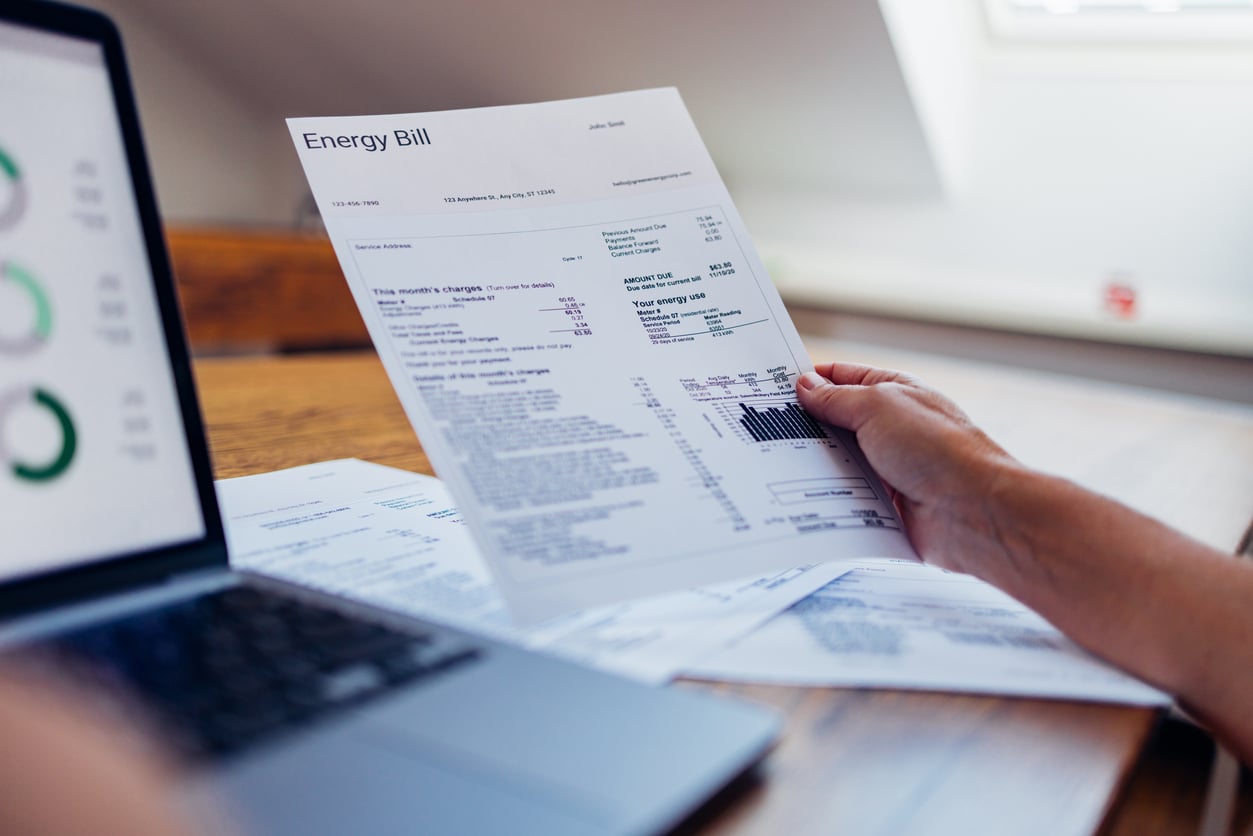
Electricity inflation often receives less attention than gasoline or groceries, but it can significantly affect household budgets.
Utility bills have increased in many regions due to higher fuel costs, infrastructure investments, weather-related disruptions, and ongoing modernization projects. Consumers often feel these increases most acutely during periods of extreme weather.
In hotter states, air-conditioning usage can cause electricity bills to spike during the summer. In colder climates, winter heating expenses can create similar challenges. Because electricity powers nearly every aspect of modern life, rising utility costs affect both comfort and financial stability.
For many families, electricity has become one of the recurring expenses that quietly consumes a larger share of monthly income.
Trending on Cheapism
Airfare
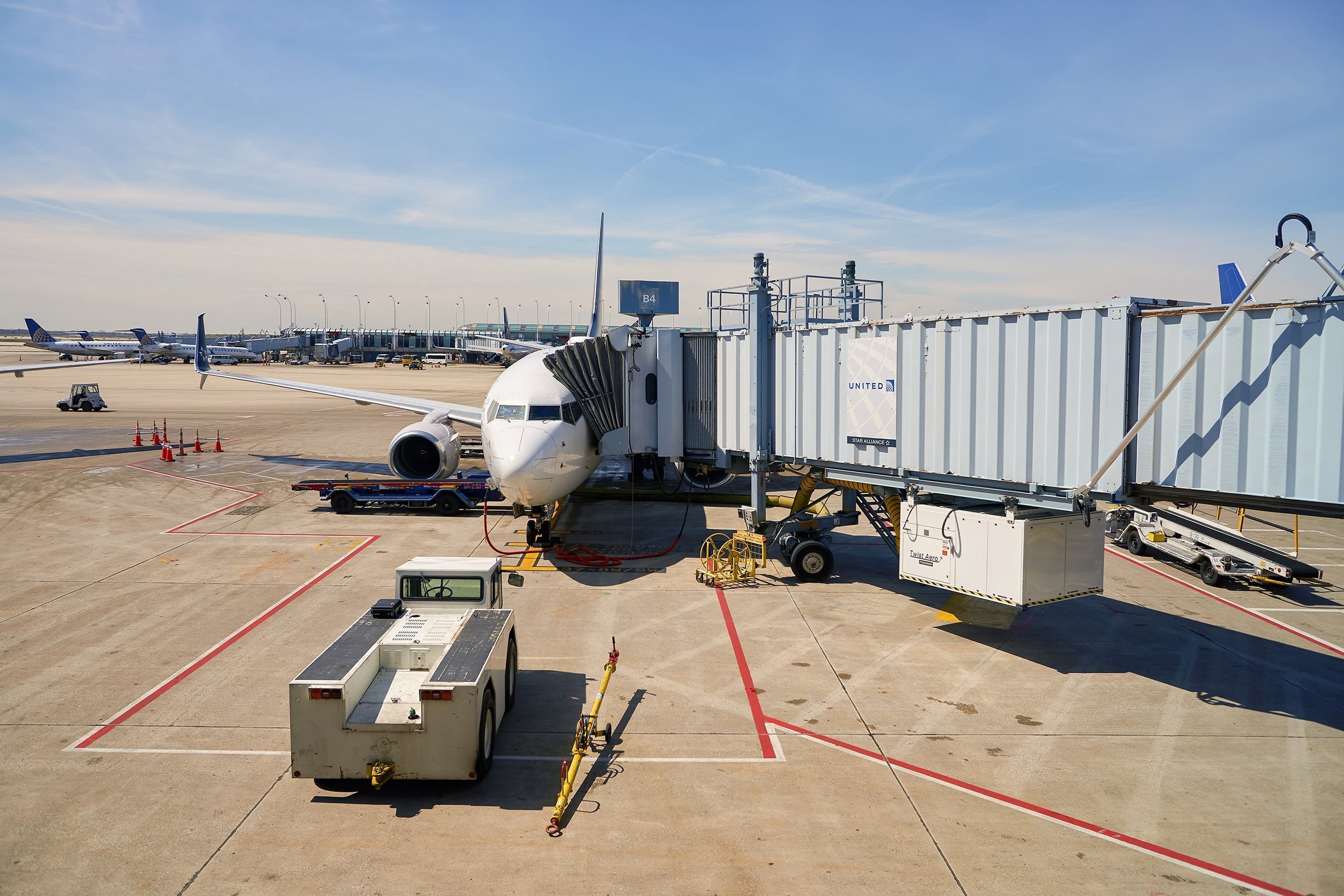
Travel inflation has become increasingly noticeable as airline tickets remain elevated compared with pre-pandemic norms.
Fuel costs, labor expenses, aircraft shortages, and strong travel demand have all contributed to higher prices. For families hoping to take vacations, airfare can represent the difference between booking a trip and staying home.
Rising ticket prices often affect entire travel budgets because hotel rates, rental car costs, and restaurant expenses may also increase. What was once an affordable family getaway can suddenly become far more expensive than anticipated.
Consumers frequently express surprise when comparing current airfare prices with those from only a few years ago, making travel one of the most visible examples of inflation in discretionary spending.
Auto Insurance

Auto insurance has quietly become one of America’s biggest inflation headaches.
Repair costs have surged as vehicles become increasingly complex and dependent on advanced technology. Replacement parts, labor costs, litigation expenses, and severe weather events have all contributed to higher premiums.
Unlike discretionary spending categories, drivers in most states are legally required to maintain insurance coverage. That leaves consumers with limited flexibility when rates rise.
Many households have experienced insurance increases that significantly exceed the overall inflation rate, creating frustration among drivers who have maintained clean records and filed few, if any, claims.
Fast Food
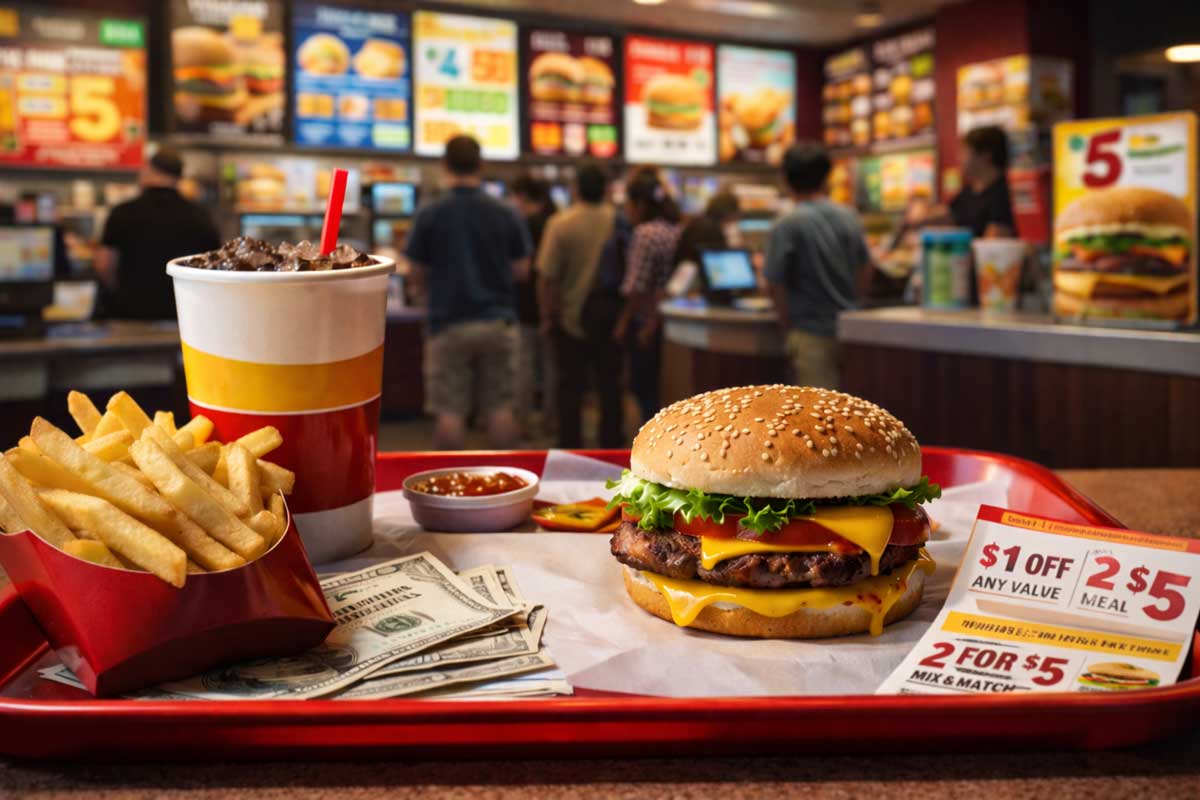
Fast-food inflation has attracted significant attention because many consumers once viewed quick-service restaurants as affordable alternatives to cooking at home.
Today, many customers report sticker shock when ordering meals that were once considered inexpensive. Menu prices at major chains have risen steadily over the past several years, prompting widespread discussion on social media and consumer forums.
Part of the frustration stems from how quickly prices appear to have changed. Comparisons between meals purchased before the pandemic and those purchased today often reveal dramatic differences in cost.
As a result, fast-food pricing has become a symbol of broader inflation concerns for many consumers.
Sign up for our newsletter
Restaurant Dining

Beyond fast food, restaurant inflation continues affecting consumers across the country.
Restaurant operators face higher labor costs, ingredient expenses, rent payments, insurance premiums, and utility bills. Many of those costs ultimately find their way onto menus.
Consumers have responded by dining out less frequently, seeking discounts, or becoming more selective about where they spend money. When customers do choose to eat out, many expect a stronger value proposition than they did in the past.
This category demonstrates how inflation can influence consumer behavior. Rising prices don’t just increase expenses—they often change spending habits altogether.
Healthcare Costs
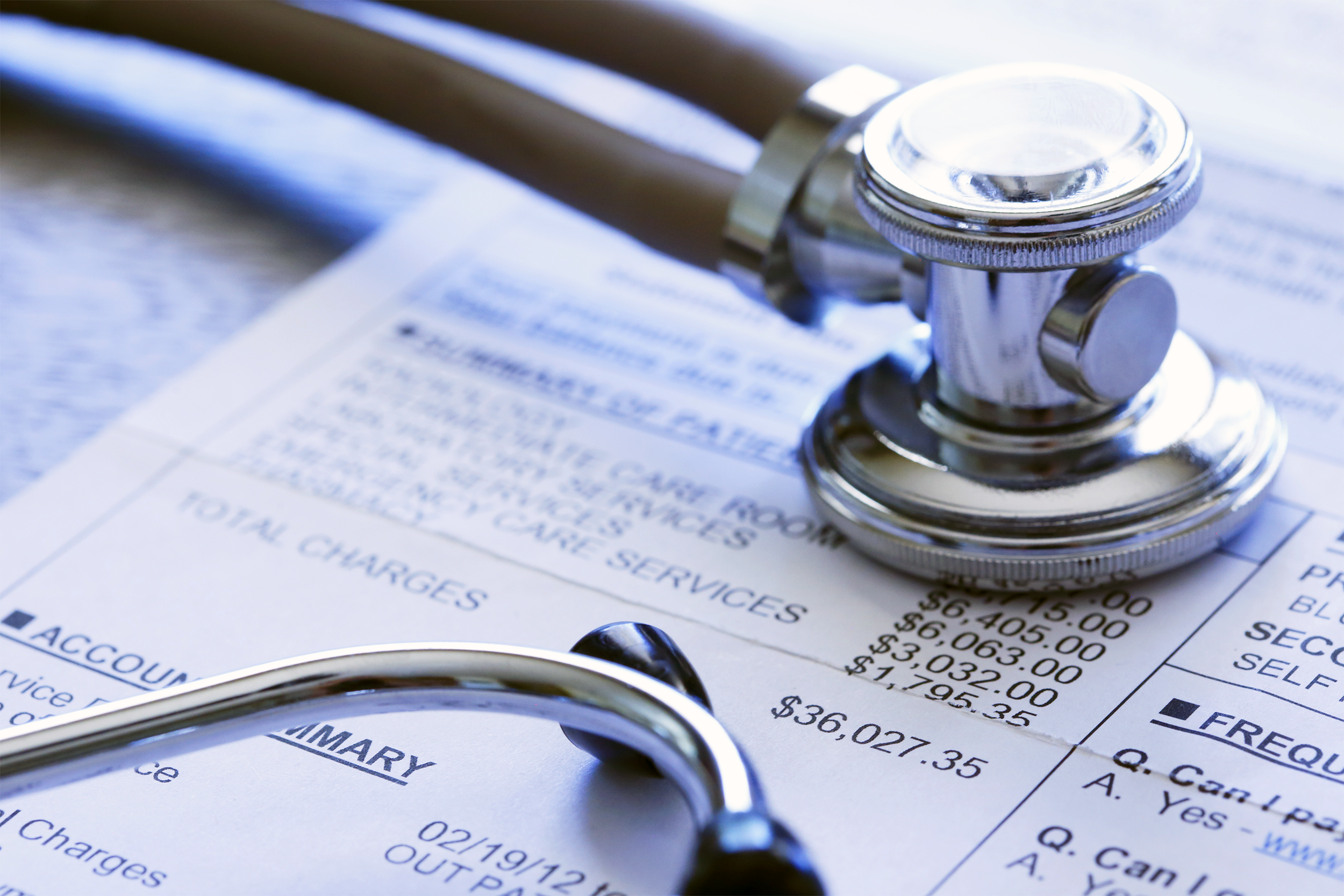
Healthcare remains one of the most consequential forms of inflation because it can affect household finances for years.
Premiums, deductibles, prescription medications, and medical services all contribute to the financial burden many families face. Unlike entertainment, travel, or restaurant spending, healthcare expenses are often unavoidable.
Families dealing with chronic conditions or unexpected medical events frequently have little flexibility when costs increase. Even modest price changes can create meaningful financial pressure when combined with other household expenses.
Because healthcare affects both immediate budgets and long-term financial planning, it remains one of the inflation categories consumers watch most closely.
Why Consumers Are Paying Attention
Consumers rarely think about inflation as a statistic. They think about it as a collection of bills, receipts, and recurring expenses that seem to cost more every year. Whether it’s filling a gas tank, renewing an insurance policy, paying rent, or buying groceries, inflation becomes real when it affects daily life.
The controversy surrounding President Trump’s “I love the inflation” remark highlights just how politically sensitive the issue remains. While policymakers and economists may focus on broader economic indicators, many Americans focus on the prices they encounter every week.
The bigger story is that inflation affects different households differently. Some families may feel it most through housing costs. Others notice it at the grocery store, through rising insurance premiums, or at the gas pump. Understanding where inflation is hitting hardest helps explain why it remains one of the country’s most closely watched economic issues—and one of the issues consumers care about most.
What Happens Next?
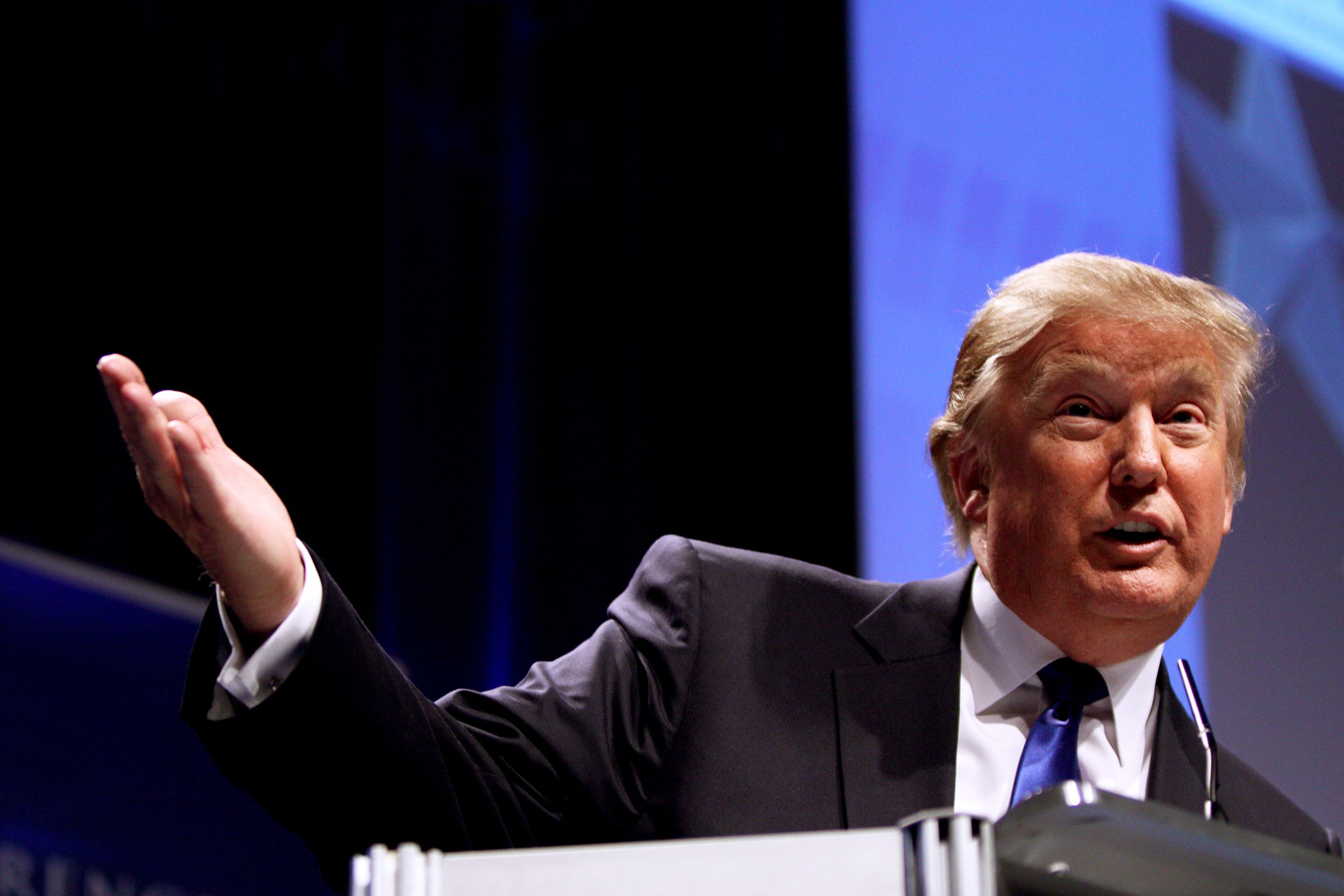
The biggest question for consumers isn’t where inflation has been—it’s where it’s headed next. Economists continue to monitor energy markets, housing costs, labor expenses, and global geopolitical developments for clues about future price movements. President Trump’s recent remarks about inflation drew headlines, but for many Americans the more important issue remains whether prices will continue rising or finally begin to ease.
While some inflation categories have shown signs of stabilizing compared to the rapid increases seen earlier in the decade, others remain stubbornly elevated. Insurance premiums, housing costs, and certain household expenses continue rising faster than many consumers would like, even as overall inflation fluctuates. These inflation costs continue putting pressure on household budgets across the country.
Much will depend on factors beyond the average shopper’s control, including global energy supplies, interest rates, weather-related disasters, and broader economic growth. Any significant changes in those areas could quickly affect the prices consumers pay for everything from gasoline and groceries to travel and utilities.
For now, many Americans remain focused on the same goal they’ve had throughout the recent inflation cycle: finding ways to stretch household budgets while navigating an economy where everyday expenses still feel significantly higher than they did just a few years ago.