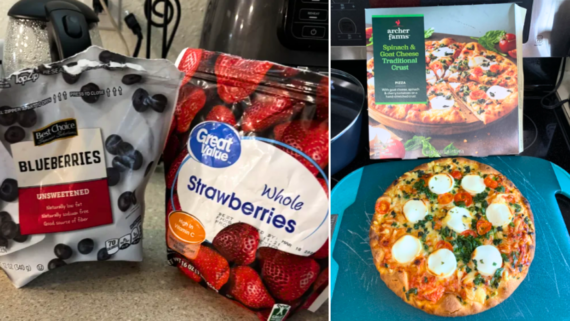
Buying frozen food in bulk can save money in 2026, but only if your household will actually use it. As with deciding whether to buy in bulk from Costco versus Walmart, the real value comes down to price, freezer space, and waste. Some staples are worth stocking up on, while others are better bought in smaller amounts.
Buy In Bulk: Frozen Vegetables
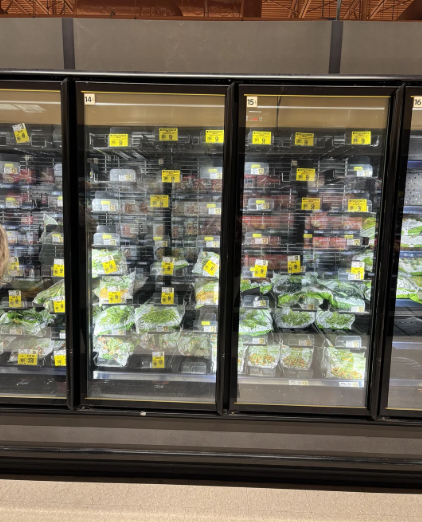
Frozen vegetables are safe to buy in bulk because they solve two expensive problems at once: produce waste and last-minute side dishes. Mixed vegetables, broccoli, corn, peas, and stir-fry blends can be used a handful at a time. Listings show warehouse and club sizes often around $1.50 to $2.40 per pound, while grocery-store bags can range from about $1.30 to more than $2.80 per pound depending on brand and size. Best quality: about 8 to 12 months. Common complaint: half-empty bags pick up ice crystals if they are not resealed well.
Buy In Bulk: Chicken Breasts
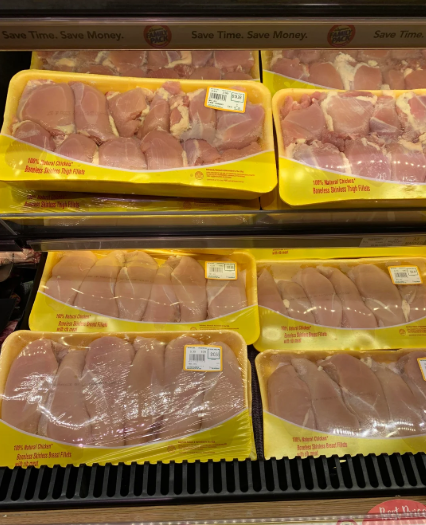
Frozen chicken breasts make sense for households that cook plain proteins several times a week. They are not glamorous, but they can become soup, casseroles, chicken salad, fajitas, pasta, or a sheet-pan dinner. Public listings show large frozen bags often landing around $2.75 to $3.20 per pound. A family using four pounds a month might save $30 to $80 a year. Best quality is usually around 9 months for chicken pieces.
Buy In Bulk: Frozen Fruit
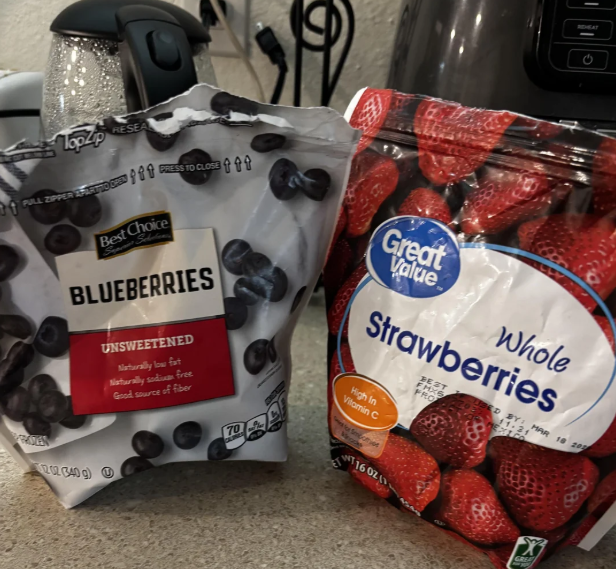
Frozen fruit is a better bulk bet than many fresh berries, especially for smoothie drinkers and oatmeal fans. Berries, mango, cherries, peaches, and mixed fruit can turn breakfast into something more interesting without watching fresh fruit soften on the counter. Current store-brand grocery listings put many frozen fruits around $2.40 to $4 per pound. Heavy users could save $50 to $150 a year. Best quality: around 8 to 12 months.
Buy In Bulk: Shrimp
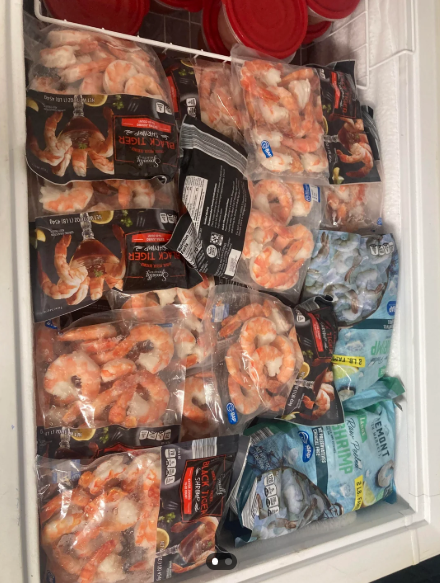
Shrimp is one of the frozen foods where bulk buying can feel less like stockpiling and more like planning ahead. A bag thaws quickly, cooks quickly, and can make pasta, tacos, fried rice, salads, or a simple shrimp cocktail without a restaurant bill. Warehouse bags commonly work out around $6.50 to $8.50 per pound, while smaller grocery packs can run closer to $8 to $12 per pound. Best quality: about 3 to 6 months. Complaints: freezer burn, vague sizing, or too much ice glaze.
Buy In Bulk: Meatballs
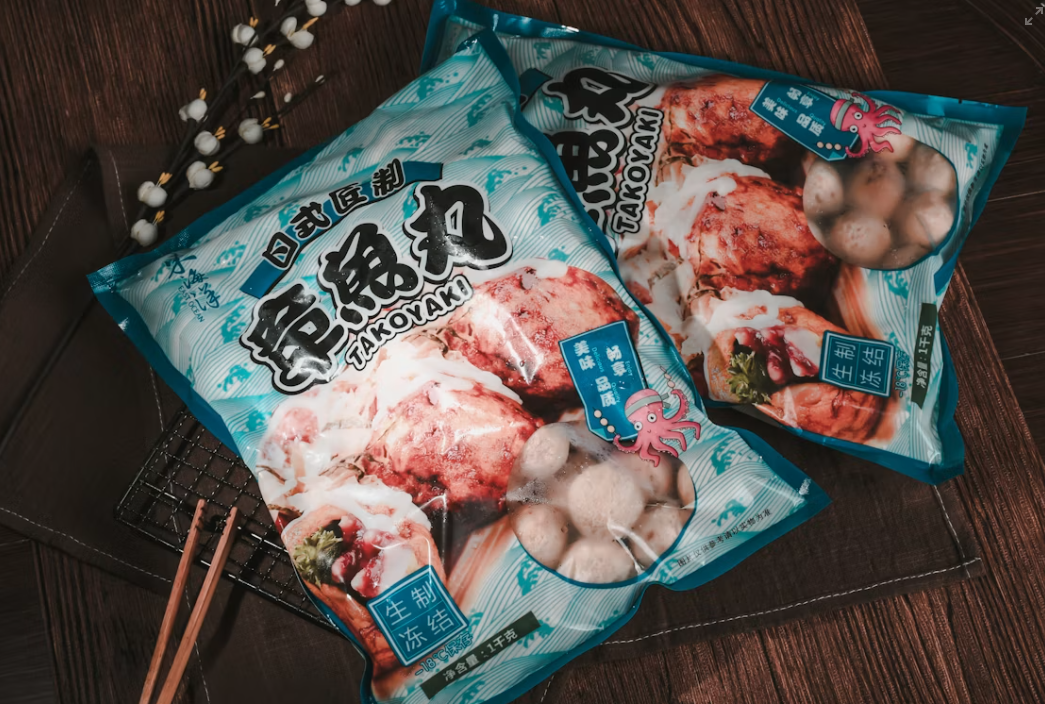
Frozen meatballs earn their freezer space because they are a meal starter, not just a single dish. A large bag can become spaghetti and meatballs, subs, Swedish-style meatballs, soups, casseroles, or easy appetizers when family stops by. Smaller grocery bags run roughly $4.50 to $6.50 per pound. Best quality is usually 2 to 3 months for cooked meat dishes, though they remain safe longer if kept frozen at 0 degrees F.
Trending on Cheapism
Buy In Bulk: Hash Browns
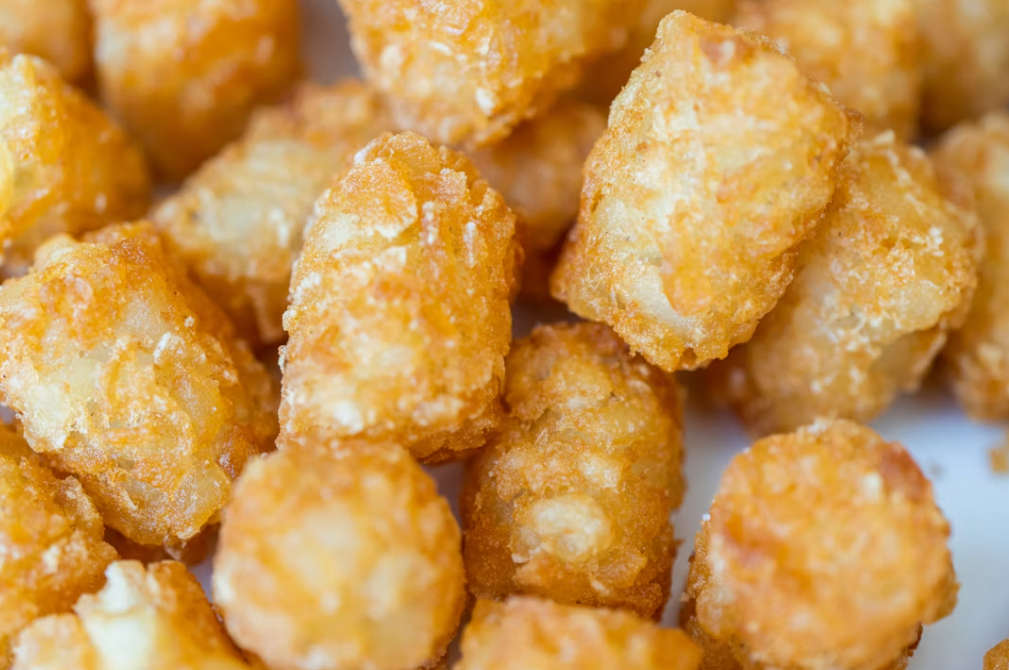
Hash browns are a practical bulk buy for people trying to bring breakfast back home. They stretch eggs, work in casseroles, and can turn leftovers into a quick skillet meal. Grocery bags can cost $2.50 to $4 per pound unless they are on sale. Best quality: around 8 months for frozen potatoes. The downside is space: shredded potatoes are bulky, and shoppers complain they can turn soft or icy if the bag is not sealed tightly.
Buy In Bulk: Frozen Pizza
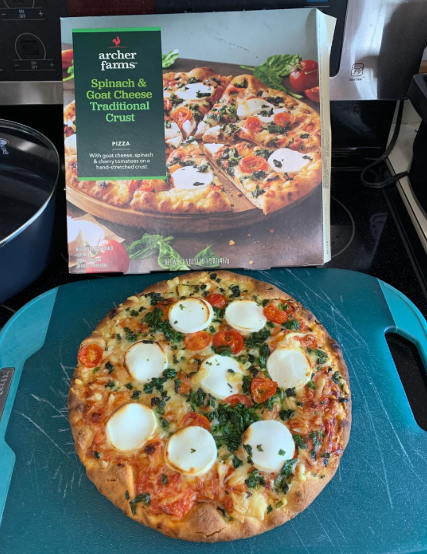
Frozen pizza is not the healthiest staple, but it can be a real budget tool when it replaces delivery. A household that swaps two delivery nights a month for frozen pizza could save hundreds a year, even after adding a salad or extra toppings. Best quality is usually 1 to 2 months for prepared frozen meals, though unopened pizzas often last longer for quality on the package date. Common complaints: freezer space, crushed boxes, soggy crust, and pizza fatigue if the multipack has only one flavor.
Buy In Bulk: Dumplings and Potstickers
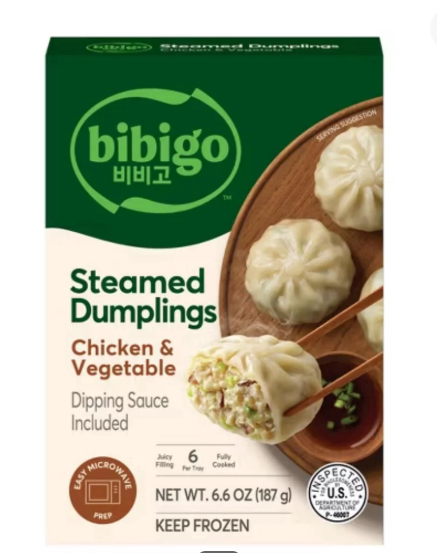
Frozen dumplings and potstickers are a strong bulk buy because they scratch the takeout itch without much work. A few minutes in a pan, steamer, or air fryer can make a fast lunch, side, or light dinner. Warehouse-size bags often come in around $3.50 to $5 per pound, while smaller grocery packages can be closer to $5 to $8 per pound. Best quality: roughly 2 to 3 months for prepared frozen foods, or longer if sealed well.
Sign up for our newsletter
Buy In Bulk: Breakfast Sandwiches
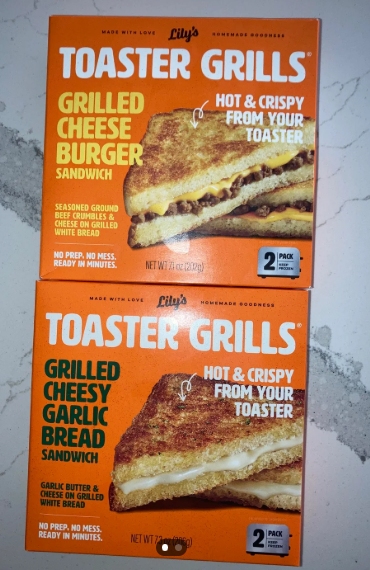
Frozen breakfast sandwiches are one of the clearest bulk wins for people who regularly buy breakfast on the way to work, church, appointments, or school drop-off. Compared with a coffee-shop or drive-thru breakfast sandwich, the savings can be much higher. Best quality: about 1 to 2 months for prepared meals, though package dates may allow longer. Complaints: small size, chewy bread, high sodium, and texture that improves only with an oven or air fryer.
Do Not Buy In Bulk: Frozen French Fries
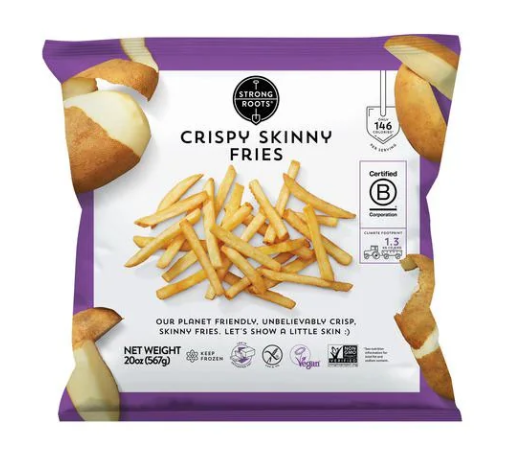
Frozen fries look like a bargain in a giant bag, but they are easy to overbuy. Warehouse bags may cost around $1.50 to $2.25 per pound, while grocery bags often land near $2 to $3 per pound, so the savings can be real. The problem is usage. Unless your household eats fries weekly, that huge bag can sit in the freezer while the potatoes pick up ice, broken pieces, or stale oil flavor. A light user might save only $10 to $25 a year, not enough to justify losing freezer space.
Do Not Buy In Bulk: Frozen Waffles
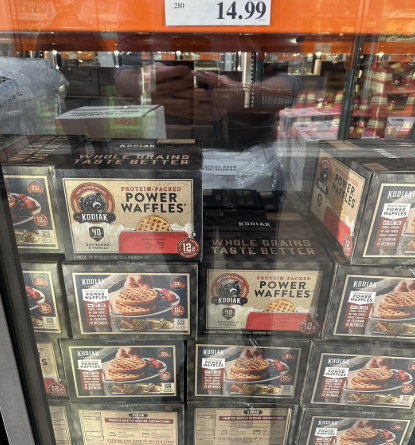
Frozen waffles seem safe because they are cheap and familiar, but a giant box can become breakfast clutter. Grocery boxes may cost around 30 to 50 cents each, especially during promotions. That is not enough savings if the family gets tired of the same waffle every morning. Best quality: about 1 to 2 months for prepared frozen foods, longer if the box stays sealed. Common complaints include bland flavor, broken waffles, cardboard-y texture, and kids suddenly deciding they do not like them anymore.
Do Not Buy In Bulk: Frozen Appetizers
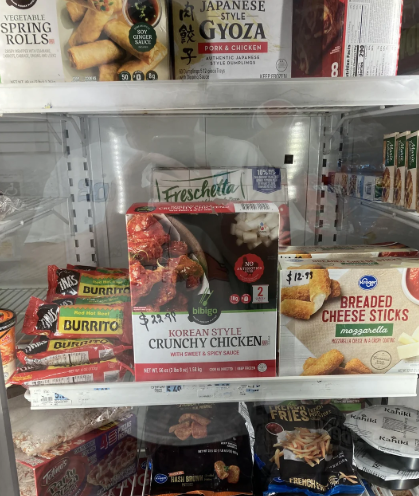
Mozzarella sticks, jalapeno poppers, mini tacos, and other freezer appetizers are classic warehouse-club traps. They feel like party insurance, but many households do not host often enough to finish a huge box. Bulk pricing can be around $4 to $6 per pound compared with roughly $5 to $8 per pound at grocery stores, but the annual savings are often small. Best quality: about 1 to 2 months for prepared frozen foods. After that, breading and cheese fillings can lose their appeal.
Do Not Buy In Bulk: Frozen Microwave Meals
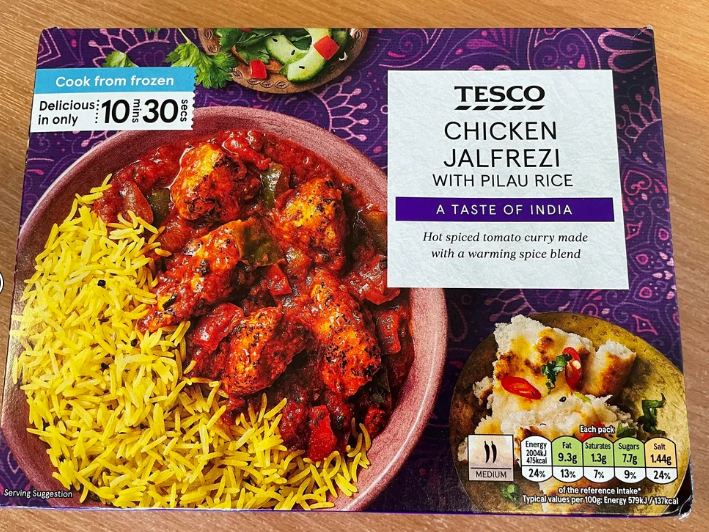
Frozen microwave meals can be useful, but buying a large stack of the same entree is where the value falls apart. Bulk prices may drop to about $2.50 to $4 per meal. That can help someone who eats the same lunch daily, but many shoppers burn out quickly. The FDA says 20% Daily Value or more of sodium is considered high, and many frozen entrees can get there fast. Best quality: about 1 to 2 months for prepared meals.
Do Not Buy In Bulk: Frozen Breaded Fish Fillets
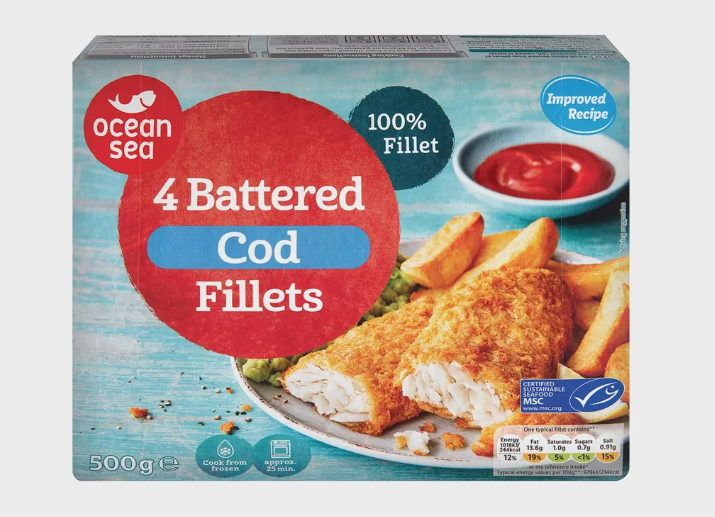
Breaded fish fillets sound like an easy dinner, but they are a risky bulk buy for smaller households. The savings can look decent. Still, breading is fragile in the freezer. If the bag is opened repeatedly or the freezer warms during loading and unloading, the coating can pick up ice and bake up soft instead of crisp. Best quality: about 3 months for breaded seafood. Common complaints: too much breading, small fillets, and mushy texture.
Do Not Buy In Bulk: Ice Cream
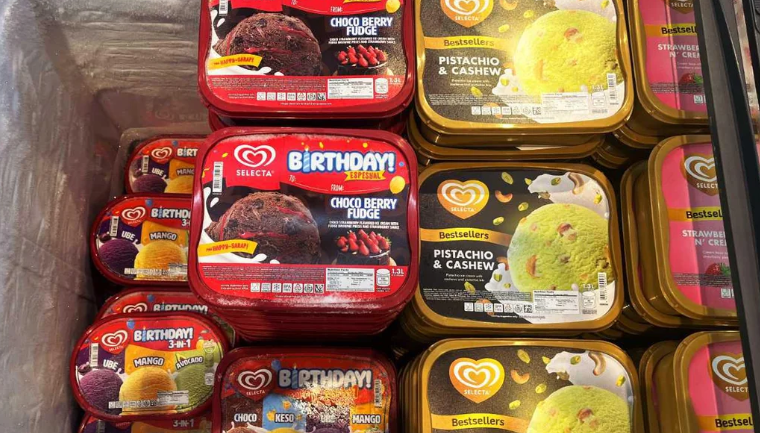
Ice cream is tempting in big tubs or multipacks, but it is not always a bargain once quality is counted. Club-size containers can be cheaper by the ounce. But ice cream is one of the first foods to show freezer abuse: ice crystals, gummy texture, and flavor dullness. A family that eats dessert nightly may save $20 to $80 a year; everyone else may be better off buying smaller containers on sale. Common complaints include freezer burn, overconsumption, and a giant tub nobody wants after the first week.
The freezer can be a quiet money-saver, but it can also become a cold storage unit for things nobody wants. Bulk-buy the foods that are versatile, easy to portion, and already part of your routine. Be more careful with the foods that depend on mood, parties, cravings, or one perfect cooking method. In 2026, the winning freezer strategy is simple: buy less novelty, more staples, and only as much as you can honestly use.