Grocery prices remain one of the biggest pressures on household budgets, but saving money doesn’t have to mean clipping stacks of coupons or giving up the foods your family enjoys. More households are finding that grocery shopping habits, rather than dramatic lifestyle changes, are what make the biggest difference over time.
Across Reddit budgeting communities, personal finance experts, USDA resources, and consumer research, the same practical strategies appear again and again. These habits focus on reducing waste, planning meals more intentionally, and making smarter purchasing decisions without turning grocery shopping into a second job. While no single tip will cut a grocery bill overnight, combining several of these approaches can save families hundreds—or even thousands—of dollars each year.
Planning Meals Around What’s Already at Home

Before writing a grocery list, many families start by checking their pantry, refrigerator, and freezer to see what ingredients they already have. Building meals around those items prevents buying duplicates and helps use food before it expires.
This simple habit also reduces food waste and can stretch grocery trips by an extra day or two. Budgeting experts consistently recommend “shopping your pantry” first because it lowers spending without requiring any major changes to the family’s favorite meals.
Buying Produce That’s Actually in Season
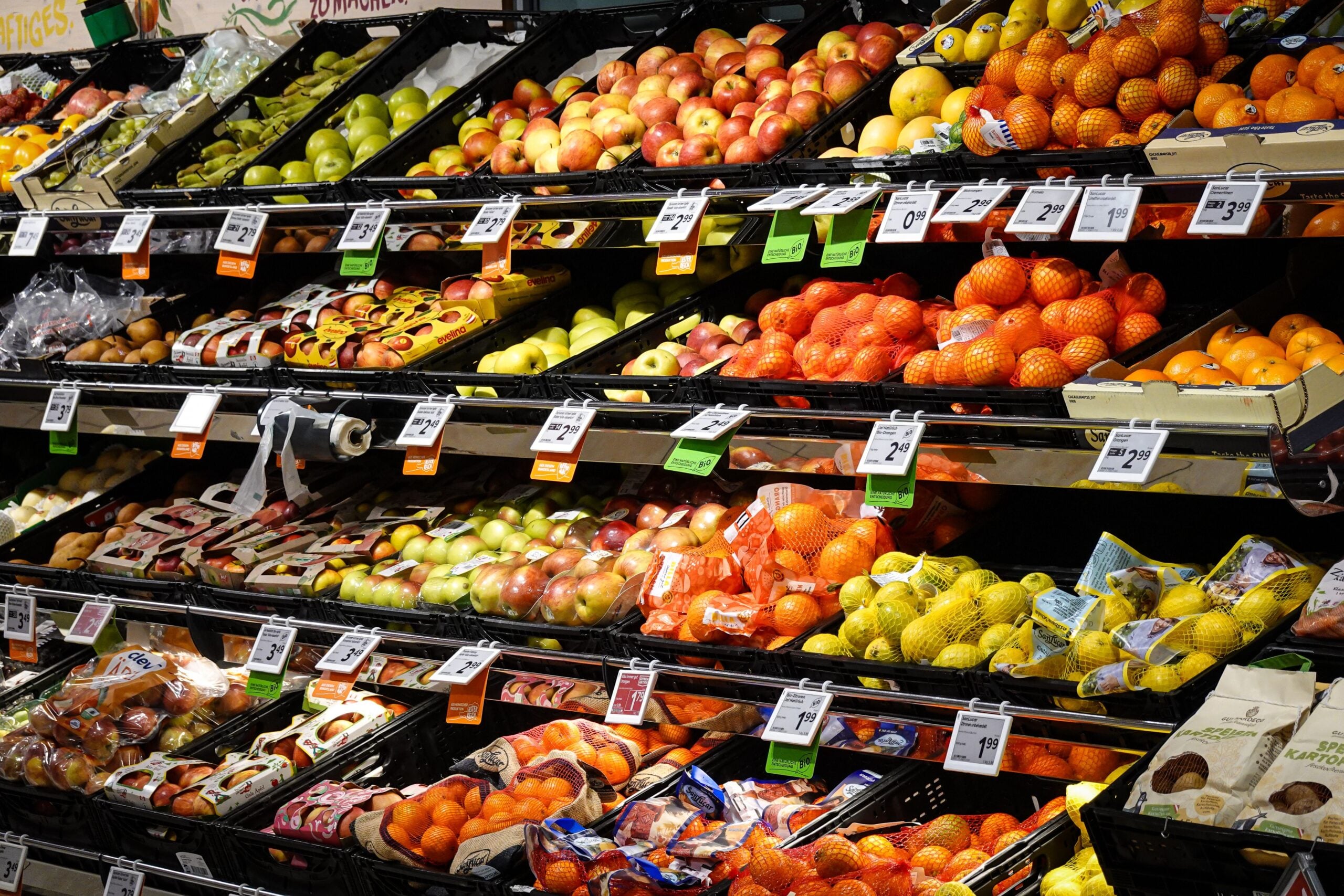
Seasonal fruits and vegetables are typically more affordable because they’re plentiful and require less transportation. Families often adjust their meal plans throughout the year, choosing berries, tomatoes, and corn in summer, apples and squash in fall, and citrus during winter.
Besides saving money, many shoppers say seasonal produce tastes fresher and lasts longer than imported, out-of-season alternatives, making it an easy win for both quality and value.
Checking the Unit Price Instead of the Shelf Price

The largest sale tag isn’t always the best bargain. Experienced shoppers compare the unit price—the cost per ounce, pound, or liter—to determine which package truly offers the lowest cost.
This habit is especially useful when comparing store brands with national brands or different package sizes. Consumer advocates regularly recommend using unit pricing because it cuts through confusing promotions and helps shoppers avoid paying more than necessary.
Making One Grocery List—and Actually Sticking to It
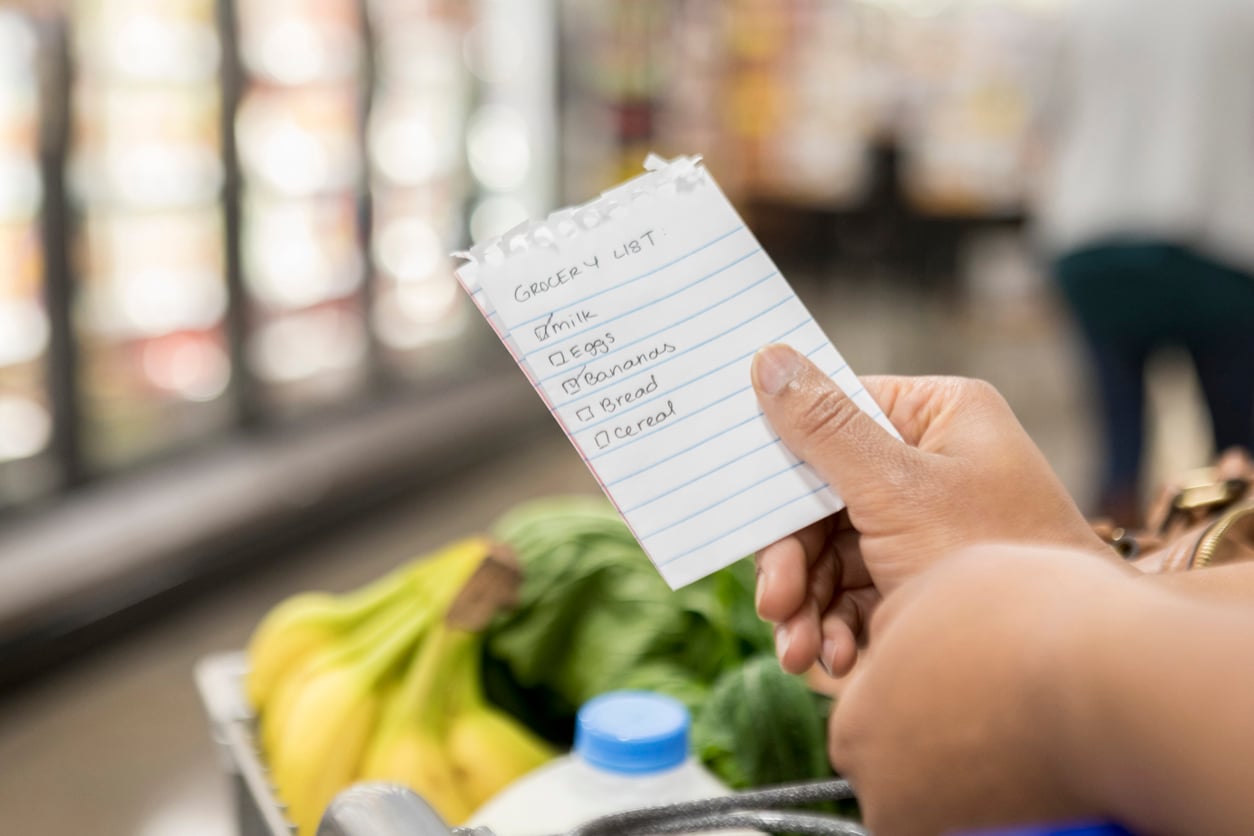
Meal planning only works if shoppers resist adding unnecessary items along the way. Families who create a grocery list before leaving home often say avoiding impulse purchases saves far more money than chasing every sale.
A well-planned list also reduces forgotten ingredients that lead to extra trips later in the week, helping families save both money and time.
Choosing Store Brands for Everyday Staples

Store brands have improved dramatically over the past decade, and many families now buy private-label versions of flour, pasta, canned vegetables, frozen fruit, sugar, butter, and spices without noticing much difference.
Instead of paying premium prices across the board, shoppers often save national brands for only a handful of favorite products where taste or texture genuinely matters.
Trending on Cheapism


Freezing More Food Before It Goes Bad
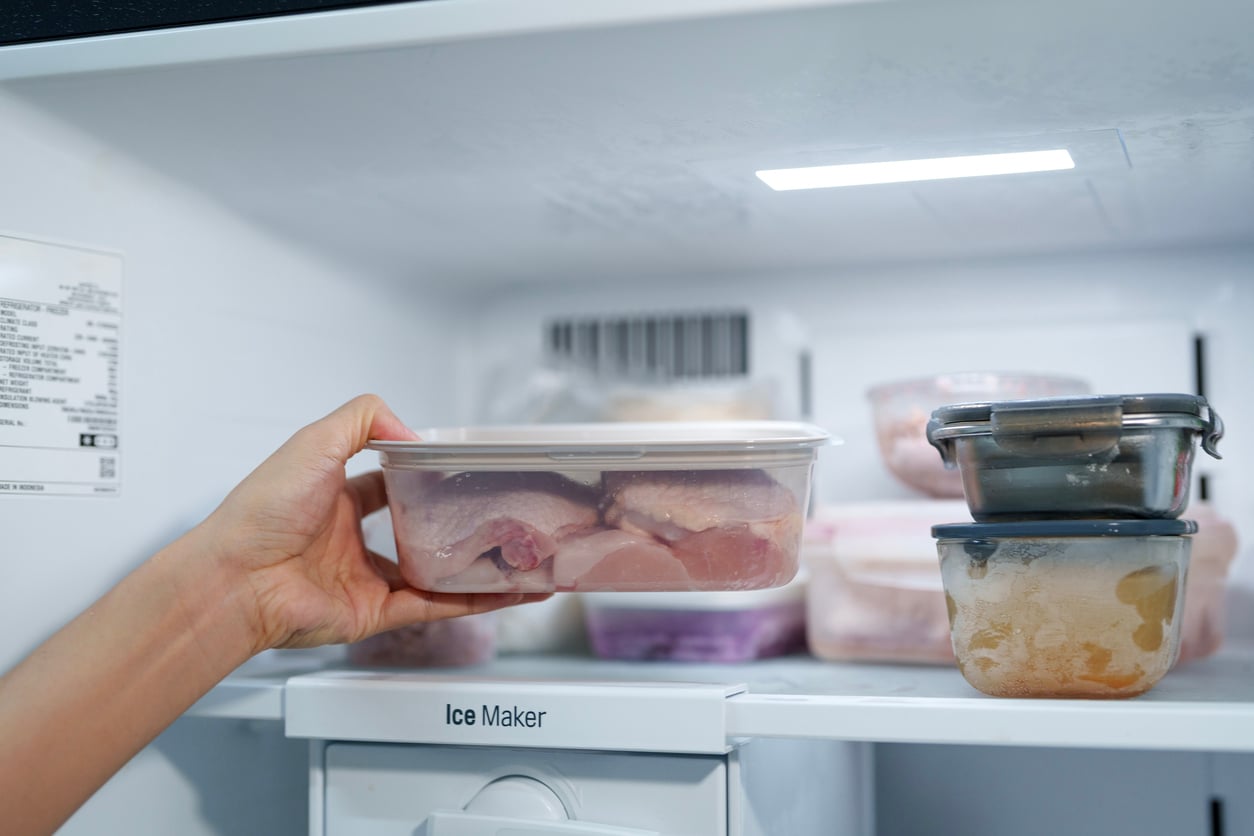
Instead of throwing away bread, shredded cheese, leftover soup, herbs, cooked chicken, or extra vegetables, many families freeze them for future meals.
Using the freezer more intentionally reduces food waste while creating ready-to-use ingredients for busy weeknights. Shoppers frequently report that this habit lowers both grocery bills and last-minute takeout orders.
Shopping Once a Week Instead of Making Multiple Trips

Every extra grocery visit creates opportunities to buy snacks, bakery treats, drinks, or prepared foods that weren’t originally planned.
Families who consolidate their shopping into one organized weekly trip often notice their monthly grocery spending drops naturally. Smaller fill-in visits are typically limited to essentials like milk or fresh produce when absolutely necessary.
Buying Meat Based on Weekly Sales Instead of Fixed Recipes

Rather than deciding every meal before shopping, many families first check which proteins are discounted in the weekly ad.
If chicken is on sale, they build meals around chicken. If pork or ground beef is cheaper, those become the week’s main proteins. Extra portions can be frozen for future weeks, helping households take advantage of lower prices without sacrificing variety.
Sign up for our newsletter
Using Grocery Pickup to Reduce Impulse Buying

Online grocery pickup has become more than a convenience—it’s also a budgeting tool. Without walking past bakery displays, seasonal promotions, or checkout candy, shoppers find it easier to stick to their plans.
Many also appreciate seeing a running cart total while they shop online, making it simpler to adjust purchases before checking out.
Keeping a “Use First” Shelf in the Refrigerator

Some households dedicate one shelf in the refrigerator to foods that should be eaten soon. Yogurt, leftovers, produce, lunch meat, and dairy products nearing their expiration dates all go in one visible place.
This small organizational trick makes it much less likely that food gets forgotten in the back of the refrigerator and eventually thrown away.
Cooking One Meal That Creates Planned Leftovers
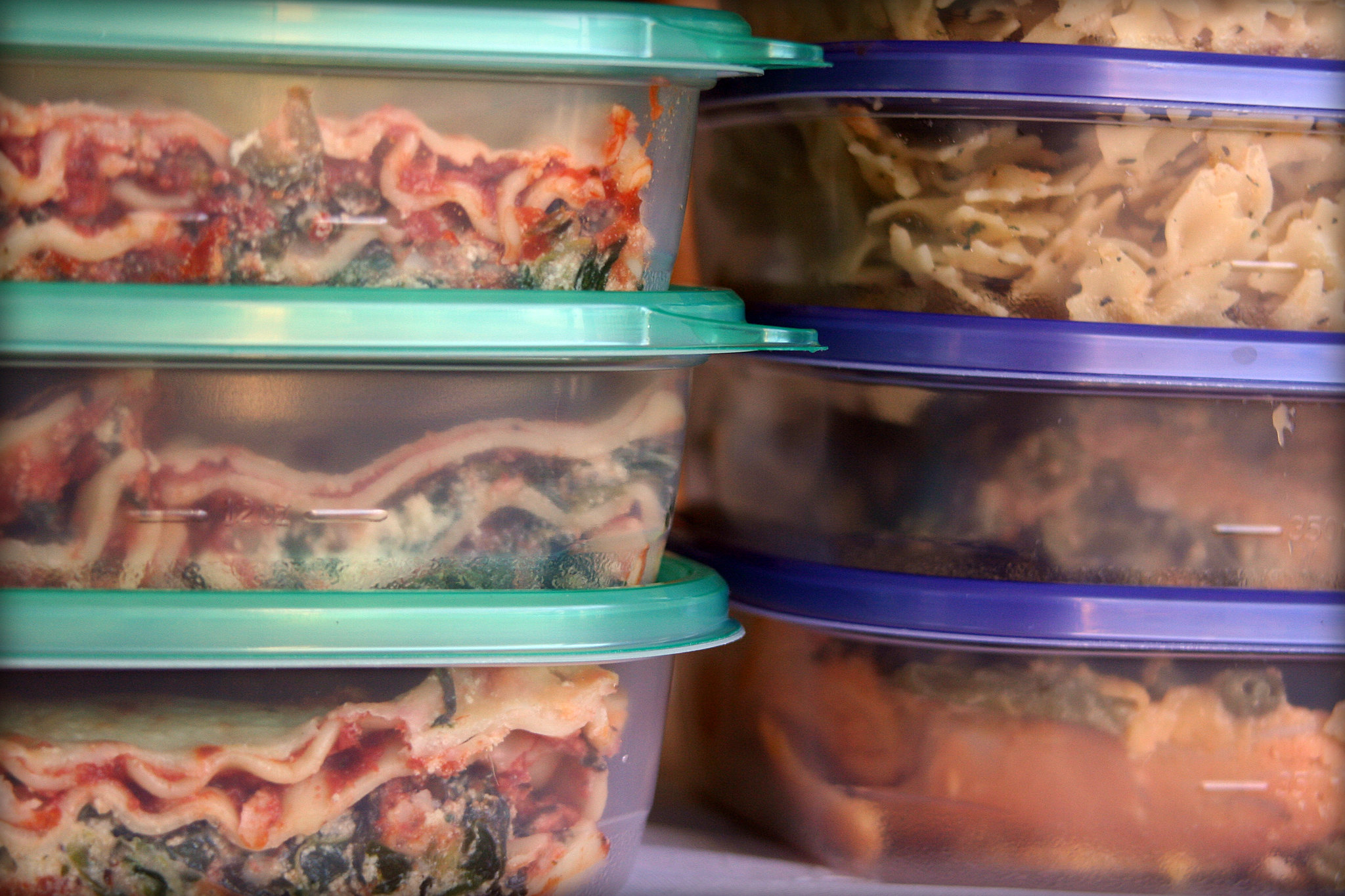
Instead of treating leftovers as an accident, many families intentionally prepare meals that become tomorrow’s lunch or another dinner later in the week.
Large batches of chili, soup, pasta sauce, roasted chicken, or casseroles reduce cooking time while cutting grocery costs and making takeout less tempting on busy evenings.
Comparing Prices Across Two Stores Instead of Chasing Every Sale

Some shoppers used to visit several grocery stores every week looking for the lowest prices, but many now find it’s more efficient to focus on just two.
They might buy pantry staples at a warehouse club or discount grocery store while purchasing produce and dairy somewhere else. This approach balances savings with convenience and avoids spending excessive time and fuel chasing minor discounts.
Buying Generic Pantry Staples in Larger Sizes
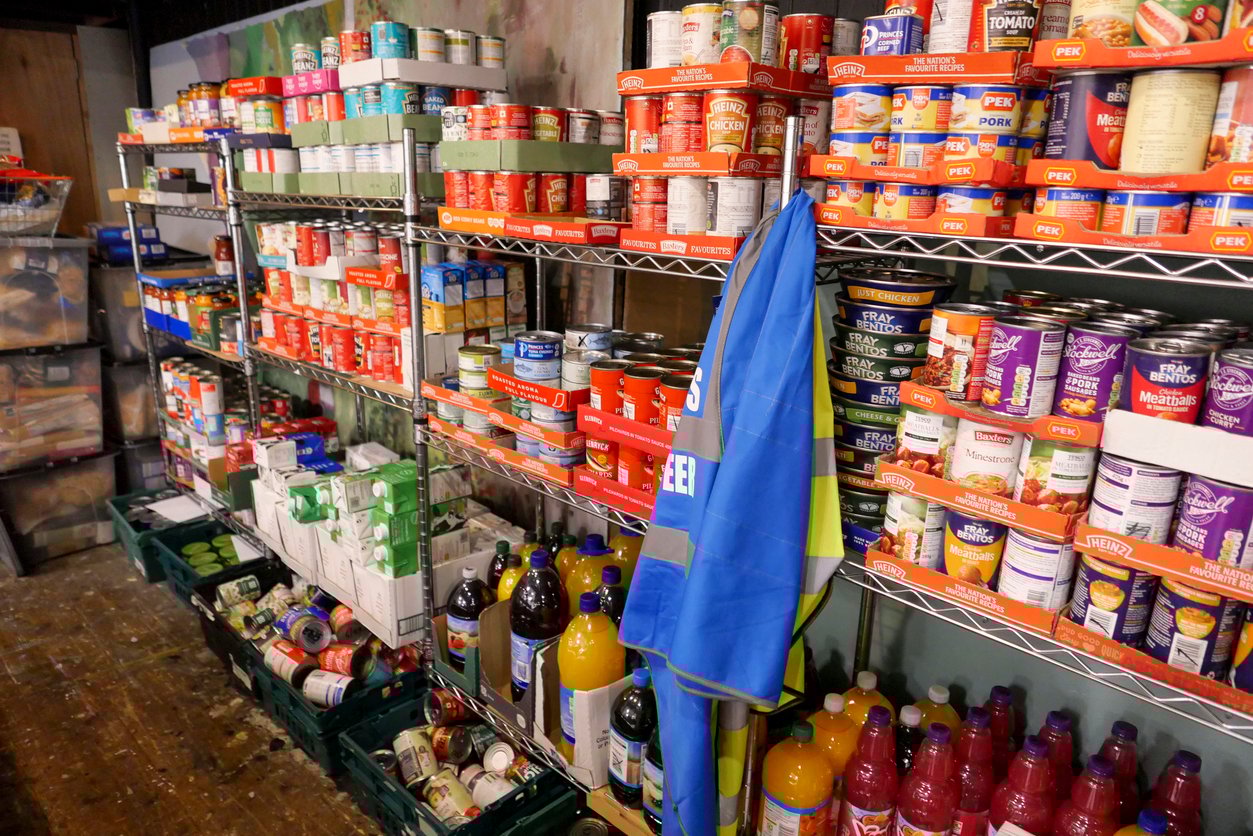
Shelf-stable products like rice, oats, dried beans, flour, pasta, and coffee often cost less per serving when purchased in larger quantities.
Families emphasize stocking up only on products they regularly use. Buying in bulk works best when food will actually be consumed before it loses quality.
Rotating Expensive Meals with Budget-Friendly Favorites

Rather than eliminating premium ingredients completely, many families simply serve them less often.
A week might include one steak dinner alongside several lower-cost meals such as tacos, pasta, soups, stir-fries, or bean-based recipes. This balanced approach keeps grocery budgets manageable without making favorite meals feel off-limits.
Looking at the Weekly Ad Before Deciding What’s for Dinner

Instead of planning the exact same menu every week, experienced shoppers let grocery promotions guide their meal planning.
If salmon, ground turkey, or frozen vegetables are discounted, those items become the foundation for upcoming dinners. Many grocery stores now publish digital weekly ads, making it easy to plan meals before shopping.
Keeping a Small “Emergency Meal” Supply in the Pantry

Busy schedules can easily lead to expensive takeout, which is why many families keep a few inexpensive backup meals on hand.
Shelf-stable pasta, canned soup, boxed rice, frozen pizza, canned beans, or chili ingredients provide quick dinner options when plans fall apart. Having these meals available reduces stress and helps households avoid costly food delivery orders.
Small Grocery Habits Can Lead to Big Savings

Families that consistently spend less on groceries rarely rely on complicated budgeting systems or extreme frugal living. Instead, they build a handful of practical habits that reduce waste, encourage thoughtful planning, and make every grocery trip more efficient. On their own, each strategy may only save a few dollars, but together they create meaningful long-term savings while still allowing families to enjoy the foods they love.
The biggest advantage of these habits is that they’re sustainable. Rather than feeling like constant sacrifices, they become part of a regular shopping routine that requires very little extra effort. Whether it’s checking the pantry before making a list, comparing unit prices, or keeping a few emergency meals on hand, small decisions made consistently can add up to a noticeably lower grocery bill over the course of the year. The goal isn’t perfection—it’s making smarter choices often enough that your budget benefits without making grocery shopping feel stressful or restrictive.