Cars consume fuel because that is how they operate, and it’s related to how fast you drive, how you accelerate, how long you idle, and many other factors. The U.S. Department of Energy and AAA provide details on how to improve fuel efficiency, and we will reveal them below!
Driving Too Fast

When your car reaches 50 miles per hour, fuel economy peaks and then drops rapidly at higher speeds. According to the U.S. Department of Energy, every additional 5 mph above 50 mph acts like an extra cost of US$0.34 per gallon but it varies depending on the car model. A study from the AAA found that reducing speed by 5 to 10 mph can improve fuel economy by 7% to 14%.
Flooring the Gas and Slamming on the Breaks
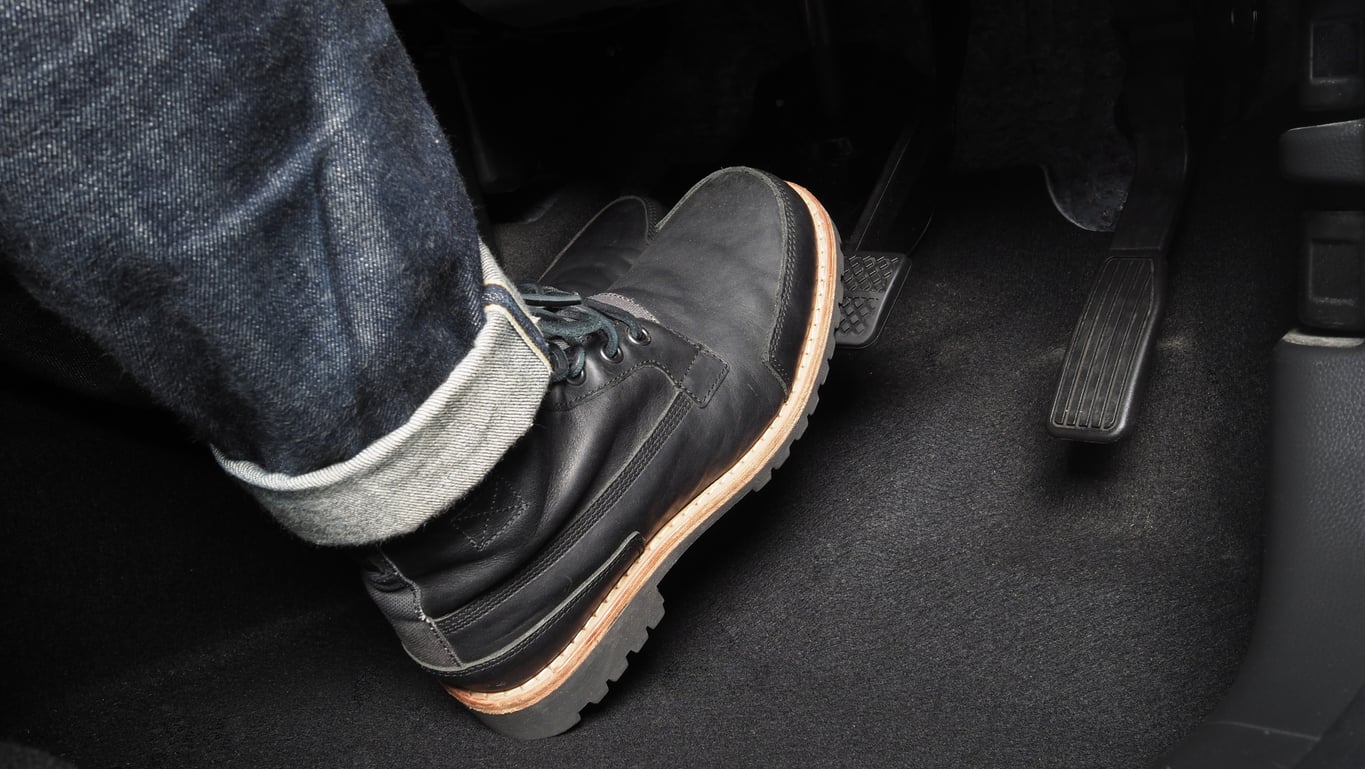
When you accelerate with a sudden movement of your foot, a car consumes more fuel than if you gradually increase your speed. Similarly, braking suddenly requires far more energy than a car uses to accelerate. The Department of Energy (DOE) notes that reducing aggressive driving can save between 15% and 30% on highways.
Letting the Engine Idle

When a car is running but not moving, it consumes fuel, ranging from a quarter to half a gallon per hour, according to the DOE, though the exact amount varies based on the engine and use of accessories. Keeping the engine running while waiting in parking lots or school pickup lines, as well as idling to warm the engine, increases fuel consumption, and consequently, costs.
Carrying a Roof Box, Bikes, or Other Gear on Top
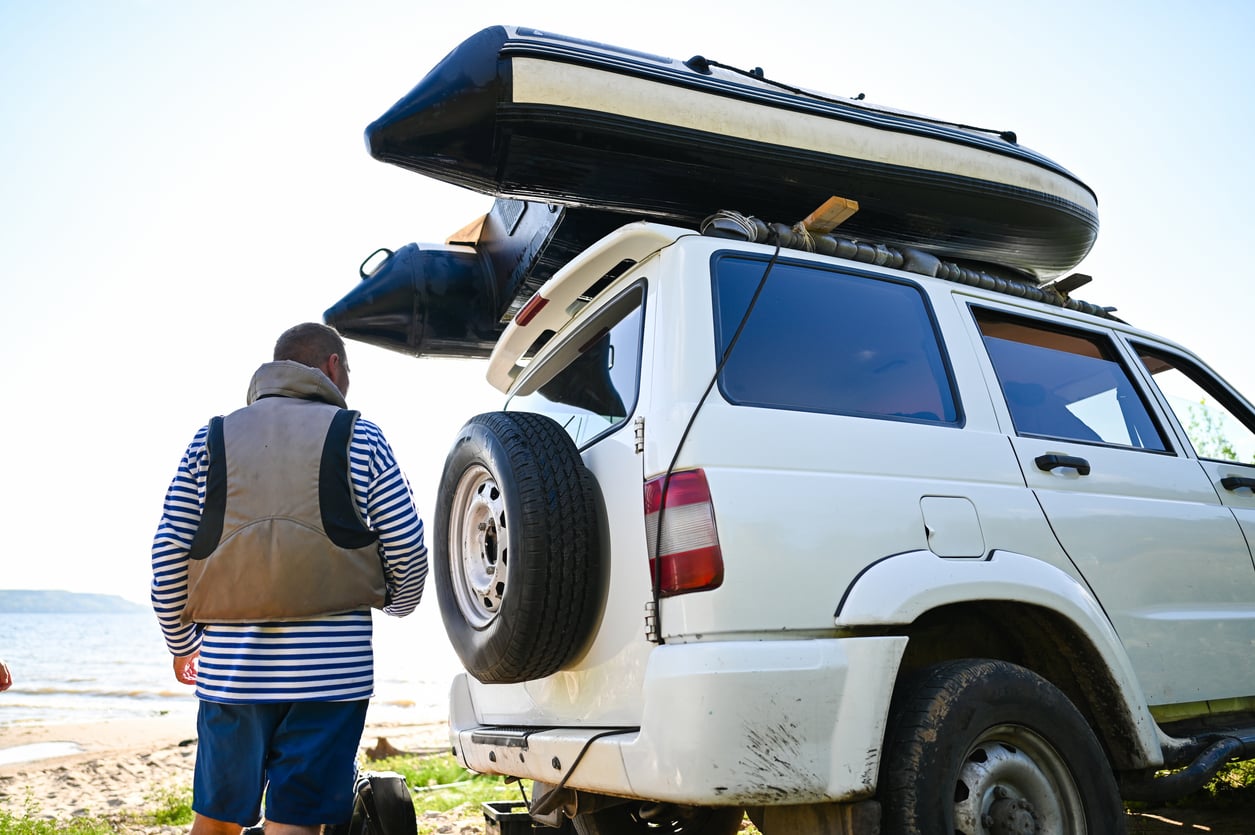
One factor that helps reduce fuel consumption is the car’s factory-designed aerodynamics. Consequently, if those aerodynamic properties are disrupted by a roof box, bicycles, or other equipment carried on the roof, the vehicle will require more fuel to move. The DOE notes that rooftop cargo and racks can reduce fuel efficiency by up to 25% at highway speeds under certain conditions.
Driving With Underinflated Tires
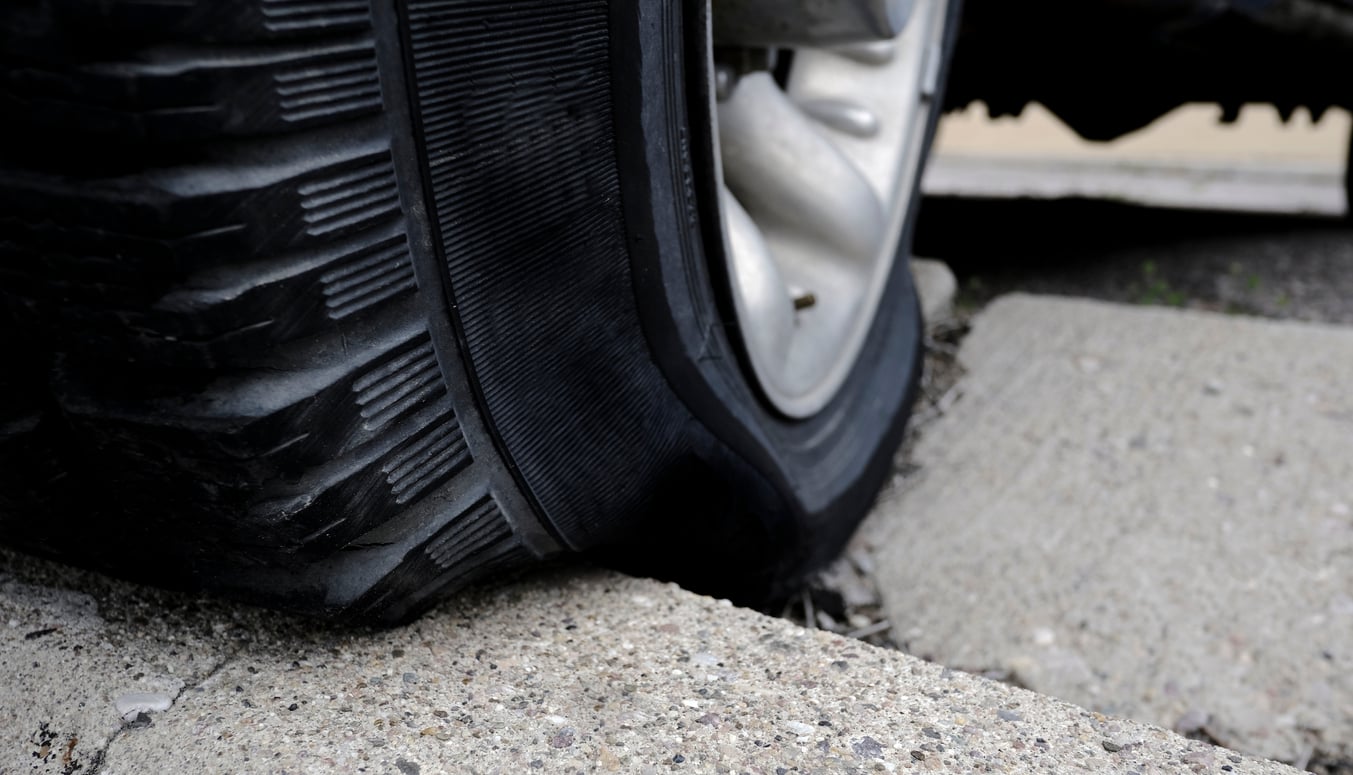
When a car has underinflated tires, the vehicle faces greater resistance against the road surface. Consequently, underinflated tires can reduce fuel efficiency, making regular pressure checks important, especially in challenging weathers. The AAA recommends maintaining the pressure specified by the vehicle manufacturer in the owner’s manual.
Trending on Cheapism

Hauling Around Stuff You Never Use
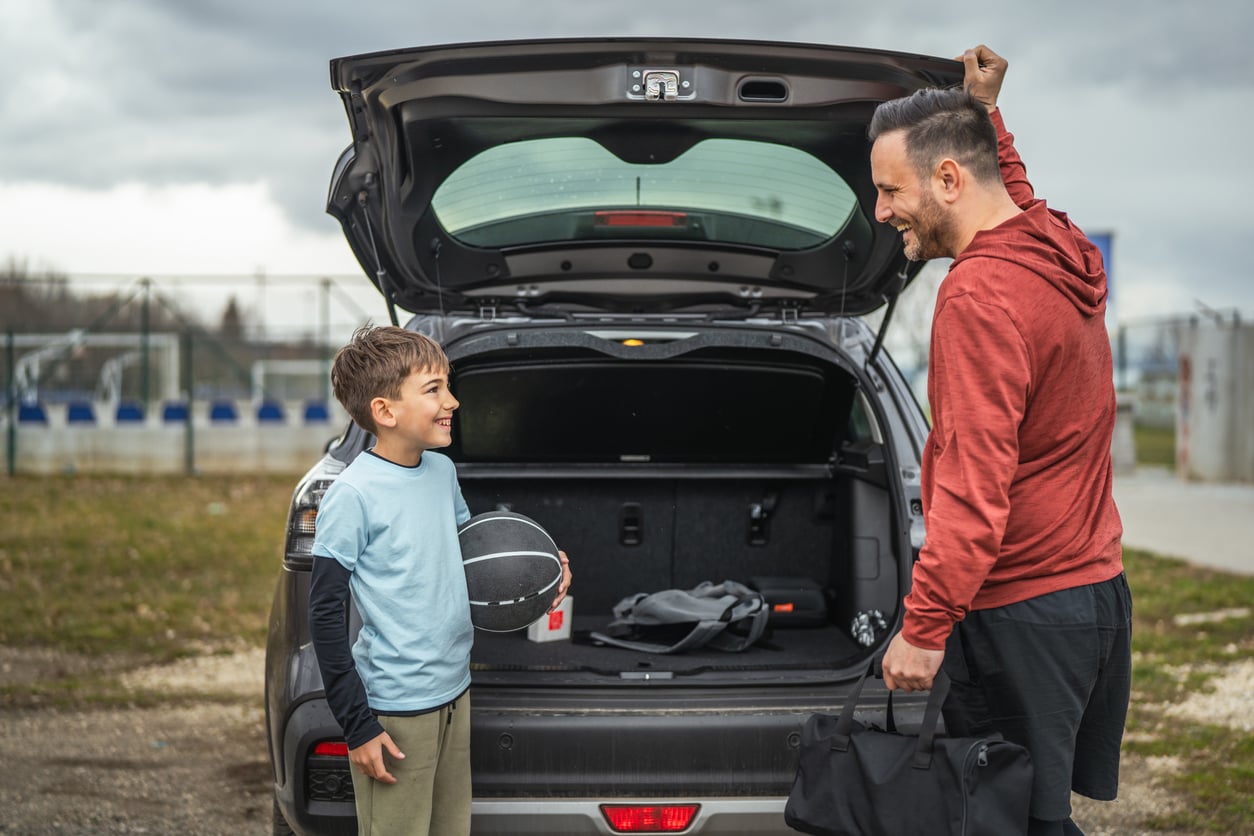
The more weight your car carries, the more energy it requires when accelerating or driving uphill. Ideally, you should remove any non-essential items from your car, such as sports equipment, boxes, tools, or other heavy objects. The AAA estimates that removing 100 pounds of unnecessary weight can improve fuel economy by 1% in certain vehicles.
Sitting in Stop-and-Go Traffic Every Day

City congestion is a major factor in fuel consumption. The combination of idling, repeated acceleration, braking, and low-speed driving consumes a significant amount of fuel, so using your GPS to avoid traffic congestion can improve fuel efficiency. The AAA recommends avoiding peak traffic periods whenever possible to improve fuel economy.
Making Lots of Tiny Trips with a Cold Engine

For a car engine to become efficient, it must reach normal operating temperature. In the meantime, it consumes more fuel. That is why making several short, separate trips consumes more fuel than combining those errands into a single outing. The AAA specifically recommends combining trips and avoiding unnecessary idling.
Sign up for our newsletter
Running the Air Conditioner Hard with the Cabin Baking Hot
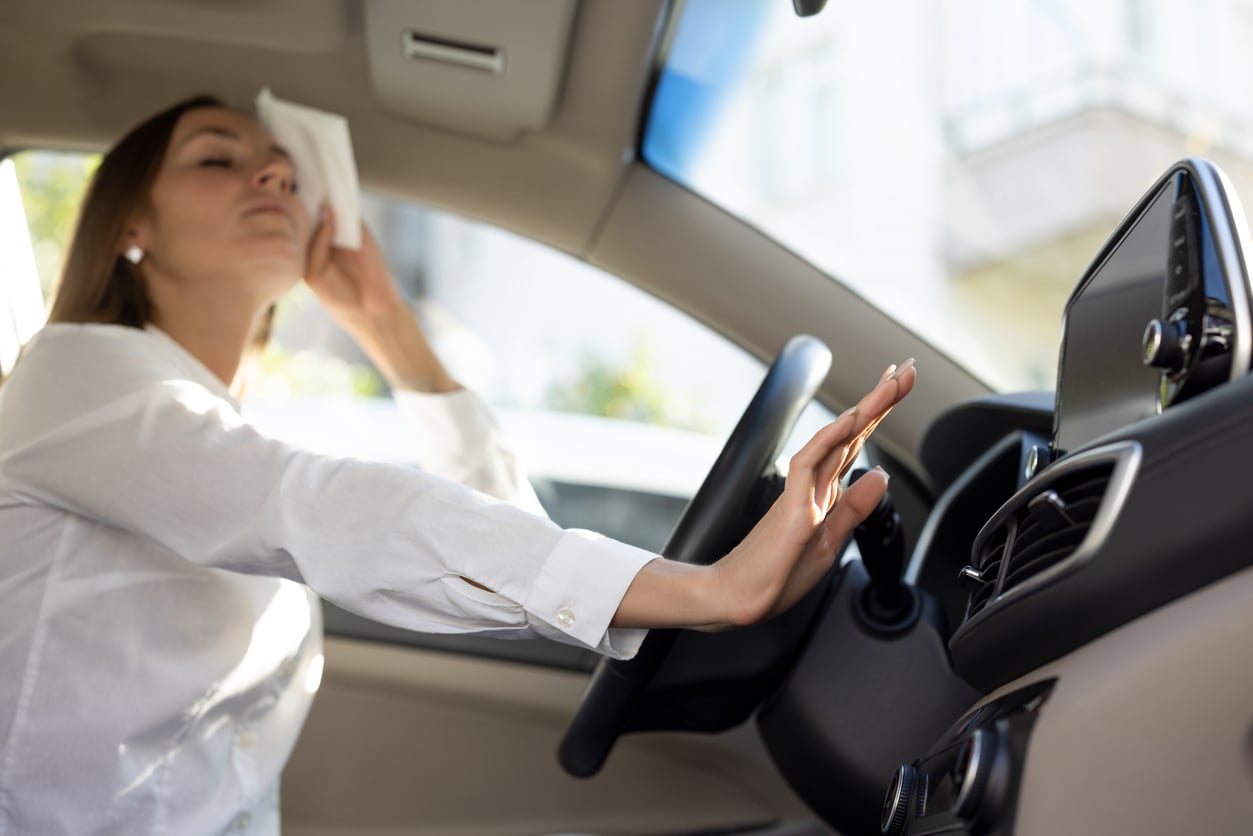
Running a car’s air conditioning reduces fuel economy during periods of extreme heat. The DOE recommends venting the car if it’s very hot before turning on the A/C. However, at highway speeds, using the A/C is generally preferable to opening the windows, because open windows increase aerodynamic drag and can reduce fuel efficiency. That’s why the DOE specifically recommends using A/C at highway speeds.
Ignoring a Check Engine Light or Poor Maintenance
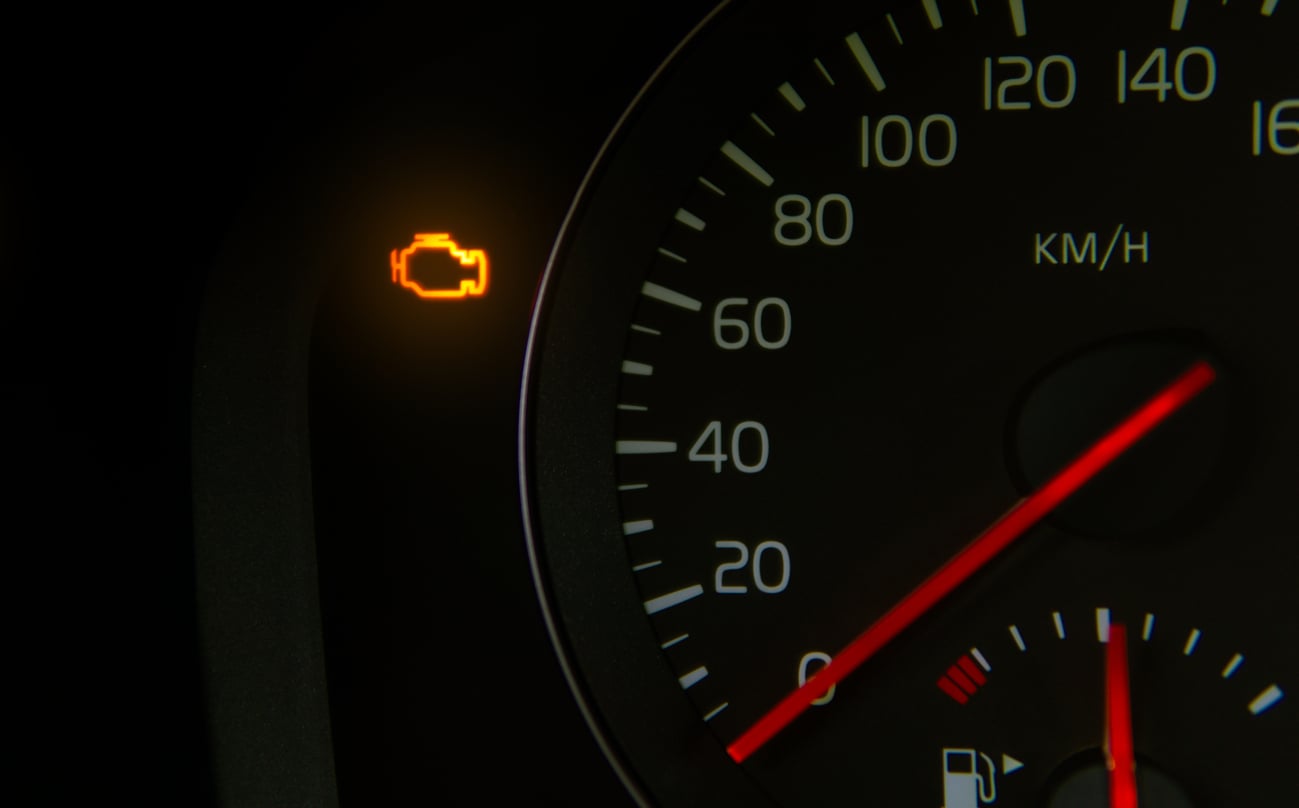
The AAA recommends addressing engine problems or a “check engine” light as soon as possible. Solving those mechanical issues can prevent a drop in performance and efficiency. Using the wrong oil, driving with worn components, or dealing with alignment and other maintenance issues can all negatively impact fuel efficiency.
Towing More Than You Need To
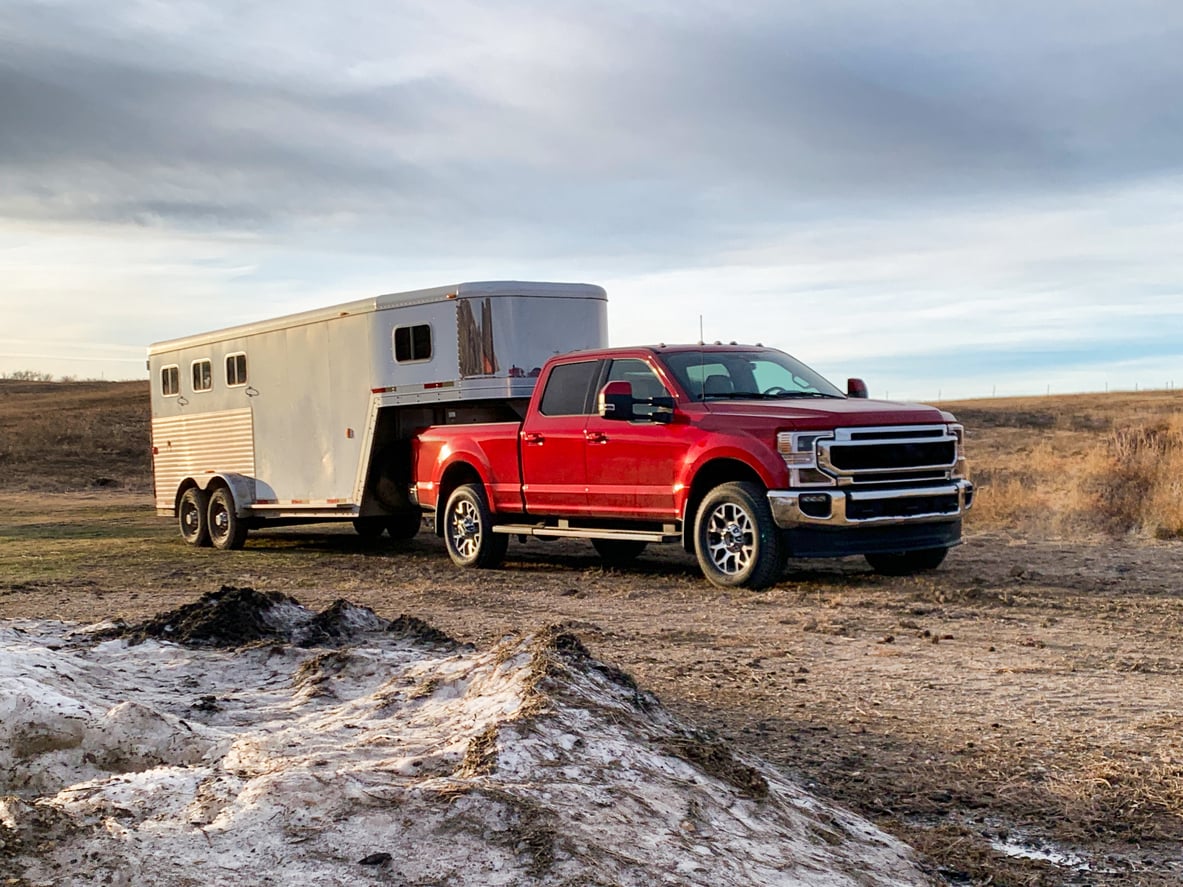
Some people tow a trailer behind their car, which adds substantial weight and aerodynamic drag while driving. If even a few suitcases in the trunk can affect fuel efficiency, towing a trailer can impose an even grater penalty on a car’s mileage. Therefore, you should only tow when necessary, and when you do, remove as much equipment as possible to protect fuel efficiency.
Taking the Long Way Everywhere
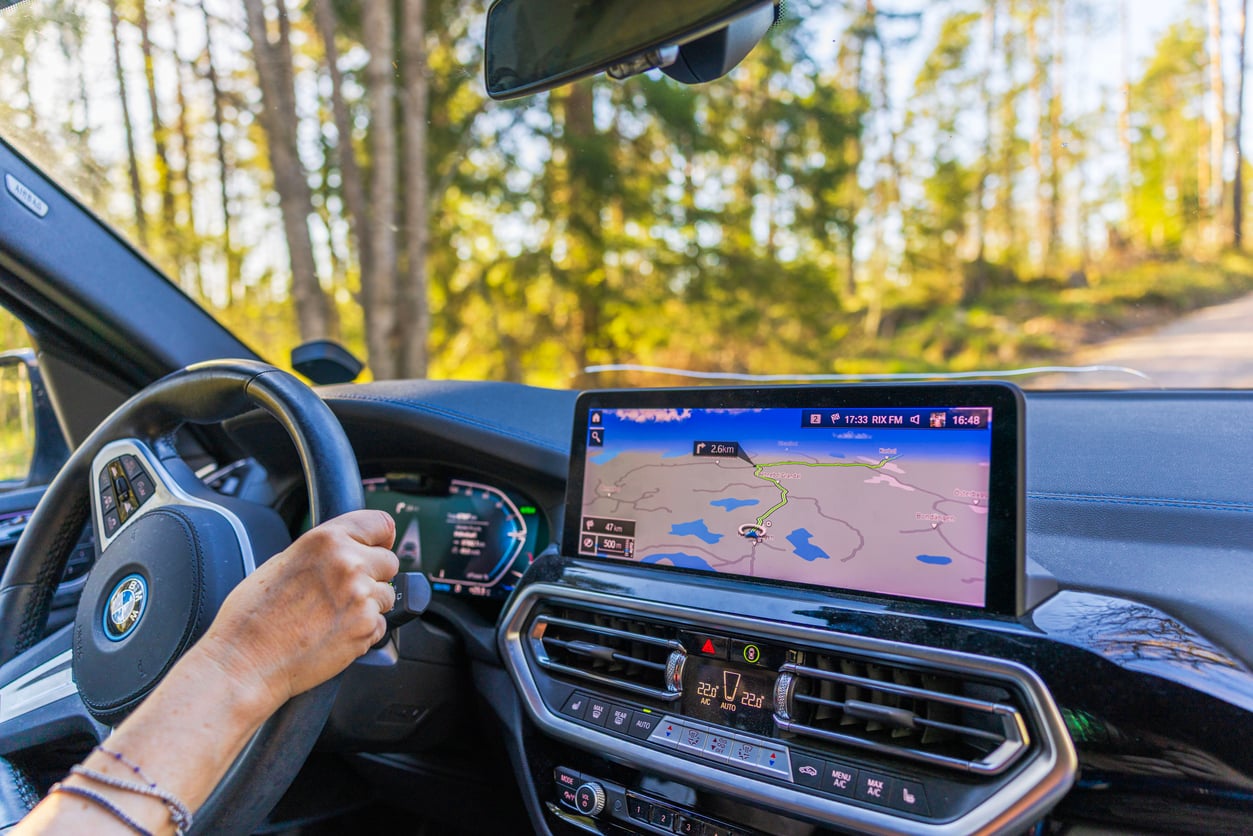
If you drive further than necessary, even fuel-efficient cars will consume more fuel. Taking a wrong turn, making an extra trip to the supermarket, or driving around aimlessly looking for a parking spot all result in unnecessary fuel consumption. The AAA recommends combining as many errands as possible into a single trip and paying attention to your route to improve fuel efficiency.
Conclusion

Some of the causes of excessive fuel consumption are no mystery: factors like speeding, aggressive acceleration, idling, and rooftop cargo can all reduce fuel efficiency. Your driving habits can significantly impact fuel consumption. Everything from underinflated tires to the specific type of fuel recommended by the manufacturer plays a role. Follow these tips to prevent your car from wasting fuel.