
People taking GLP-1 medications aren’t just changing their health — they’re changing how they spend money, according to two recent studies tracking spending habits of people on weight loss drugs.
It makes sense: Medications like Zepbound and Wegovy change your appetite by reducing food noise and cravings. Once you no longer crave certain foods, you’re going to stop buying them.
That’s led to an overall reduction in spending on both fast-food meals and groceries by people on weight loss drugs, according to two different studies. So while you may be paying quite a lot of money on the medication out of pocket each month, at least you’re making up some of those savings at the drive-thru and grocery checkout.
Spending 8% Less on Fast Food
Two studies published in the last month resulted in similar findings: People taking GLP-1 drugs spent less money on fast food and groceries compared to when they were not taking the medication.
According to a Bain & Company survey, U.S. consumers spent 5% less on fast food in the first six months after starting a GLP-1 medication. That’s close to the same amount as another study published in December in the Journal of Marketing Research. In that one, spending at fast-food chains, coffee shops, and other limited service restaurants fell by 8% when people went on a GLP-1 medication.
Both studies also looked at spending on groceries in the first six months of medication use. One study found that spending on groceries dropped by 4%, while the other showed a drop of 5.3%. Interestingly, the more in-depth study found that among high-income households, the drop in grocery spending increased to 8%.
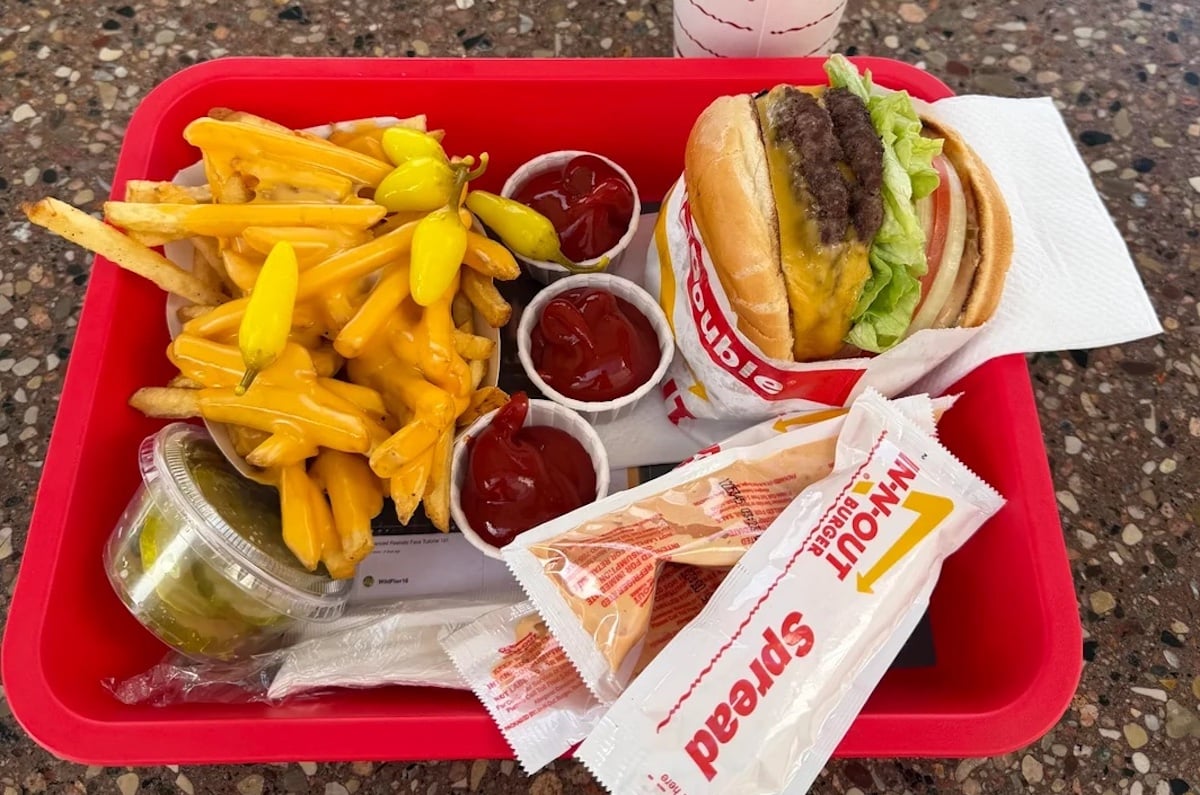
Ultra-processed, calorie-dense foods, like the ones that are often associated with cravings, saw the sharpest declines, according to Cornell Chronicle. Spending on savory snacks like potato chips decreased about 10%, around the same as the decline in spending on sweets and cookies.
When people participating in the study went off GLP-1 medications, their food spending went back to pre-meds levels. In fact, they bought more chocolate and candy than before, one study found.
How Food Companies Are Changing Products
Naturally, as more people start taking GLP-1 medications, fast food and snack aisle sales will continue to drop. That’s not going to make shareholders happy, so companies are already devising ways to adjust to the new market reality.
Fast-food outlets are releasing more high-protein and low-carb options that better fit into the diet of someone on a GLP-1. Chipotle just debuted a new protein-centric menu that includes a cup of meat — yes, it’s just a side cup of chicken, or steak, or whatever you want — as an option. Blaze Pizza also just released a “Protein-zza” pizza on a cauliflower crust that’s being marketed as a “GLP-1 friendly” item.
Things are a little slower to change in the grocery store, but industry experts say that package sizes and marketing will probably change to adjust to these new appetites. While we’re all for being healthier, frankly that sounds like a way to keep shrinkflation going under the guise of health. Ultimately, you know the giant megacorps will get more money out of us for less product one way or another.
More From Cheapism
- Vegetarian? Gluten-Free? Here’s How Much Your Diet Affects Your Grocery Prices — To shop on a certain type of diet can be a good or bad thing for your wallet, depending on what it is.
- The Biggest Diet and Exercise Fads of the Past Century — From gadgets and videos to shakes and meal plans, here are some of the most memorable fitness crazes and fad diets that have tempted consumers over the years.
- Popular Smoothie Chain Debuts Ozempic-Friendly Menu Nationwide — Smoothie King, a nationwide fast-food chain, has decided to capitalize on the growing market of Ozempic users with a brand new menu designed with people taking GLP-1 medications in mind.