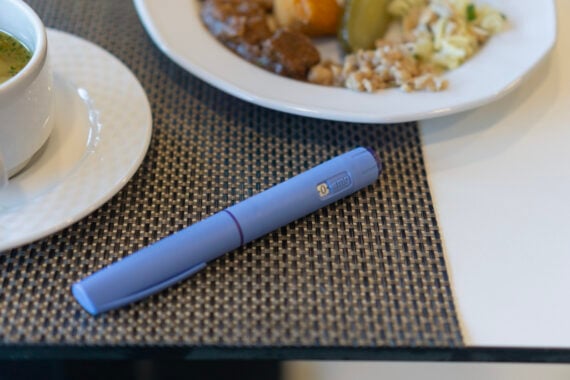
For decades, chain restaurants trained Americans to equate value with volume: bigger plates, bottomless refills, endless fries (we’re looking at you, Red Robin), and portions designed to make you miserably full. Now, thanks in part to GLP-1 weight-loss drugs, that era is quietly winding down, and restaurants are adjusting in ways that look suspiciously like restraint.
As medications like Wegovy and Zepbound normalize smaller appetites and protein-heavy eating, major chains are rolling out scaled-down portions at lower price points, often without explicitly saying why. Whether diners are on GLP-1s or not, the message is clear: Not everyone wants to eat their entire allotment of daily calories in one meal out anymore.
Smaller Appetites, Smaller Tabs
GLP-1 drugs suppress appetite and slow digestion, meaning people eat less — and when they do eat, they typically prioritize protein. That shift is forcing restaurants built on abundance to rethink what “enough food” actually looks like while offering cheaper restaurant meals.
Olive Garden now offers a “lighter portion” menu, featuring smaller servings of normal menu items at lower prices. Chipotle has formalized what customers were already doing by launching protein-only cups — basically, meat as a snack, priced closer to a latte than a burrito. Shake Shack’s Good Fit Menu swaps buns for lettuce wraps, while Subway recently added Protein Pockets — snack-sized wraps packing more than 20 grams of protein.
Smoothie King saw this coming earlier than most. Back in 2024, it launched a GLP-1–specific menu designed around high protein, high fiber, and zero added sugar. At the time, it felt niche. Now it’s becoming the blueprint.
Restaurants Won’t Say It, But the Math Tells All
Most chains stop short of blaming GLP-1s outright, but industry experts say the connection is impossible to miss.
About 12% of Americans now report taking a GLP-1 medication, according to a recent KFF poll — double the share from just months earlier. As access has expanded and weight-loss transformations become more viral, restaurants noticed something important: Diners were ordering less, skipping sides, and hacking menus for protein.
Instead of fighting that behavior, chains are monetizing it. Smaller portions mean lower food costs, less waste, and menu items that feel “health-conscious” without requiring a full rebrand. A chicken parm with fewer calories and less pasta still feels indulgent — just cheaper and more manageable.
Have you seen smaller, cheaper restaurant meals lately? Let us know in the comments.
More From Cheapism
- GLP-1 Users Spend Less Money on Fast Food and Groceries, According to Studies — People taking GLP-1 medications aren’t just changing their health — they’re changing how they spend money.
- Popular Smoothie Chain Debuts Ozempic-Friendly Menu Nationwide — The smoothies on the menu cater to specific diet requirements and are meant to help people on their weight-loss journey.
- Watch Out, Aldi: Another Budget Grocery Store Joins the Dye-Free Club — Now there’s another grocery store making its foray into dye-free territory that, like Aldi, is known for its affordable prices — Save A Lot.