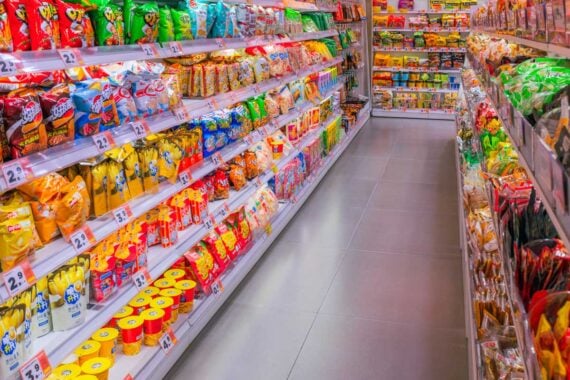
Grocery shopping already feels expensive, but what many shoppers don’t realize is that some of the price increases are hidden in the packaging itself. Brands often tweak container sizes, shapes, and labeling in ways that make products look like a better deal than they actually are.
While none of these tactics are technically illegal, they can easily fool busy shoppers into spending more for less. Learning to recognize these common grocery store packaging tricks can help you get better value for your money.
Here are seven packaging tactics to watch out for the next time you’re at the store.
Shrinkflation
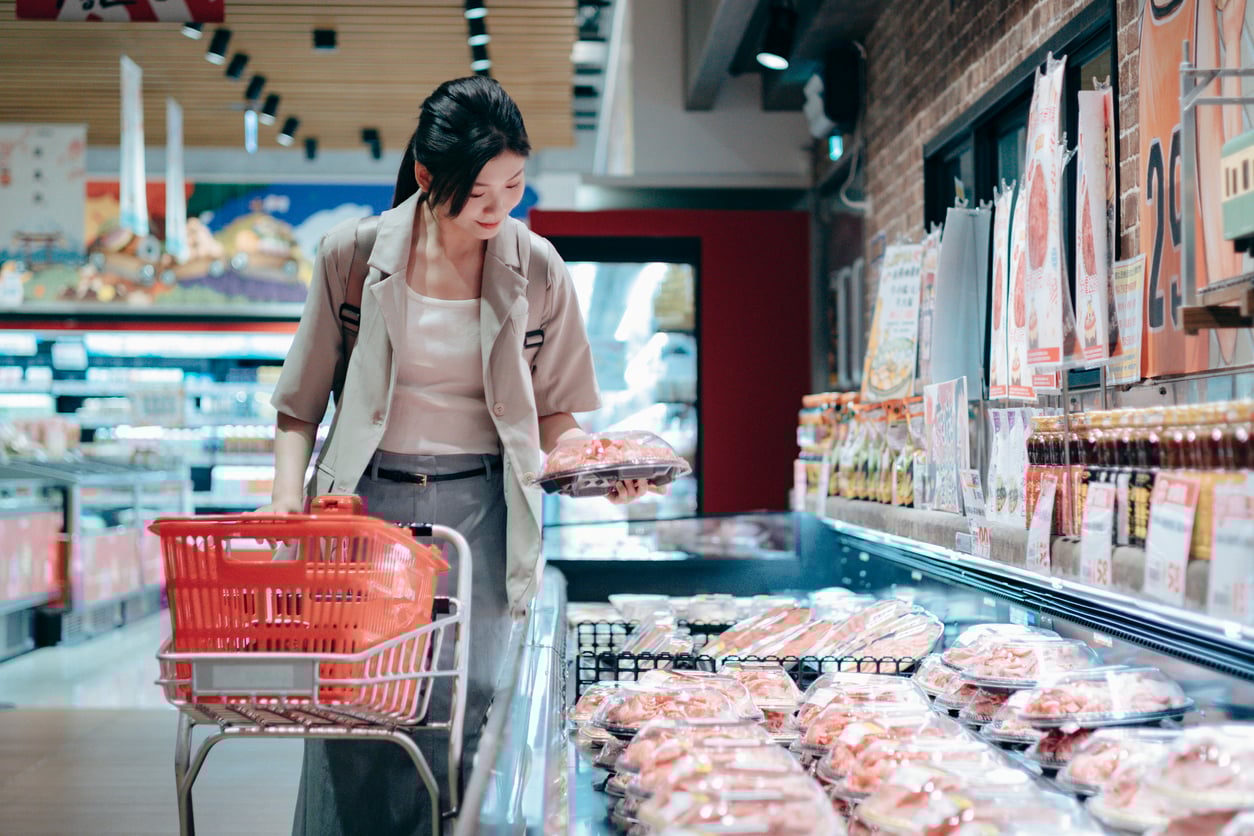
Shrinkflation happens when a brand reduces the amount of product in a package but keeps the price the same — or sometimes even raises it.
Instead of charging more for the same size item, companies quietly make the package smaller. A bag of chips that used to contain 10 ounces might now contain 8.5 ounces, for example.
Because the packaging often looks almost identical, many shoppers never notice the change. The best way to catch shrinkflation is to compare the net weight on the label rather than relying on the size of the bag or box.
Oversized Boxes With Empty Space
Some products come in packages that are much larger than the amount of food inside them. Cereals, crackers, and snack foods are especially known for this trick.
Part of the empty space can be necessary to protect fragile items during shipping, but in many cases the packaging is intentionally oversized. Larger boxes make products appear like a better value on store shelves, even though much of the space inside is just air.
Always check the weight listed on the box, not the size of the container.
‘Family Size’ That Isn’t Actually Cheaper
It’s easy to assume that buying a larger package saves money, but that’s not always the case.
Sometimes “family size,” “value size,” or “mega pack” versions cost more per ounce than the regular version. The bigger packaging simply makes it seem like a better deal.
To avoid this trap, look at the unit price label on the shelf, which shows the cost per ounce or per pound. This number makes it easier to see which option is truly cheaper.
Misleading Serving Sizes
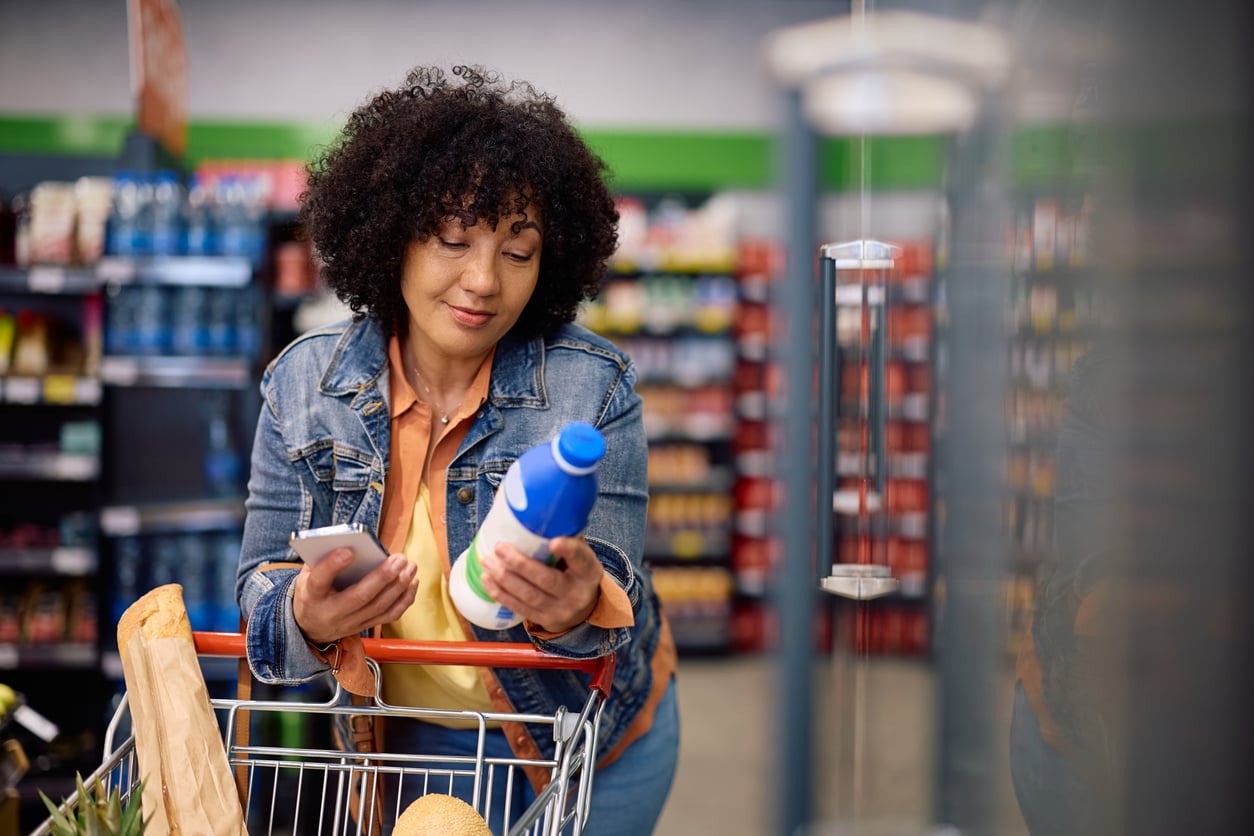
Nutrition labels can also contribute to confusion. Some packages list unrealistically small serving sizes, making calories, sugar, or sodium numbers appear lower. For example, a snack bag might technically contain two servings even though most people eat the entire package at once.
This isn’t strictly a packaging trick, but it can influence how shoppers perceive the product. Always check how many servings are in the container to get a clearer picture of what you’re actually eating.
False Bottoms and Indented Containers
Some food containers are designed with raised or indented bottoms that reduce the amount of product inside.
This trick is common with products like yogurt, dips, spreads, and even ice cream containers. From the outside, the package appears deep and full, but part of the container is actually hollow.
If you compare containers side by side, you might notice the bottom curves inward or the sides taper sharply toward the base.
Trending on Cheapism

Thick Packaging That Hides Less Product
Another subtle tactic is using thicker containers or bulky packaging that makes the product appear larger.
For example, a jar might have thick glass, a wide lid, or extra plastic around the edges. This creates the illusion of more product even when the contents haven’t increased.
The difference may only be an ounce or two, but it adds up over time.
Bags Filled Mostly With Air
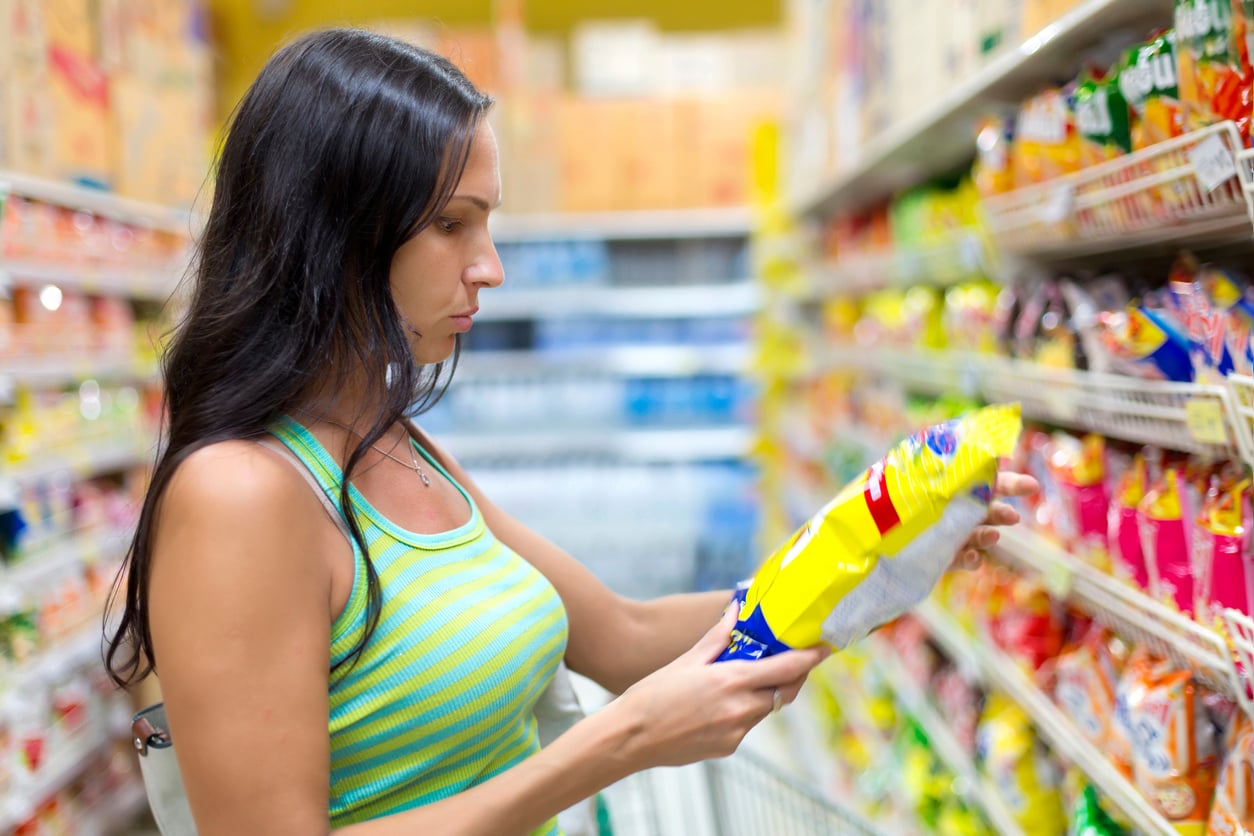
Snack foods like chips often seem like they’re only half full when opened. While some air (technically nitrogen) is added to keep chips from breaking during transport, the size of the bag can exaggerate how much product you’re getting. The large package creates the impression that you’re buying more than you actually are.
Again, the net weight on the package is the most reliable way to judge value.
More From Cheapism
- The Best Trader Joe’s Items That Make Shopping for One a Little Easier — Living alone gets a lot less annoying when Trader Joe’s has affordable single-serve wraps, rice bowls, frozen pastas, salads, and other low-effort staples that help you eat well without wasting food.
- These 10 Cities Have the Highest Grocery Prices in 2026 — Grocery bills are hitting especially hard in certain U.S. cities, where households are paying far above the national average just to keep their kitchens stocked.
- 14 New Aldi Products That Just Hit Shelves — Aldi’s latest weekly drop includes fresh spring Finds, snacks, frozen foods, and budget-friendly home picks that could make your next shopping trip a lot more interesting.