If your weekly grocery-get doesn’t require breathing exercises when you get to checkout, congratulations. It must be nice to be you. The rest of us are downright stressed out about the constantly rising costs. Between the “cattle herd shortage” sending beef prices into the stratosphere and coffee climbing a staggering 55%, the checkout line is a heart-palpitating place to be these days.
But there is a silver lining hiding in the aisles. According to a new analysis of Bureau of Labor Statistics data by CouponFollow, 11 out of 25 common staples have actually dropped in price over the last two years. While the “shocks” of bird flu and climate change are still hammering the meat and produce sections, a few key items are finally giving our wallets a breather.
Here are the main items getting cheaper, including how much prices have fallen since 2024:
Eggs
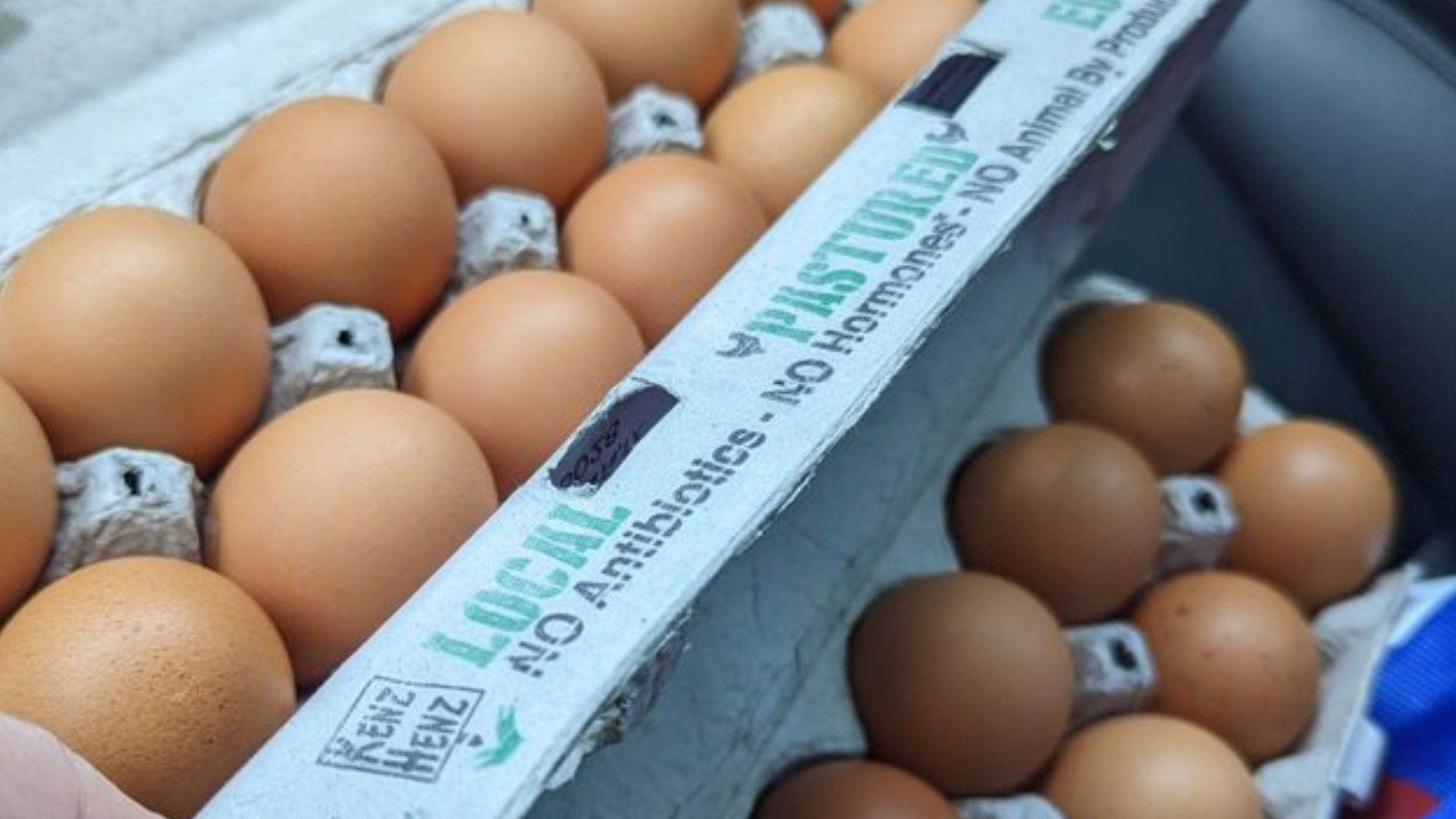
The Price: Dropped from $3 in 2024 to $2.50 a dozen today.
Why It’s Cheaper: The avian flu crisis has stabilized since its 2025 peak, meaning the “liquid gold” era of eggs is over for now.
How To Get the Most Out of Them: Don’t just scramble them. Use eggs as a binder to make “meat-stretched” burgers (mixing ground beef with breadcrumbs and egg) or go full meatless with a Frittata. It’s the ultimate “fridge clean-out” meal — throw in those wilting veggies and half-empty bags of cheese.
Shelf Life: Eggs stay good for 3–5 weeks in the fridge. To check if they’re still edible, do the “float test”: Put them in a bowl of water. If they sink, they’re fresh; if they float, toss ’em.
Potatoes
The Price: Down to $0.87 per pound.
Why It’s Cheaper: Strong domestic harvests have kept the humble white potato remarkably stable.
How To Get the Most Out of Them: We love a good baked potato bar. Potatoes are the ultimate vessel for chili, taco meat, buffalo chicken, broccoli and cheese … the options are endless.
Shelf Life: Keep them in a cool, dark, dry place (not the fridge!). If they start to sprout, they’re still okay — just knock the “eyes” off. If they turn green or soft, they’re done for. Properly stored, they last 2–3 months.
Field-Grown Tomatoes
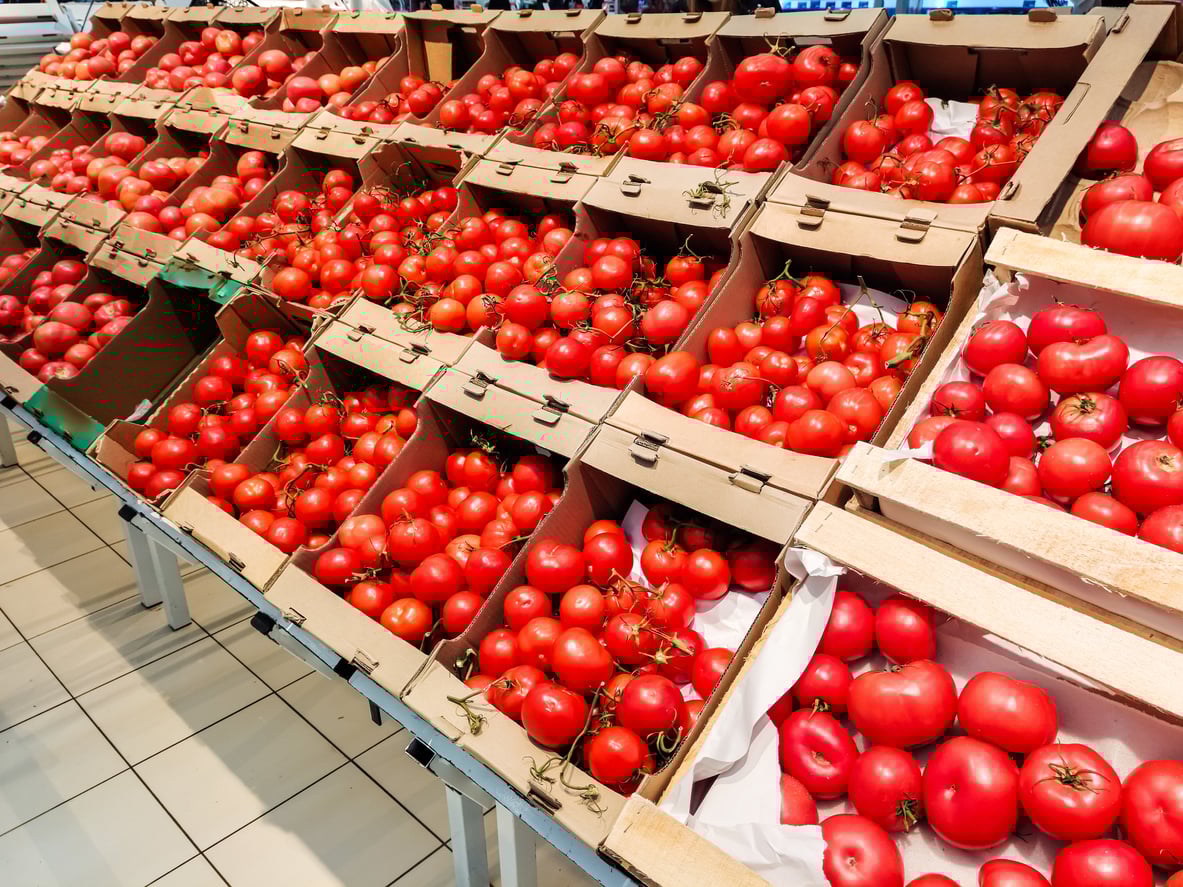
The Price: Dropped to $1.90 per pound.
Why It’s Cheaper: Better supply chains for field-grown varieties compared to the drought-stricken hothouse versions.
How To Get the Most Out of Them: If you bought too many tomatoes, don’t let them rot. Roast them. Slow-roasting older tomatoes with a little oil and salt concentrates the flavor and turns them into a high-end pasta topper or sandwich spread. You can also freeze them!
Shelf Life: Store them stem-side down on the counter. Never put them in the fridge unless they are cut — cold air kills the flavor and turns the texture to mush.
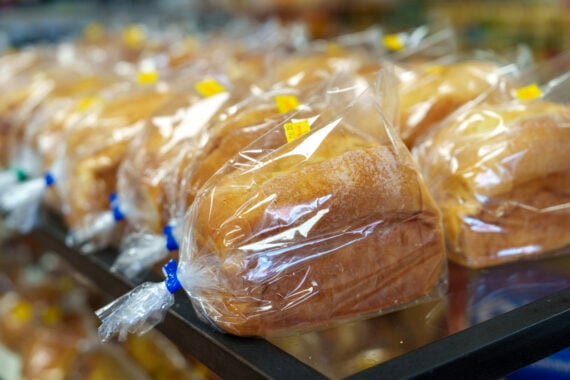
White Bread
The Price: Now averaging $1.85 per pound.
Why It’s Cheaper: Wheat prices have cooled off after the volatility of the mid-2020s.
How To Get the Most Out of Them: Stale bread is a gift. Turn it into French toast, stuffing, or homemade croutons. You can also pulse it in a blender for fresh breadcrumbs to use in those meat-stretching recipes mentioned above.
Shelf Life: Bread lasts 5–7 days at room temp, but you can freeze it for up to 3 months. Pro tip: Slice it before you freeze it so you can grab one piece at a time for the toaster.
Pasta
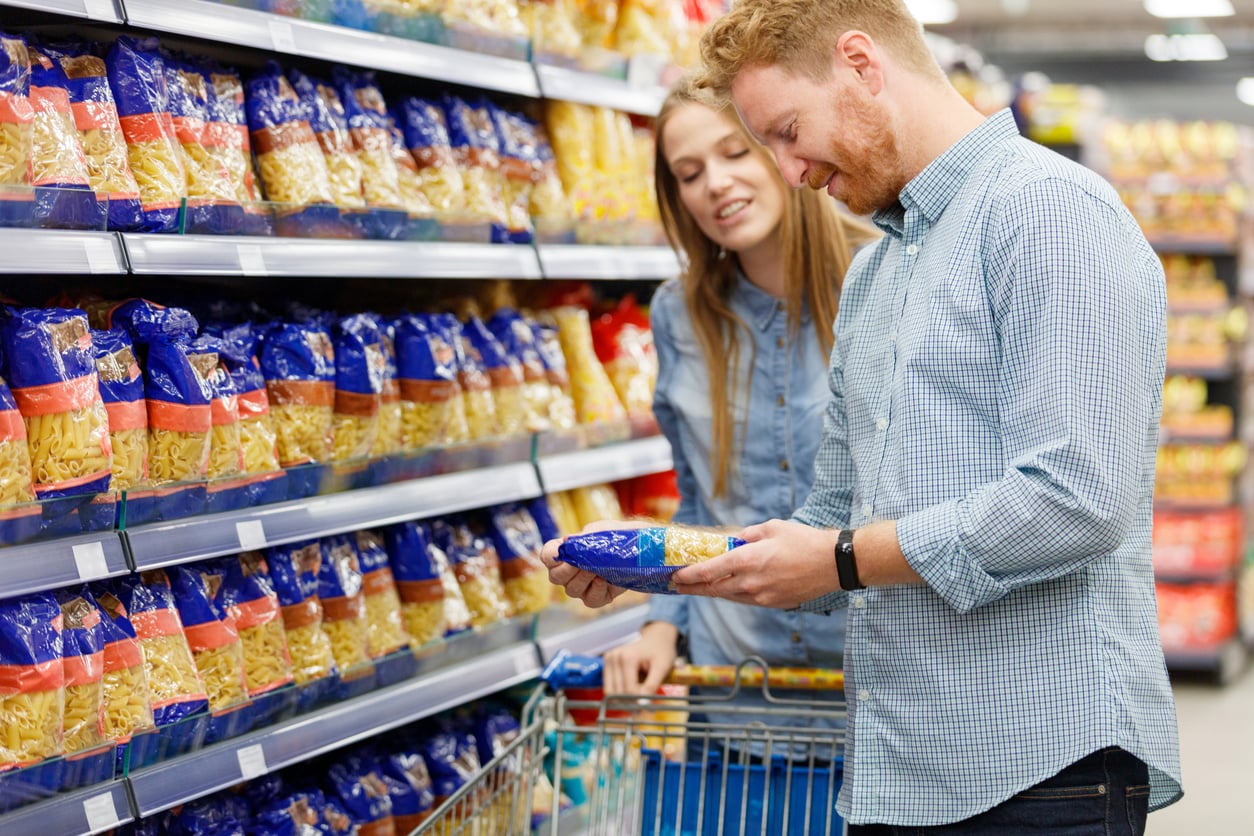
The Price: Down to $1.32 per pound.
Why it’s cheaper: Like bread, the raw material (durum wheat) has seen a supply rebound.
How To Get the Most Out of Them: Pasta is the king of the “one-pot” meal. There are so many different ways to make a pasta dinner, and all of them are delicious and filling.
Shelf Life: Dry pasta is practically immortal. It’ll stay good in your pantry for 1–2 years.
Trending on Cheapism
More From Cheapism
- Gas Over Groceries? Consumers Are Scaling Back Grocery Spending Amid Rising Gas Prices — Gas prices have gotten so high that shoppers are scaling back their grocery budgets to cope.
- Don’t Fall for These 7 Grocery Store Packaging Tricks — In this day and age, being a smart shopper is essential to get the most out of your money. These are some packaging tricks to watch for.
- These 10 Cities Have the Highest Grocery Prices in 2026 — If you’re looking to get the most affordable groceries, you might want to avoid the cities on this list.