For people who like being out on the road, a desk job can feel like a bad fit. The good news? There are plenty of high paying driving jobs out there. From hauling fuel and freight to delivering medical specimens, cash, or consumer goods, these roles can offer solid pay for workers who don’t mind long hours behind the wheel.
Recent pay data shows that several driving-heavy jobs now land well above the pay many people associate with “just driving,” especially when the work requires a commercial driver’s license (CDL), specialized cargo handling, sales skills, or tight delivery schedules.
Fuel Tanker Driver
Average pay range: $63,280 to $74,813
Fuel tanker drivers haul gasoline, diesel, or other hazardous liquids to gas stations and distribution points. The job pays well because it requires a CDL, specialized safety training, and long hours on the road.
Route Sales Driver
Average pay range: $80,809 to $94,060
Route sales drivers combine delivery work with sales responsibilities, managing a territory and maintaining relationships with customers. It’s a strong option for people who want higher earning potential tied to both driving and sales performance.
Tow Truck Driver
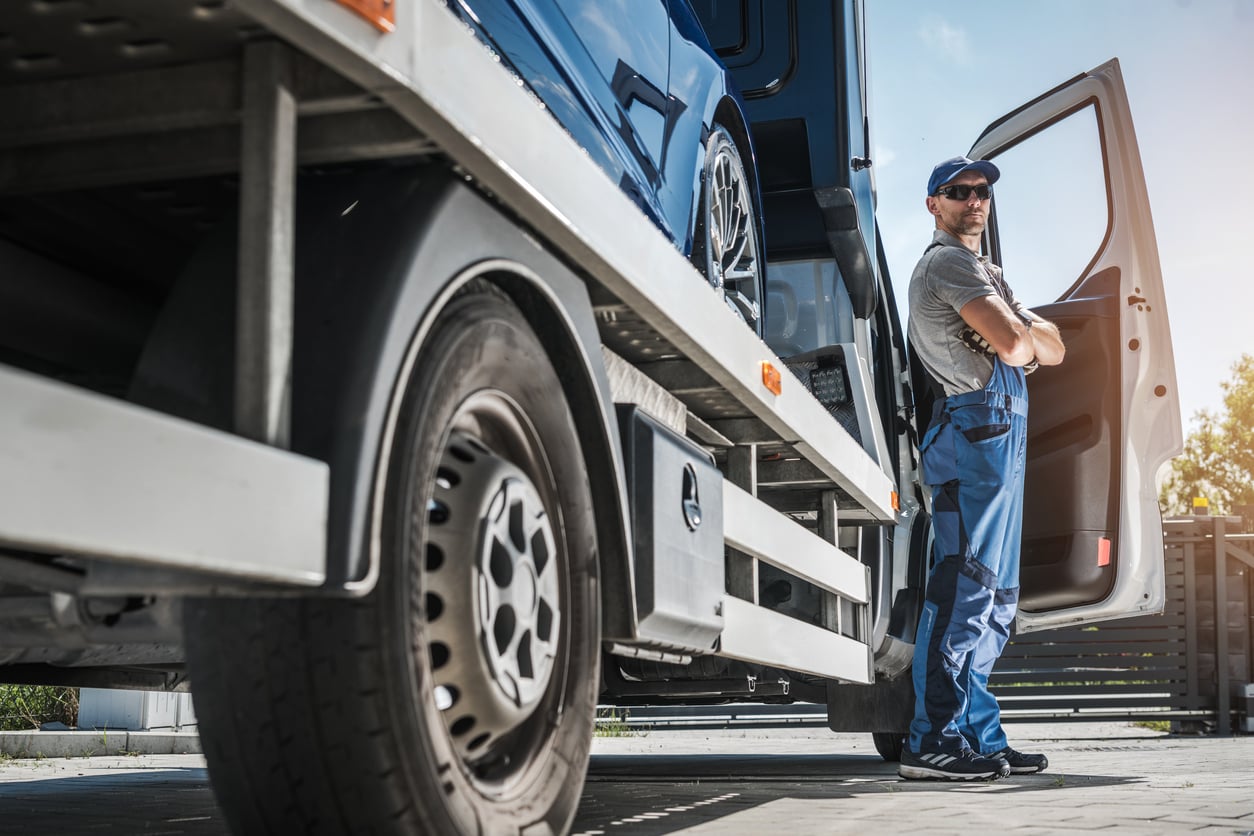
Average pay range: $38,071 to $86,195
Tow truck drivers respond to breakdowns, accidents, and roadside emergencies. The job can involve unpredictable hours and physically demanding work, but it’s ideal for people who like variety and being out on the road all day.
Armored Truck Driver
Average pay range: $53,885 to $69,662
Armored truck drivers transport cash and valuables between banks, ATMs, and businesses. The job involves strict security procedures and often requires alertness and responsibility, which helps boost pay compared to standard delivery roles.
Waste Management Roll-Off Driver
Average pay range: $51,055 to $62,590
Roll-off drivers transport large waste containers from construction sites and industrial locations. It’s a steady, often local job that still involves plenty of driving, along with handling heavy equipment.
Trending on Cheapism


Public Transit Bus Driver
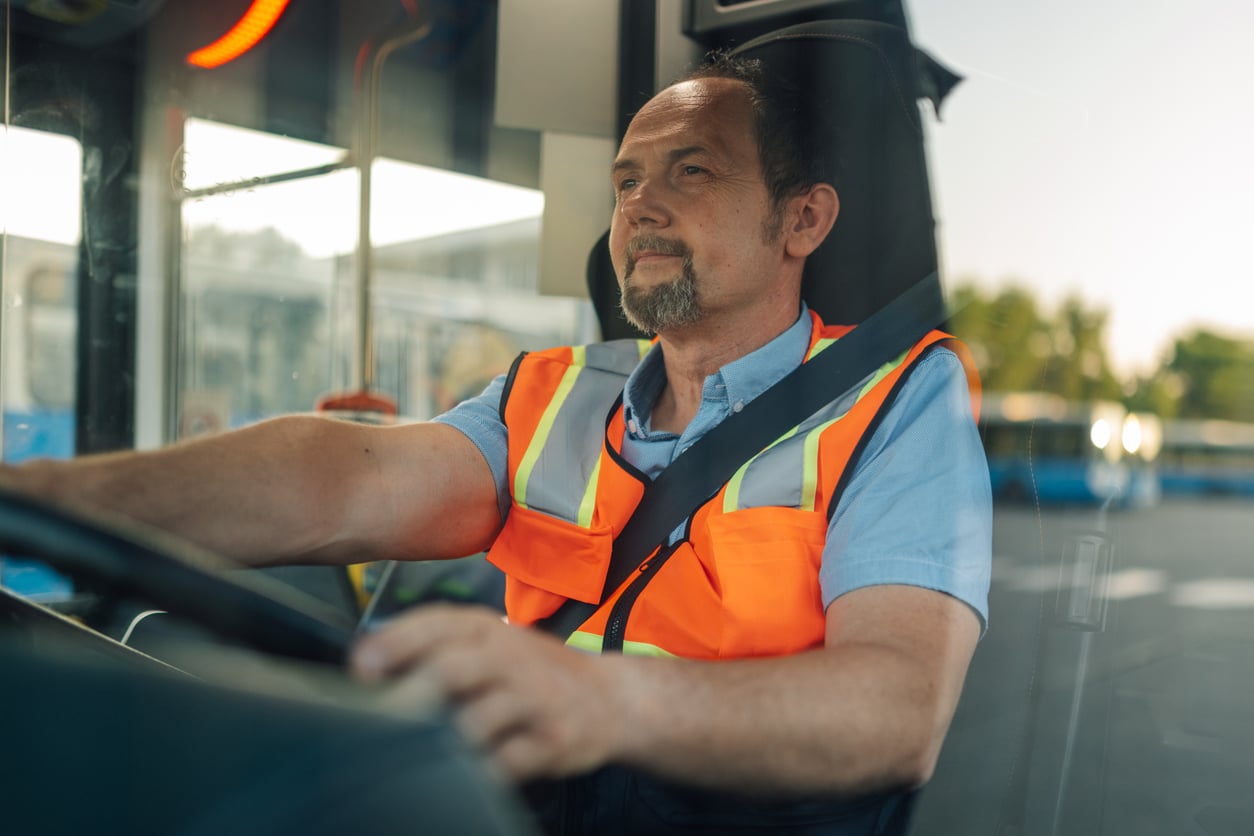
Average pay range: $44,922 to $53,901
Transit bus drivers operate along fixed routes, transporting passengers within cities or metro areas. It’s a good fit for those who want consistent routes and schedules while still spending most of the workday driving.
Heavy Truck (Long-Haul) Driver
Average pay range: around $57,440 median, with higher earnings possible
Long-haul truck drivers move goods across regions or across the country, often spending days at a time on the road. Pay can increase significantly with experience, endorsements, and specialized cargo.
Package Delivery Driver
Average pay range: $41,188 to $53,262
Package delivery drivers handle local deliveries for e-commerce and logistics companies. The job keeps you constantly on the move, making it one of the most accessible ways to get paid for driving all day.
Sign up for our newsletter
Private Chauffeur / Shuttle Driver
Average pay range: $38,935 to $48,000
Chauffeurs and shuttle drivers transport passengers for hotels, airports, companies, or private clients. It’s a people-focused role that still involves spending most of the day on the road.
Medical Courier

Average pay range: $33,669 to $39,450
Medical couriers transport lab samples, prescriptions, and medical supplies between health care facilities. While it pays less than some CDL roles, it offers steady routes and doesn’t require operating large trucks.
More From Cheapism

- High-Paying Jobs No One Talks About (But Employers Are Desperate to Fill) — Some of the best-paying careers aren’t flashy at all; they’re skilled, essential jobs that employers are scrambling to fill because too few workers pursue them.
- 10 Jobs We Took as Teenagers That Taught Us Responsibility — These classic teen jobs weren’t always glamorous, but they taught real-life lessons about work ethic, accountability, and what it means to show up and do the job.
- Is AI Actually Taking Over Our Jobs? Here’s What the Data Shows — AI-related layoffs are real, but the bigger story is that many companies are cutting staff based on what they expect AI to do next, not just what it’s already doing now.