They say old habits die hard. Turns out they die pretty quickly when living costs this much. With the economy squeezing household budgets from every direction, plenty of everyday routines — eating out, impulse shopping, buying whatever looks good at the store — are suddenly getting retired.
People on Reddit are sharing the money habits they’ve had to change just to keep up — here are eight of them worth noting.
Quitting Alcohol

Americans are choosing sobriety for plenty of reasons, but lately the math alone is convincing. Alcohol ain’t cheap, and in times when food feels like luxury, booze definitely is. Several commenters said cutting alcohol freed up noticeable cash each month.
“I quit drinking and it’s like I have money for hobbies and everything else again,” shared one user. “I’m getting LASIK this year and I’m not even stressed about it. Beer is expensive.”
Focusing on Saving More
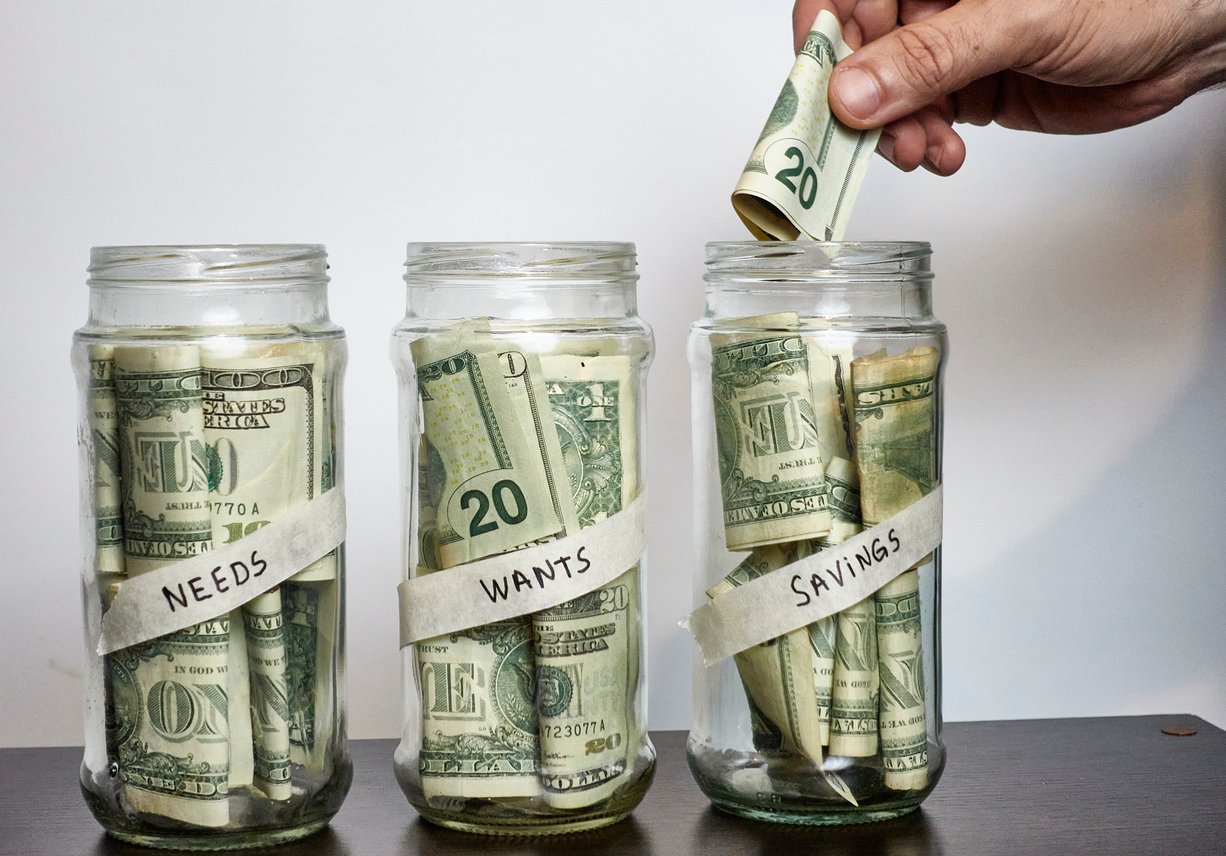
When money is tight and you’re living paycheck to paycheck, saving stops being a healthy money habit of simply putting something aside and starts looking more like mental acrobatics — karate-chopping every nonessential cost you can find.
“Take advantage of easy ways to save a little here and there,” said one Redditor. “We rented a one-bedroom cabin on vacation instead of two… saved $600. Less eating out and especially fewer sit-down restaurants.”
Others said they are cutting corners by rolling up their sleeves and doing the work themselves. “I DIY almost everything around the house instead of hiring contractors. Painted several rooms ($1,000+ savings). Installed our own garage door opener ($800 savings).”
Tracking Costs More Rigorously

When money starts disappearing faster than expected, many do the obvious thing — they go looking for it. Tracking spending was once a habit reserved for personal finance nerds, but now it’s becoming more common as we all try to figure out where the budget is quietly leaking.
“My wife and I started tracking our spending each month. When we see where every dollar goes it’s easy to recognize what we can modify in order to make positive changes,” shared one user on Reddit.
Others are going a step further to follow the money and, instead of relying on basic spreadsheets, are turning to specialized software for tracking their spending. “Using a money management tool, not just the spreadsheet I made,” shared another Redditor. “I used to always have to update it because somehow my budget would always break.”
Eating in More Often

Americans are increasingly swapping menus for a chopping board, as eating out becomes more and more unaffordable — and an expense that quietly drains the budget.
“Stopped eating at restaurants and ordering take-out,” shared one Redditor, and many others said the same.
Restaurant meals, takeout, and delivery fees add up quickly, which is why more people are shifting back to home cooking as a way to keep food spending under control.
Batch Cooking for the Week
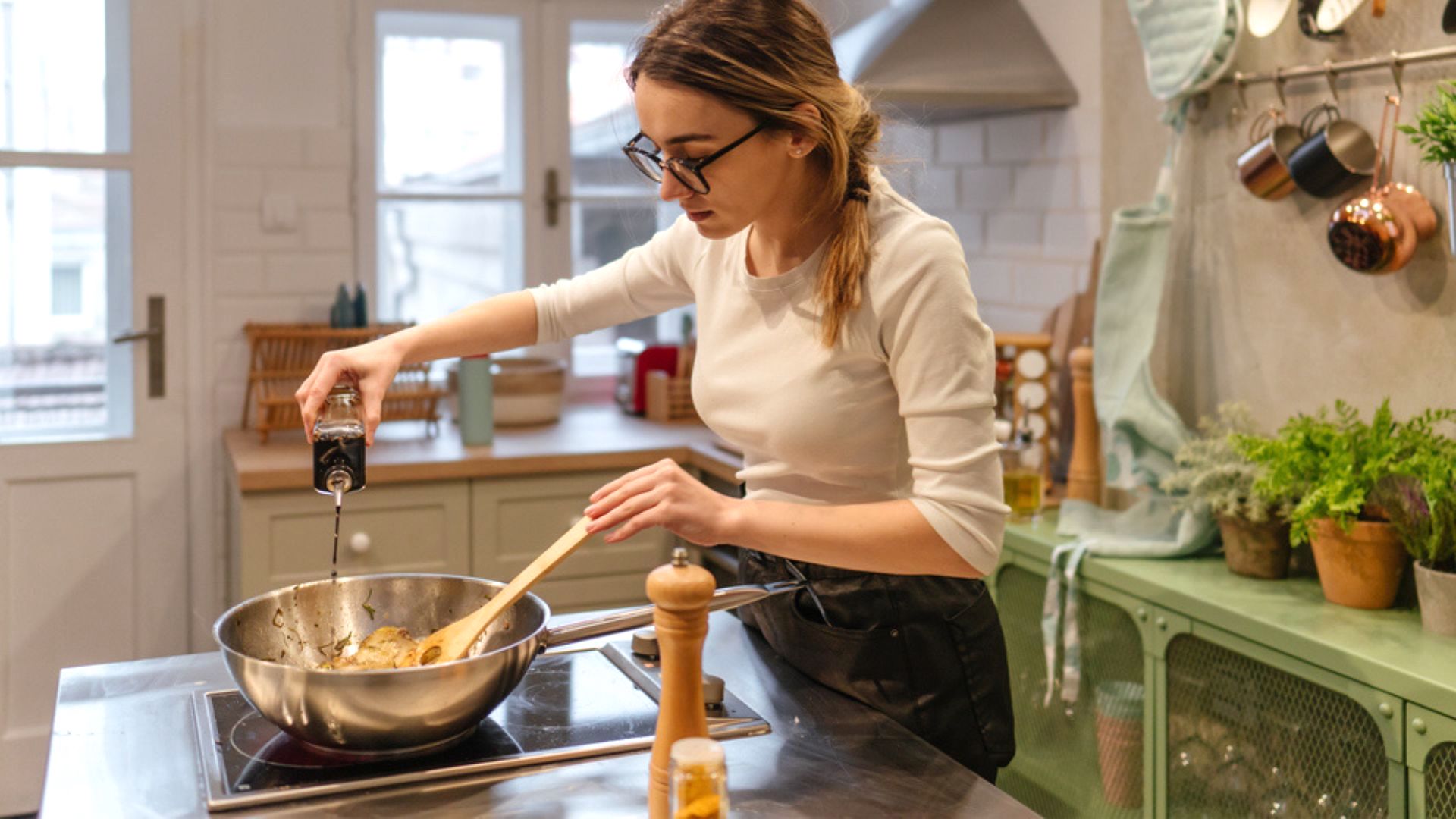
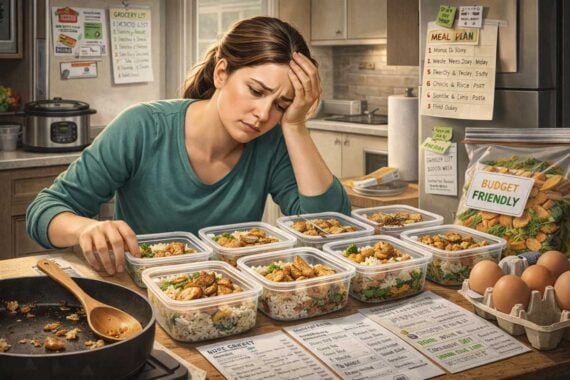
The dire state of economy means that a “go-with-the-flow” attitude is something only the rich can still uphold. Many households are now setting aside a day to plan, prep, and cook meals for the week ahead, relying on leftovers to stretch ingredients and avoid the temptation of delivery or fast food.
Over on the thread, one commenter summed it up: “Eating my leftovers today, tomorrow, and maybe Wednesday. By then I should have a pot of chili to eat off of for the rest of the week.”
Trending on Cheapism

Turning to Side Hustles

It seems like one job isn’t cutting it anymore, with people increasingly looking for additional income streams to bring in extra cash and create a bit of financial breathing room.
Whether that means starting a small business, picking up gig work, or building something on the side, the idea of relying on a single paycheck feels less secure than it once did.
“I focused on making more money outside my w2 job,” said one Redditor. “Making multiple income streams brings peace [of] mind.”
Shopping Almost Exclusively at Aldi
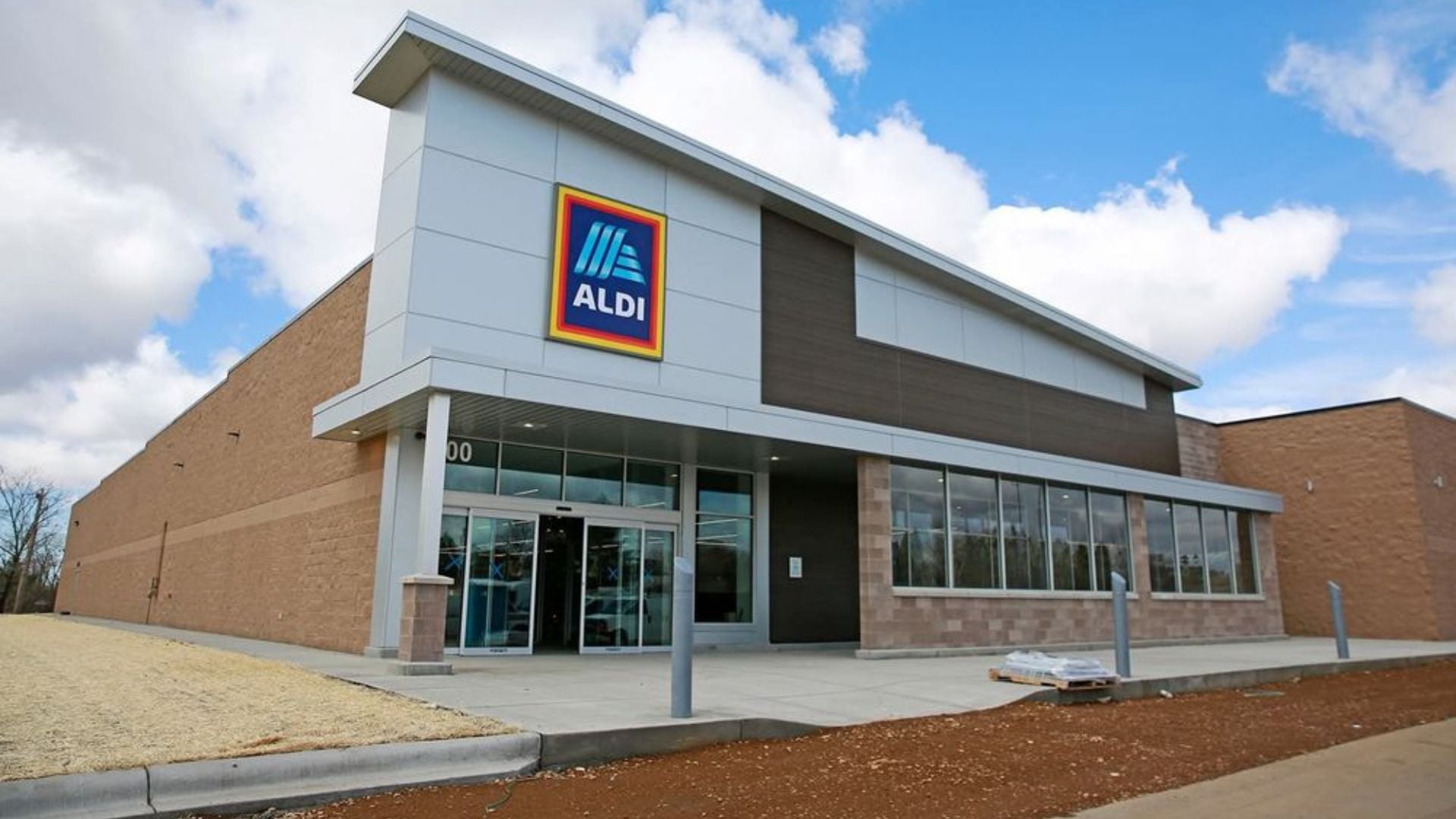
When grocery prices start acting like luxury goods, people go where the deals are — and for a lot of shoppers, that means Aldi. The German discount chain came up repeatedly in the thread, with several people saying they now do most of their grocery shopping there instead of the traditional big box.
“Shopping at Aldi about 50% of the time to 90+% of the time,” said one user.
“Shopping at Aldi has helped the grocery bill,” added another Redditor.
Buying Only Marked-Down Meat
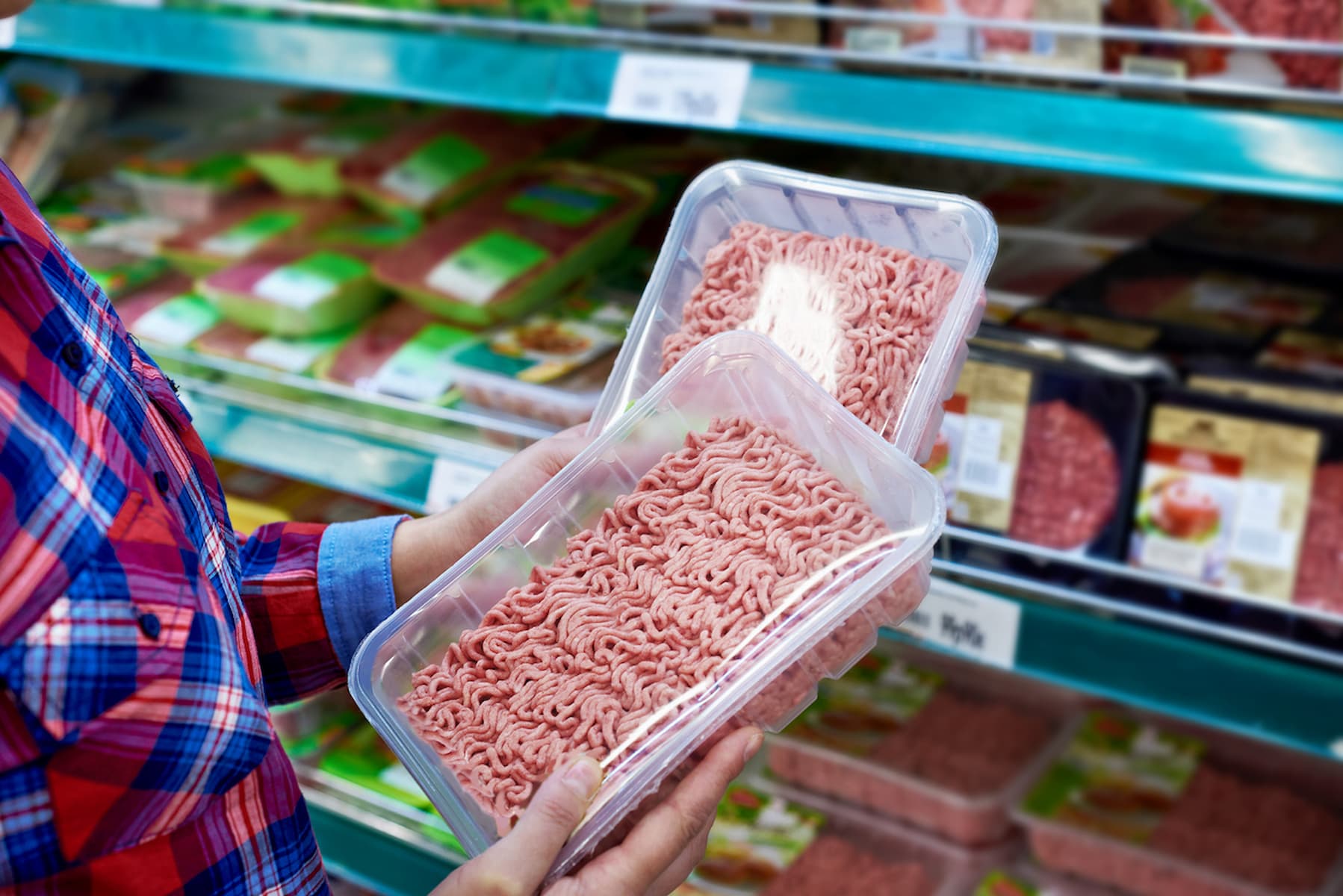
Meat prices are going off the rails and into territory many shoppers can’t afford to follow, so they’re doing what they can to still get their protein — scanning sales like hawks and adjusting what ends up in the cart.
“I buy cheaper cuts of meat now,” shared one shopper. “The slow cooker is now my best friend.”
Sign up for our newsletter
More From Cheapism
- 9 Grocery Items People Say Are Officially Not Worth It Anymore — With the ongoing affordability crisis, inflation, tariffs, and everything else, grocery lists are shrinking for many shoppers. People are facing a kind of “Sophie’s choice” in the grocery store, forced to choose between items that were once basics but now cost like luxury goods.
- These are the 3 Affordability Issues Worrying Americans the Most — People aren’t obsessing over abstract economic indicators. They’re worried about three very specific things: food, housing, and health care.
- Why Americans Earn More Than Ever — and Still Can’t Afford Anything — Research says the average worker is richer than ever. Every other American struggling to get through the month sane would say yeah right.