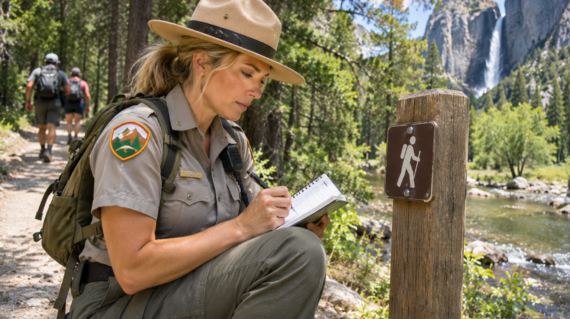
National parks are protected areas in the United States, which is why rangers patrol the grounds, ensuring that laws are followed and that people remain safe. However, not all visitors follow the rules as they should. By reviewing information from the National Park Service -NPS- regarding wildlife viewing, we’ll reveal common national park mistakes that rangers wish visitors would stop making!
Getting Too Close to Wildlife for Photographs
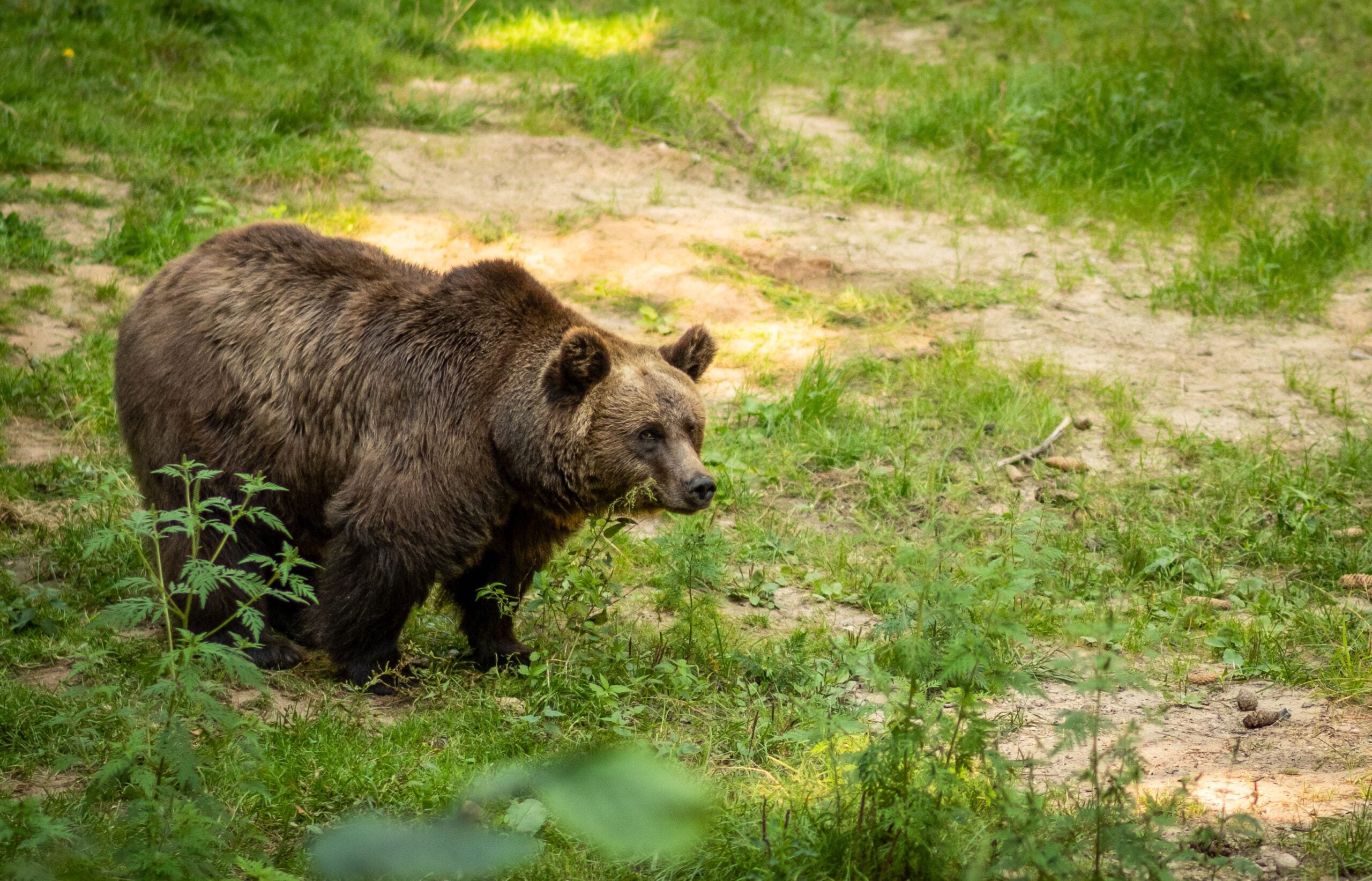
Although animals may appear calm or accustomed to people, getting too close to them can trigger a defensive response. One of the most common national park mistakes is failing to maintain a safe distance from wildlife. Park rangers advise visitors to use binoculars or a zoom lens while in the parks, and to maintain minimum distance from wildlife that may vary depending on the species and park.
Feeding Wildlife Because It Looks Harmless
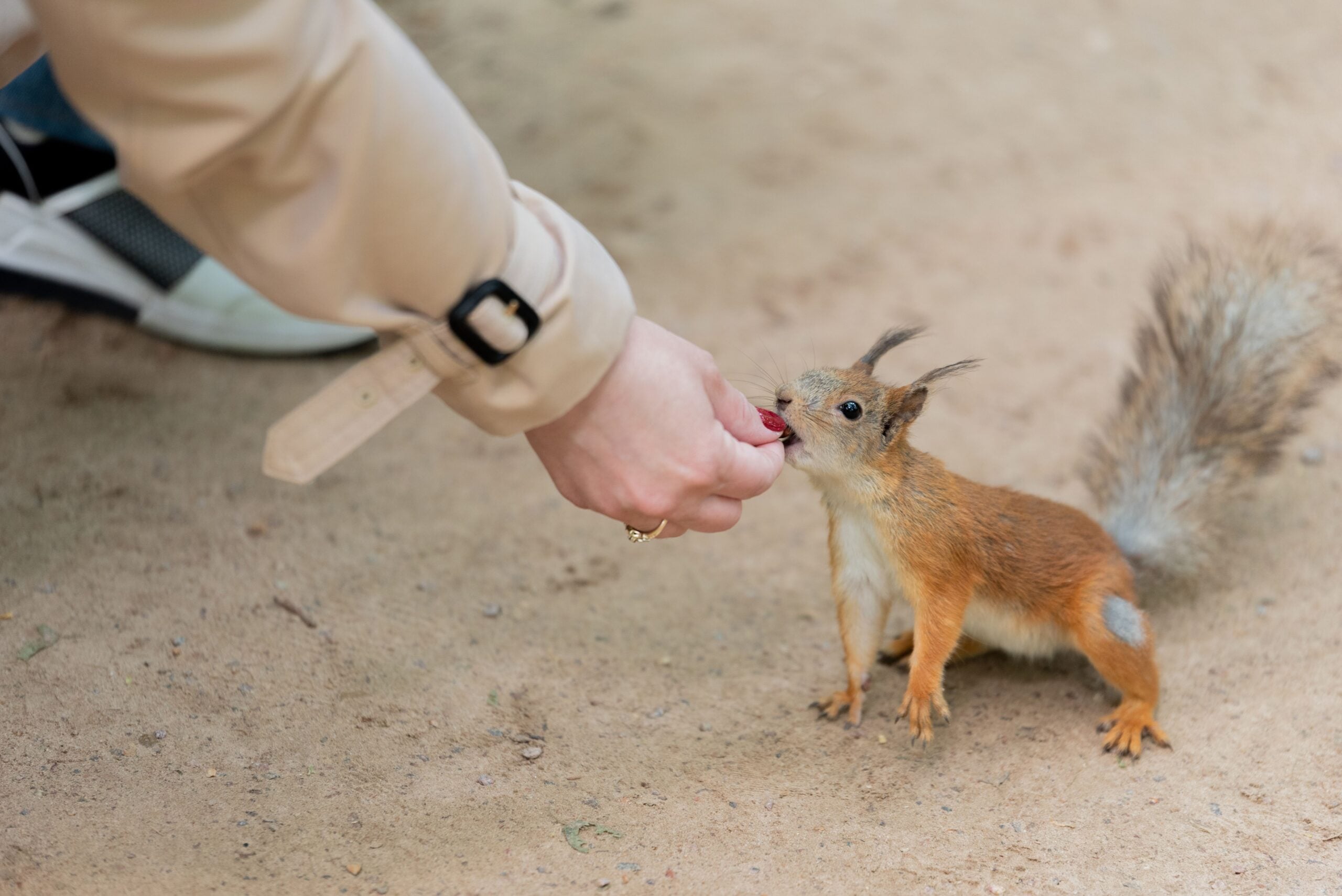
Visitors might think that leaving food for birds, squirrels, or larger animals is a generous act, but this can disrupt their natural feeding behaviors. If animals become accustomed to human food, they could turn aggressive or consume inappropriate items. Feeding wildlife is among the national park mistakes visitors should avoid, as advised by the NPS.
Building Decorative Rock Stacks Along Trails
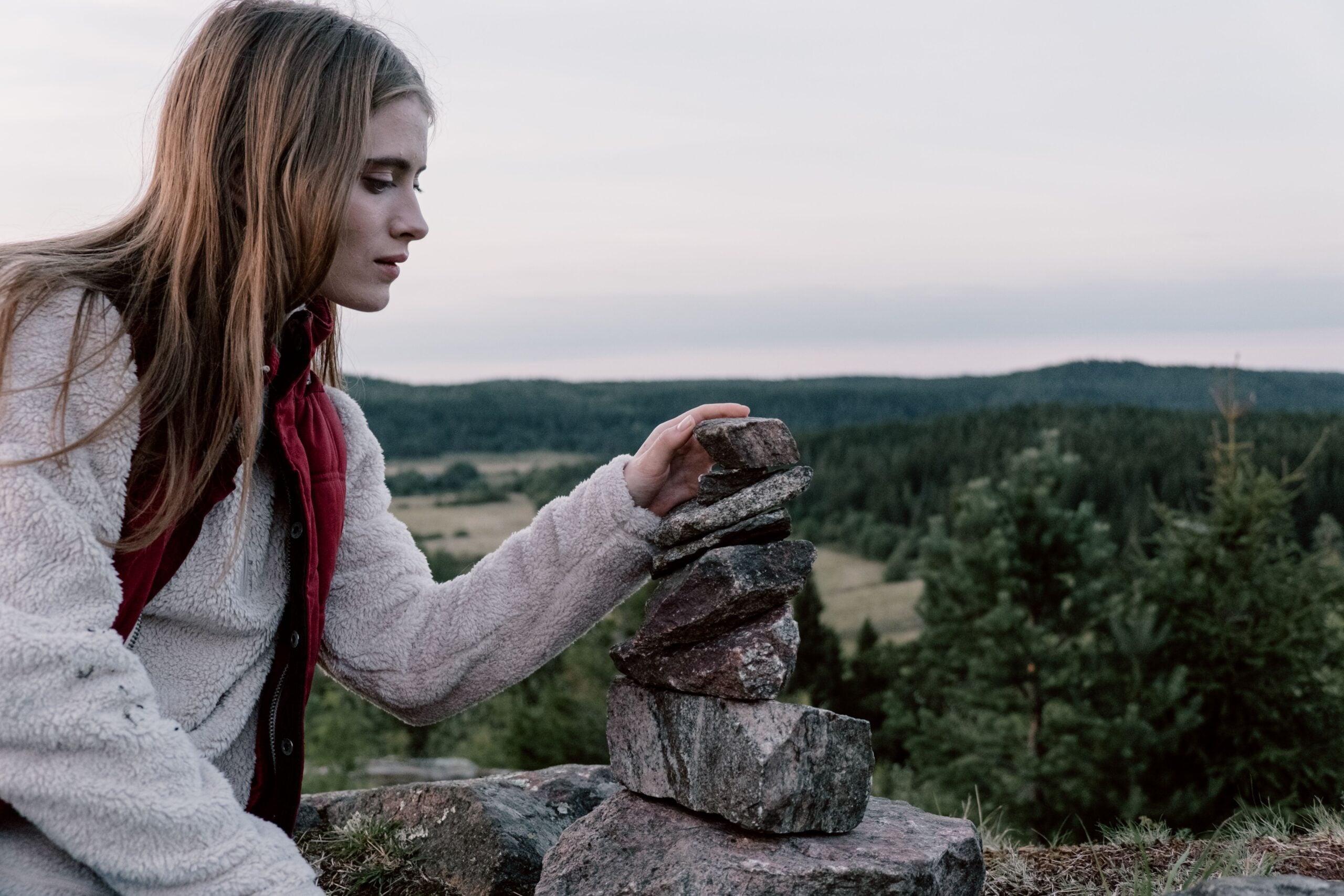
Visitors often create rock cairns as souvenirs or artistic displays. However, doing so can damage habitats, interfere with waterways, and even confuse hikers who rely on established trail markers. Building unauthorized rock piles is one of the national park mistakes visitors should avoid, so park rangers advise leaving rocks where they are and not altering official route markers.
Waiting Off-Trail to Get a Better View
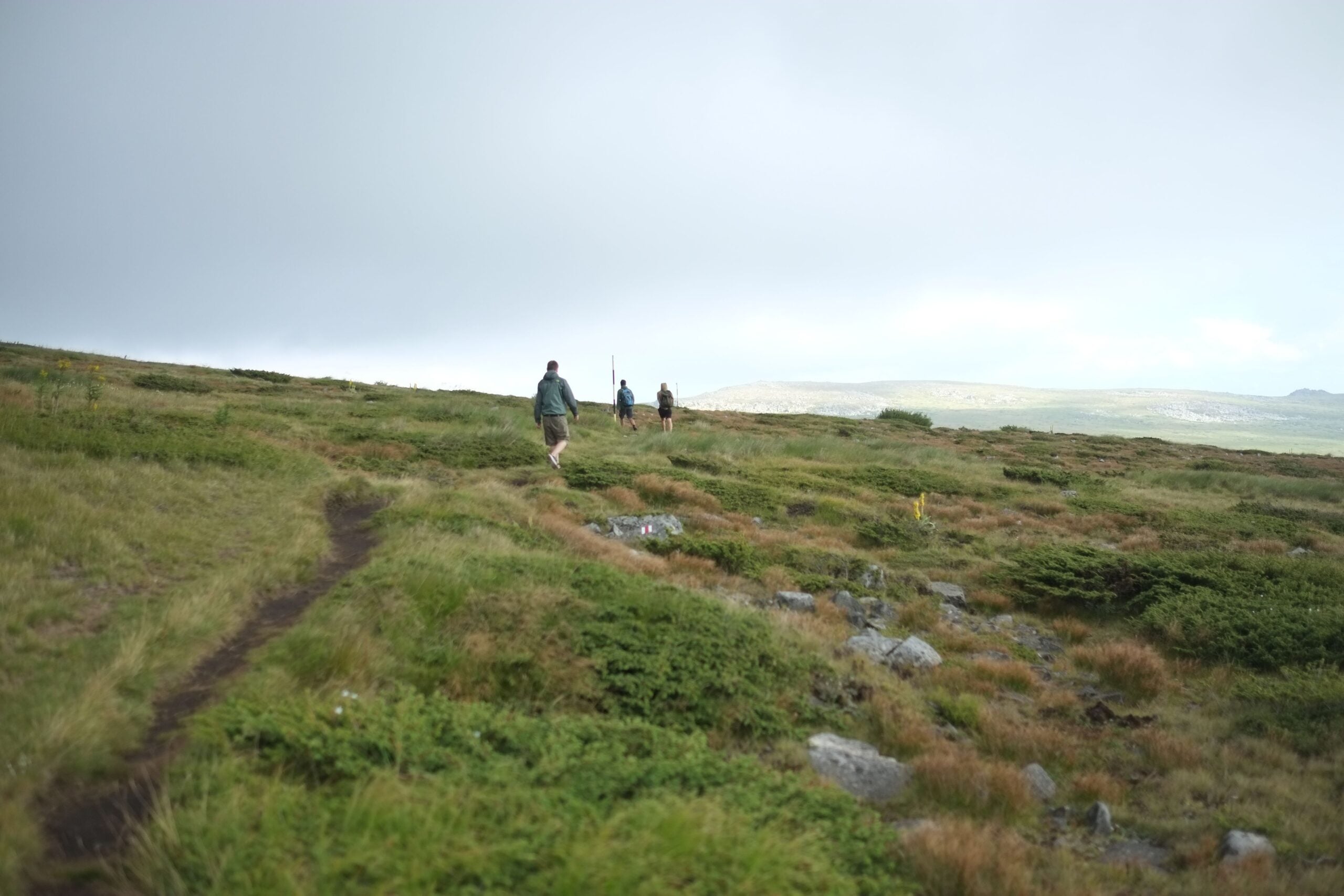
Informal paths that form when travelers repeatedly venture off-trail can trample sensitive vegetation and disturb fragile ecosystems. These national park mistakes can damage areas that take years to recover. Park rangers advise visitors to stay on designated trails and use established viewpoints, unless the park specifically permits off-trail travel in a designated area.
Bringing a Dog Onto a Trail Where Pets Are Prohibited
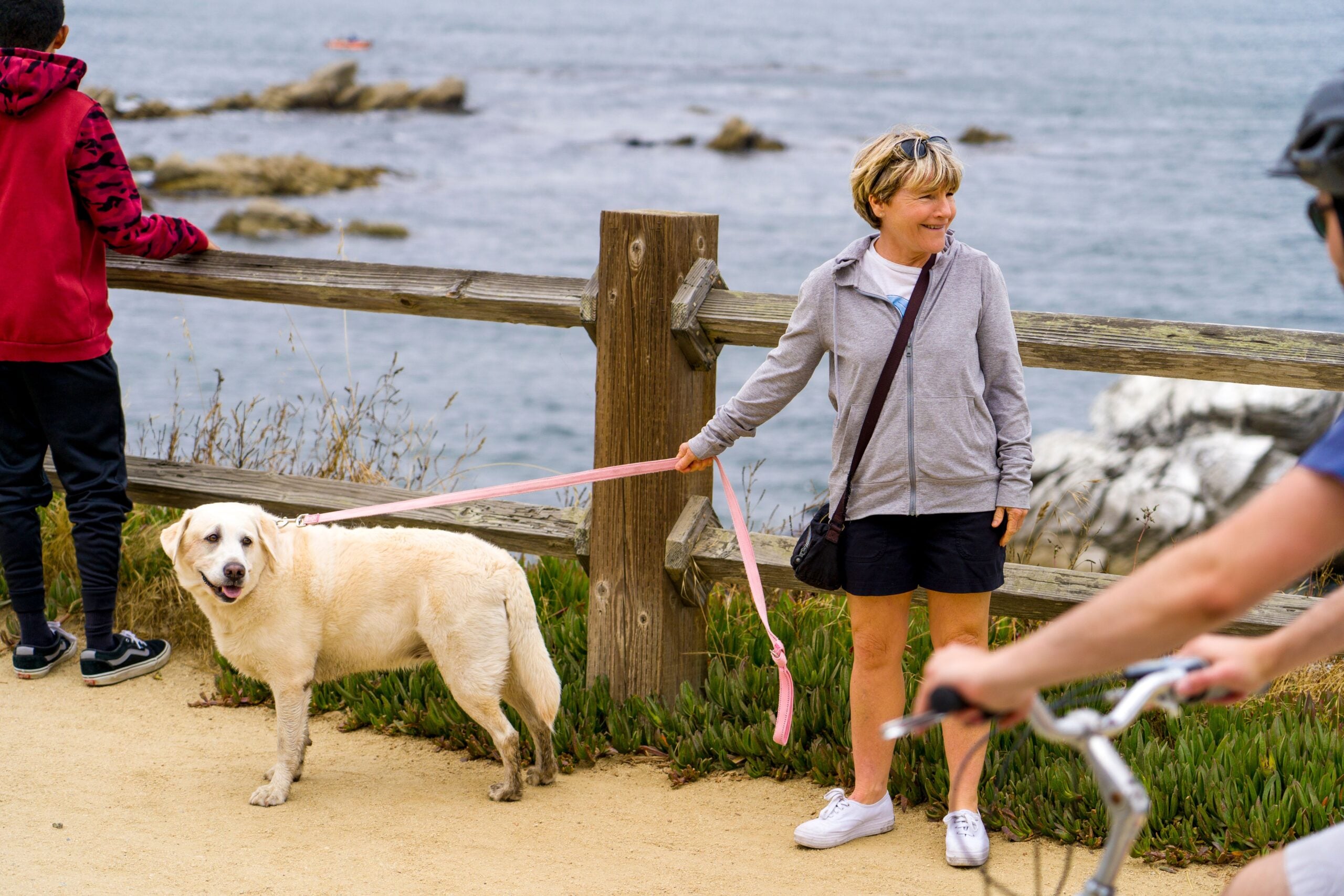
Dogs, even when on a leash, are not permitted on all hiking trails. In fact, policies regarding pets in national parks vary. Some parks restrict pets to roads, parking areas, or designated paths in order to protect wildlife. Bringing a dog somewhere it’s not allowed is among the national park mistakes visitors can prevent by checking the park’s pet regulations before arriving with their pet.
Trending on Cheapism


Flying a Drone Because the Landscape Looks Perfect for Aerial Video
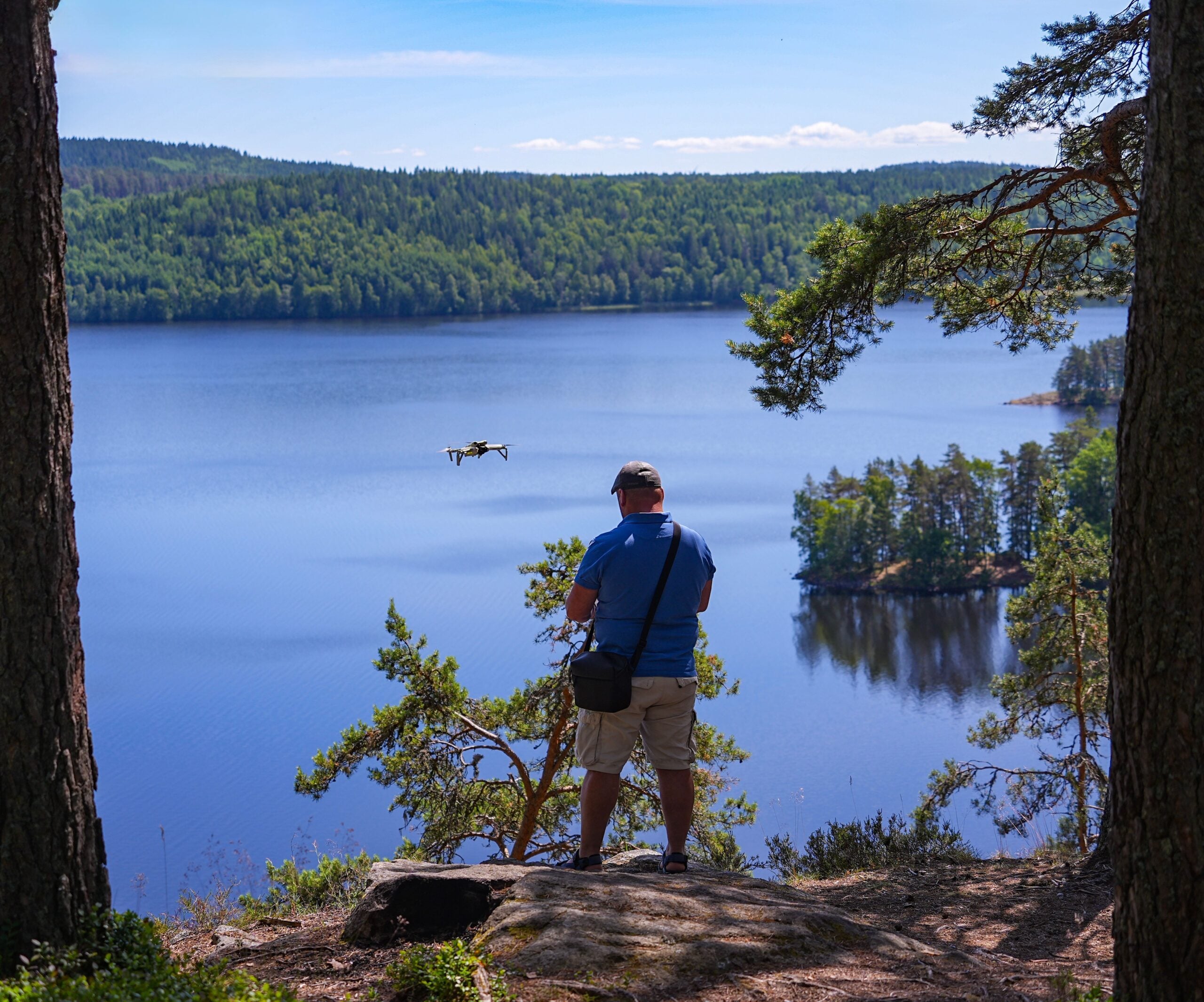
Recreational drone operations in national parks are generally prohibited by the NPS, with only a few limited exceptions and with specific authorization. Flying drones is one of the national park mistakes visitors should avoid because the NPS believes that such activity disturbs wildlife, puts visitor safety at risk, and interferes with the visitor experience.
Leaving Food Scraps Because They’re Biodegradable
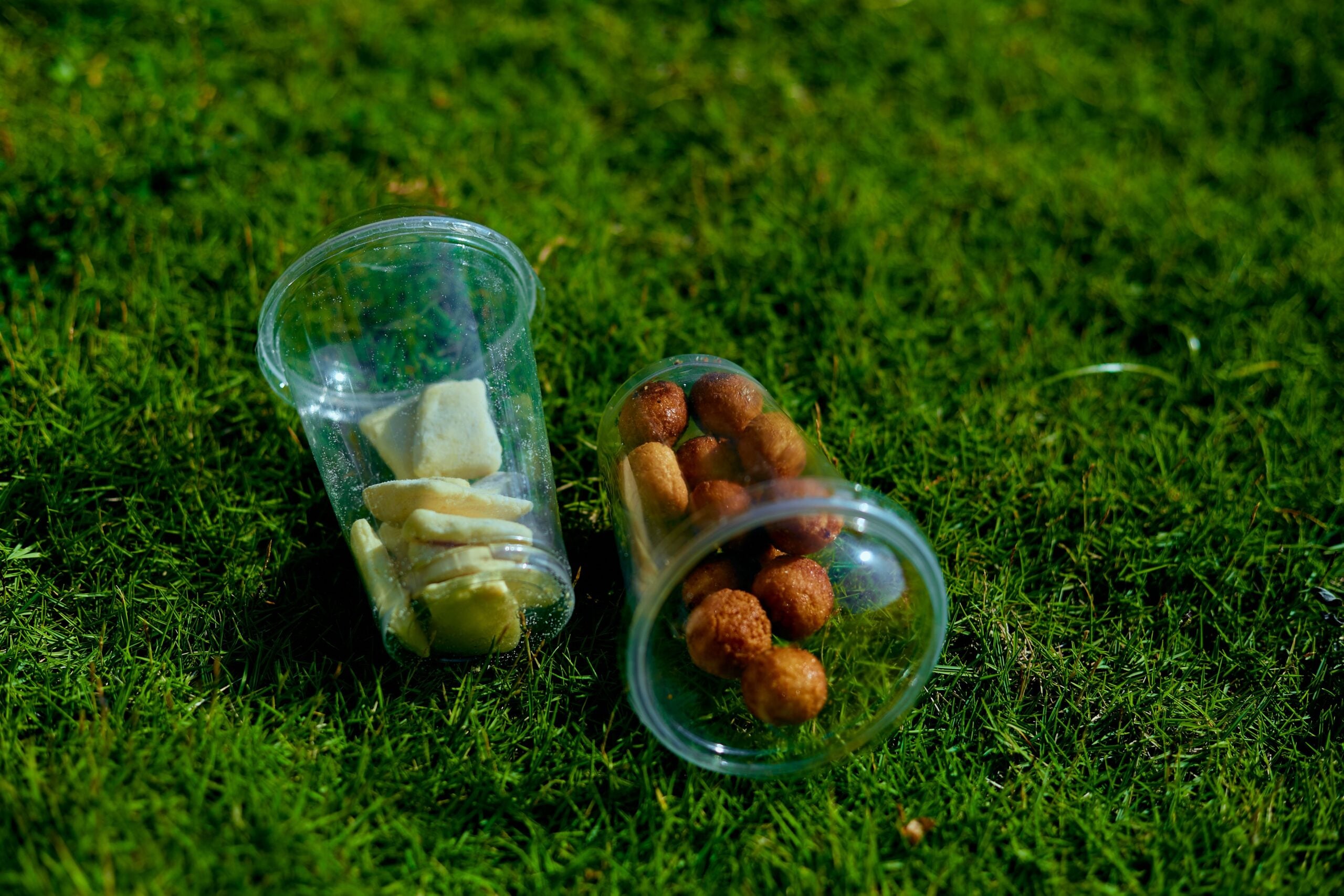
Even organic waste such as orange peels, nutshells, and apple cores can take a long time to decompose, particularly in cold environments, so visitors leaving behind food scraps should be a practice to avoid. Park rangers advise that food waste should be packed out and disposed of in an appropriate trash receptacle, even if visitors believe it to be biodegradable.
Scratching Names or Messages Into Trees and Rock Formations
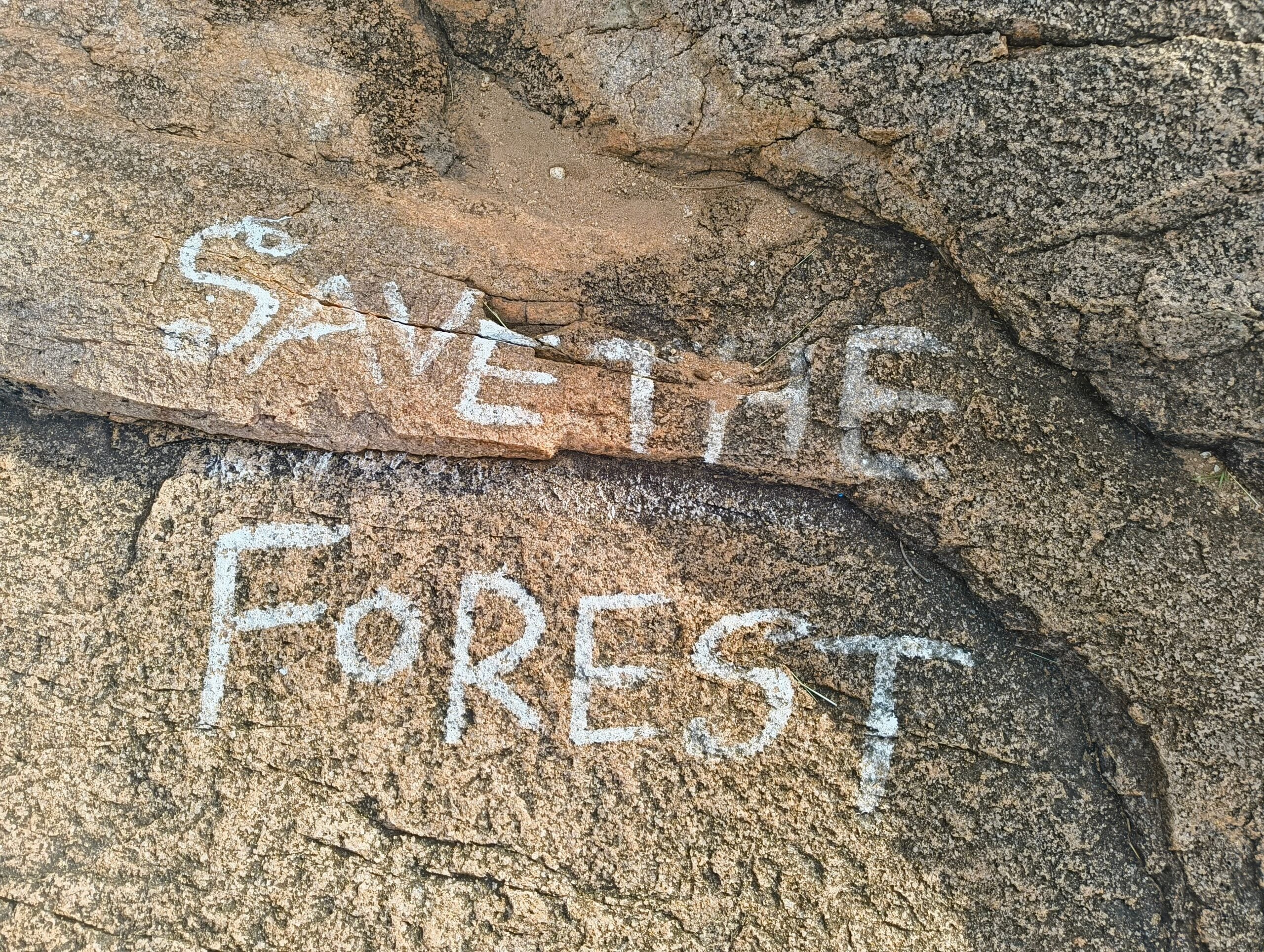
The practice of people scratching their names or leaving messages on trees or rock formations is not permitted in national parks. The NPS notes that carving, painting, chalking, or scratching natural features damages these resources, and in some cases, removing such markings can be very costly. Park rangers suggest that the best way to remember a specific place is by taking a photograph, rather than marking the landscape.
Sign up for our newsletter
Ignoring Fire Restrictions Because a Campfire Seems Small
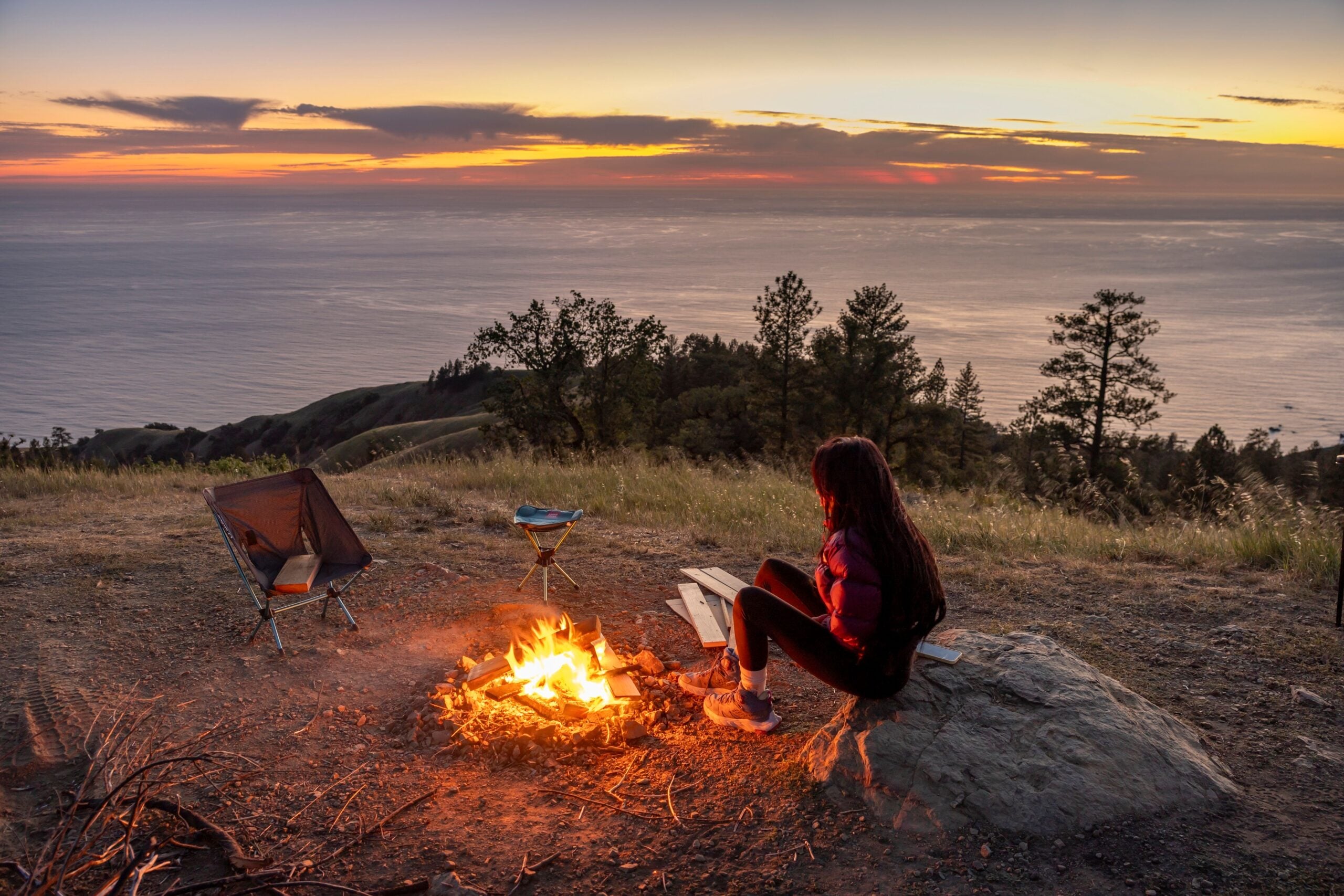
Visitors should under no circumstances ignore fire restrictions, as wildfires can start when campfires are improperly extinguished or lit during dangerous conditions. Ignoring fire regulations is among the most dangerous national park mistakes visitors can make. The NPS states that fires may only be used in designated areas and in compliance with the national park’s current restrictions.
Relying Entirely on a Phone for Navigation
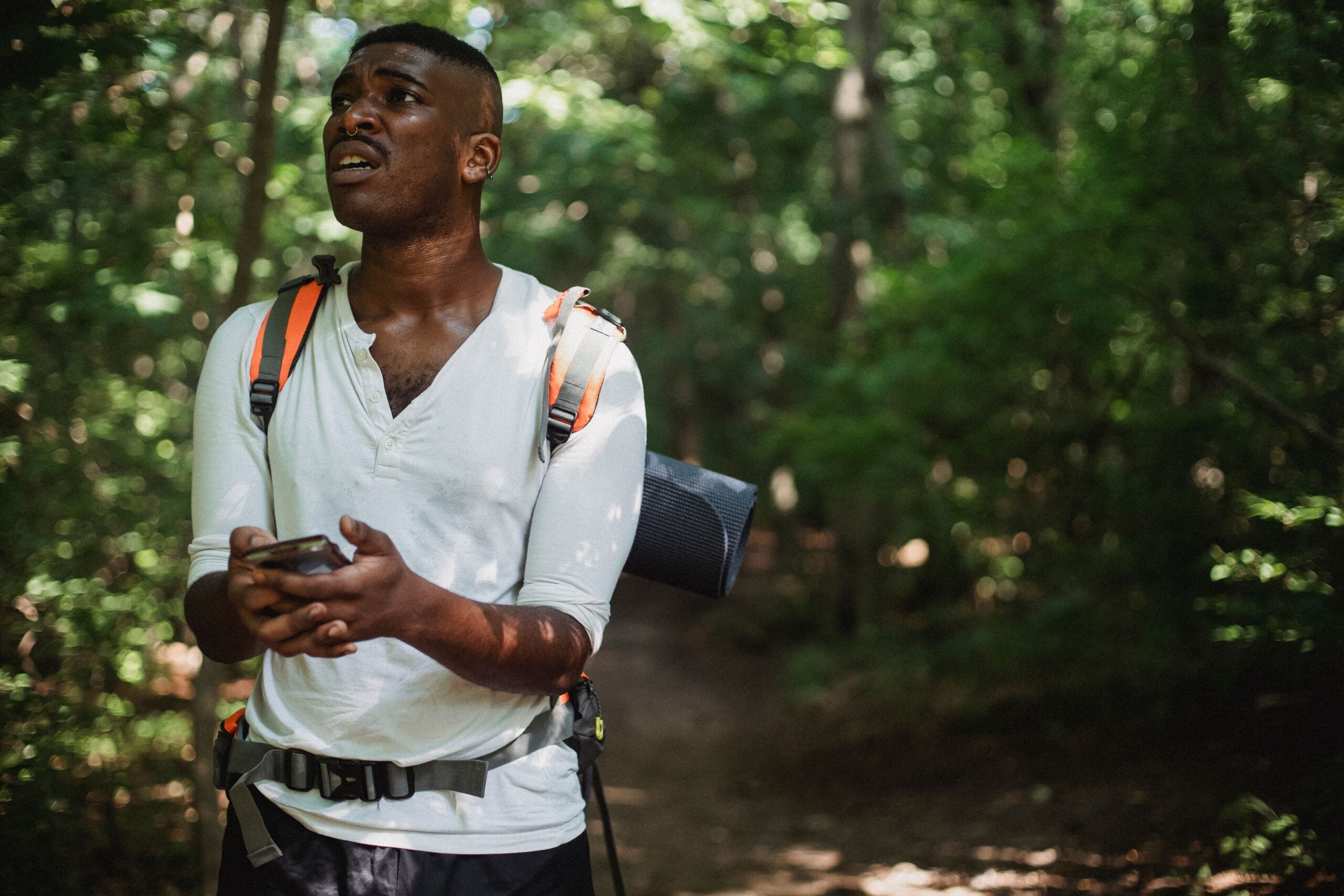
Cellphone reception can be unreliable in remote national parks. The device batteries may drain quickly in cold weather, due to intensive photography or prolonged use of navigation tools so visitors should be careful with their use. Rangers advise downloading offline maps because by doing so, visitors will have an appropriate map, or, alternatively, they can bring a printed map from home, to know exactly where they are.
Treating Temporary Closures as Optional Suggestions
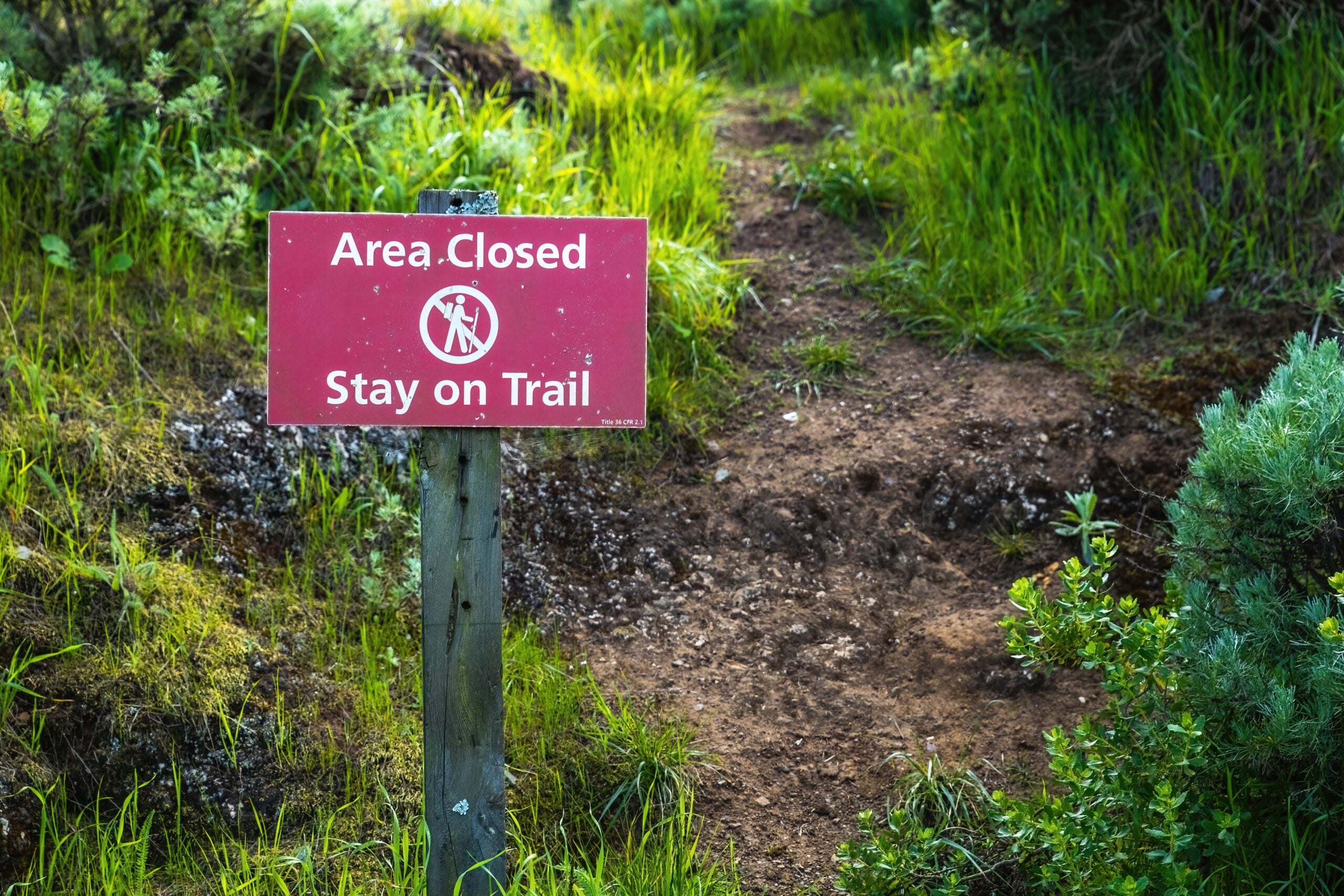
Certain recreational areas, roads, trails, and overlooks are closed due to hazardous weather or damage to infrastructure that could endanger visitors. Ignoring these closures is one of the national park mistakes that can put people at risk. Crossing a barrier can create risks; therefore, park rangers advise visitors to consult official park alerts before disregarding the rules.
Posting Directions to Fragile Off-Trail Locations for Social Media
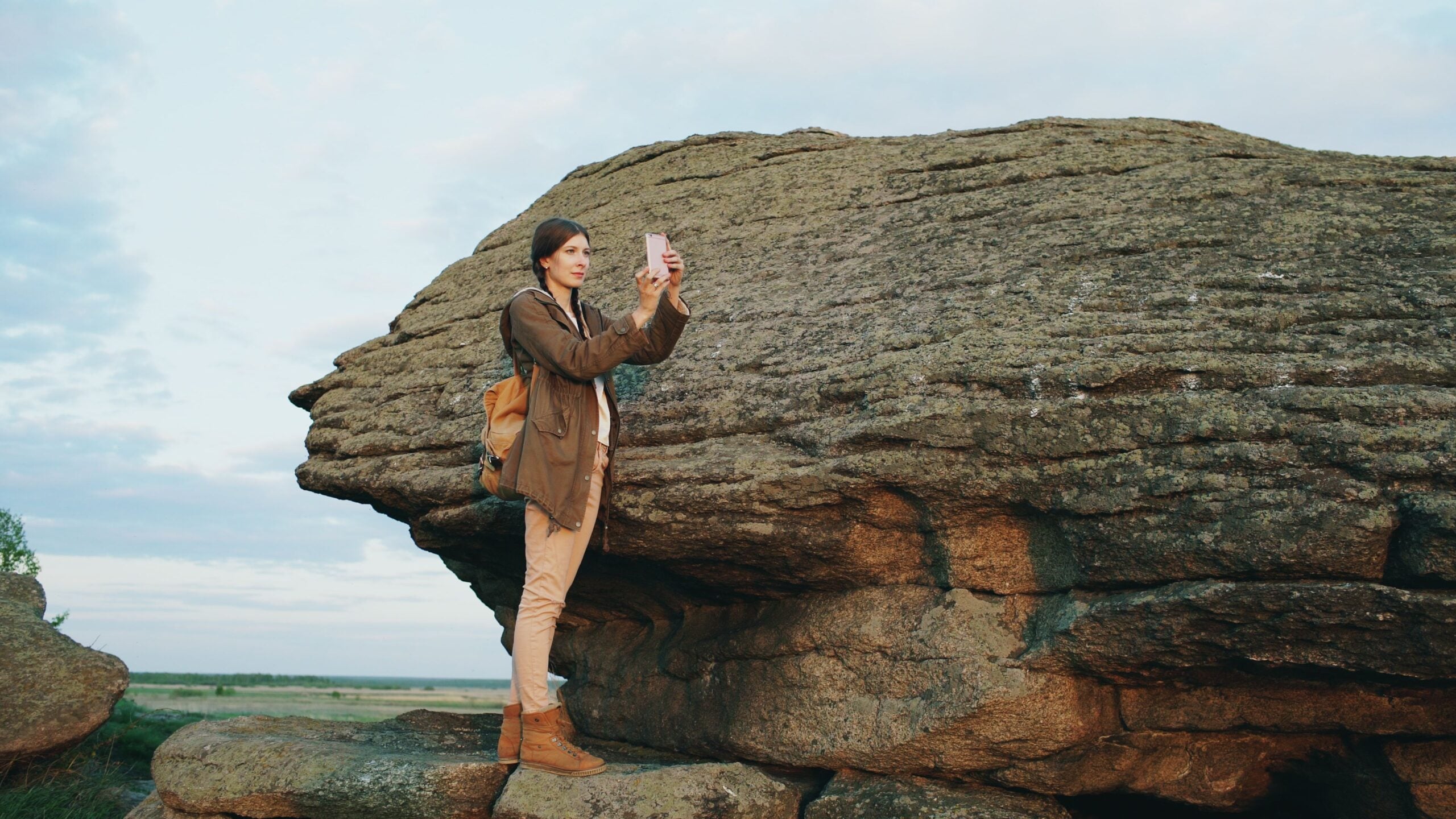
If visitors share photographs of sensitive locations on social media, it may lead other visitors to seek out places that are not designed to accommodate large numbers of people. Promoting these locations can contribute to national park mistakes that threaten fragile environments. The NPS urges responsible posting and warns against promoting unlawful behavior.
Conclusion
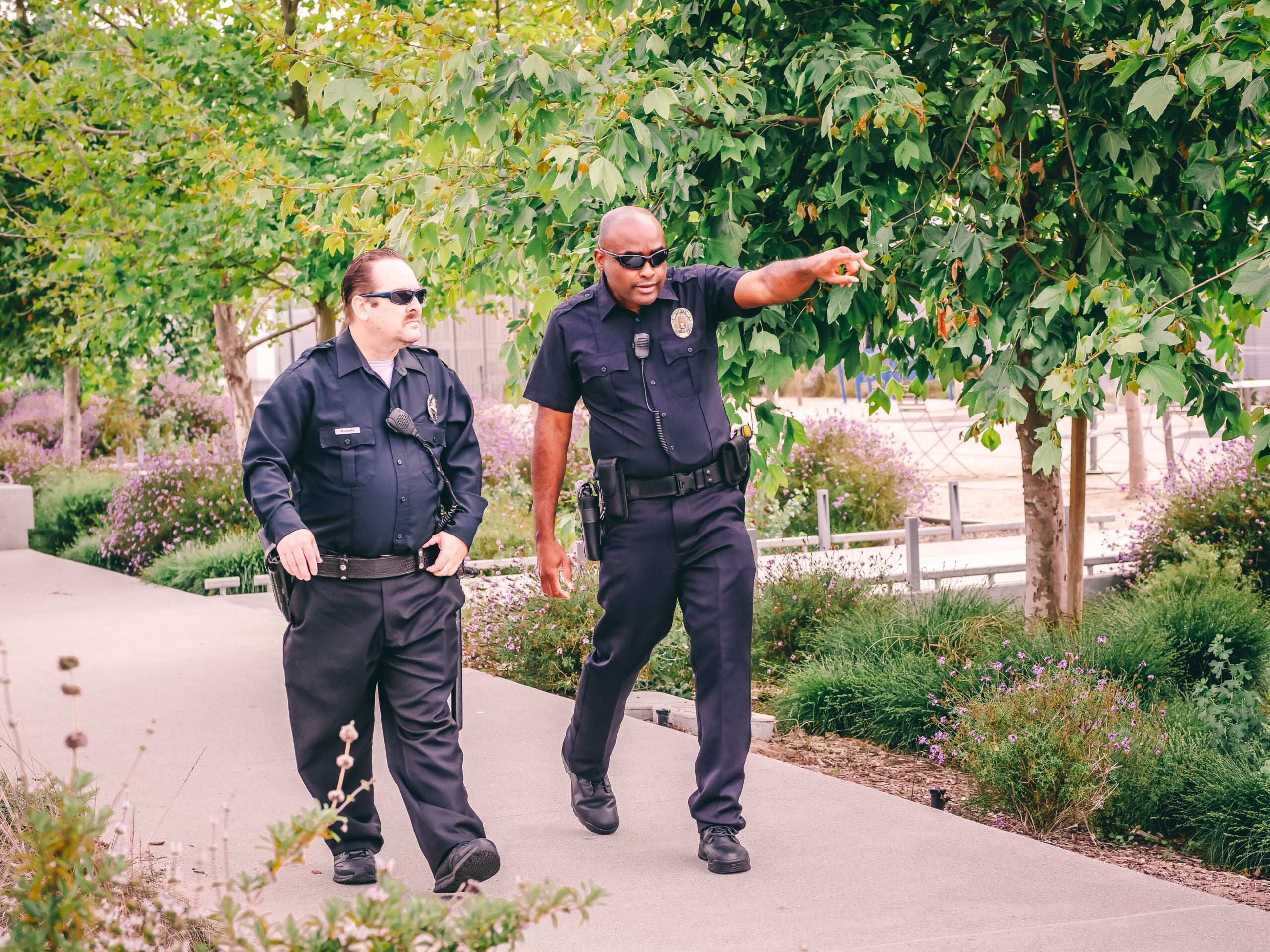
Park rangers discourage certain actions and behaviors that visitors might consider minor, but which end up damaging the national park when thousands of people engage in them. Avoiding national park mistakes means respect wildlife, staying on designated trails, and protecting natural features are among the most important rules to follow in order to preserve the area. In short, the best approach is to leave the landscape in the same condition in which you found it.