
Costco and Walmart can both help shoppers save a tremendous amount of money—but only when they’re used strategically. Many people assume everything at a warehouse club or big-box retailer is automatically a bargain, but experienced shoppers know that’s far from the truth. Depending on the product, a local grocery store, another retailer, or even an online sale may offer a better deal.
Reddit communities dedicated to Costco, Walmart, and frugal living are filled with shoppers sharing the expensive mistakes they wish they’d stopped making years earlier. From buying too much fresh produce to ignoring unit prices, small habits can quietly add hundreds of dollars to your annual grocery bill.
The good news is that avoiding these common shopping mistakes doesn’t require extreme couponing or hours of research. A little planning, smarter comparison shopping, and a willingness to look beyond the sticker price can help you avoid these Costco and Walmart shopping mistakes and get the most value every time you shop.
Assuming Everything Is Cheaper Just Because It’s Costco

Costco has earned its reputation for offering excellent value, but that doesn’t mean every product beats the competition. Grocery stores regularly run weekly promotions on national brands that can temporarily undercut Costco’s everyday prices, especially on pantry staples, snacks, cereal, and beverages. Walmart also frequently offers lower prices on certain household essentials, particularly when Rollback promotions are available. That’s why experienced shoppers compare the price per ounce, pound, or count instead of assuming the larger package automatically saves money. Buying in bulk only pays off when the unit price is actually lower and you can realistically use everything before it expires. Many longtime Costco members on Reddit say they were surprised to discover that some products are consistently cheaper elsewhere. A quick comparison before adding an item to the cart can prevent overspending while ensuring you’re actually getting the warehouse value Costco is known for.
Ignoring the Price Per Unit

The biggest package isn’t always the biggest bargain, even though it often looks that way at first glance. Both Costco and Walmart display unit pricing on many shelf tags, making it much easier to compare products sold in different sizes. Looking at the cost per ounce, pound, sheet, or count instead of the total package price often reveals surprising differences between similar products. For example, a giant package of paper towels or laundry detergent may seem like the obvious choice, but a grocery store sale or Walmart promotion could result in a lower unit cost. This habit becomes especially valuable when comparing different brands or deciding whether buying in bulk actually makes financial sense. It only takes a few extra seconds to check the numbers, yet those small decisions can add up to significant savings throughout the year. Many frugal shoppers consider unit pricing one of the simplest and most effective money-saving tools available.
Buying More Fresh Produce Than You Can Eat

Bulk produce can be an incredible value—until half of it ends up in the trash. Costco’s large containers of berries, salad mixes, bananas, avocados, and grapes are often priced attractively, but they aren’t always practical for smaller households. If fruits and vegetables spoil before you finish them, the money saved on the purchase disappears quickly. Many experienced shoppers freeze berries for smoothies, chop vegetables for meal prep, or divide produce with family members and neighbors. Others plan several meals around the same ingredients before heading to the store so nothing goes to waste. Food waste remains one of the biggest hidden grocery expenses for many households. Buying only what you know you’ll actually eat is often the smarter financial decision, even if the package costs slightly more per pound.
Shopping Without a List

Costco and Walmart are both designed to encourage browsing, making it surprisingly easy to spend more than planned. Seasonal displays, limited-time products, bakery items, and eye-catching endcaps tempt shoppers throughout the store. Walking in without a list often leads to filling the cart with products that weren’t part of the original budget. Experienced shoppers recommend planning meals for the week before shopping so every purchase has a purpose. Some even organize their lists by department to avoid wandering through unnecessary aisles. Setting a spending limit before entering the store also helps reduce impulse purchases. A few minutes of planning at home can easily save far more than clipping coupons after you’ve already overspent.
Missing Clearance Markdowns at Walmart

Walmart regularly discounts seasonal merchandise, home goods, clothing, toys, electronics, and outdoor products, but many shoppers walk right past these bargains. Clearance sections vary by location, so learning where your local store places markdowns can pay off over time. Experienced shoppers often check endcaps, dedicated clearance aisles, and seasonal departments before shopping for regularly priced items. Timing also matters, since discounts usually become deeper as stores make room for new inventory. Patio furniture, holiday decorations, grills, and school supplies frequently receive significant markdowns after peak shopping seasons end. Some shoppers even make quick weekly visits just to browse clearance items without buying anything else. Patience and consistency often uncover deals that simply aren’t available during the busiest shopping periods.
Trending on Cheapism


Buying Bulk Spices You’ll Never Finish
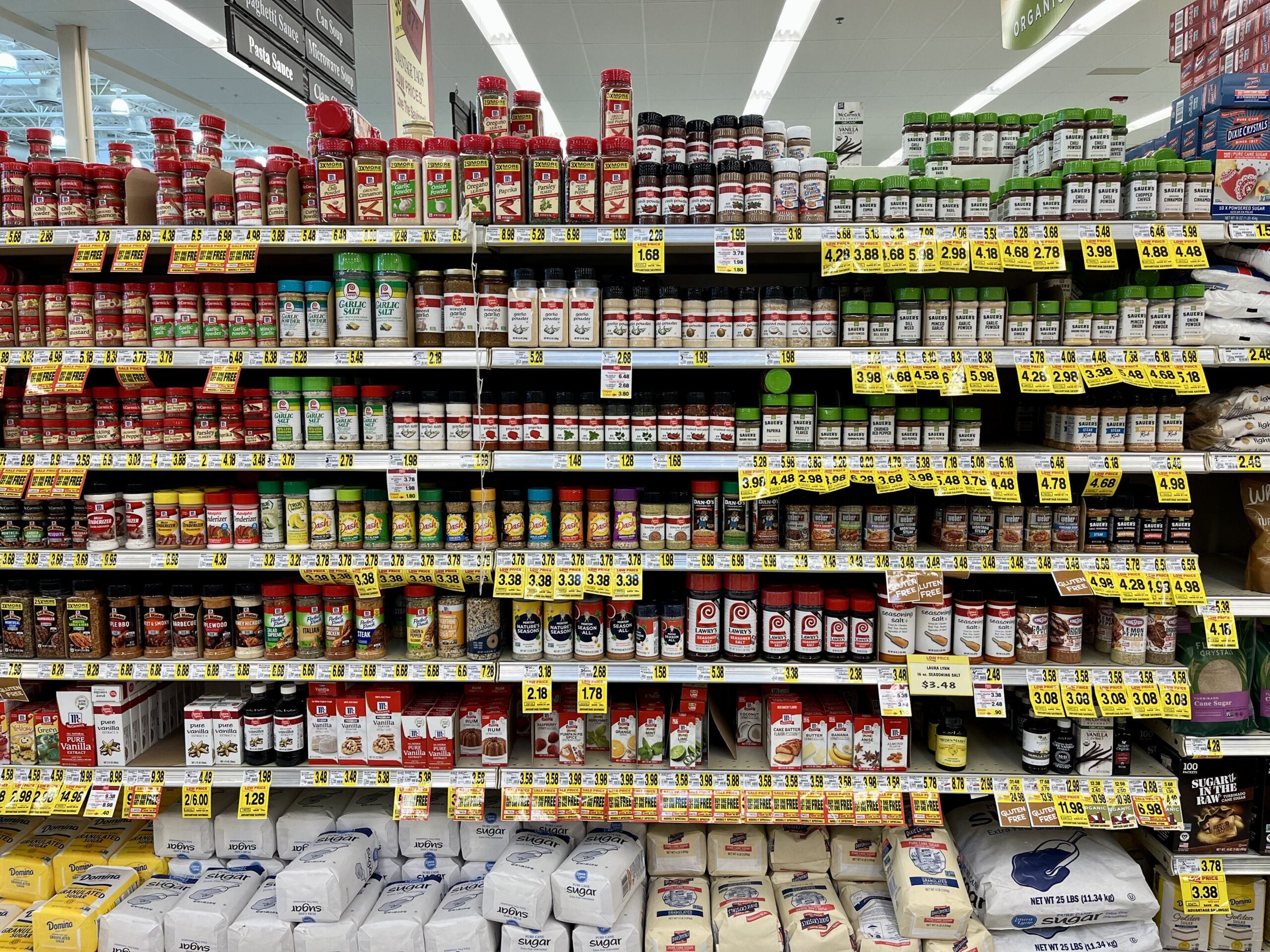
Warehouse-sized spice containers look like an incredible bargain, but they aren’t always the smartest purchase. While spices don’t necessarily become unsafe, they gradually lose their aroma and flavor over time. A giant container of oregano or cumin might take years for a small household to finish, meaning much of it will taste less vibrant long before it’s empty. Bulk purchases make the most sense for seasonings you use constantly, such as black pepper, garlic powder, onion powder, or cinnamon. Less frequently used spices are often better purchased in smaller bottles, even if they cost a bit more per ounce. Some Costco shoppers even split oversized spice containers with relatives to keep everyone supplied with fresher seasonings. Saving money isn’t very helpful if the product no longer delivers the flavor you expected.
Forgetting About Costco’s Return Policy

One of the biggest benefits of a Costco membership isn’t found on the shelves at all—it’s the company’s generous return policy. Many members forget they can return products that don’t meet their expectations, whether it’s a kitchen appliance, piece of furniture, or food item that simply wasn’t a hit. While some categories, including electronics, have shorter return windows, most purchases are backed by Costco’s satisfaction guarantee. Because the warehouse keeps a digital record of purchases, members usually don’t need to save every paper receipt. That convenience makes returns much easier than many shoppers realize. Experienced Costco members often view the return policy as one of the reasons they’re comfortable trying unfamiliar products. Knowing that safety net exists adds value to the membership beyond simple discounts.
Skipping Walmart’s Online Prices Before Buying In-Store

Checking Walmart’s website or app before making a purchase takes less than a minute and can sometimes lead to meaningful savings. Certain products occasionally have different online and in-store prices, while pickup-only offers may provide additional discounts. The app also makes it easy to verify whether an item is actually in stock before driving to the store. This is especially useful for electronics, small appliances, toys, and seasonal merchandise that can sell out quickly. Some shoppers even compare Walmart’s online prices against competitors while standing in the aisle. Spending a few extra moments researching before checking out can prevent paying more than necessary. It’s one of the simplest habits shoppers can develop without adding much effort to their routine.
Sign up for our newsletter
Shopping Hungry

Shopping while hungry can quietly increase your grocery bill without you even realizing it. Studies have shown that hungry shoppers are more likely to make impulse purchases, especially when surrounded by appealing displays of ready-to-eat foods. Costco’s bakery, prepared meals, frozen appetizers, and famous food court become especially tempting on an empty stomach. Walmart’s snack aisles, fresh bakery items, and seasonal candy displays can have the same effect. Many experienced shoppers recommend eating a meal or even a small snack before leaving home to reduce unnecessary cravings. That simple habit makes it easier to stick to your shopping list instead of grabbing extra treats along the way. Avoiding just a handful of impulse purchases each month can add up to meaningful savings over the course of a year.
Assuming Kirkland Is Always Better Than Name Brands
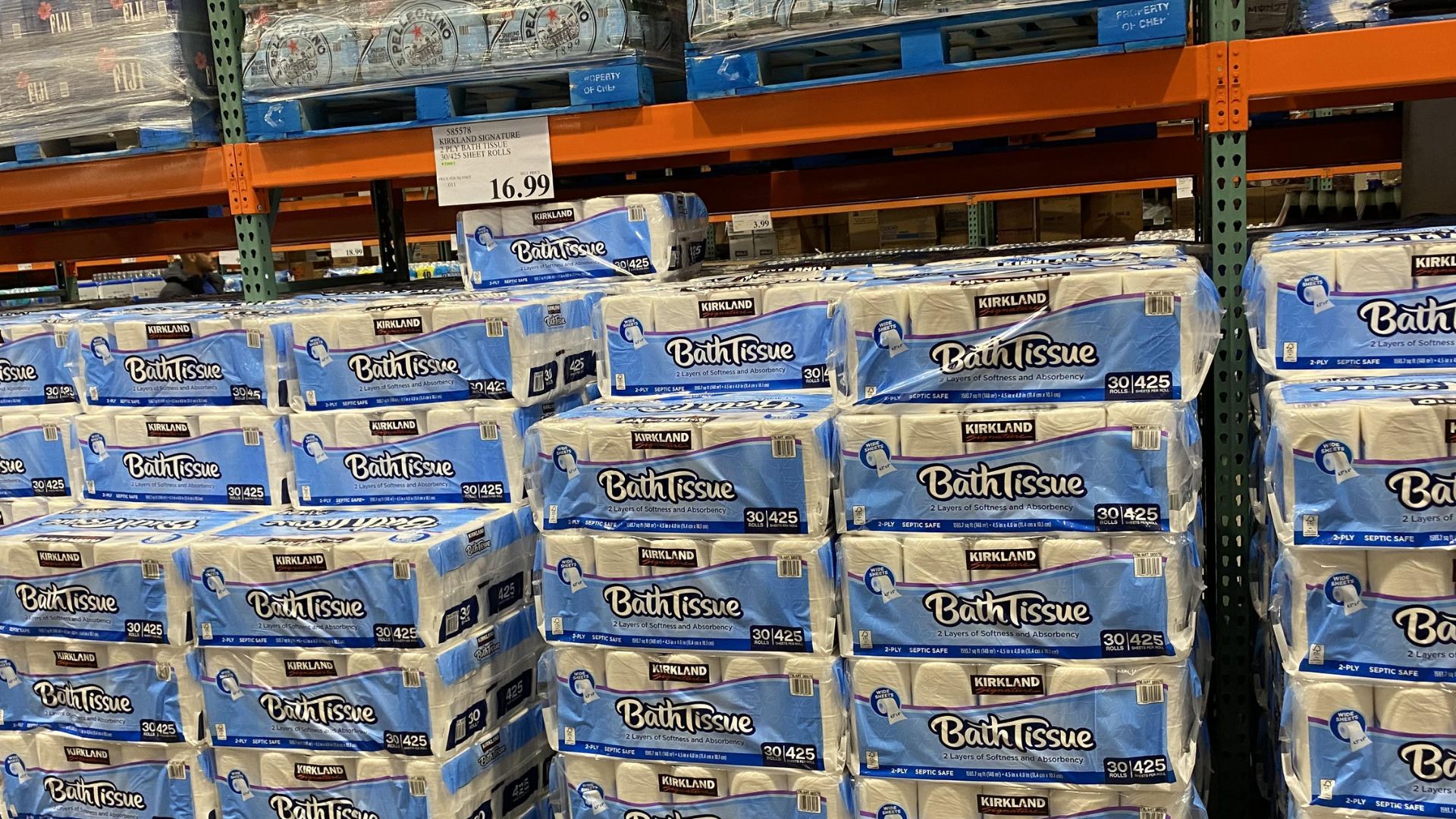
Kirkland Signature has built an outstanding reputation, and many of its products are considered among Costco’s best values. Items like olive oil, maple syrup, batteries, coffee, and Parmigiano Reggiano regularly receive praise from both customers and reviewers. However, not every Kirkland product earns universal approval. Certain frozen meals, snacks, prepared foods, and household items receive mixed reviews, with some shoppers preferring national brands instead. Product quality varies depending on the category, so it’s worth reading customer reviews before trying something unfamiliar. Experienced Costco shoppers evaluate each purchase individually instead of assuming every private-label item is automatically superior. Comparing quality alongside price remains one of the smartest shopping habits.
Forgetting to Compare Meat Prices

Costco is well known for its high-quality meat department, but that doesn’t always mean it offers the lowest prices. Walmart frequently runs aggressive promotions on chicken, pork, and ground beef, while local grocery stores often feature excellent weekly meat specials. Prices can fluctuate throughout the year depending on supply, holidays, and seasonal demand. That’s why experienced shoppers compare price per pound before stocking up instead of buying everything from one retailer. Costco may offer better value on premium steaks or larger cuts, while another store wins on everyday family meals. Flexibility often leads to the biggest savings. Shoppers willing to compare a few ads each week frequently spend much less without sacrificing quality.
Buying Electronics Without Checking Manufacturer Promotions

Electronics pricing changes constantly, making comparison shopping especially important. A television, laptop, or kitchen appliance that seems like a great deal today could be available for significantly less during a manufacturer promotion or holiday sale. Costco often includes extended warranty benefits, but another retailer may offer cashback, rebates, gift cards, or bundle discounts that improve the overall value. Looking beyond the sticker price helps shoppers understand what they’re actually getting for their money. Reading reviews also ensures the product itself is worth buying, regardless of where it’s sold. Taking a few minutes to research before making a major purchase can prevent expensive buyer’s remorse. For electronics, patience often saves more money than loyalty to any single retailer.
Overlooking Costco’s Pharmacy and Optical Departments

Many shoppers think of Costco primarily as a place to buy groceries, paper products, and bulk household essentials, but some of its best values are found in departments they rarely visit. Costco’s pharmacy is widely praised for competitive prescription prices, while its optical department consistently receives positive reviews for affordable glasses, contact lenses, and eye exams. Hearing aids, over-the-counter medications, and wellness products can also offer meaningful savings compared to traditional retailers. For some households, these healthcare-related services easily offset the annual membership fee. Longtime members often say they wish they’d discovered these departments much sooner. Looking beyond the food aisles can dramatically increase the value of a Costco membership.
Ignoring Seasonal Buying Cycles
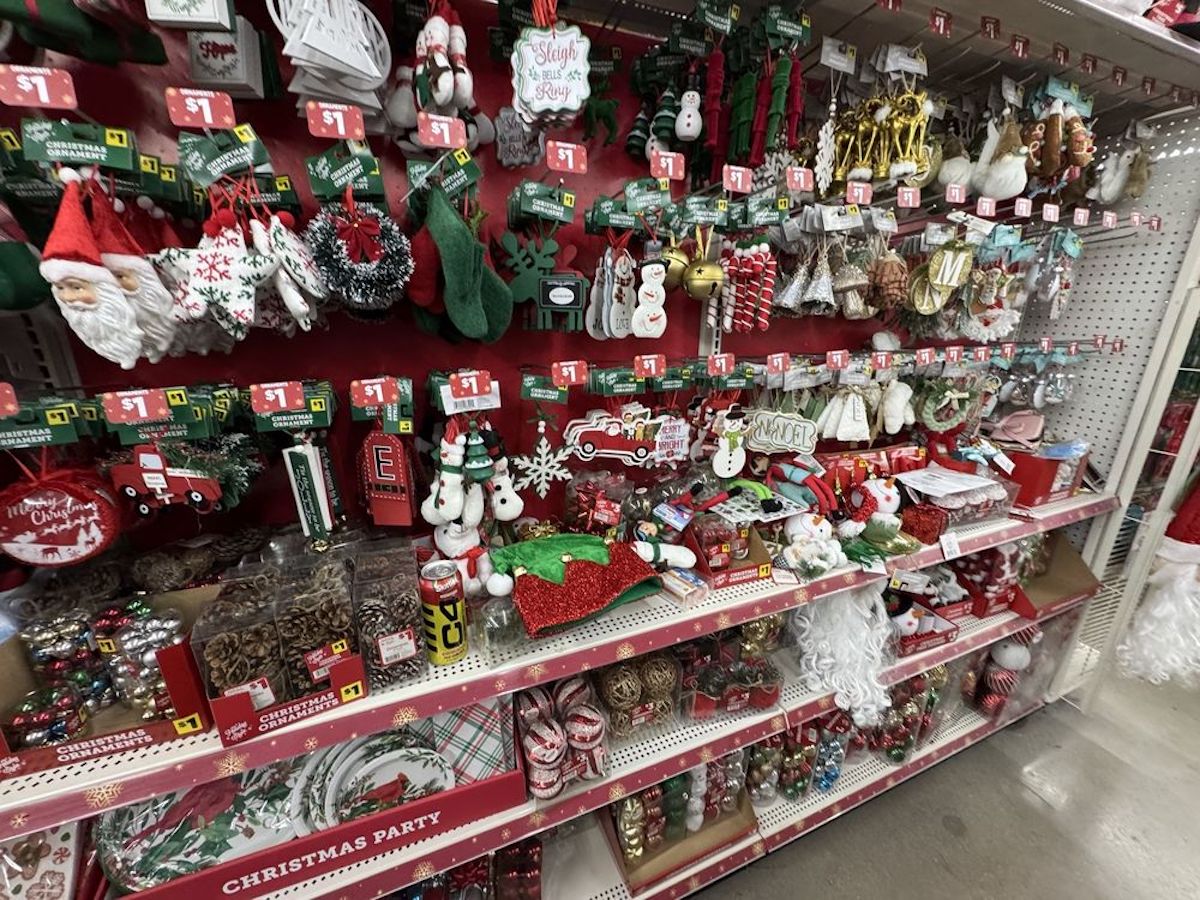
Timing can be just as important as choosing the right store. Both Costco and Walmart rotate seasonal inventory aggressively, which means prices often fall dramatically once a season comes to an end. Patio furniture, grills, gardening supplies, holiday decorations, and outdoor equipment frequently receive their biggest markdowns during clearance events. Buying these products at the beginning of the season almost always means paying the highest prices. Patient shoppers who plan ahead can often save substantial amounts simply by waiting a few weeks. Shopping according to seasonal cycles requires some planning, but the rewards can be significant. Sometimes the best bargain comes from buying next year’s item before leaving this year’s clearance aisle.
Forgetting to Factor in Membership Costs

A Costco membership isn’t automatically a good value for every household. The annual fee pays for itself only if shoppers consistently take advantage of the savings the warehouse offers. Families that regularly buy gasoline, prescriptions, meat, paper products, and pantry staples often recover the membership cost fairly quickly. Others may discover they aren’t shopping often enough to justify renewing each year. Reviewing your spending habits annually helps determine whether the membership is still working in your favor. The answer can change as household size, eating habits, and shopping routines evolve. Honest evaluation ensures you’re paying for benefits you actually use instead of simply renewing out of habit.
Letting Impulse Purchases Cancel Out Your Savings

Costco’s famous treasure-hunt shopping experience and Walmart’s seasonal displays are specifically designed to encourage spontaneous purchases. It’s easy to walk in for paper towels and leave with decorative pillows, a new kitchen gadget, or snacks that weren’t on the shopping list. While one impulse purchase may not seem significant, several unplanned items can quickly erase the savings earned on everything else in the cart. Experienced shoppers often pause before adding nonessential products and ask themselves whether they intended to buy them before entering the store. Some even wait until the end of the trip and remove a few impulse items before checking out. The biggest shopping victories often come from the purchases you choose not to make.
Bigger Picture: Smart Shopping Beats Store Loyalty

Costco and Walmart can both deliver excellent value, but neither retailer guarantees the lowest price on every product every time. Smart shoppers focus on comparing unit prices, planning meals, buying only what they’ll use, and resisting impulse purchases that quietly inflate the grocery bill. They also recognize that local grocery stores, warehouse clubs, and big-box retailers each have categories where they consistently shine. Rather than remaining loyal to a single store, many experienced shoppers combine the strengths of several retailers throughout the month. Those small habits may seem insignificant during one shopping trip, but they add up over dozens of visits each year. In the end, saving money isn’t about shopping at one particular store—it’s about making thoughtful decisions every time you fill your cart.