Food trends have a funny way of turning yesterday’s bargain-bin ingredients into today’s premium purchases. Many foods that were once associated with stretching a tight budget, whether overlooked cuts of meat, humble canned goods, or ingredients people barely considered edible, have undergone major image makeovers. In a recent Reddit discussion, people shared the foods they remember as cheap, everyday staples that have since become expensive, trendy, or downright luxurious. Here are some of the most interesting examples of cheap foods that are expensive now.
Chicken Wings
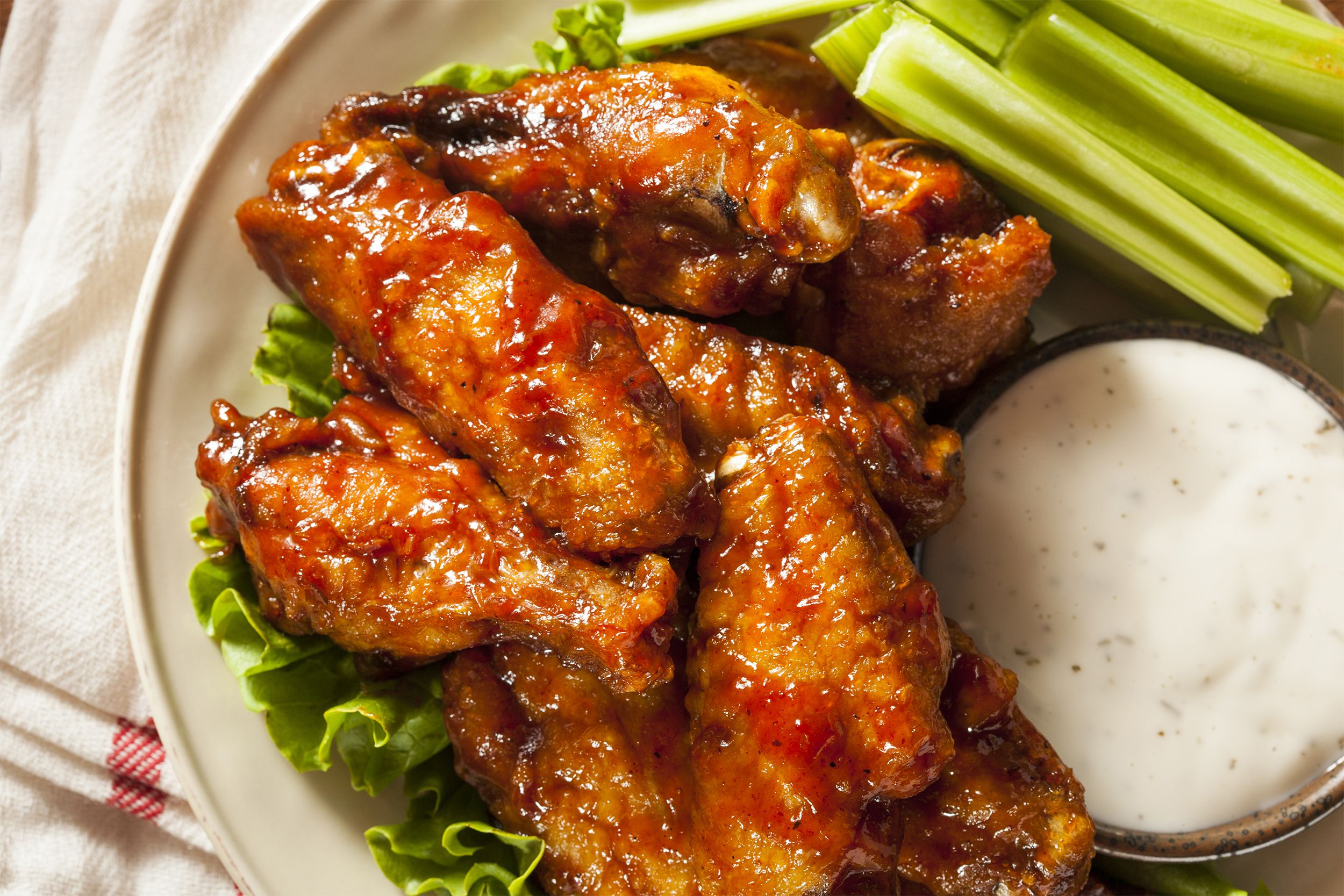
One Redditor simply answered, “not fancy but chicken wings.” Another user added, “From 20 cents a pound, to the priciest cut of the bird.”
It’s hard to argue with that assessment. For decades, wings were considered one of the least desirable parts of the chicken and were often discarded or sold for pennies. The rise of Buffalo wings, sports bars, and chain restaurants transformed them into one of the most sought-after cuts, with prices frequently spiking during football season and major sporting events.
Ground Beef

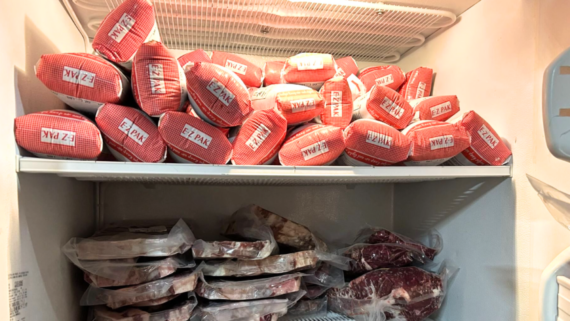
Reddit user Walmartian_Beta wrote, “Ground beef – used to be so cheap that meatloaf was what poor kids got for dinner once or twice a week. I recall it being about $2 per lb when I was a kid! My parents had a freezer full of ground beef and ground pork. Now it’s $7/lb at my local grocery store for the 80/20.”
Ground beef has long been a staple for budget-conscious families because it could be stretched into meatloaf, casseroles, tacos, and pasta dishes. Rising cattle costs, inflation, and growing demand have steadily pushed prices upward, making what was once a go-to economical protein significantly more expensive.
Fish
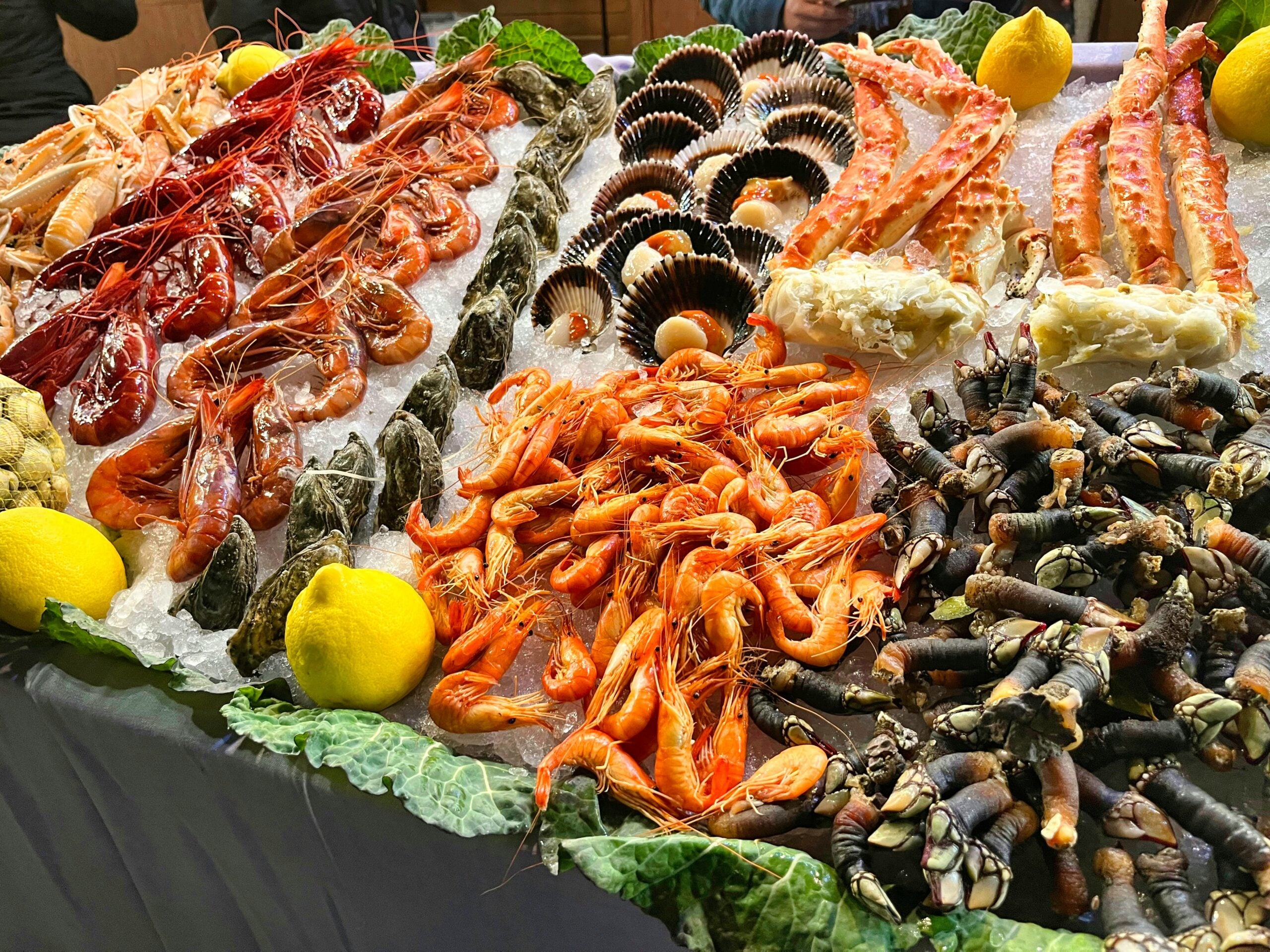
One commenter offered a surprisingly simple answer: “Fish.”
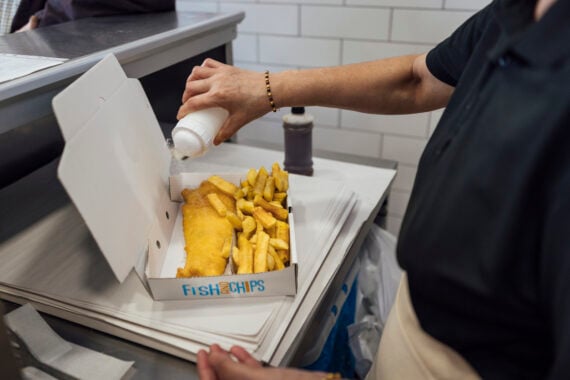
While some varieties remain affordable, many fish that were once common dinner-table staples have become increasingly expensive. Overfishing, supply-chain challenges, and growing consumer demand for seafood have driven up prices for everything from cod to salmon, making regular fish dinners far less budget-friendly than they once were.
Kale
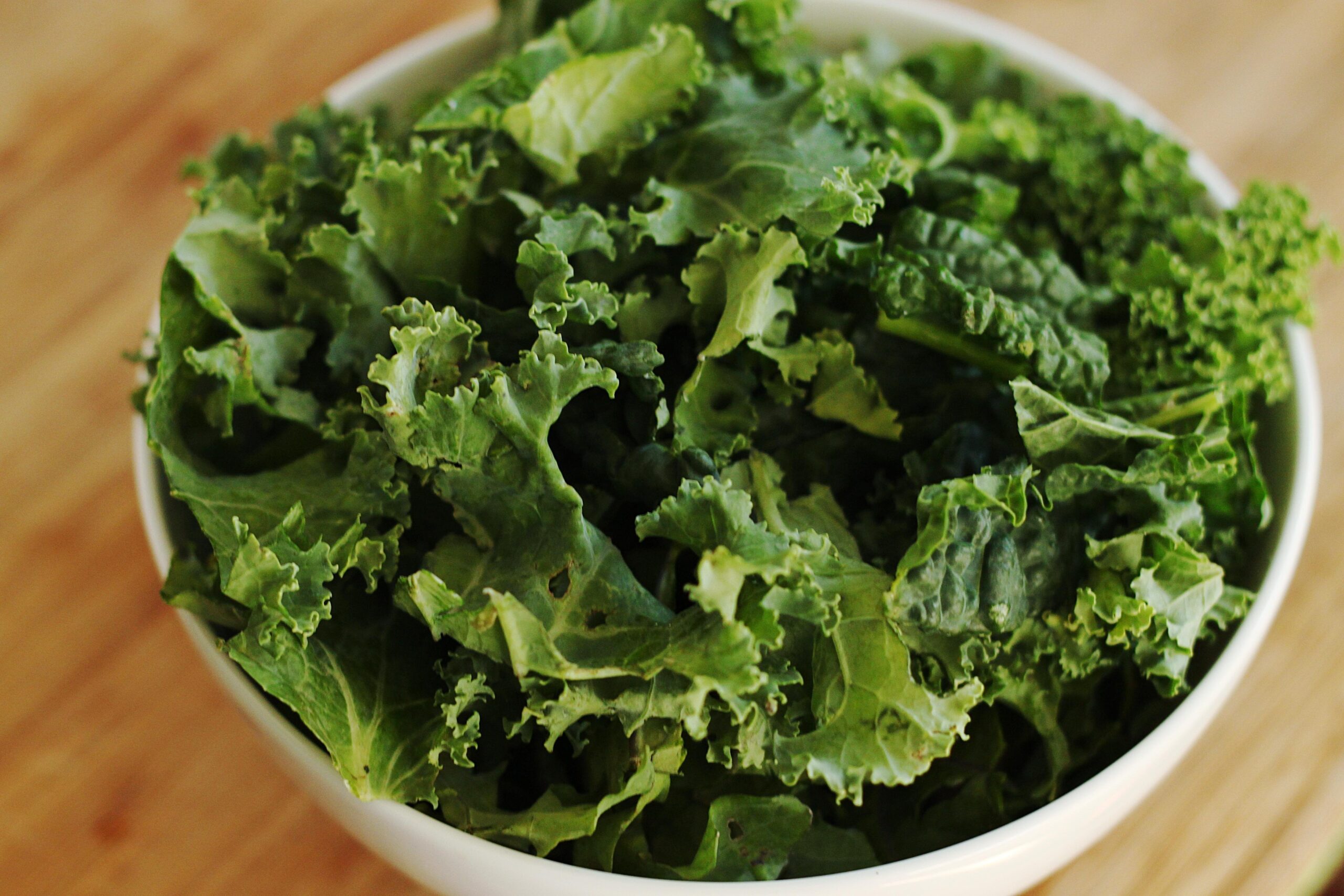
Redditor CulturalConstant2773 recalled, “I can’t think of a thing except maybe kale. But, it’s not like kale is now considered fancy. It’s just that it’s now considered edible, while when I was a kid in the ‘60s and ‘70s, it was used pretty much exclusively to decorate salad bars, and butcher and seafood displays.”
Kale’s transformation may be one of the most dramatic rebrands in food history. What was once mostly used as garnish became a superstar during the health-food boom of the 2010s, appearing in smoothies, salads, chips, and wellness-focused menus everywhere.
Pork Chops
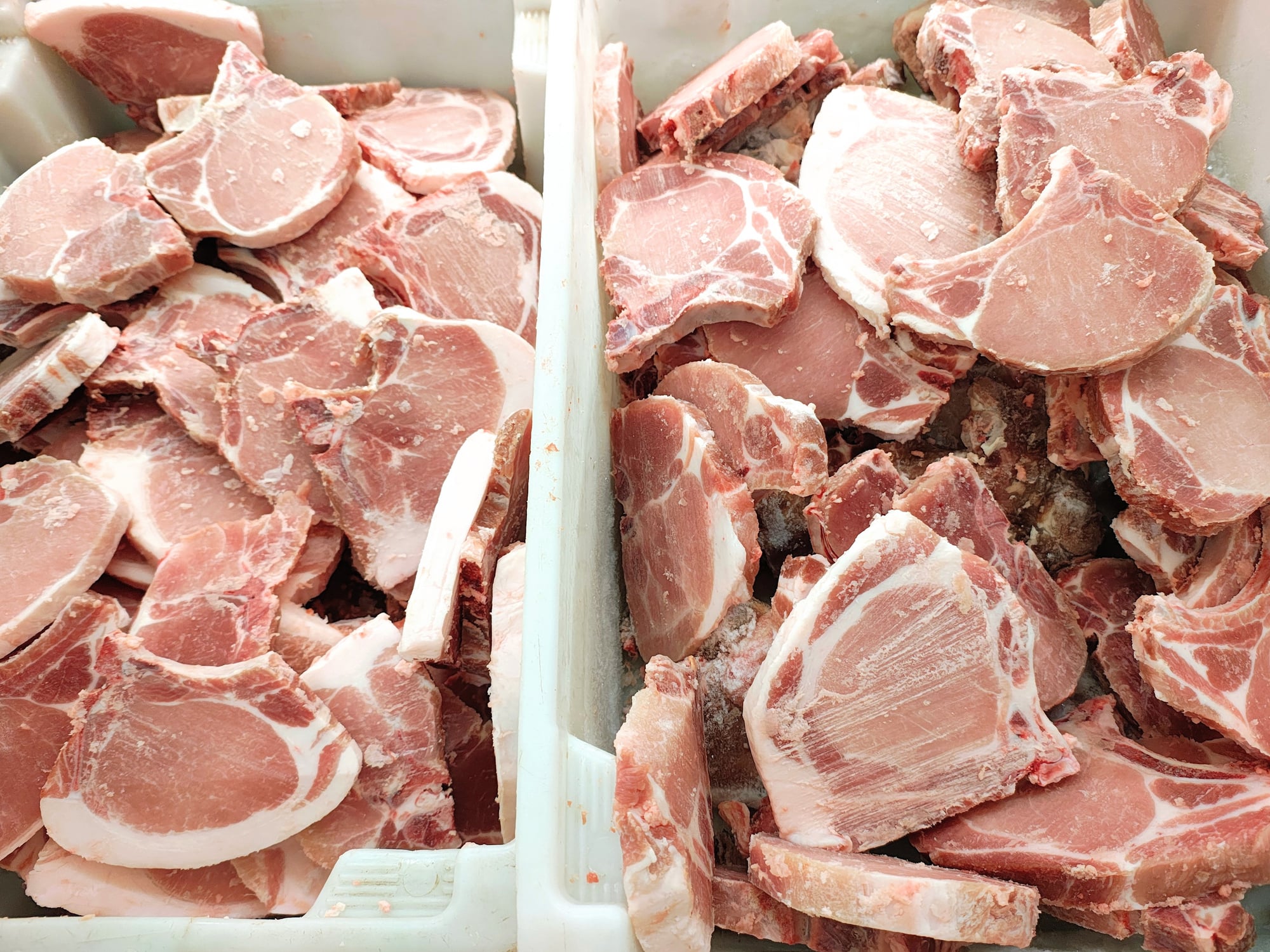
One user simply answered, “Pork chops.”
Pork chops were once viewed as an inexpensive weeknight dinner option for working-class families. Today, premium heritage-breed pork, specialty cuts, and restaurant preparations have elevated pork chops into a much pricier category than many people remember from childhood.
Trending on Cheapism
Oxtail
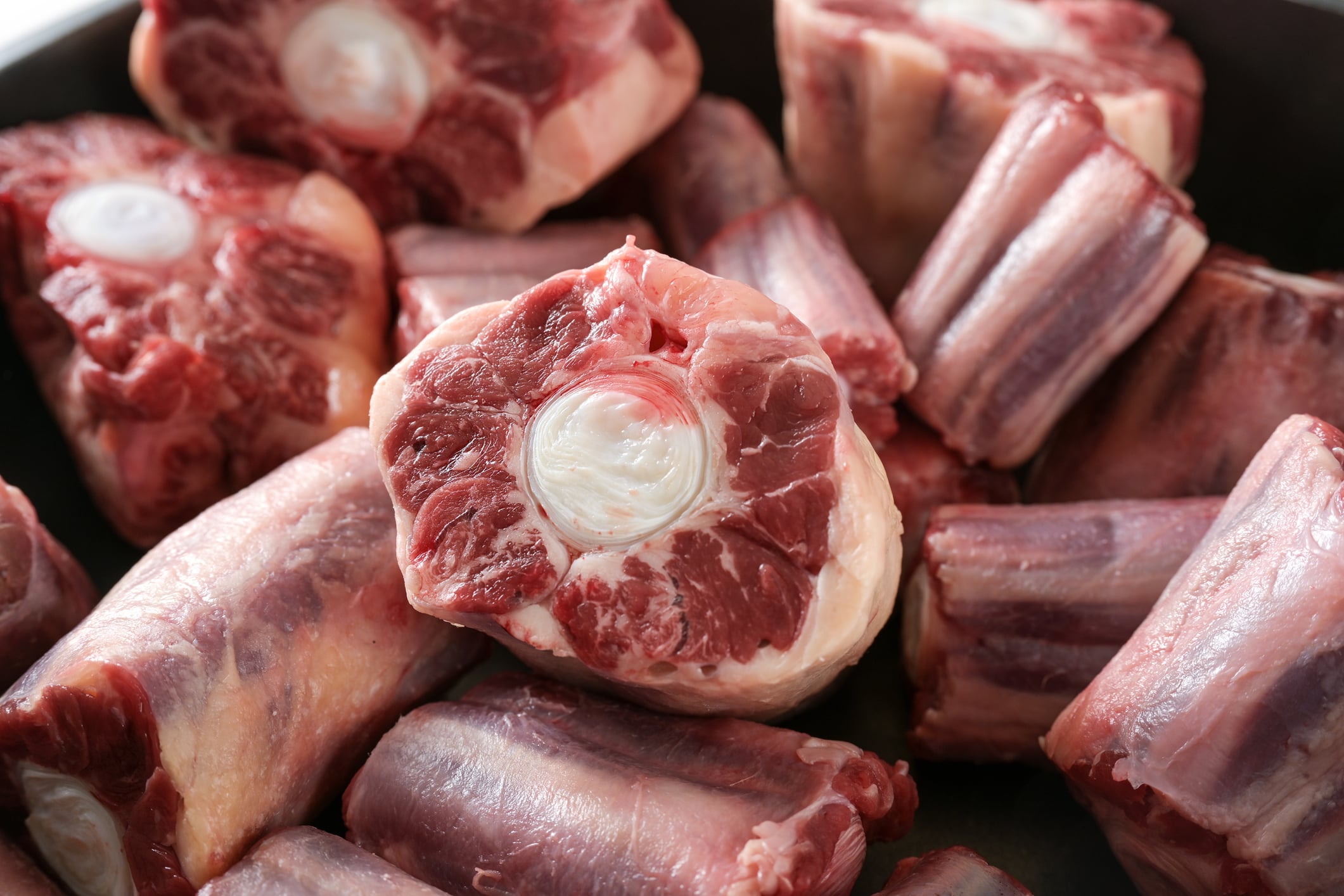
Redditor silverpotato5955 wrote, “oxtail used to be the cheap cut nobody wanted so it went into stews and soups. now it shows up on trendy restaurant menus for like $28 a plate like the cow only had one tail.”
Oxtail is perhaps the textbook example of a formerly cheap ingredient becoming fashionable. Once valued mainly by home cooks who knew how to slow-cook tough cuts, it is now featured in upscale restaurants and viral cooking videos. Its limited supply—after all, every cow really does only have one tail—has helped push prices higher.
Canned Sardines
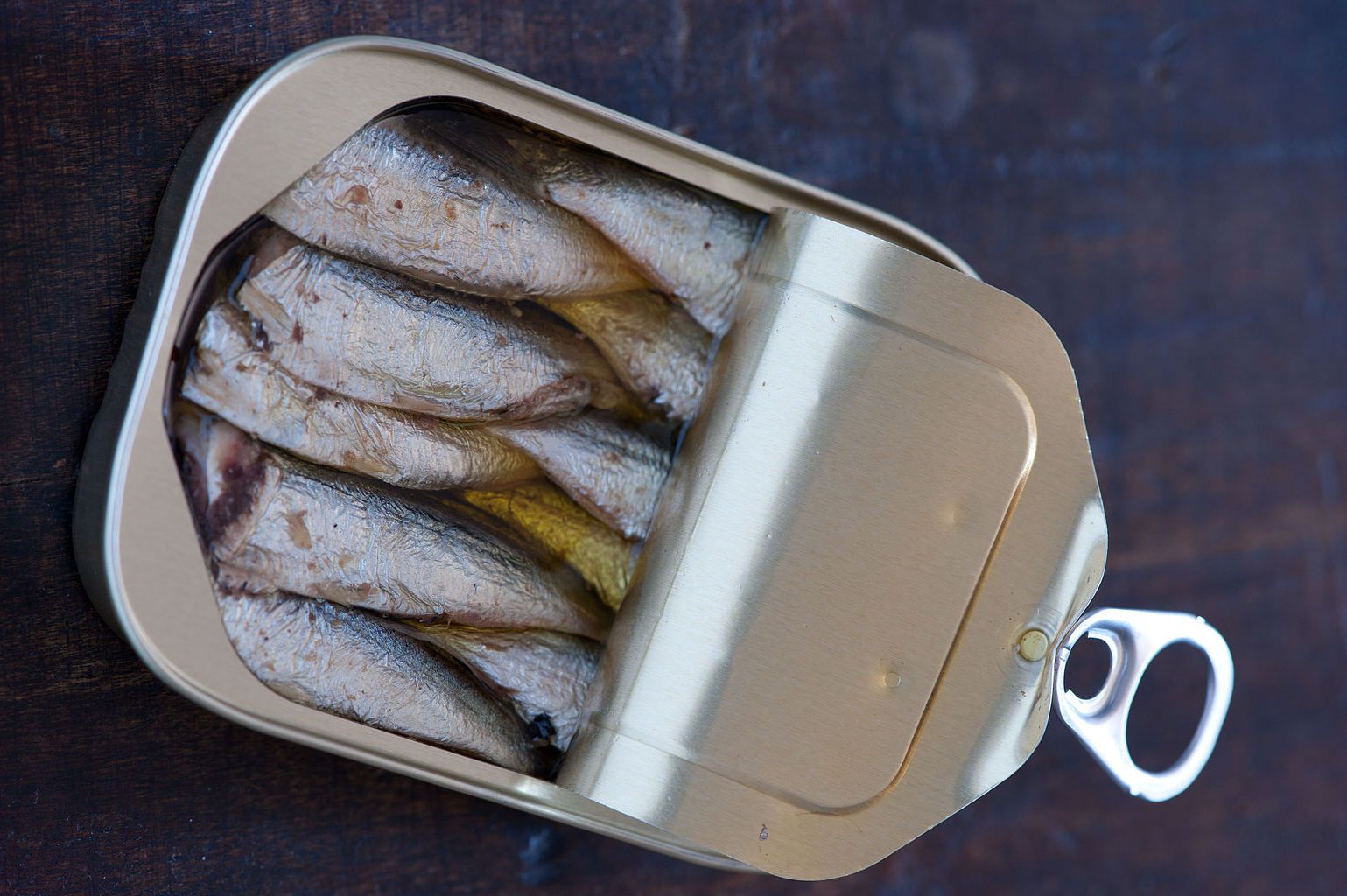
One commenter answered simply: “Canned sardines.”
For generations, sardines were viewed as a cheap pantry food. Recently, however, artisanal tinned fish has become a social media sensation. Specialty sardines imported from Portugal, Spain, and France can now sell for many times the price of ordinary grocery-store tins and are frequently featured on gourmet charcuterie boards.
Pork Shoulder
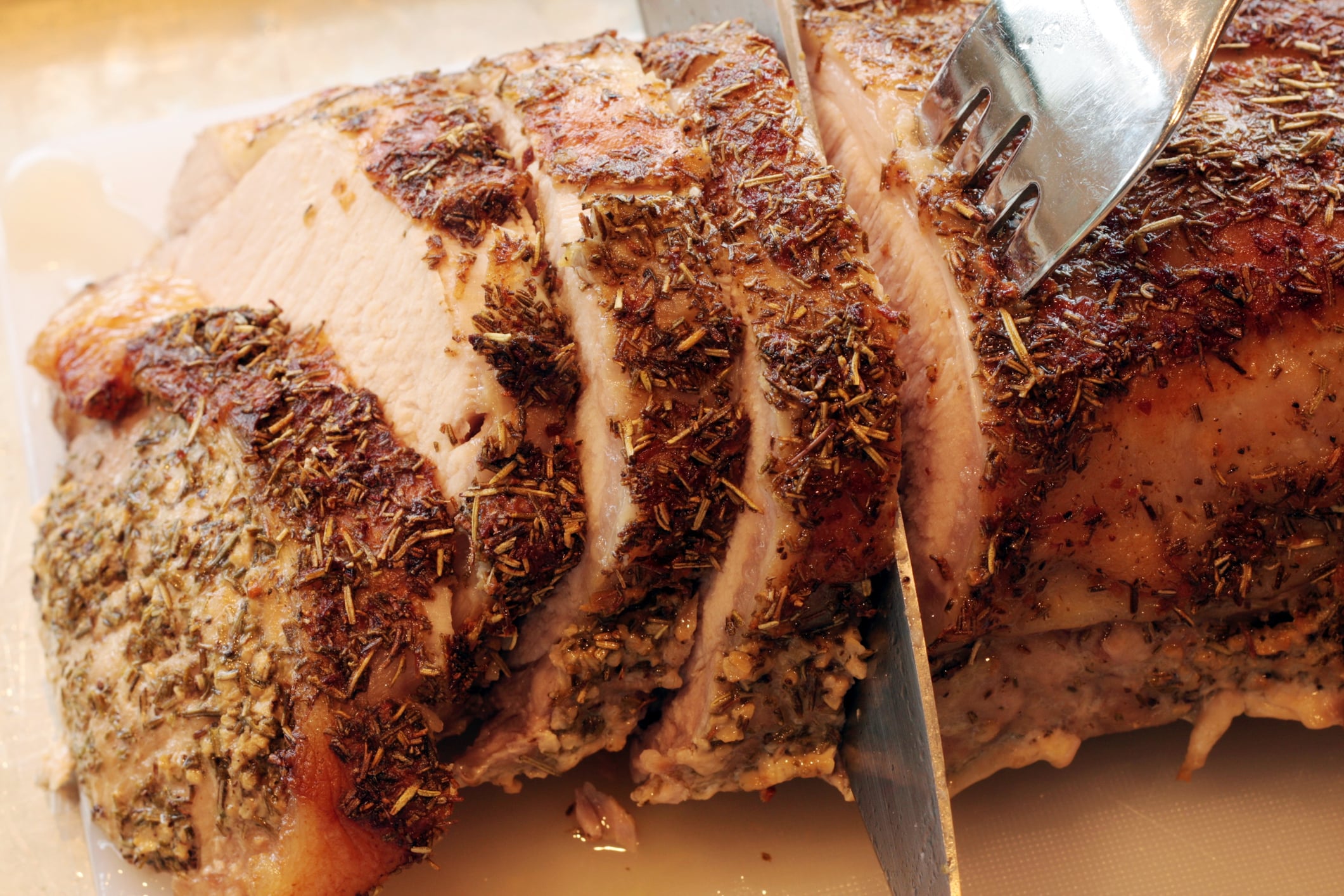
Reddit user Abba_Fiskbullar shared, “Pork shoulder. My mom used to buy cheap pork shoulder and make carnitas when we were broke. People have realized that it’s an awesome cut, and it’s no longer cheap.”
Pork shoulder benefited from the barbecue boom and the growing popularity of dishes like pulled pork and carnitas. As more people discovered how flavorful the cut becomes when cooked low and slow, demand increased and prices followed.
Sign up for our newsletter
Tapas
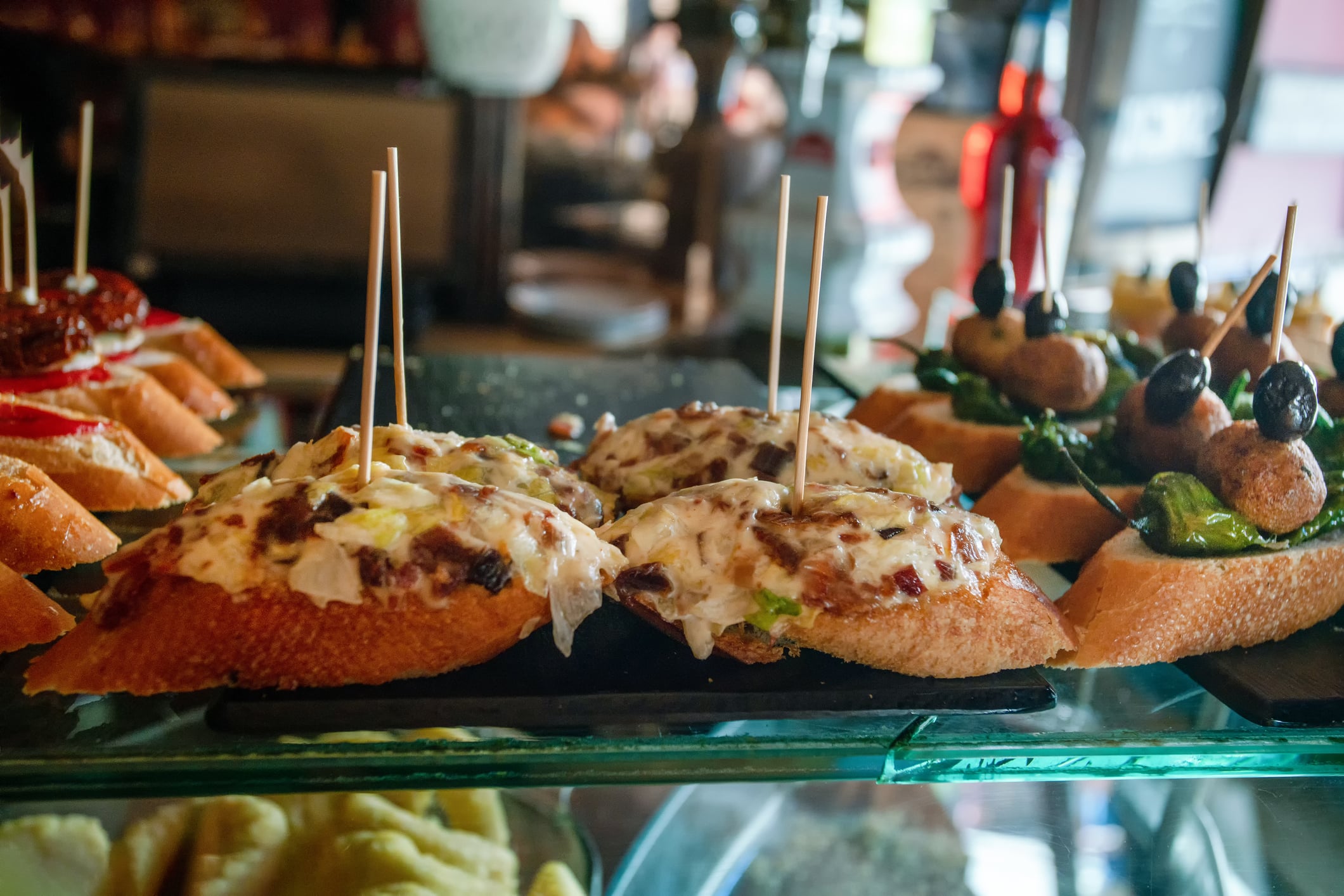
One commenter answered with a single word: “Tapas.”
Historically, tapas were small, inexpensive snacks served alongside drinks in Spain. In many modern restaurants, however, tapas have evolved into a dining trend where several small plates can collectively cost much more than a traditional entrée, giving humble bar food a distinctly upscale reputation.
The Rise of “Cheap Cuts” in General
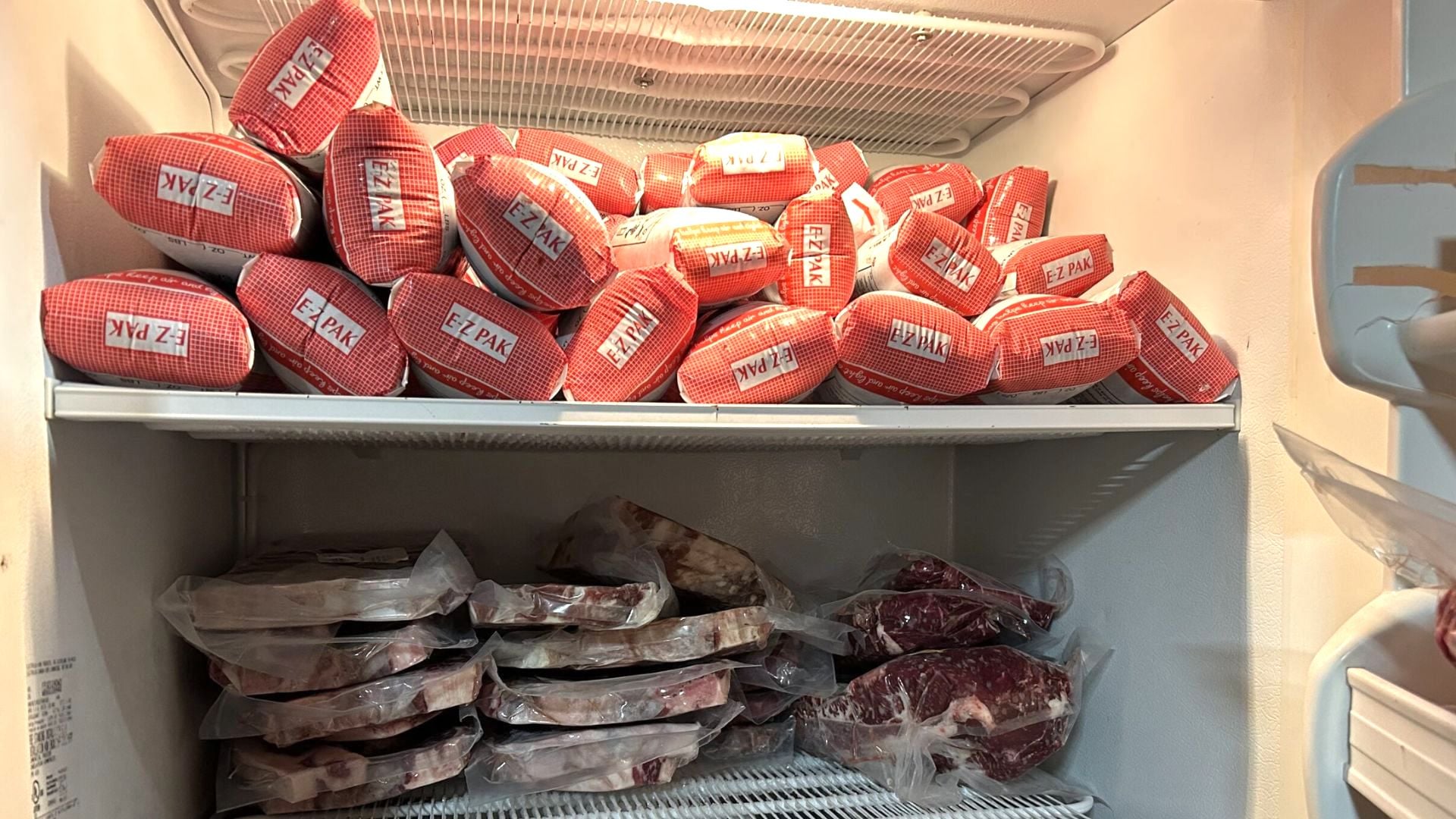
Several responses in the thread pointed toward a broader trend rather than a single food. Whether it was chicken wings, pork shoulder, or oxtail, many commenters described cuts that were once considered undesirable becoming highly sought after.
As chefs, food bloggers, and home cooks embraced nose-to-tail cooking and slow-cooked comfort foods, formerly overlooked ingredients gained new respect. The downside? Once everyone discovers a bargain, it usually stops being a bargain.
The foods that once symbolized frugality often become expensive for the same reason they were cheap in the first place: people eventually realize how good they are. Whether it’s chicken wings, oxtail, pork shoulder, or even canned sardines, yesterday’s budget meal can quickly become today’s foodie obsession—and your grocery bill may never be the same.
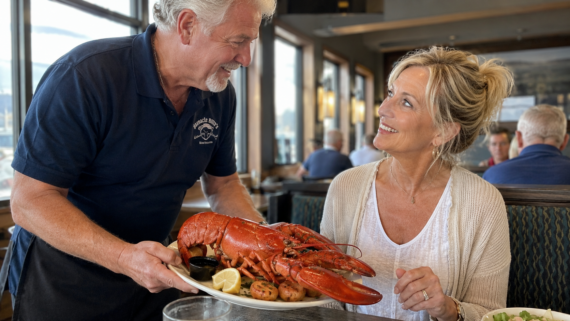
Lobster
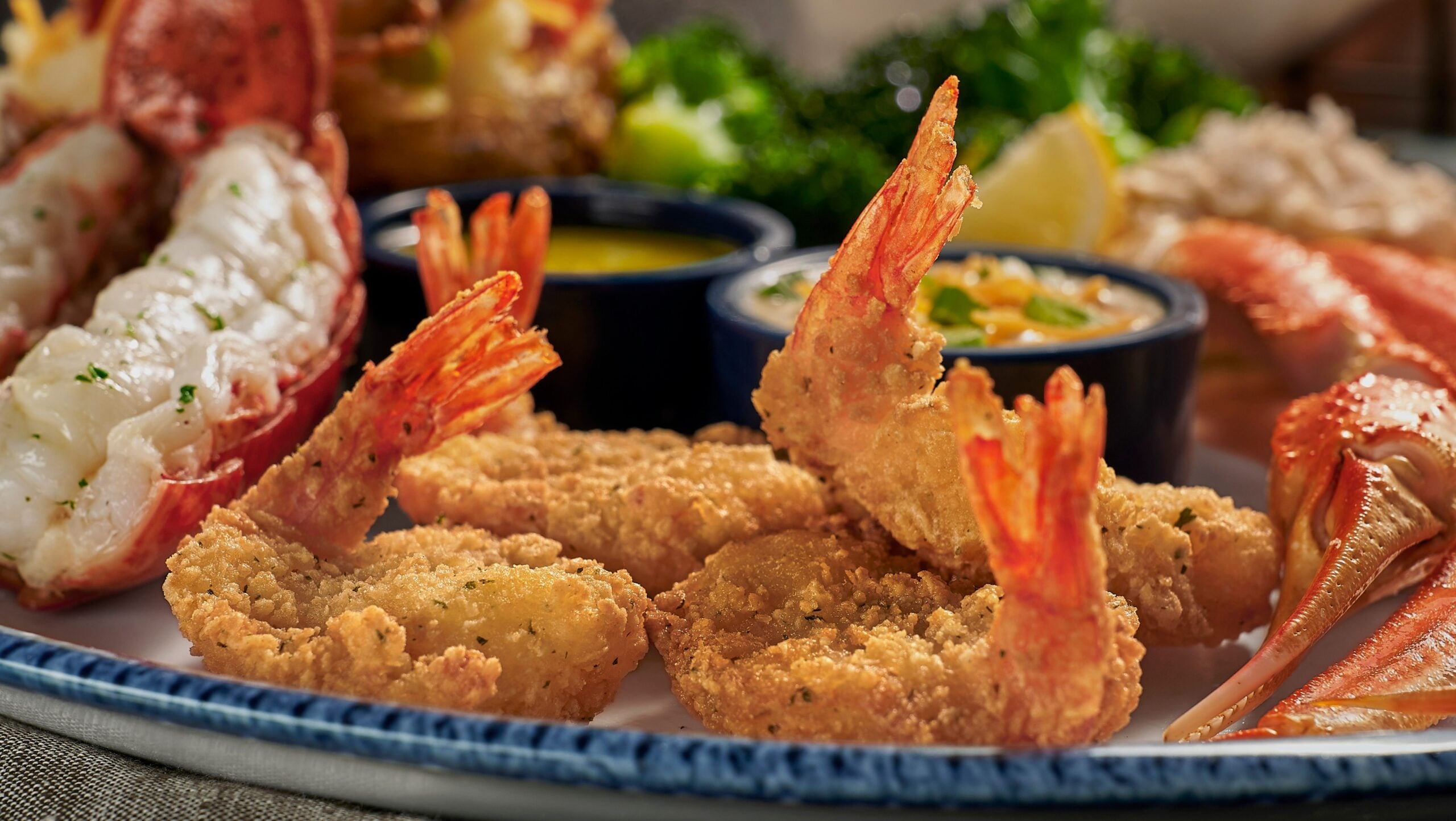
Lobster is one of the most famous examples of a food that underwent a complete status transformation. In colonial America and well into the 19th century, lobster was so abundant along the Northeast coast that it was considered food for prisoners, servants, and poor families. Some accounts even suggest that servants negotiated limits on how often they would be served lobster because they were tired of eating it. As lobster populations became harder to access and demand grew, it transformed into one of the most luxurious seafood items on restaurant menus, often selling for market prices that can easily exceed $40 or $50 per entrée.
Avocados
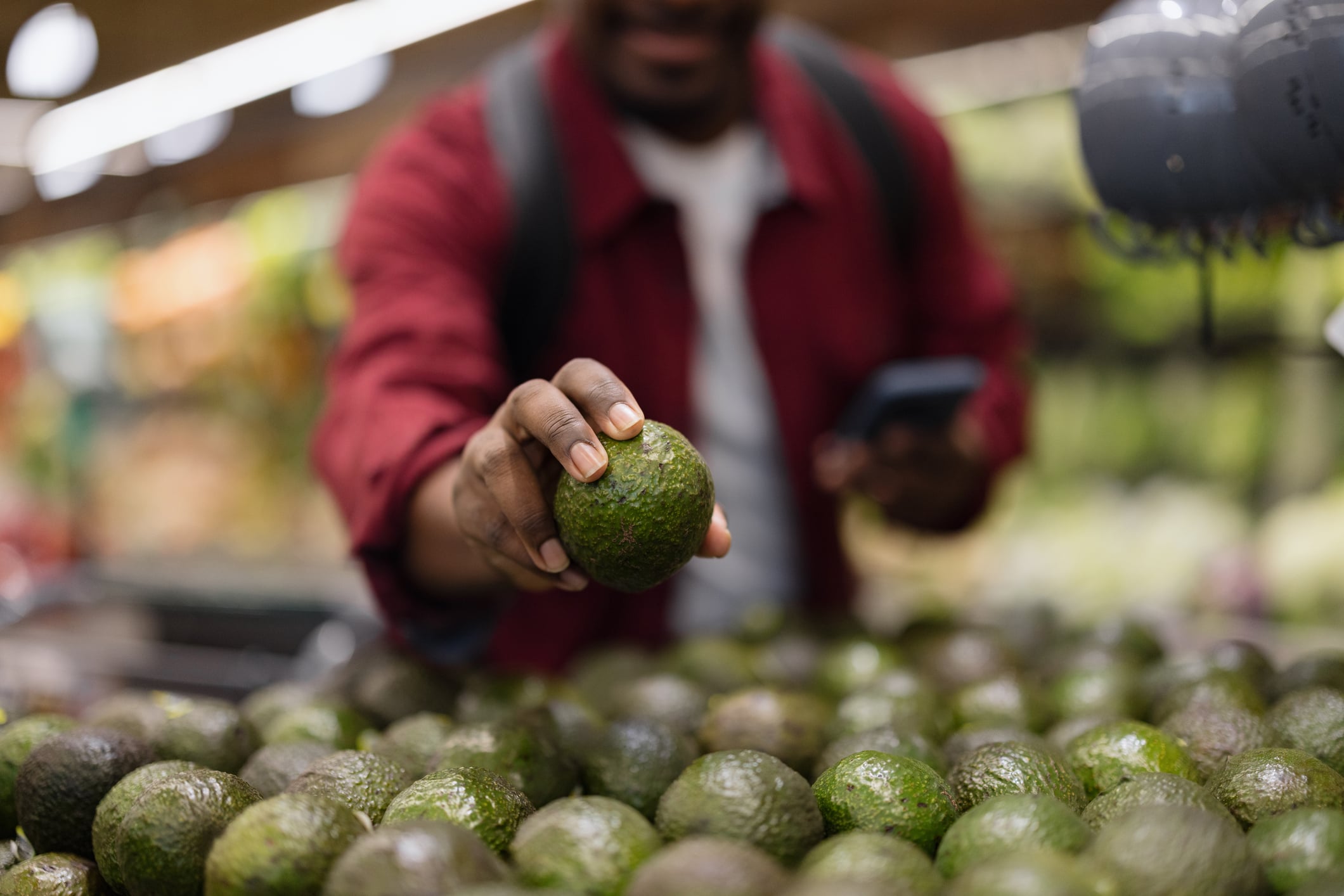
While avocados weren’t necessarily “poor people food” everywhere, they were once abundant and inexpensive in many producing regions. The rise of avocado toast, health-conscious eating, and social media food culture helped transform them into a premium grocery item, with prices frequently making headlines.
More from Cheapism:
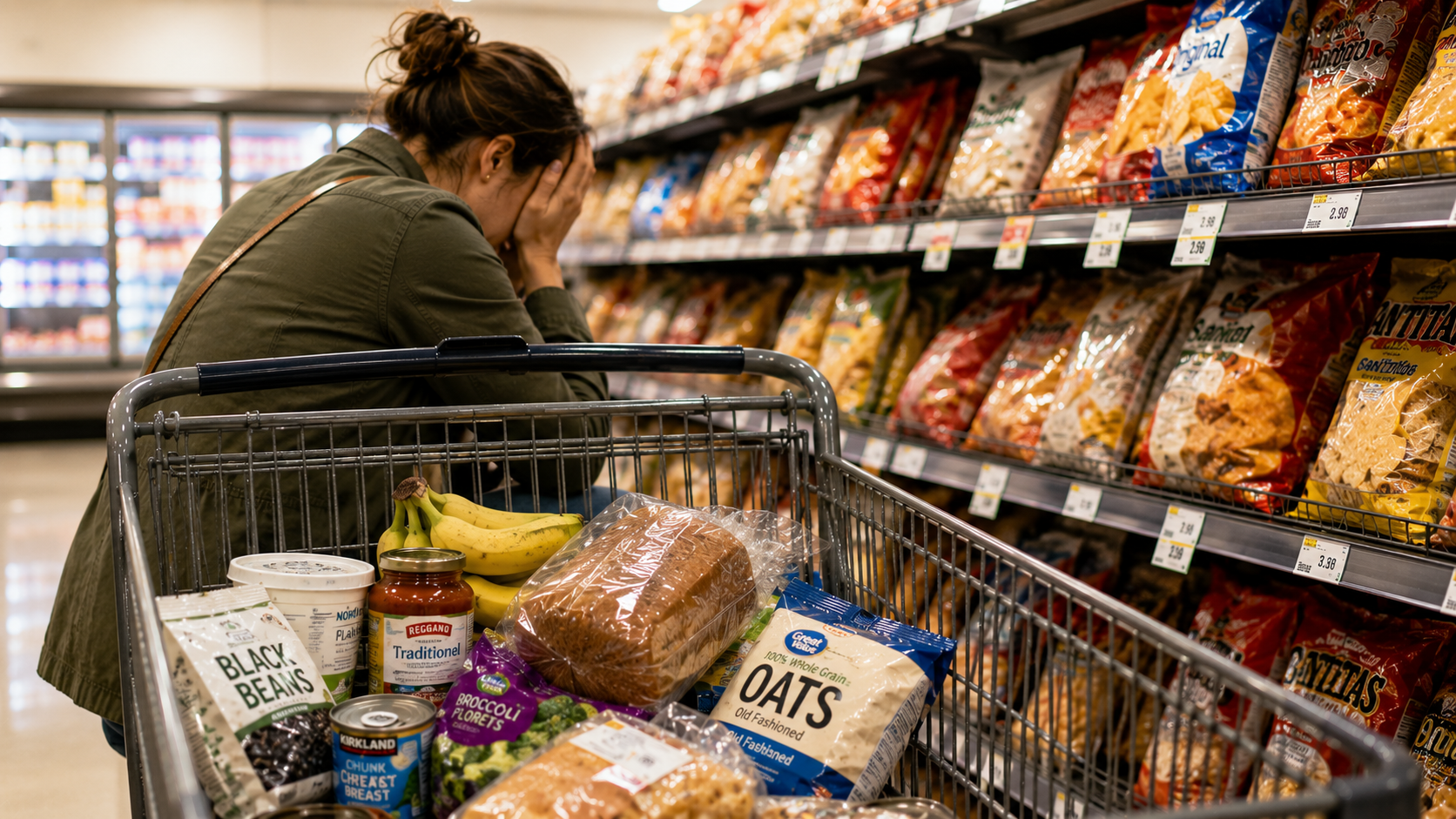
- Americans Are Quietly Giving Up These Foods Because Prices Got Absurd — From steak and seafood to coffee and fast food, rising grocery costs are forcing many Americans to cut beloved foods from their shopping lists and rethink what they can afford.
- Steak Is So Expensive These Days, But Here’s How You Can Still Enjoy It In 2026 — Steak prices may be soaring, but savvy shoppers are finding ways to keep it on the menu with cheaper cuts, restaurant deals, and budget-friendly cooking strategies.
- Foods in Your Freezer You Should Toss Immediately — That forgotten freezer stash could be costing you quality, space, and even food safety, so it may be time to finally throw out those expired, freezer-burned, and mystery items.