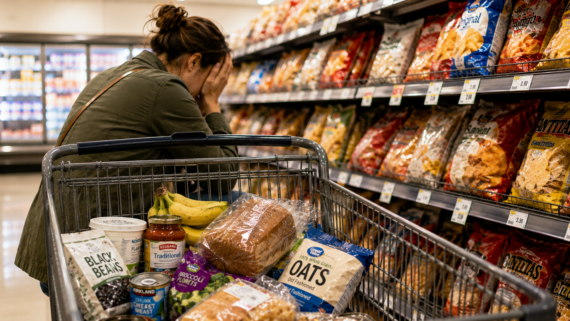
Inflation has wreaked havoc across much of the globe, and foods like meat, seafood, coffee, and even dining out have been subject to economic pressure that has driven up prices. You can check with the Federal Reserve Economic Data for this food prices. These are the products that have seen the biggest price increases in recent years!
Steak
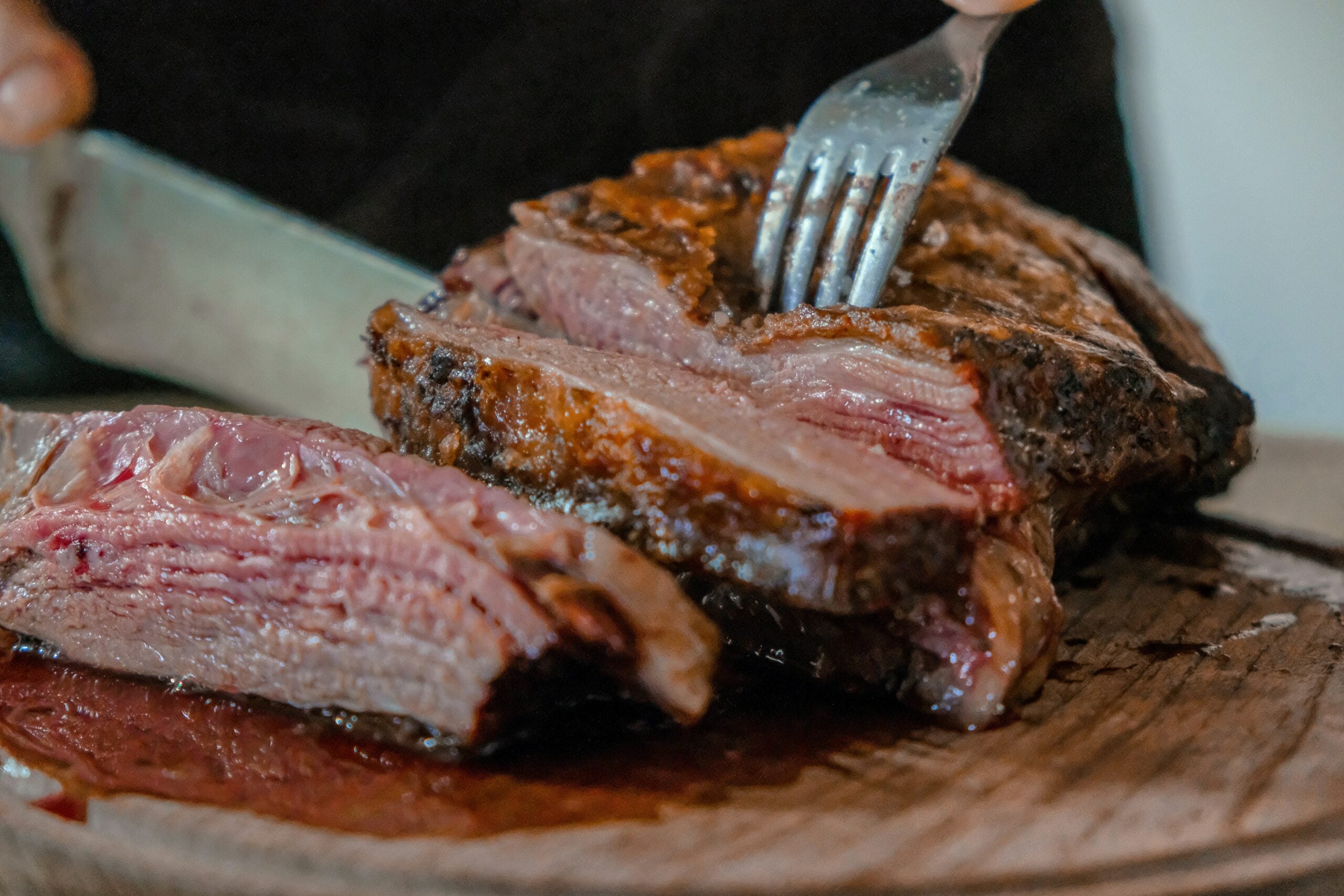
In 2016, beef was one of the foods that saw the greatest price increase due to inflation. This was because cattle owners and ranchers reduced their herds and struggled to obtain the necessary supplies. In most grocery stores across the United States, beef prices rose by an average of $20 USD for the most popular cuts. Consequently, many families bought beef in advance, while it was still relatively cheaper during peak season.
Bacon
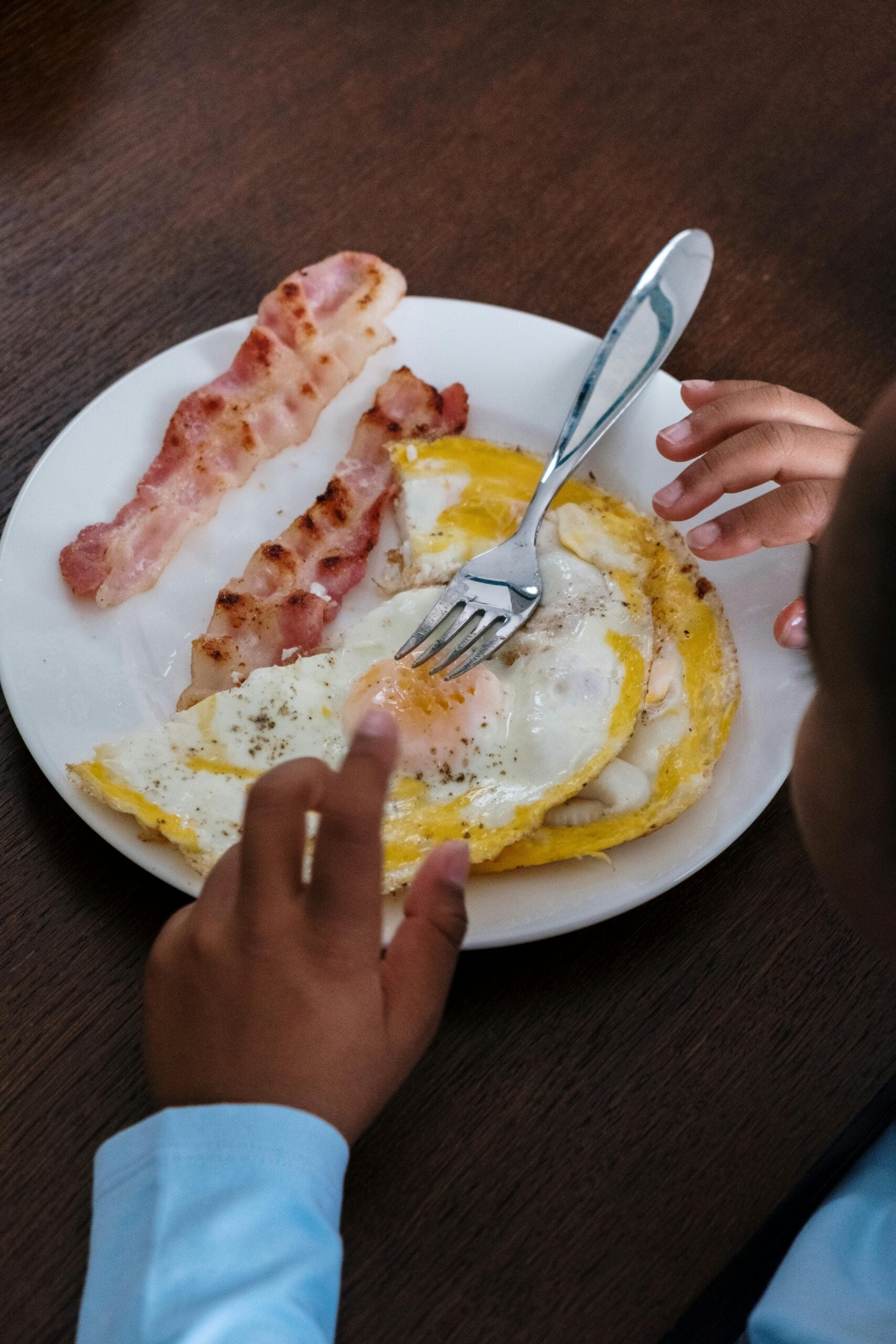
Bacon is one of the worst foods you can put in your body, and to make matters worse, it’s one of the foods whose price has increased the most. Compared to the months before the pandemic, bacon is now available in smaller packages for which we pay the same price. In some households, bacon is only eaten for breakfast, and not as a regular part of other meals.
Fresh Seafood
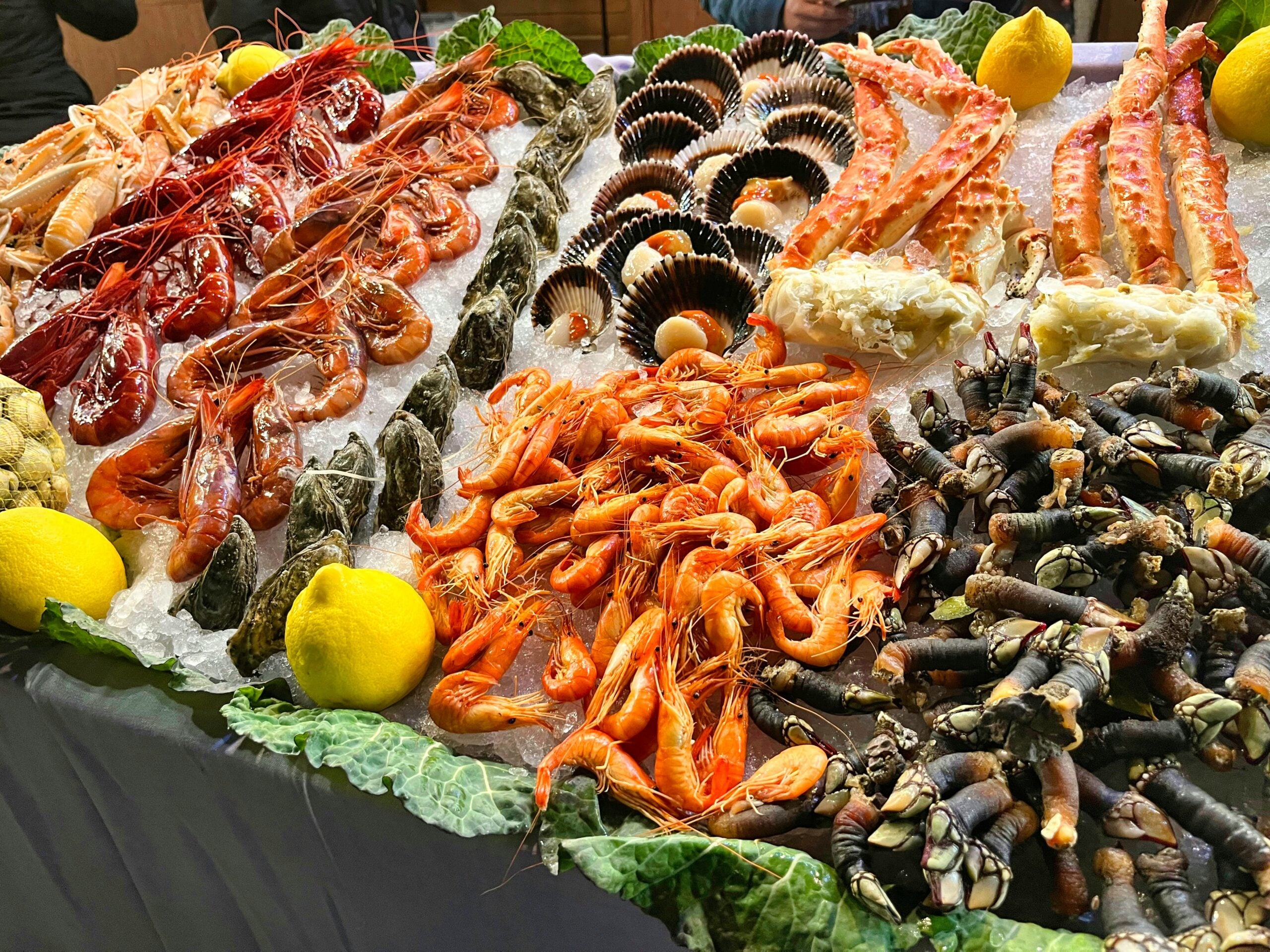
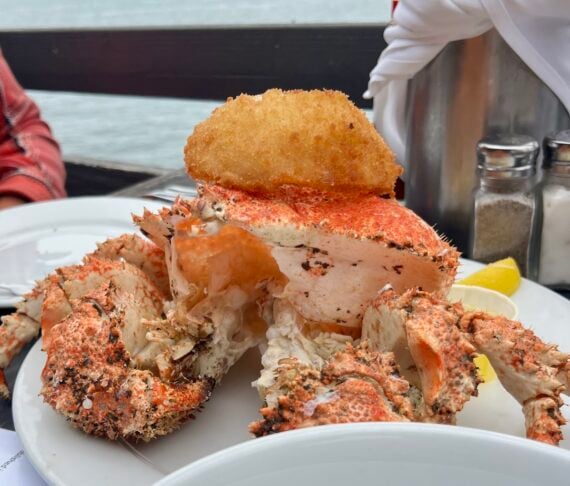
The price of fresh seafood has risen sharply due to widespread pressure on fuel costs, supply chain disruptions, and global shipping challenges. Eating fresh salmon, crab, and shrimp has literally become a luxury. Some of the cheaper alternatives are frozen seafood and canned tuna.
Brand Name Cereal
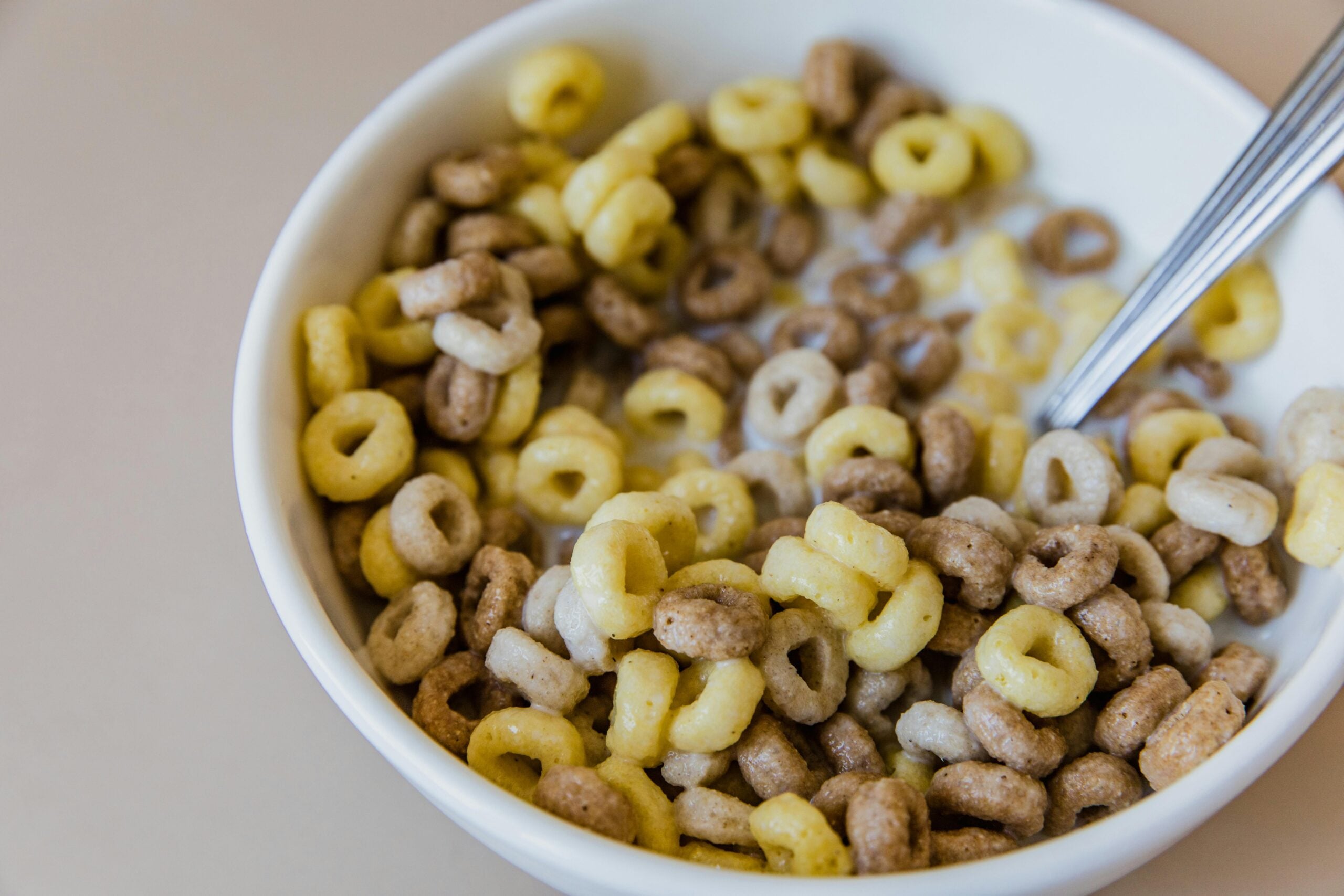
The cost of producing cereal has been steadily increasing, in addition to the rising price of ingredients. In some supermarket chains, a family-size box of cereal costs up to $10 USD. Those who have already decided to replace this product with a cheaper alternative have turned to oatmeal or brands from smaller companies.
Coffee

The widespread pressure surrounding coffee bean cultivation and rising transportation costs have caused coffee prices to skyrocket. Premium coffee companies have found it difficult to justify the price increase to everyday customers. Meanwhile, consumers have turned to cheaper coffee blends, smaller quantities, or even brewing their own coffee at home.
Trending on Cheapism

Fast Food Combo Meals
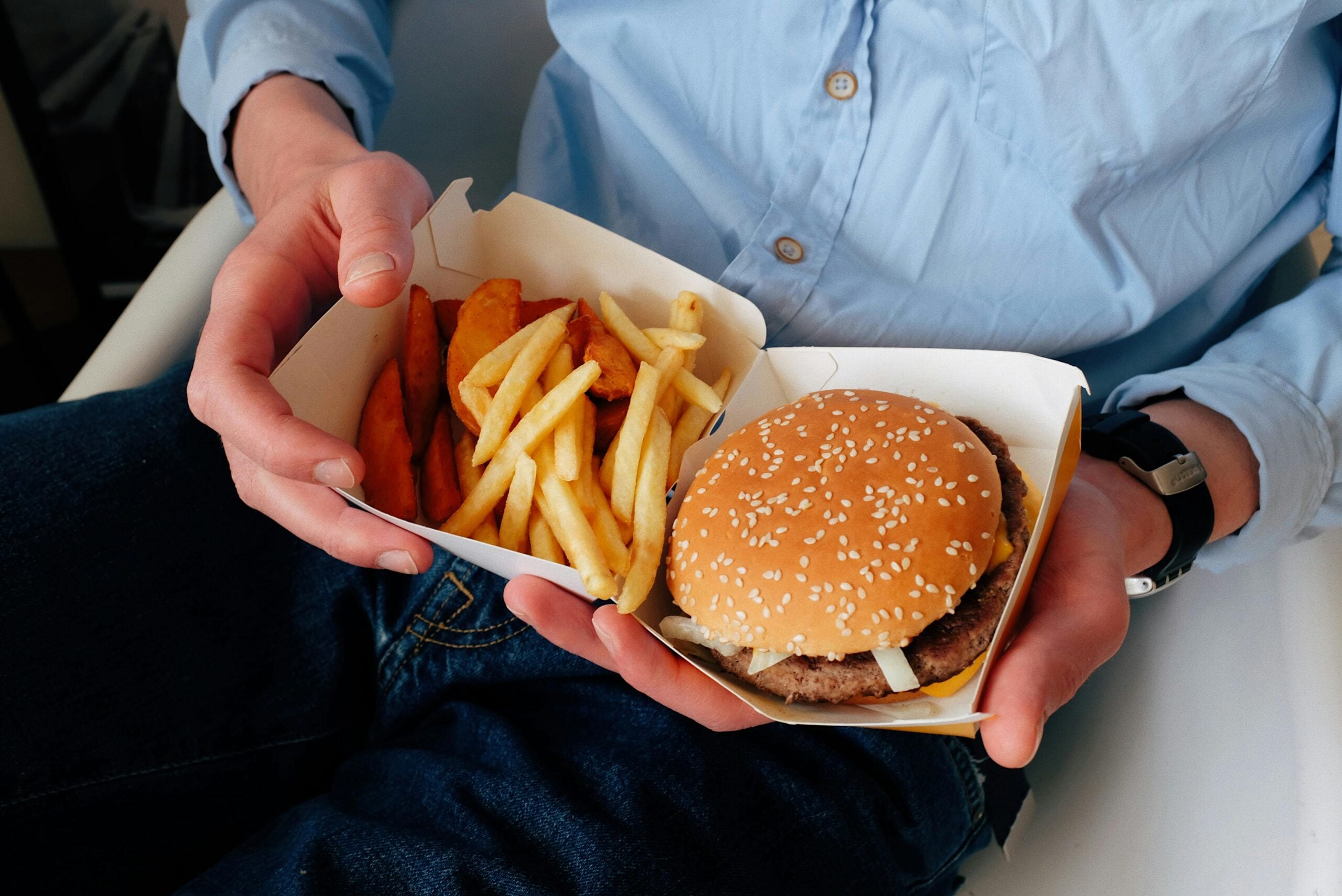
Another everyday expense that has increased in recent years is fast-food combo meals, which now cost over $10 to $15 USD in many cities across the United States and Canada. In many cases, people now compare fast food to buying prepared meals at the supermarket. “Savings packages” and deals on food delivery apps have become more common in recent years. Inflation has changed the way people shop for food.
Fresh Berries
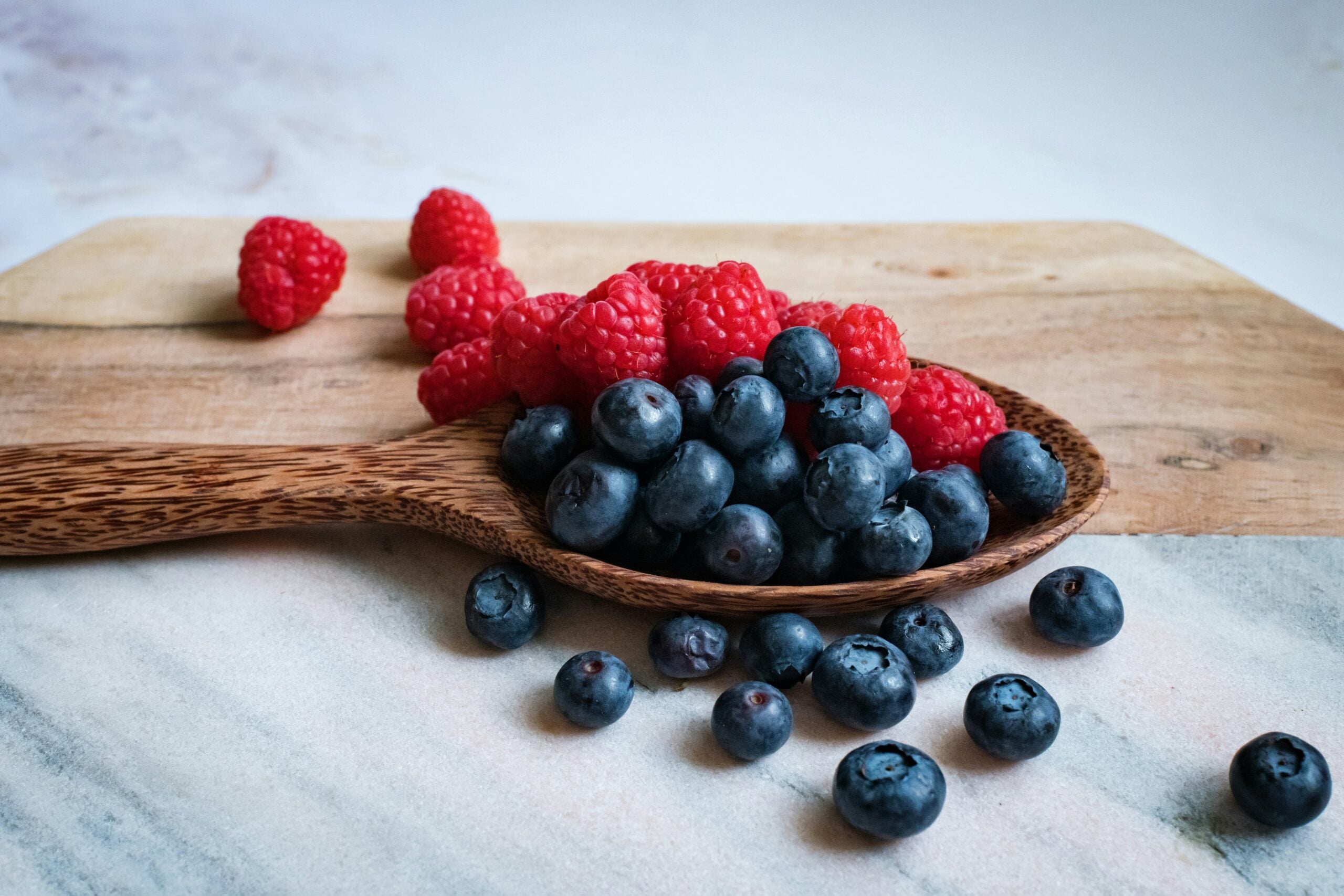
The problem with fresh berries is that their price fluctuates due to weather, processing costs, and transportation, which has led to increase the price. The small containers you find at the supermarket can cost between $5 and $8 USD for fruits like blueberries and strawberries. Given this new reality, frozen fruit has become a cheaper alternative for smoothies and desserts.
Chips and Snack Foods
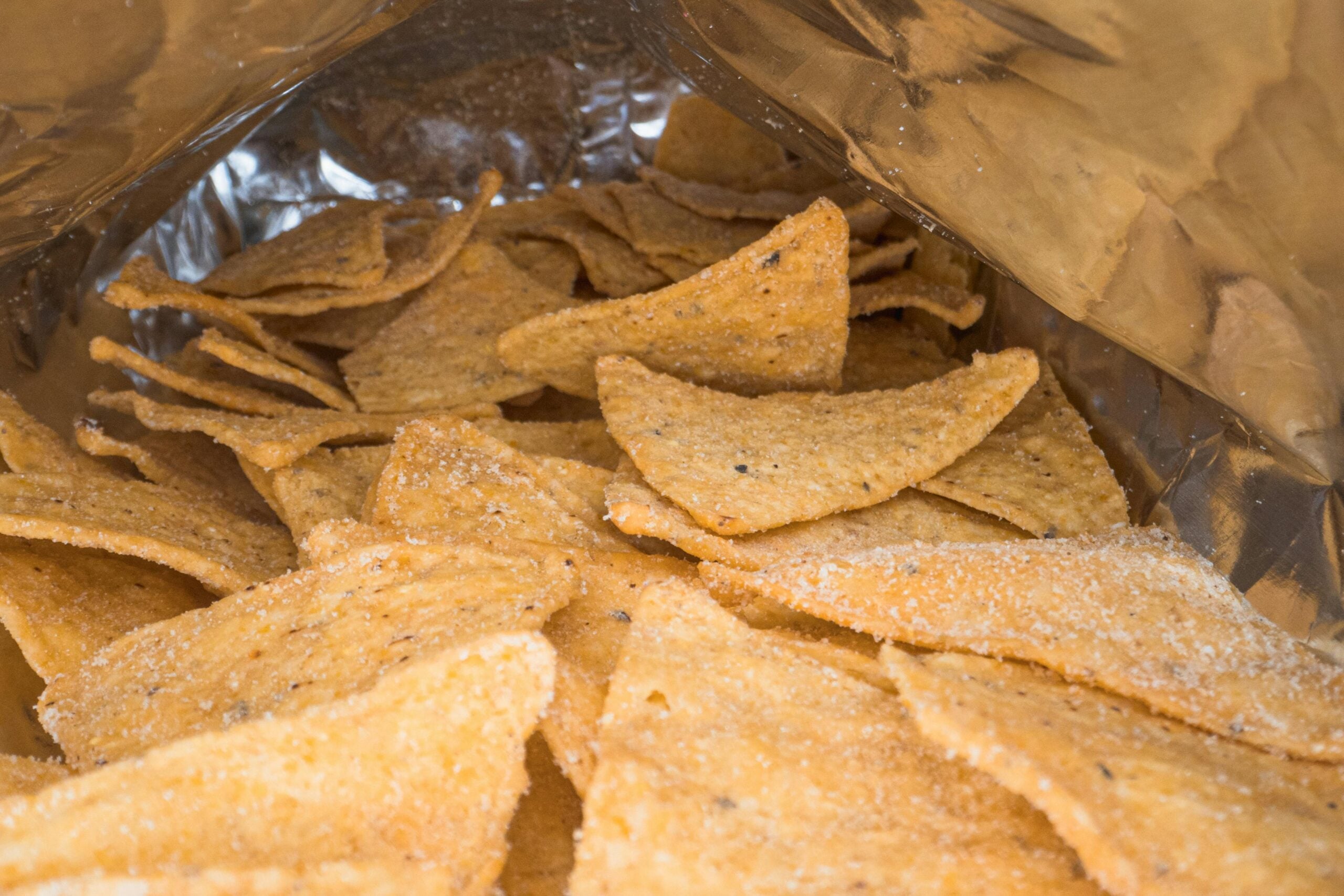
The cost of snack-style food has increased because the size of these packages has shrunk over time. Some customers have taken note of this and complained that the “party size” has become more expensive and that it’s now more economical to buy other foods instead. The brands that supermarkets themselves launch are cheaper, and customers are increasingly choosing them. ¿It’s worth paying this food prices?
Sign up for our newsletter
Deli Sandwiches
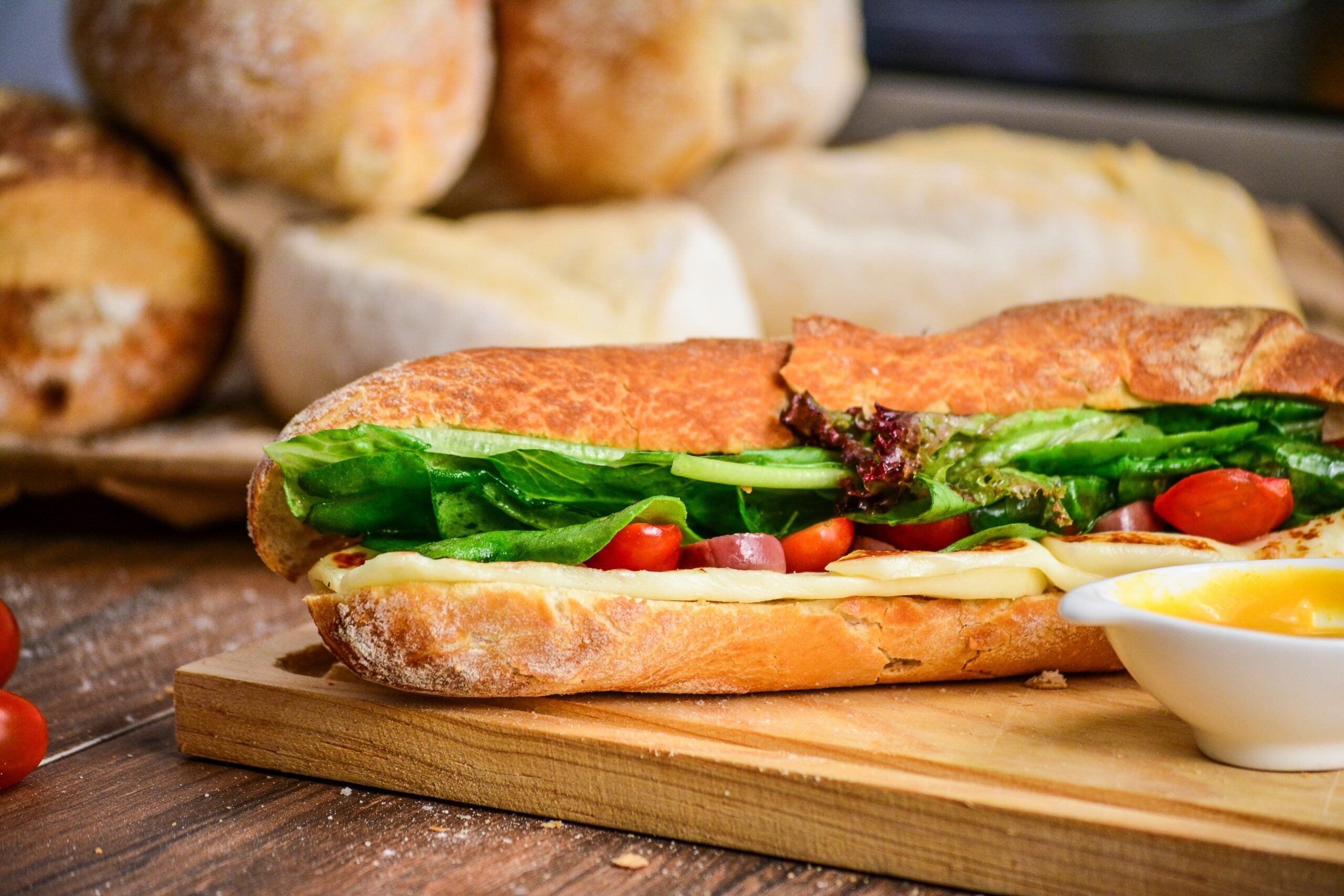
When the price of a supermarket deli sandwich is approaching the cost of a sandwich you’d pay for at a restaurant, you know something’s wrong. This is because supermarket food uses much more basic ingredients and is prepared quickly, so it should cost less. As a result, people have decided to go back to preparing their own food at home to save money. It’s not that people are giving up eating their favorite foods, but rather that they sometimes opt for smaller portions.
Fresh Orange Juice
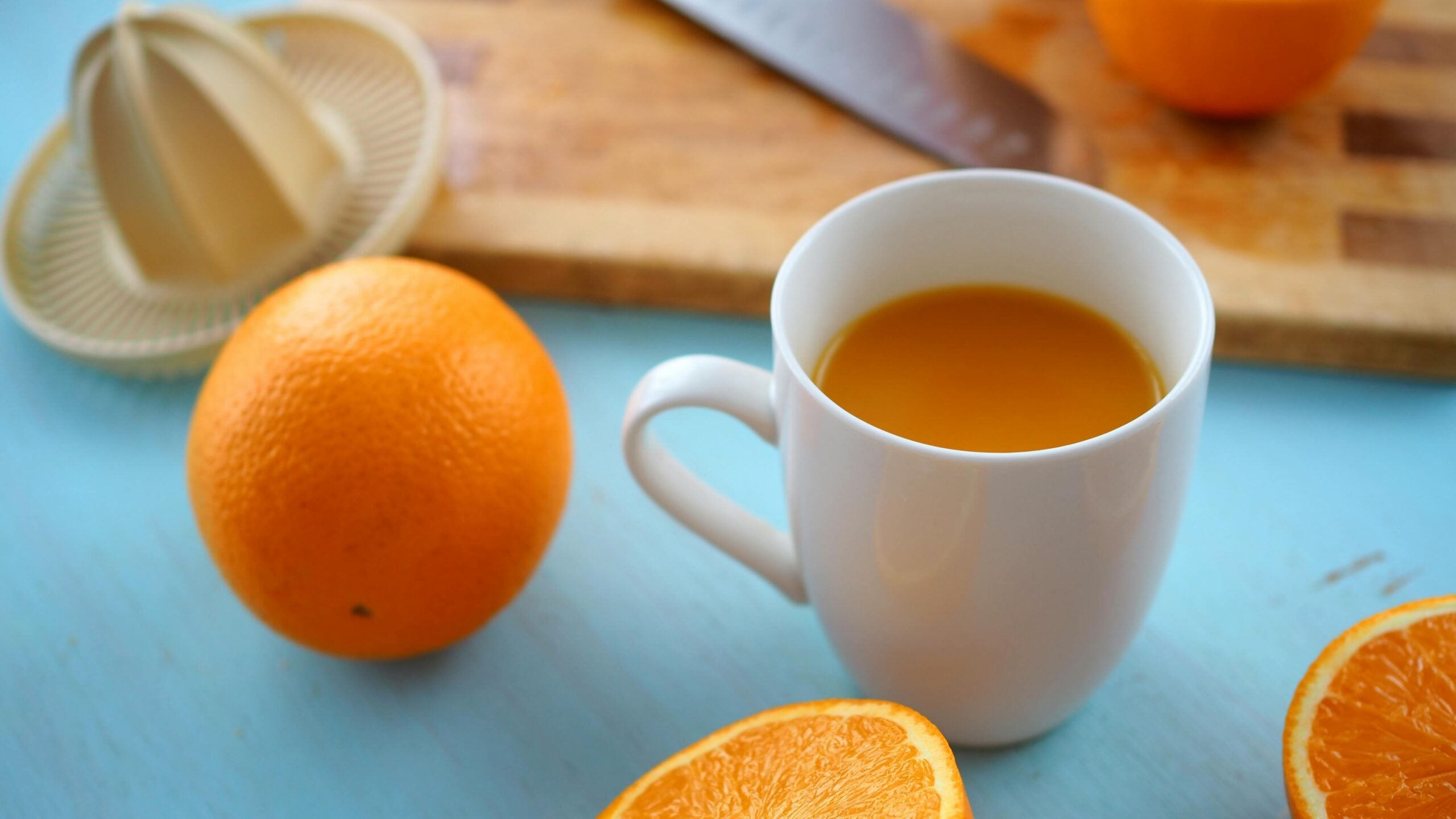
The food prices of orange juice has increased due to the health problems associated with this citrus fruit and the decline in orange production. Some so-called “premium” juices have become one of the most expensive breakfast items a grocery store can offer. And that’s crazy! People have opted for powdered drinks or buying smaller bottles of juice.
Chicken Wings
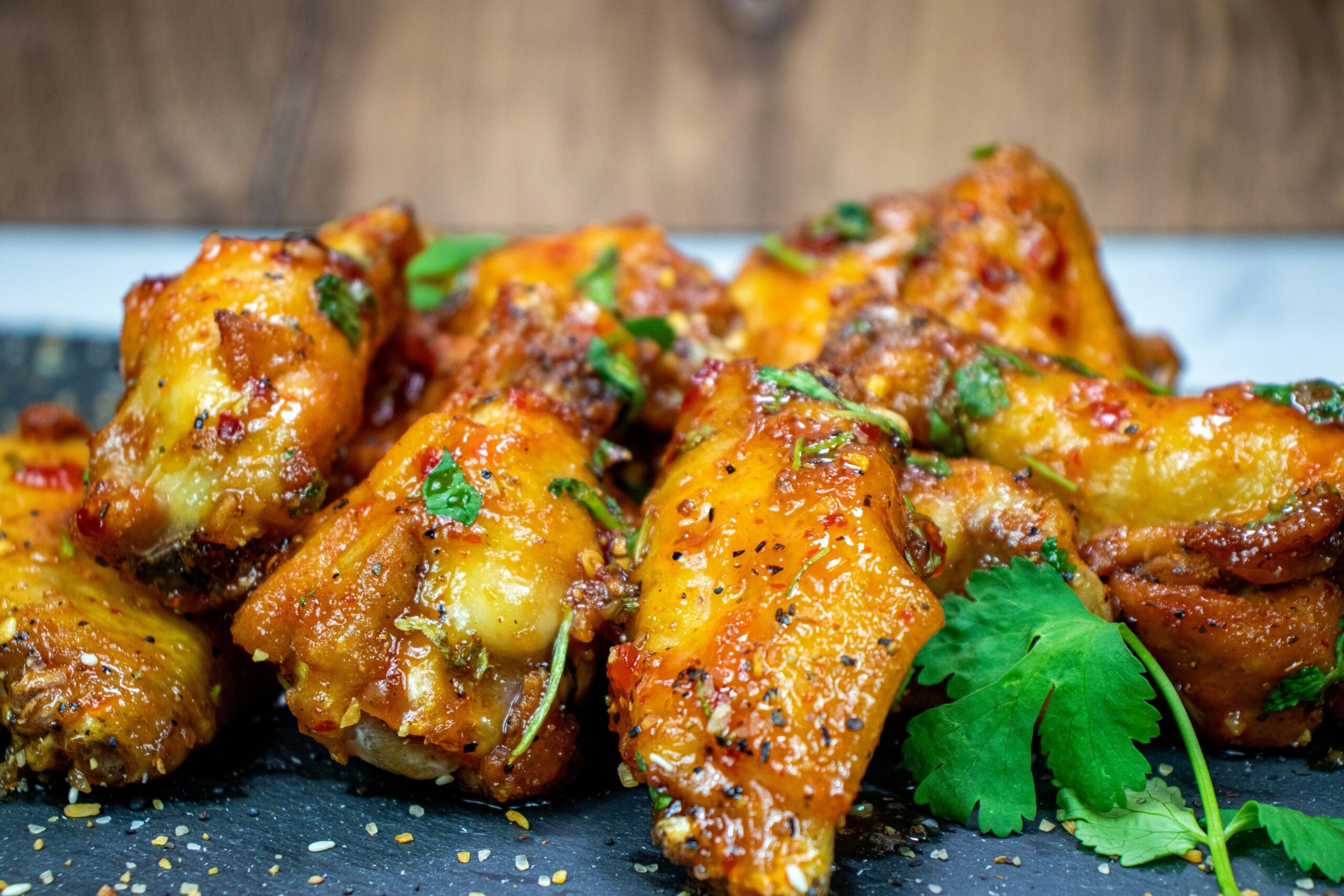
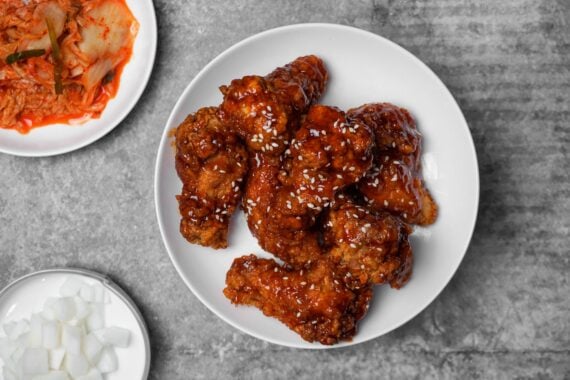
The demand for chicken wings from restaurants, athletes, and supply chains has driven up their price. If you compare the price of chicken wings from a decade ago to today, you’ll notice they’re much more expensive. Because of this, chicken lovers have turned to cheaper cuts like thighs.
Bakery Desserts
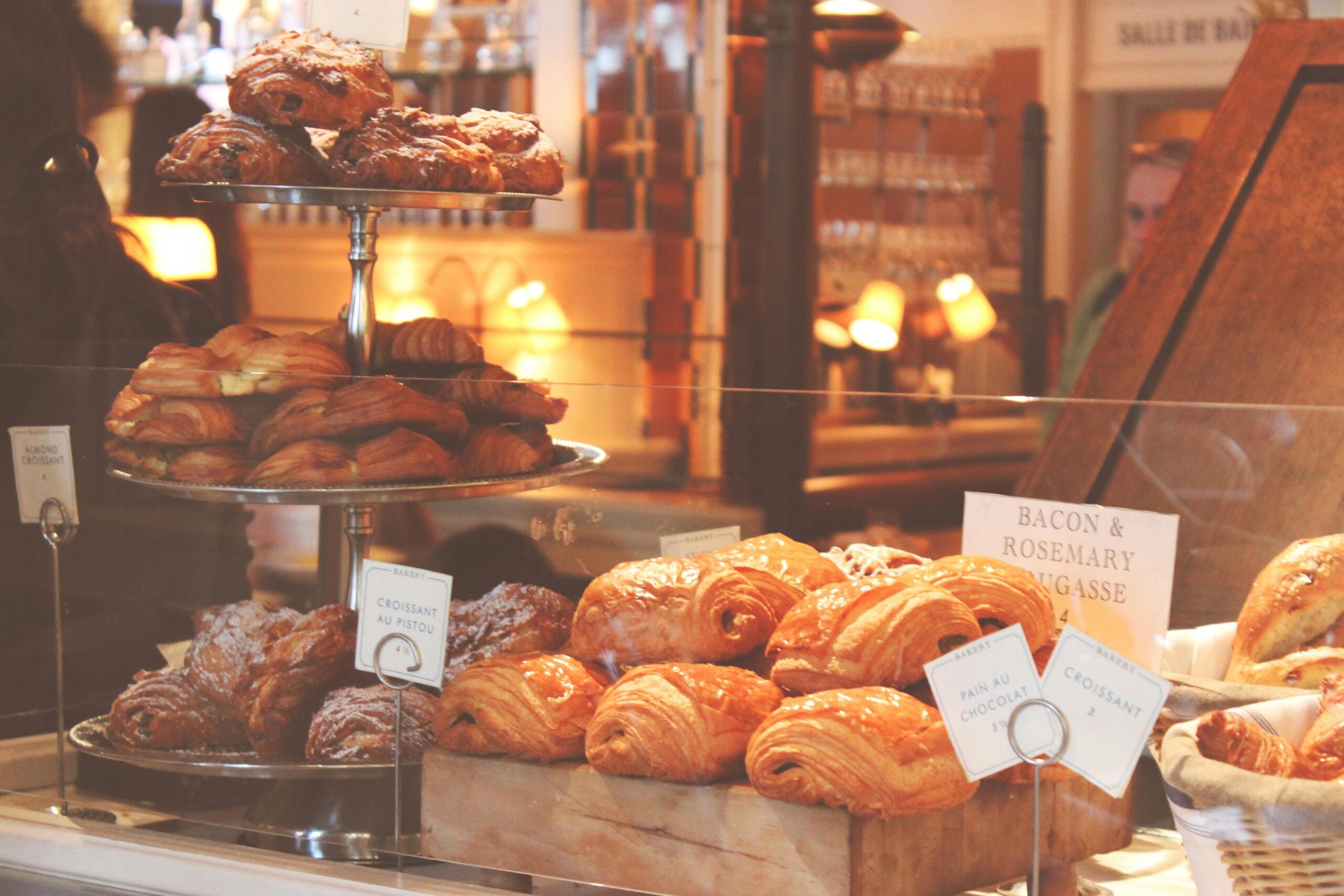
One of the food prices that has seen an increase is bakery desserts. Treats like cakes, cupcakes, and other sugary items have risen in cost throughout 2026. Once again, consumers have opted to prepare their own food at home, thus avoiding the premium prices of bakeries.
More from Cheapism
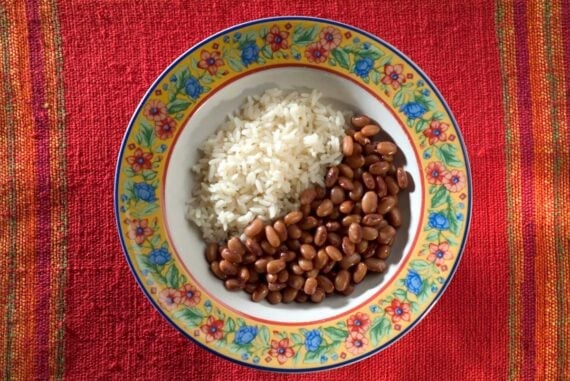
- How Rice and Beans Earned Their Reputation as the Cheapest Meal Around — An exploration of why rice and beans have become one of the world’s most affordable and nutritionally complete food combinations for people looking to save money or eat healthier.
- $2.50 Tacos? Yes Please! Chipotle Test Happy Hour Deal in 3 States — With fast food prices soaring, shoppers are excited about Chipotle’s new happy hour test deal offering cheaper tacos and discounted favorites in select states.
- Taco Bell Brings Back a $3.99 Fan Favorite After 3 Years — A look at Taco Bell’s return of the popular Shredded Beef Dipping Taco, the debut of Shredded Beef Nacho Fries, and the best value meal options featuring fan- favorite ingredient.