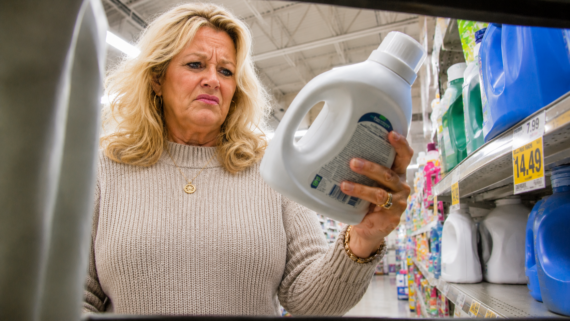
For years, many shoppers barely thought twice about buying certain name brands. Whether it was ketchup, cereal, laundry detergent, or coffee, familiar labels often went straight into the shopping cart out of habit and trust. But as grocery prices have climbed and private-label quality has improved, more consumers say they’re questioning whether those premium brands are still worth the extra cost.
Across Reddit, grocery forums, and consumer surveys, shoppers increasingly describe reaching a tipping point where longtime favorites simply no longer offer enough added value to justify today’s prices. In many cases, they aren’t abandoning these products because the quality has declined—they still consider them among the best in their categories. Instead, they say store brands and lower-priced competitors have improved enough that paying a premium no longer makes sense. These are the name-brand products shoppers most often say they’ve replaced with more affordable alternatives.
Heinz Ketchup
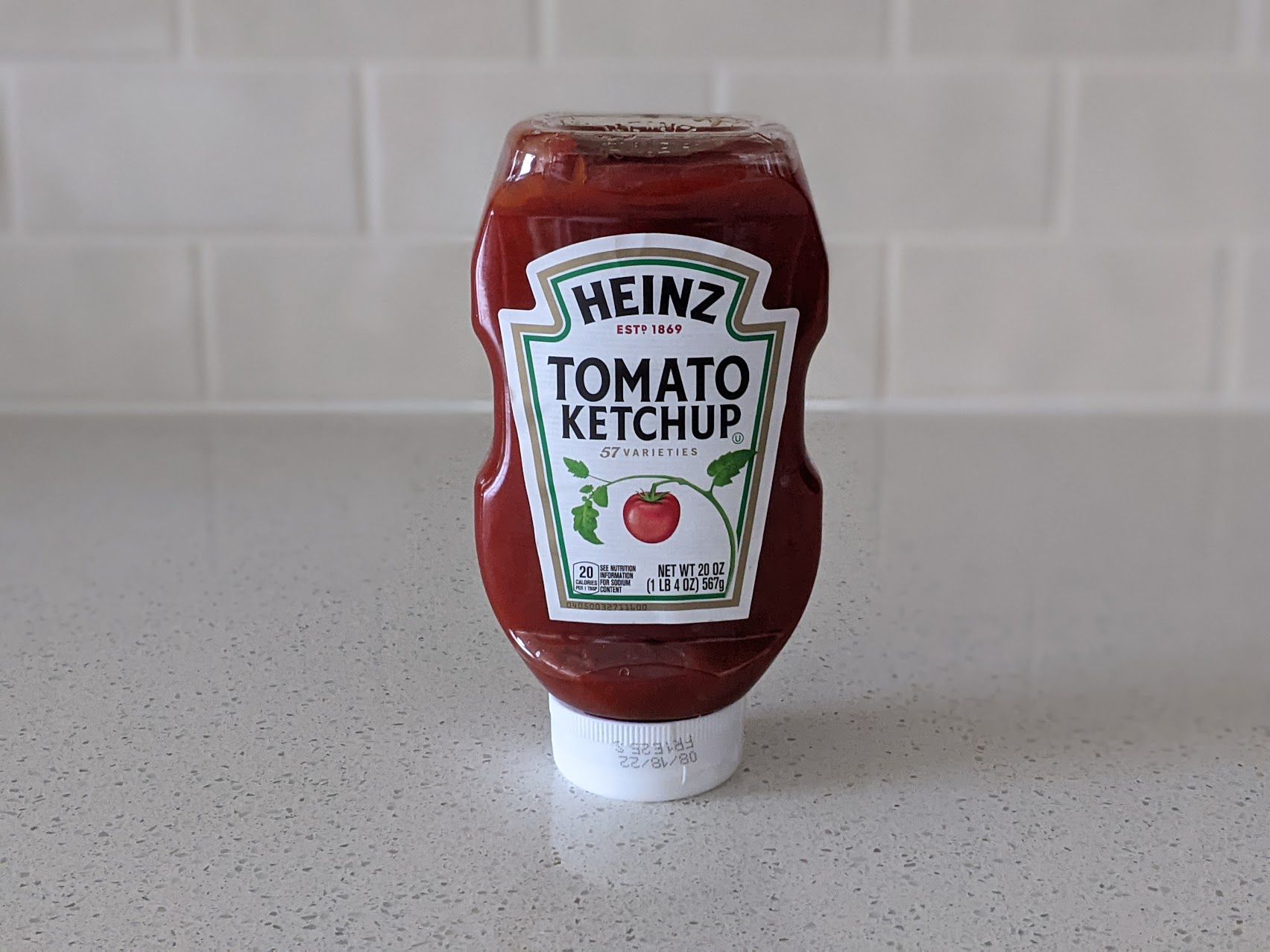
Heinz remains America’s best-known ketchup brand, but many shoppers say they’ve finally reached the point where they’re no longer willing to pay the premium. Across Reddit’s r/Frugal and r/Costco, consumers frequently say that store brands have improved enough that the taste difference is minimal for everyday meals. With grocery prices continuing to rise, shoppers increasingly report switching to Kirkland Signature, Great Value, or Aldi’s Burman’s ketchup, saying they deliver similar flavor at a noticeably lower price.
Kellogg’s Breakfast Cereal
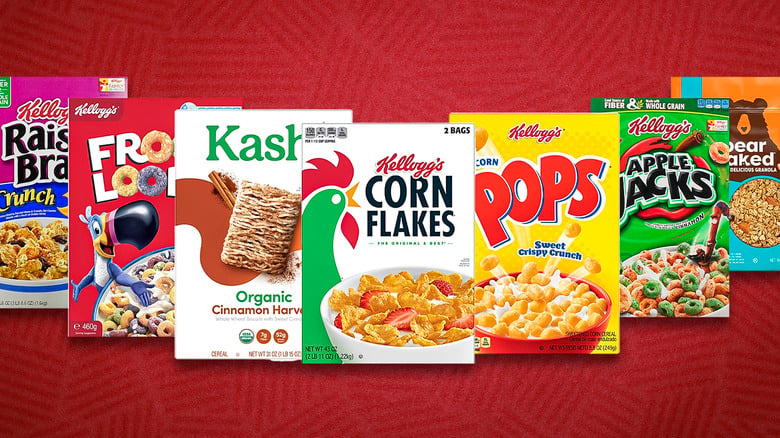
Many longtime Kellogg’s buyers say cereal has become one of the easiest grocery items to replace. Shoppers frequently point to smaller boxes, higher prices, and frequent shrinkflation as reasons they’ve switched to private-label alternatives. Store-brand cereals from Aldi’s Millville, Great Value, and Malt-O-Meal regularly earn praise for tasting remarkably similar while offering more cereal for the money. For many families, brand loyalty simply isn’t enough to justify the higher price anymore.
Tide Laundry Detergent
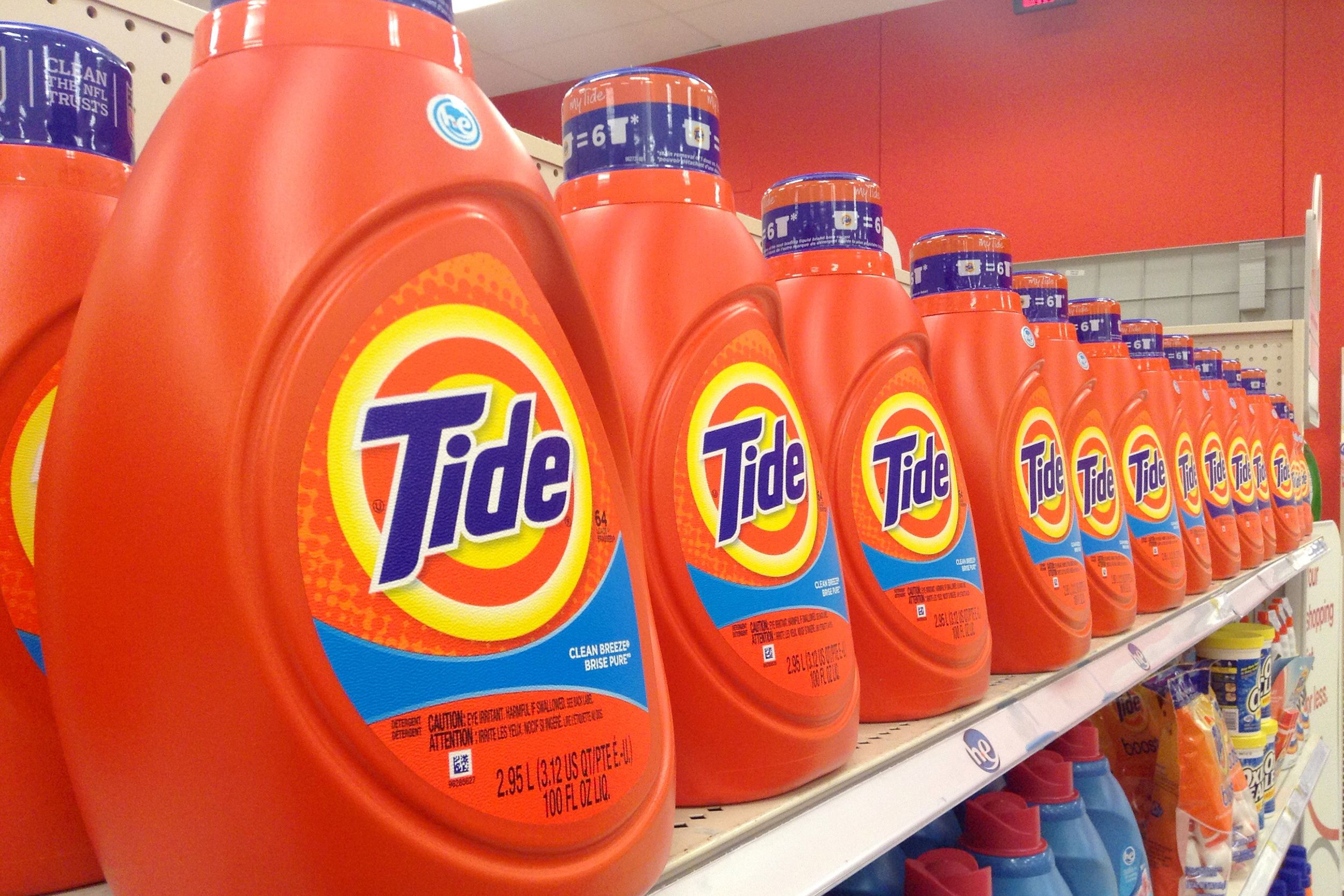
Tide continues to rank among the most trusted laundry detergents, but its premium price has convinced many shoppers to look elsewhere. Consumers often say warehouse club detergents and competing brands now deliver comparable cleaning performance for less per load. Kirkland Signature, Member’s Mark, and Persil are among the alternatives most frequently recommended in online discussions. Many shoppers say Tide still works exceptionally well—they just no longer believe it’s worth paying significantly more for routine laundry.
Bounty Paper Towels
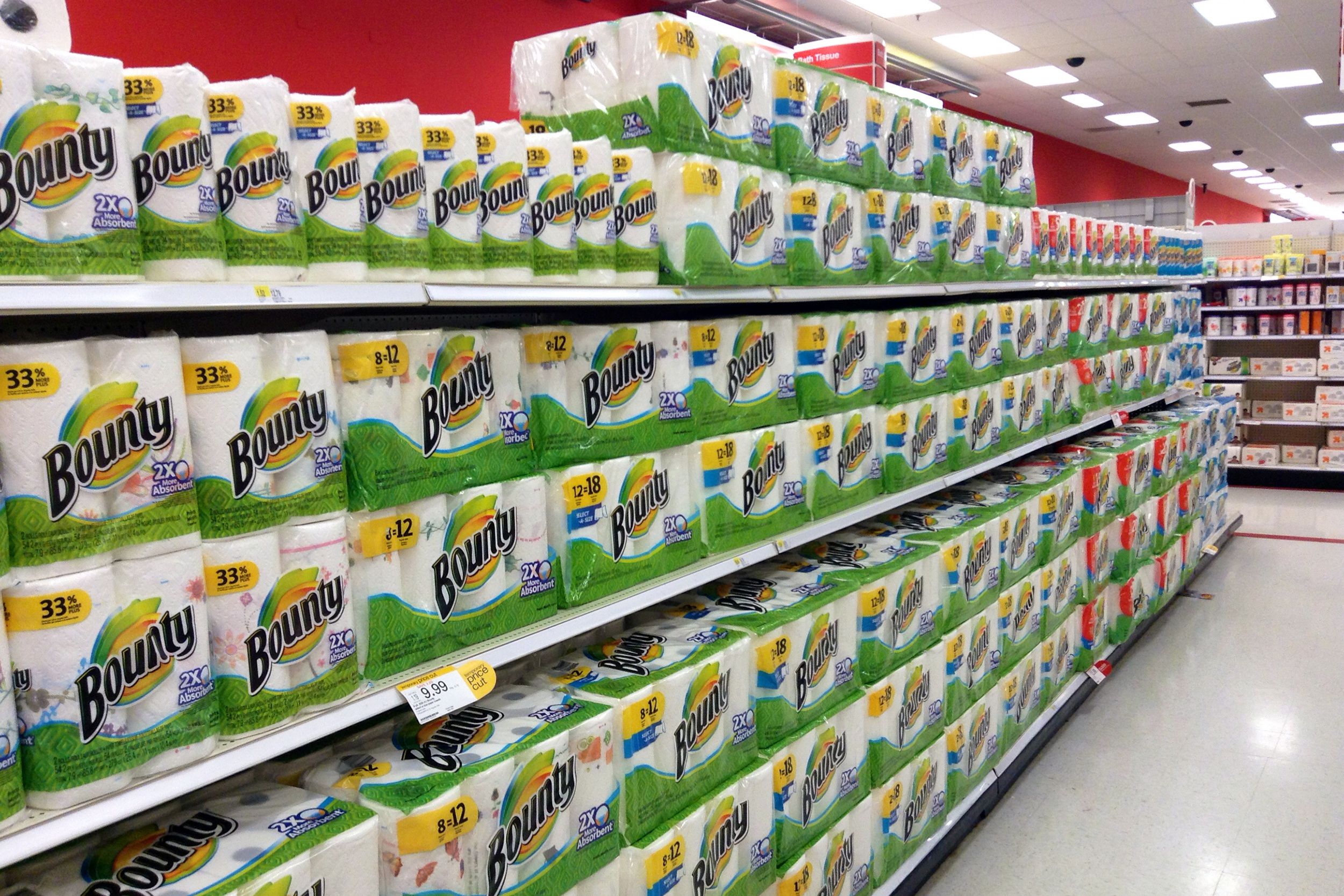
Bounty has built its reputation on absorbency and durability, but shoppers increasingly say they’ve stopped buying it because of the price. Warehouse club paper towels, particularly Kirkland Signature and Member’s Mark, are frequently praised for offering similar performance at a lower cost per roll. As household staples continue to become more expensive, many consumers say paper towels are one category where store brands now provide the better overall value.
Charmin Toilet Paper
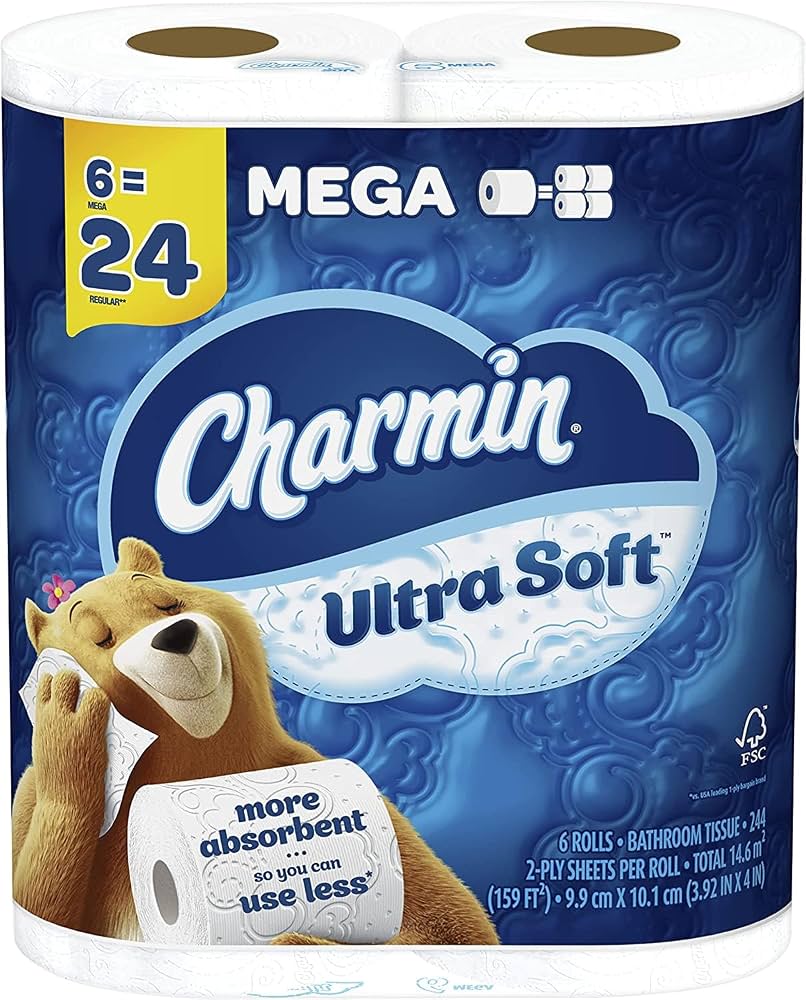
Charmin remains one of the best-known toilet paper brands in the country, but many shoppers say rising prices have pushed them toward less expensive alternatives. Warehouse packs from retailers like Costco and Sam’s Club are frequently mentioned as offering comparable softness and durability at a lower cost per roll. Others have switched to Scott or Aldi’s Willow brand, saying the savings add up quickly on a household staple. While many consumers still like Charmin, they no longer feel the premium price is necessary.
Trending on Cheapism

Lay’s Potato Chips
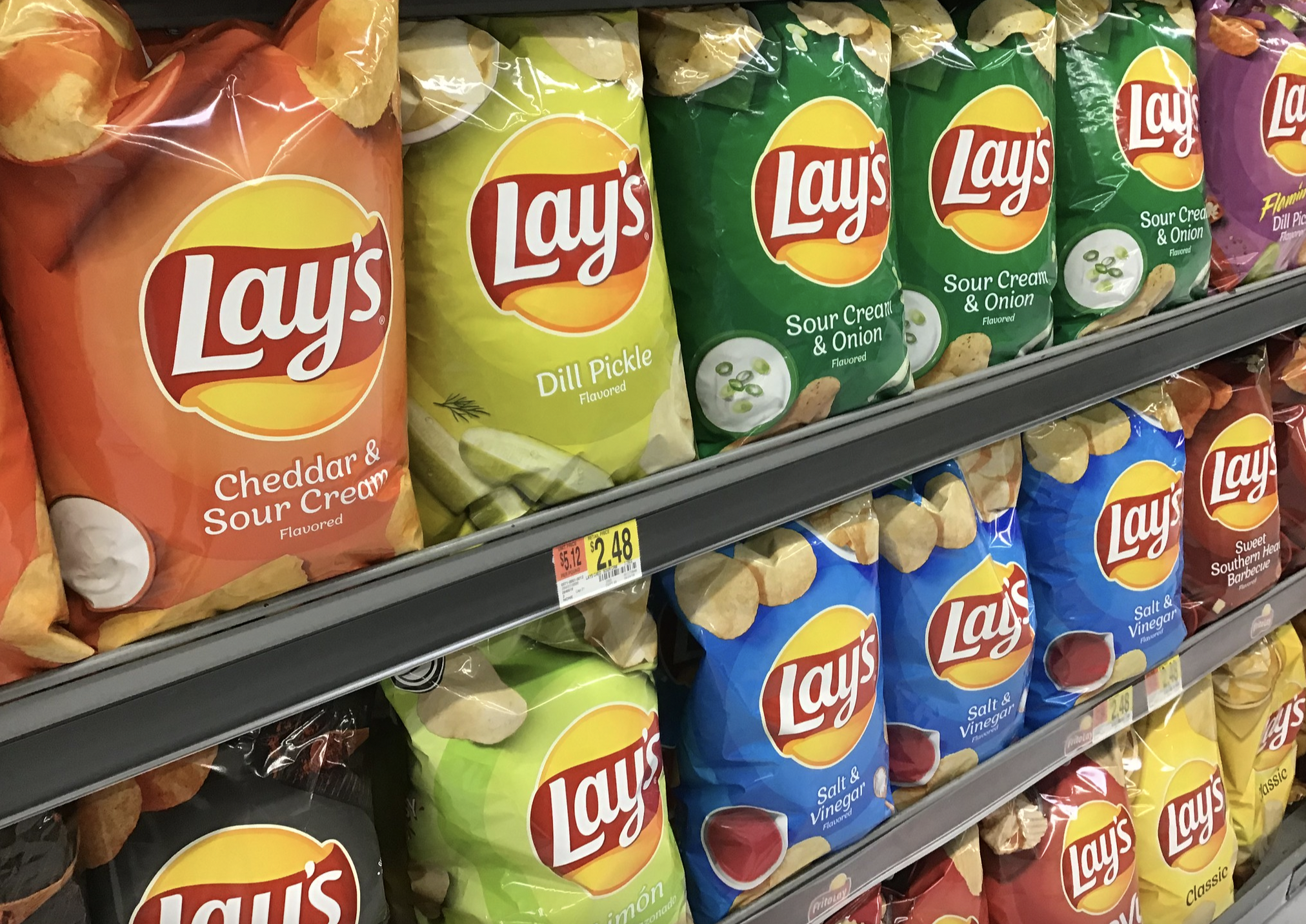
Lay’s continues to dominate the snack aisle, but shoppers frequently cite shrinkflation as a reason they’ve started buying other brands. Across grocery discussions, consumers complain about paying more for bags that seem increasingly filled with air instead of chips. Meanwhile, private-label options from Aldi, Kroger, and Walmart have earned praise for their flavor, crispness, and lower prices. Many shoppers say they barely notice the difference anymore.
Kraft Shredded Cheese
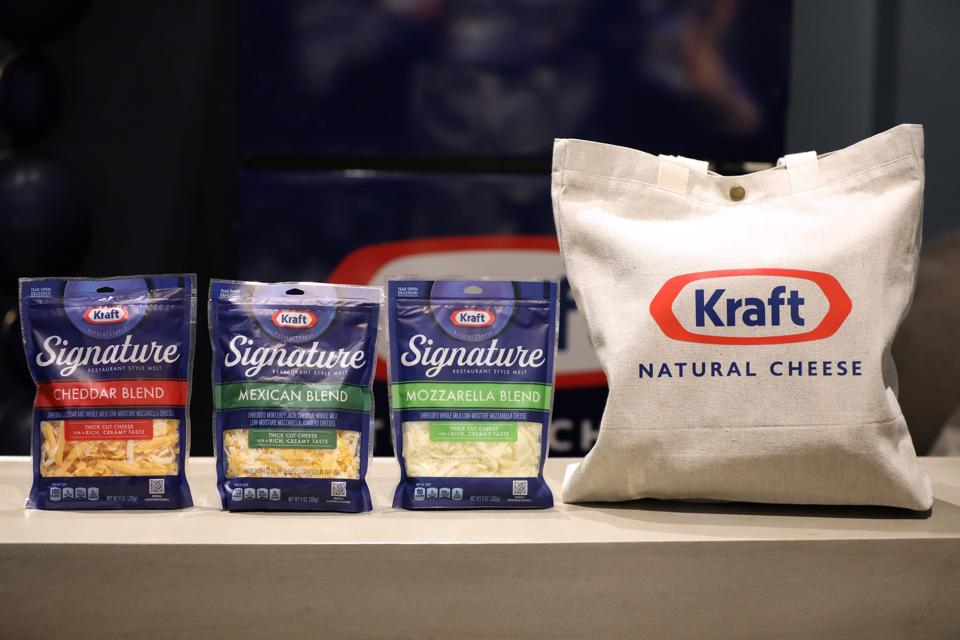
Kraft shredded cheese has long been a refrigerator staple, but many consumers say they’ve found equally good alternatives for less. Store brands and premium private labels like Kirkland Signature and Tillamook are often praised for melting just as well while costing noticeably less per package. Since shredded cheese is used in everything from tacos to casseroles, shoppers say even small savings add up over time. As a result, many have quietly switched brands without feeling they’re sacrificing quality.
Yoplait Yogurt
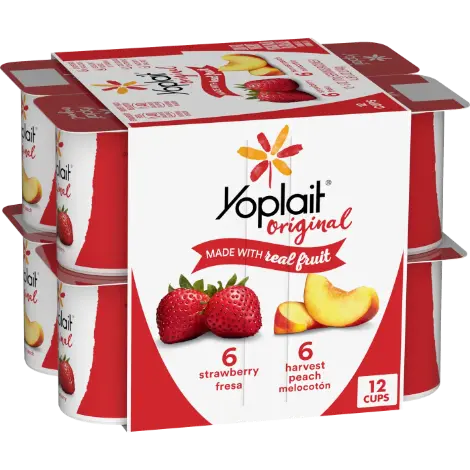
Yoplait remains a familiar name in the yogurt aisle, but shoppers say multipacks have become expensive enough to encourage them to try other options. Greek yogurt has grown in popularity, and many store-brand varieties now receive strong reviews for both taste and nutrition. Aldi’s Friendly Farms, Kirkland Greek Yogurt, and Oikos are among the brands consumers most frequently mention as replacements. For shoppers focused on protein and value, the switch has been an easy one.
Sign up for our newsletter
Green Giant Frozen Vegetables
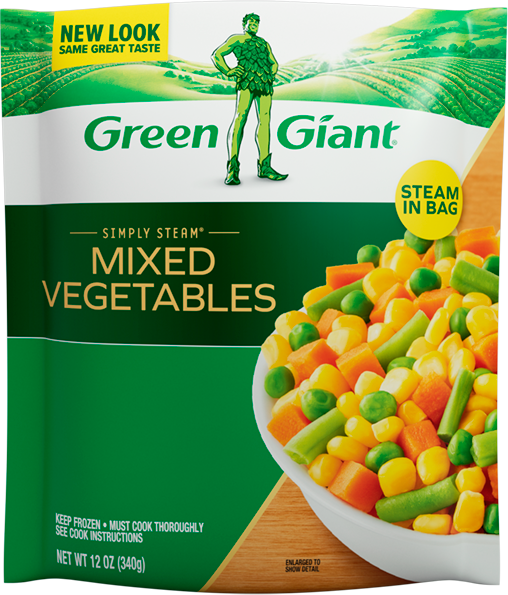
Frozen vegetables are one category where many shoppers say branding matters less than it once did. Consumers often point out that store brands frequently come from similar growing regions and offer nearly identical quality for a lower price. Great Value, Kroger, Costco, and other retailers have expanded their frozen vegetable selections while keeping prices competitive. Because the products feel largely interchangeable, many shoppers no longer see a reason to pay extra for a national brand.
Starbucks Ground Coffee
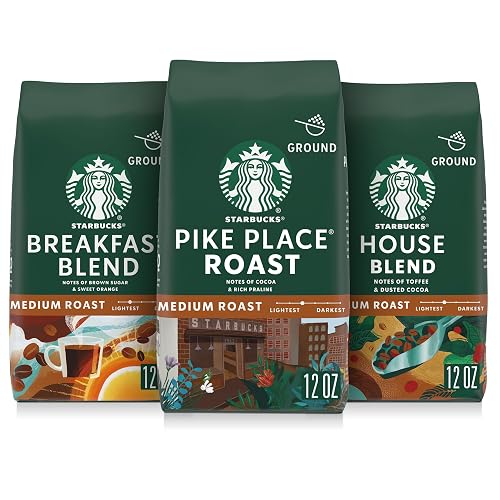
Coffee prices have risen across the board, but many consumers say Starbucks ground coffee has become difficult to justify for everyday brewing. Rather than paying premium grocery prices, shoppers increasingly recommend warehouse club coffees, Eight O’Clock Coffee, or beans from local roasters that offer fresher flavor for similar or lower prices. Some also say they’ve become more interested in supporting local coffee businesses. While Starbucks remains popular for café drinks, many shoppers are brewing something else at home.
Ore-Ida Frozen Potatoes
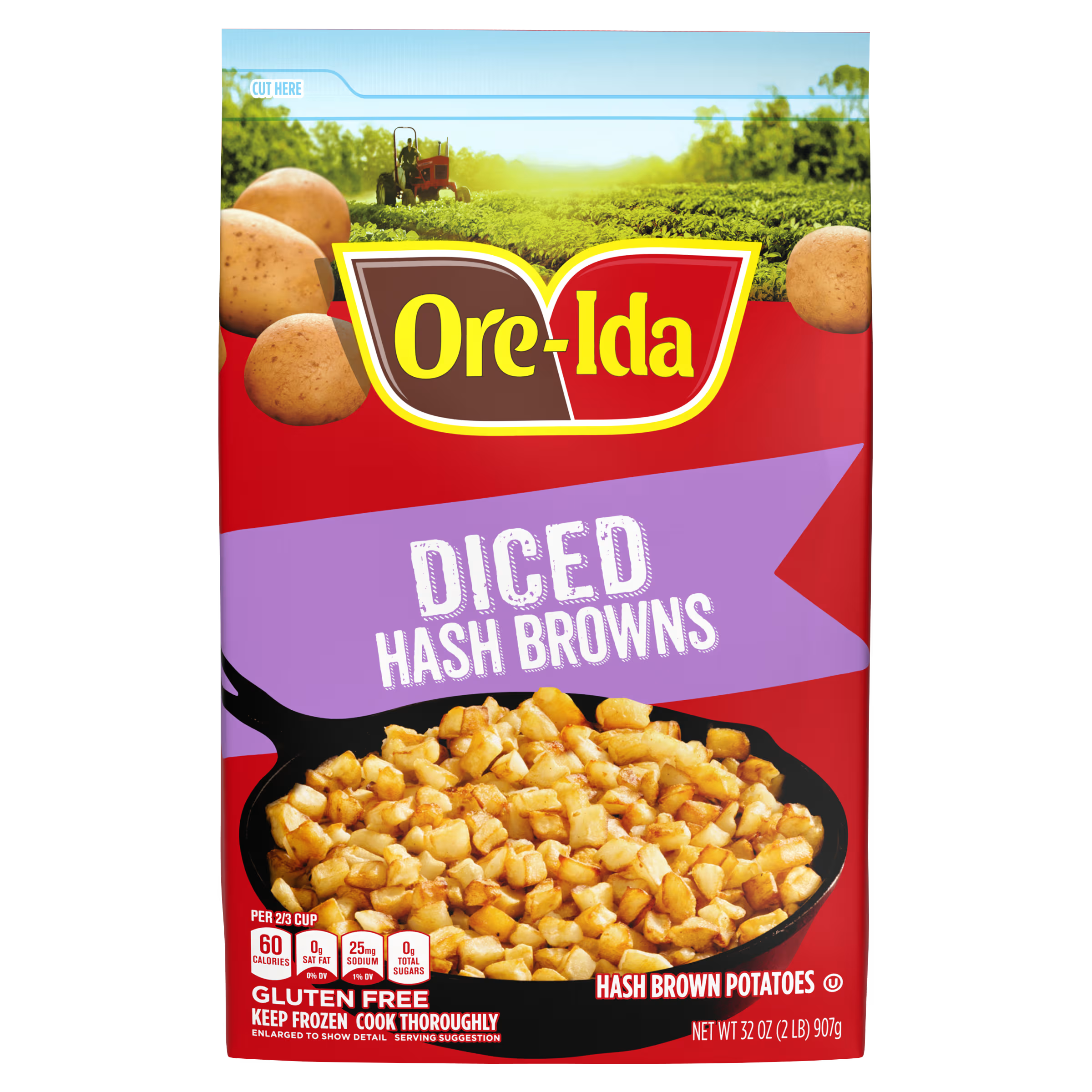
Ore-Ida hash browns, fries, and tater tots continue to have loyal fans, but many shoppers say they’ve become too expensive compared with store-brand alternatives. Aldi’s Season’s Choice, Great Value, and other private-label frozen potatoes are frequently described as offering similar crispness and taste once cooked. Since air fryers have become more common, consumers say preparation matters more than the logo on the bag. Many have found they can save several dollars without noticing much difference.
Philadelphia Cream Cheese
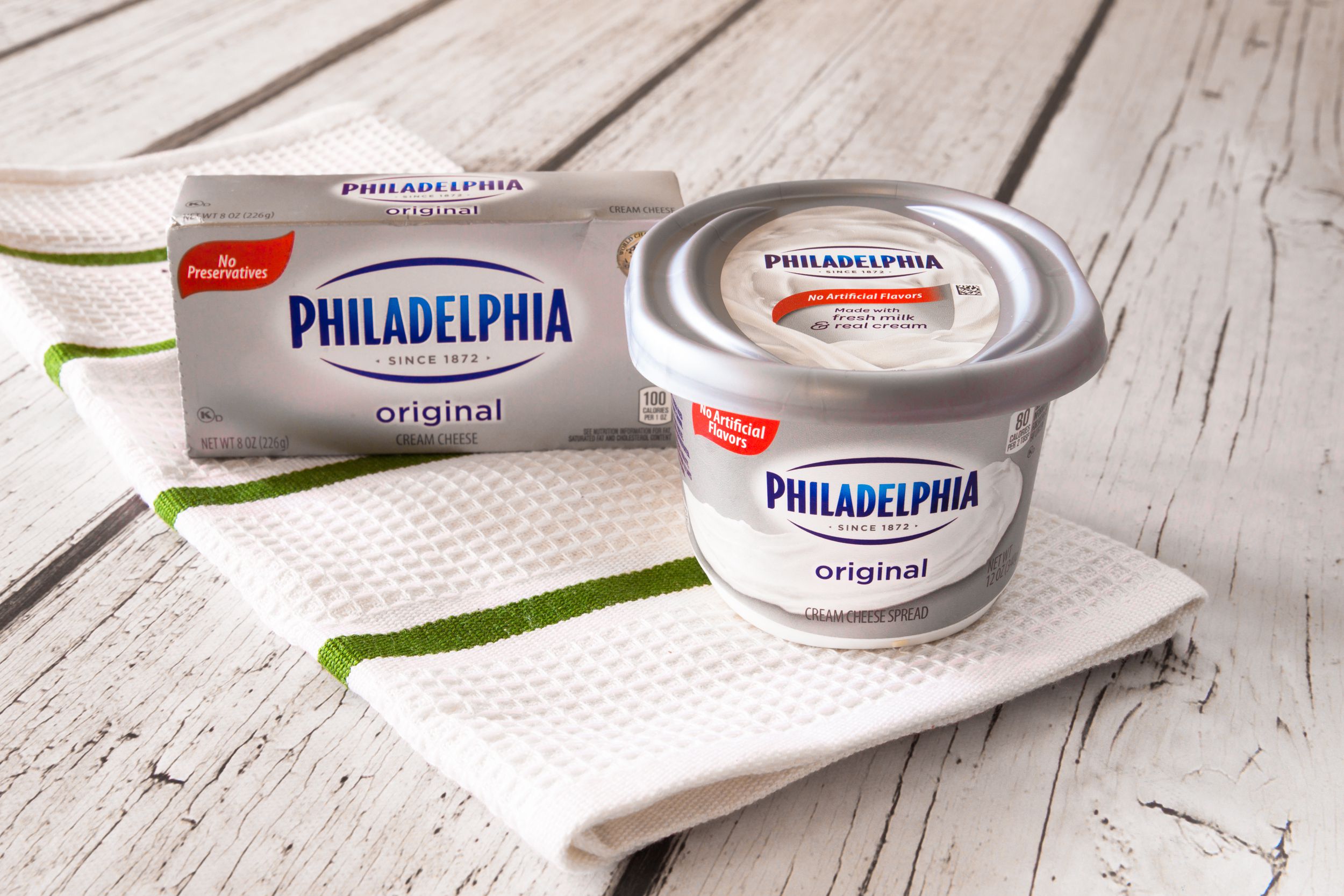
Philadelphia remains one of the most trusted cream cheese brands, but many shoppers say they’ve started reaching for generic versions instead. Prices climbed sharply during recent supply disruptions and have remained elevated in many stores. Since then, consumers have discovered that store brands like Aldi’s Happy Farms and Great Value work just as well for bagels, cheesecakes, dips, and baking. For many households, the lower price has been enough to make the switch permanent.
Campbell’s Condensed Soup
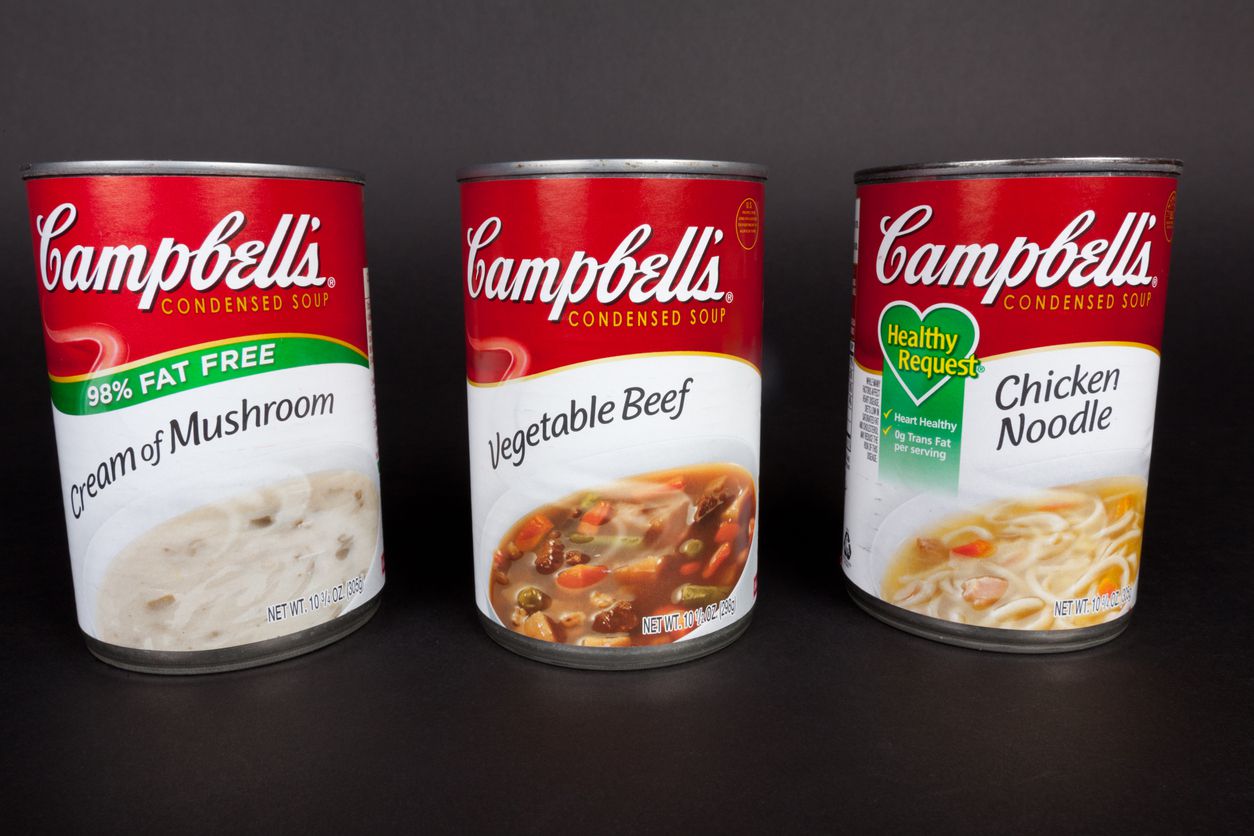
Campbell’s condensed soup has been a pantry staple for generations, but shoppers say it’s one product where they now buy whichever brand is on sale. Since condensed soups are often used as ingredients in casseroles rather than eaten alone, many consumers feel the difference between brands is minimal. Great Value, Kroger, and Signature Select are frequently mentioned as affordable substitutes. As grocery budgets tighten, brand loyalty has taken a back seat to price.
Hidden Valley Ranch
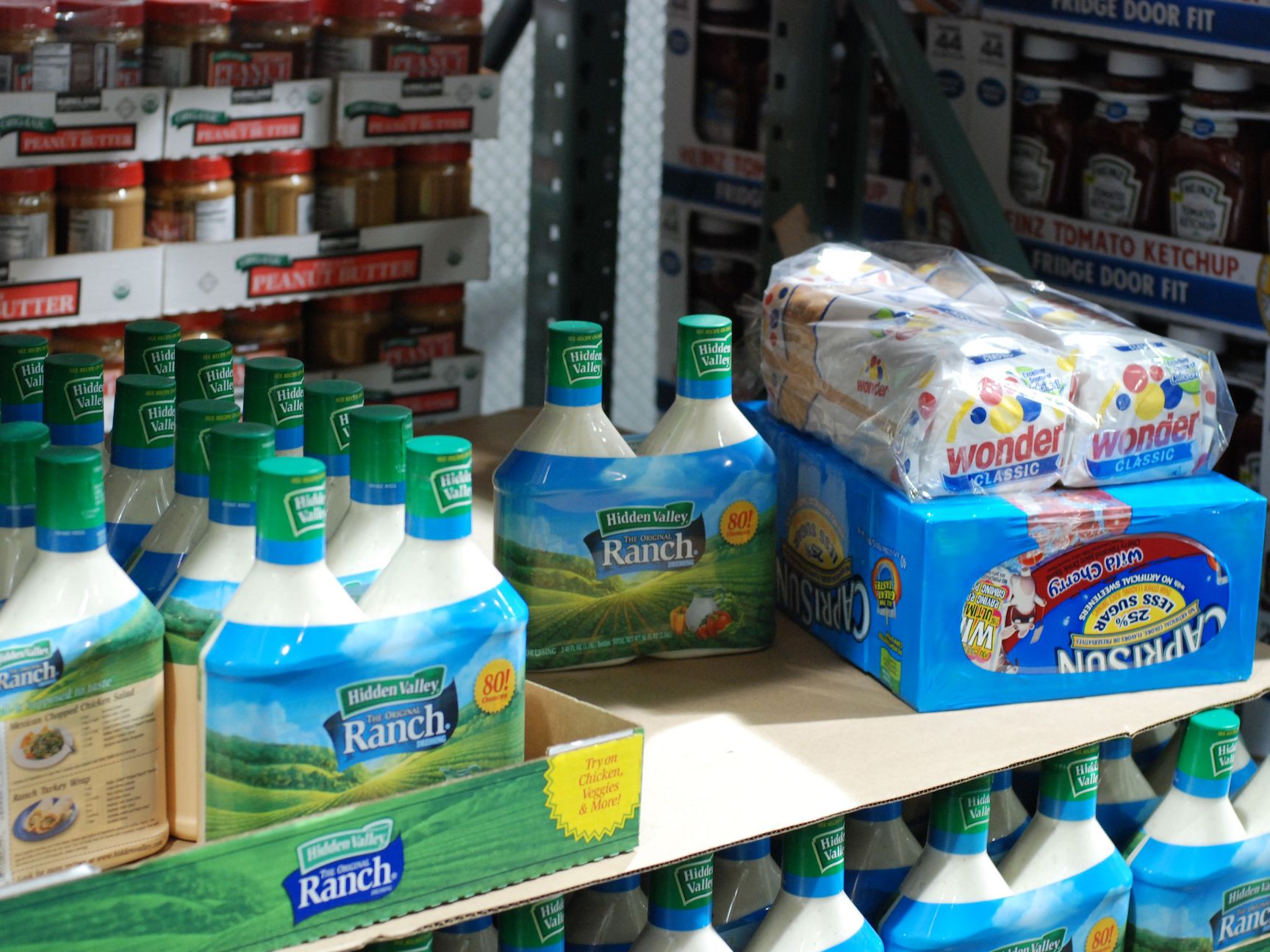
Hidden Valley helped make ranch dressing a household staple, but many shoppers say they no longer buy the bottled version as often. Rising prices have encouraged consumers to mix their own ranch using seasoning packets or purchase lower-priced store brands like Aldi’s Tuscan Garden. Others prefer refrigerated dressings such as Litehouse for their fresher taste. Rather than paying more for the familiar label, shoppers are increasingly choosing whichever option offers the best value.
Ben & Jerry’s Ice Cream
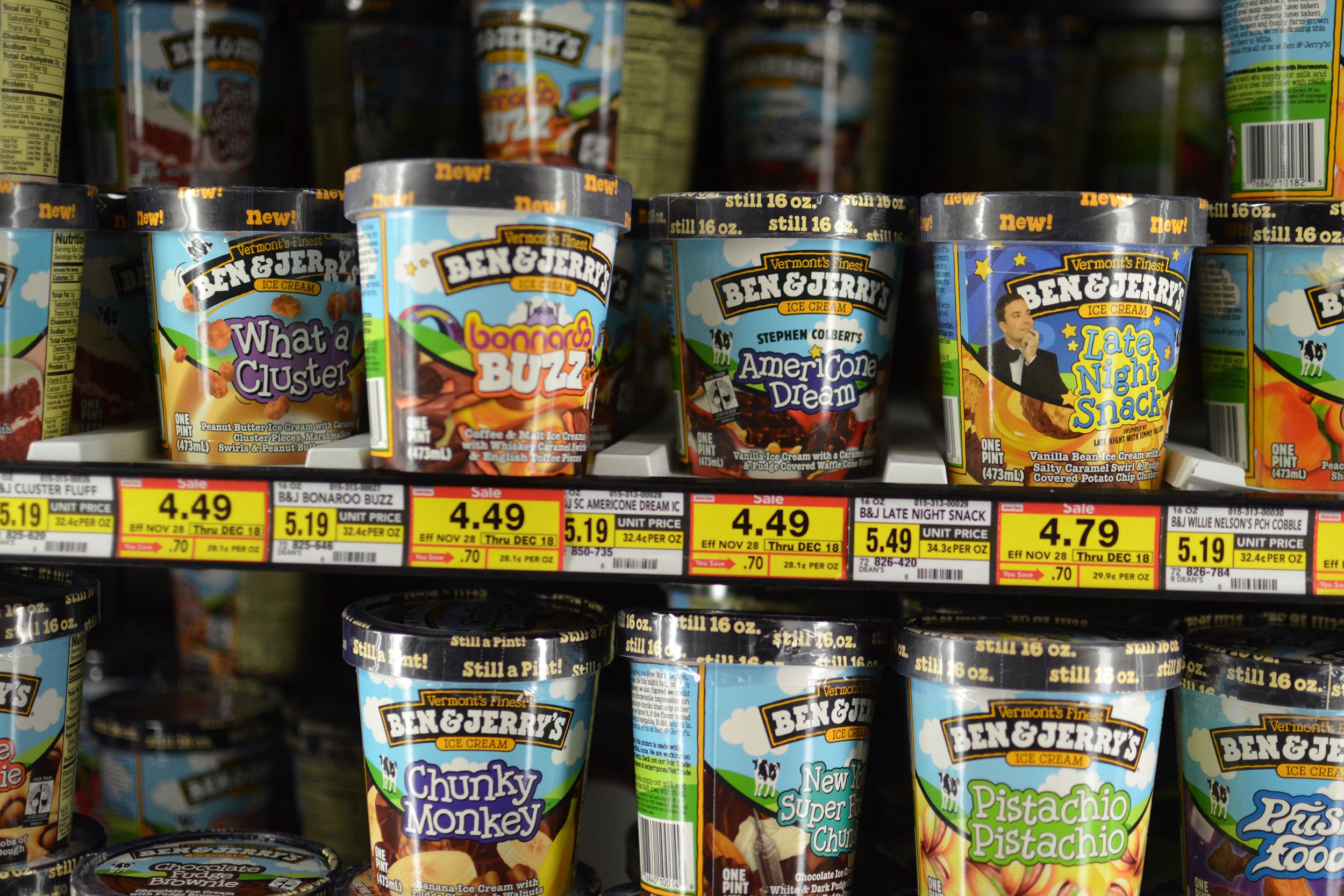
Ben & Jerry’s remains one of the most recognizable premium ice cream brands, but many shoppers say its pints have become an occasional treat rather than a regular grocery purchase. With prices often reaching $6 to $8 or more, consumers increasingly turn to premium store brands that offer similar richness and creative flavors for less. Kirkland Signature, Aldi’s Specially Selected, and Kroger’s Private Selection are among the alternatives shoppers recommend most often. Many say the quality gap has narrowed enough that paying extra no longer feels necessary.
Dawn Dish Soap
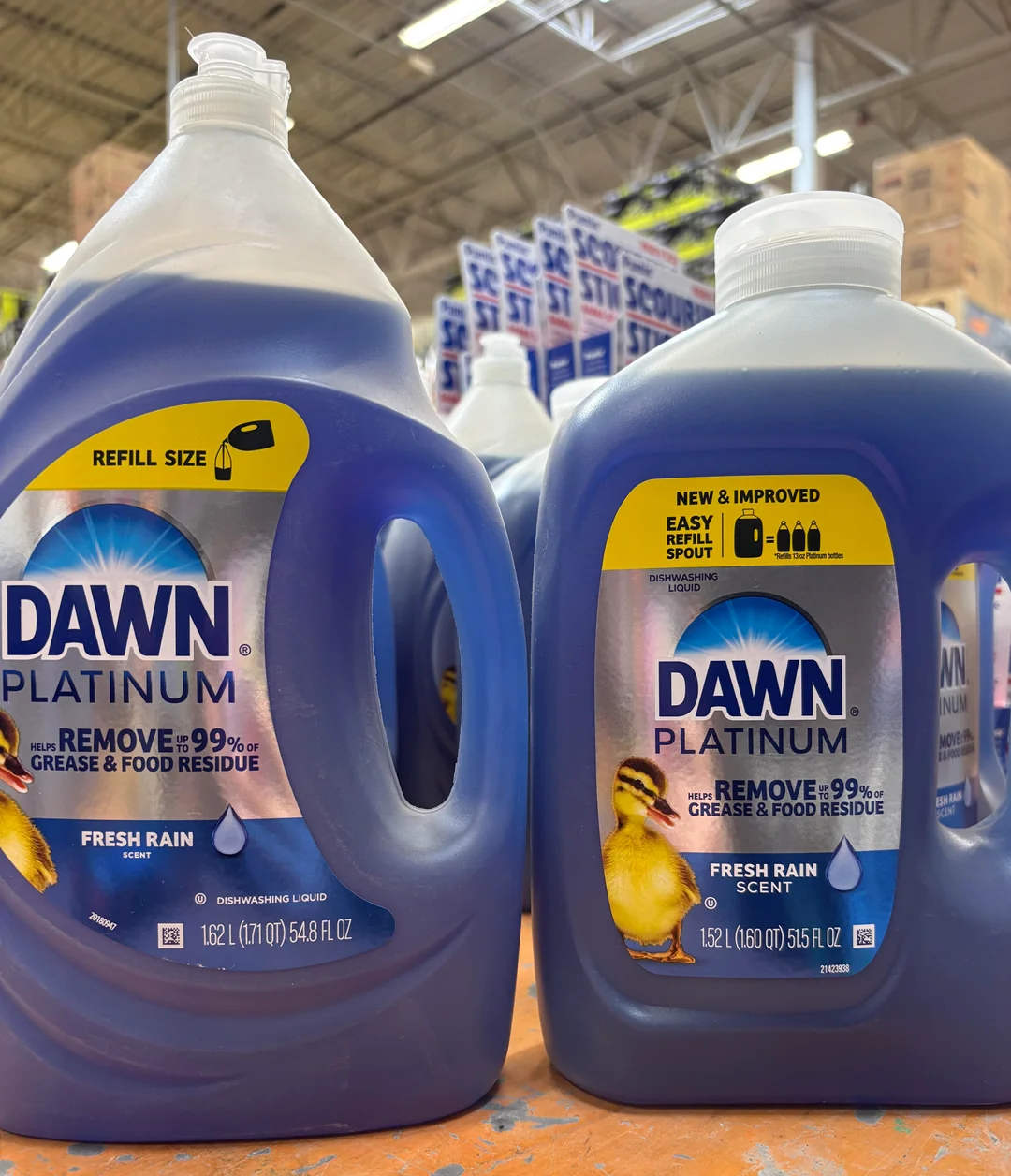
Dawn continues to enjoy a strong reputation for cutting grease, and many shoppers still consider it one of the best dish soaps available. Even so, some consumers say they’ve switched to lower-priced brands simply because the performance difference isn’t large enough for everyday dishwashing. Great Value, Kirkland Signature, and Palmolive are frequently mentioned as capable alternatives that cost less per bottle. For budget-conscious households, the savings outweigh the small differences in cleaning power.
Brand Loyalty Isn’t What It Used to Be
Consumers aren’t giving up on national brands—they’re simply becoming more selective about when they’re worth paying for. As private-label products continue to improve and grocery prices remain high, many shoppers say they’ve discovered that store brands can deliver similar quality at a noticeably lower cost. While the brands on this list still have loyal followings, growing numbers of consumers are deciding that the logo on the package matters less than the value inside it.