Everybody likes pizza. So naturally, if you want to open a food spot, you go for the obvious: pizza. But the thing is, when everyone loves pizza, everyone has the same brilliant idea of opening a pizza place. That leads to an oversaturated market where only the strongest survive, and the rest fade into greasy, doughy oblivion.
Among those who disappeared were these six failed pizza chains that had real potential — and loyal followings — but were eaten alive by the bigger sharks.
Pizza Haven
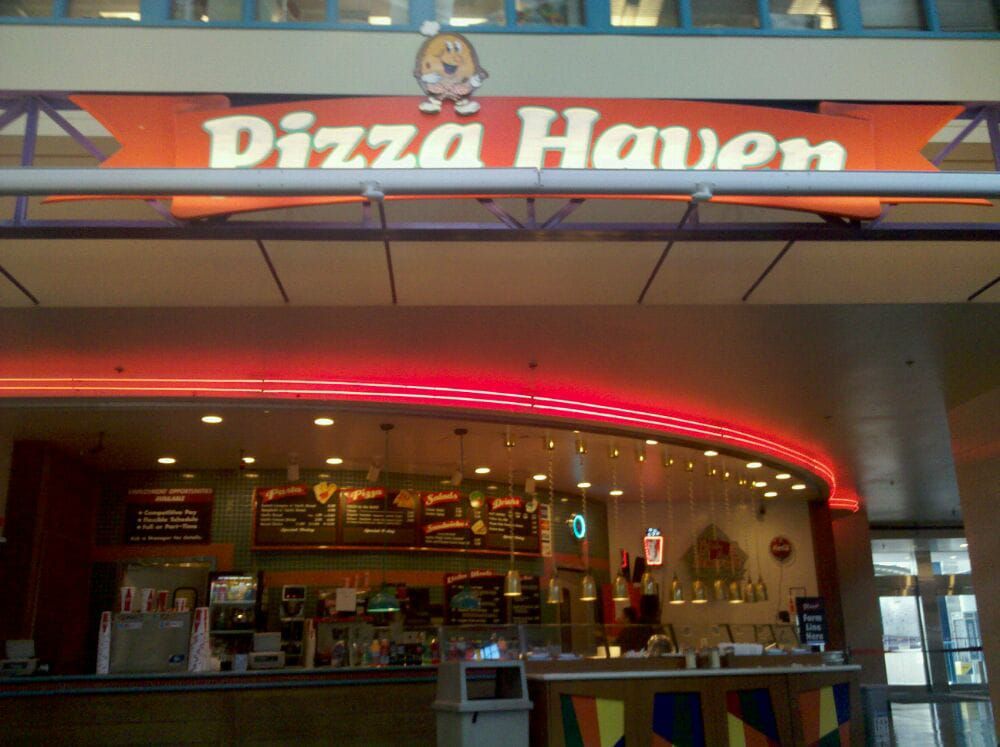
Pizza Haven — founded in Seattle in 1958 — was one of the earliest pizza chains in the United States to offer home delivery, helping popularize the idea of pizza as an easy, family-friendly meal. At a time when pizza was still a novelty for many Americans, Pizza Haven stood out by taking orders over the phone and delivering pies directly to customers’ doors, a service that felt innovative and convenient.
The brand expanded rapidly throughout the 1960s and 1970s, eventually operating more than 40 locations across the Pacific Northwest and parts of California. Its restaurants became familiar neighborhood fixtures, especially in Washington state. But by the 1990s, the pizza landscape had changed. Large national chains like Domino’s and Papa John’s entered the region with aggressive marketing, streamlined operations, and larger advertising budgets. Unable to compete with these growing giants, Pizza Haven gradually closed its remaining locations, disappearing by the late 1990s.
Cap’n’s Galley Pizza & Pipes
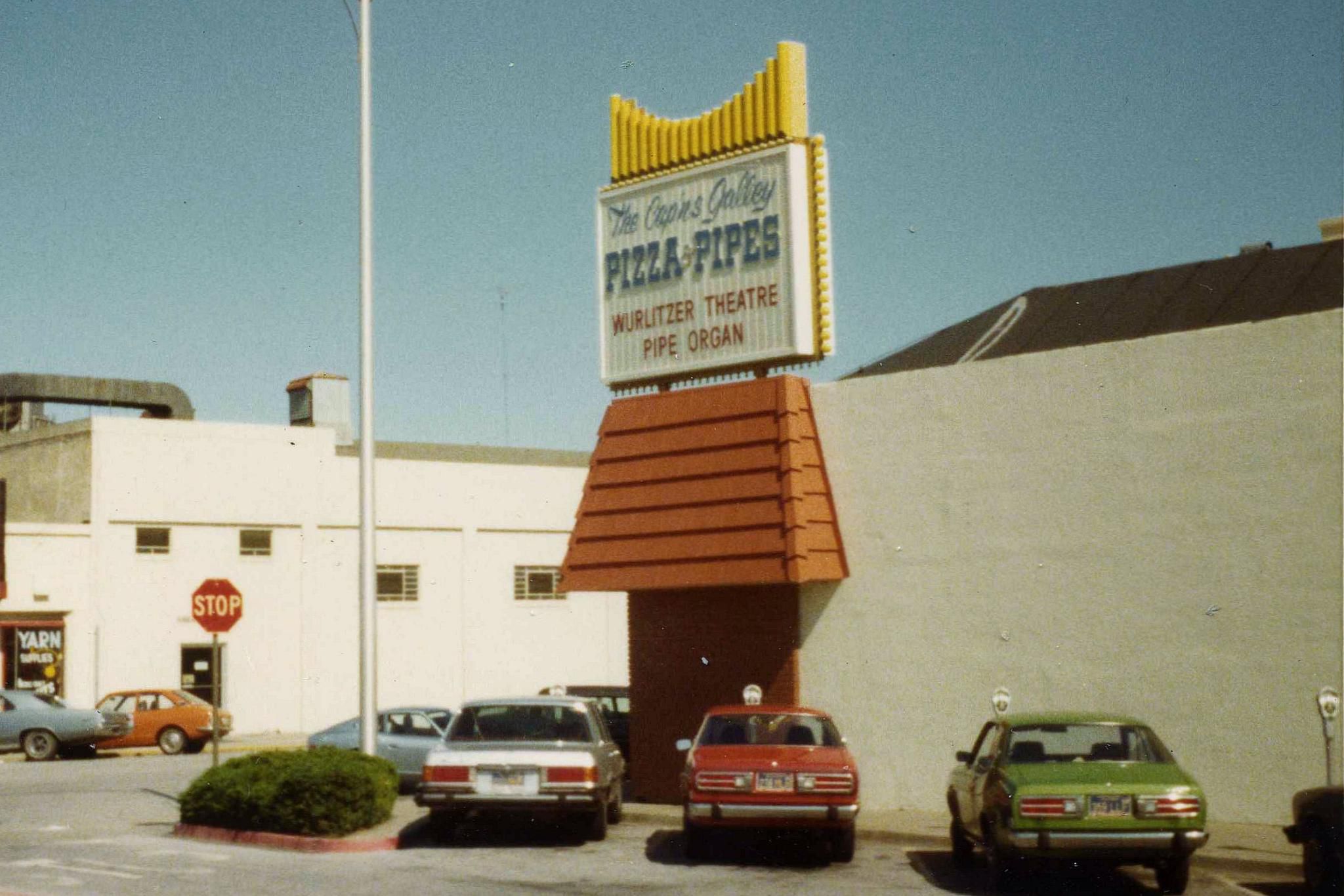
In the late 1960s, Bill Breuer transformed his underperforming Santa Clara dinner spot into a sensational venue by combining pizza with live Wurlitzer organ performances. The concept was unlike anything else in the casual dining world at the time, turning a simple meal into a full-blown spectacle. Massive pipe organs filled the space with booming music, lights flashed, and performers treated each show like a theatrical event. The gimmick proved irresistible to families — children were captivated by the sound and movement, while adults were at least entertained enough to stay.
The success of the original location led to the growth of Pizza & Pipes into a small regional chain, with restaurants opening mainly in California and Washington. Over time, however, the novelty faded. The oversized organs were expensive to maintain, and competition from Chuck E. Cheese, with its animatronic characters and more modern approach to family entertainment, drew customers away. By the early 2000s, Pizza & Pipes had closed its final location, bringing the organ-powered pizza experiment to an end.
ShowBiz Pizza Place
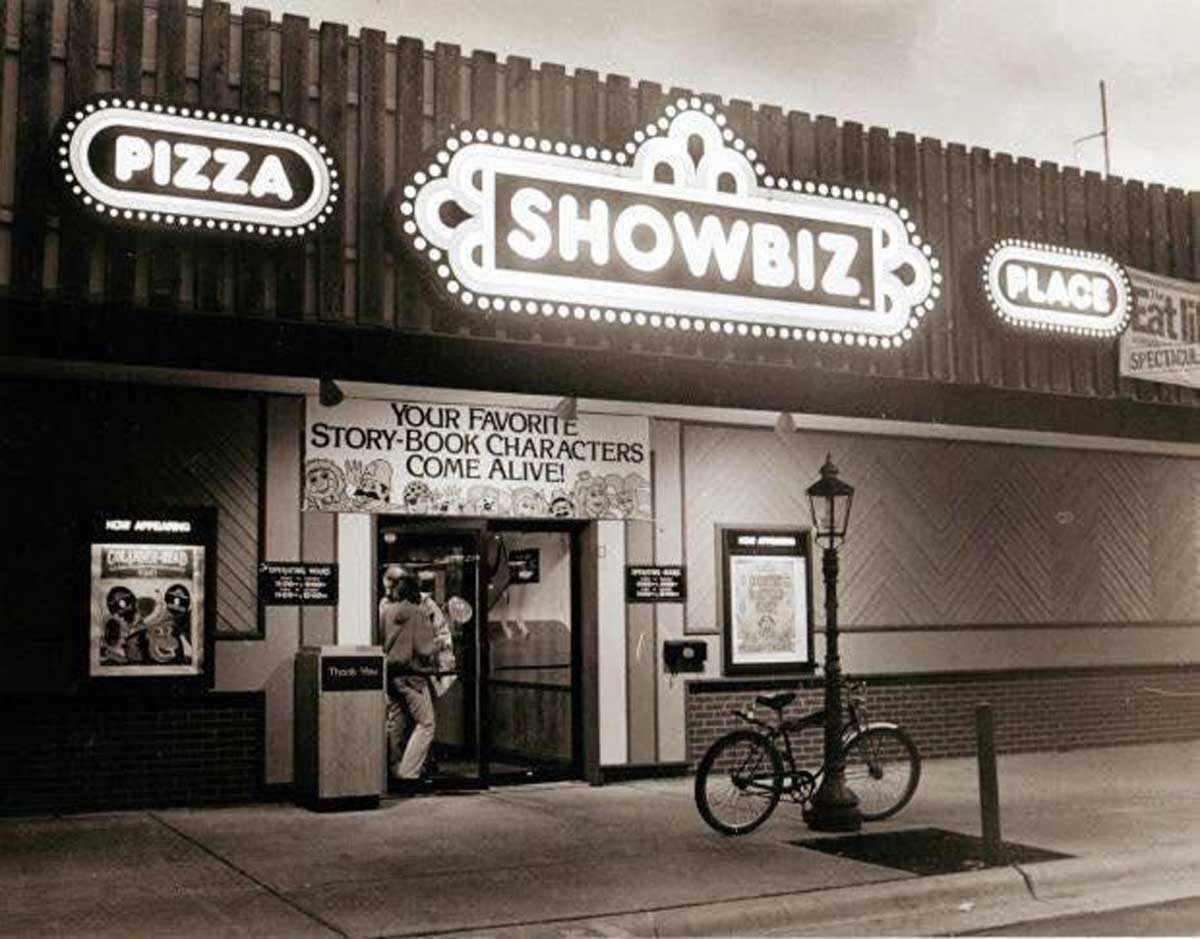
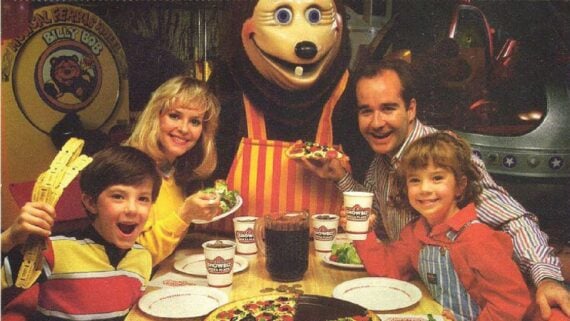
ShowBiz Pizza Place was essentially Chuck E. Cheese before Chuck E. Cheese became the dominant name in family entertainment dining. Launched in 1980, ShowBiz quickly established itself as a go-to birthday destination for kids, offering a sensory-heavy experience built around dark, arcade-filled rooms, sticky floors, and animatronic animal bands enthusiastically belting out off-key pop covers. The restaurants blended pizza, video games, and mechanical stage shows into a chaotic but memorable formula that resonated with families.
In a surprising twist, ShowBiz gained the upper hand in 1984 when it acquired Chuck E. Cheese after the brand’s parent company filed for bankruptcy. Despite the acquisition, Chuck E. Cheese gradually emerged as the stronger, more marketable identity. Over the following years, the company phased out the ShowBiz name, updating characters and concepts. By the early 1990s, all remaining ShowBiz locations had been fully rebranded as Chuck E. Cheese, effectively erasing the original name from storefronts while preserving its legacy.
Eatza Pizza
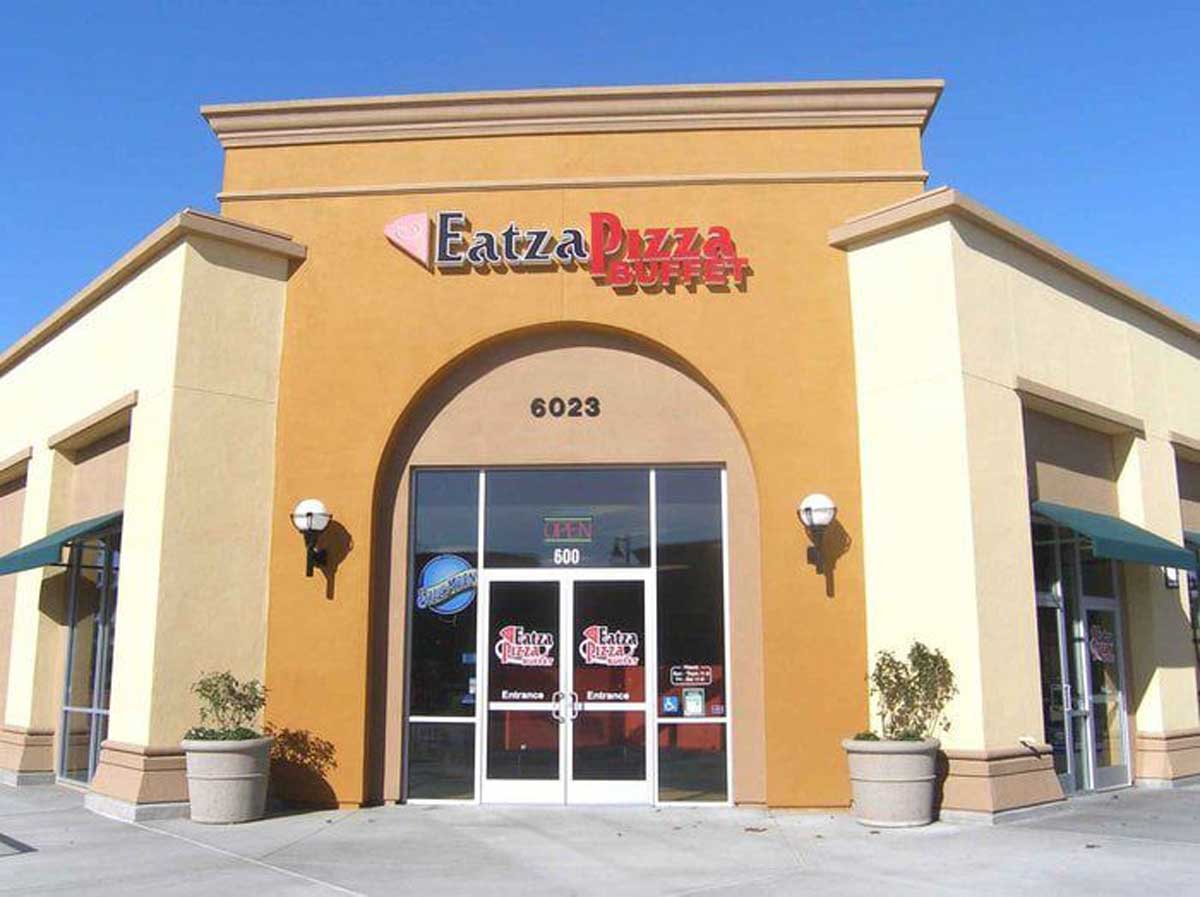
If you grew up near a strip mall in the early 2000s, there’s almost zero chance you didn’t visit Eatza Pizza at least once. The chain leaned hard into the all-you-can-eat buffet model, offering endless pizza slices, pasta, salads, and desserts in a brightly lit, cafeteria-style setting that appealed to families, teens, and budget-conscious diners. Eatza Pizza expanded rapidly and reached its peak around 2006, operating more than 100 locations across 14 states and Puerto Rico.
However, the fast growth proved difficult to sustain. In 2007, the company was acquired by International Franchise Associates and its headquarters were moved to Connecticut, signaling a shift in strategy. The transition did little to stabilize the business, as rising food costs, operational challenges, and declining traffic quickly caught up with the brand. By 2008, Eatza Pizza filed for Chapter 7 bankruptcy, bringing a swift end to a buffet concept that had once seemed nearly impossible to escape in suburban America.
Uno Due Go
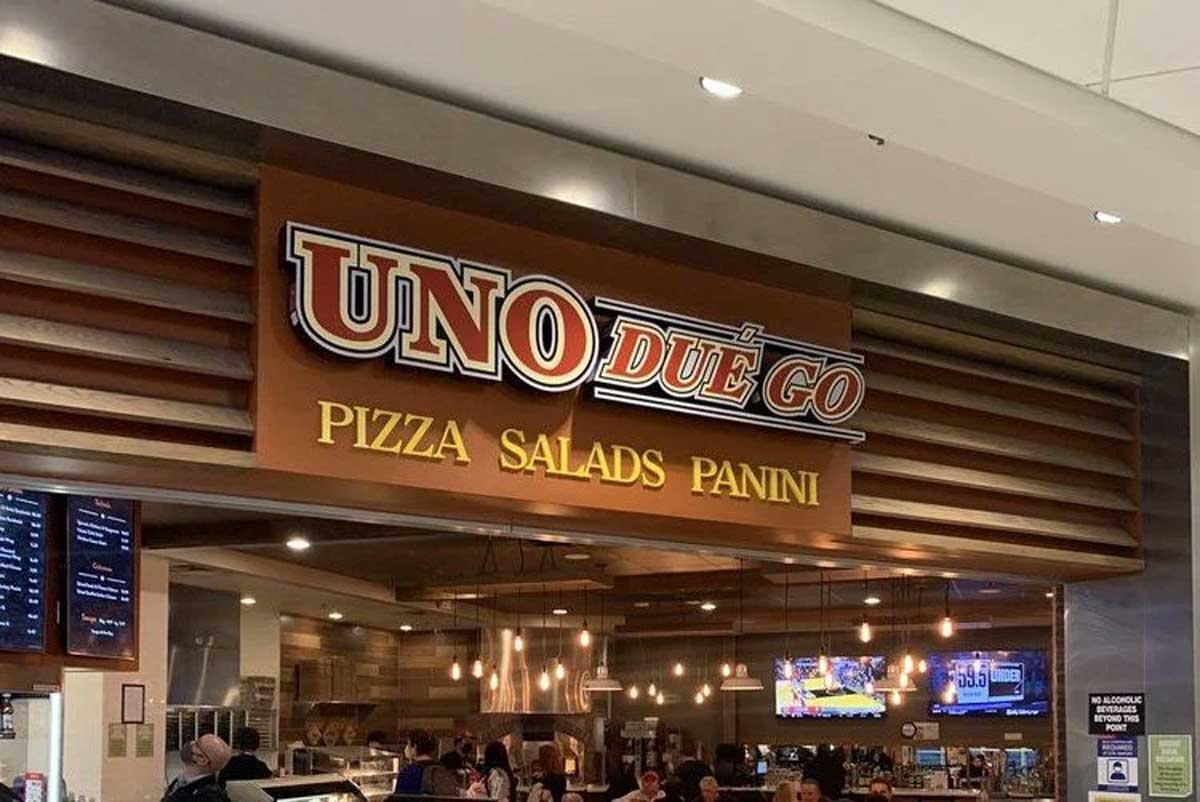
Uno Due Go launched in 2008 as a fast-casual offshoot of Uno Pizzeria & Grill, aiming to adapt the brand’s familiar comfort food to a quicker, more modern dining format. The concept focused on convenience, offering pizza, sandwiches, salads, and baked goods designed for grab-and-go service rather than the traditional sit-down experience associated with the Uno name. Locations were strategically placed in high-traffic areas such as airports, transportation hubs, and busy city centers, targeting commuters and travelers looking for a fast but recognizable meal. Early on, the streamlined model appeared promising, as fast-casual dining continued to grow in popularity.
Over time, however, the concept struggled to maintain momentum, and operating in travel-heavy locations made it especially vulnerable to economic shifts. By 2020, all Uno Due Go locations had closed, including the Boston outpost, which shut down during the COVID-19 downturn that devastated foot traffic and food service sales.
Trending on Cheapism
Pizza Cucinova
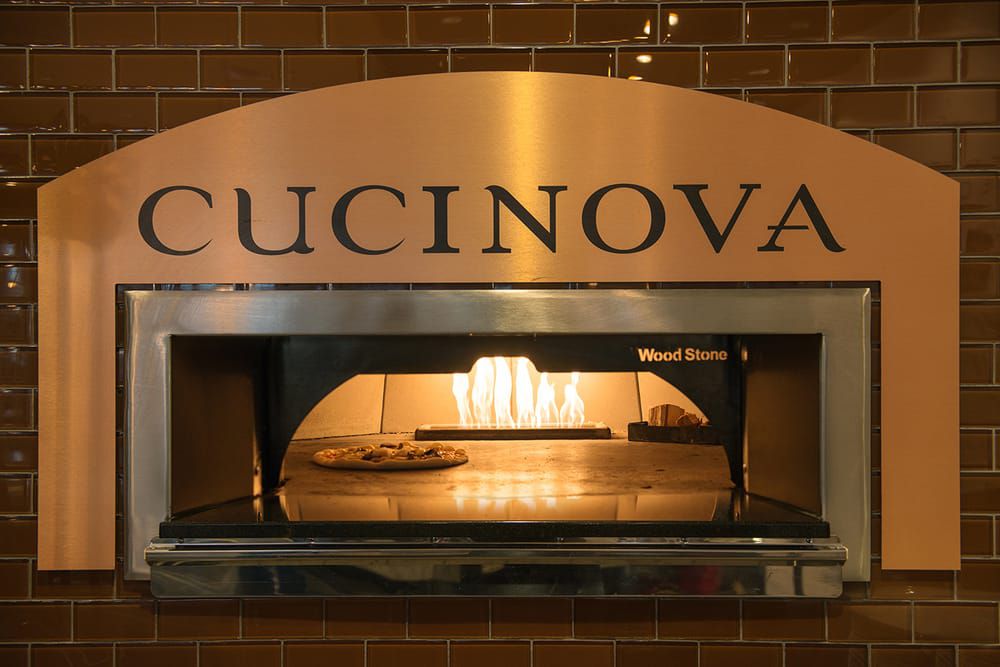
Pizza Cucinova launched in 2013 in Ohio as a fast-casual spin-off from Sbarro (which, frankly, is teetering on making this list, too). The concept aimed to elevate the quick-pizza experience by offering artisan-style pies made with fresh ingredients and cooked in wood-fired ovens, targeting customers who wanted something more upscale than standard mall fare. Early on, Pizza Cucinova expanded into a small regional chain and showed signs of promise, but it struggled to build a loyal customer base. The higher price point turned off diners looking for a truly quick meal, and operational issues became increasingly visible.
By 2019, frustration was spilling into online reviews. “They spent more time joking with each other than expeditiously getting pizzas ready. There were about 10 of us in line at noon and they couldn’t have been slower and sloppier. Lots of work to be done,” one Yelp reviewer wrote that year. Not long after, all Pizza Cucinova locations quietly shut down, marking the end of the brand’s brief run.
More From Cheapism
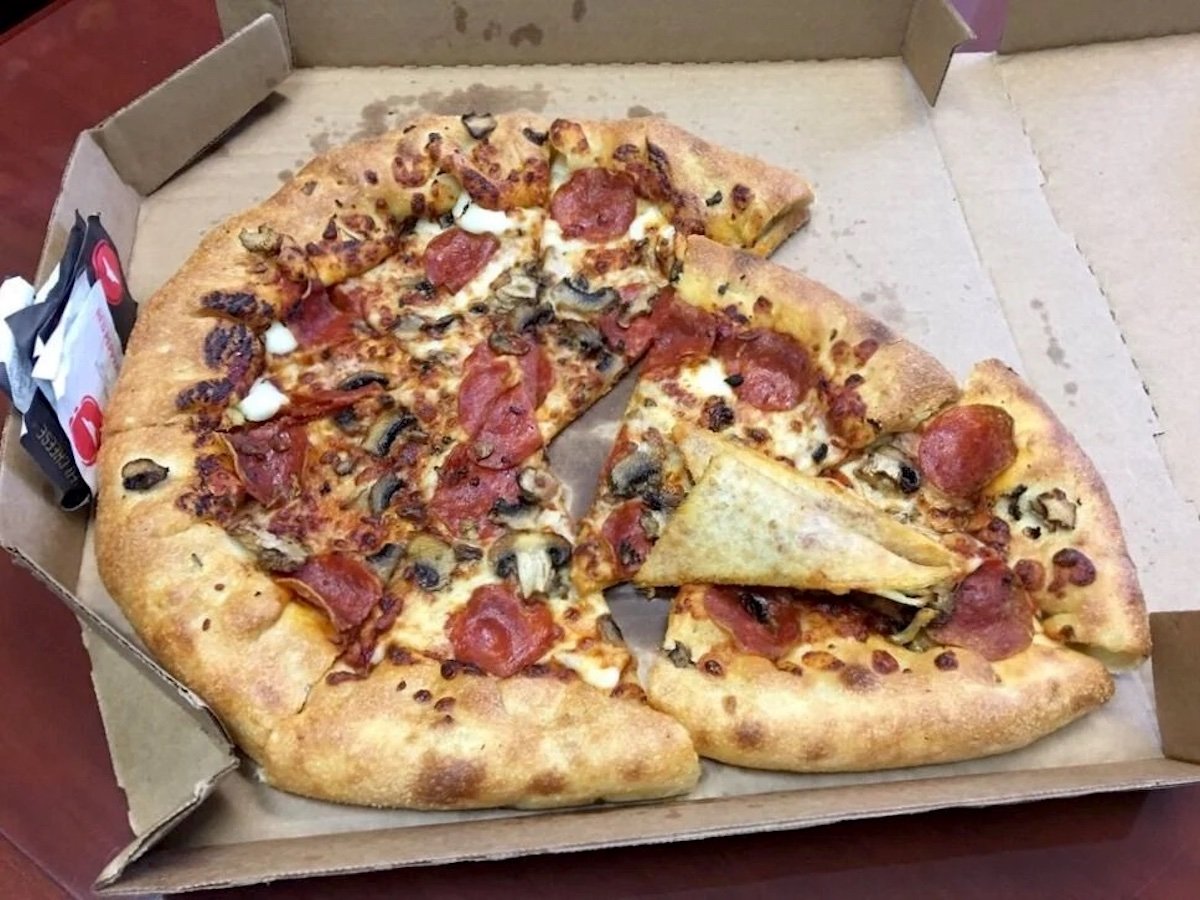
- 6 Worst Pizza Chains in America — Before you grab a slice tonight, see which national pizza chains diners say are consistently disappointing, with soggy crusts, bland toppings, and reasons you might want to skip them next time.
- Where to Get Delicious Pizza in Every State — Planning your next road trip? Check out this state-by-state guide to well-loved pizza spots where locals swear the slices are worth seeking out no matter where you are in the U.S.
- Best Hole-in-the-Wall Pizza Joints Across America — Don’t judge a pizzeria by its storefront — this list highlights under-the-radar and beloved local pizza joints that serve up some of the most memorable pies in the country.