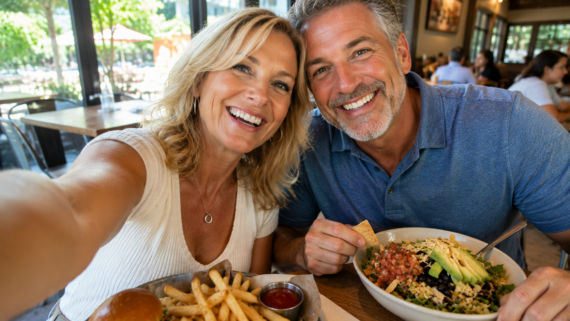
For years, fast food had one easy defense: it was cheap enough to make people forgive the paper bag, the rushed counter, and the fries that somehow went cold before they got home. That bargain is getting harder to see. In April 2026, the Bureau of Labor Statistics reported that restaurant prices were still rising, with limited-service meals climbing faster than full-service meals month to month. At the same time, casual restaurants have been leaning harder into lunch specials, bundled meals, free refills, and limited-time deals to win over value-conscious diners. The result feels a little upside down: if a drive-thru combo now costs close to what you would pay at a diner, pizza shop, or neighborhood Mexican restaurant, more Americans are asking why they are eating in the car at all.
Diners Still Make Breakfast Feel Like a Real Meal
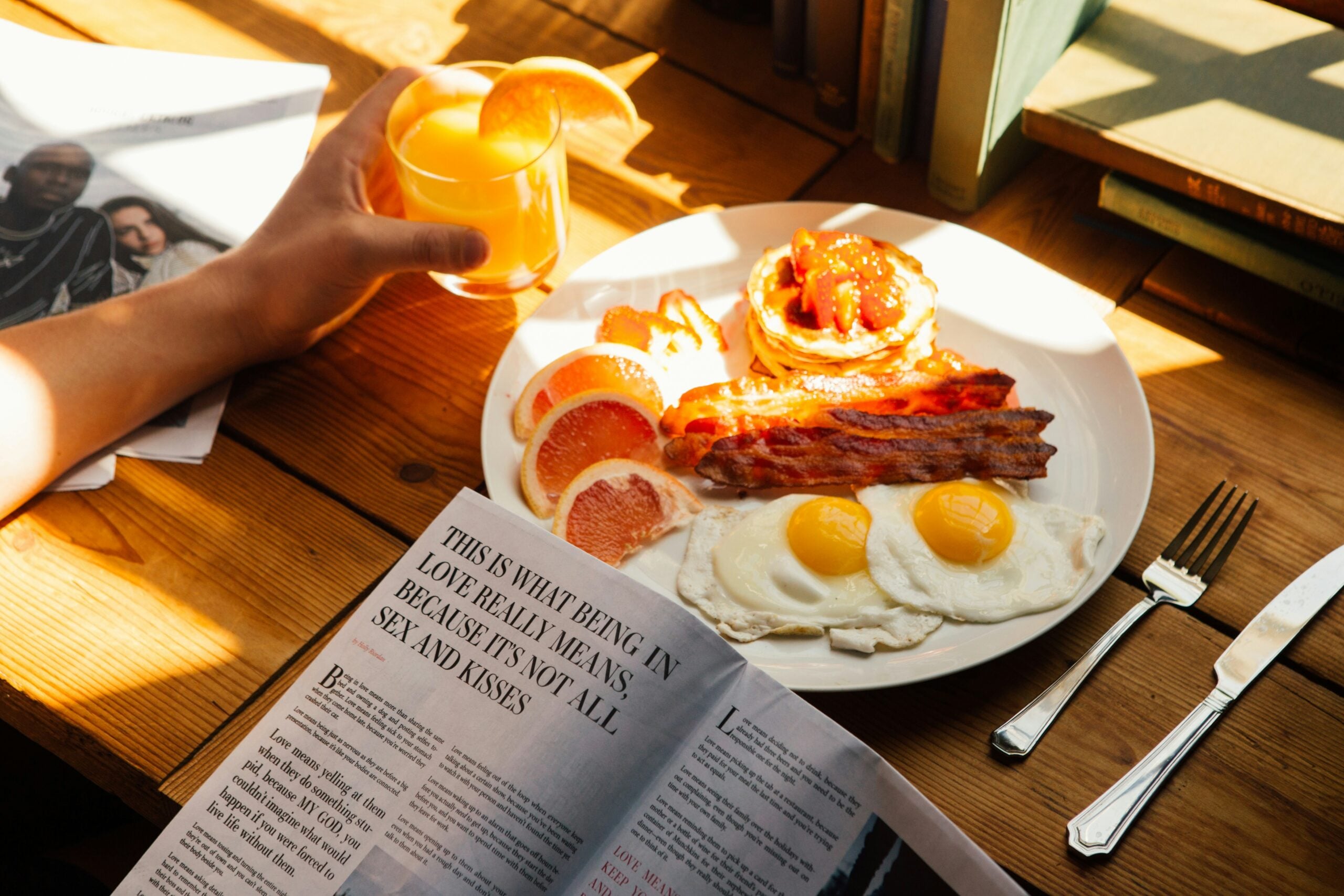
Breakfast is where the fast-food value problem really starts to show. A biscuit sandwich, hash browns, and coffee can get surprisingly expensive, especially without an app deal. A local diner may not always win on the receipt, but it often feels like a better use of the money: eggs, toast, potatoes, coffee refills, and an actual plate instead of a wrapper. Of course, diners have raised prices too, and trendy brunch spots can be even worse than fast food. The real value is usually at the plain neighborhood place, not the Instagram pancake house.
Local Mexican Restaurants Quietly Beat the Combo Meal
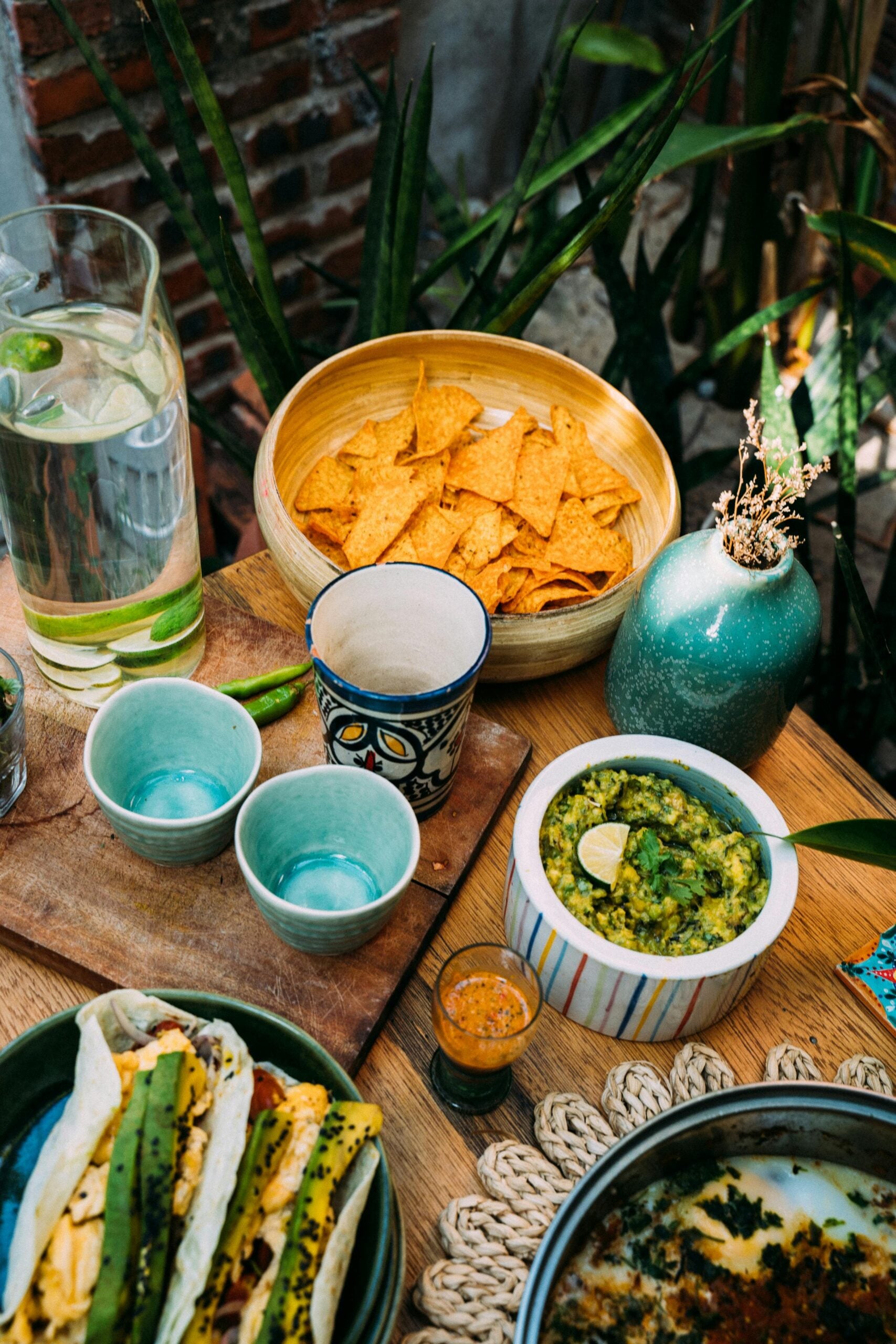
A fast-food taco order can still be cheap if someone sticks to the value menu, but a full meal is where the math starts to get awkward. Local Mexican restaurants often make chains look less like a bargain, especially when a combo plate comes with rice, beans, tortillas, and maybe free chips and salsa at the table. For families and retirees, that matters. The question is not always “What is the cheapest item?” but “Will this actually fill everyone up?” The savings can disappear fast with margaritas, queso, delivery fees, or upgrades, so the best value is usually dine-in, a basic drink, and a lunch or combo plate.
Fast-Food Combos Lost the “No-Brainer” Price Advantage
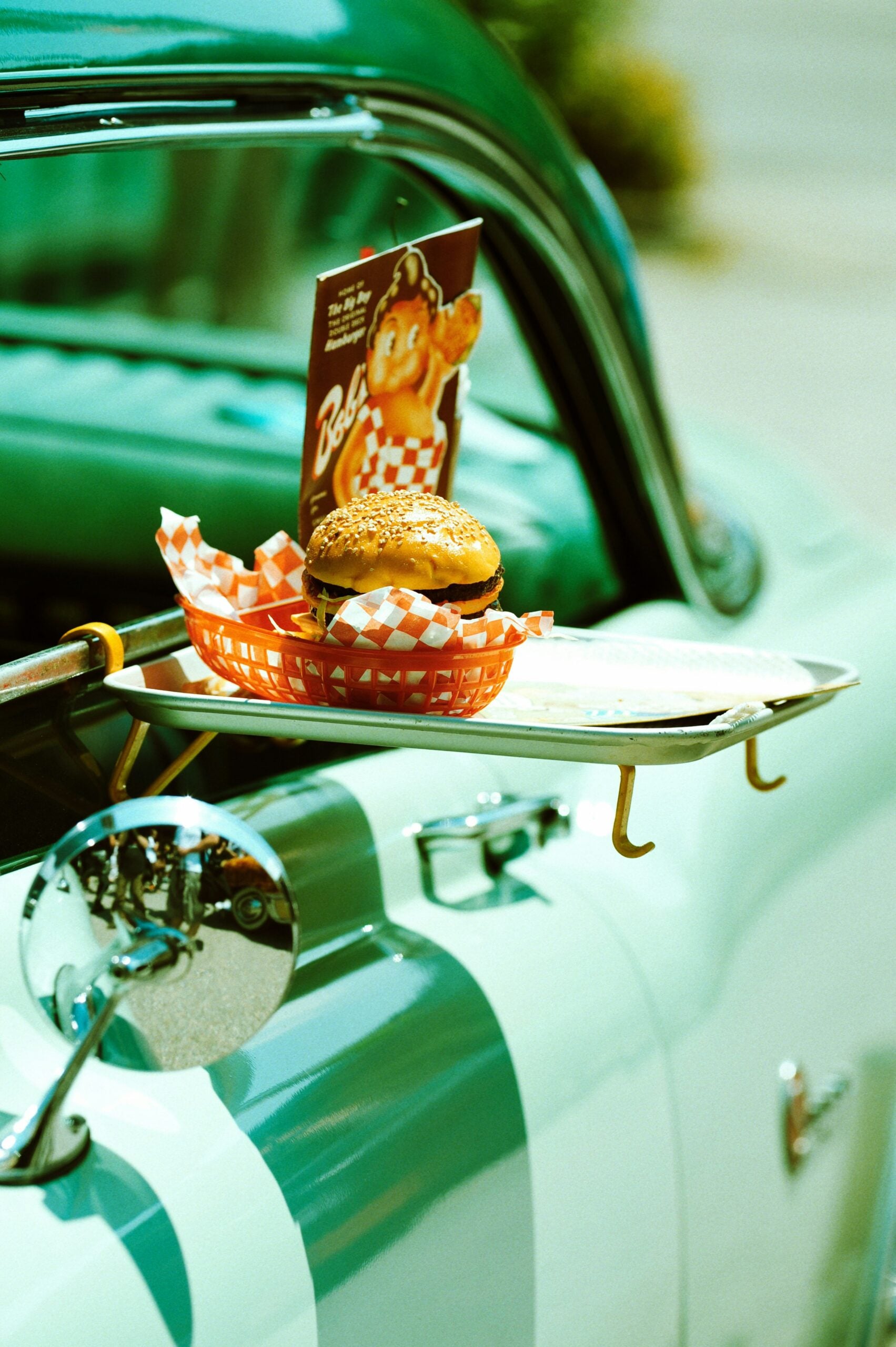
The problem is not that every fast-food meal is outrageously expensive now. It is that too many standard combos no longer feel like an automatic bargain, especially in cities, airports, highway exits, and delivery apps. McDonald’s has responded with renewed value menus, meal deals, and combo pricing, which says a lot about where the public mood has gone. Once a burger, fries, and drink starts feeling like a $12-or-more decision after tax, tip prompts, delivery fees, or location markups, people naturally start comparing it with Chili’s, Applebee’s, a diner, or a local lunch special. Fast food still wins on speed. It just does not always win on value anymore.
Family Restaurants Still Give You Sides That Feel Included
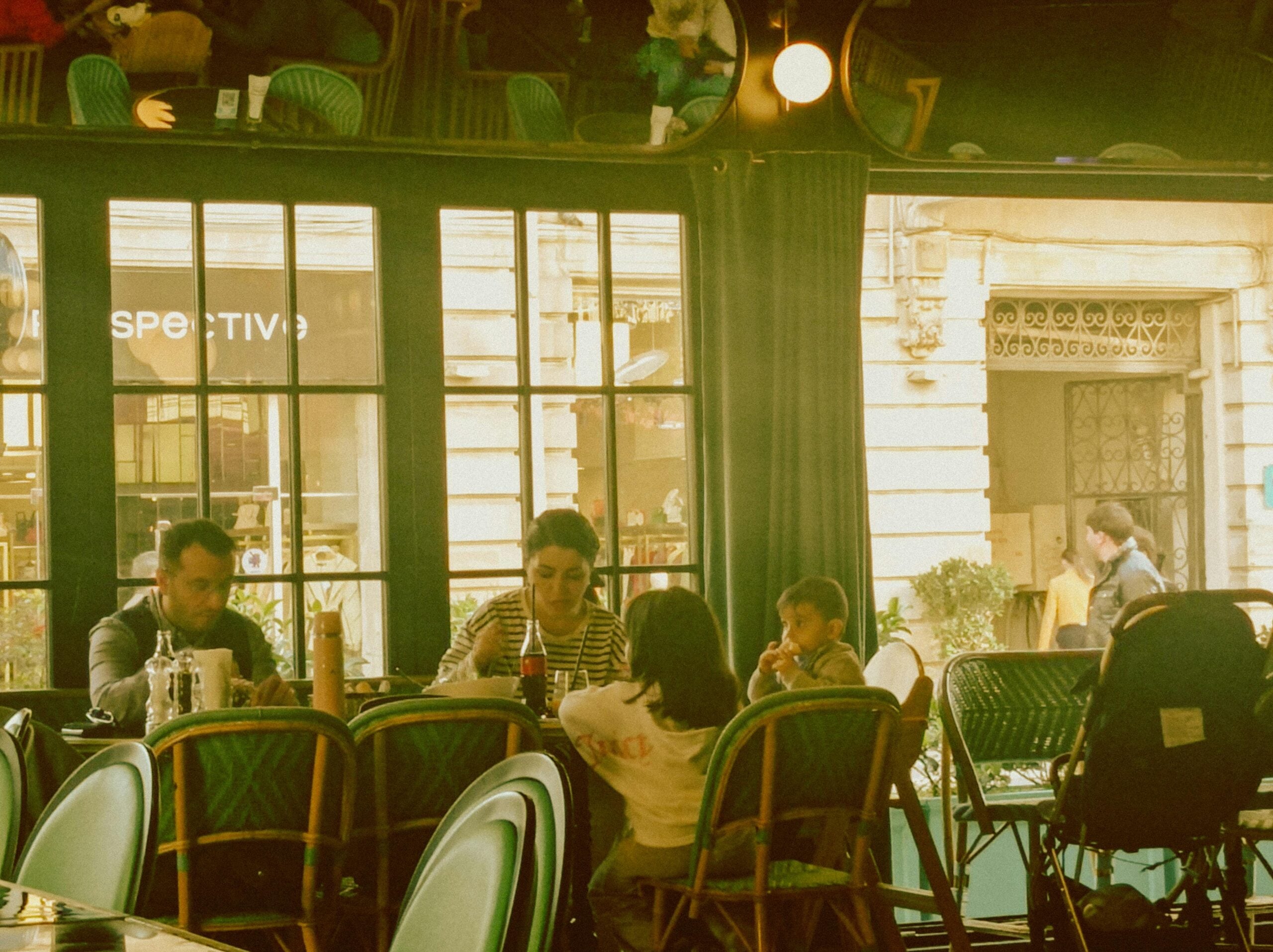
One reason sit-down restaurants can feel like a better deal is that the value is not always just in the entrée. Depending on the place, the meal may come with things like soup, salad, bread, vegetables, potatoes, rice, or a refillable drink, which makes dinner feel more complete. Fast food, by comparison, can turn the basics into separate decisions: fries, a drink, sauce, a size upgrade, maybe dessert. Casual restaurants are not automatically cheap, and tipping still matters, but the plate can feel more generous. For someone watching a budget, that difference counts. A $14 meal with sides and leftovers may feel better than a $12 combo that disappears in six minutes.
Chili’s Turned “Sit-Down Value” Into a Fast-Food Fight
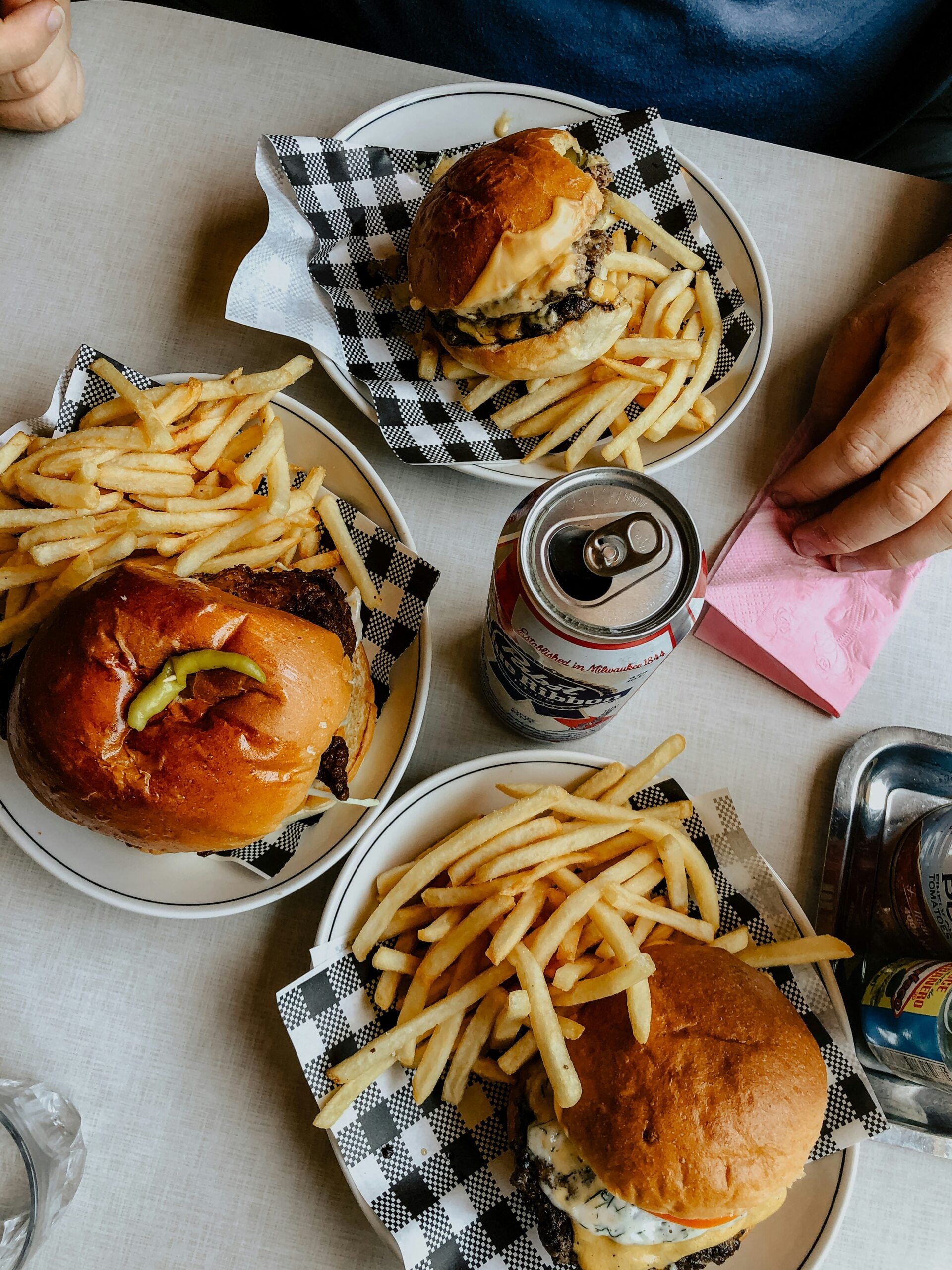
Chili’s has been unusually direct about this shift. Its $10.99 3 For Me deal has been marketed as a sit-down answer to fast food, with an entrée, fries, bottomless chips and salsa, and an unlimited fountain drink. That is not the same experience as a drive-thru bag, and Chili’s knows it. The deal may vary by location, and the bill changes quickly once people add appetizers, alcohol, tax, or tip. But the comparison is powerful: if a casual chain can put a burger or chicken sandwich meal on the table near fast-food combo territory, fast food starts to look a lot less special.
Trending on Cheapism
Applebee’s and Similar Chains Are Reviving Big-Value Promotions
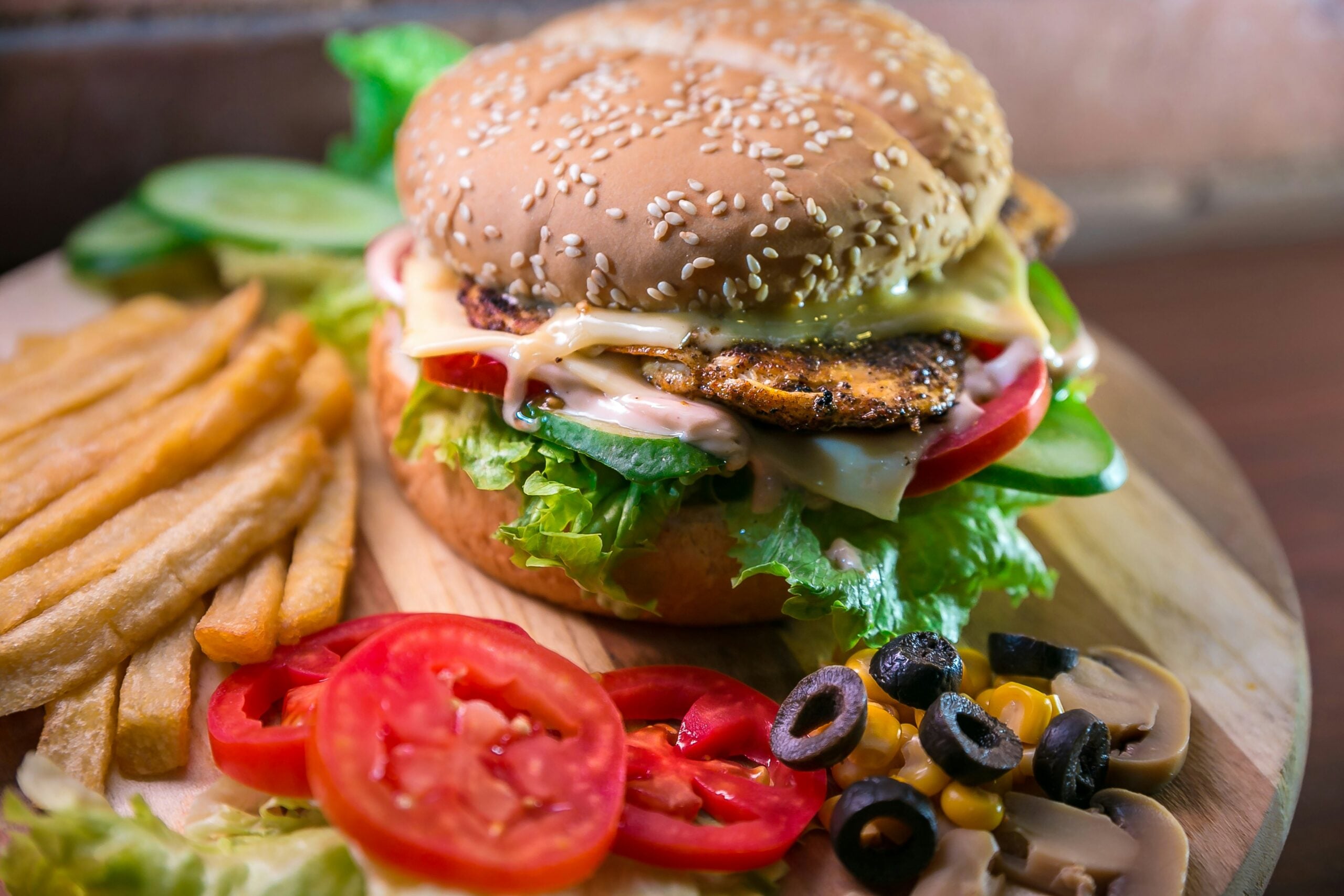
Casual chains are not pretending diners feel carefree about prices right now. Applebee’s brought back its $15.99 All You Can Eat deal in 2026, offering unlimited boneless wings, riblets, Double Crunch Shrimp, and endless fries for dine-in customers. It is not an everyday solution for everyone, and the fine print still matters: participation can vary, drinks cost extra, per-person rules apply, and tips are part of the final bill. Still, the deal shows how sit-down restaurants are trying to win back people who feel priced out. A family may not choose unlimited wings every week, but the message is clear: casual dining wants to be seen as a value option again, not just a treat.
Local Pizza Places Still Win on Cost Per Person
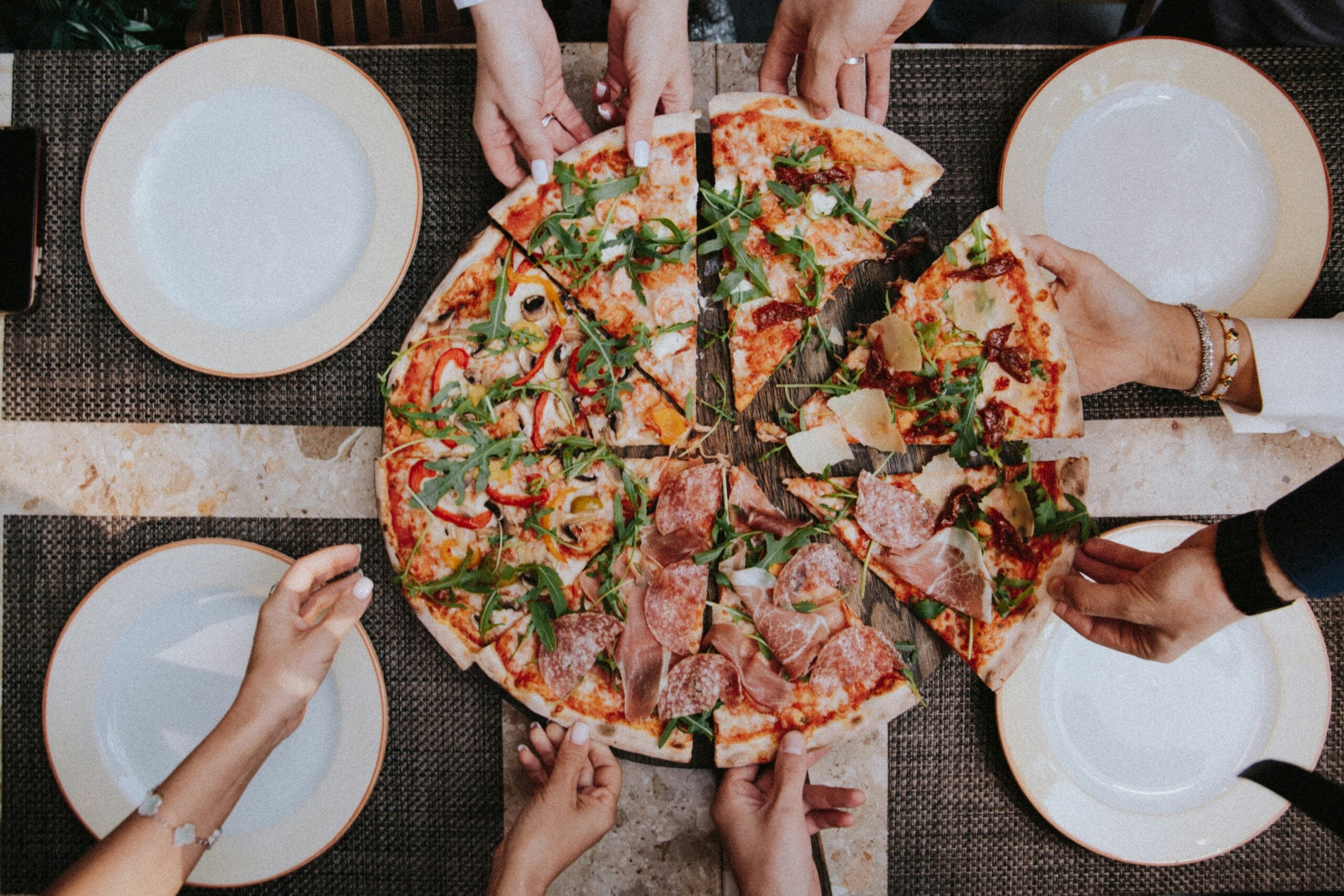
Pizza has always been one of the easiest ways to feed a group without turning dinner into a pile of separate orders. That advantage looks even stronger when everyone at a fast-food counter wants their own combo. A large pizza, maybe with a salad or breadsticks from a local shop, can often feed several people for less per person than individual burgers, fries, and drinks. The math depends on toppings, delivery fees, and whether the shop charges a lot for specialty pies. But for families, pizza still has something fast food often does not: leftovers. That second slice tomorrow quietly makes the deal look better.
Chinese Lunch Specials Still Stretch Into Dinner
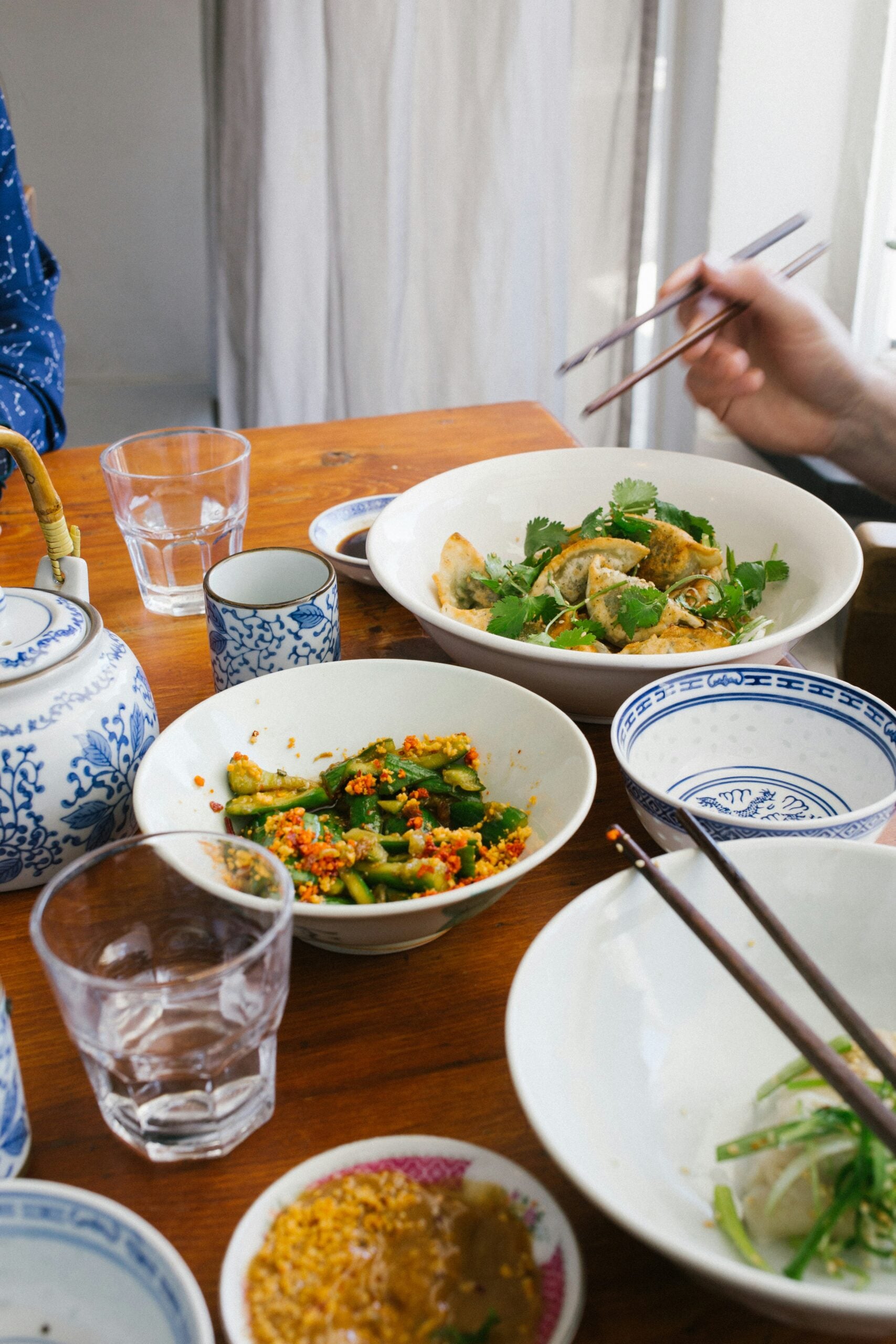
Chinese lunch specials are hard to generalize because every city has its own neighborhood spots, but the format is still one of the clearest examples of restaurant value. Rice, an entrée, sometimes soup or an egg roll, and portions big enough for leftovers can make one lunch feel like two meals. Compared with a fast-food combo that leaves nothing behind except the receipt, that matters. The catch is that prices vary a lot by region, and delivery apps can wipe out the savings with fees and markups. The best bet is usually direct pickup or dine-in at a long-running local restaurant with a posted lunch menu.
Sign up for our newsletter
Lunch Specials Are Doing the Job Value Menus Used to Do
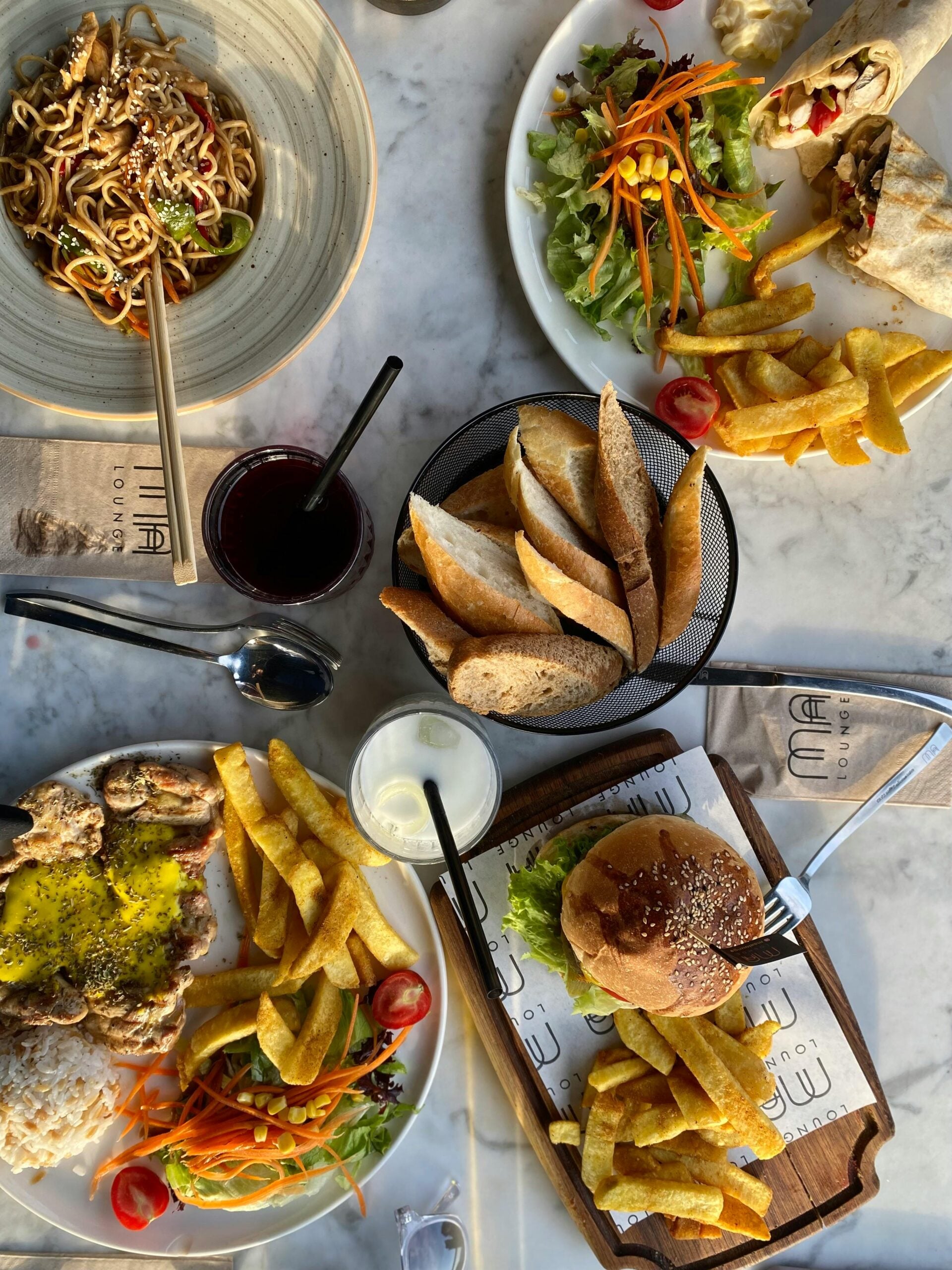
The old value menu trained customers to think cheap meant fast. Now, lunch specials at diners, cafes, Thai restaurants, barbecue spots, and casual chains can do that job just as well, sometimes better. A soup-and-sandwich combo, half-portion pasta, plate lunch, or weekday special may not be glamorous, but it can feel like real food for drive-thru money. Olive Garden’s lunch favorites, for example, still lean on unlimited soup or salad and breadsticks as part of the value pitch. The catch is timing. These deals are often weekday-only, limited to certain hours, or dine-in only, so they work best for people who can plan around them.
Free Refills Still Change How the Meal Feels
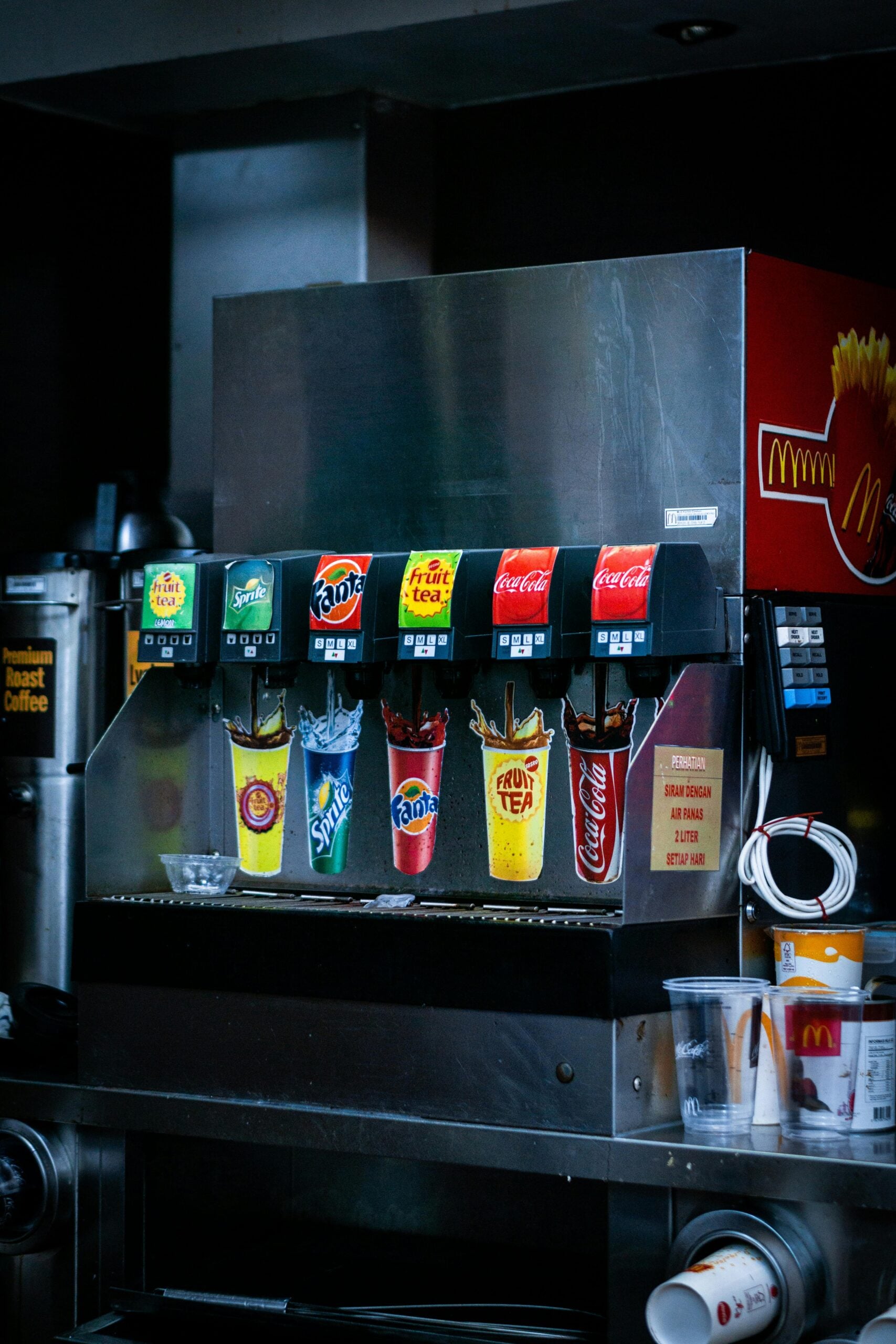
A soda is one of those small add-ons that can make a fast-food receipt feel ridiculous. Order a drink for every person, and the total climbs quickly. Sit-down restaurants often soften that irritation with free refills on fountain drinks, coffee, or tea, plus water service that actually comes to the table. It is not exactly a luxury, but during an affordability crunch, people notice when they do not feel nickeled-and-dimed. The downside is obvious: drinks are still high-margin items, and skipping soda saves more money than refilling it. But psychologically, refills can make a meal feel a little less stingy.
Fast Food Became “Emergency Food”, Not Cheap Food
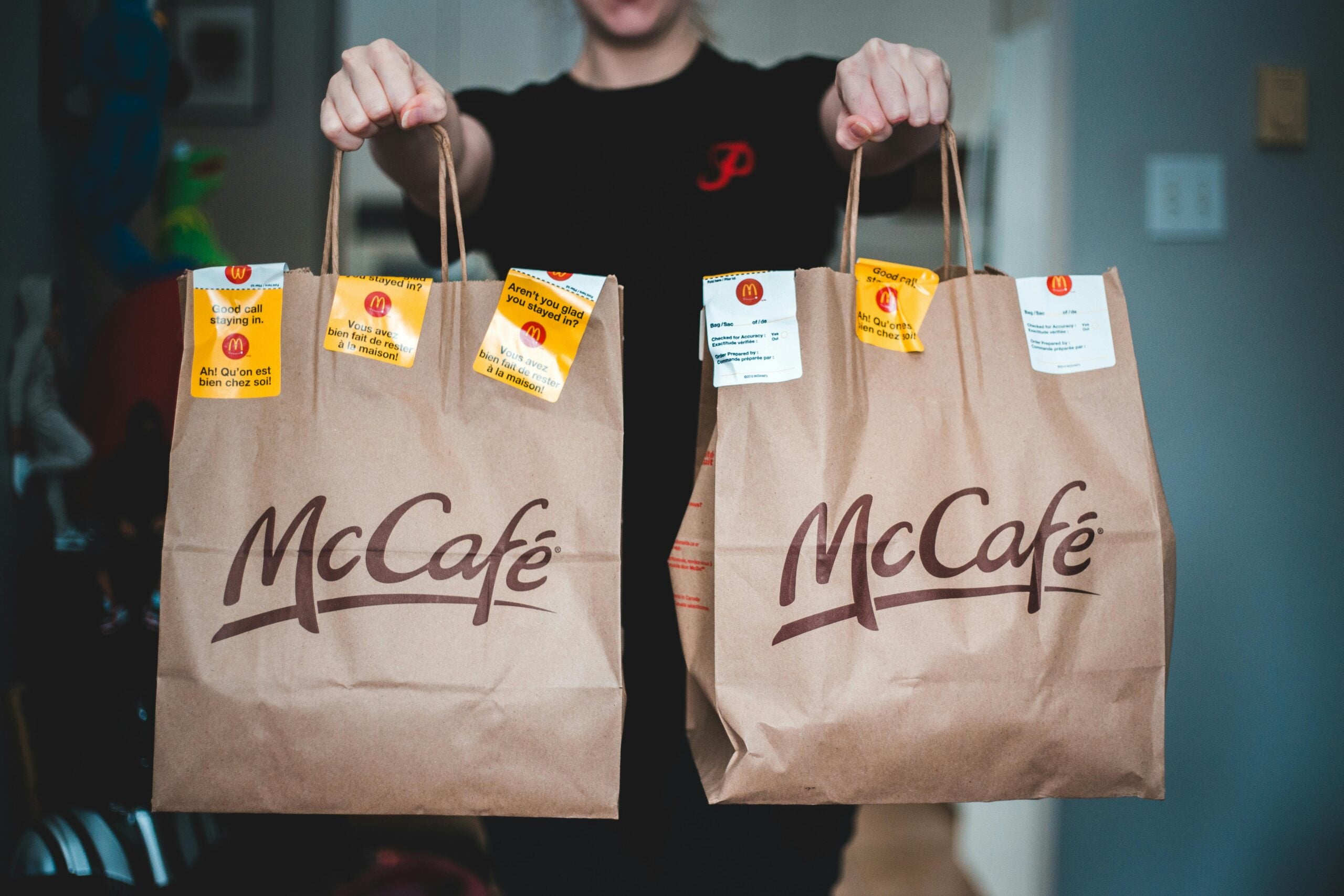
For many people, fast food now feels like something they buy because they are stuck: on the road, between appointments, with kids in the back seat, or simply too tired to cook. That is different from being a good deal. Online conversations about fast-food prices are full of people comparing a drive-thru order with a burger at a sit-down chain or a plate from a local restaurant. Those comments are anecdotal, but they capture the mood. The frustration is not just the price. It is paying restaurant money for food that still feels rushed, smaller, and less satisfying.
Fast-Food Apps Made Value Feel Like Homework
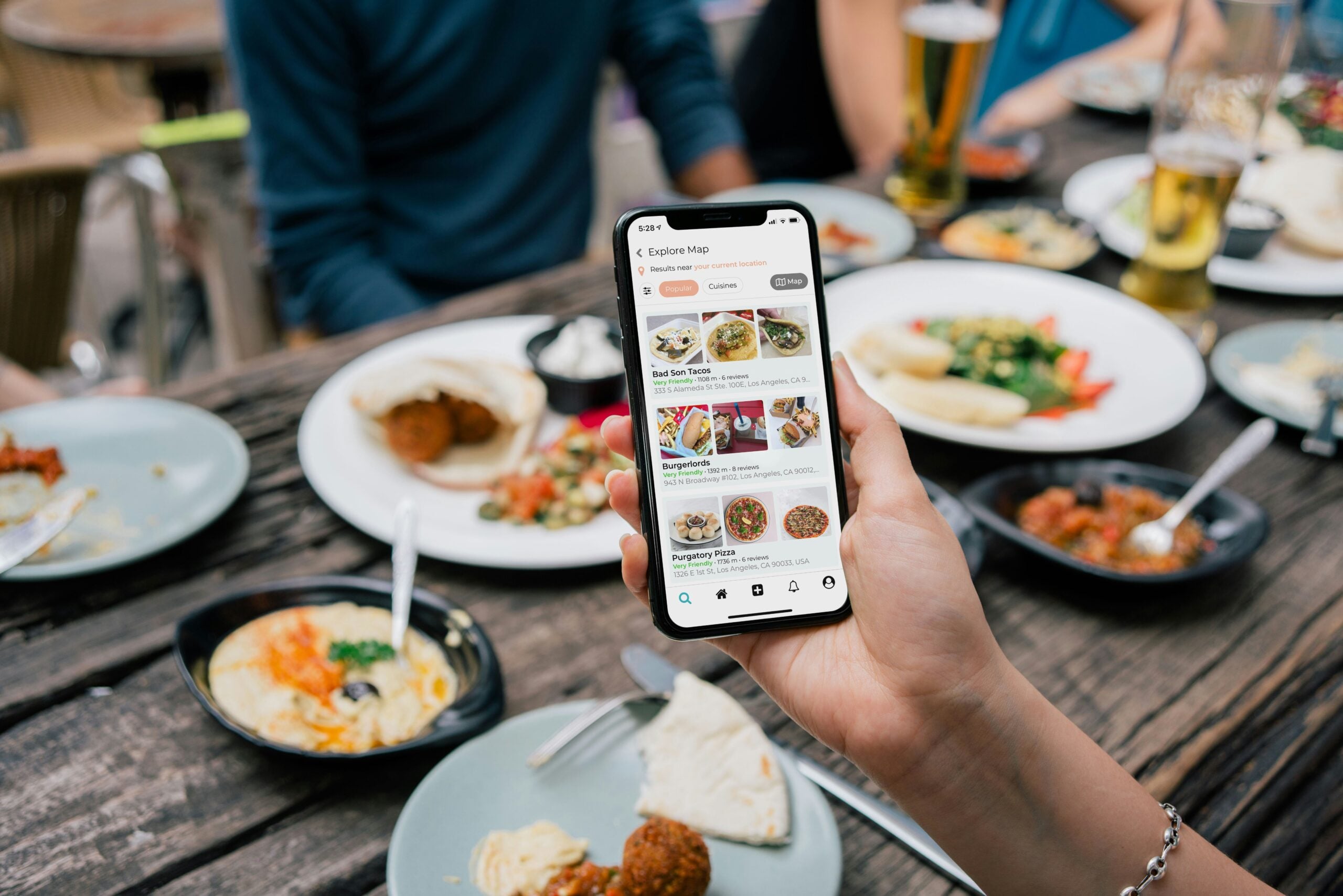
Fast-food chains still have deals, but a lot of the better ones now live inside apps, rewards accounts, promo codes, limited windows, or location-specific offers. That can be useful for people who already use them, but it also makes “cheap” feel conditional. Sit-down restaurants are not innocent here either; they have loyalty programs and upsells too. But a posted lunch special or bundled dine-in meal is easier for many customers, especially older diners who do not want to juggle passwords and push notifications just to get a fair price. Value feels better when it does not require a small research project.
Sit-Down Burgers No Longer Feel Like a Big Step Up in Price
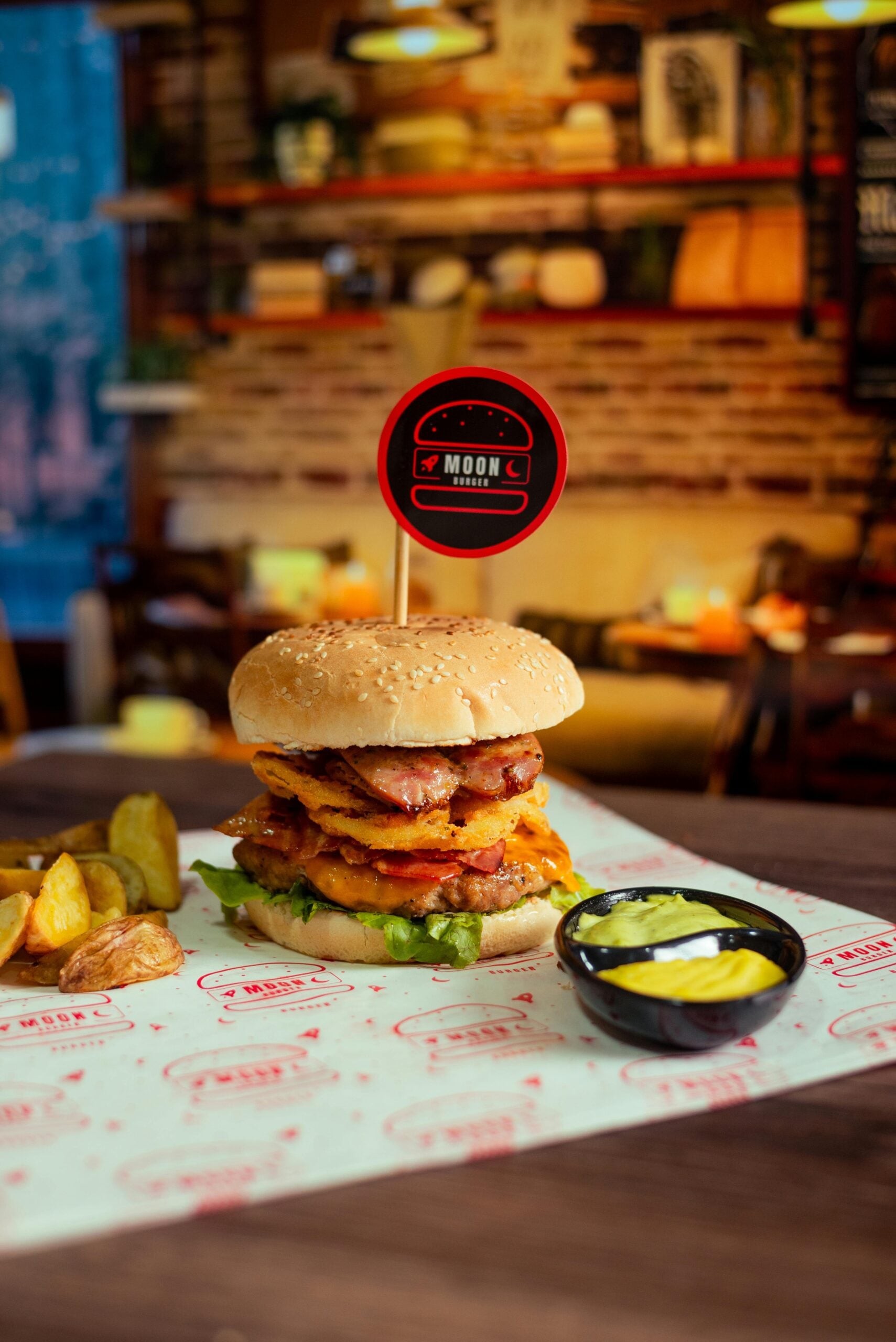
A burger is the easiest comparison because both fast-food chains and sit-down restaurants sell one. A fast-food burger combo may still be quicker, but the price gap has narrowed enough that people notice when a casual restaurant burger comes with a plate, fries, refills, and a place to sit. Tipping can push the sit-down total higher, so it is not always cheaper. But the value question has changed: if the difference is only a few dollars, many customers would rather get a fuller-feeling meal and slow down for a bit. That is especially true when the fast-food version feels smaller or less satisfying than people remember.
More from Cheapism
- The Best Beach Town Seafood Restaurants in America — A guide to the iconic coastal seafood shacks and local favorites that have earned devoted followings through fresh catches, regional traditions, and unforgettable flavors.
- The Best Signature Breakfast Foods in Every State –An exploration of the unique breakfast specialities enjoyed across all 50 states and Washington D.C., showcasing the regional flavors that define America’s morning meals.
- The Chick-fil-A Breakfast Sandwiches You Should Be Spending Your Money on — A taste-test review of Chick-fil-A’s breakfast sandwich lineup, ranking all 10 options to help customers choose the best way to start their day.