Moving away from home means giving up a lot of little comforts you don’t think about until they’re gone. Favorite restaurants. Familiar streets. And, surprisingly often, the grocery store you built your entire routine around.
Regional grocery chains aren’t just places to buy food — they’re part of daily life. They’re where locals swear by certain store brands, argue about deli orders, and feel personally offended when another chain doesn’t measure up. Ask anyone who’s moved across the country, and they’ll probably tell you the same thing: They miss their old grocery store more than they expected.
Here are eight regional grocery chains in America that people can’t stop missing after they move away, and why no national chain has ever quite filled the gap.
H-E-B (Texas)
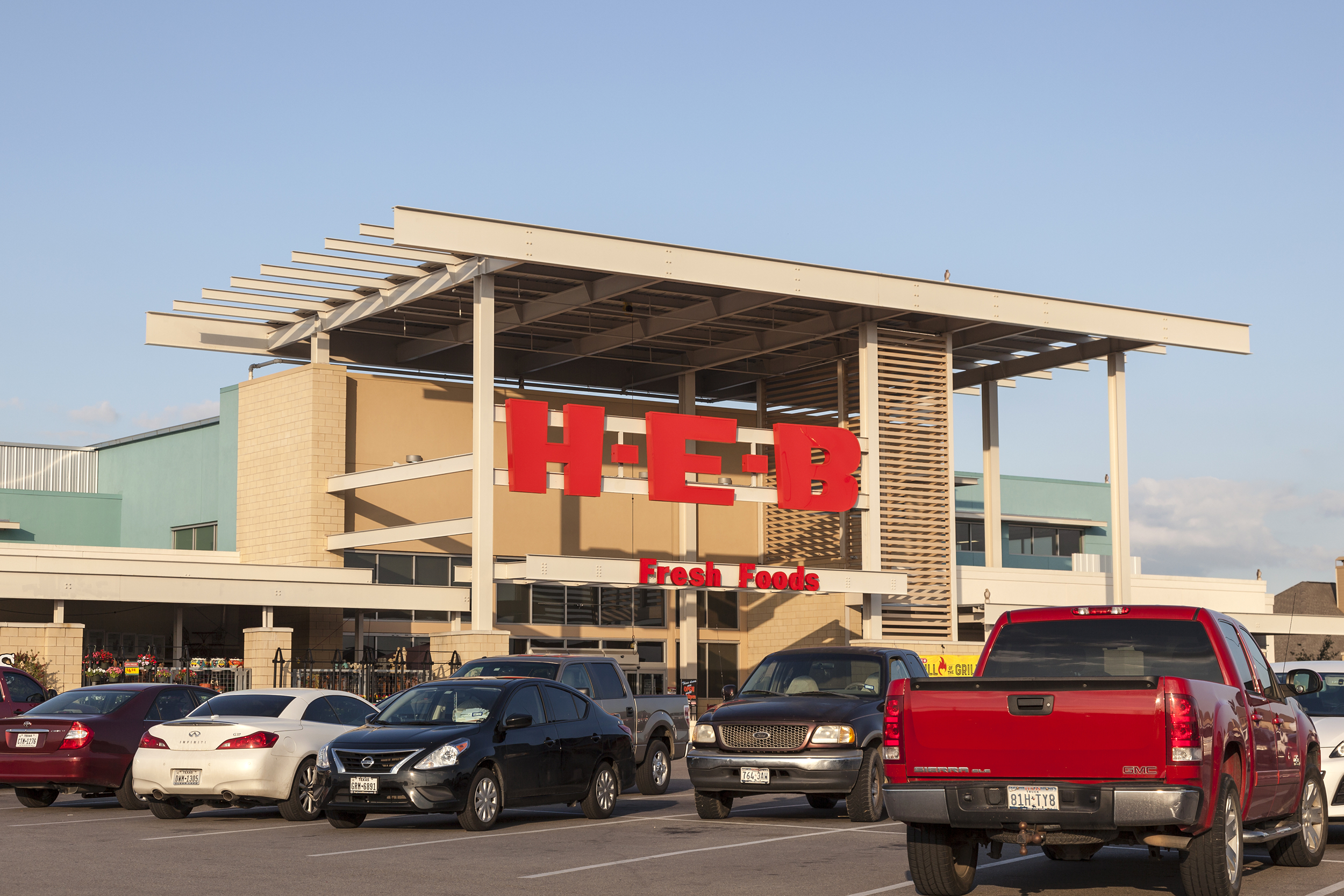
H-E-B feels deeply local in a way most chains don’t. Stores are tailored to their neighborhoods, stocked with Texas-made products, regional brands, and culturally specific foods you won’t find elsewhere. Shoppers swear by H-E-B’s store-brand items, which are often cheaper and better than national brands. The chain also built enormous goodwill by showing up during disasters — keeping stores open, distributing supplies, and supporting communities when it mattered most. For many Texans, H-E-B isn’t just a grocery store; it’s part of daily life.
One Reddit user lamented: “I moved from Texas back home and I miss H‑E‑B so much. I worked here as well. …HEB is better in almost every way. That’s all I came to say.”
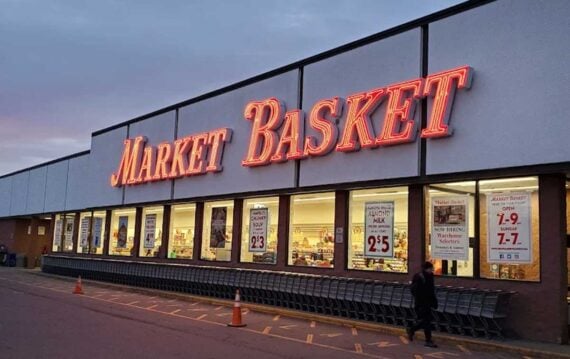
Market Basket (New England)
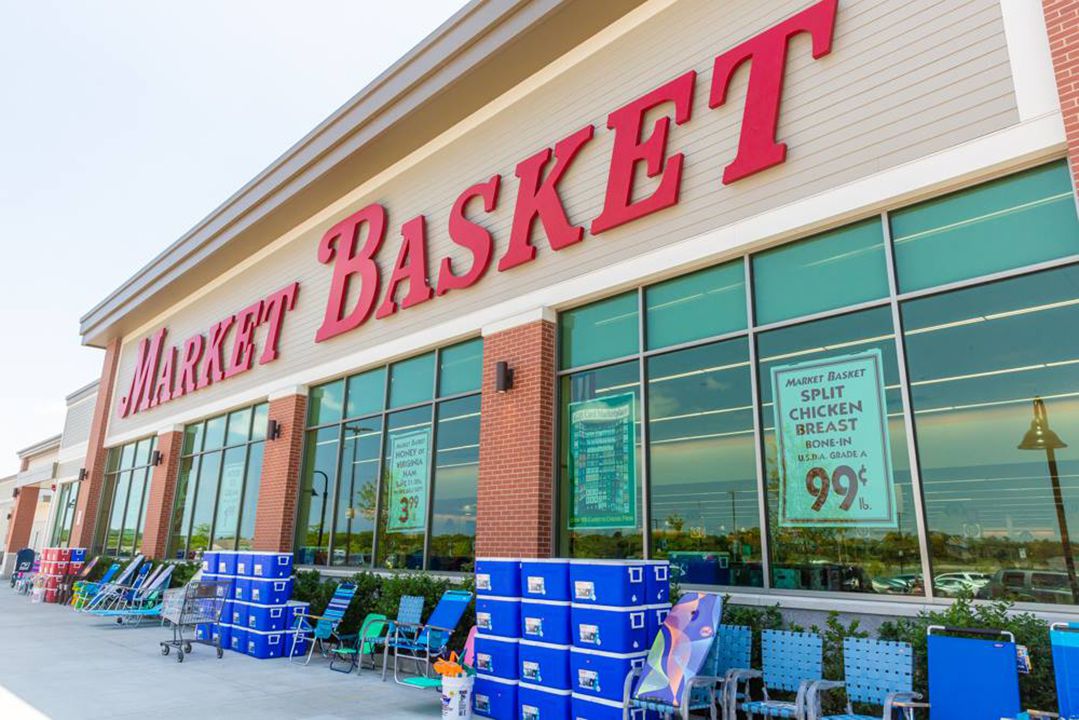
Market Basket has a fiercely loyal following because it prioritizes affordability without sacrificing quality. Prices are consistently lower than competitors, portions are generous, and shoppers feel like they’re not being nickel-and-dimed. The store has a no-frills, old-school feel that longtime customers trust, and employees are known for sticking around for decades. That loyalty goes both ways — people genuinely believe Market Basket cares more about customers and workers than corporate profits.
One dedicated fan says that the reasons Market Basket gets great press “is because they were one of the few good, non-corporatized ‘local’ grocery chains left. While conglomerates have been trying to take over New England groceries, Market Basket has maintained an old time feel, cheap prices, and locations all over the region. While every other chain has forced rewards programs so they can use your personal info, market basket keeps it simple: a flyer once a week to tell you what the sales are.”
Publix (Southeast)
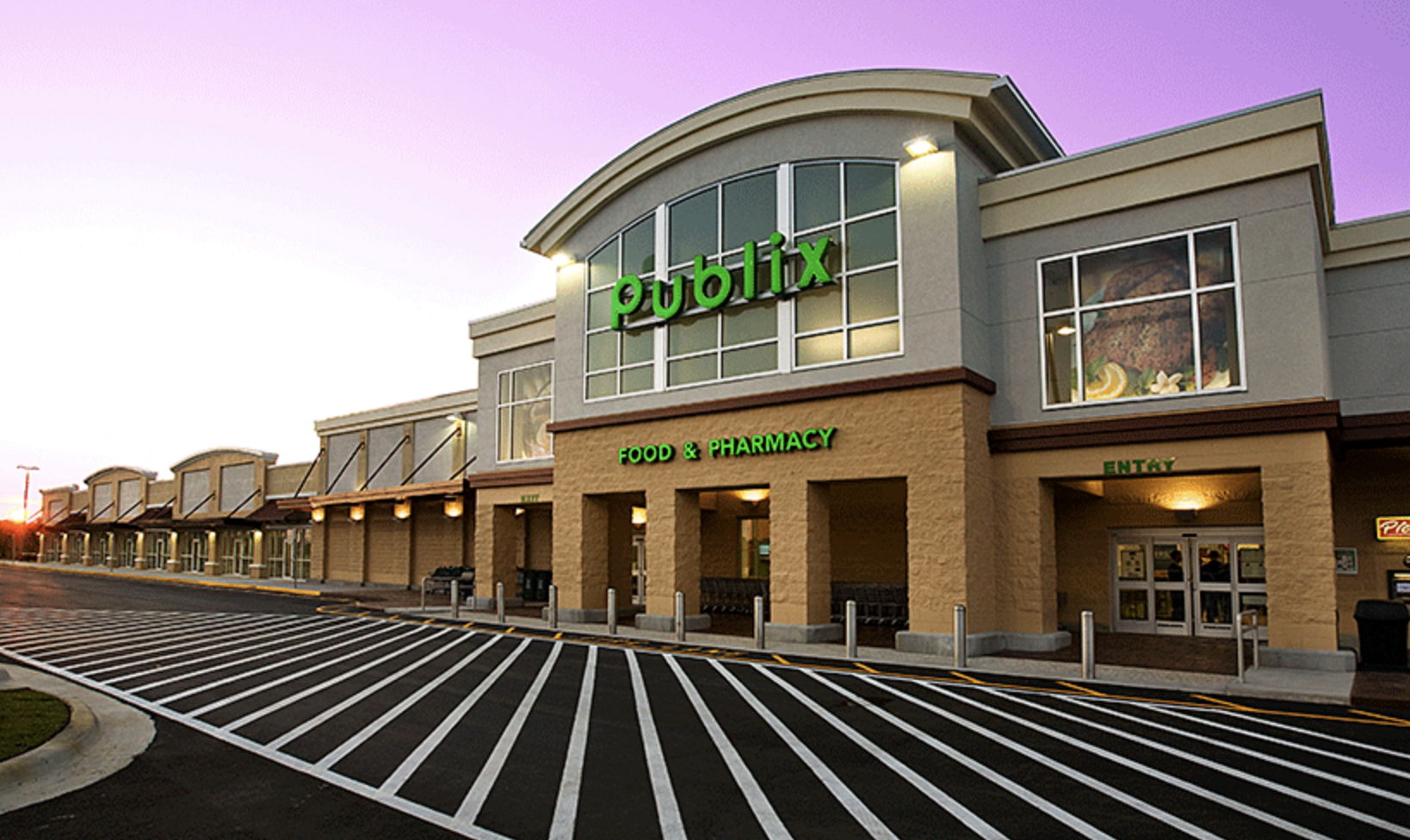
Publix is synonymous with friendliness and consistency. Shoppers expect clean stores, well-stocked shelves, and employees who actually seem happy to help. The deli is a major draw — especially the legendary Pub Sub — and many people build weekly routines around it. Publix also becomes a comfort store for people who grew up in the Southeast, tied to family trips, beach vacations, and everyday errands. It’s reliable in a way that feels personal.
As one Redditor put it: “I miss Publix. I moved out of Florida a few years ago and my nearest Publix is 3 hrs away, i just want a couple sandwiches and ice cream.”
Wegmans (Mid-Atlantic & Northeast)
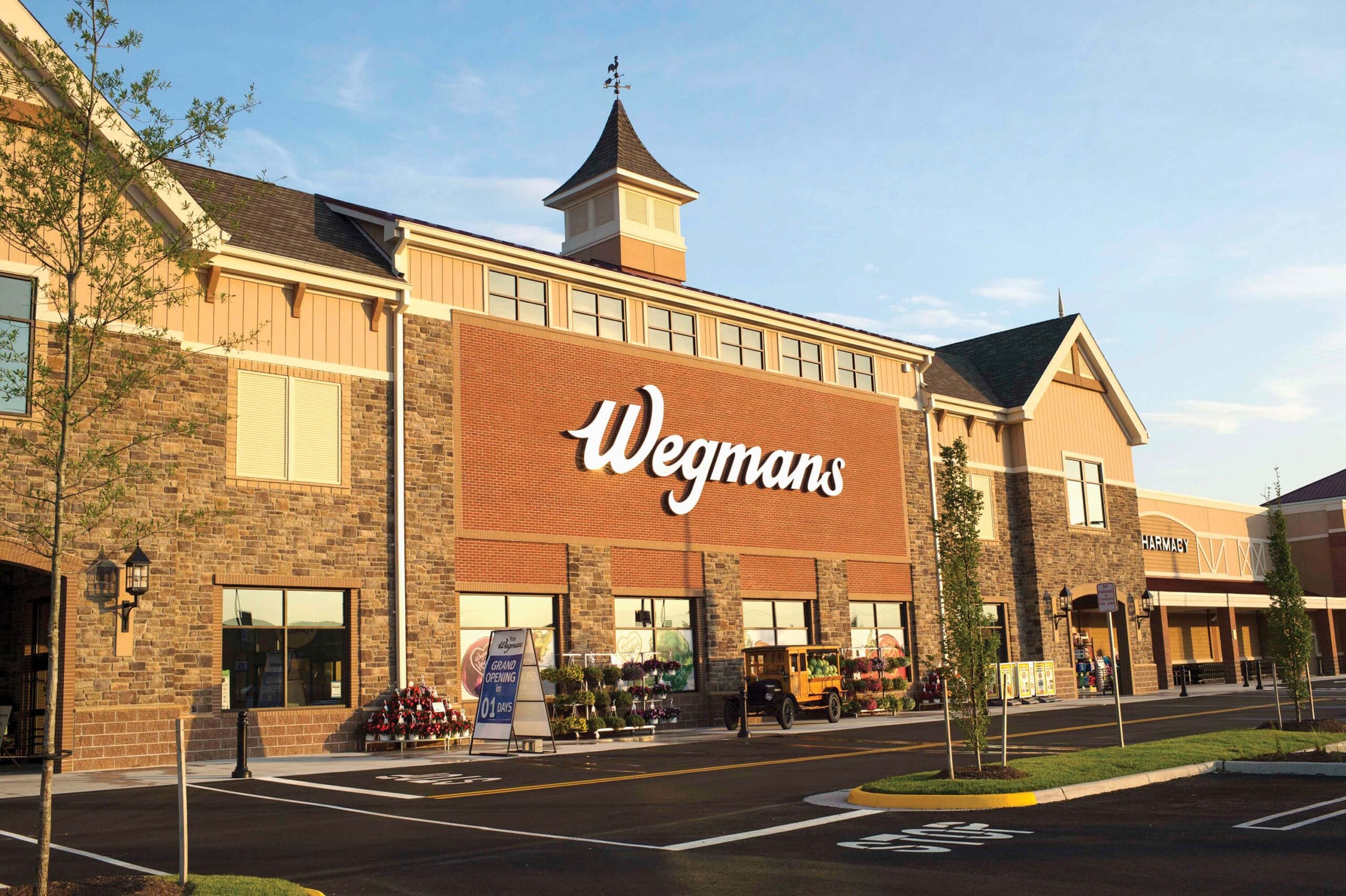
Wegmans is praised for combining high quality with accessibility. It offers gourmet-level prepared foods, excellent produce, and strong store-brand products, while still feeling like a regular grocery store — not an upscale specialty market. Many shoppers say Wegmans spoiled them because it raised their expectations for what grocery shopping could be. The experience feels thoughtful and curated, which makes other stores feel lacking once you’ve moved away.
A Yelp reviewer said, “Wegmans is the institution I miss the most from upstate NY (even more than Dinosaur bbq). They are the best grocery store in town, and one of the best I have ever been to (including my current fav, Trader Joe’s).”
Fred Meyer (Pacific Northwest)

Fred Meyer stands out as a true one-stop shop. Locals love being able to buy groceries, clothing, home goods, electronics, and even furniture in one trip. The stores are large, practical, and stocked with regional products that reflect Pacific Northwest tastes. For many people, Fred Meyer simplified errands and became part of their routine — something they don’t realize they depend on until they move somewhere without an equivalent.
“Oh my god I miss Fred Meyer,” reminisced one Redditor. “I had Freddy’s my whole life between Alaska and living in Portland. I love San Diego but miss that store.”
Trending on Cheapism
WinCo Foods (West & Pacific Northwest)

WinCo is beloved for its unbeatable prices and no-nonsense approach. Because it’s employee-owned, shoppers feel like the savings actually benefit workers, not just shareholders. The bulk section is a huge draw, especially for families and budget-conscious shoppers. Many locations are open 24 hours, making WinCo a lifesaver for night owls and shift workers. Once people move away, the cost difference becomes painfully obvious.
“Moved from Sacramento to Midwest,” a nostalgic Redditor wrote. “I think I miss Winco most of all. Especially the bulk selection.”
Hy-Vee (Midwest)
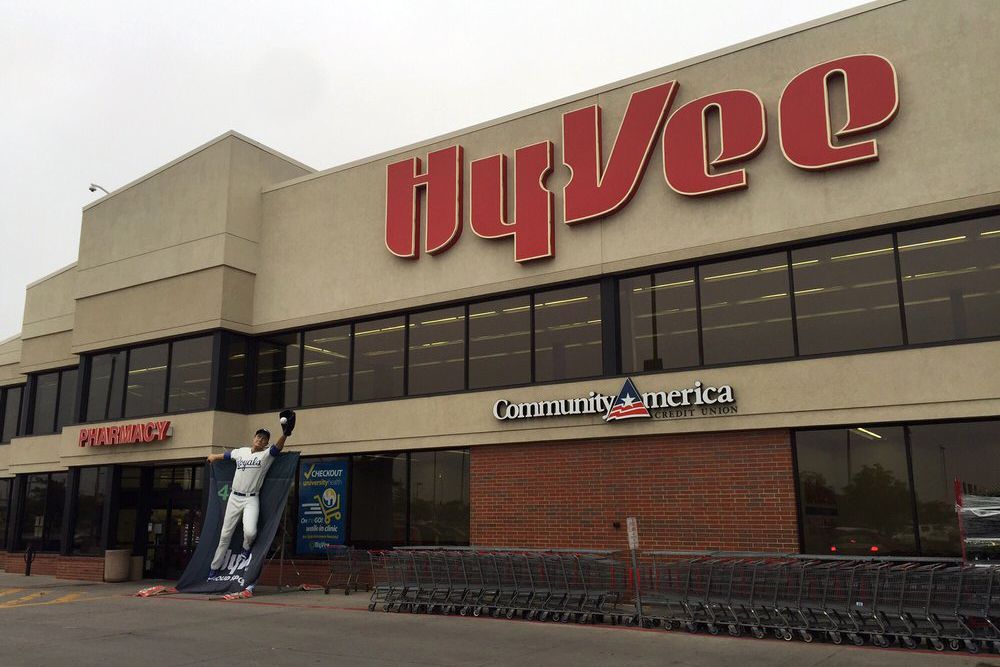
Hy-Vee has a strong community focus that resonates with Midwestern shoppers. Stores are large and welcoming, with helpful staff, quality meat counters, and solid deli and bakery options. Many locations host events, promotions, and even dine-in areas, making Hy-Vee feel like more than a place to grab groceries. For people who grew up shopping there, it represents a familiar, dependable experience they struggle to replace elsewhere.
A Reddit user said, “I have not found a grocery store on earth yet that satisfies me the way Hy-Vee can.”
H Mart (Nationwide)
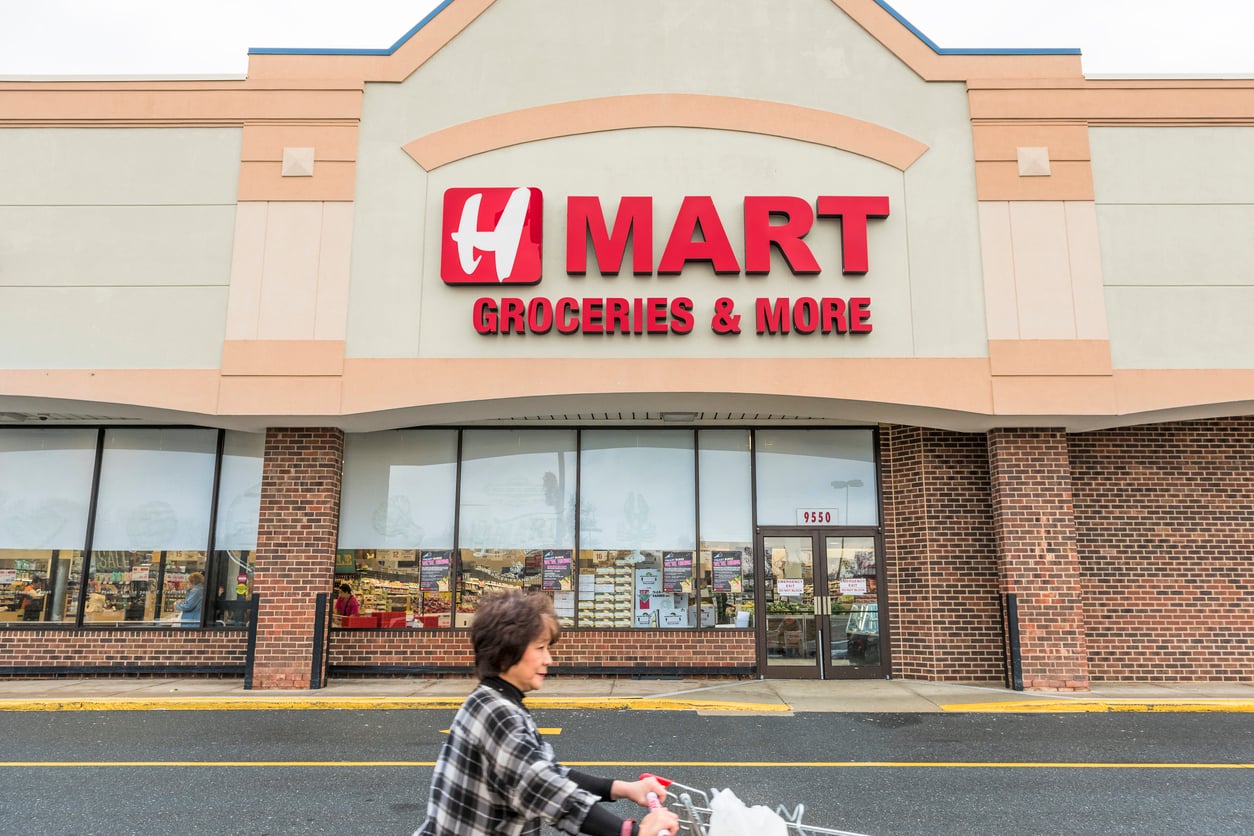
H Mart offers access to ingredients, snacks, and prepared foods that are hard — or impossible — to find at mainstream grocery stores. For many shoppers, especially immigrants and first-generation Americans, it provides a connection to home and culture. The food courts, fresh seafood, and specialty items turn grocery shopping into an experience.
True, there are H Marts in roughly 18 states across the country, but when people move somewhere without an H Mart, they often realize how much they relied on it for both convenience and cultural comfort.
“I just came back from Houston and realized how much I miss a good Korean H Mart,” wrote one fan. “There’s something about being able to grab fresh kimchi, all the different noodles, and those little snacks you didn’t even know you needed.”
Sign up for our newsletter
More From Cheapism

- 14 Sneaky Grocery Store Tricks That Turn “Just One Thing” Into $120 — Next time you shop, don’t be fooled: grocery stores use clever layouts, pricing psychology, and product placement to quietly push you into spending way more than you planned.
- Amazon Is Closing Amazon Fresh and Amazon Go Stores — Once-hyped cashierless grocery stores are being shut down as Amazon pulls back from physical retail and refocuses on delivery and core grocery operations.
- 9 Grocery Items People Have Officially Stopped Buying Because They’re Too Expensive — With food prices still climbing, shoppers say certain once-everyday items just aren’t worth the cost anymore, leading many to cut them out entirely.