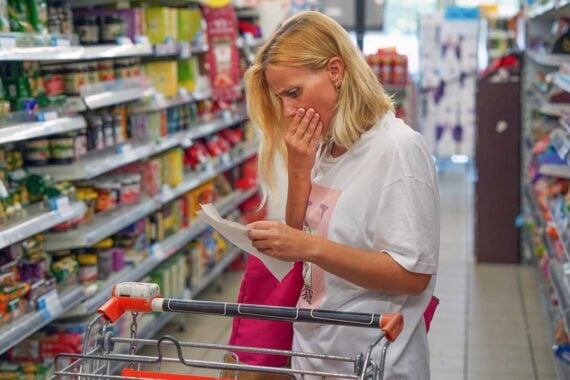
When you head to the grocery store planning to pick up a few essentials, it’s all too easy to arrive home with more items than you’d intended to buy. If you find yourself in that situation, chances are that your buying decisions were affected by tricks that the grocery store plays to get you to buy more. From the store scents to the positioning of items, these 14 tricks might just seem like a typical part of the shopping experience, but they’re actually driving up your grocery bill.
Grocery Cart Size

Those large shopping carts that you can load up with all sorts of groceries? They’re there for a reason. According to Tasting Table, today’s shopping carts are larger than they used to be, and that impacts spending. When the size of shopping carts doubled from 2009 to 2011, consumers purchased 40% more. Avoid the temptation to buy more to fill your cat and choose a small cart or a basket, instead.
Free Samples
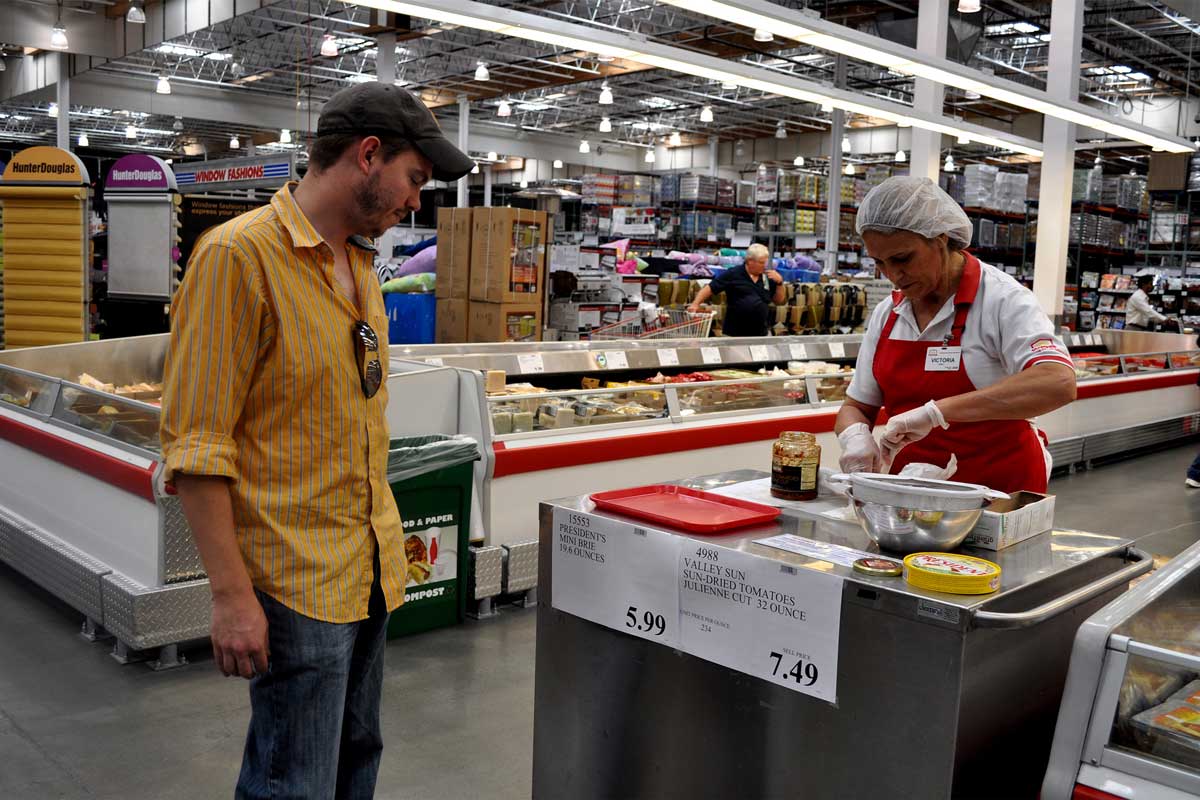
Handing out free samples can help stores to boost sales in multiple ways. If you try a new product and like it, you’ll be tempted to buy it — and stores often have a special coupon or offer to pair with the sample to make the deal even more enticing. Additionally, when someone gives you something, even if it’s as small as a free sample of a piece of cheese, you will naturally want to reciprocate by giving them something in return, according to The Atlantic. Thanks to psychology, you may feel obligated to make a purchase after enjoying a sample.
Strategic Shelf Positioning
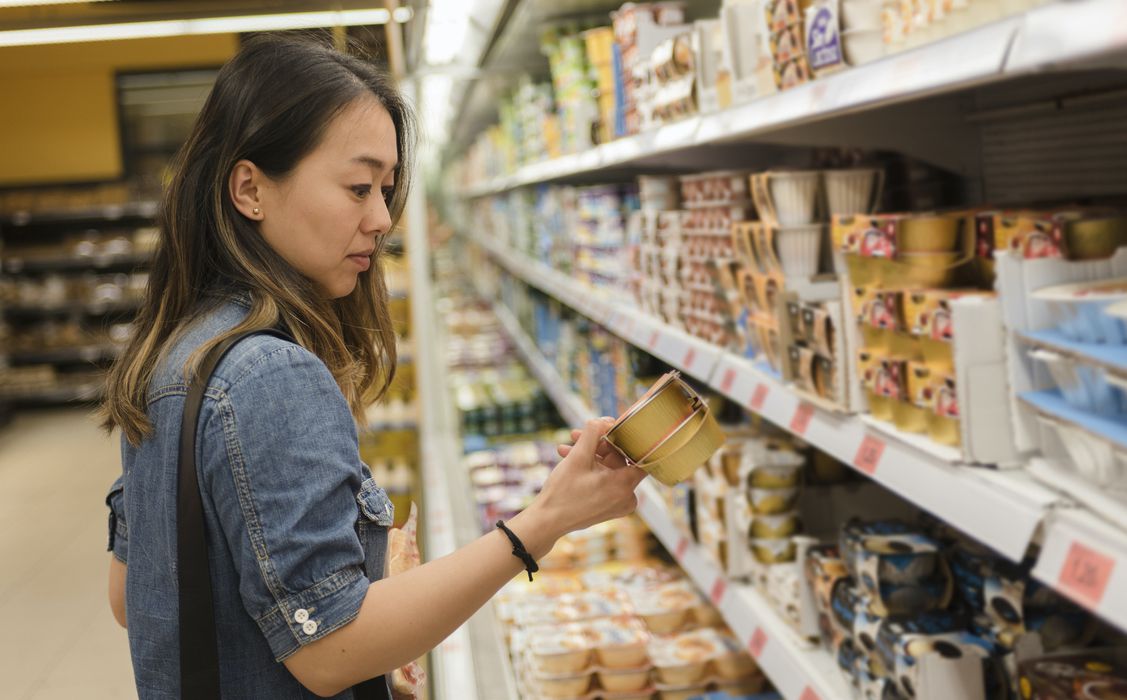
Grocery store strategists use the saying “eye level is buy level” to strategically purchase products on shelves to ensure they’re purchased more than other products, according to The Courier. Buyers are more likely to focus on products at eye level, so by placing more expensive products on those shelves, grocery stores can trick you into spending more and overlooking less expensive products placed in other locations.
Product Pairings
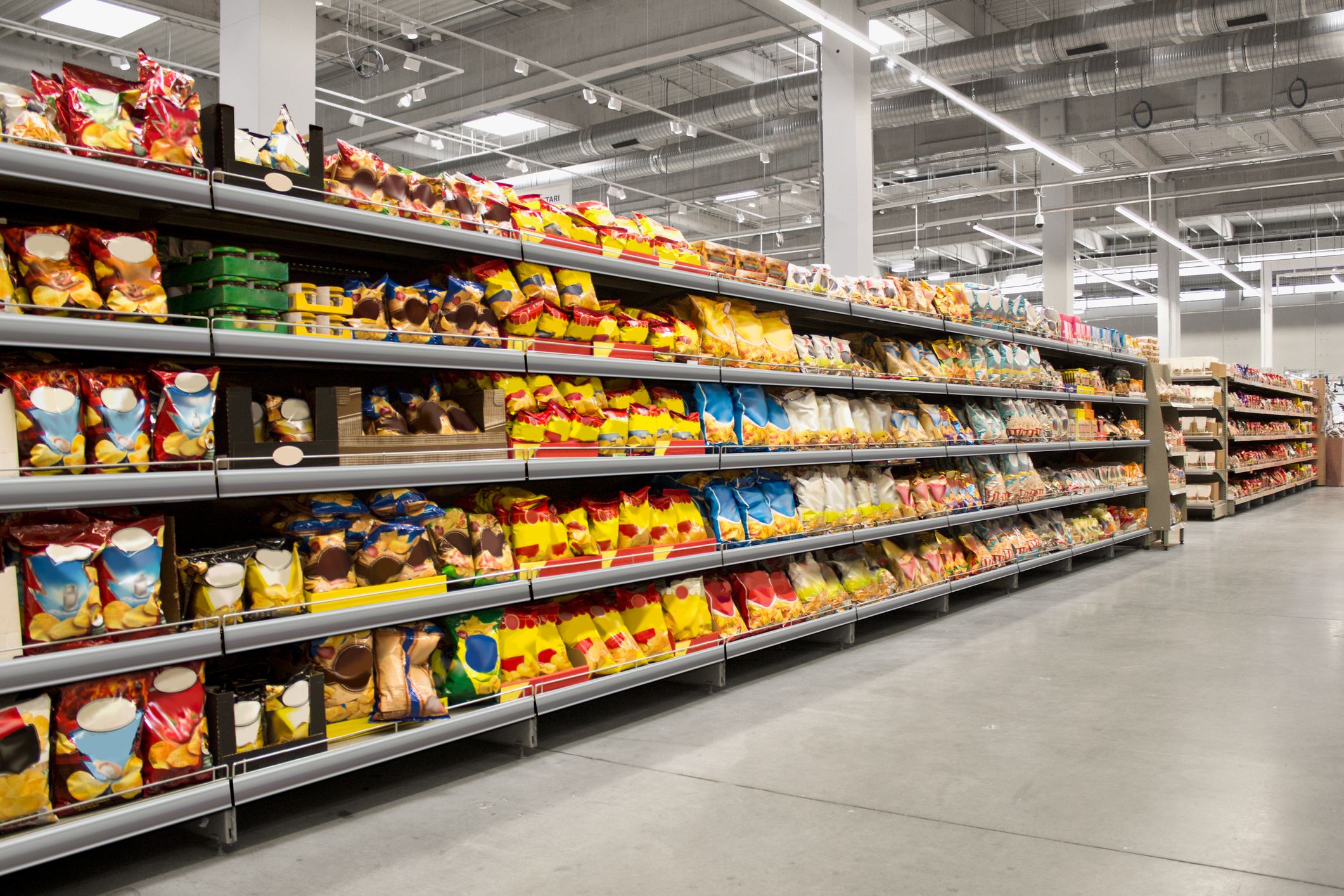
Grocery stores also carefully pair up products to encourage you to buy more than you’d intended. By placing complimentary products together, like salsa near tortilla chips, or strawberry next to rhubarb, stores are suggesting you buy more products than you’d planned on.
Aisle Structure
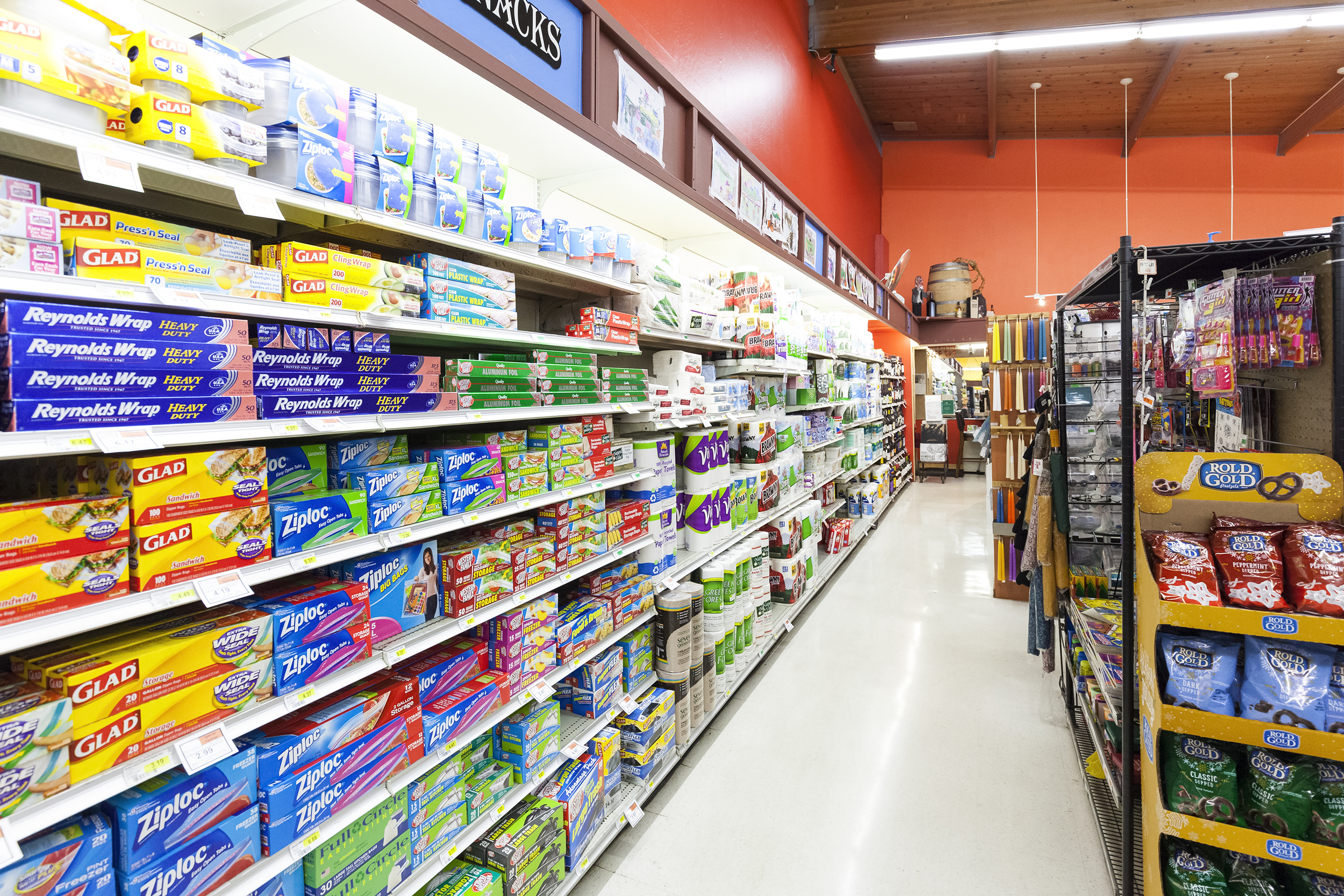
Even the aisle structure of supermarkets can prompt you to buy more. Long, narrow aisles mean you have to walk the entire length of the aisle to get a few products. Since the aisles are narrow, you’re often forced to walk slowly, giving you time to spot extra products that you might want to pick up. Then, it’s time to repeat the process in the next aisle. And the next.
Trending on Cheapism
Misting Vegetables
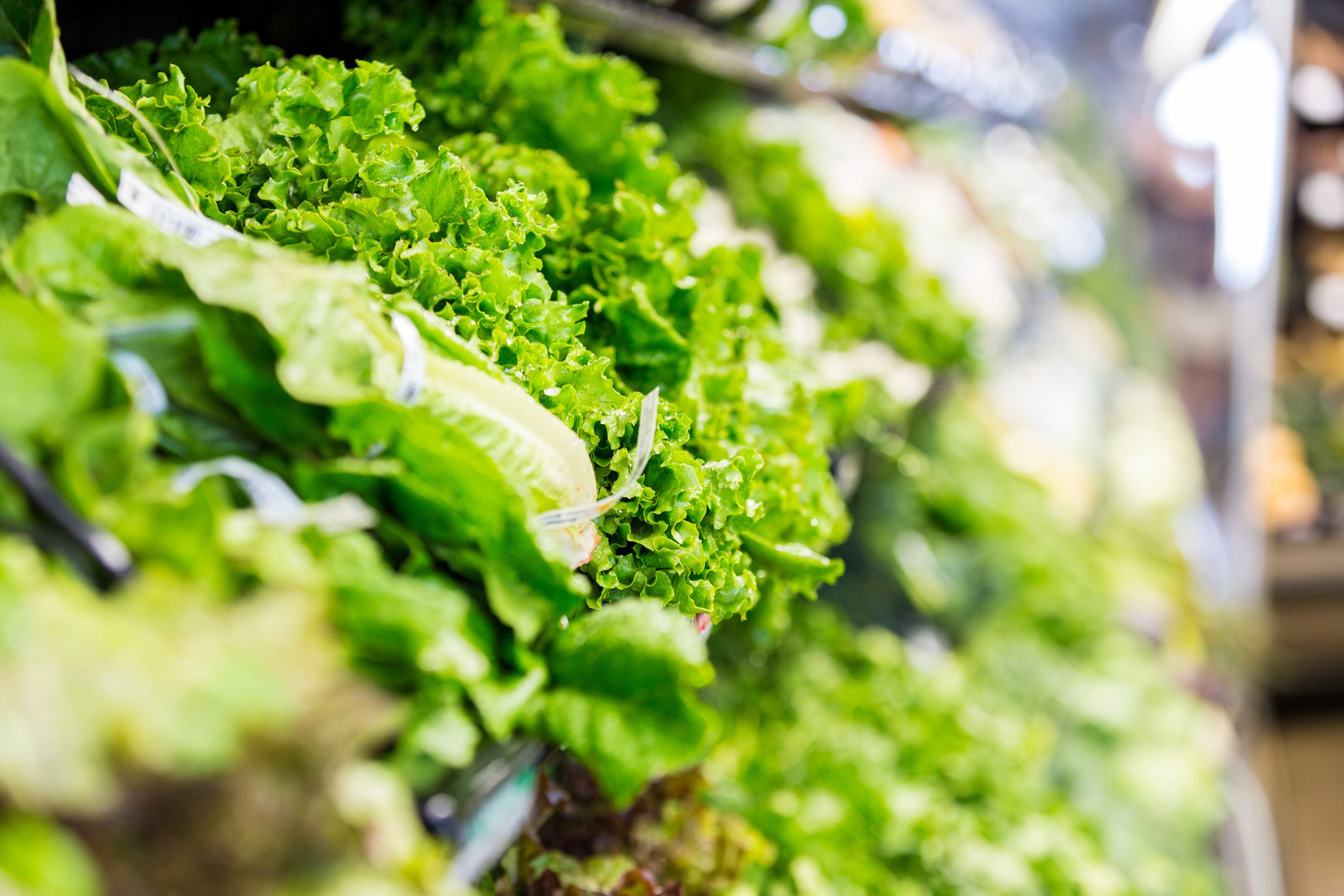
The automatic misting devices that lightly mist veggies like spinach and broccoli make the veggies look fresher than they actually are. The problem is, the spray doesn’t actually help the vegetables that have already been harvested, and the water can soak into the veggies, making them heavier, according to Tasting Table. You’ll pay more for them, as a result.
Limited-Time Offers
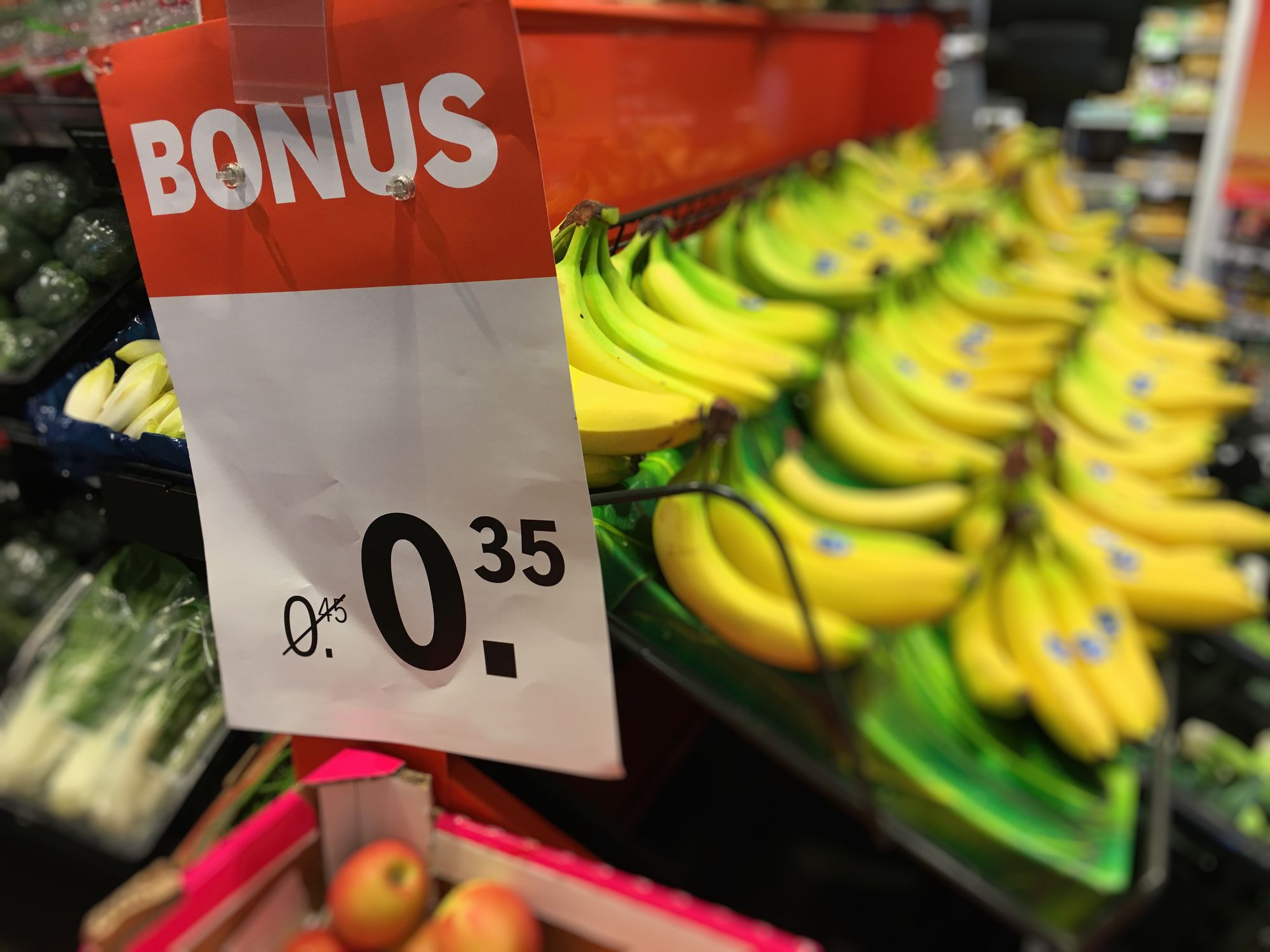
Grocery stores also use limited-time offers to encourage you to buy items you might not otherwise purchase. By putting a time limit on the offers, stores create a sense of urgency that can motivate you to buy items, according to Grocery Dive. Some stores use these enticing offers to get you into the store, assuming that you will also purchase other items while you’re there.
Checkout Lane Design
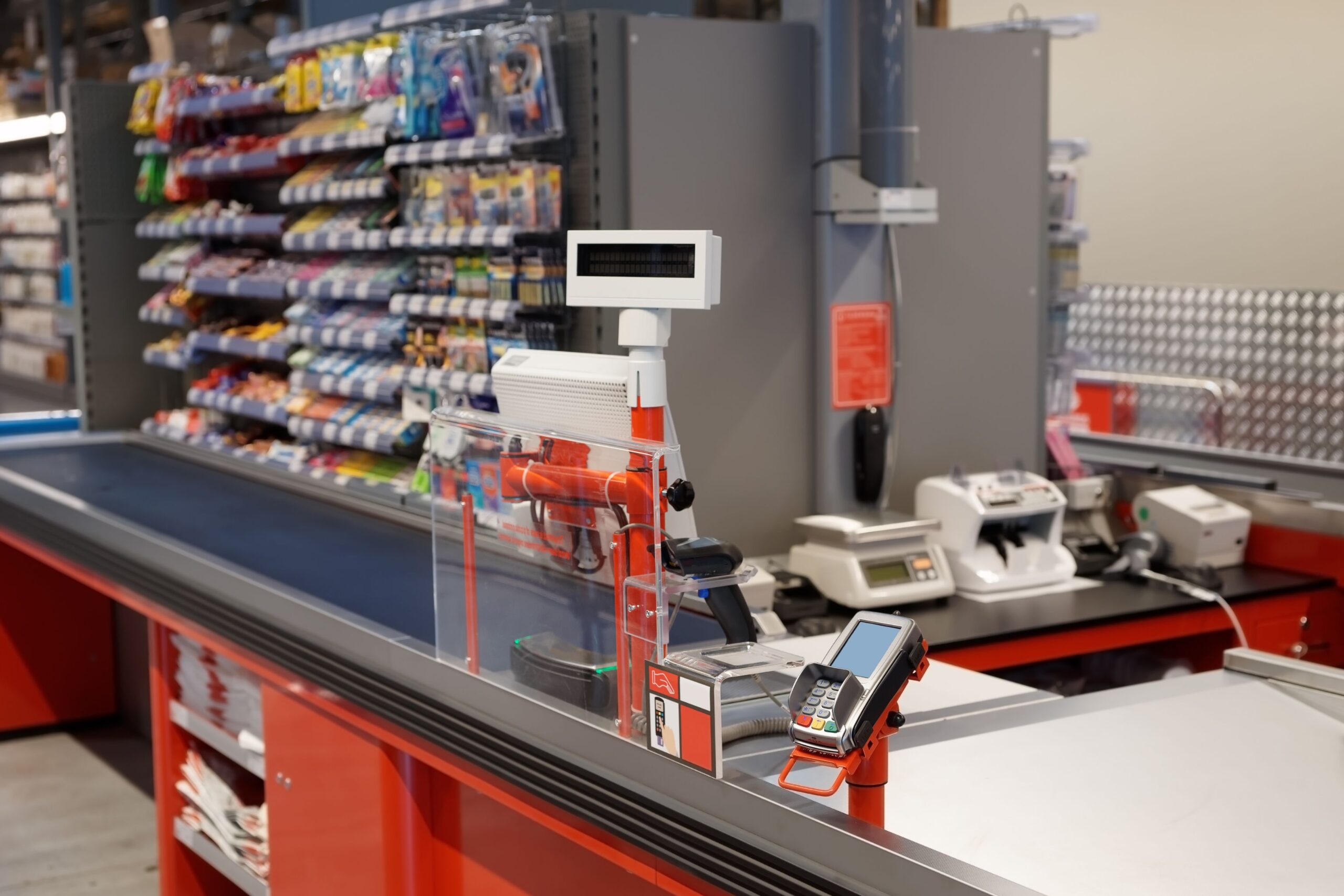
Grocery stores deliberately surround you with snacks and magazines in the checkout lane. These smaller, cheaper items might seem like a bargain, but they’re really the store’s last chance to get you to add a few more items onto your purchase and they often have a huge markup despite their low price point. Many retailers also make checkout lanes purposefully narrow and maze-like to encourage more impulse purchases, according to CBC.
Sign up for our newsletter
Profitable Items to the Front
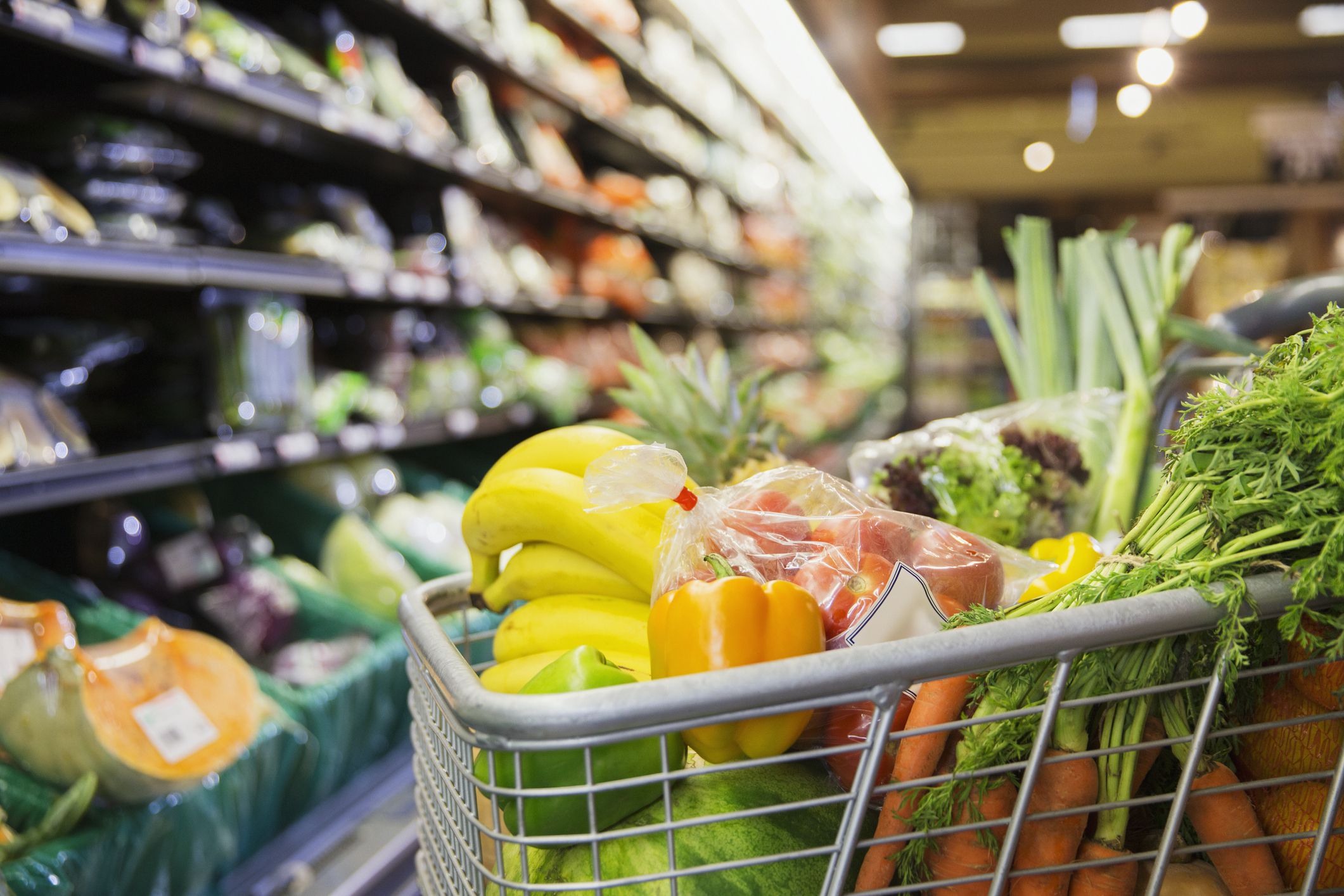
When you first walk into a grocery store, you are prepared to spend money and haven’t started accumulating items in your basket or cart. Grocery stores strategically position some of their most profitable items, like baked goods, flowers, and produce, toward the front of the store. When you see those items first, before you’ve really started to shop, you’re more likely to buy them than you would be if you’ve been picking up essentials and thinking about how much you’re spending.
Irresistible Scents
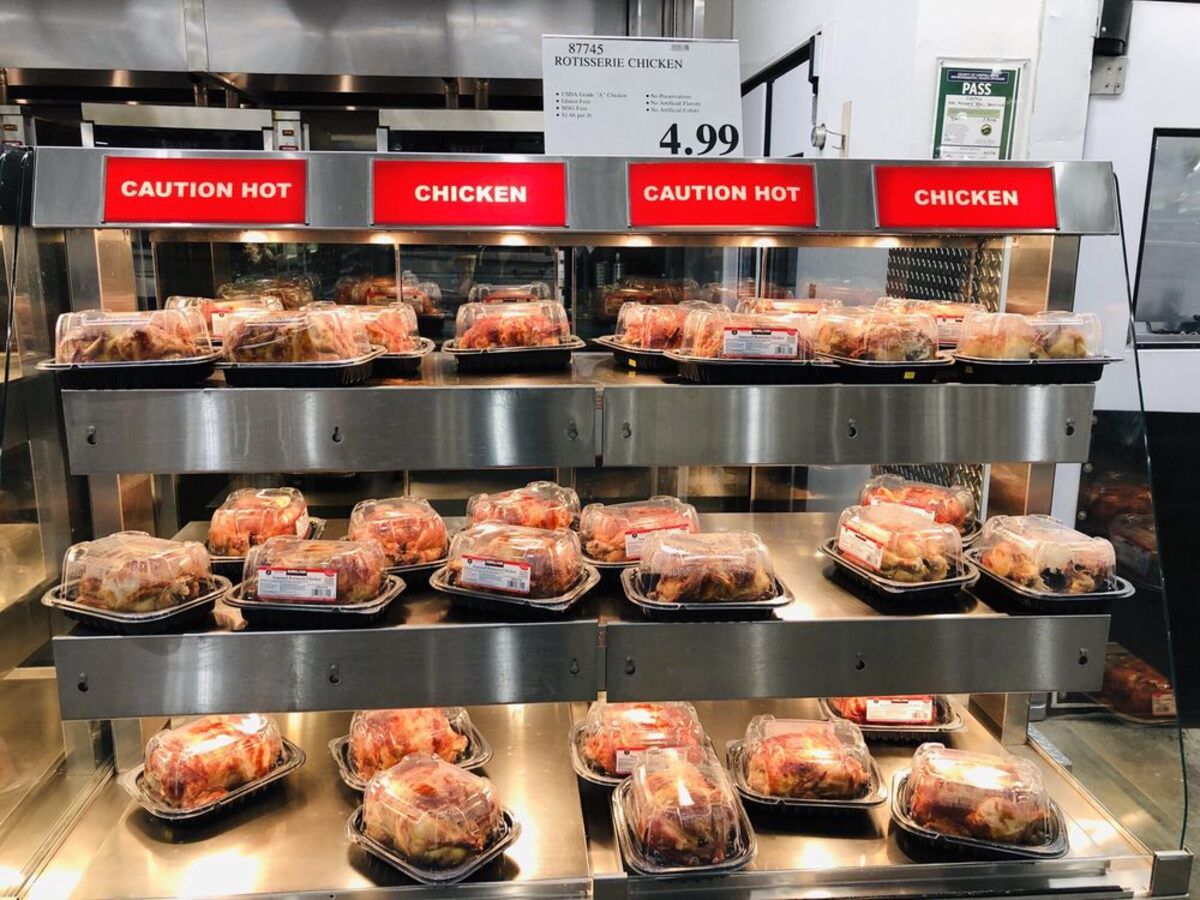
Even the scents of the grocery store motivate you to buy. Have you ever noticed that store bakeries bake all day, and that those tempting roasted chickens are roasted most of the day? Those scents can entice you to make a purchase, and they’re even more irresistible if you’re already hungry when you go shopping.
Endcap Traps
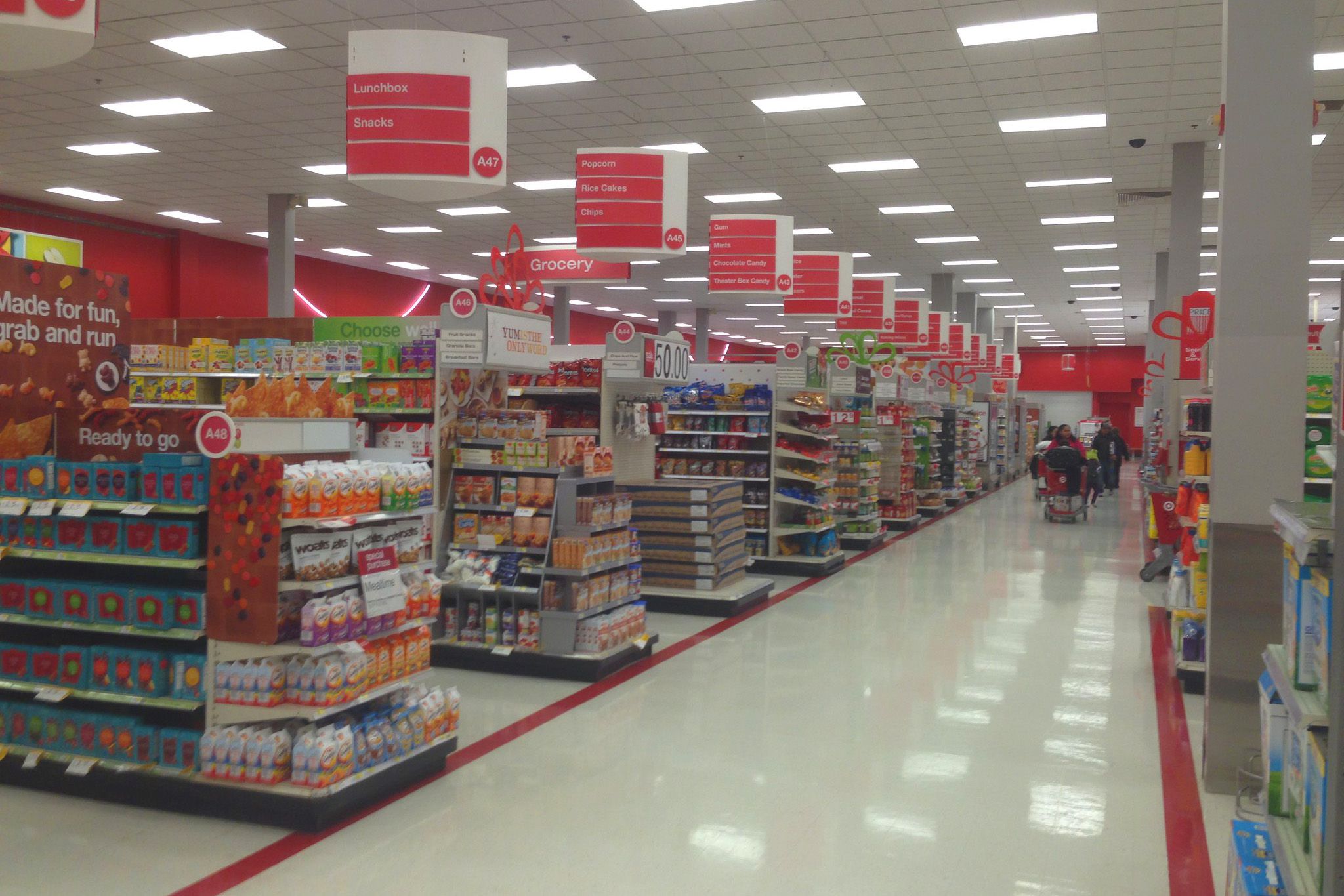
Chances are that you know good sales can often be found on endcaps — but did you know that some of the products showcased on endcaps aren’t on sale at all? Sometimes stores simply fill endcaps with items that have a higher markup or they feature new products that the store is trying to push, according to The Kitchn. The strategic placement gives you the impression that they’re on sale, but if you walk down the aisle to the product’s normal location, you may find that the product is selling at its normal price.
Layout Changeups
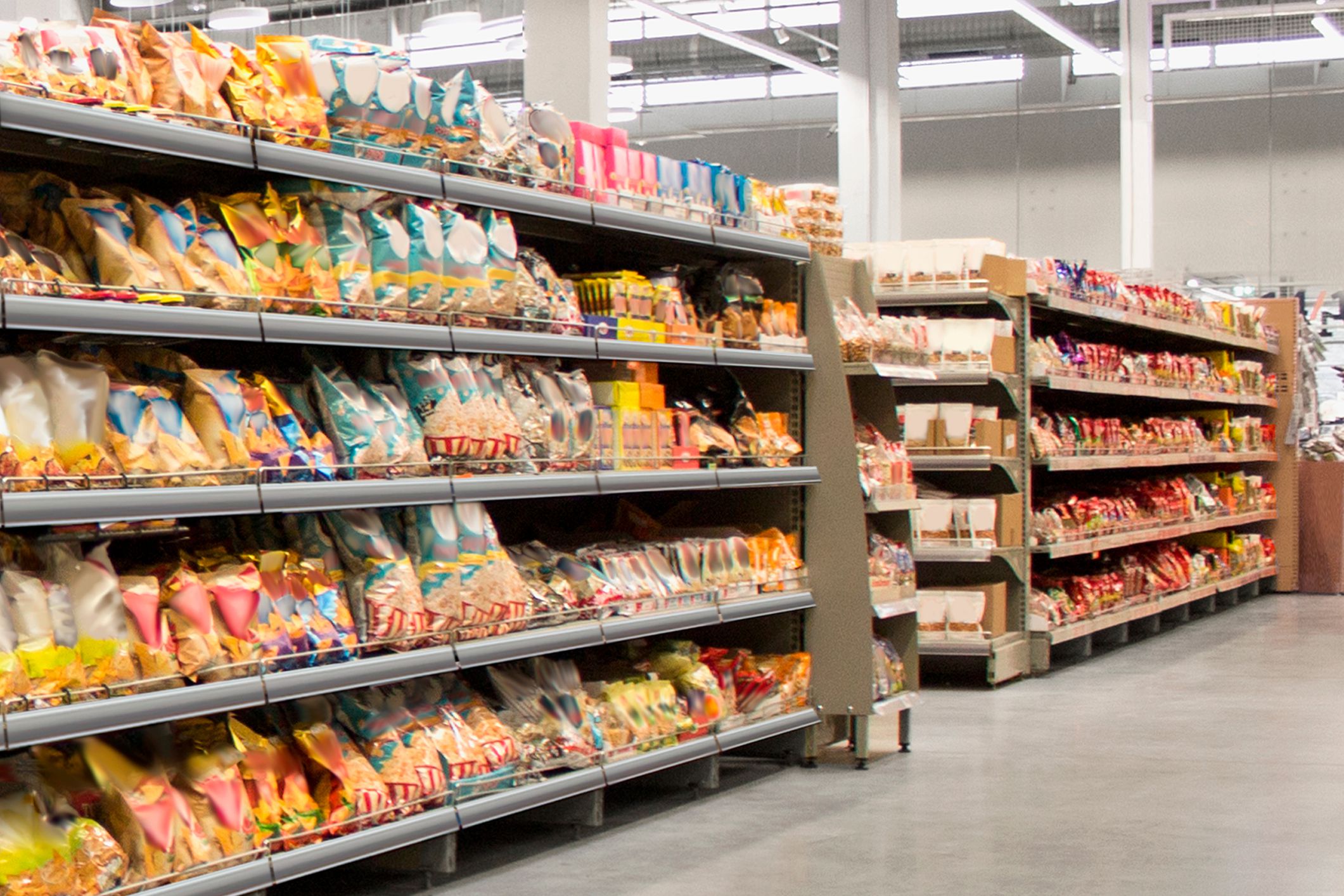
If you’re frustrated with the constant rearranging of your grocery store’s layout, you aren’t alone, but there’s a strategic reason behind that rearranging. When the store’s layout changes, you’re forced to spend more time looking for the items that you really want, according to Tasting Table. In doing so, you’re more likely to pick up some additional items that you hadn’t planned on buying.
Prices Ending in $.99
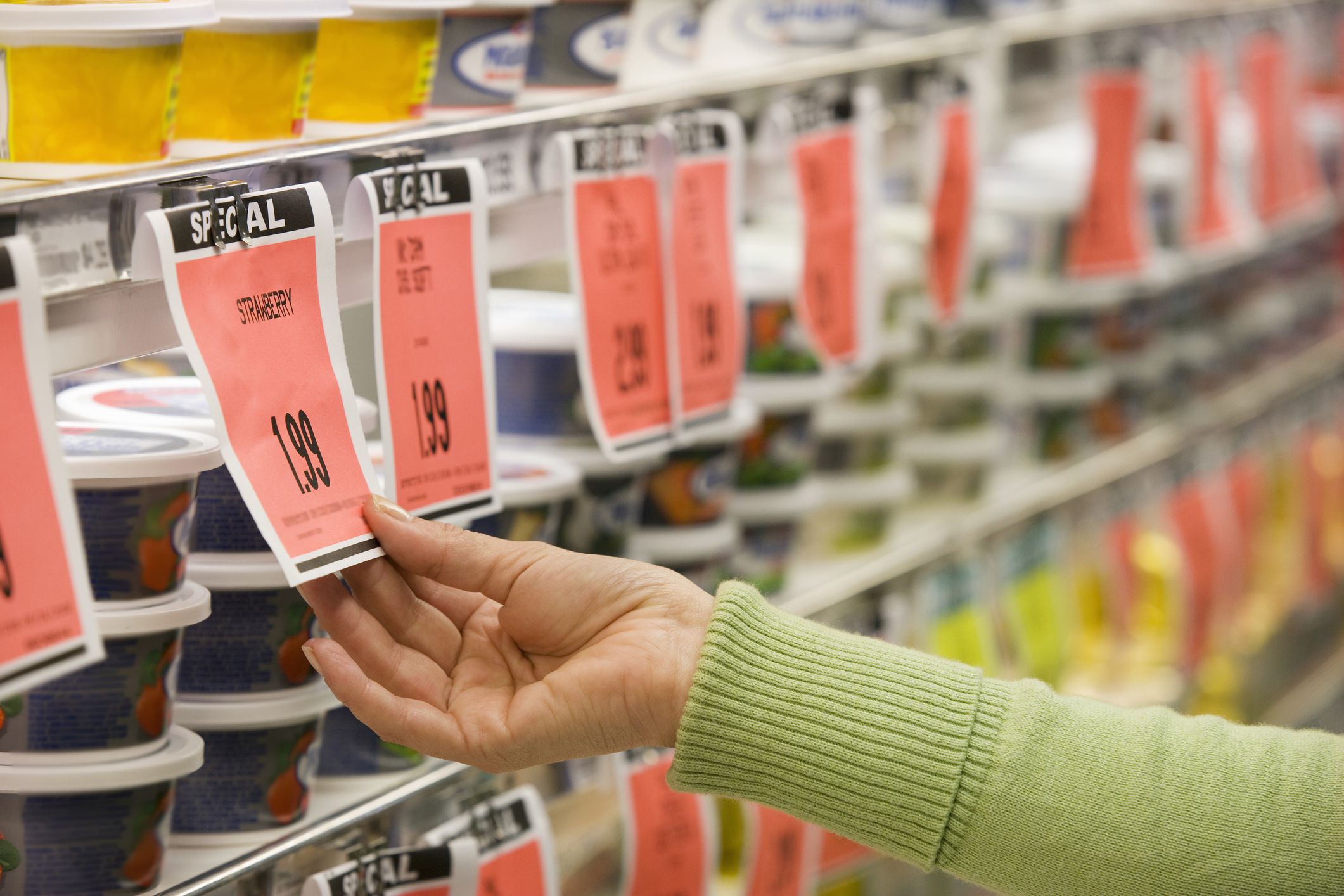
Sale signs with prices ending in $.99 are strategic decisions, too. The $.99 ending makes you think that you’re getting a better deal than you actually are, says Reader Digest. For example, $3.99 sounds significantly better than $4.00, but the difference of $0.01 is minimal. Those sale signs play a trick with your mind and soften the blow of a purchase.
Placing Essential Staples at the Back
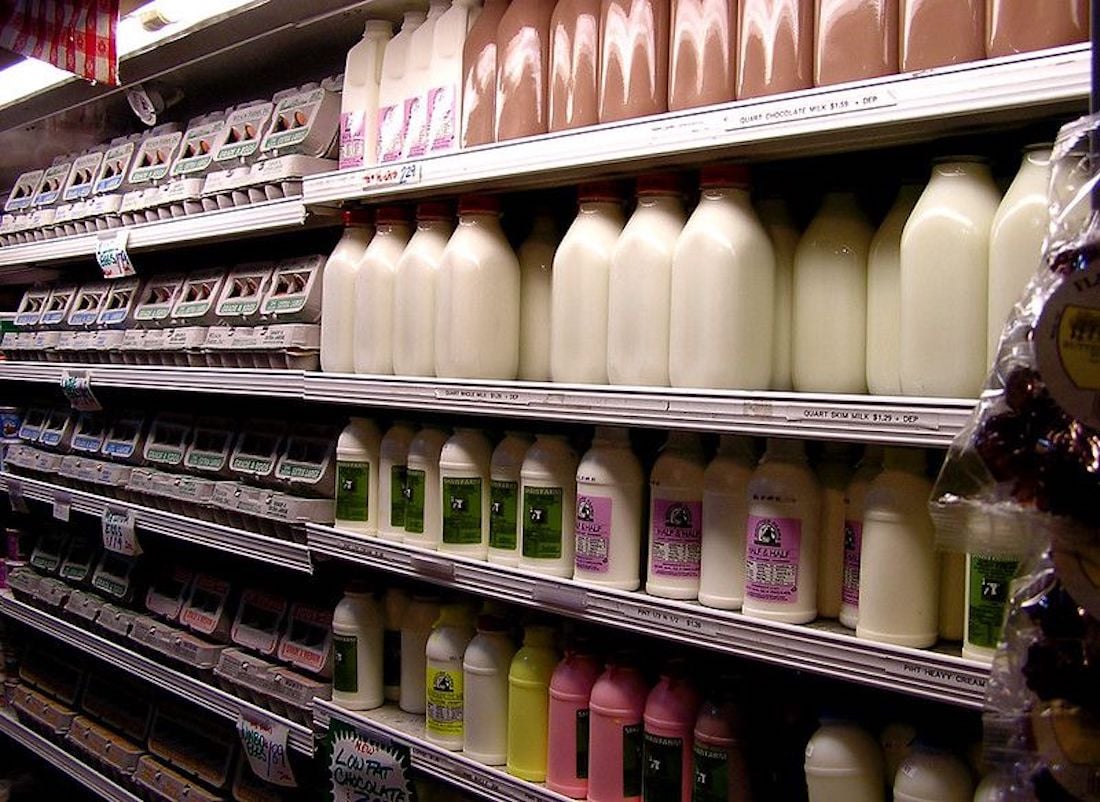
Supermarkets frequently put everyday basics toward the back of the store. This forces you to walk past many more aisles — increasing the chance you’ll make impulse purchases along the way.
More From Cheapism

- 8 Confusing Food Labels That Can Trick You Into Buying Things — Those “healthy-sounding” buzzwords on packaging can be misleading, so this breaks down the common labels that nudge you to spend more (or assume a product is better for you) than it really is.
- These 7 Costco Meal Kits Are Overhyped and Overpriced — A shopper’s beware list of Costco meal kits that aren’t worth the money, with reasons they disappoint on value, taste, or convenience compared to cheaper alternatives.
- Aldi’s Take-and-Bake Pizzas Can Feed Your Family of 4 for Only $6 Right Now — Aldi’s weekly ad deal spotlights giant take-and-bake pizzas (plus other standout specials) that make feeding a crowd on a budget almost too easy.