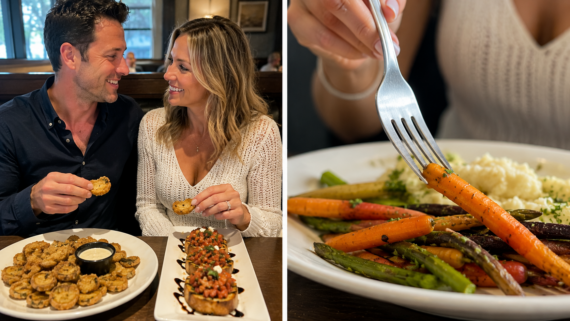
Society is constantly evolving, which shows that people are alive, that changes are happening, and that to understand individuals, you have to pay attention to what they do. According to data collected by the National Restaurant Association, BLS CPI Beverage Inflation Data, and Restaurant Business Online, restaurant diners are ordering quite differently, mainly because they need to save money. Let’s take a look at how dining behaviors are evolving during an affordability crisis.
Customers Are Ordering Water Far More Often
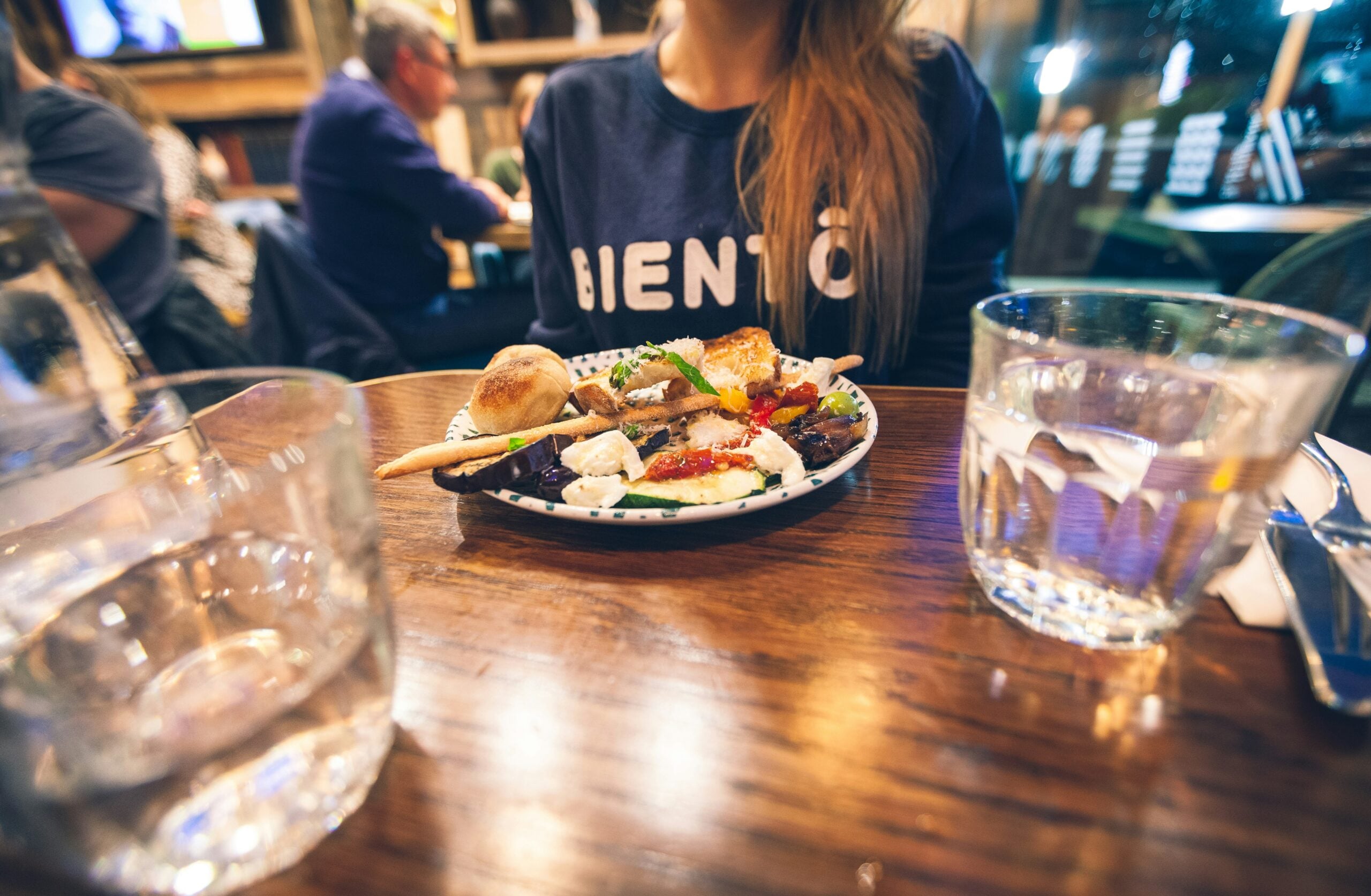
Restaurant owners have noted that people are ordering fewer sodas, cocktails, and specialty drinks. The price of these beverages is significantly lower than water. This is a way to avoid the psychological discomfort of ordering a drink that might not be worth it when you can still drink something that complements your meal. It’s one of the ways you cut back if you don’t want to spend so much money and definitely shows new restaurant dining habits.
Families Are Splitting Entrées Much More Frequently
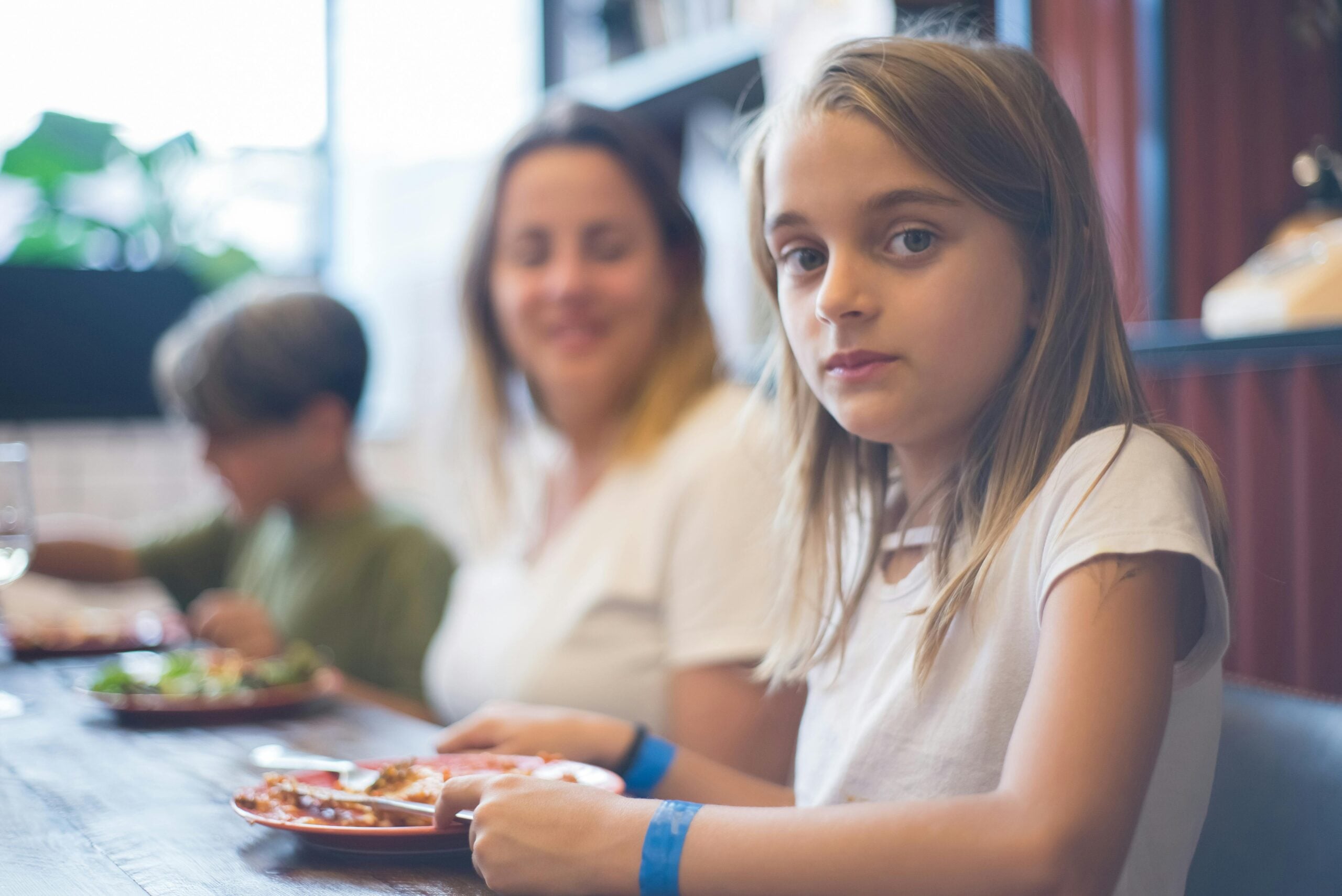
It’s common to find that if you’re eating out with your family and have children, you might share appetizers with them. We know that many young people don’t finish the food on their plates, and sometimes it’s too much for them. That’s why families are increasingly sharing appetizers besides the obvious and primarily the price. This helps reduce portion sizes, and it’s even better if you know exactly how much food you’ll be served when you order.
People Are Ordering Appetizers as Full Meals
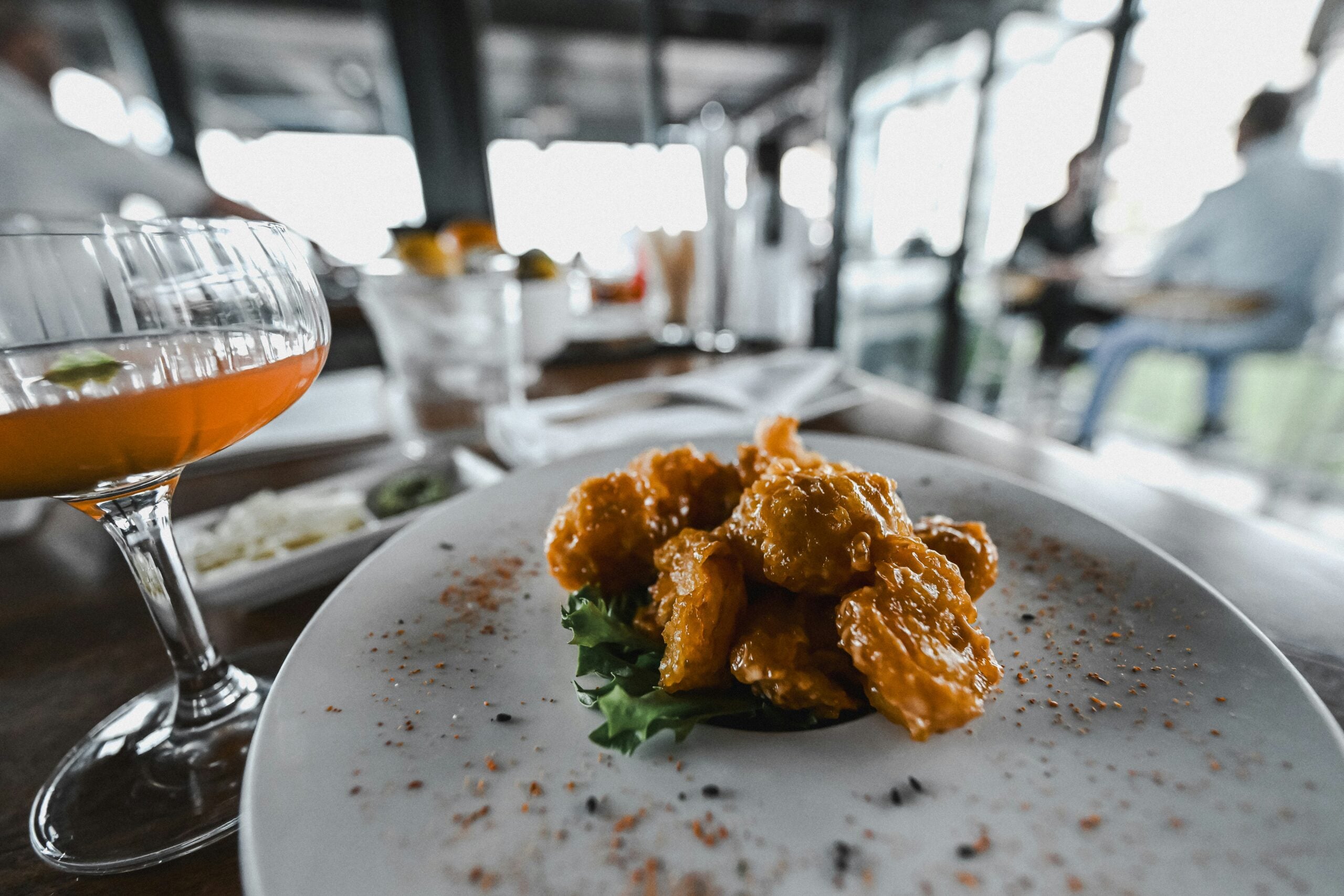
Another way to save money is to order appetizers instead of a main course. These are reasonably priced meals that allow you to enjoy a high-quality restaurant experience at a lower cost. This appetizer-based approach is very common among younger people, according to Open Table Dining Trends. Even fast food has increased in value so much that it’s compared to certain less expensive restaurant dishes that indicates restaurant dining habits are changing.
Diners Are Paying More Attention to Portion Size
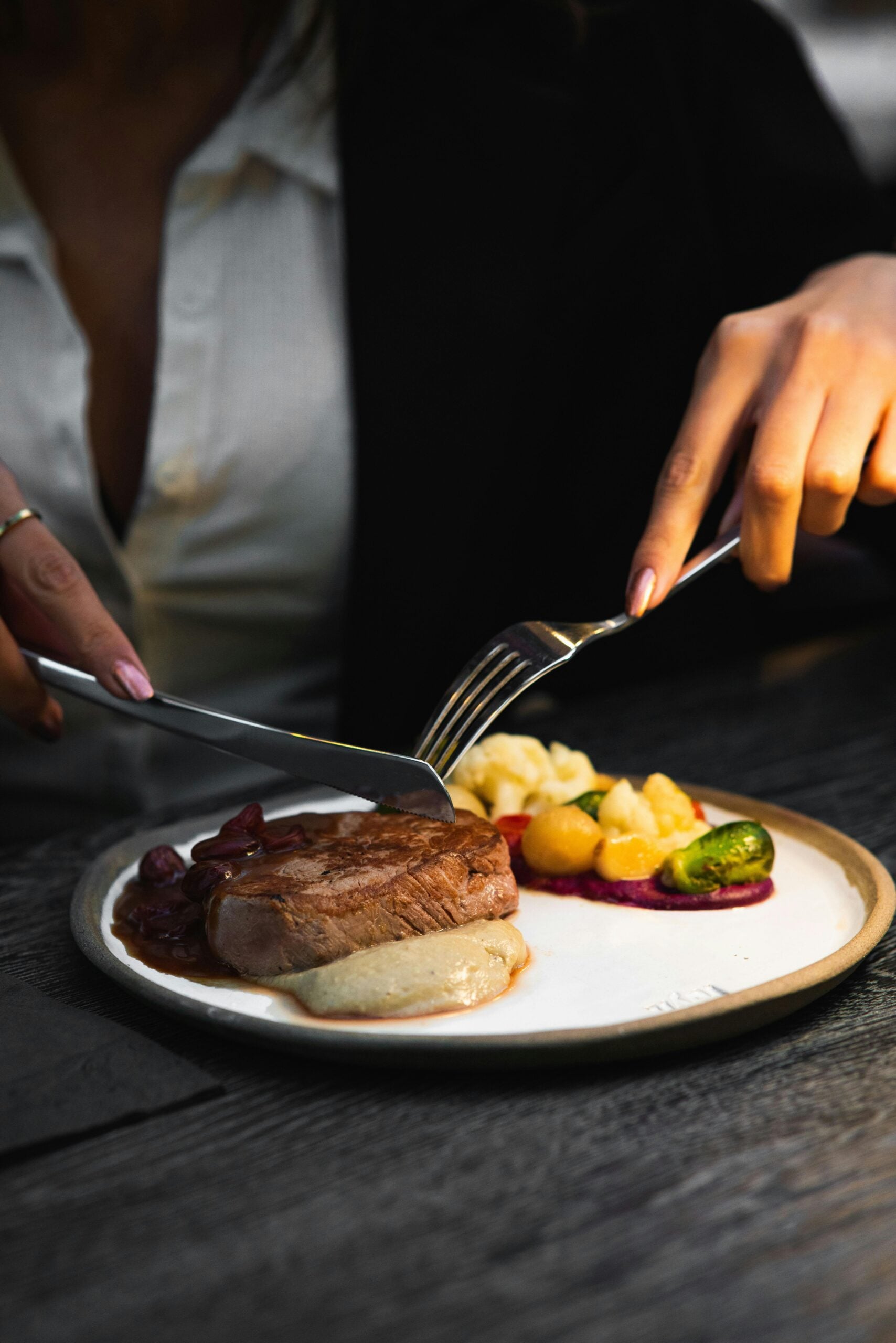
Just as customers evaluate the amount of food and the portion sizes on a plate, restaurants also have the power to influence portion sizes. The phenomenon known as shrinkflation has led customers to focus on the quantity of what they’re paying for. Sometimes, businesses choose to reduce portion sizes or lower the quantity and all for the same price.
Customers Are Skipping Dessert More Often
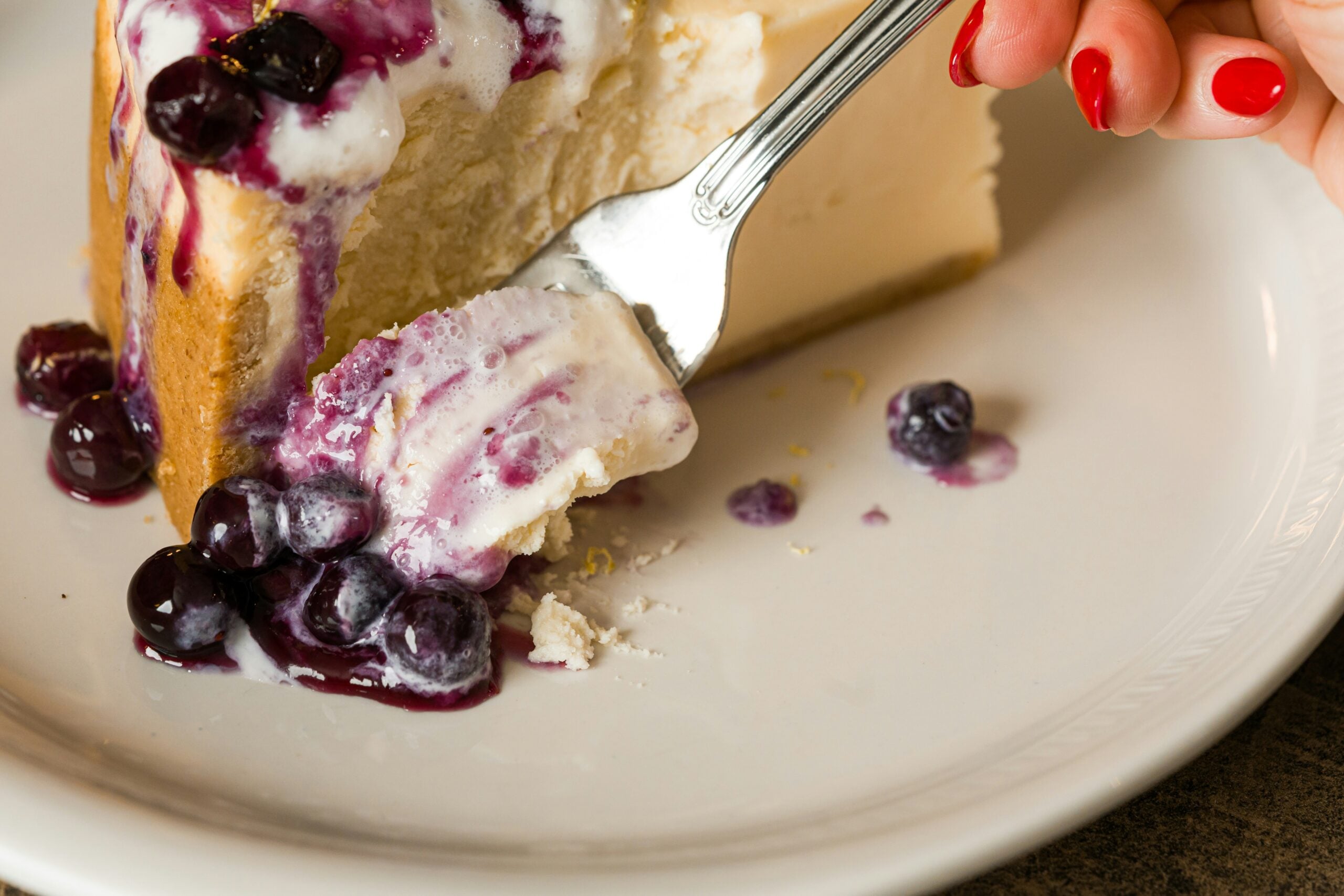
A few years ago, restaurant dining habits included an appetizer, a main course, and dessert. But restaurant food costs have risen significantly, and these items have been cut back to save money. Ordering dessert at a restaurant is now seen as a luxury, and diners mentally tally up their spending to decide whether they can afford another treat.
Trending on Cheapism
More People Are Looking at Prices Before Choosing Restaurants
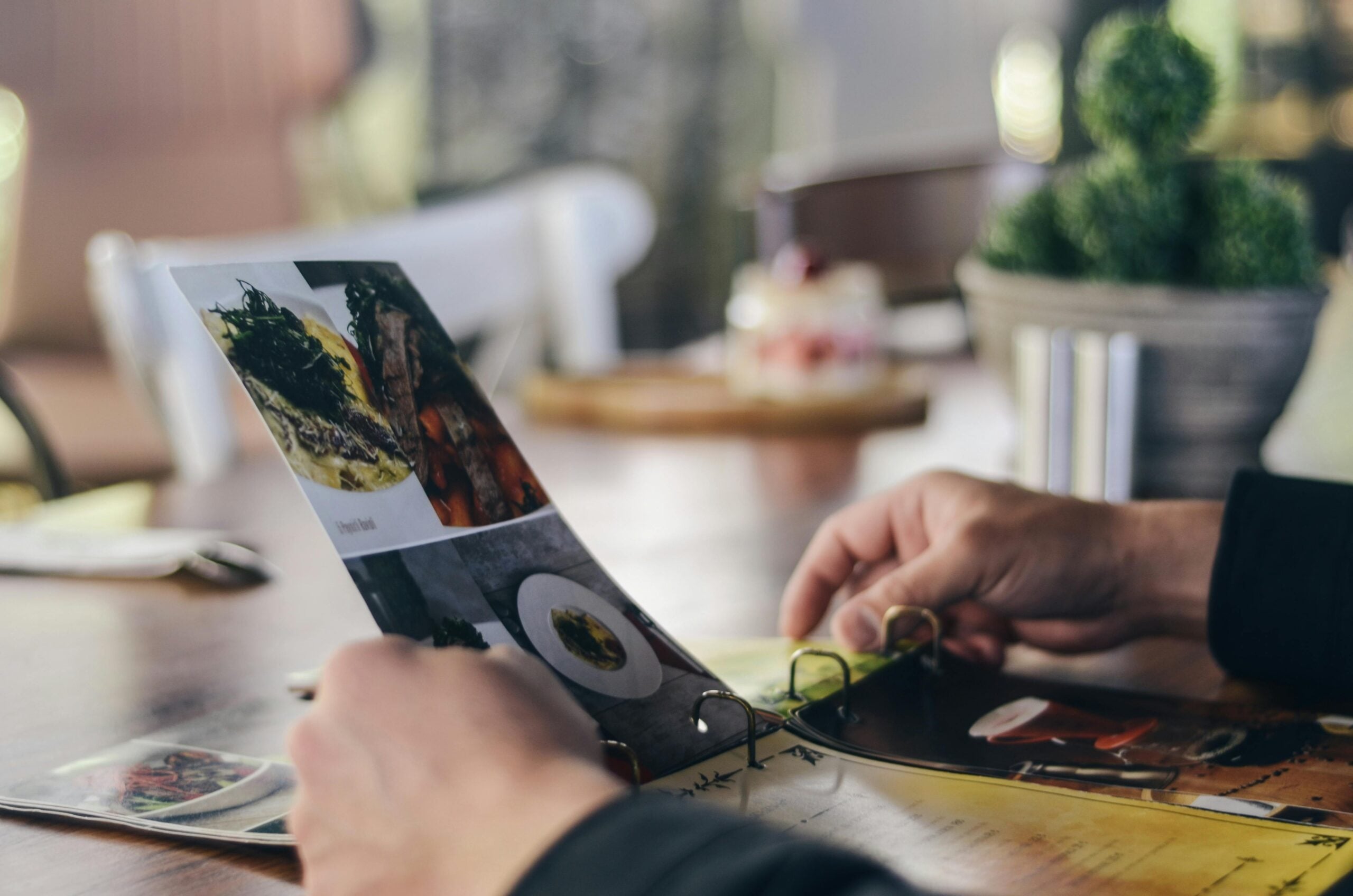
Some practices that have been observed in previous years but have increased over time include people checking food prices well before going to a restaurant; in fact, they consider this when choosing where to eat. The ability to view menus online has led customers to reject many restaurants because they perceive them as overpriced.
Diners Are Choosing Lunch Specials Instead of Dinner
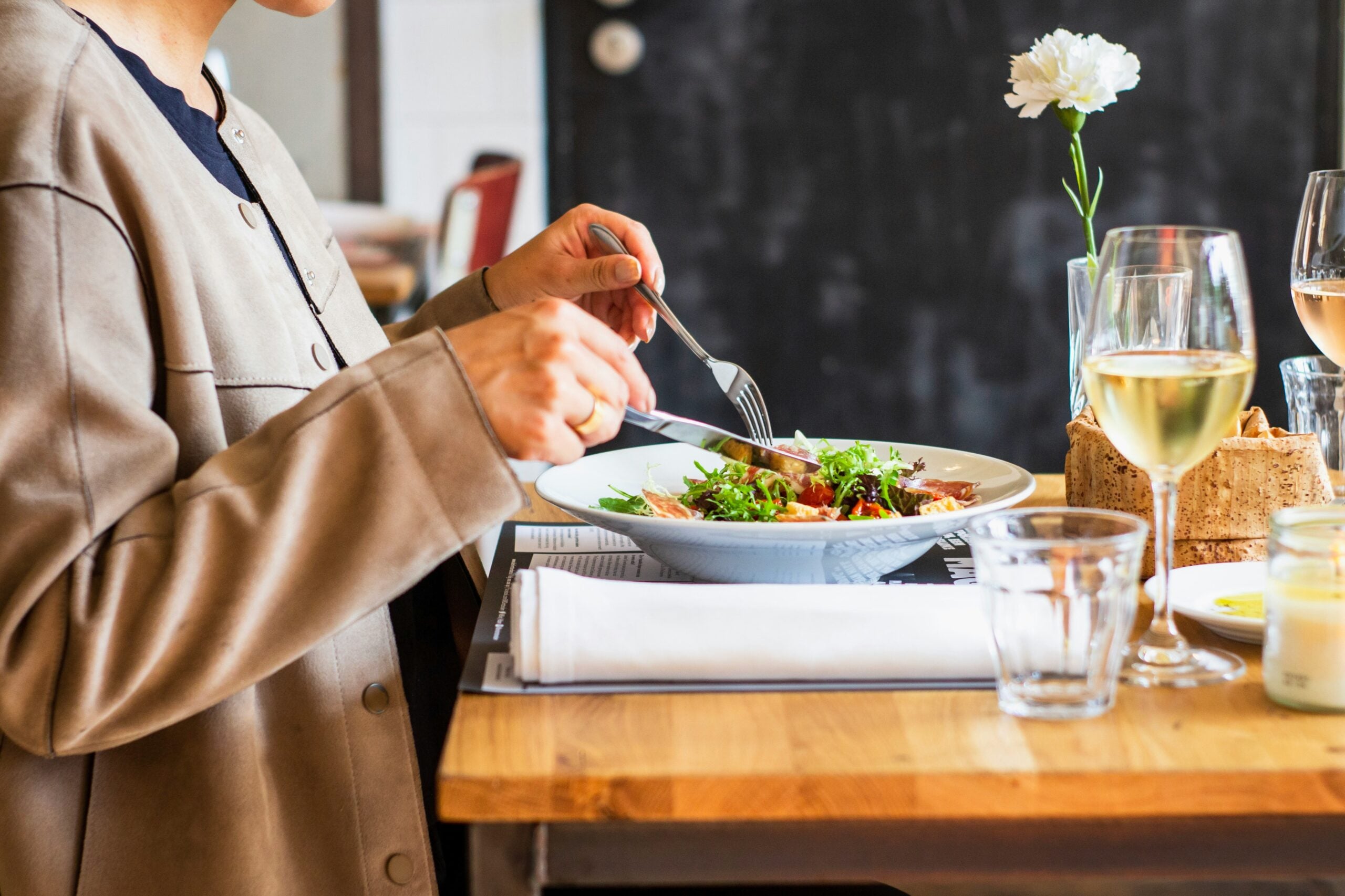
There’s a difference between lunch and dinner. You have to understand that lunch is usually cheaper than dinner. Many people have changed their daily routines so they can go to a restaurant for lunch and save money by not eating out at night. And restaurants have understood this shift, so they offer lunchtime promotions. People’s mindsets have changed significantly in recent years. This is one of the restaurant dining habits that we would like to continue in the future.
People Are Ordering Fewer Delivery Meals
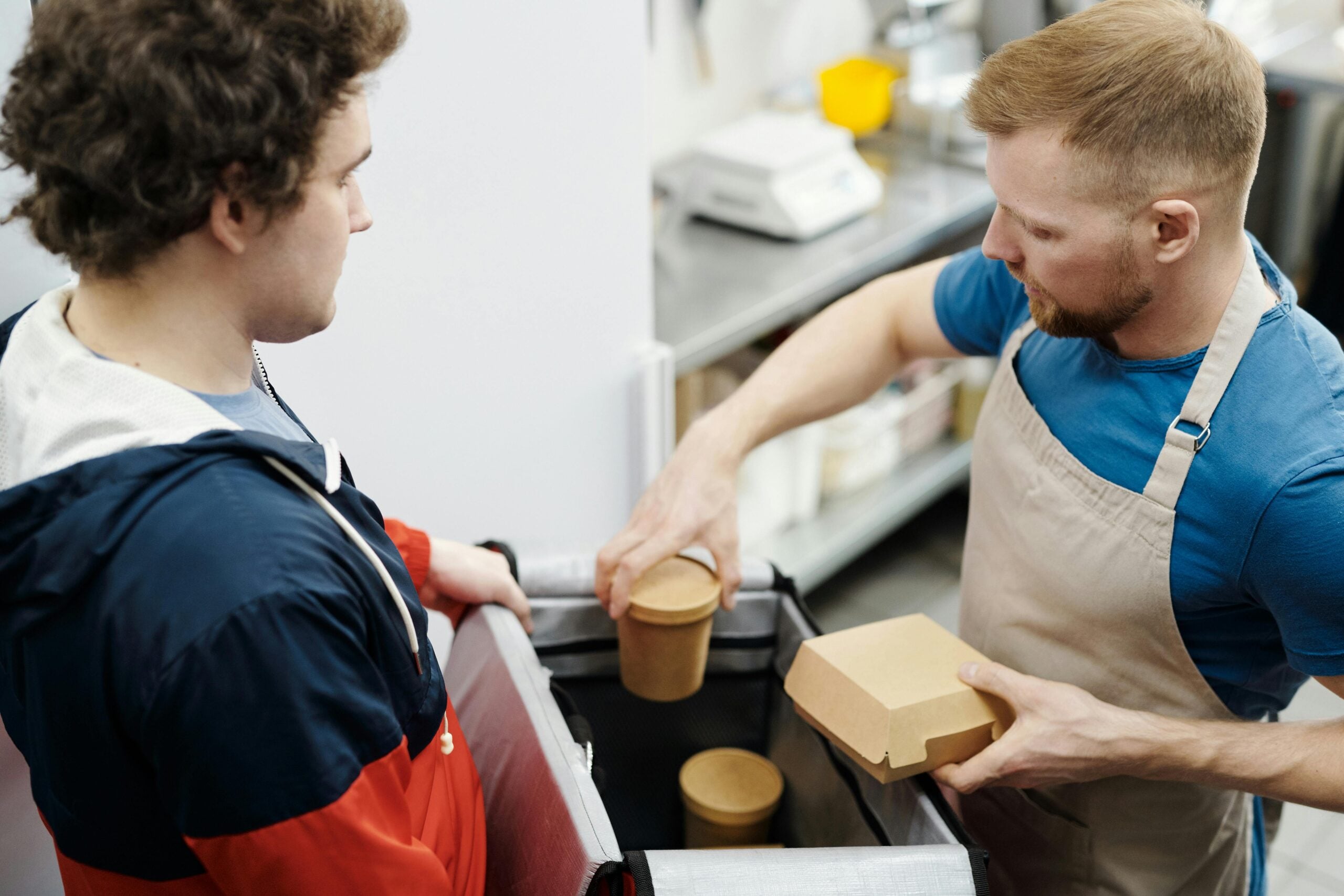
The use of food delivery has grown significantly compared to recent decades, but with the increase in delivery costs, some people have sought alternatives. Those who want to eat at a restaurant often order food but pick it up at the establishment. However, it turns out that food delivery apps have raised their prices. The economic crisis, taxes on food, and the cost of dishes all play a significant role in what people order to eat.
Sign up for our newsletter
Customers Are Ordering More “Comfort Food”
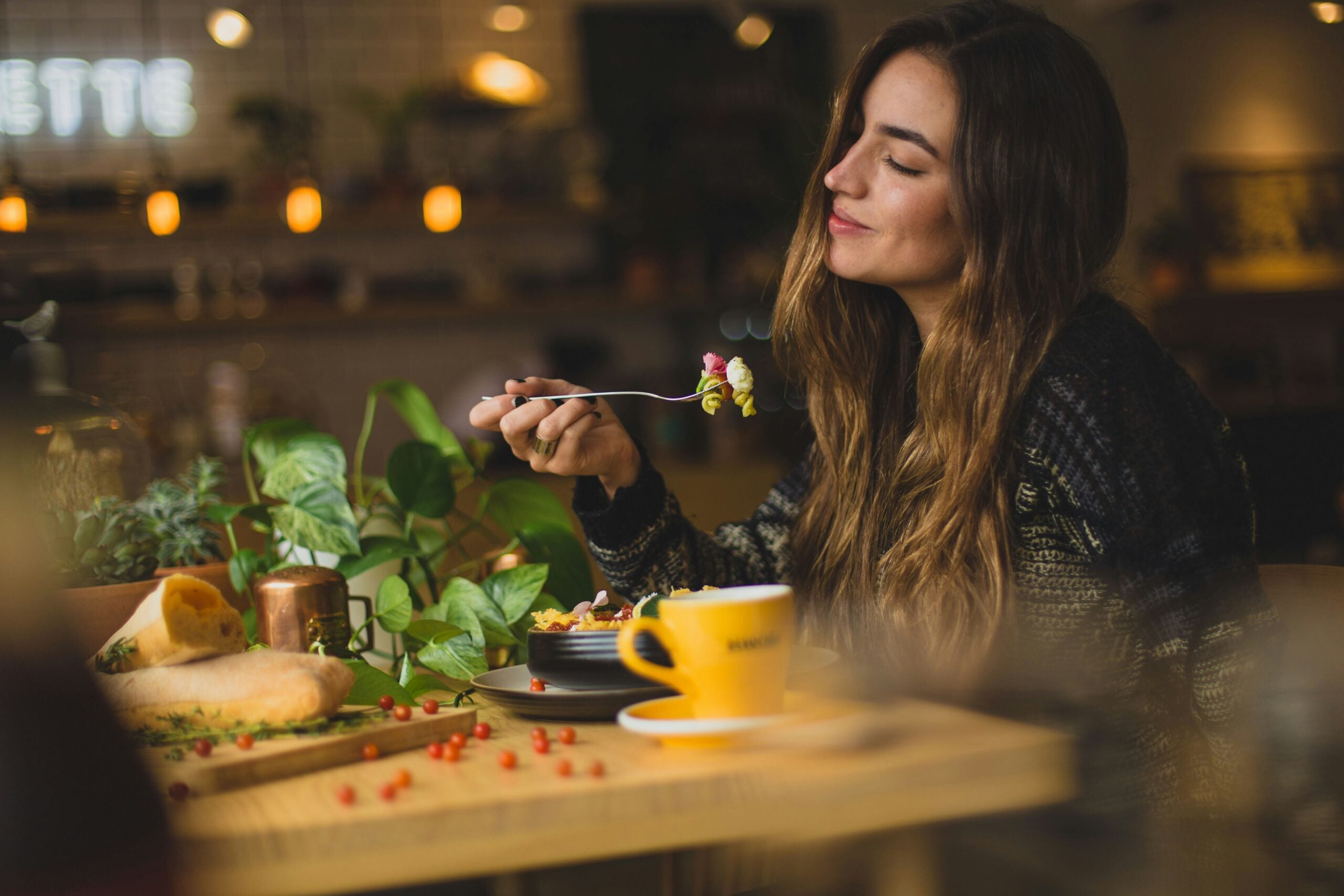
So-called “comfort food” is food that provides emotional well-being or a sense of positivity, regardless of its nutritional value. This action integrates a restaurant dining habits that ‘s precisely what many people turn to when they feel stressed. This type of food makes you feel better emotionally and reinforces your belief that you “deserve this food” over other options. Pew Research Consumer Sentiment Studies indicate that this is particularly true during periods of economic stress.
Free Refills and Bread Suddenly Matter Again
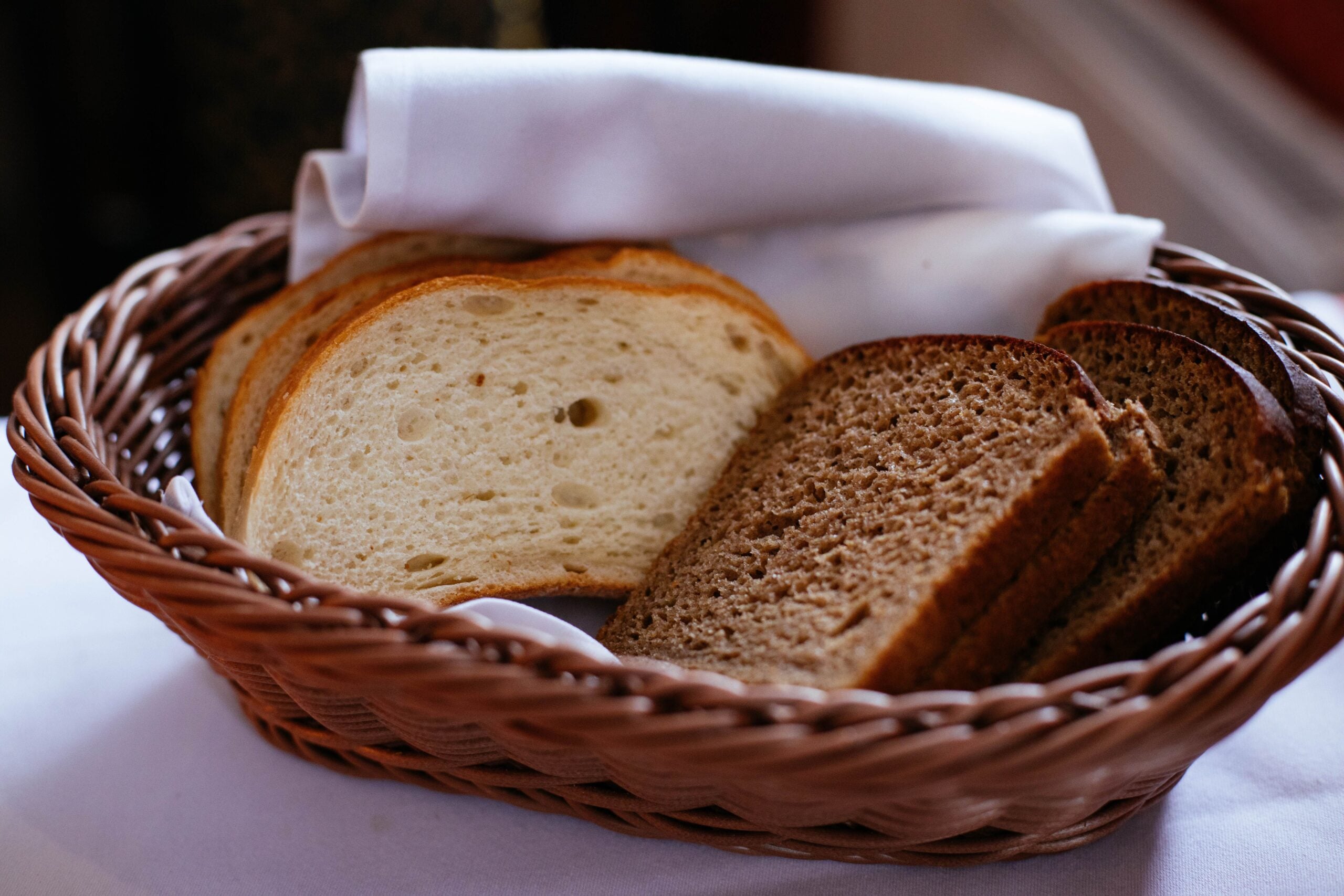
Restaurants had been offering free refills and complimentary bread for several years, but customers had grown accustomed to it. Now that not all restaurants offer these amenities, people are paying attention because spending less on drinks and bread makes a big difference. These extras add a very positive psychological value to the meal. Such thoughtful gestures of hospitality are much more appreciated with rampant inflation.
Diners Are Avoiding “Market Price” Items
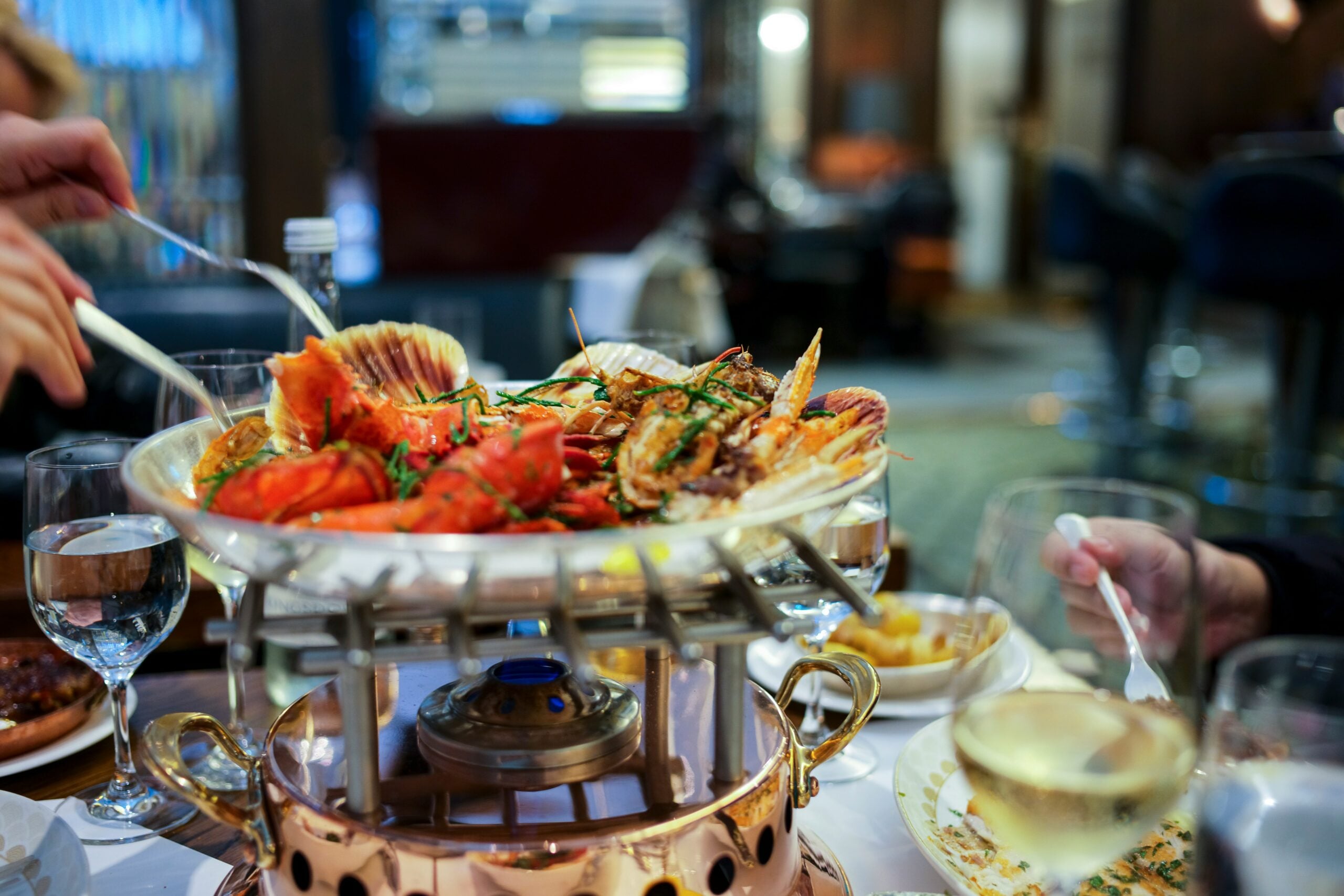
Some of the dishes served in restaurants are seasonal, so their prices can vary considerably. Seafood or premium meat dishes might intimidate anyone who sits down to read the menu. Therefore, customers prefer to know the price of a meal, even with high inflation. And on the other hand, restaurants try to adjust their menus as best they can to minimize the impact of inflation.
People Are Treating Restaurants Like Special Occasions Again
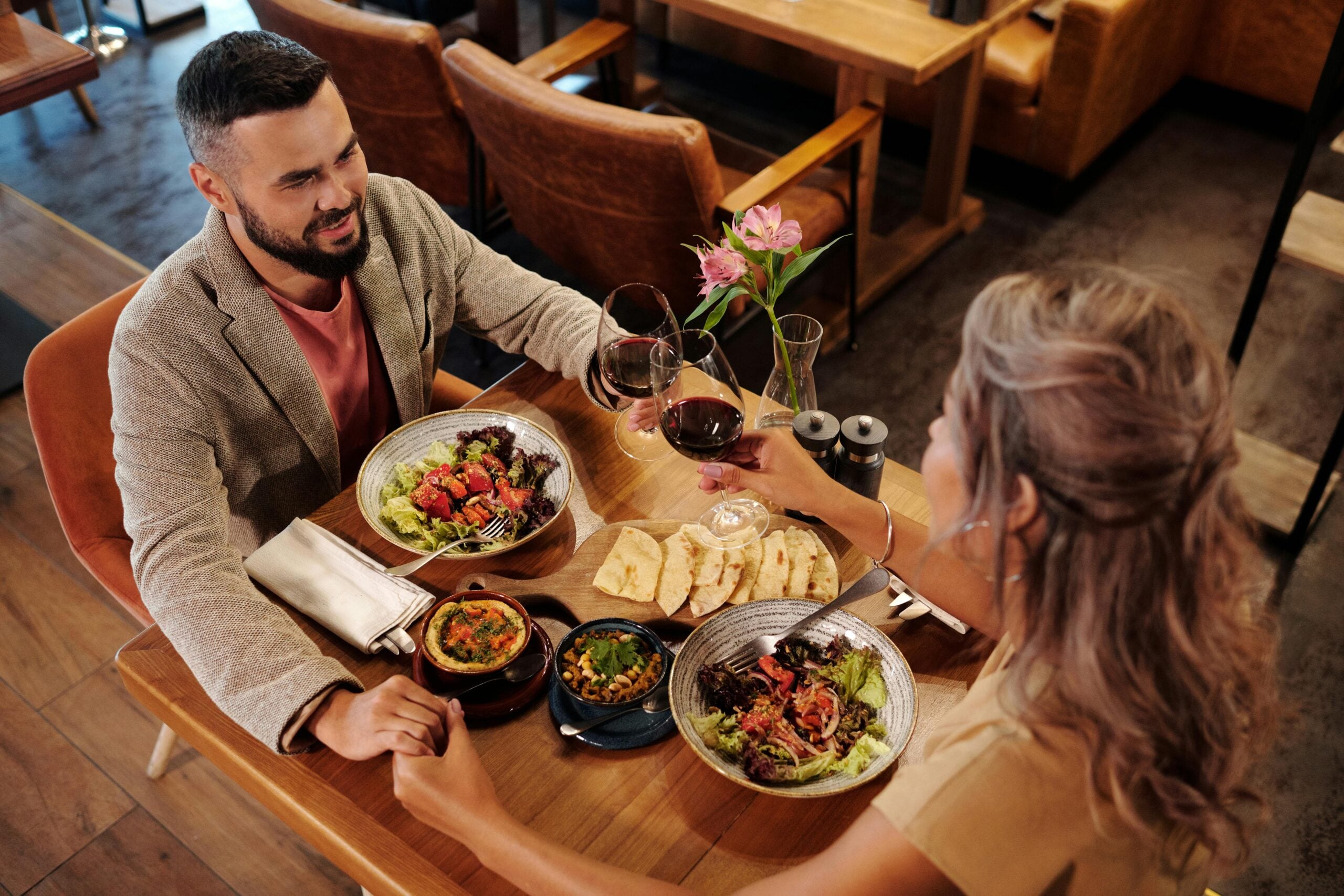
It’s true that several years ago, having restaurant dining habits was a luxury. Over time, that reality changed, but today it’s returning to its former state. Eating out used to be part of the routine, a plan that didn’t require much thought, and that the global crisis didn’t affect. In recent years, choosing to eat at a restaurant has become a special occasion, not a routine one.
Diners Are Becoming More Blunt About Prices
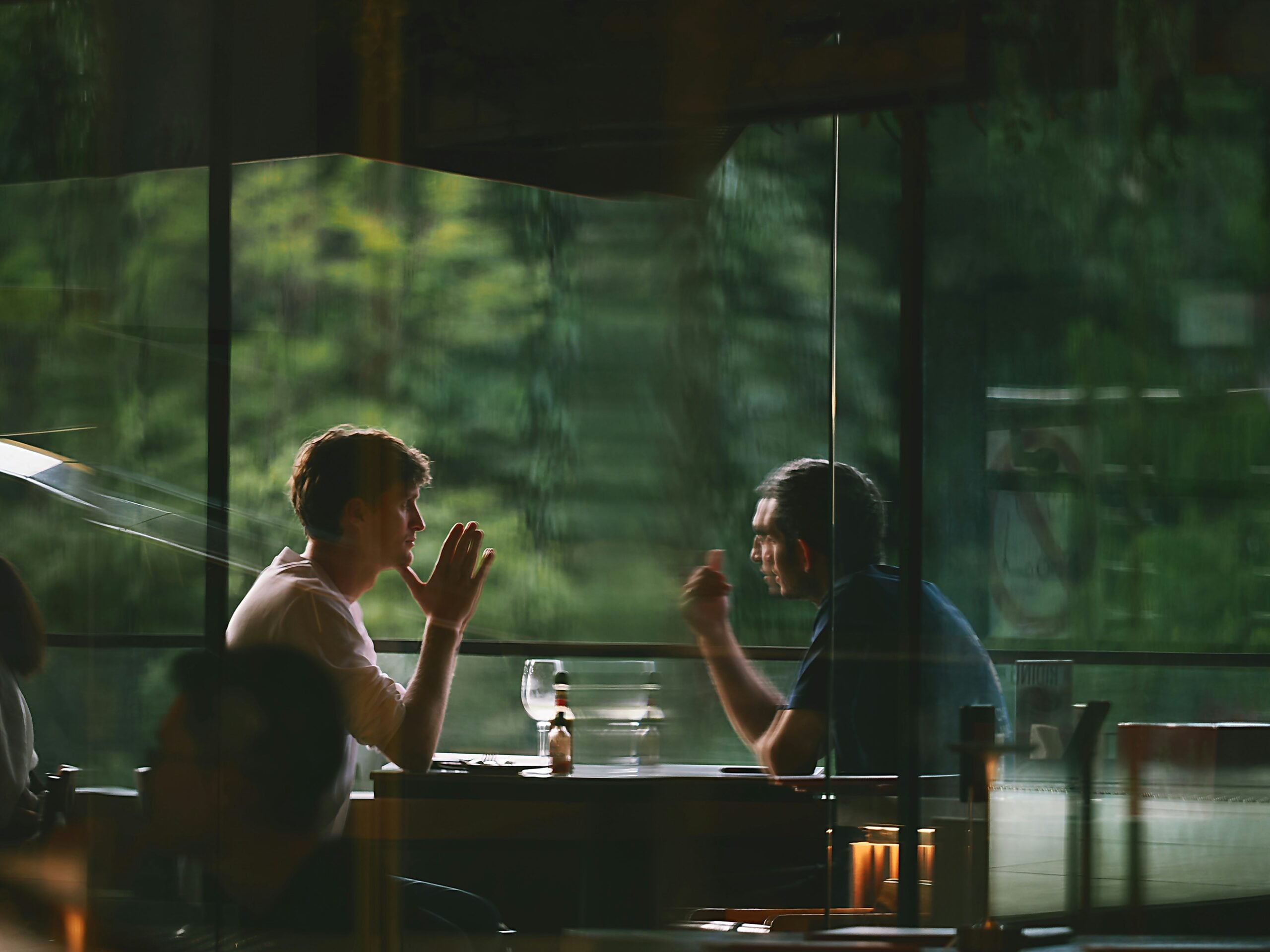
People are more direct nowadays than they were years ago. Many individuals aren’t afraid to criticize someone they know, or don’t know, in public and without holding back. The same is true for restaurant reviews; customers can check prices at other restaurants for the same dish they ordered right there on their phones, and then complain to the owner.
Value Menus and Combo Deals Suddenly Matter Again
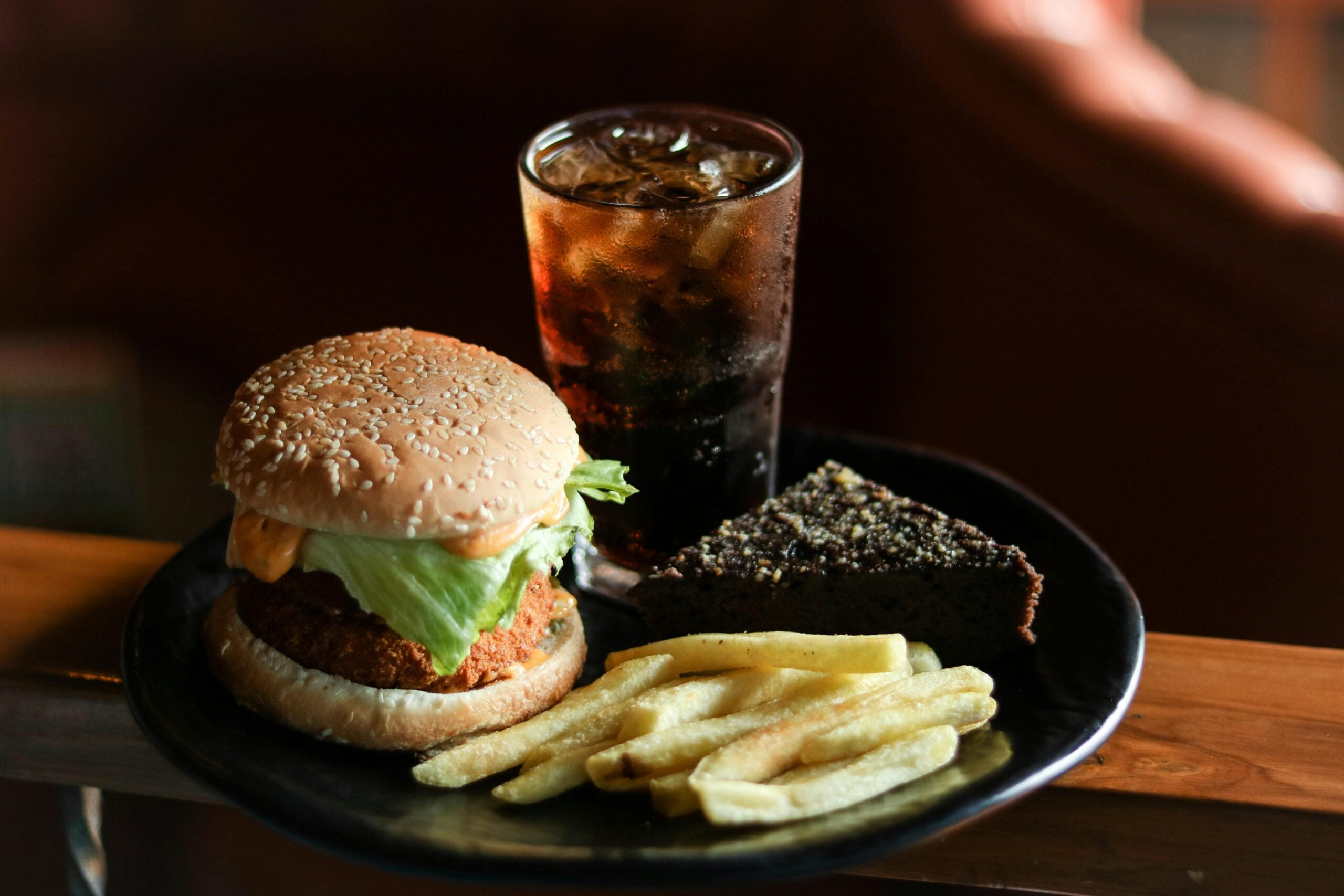
One of the latest strategies restaurants have adopted is to focus on combo meal prices and specific days when certain dishes are cheaper. Restaurant owners have shifted their focus away from novelty and toward predictability and ensuring customers are satisfied with their meals. Those values have returned to the forefront.
The Cost Crisis Changed Restaurant Psychology Entirely
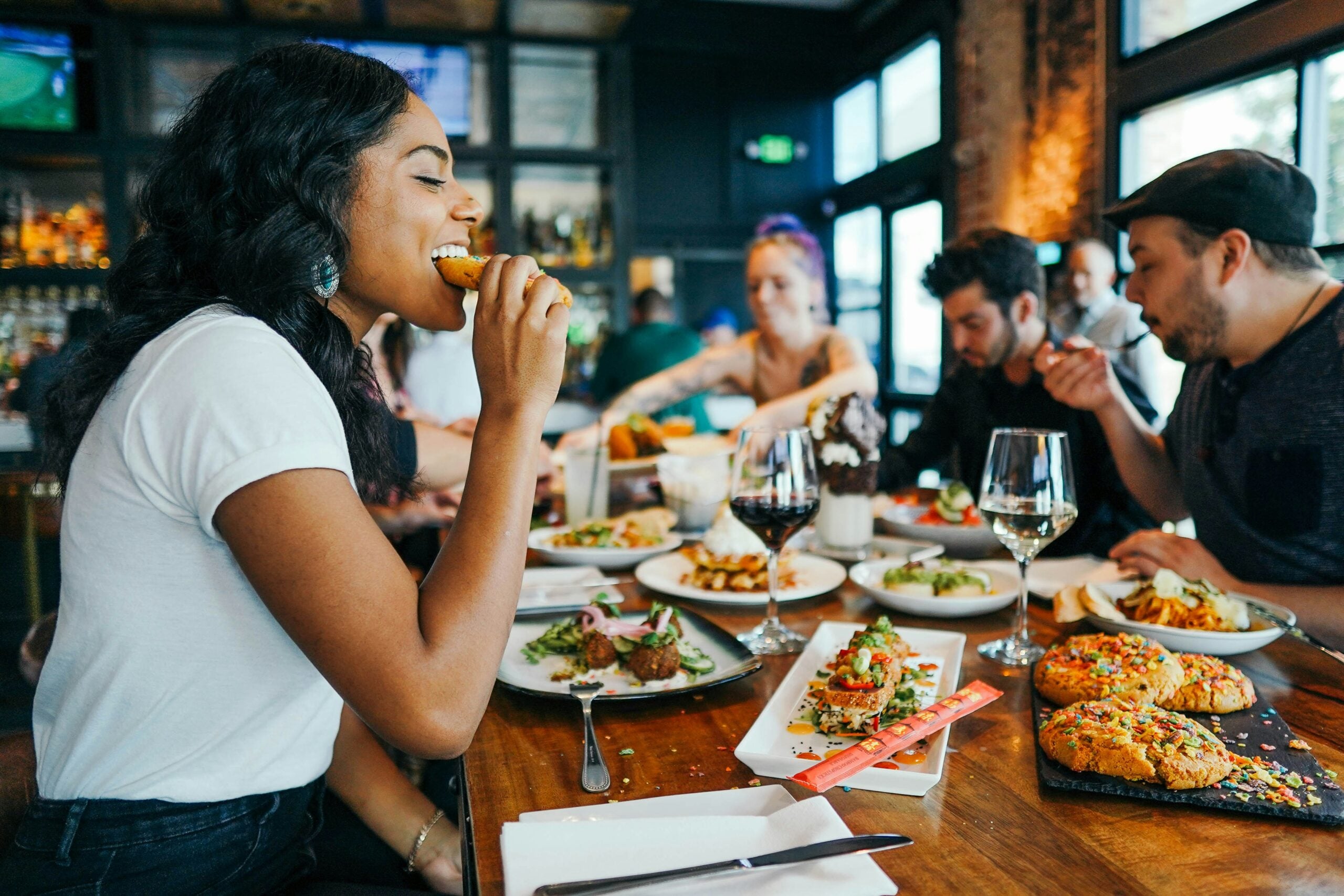
Just as customers evaluate restaurants, restaurants also evaluate customers. The landscape has changed and the restaurant dining habits too, because nowadays people are seen as someone who considers their money and what they spend. Those who walk through the door of a restaurant take into account the value of the food, the portions, hidden costs, and the price, not just whether it’s trendy or not. Whereas a few years ago, customers were seen as impulsive consumers.